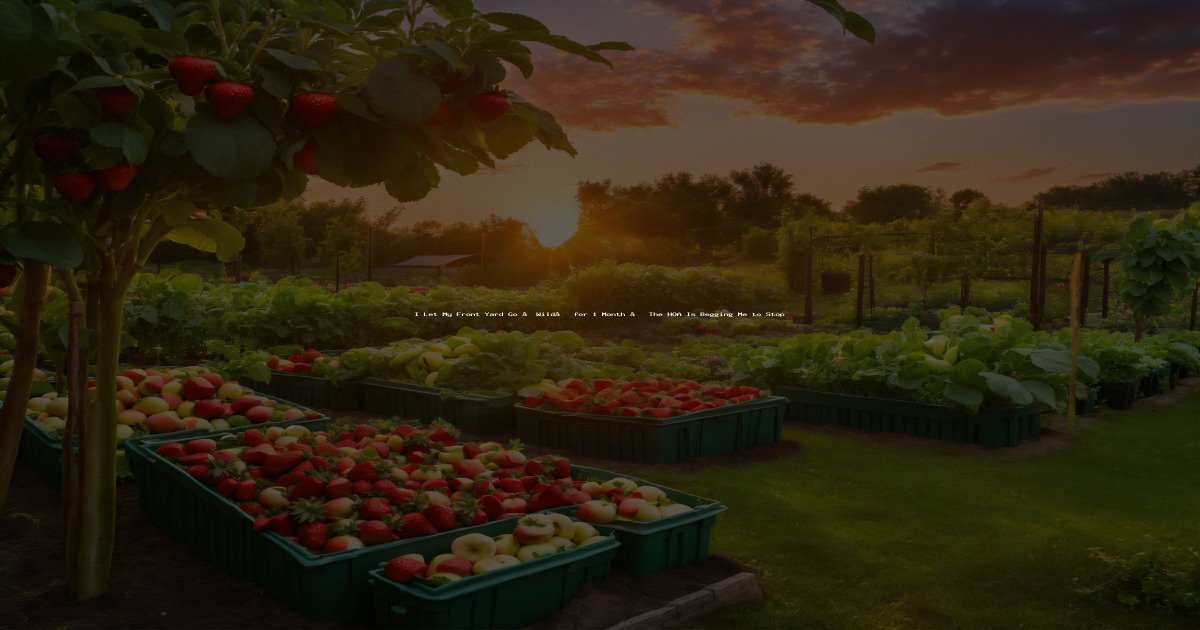
Are you tired of the endless battle against weeds, the relentless hum of the lawnmower, and the constant pressure to maintain that picture-perfect, monoculture lawn? For years, I was right there with you, caught in the endless cycle of fertilizing, watering, and manicuring my front yard to meet an unspoken neighborhood standard. My meticulously edged flower beds and uniformly green turf were the envy of some, and the expectation of others, especially my rather particular Homeowners Association (HOA).
But something shifted this spring. As the vibrant energy of May bloomed across the continental USA, from the sun-drenched plains of Kansas to the lush valleys of Oregon, and the humid embrace of Georgia, I found myself questioning the whole charade. We live in a country blessed with incredible biodiversity, from the drought-tolerant landscapes of the Southwest (think USDA Zones 8-10 in Arizona and Nevada) to the rich, fertile soils of the Midwest (Zones 4-6 in Iowa and Illinois) and the coastal resilience of the Northeast (Zones 5-7 in Massachusetts and New York). Why were we all striving for the same sterile patch of grass, often requiring gallons upon gallons of water and chemical inputs?
My moment of rebellion came early this May. I decided, somewhat impulsively, to just… stop. Stop mowing. Stop weeding. Stop battling nature and instead, let it take the reins. For one glorious month, my front yard became a living experiment, a miniature ecosystem unfolding right before my eyes. What started as a whimsical defiance quickly turned into a fascinating journey of discovery, attracting buzzing pollinators, curious birds, and even a few admiring glances from neighbors. But, as you might guess, it also attracted the stern gaze of my HOA.
The emails started subtly, then became more insistent. The phone calls followed. “Mr. Johnson,” the voice on the other end would plead, “Your lawn is… getting away from us.” They were begging me to stop, to revert to the manicured norm. But I had seen something beautiful, something wild, and something profoundly American in the natural resurgence of my own little patch of earth. And I wasn’t quite ready to give it up. This isn’t just a story about a rebellious gardener; it’s a deep dive into how you, too, can embrace a more natural, sustainable, and frankly, more interesting front yard, all while navigating the sometimes tricky waters of neighborhood expectations. Let’s explore the wild side of gardening, shall we?
Key Takeaways for Your Wild Yard Adventure:
- Embrace May’s Magic: Spring is the perfect time to observe and encourage native plant growth.
- Know Your Region: Tailor your “wild” approach to your specific USDA zone and local ecosystem.
- Arm Yourself: Simple tools and native seeds from American retailers are your best friends.
- HOA Harmony: Proactive communication and understanding bylaws are crucial for success.
- Biodiversity Bonus: A wild yard isn’t just beautiful; it’s a haven for pollinators and local wildlife.
- Sustainable Savings: Reduce water use, chemical inputs, and your weekend chore list!
The Month of May: Unleashing Your Yard’s Potential & HOA’s Fury
May is a transformative month across the United States. It’s the sweet spot between the last gasp of winter and the full onslaught of summer heat, a time when nature truly explodes with life. For many of us, it marks the unofficial start of gardening season, culminating in the traditional Memorial Day planting weekend. But what if, instead of meticulously planning rows of annuals, we allowed the inherent wisdom of our local ecosystems to guide us? This is precisely what I did, and the results, both botanical and administrative, were immediate and fascinating.
My experiment began on May 1st. I put away the mower, the edger, and the weed-and-feed. Instead, I grabbed a coffee and simply watched. Within days, the subtle green fuzz of emerging grasses gave way to a tapestry of plant life I hadn’t noticed before. Dandelions, often demonized, unfurled their bright yellow faces, quickly followed by clover, plantain, and a host of other “weeds” that, given a chance, were actually quite beautiful. In my particular USDA Zone 6 area, these early spring plants provide crucial nectar for emerging pollinators, a fact often overlooked in our quest for a pristine lawn.
Why May is Prime Time for Going Wild
May offers several advantages for this kind of experiment. The soil is warming, but not yet scorching hot, allowing seeds to germinate and young plants to establish without extreme stress. Rainfall is often abundant, reducing the need for supplemental watering, especially in regions like the Northeast and Midwest. Furthermore, the sheer speed of growth in May means you see results quickly – for better or worse, depending on your HOA’s perspective! It’s also a time when many native wildflowers begin to emerge, offering a glimpse into what your local ecosystem truly wants to be. Think about the burst of purple violets in a shaded corner, or the delicate white of wild strawberries peeking through the grass. These aren’t just weeds; they’re the indigenous flora making a comeback.
Embrace the Spring Growth Spurt
One of the most eye-opening aspects of letting my yard go wild in May was witnessing the incredible growth spurt. In just a couple of weeks, areas that were once short-cropped lawn were knee-high with a mix of grasses and broadleaf plants. This rapid growth isn’t just about height; it’s about biomass. This dense vegetation helps shade the soil, keeping it cooler and retaining moisture – a natural mulching effect. It also provides immediate shelter and foraging opportunities for small insects and birds. I noticed more bees, butterflies, and even a few different species of birds visiting my yard than ever before. It was a buzzing, chirping symphony of life, right outside my front door.
Initial Reactions & HOA Whispers
Of course, not everyone appreciated my newfound commitment to ecological diversity. The first subtle signs of HOA concern weren’t outright demands, but rather polite inquiries. A neighbor, likely prompted, asked if my mower was broken. Then came the first official email, a thinly veiled “friendly reminder” about maintaining “community standards” and “property values.” They didn’t mention my yard specifically, but the timing was impeccable. By the third week of May, as my front yard transformed from a uniform green carpet to a riot of varied greens, yellows, and purples, the whispers turned into direct communication. My experiment was no longer just about nature; it was about navigating community expectations, a challenge many American homeowners face when daring to deviate from the norm.
Regional Rhythms: Tailoring Wildness to Your American Landscape
The beauty of “going wild” in your yard is that it’s not a one-size-fits-all approach. What thrives in the arid Southwest will struggle in the humid South, and vice-versa. Understanding your specific region, its climate, and its native plant communities is key to creating a truly successful and sustainable wild landscape. This isn’t about importing exotic species; it’s about celebrating and fostering what naturally belongs there. Let’s take a quick tour across the continental US to see how this might look.
Northeast’s Verdant Awakening
In states like New York, Pennsylvania, and Massachusetts (USDA Zones 4-7), May is a time of lush green growth after a long winter. Here, a “wild” yard might incorporate native wildflowers like Eastern Columbine, Wild Geranium, and various asters and goldenrods that provide late-season pollen. Allowing native sedges and grasses to grow taller can create beautiful texture and habitat. Think about allowing areas to naturalize with ferns, violets, and trillium in shaded spots. The challenge here is often managing moisture and preventing invasive species that love the rich soil. Focusing on local ecotypes will ensure your wild yard is resilient and beneficial to local wildlife.
Southern Charm, Naturally
From the Carolinas to Florida and Texas (USDA Zones 7-10), the South boasts a long growing season and often high humidity. Going wild here means embracing heat-tolerant and sometimes drought-tolerant natives. Think about allowing native grasses like Little Bluestem or switchgrass to flourish, creating beautiful movement in the breeze. Wildflowers such as Coneflowers, Black-eyed Susans, and Milkweed are excellent choices, providing vital support for pollinators, including monarch butterflies. In Florida, you might even consider native palms or saw palmettos in less formal settings. The key is selecting plants that can handle the summer heat and humidity without constant intervention, often reducing the need for supplemental watering by half or more.
Midwest’s Prairie Power
The heartland, encompassing states like Iowa, Nebraska, and Illinois (USDA Zones 3-6), was once dominated by vast prairies. Reclaiming a bit of that prairie spirit in your yard is a fantastic way to go wild. This means letting native prairie grasses like Big Bluestem, Indiangrass, and Sideoats Grama grow tall, creating a stunning visual impact and deep root systems that improve soil health. Pair these with prairie wildflowers such as blazing star (Liatris), purple coneflower, and prairie dock. These plants are incredibly resilient, tolerant of both summer droughts and harsh winters, and provide habitat and food for a wide array of prairie wildlife. It’s a powerful statement about connecting with the land’s original heritage.
Pacific Northwest’s Lush Embrace
With its abundant rainfall and mild temperatures, the Pacific Northwest (USDA Zones 6-9 in states like Washington and Oregon) is a haven for lush, green growth. A wild yard here might feature native ferns, salal, Oregon grape, and various native huckleberries. Allowing areas to become dense with diverse native shrubs and groundcovers can create incredibly rich habitats. Wildflowers like camas and fawn lilies add seasonal beauty. The focus here is often on managing moisture and shade, creating a layered forest-understory feel. Your wild yard could become a miniature temperate rainforest, teeming with unique flora and fauna.
Southwest’s Arid Allure
In the sun-baked landscapes of Arizona, New Mexico, and parts of California (USDA Zones 7-10), “going wild” takes on a different meaning: xeriscaping with native, drought-tolerant plants. This isn’t about letting weeds grow; it’s about intentionally cultivating a landscape that thrives with minimal water. Think about allowing native cacti, succulents, agave, desert marigold, and various native sages to flourish. Embracing the natural beauty of desert grasses and shrubs like palo verde and mesquite can create a striking, low-maintenance, and water-wise front yard that truly reflects its environment. It’s about working with the scarcity of water, not against it, and showing that “wild” can be both beautiful and responsible.
Gear Up for Green: American Products for a ‘Wild’ Yard
Even when you’re letting nature take the lead, a little strategic intervention with the right tools and products can make all the difference. You’re not abandoning your garden; you’re just changing your approach. And thankfully, American retailers like Home Depot, Lowe’s, and Amazon US offer everything you need to support your wild yard journey, often with a focus on sustainability and native plant options. Forget the heavy machinery for a moment, and think about essentials that help you guide, not dominate, nature.
Essential Tools from Your Local Store
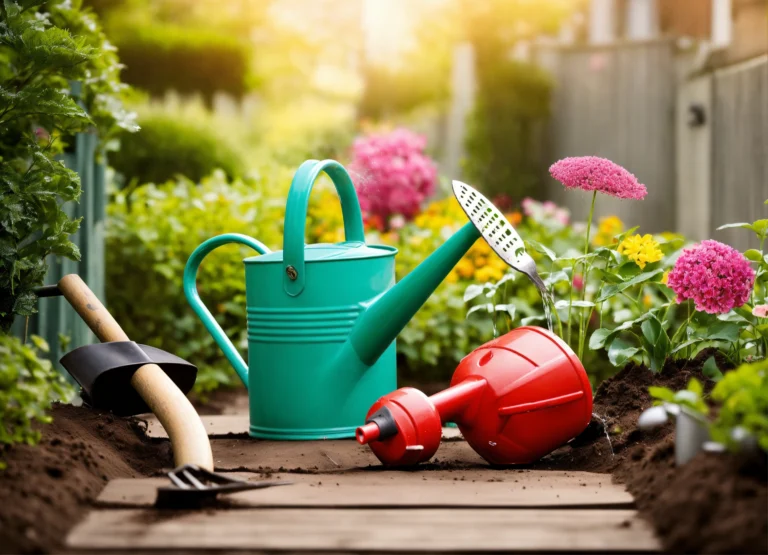
While you might be putting the lawnmower into hibernation, a few basic hand tools are still invaluable. A good pair of bypass pruners (around $20-$40 at Lowe’s or Home Depot) will help you selectively trim back aggressive non-natives or shape areas to maintain a sense of intention, even in a wild space. A sturdy gardening hoe or a small hand trowel (often $10-$20) can be useful for spot-weeding truly problematic invasives that you don’t want to encourage. And don’t forget a comfortable pair of gardening gloves – protecting your hands is always a good idea when you’re getting up close and personal with your plants. For larger areas or preparing new beds, a garden fork or broadfork can aerate soil with minimal disturbance, which is great for promoting healthy soil biology.
Seed & Soil Secrets: American Brands You Can Trust
If you’re looking to introduce more native plants to your wild space, American seed companies are your best friends. Brands like Burpee, Baker Creek Heirloom Seeds, and Park Seed all offer a wide selection, including native wildflower mixes tailored to different regions. You can find these online or sometimes in local garden centers. When choosing seeds, always look for “native” or “regional wildflower mix” specifically for your USDA zone. A 1/4 lb bag of native wildflower seeds might cost anywhere from $15 to $30, covering several hundred square feet. For soil health, consider organic compost (available in 1 cubic foot bags for $5-$10 at Home Depot or Lowe’s) or a natural mulch like shredded bark or straw (large bales for $8-$15). These help build healthy soil structure, retain moisture, and suppress unwanted weeds without chemicals. Remember, healthy soil is the foundation of a thriving wild ecosystem.
Watering Wisely: Gallons and Gumption
One of the biggest benefits of a wild, native-plant-focused yard is reduced water usage. Once established, native plants are typically much more drought-tolerant than traditional lawns or exotic ornamentals. However, during the establishment phase, especially in regions with dry springs like California or the Southwest, supplemental watering might be necessary. A simple garden hose with a spray nozzle will suffice, but for larger areas, a soaker hose (a 50-foot hose costs about $15-$25 at Amazon US) can deliver water directly to the root zone, minimizing evaporation. Remember to water deeply and infrequently, encouraging roots to grow down rather than staying near the surface. Aim for about an inch of water per week, factoring in rainfall. You’ll be amazed at how many gallons of water you save compared to a traditional lawn, especially during the warmer months.
The HOA Conundrum: Navigating Neighborhood Norms
Ah, the HOA. The acronym that strikes fear into the hearts of many American homeowners. My month-long experiment quickly brought me face-to-face with the realities of living under their watchful eye. While my yard was blossoming into a vibrant ecosystem, the HOA saw “unkept,” “unattractive,” and potentially “declining property values.” This is a common battle for those of us trying to break free from the traditional lawn paradigm. But it doesn’t have to be a losing one. With a bit of strategy, communication, and a dash of education, you can often find common ground, or at least carve out your own beautiful, wild space.
Understanding Your HOA’s Stance
The first step in any HOA dispute is to actually read your Covenants, Conditions, and Restrictions (CC&Rs). Mine, for instance, had vague language about “neat and orderly” appearance and “uncontrolled growth.” There was no specific mention of native plants or biodiversity. This ambiguity can be your friend. Many HOAs were established decades ago, long before the environmental movement brought native plant gardening into the mainstream. Their rules are often based on outdated aesthetic preferences. Understanding the specific wording – or lack thereof – in your documents will arm you for any discussion. Did they specify lawn height in inches? Mine didn’t, which was a loophole I was prepared to explore.
Communication is Key (and a Little Education)
When the HOA notices started arriving, my first instinct was to ignore them, or perhaps send a snarky email about pollinators. Instead, I opted for a more diplomatic approach. I requested a meeting with a member of the architectural committee. I didn’t go in defensive; I went in informed. I brought pictures of what my yard looked like before, during, and what I envisioned it could become – a managed native landscape. I talked about the benefits: reduced water usage (which saves the community money on shared irrigation systems, if applicable), increased biodiversity, and less noise pollution from constant mowing. I even offered to create a defined edge along my property line, a visual cue that this “wildness” was intentional, not neglect. Presenting solutions, not just problems, can make a huge difference.
Advocating for Biodiversity (and Your Rights)
Many HOAs are surprisingly receptive to education, especially when presented with tangible benefits. I highlighted that my efforts were supporting local ecosystems, contributing to the health of the community (less pesticide runoff), and potentially increasing my home’s curb appeal in a different, more sustainable way. I referenced local university extension offices and native plant societies (https://ecorganicas.org/how-deep-to-plant-potatoes/) as resources for best practices. Some states, like California and Florida, even have “right to landscape” laws that protect homeowners’ ability to install drought-tolerant or native landscaping, overriding HOA rules in some cases. Knowing if your state has such protections can be a powerful negotiation tool. It’s about shifting the perception from “messy” to “managed natural habitat.”
Beyond the Wild: Strategic Steps for a Thriving Ecosystem
Letting your yard “go wild” for a month is an excellent experiment, but true ecological gardening is about intention, not just neglect. It’s about creating a thriving, low-maintenance ecosystem that benefits both you and the local environment. This isn’t about letting invasives take over; it’s about fostering native plants and supporting the intricate web of life that depends on them. Here’s how to move beyond simply stopping mowing to actively cultivating a beautiful, biodiverse space.
Choosing Your Native Allies
The cornerstone of a successful wild yard is selecting the right native plants for your specific region and microclimate. This means considering your USDA Hardiness Zone, average rainfall, sun exposure, and soil type. For example, in the Northeast, you might plant Milkweed for Monarchs, New England Aster for late-season pollinators, and various native ferns for shaded areas. In the Southwest, Desert Marigold, Penstemon, and various Agave species thrive. Researching your local native plant society or university extension office (https://ecorganicas.org/when-to-plant-garlic/) is an invaluable first step. They often have lists of recommended plants that will flourish without excessive intervention, reducing your work and increasing ecological benefits. Remember to source your plants from reputable nurseries that specialize in natives, ensuring they haven’t been treated with harmful pesticides.
The Magic of Mulch and Soil Health
Even in a wild yard, good soil is paramount. Healthy soil supports robust plant growth, retains moisture, and provides a home for beneficial microorganisms. Instead of turning over the soil, which can disrupt its delicate structure, focus on top-dressing with organic compost. A layer of 1-2 inches of compost applied in spring or fall can dramatically improve soil fertility and structure over time. Furthermore, applying a natural mulch – such as shredded leaves, wood chips, or pine straw – around your native plants offers numerous benefits. It suppresses unwanted weeds, moderates soil temperature, conserves moisture (reducing the need for gallons of water), and slowly breaks down to enrich the soil. Aim for a 2-4 inch layer of mulch, keeping it a few inches away from plant stems.
Attracting Local Wildlife
A truly wild yard isn’t just about plants; it’s about the life it supports. By choosing native plants, you’re providing food and shelter for local wildlife. Pollinators like bees and butterflies rely on native flowers for nectar and pollen. Birds feed on seeds, berries, and the insects that thrive in a diverse garden. Consider adding a shallow bird bath for a water source, or a brush pile in a less conspicuous corner for small mammals and overwintering insects. Even leaving some leaf litter in specific areas can provide crucial habitat. Observing the increased activity in your yard – the buzzing of bees, the flitting of butterflies, the chirping of birds – is one of the most rewarding aspects of this gardening approach. It transforms your yard from a static display into a dynamic, living ecosystem.
The Payoff: Beauty, Biodiversity, and a Happier You
After a month of letting my front yard go wild – much to the HOA’s consternation – the transformation was undeniable. It wasn’t just a patch of overgrown weeds; it was a vibrant, buzzing, living tapestry. The benefits extended far beyond mere aesthetics, touching on environmental sustainability, personal well-being, and even community engagement. This journey proved that a “wild” yard, when approached with intention, offers a profound return on investment, requiring less effort while giving back so much more.
A Symphony of Pollinators
Perhaps the most immediate and delightful change was the explosion of pollinator activity. My yard became a bustling haven for bees, butterflies, and other beneficial insects. Where once there was a barren lawn, now there were dandelions teeming with early spring bees, clover attracting bumblebees, and emerging native wildflowers drawing in a diverse array of fluttery visitors. This isn’t just a pretty sight; it’s vital. Pollinators are essential for our food supply and the health of our ecosystems. By providing them with continuous sources of nectar and pollen, even in a small front yard, I was contributing to a healthier environment, one buzzing visitor at a time. It was a stark contrast to the quiet, lifeless uniformity of my neighbors’ chemically treated lawns.
Water-Wise Wonders
One of the most practical benefits of letting my yard go wild, especially with an eye toward native plants, was the drastic reduction in water usage. Traditional lawns often demand an inch of water per week, sometimes more in hot climates, equating to thousands of gallons over a summer. By allowing native grasses and wildflowers to establish, plants with deeper root systems and natural drought tolerance, my need for supplemental irrigation plummeted. After the initial establishment phase, many native plants can thrive on natural rainfall alone in many US regions. This not only saves money on water bills but also conserves a precious resource, making your landscape inherently more sustainable. Imagine the collective impact if every homeowner in your HOA adopted a similar approach!
Your Personal Oasis (and Less Weekend Work!)
Beyond the environmental benefits, there’s a profound personal payoff. My front yard, once a chore, became a source of endless fascination. I spent less time mowing and more time observing. The stress of maintaining a perfectly manicured lawn evaporated, replaced by the joy of witnessing nature unfold. This shift allowed me to reclaim valuable weekend hours, which I could now spend enjoying my yard rather than toiling in it. It transformed from a demanding taskmaster into a peaceful, dynamic oasis. And surprisingly, despite the HOA’s initial alarm, several neighbors eventually expressed admiration for the natural beauty and the wildlife it attracted, proving that sometimes, leading by example can slowly shift community perceptions for the better.
| Product/Technique | Best For | Price Range | Where to Buy | Rating |
|---|---|---|---|---|
| Native Wildflower Seed Mix | Attracting pollinators & biodiversity | $15 – $40 (1/4 lb bag) | Baker Creek, Burpee, Park Seed, Amazon US | ★★★★★ |
| Organic Compost | Building healthy soil & nutrient cycling | $5 – $10 (1 cu ft bag) | Home Depot, Lowe’s, Local Nurseries | ★★★★☆ |
| Bypass Pruners (Handheld) | Selective trimming & managing invasives | $20 – $40 | Lowe’s, Home Depot, Amazon US | ★★★★☆ |
| Shredded Leaf Mulch | Weed suppression, moisture retention, soil amendment | Free (from your own yard) – $5 (bagged) | Your own trees, Local Garden Centers | ★★★★★ |
| Soaker Hose (50 feet) | Efficient watering of new plantings | $15 – $25 | Amazon US, Home Depot, Lowe’s | ★★★★☆ |
10+ Expert Tips for US Gardeners Embracing the Wild:
- Start Small & Strategic: Don’t overhaul your entire yard at once. Designate a specific “wild” area, perhaps a corner or a strip along a fence, to experiment.
- Know Your Natives: Research native plants specific to your USDA zone and local ecosystem. Your county extension office is a fantastic resource.
- Define the Edges: To appease HOAs and neighbors, maintain a crisp, mowed edge or install a physical border (like stones or a small fence) around your wild areas. This signals intentionality.
- Observe Before You Act: Let your yard grow for a few weeks in spring (May is perfect!) to see what native plants are already present before introducing new ones.
- Remove Invasives: While “going wild,” focus on removing truly invasive, non-native species that can harm local ecosystems. Identify them with a local guide.
- Embrace “Weeds” (Selectively): Many common “weeds” like dandelions and clover are vital early-season food sources for pollinators. Learn to appreciate their ecological role.
- Provide Water: A shallow bird bath or a small water feature can dramatically increase the wildlife visiting your wild space.
- Leave the Leaves: In fall, consider leaving some leaf litter in designated areas. It provides overwintering habitat for beneficial insects and slowly enriches the soil.
- Educate Your Neighbors: Share your journey! Explaining the ecological benefits can turn skeptical neighbors into curious allies.
- Consider a Sign: A small sign indicating “Pollinator Garden” or “Certified Wildlife Habitat” can communicate your intentions to passersby and HOAs.
- Utilize Vertical Space: Native vines like Trumpet Honeysuckle or Virginia Creeper can add vertical interest and provide additional habitat without taking up much ground space.
- Document Your Progress: Take photos! You’ll be amazed at the transformation and can use them to show your HOA or inspire others.
Frequently Asked Questions About Going Wild in Your American Yard
How long does it take for a “wild” yard to look intentional and not just messy?
It can take anywhere from a few months to a year or two for a newly planted native landscape to fully establish and look intentionally designed. The key is strategic planting, defining borders, and selective weeding of true invasives. Observing growth in May gives you a head start.
Will a wild yard attract pests?
While a wild yard will attract more insects, it’s typically a diverse mix of beneficial insects (like pollinators and predators) and common garden visitors, not necessarily “pests” that will destroy your home. A healthy ecosystem tends to balance itself, reducing outbreaks of any single pest. Focus on native plants, as they are often more resistant to local pests.
What if my HOA has strict rules against wild landscaping?
Start by reviewing your CC&Rs carefully. Look for specific language about lawn height, plant types, or maintenance. If rules are vague, you have more room to negotiate. Propose a compromise, like maintaining a mowed strip around your wild area or planting only native species. Present the ecological benefits and potentially research state laws that protect native landscaping rights. https://ecorganicas.org/how-deep-to-plant-potatoes/
Can I still have a path or a seating area in a wild yard?
Absolutely! Incorporating defined paths, seating areas, or even small patios can help integrate your wild landscape into your home’s design and make it feel more accessible and intentional. These elements provide structure and visual breaks within the natural growth.
What are some easy native plants for beginners in the US?
For beginners, try plants known for their resilience and beauty across many regions. Options include