body { font-family: ‘Segoe UI’, Tahoma, Geneva, Verdana, sans-serif; line-height: 1.6; color: #333; margin: 0 auto; max-width: 800px; padding: 20px; }
h1, h2, h3 { color: #2c5234; }
h1 { font-size: 2.5em; margin-bottom: 20px; }
h2 { font-size: 2em; margin-top: 40px; margin-bottom: 15px; }
h3 { font-size: 1.5em; margin-top: 25px; margin-bottom: 10px; }
p { margin-bottom: 1em; }
ul, ol { margin-bottom: 1em; padding-left: 25px; }
li { margin-bottom: 0.5em; }
strong { font-weight: bold; }
em { font-style: italic; }
table { width: 100%; border-collapse: collapse; margin-top: 20px; margin-bottom: 20px; }
th, td { border: 1px solid #ccc; padding: 10px; text-align: left; }
th { background-color: #f2f2f2; }
.key-takeaways { background-color: #e6f7e6; border-left: 5px solid #4CAF50; padding: 15px; margin-top: 20px; margin-bottom: 30px; }
.key-takeaways h3 { color: #4CAF50; margin-top: 0; }
.button { display: inline-block; background-color: #4CAF50; color: white; padding: 12px 25px; text-align: center; text-decoration: none; border-radius: 5px; margin-top: 20px; margin-right: 15px; font-size: 1.1em; cursor: pointer; }
.button:hover { background-color: #45a049; }
a { color: #4CAF50; text-decoration: none; }
a:hover { text-decoration: underline; }
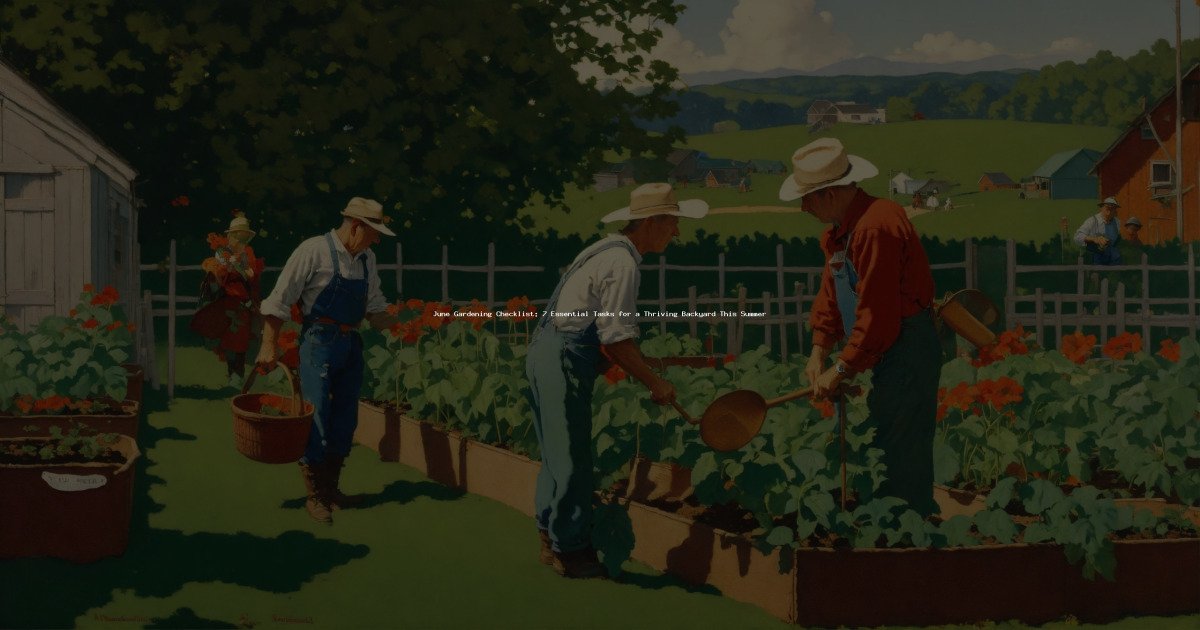
June Gardening Checklist: 7 Essential Tasks for a Thriving Backyard This Summer
Ah, June! The sweet spot of summer, where the days are long, the sun is high, and your garden is bursting with life. For American home gardeners from the humid Southeast to the arid Southwest, the temperate Pacific Northwest to the sunny Midwest, and the bustling Northeast, June is a pivotal month. It’s when the groundwork laid in spring truly pays off, and the promise of a bountiful harvest or a vibrant floral display is within reach. But with great growth comes great responsibility – and a fair bit of work!
Think back to those Memorial Day planting weekends. All the hopes and dreams you sowed into the soil are now vigorously growing, pushing towards their summer peak. Whether you’re tending to a sprawling vegetable patch in USDA Zone 7, a vibrant flower bed in Zone 5, or a drought-tolerant landscape in Zone 9, June demands your attention. The weather can be a fickle friend, with scorching heatwaves hitting the Southwest and South, while the Northeast and Midwest might experience sudden thunderstorms or periods of intense humidity. Your plants, much like us, need consistent care to thrive through these ever-changing conditions.
This isn’t just about keeping things alive; it’s about helping your garden flourish, maximizing your yields, and ensuring a spectacular show all the way through Labor Day. From the first ripe strawberry to the fragrant bloom of a rose, every success in your June garden is a testament to your dedication. But let’s be honest, sometimes it feels like a marathon, not a sprint. The weeds seem to multiply overnight, thirsty plants wilt under the midday sun, and new pests appear as if by magic. That’s where this comprehensive June Gardening Checklist comes in.
We’ve broken down the seven most critical tasks you need to tackle this month, tailored for the diverse climates and growing conditions across the continental USA. We’ll dive into specific regional advice, recommend products you can find at your local Home Depot or Lowe’s, or easily order from Amazon US, and talk in good old American units – Fahrenheit, inches, feet, and gallons. Get ready to arm yourself with knowledge, roll up your sleeves, and transform your backyard into the thriving oasis you’ve always dreamed of. Let’s make this summer your garden’s best one yet!
Key Takeaways for Your June Garden
- Water Wisely: Deep, consistent watering is crucial, especially during heatwaves.
- Fertilize Strategically: Give your hungry plants the nutrients they need for continuous growth and fruiting.
- Combat Weeds & Mulch Heavily: Stay ahead of weeds and conserve moisture with a good layer of mulch.
- Monitor for Pests & Diseases: Early detection and intervention are key to preventing major outbreaks.
- Prune & Deadhead Regularly: Promote more blooms, better fruit production, and overall plant health.
- Harvest & Plan Succession: Enjoy your bounty and prepare for fall crops.
- Optimize Container Gardens: Ensure patio plants are thriving with proper care and suitable containers.
1. The Ultimate Guide to Watering Wisely: Beat the Summer Heat
As temperatures climb into the 80s, 90s, and even triple digits across much of the US, proper watering becomes the single most critical task in your June garden. It’s not just about spraying water; it’s about watering efficiently and effectively to ensure your plants absorb what they need without waste. Deep, infrequent watering is the golden rule. This encourages roots to grow deeper, making plants more resilient to dry spells.
When to Water: The best time to water is early morning, between 6 AM and 9 AM. This allows the water to soak into the soil before the intense midday sun causes rapid evaporation, and it gives foliage time to dry, reducing the risk of fungal diseases. Watering in the evening can be problematic in humid regions like the Southeast, as damp leaves overnight create a perfect breeding ground for mildew and other issues.
How Much to Water: Most gardens need about 1 inch of water per week, either from rainfall or irrigation. To check if you’re watering deeply enough, stick your finger into the soil. It should be moist at least 4-6 inches down for most plants. For newly planted shrubs or trees, you might need to go even deeper. Use a rain gauge to monitor natural precipitation, especially in the Midwest and Northeast, where summer storms can provide significant moisture.
Regional Watering Strategies:
- South & Southwest (USDA Zones 8-11): Here, water conservation is paramount. Embrace drip irrigation systems or soaker hoses to deliver water directly to the root zone, minimizing evaporation. Consider xeriscaping or drought-tolerant plants. Water deeply, but less frequently, perhaps 2-3 times a week depending on heat and plant needs.
- Northeast & Midwest (USDA Zones 4-7): While these regions often receive more rainfall, June can still bring dry spells. Monitor soil moisture diligently. Overhead sprinklers can work for lawns, but for garden beds, target the roots. Be mindful of humidity; ensure good air circulation to prevent fungal issues.
- Pacific Northwest (USDA Zones 6-9): Even with its reputation for rain, the PNW experiences dry summers. June marks the transition, so start consistent watering for vegetables and flowers. Mulching is particularly effective here to retain moisture.
Recommended Watering Products:
- Orbit B-hyve Smart Hose Faucet Timer: Available at Home Depot or Amazon US, this smart timer connects to your phone, allowing you to schedule watering, monitor usage, and even get weather-based adjustments. Great for consistent, hands-free watering.
- Gilmour Flat Soaker Hose: Found at Lowe’s or Amazon US, these hoses deliver water slowly and directly to the roots, reducing waste and preventing runoff. Perfect for vegetable rows or shrub beds.
- Dramm One Touch Rain Wand: A durable, comfortable watering wand from garden centers and Amazon US, excellent for hand-watering containers or newly planted seedlings with a gentle shower.
Remember, your plants can’t tell you they’re thirsty with words, but wilting leaves are a clear sign. Pay attention to their cues, but aim to water before they show stress. This proactive approach will save them from unnecessary strain during June’s intense heat. Check out https://ecorganicas.com/10-aesthetic-plants-for-a-quiet-luxury-garden-look/ for more tips on efficient garden irrigation!
2. Fertilizing for Peak Performance: Fueling Your Summer Bounty
By June, many of your plants are in their rapid growth phase, flowering, or starting to set fruit. This intense activity demands a significant amount of nutrients from the soil. Just like a marathon runner needs consistent fuel, your plants need a steady supply of nitrogen for leafy growth, phosphorus for root and flower development, and potassium for overall plant vigor and disease resistance. Deciding what, when, and how much to fertilize can feel daunting, but it’s crucial for a thriving summer garden.
Understanding Your Soil: Before you even think about fertilizer, consider a soil test. Many university extension offices offer affordable tests that tell you exactly what your soil is lacking. Without this, you might be over-fertilizing certain nutrients and under-fertilizing others, potentially harming your plants or wasting money.
Types of Fertilizers: You have two main categories: synthetic and organic. Synthetic fertilizers, like Miracle-Gro, offer quick, precise nutrient delivery and are often favored for fast-growing annuals or heavy feeders. Organic fertilizers, such as Espoma products or compost, release nutrients slowly as they break down, improving soil structure and fostering beneficial microbial life. For a balanced approach, many American gardeners use a combination.
Targeted Fertilization for Different Plants:
- Vegetables: Heavy feeders like tomatoes, corn, squash, and peppers will benefit from a mid-season boost. A balanced granular fertilizer (e.g., 5-10-5 or 10-10-10) or a liquid feed applied every 2-4 weeks can make a huge difference in yield. When tomatoes start setting fruit, switch to a fertilizer higher in phosphorus and potassium.
- Flowering Annuals & Perennials: For continuous blooms, deadheading (see Task 5) combined with regular feeding is essential. Use a fertilizer higher in phosphorus (the middle number) to encourage flower production. Liquid feeds like a diluted fish emulsion or a synthetic bloom booster are excellent for quick results.
- Lawns: June is often a good time for a second application of slow-release lawn fertilizer, especially if you skipped a spring feeding or have a cool-season grass that’s still actively growing. Follow product instructions carefully to avoid burning your lawn.
Regional Fertilizer Considerations:
- South & Southwest: With sandy soils common in many areas, nutrients can leach out quickly. Consider more frequent, lighter applications of fertilizer, or rely on slow-release organic options and compost. Be mindful of high soil pH in some regions, which can affect nutrient availability.
- Northeast & Midwest: These regions often have richer, loamy soils, but heavy rainfall can still wash away nutrients. A granular, slow-release fertilizer or compost top-dressing can provide sustained feeding.
- Pacific Northwest: Often blessed with naturally fertile soils, but specific plant needs (e.g., acid-loving rhododendrons) might require targeted amendments like elemental sulfur or an acidifying fertilizer.
Popular American Fertilizer Choices:
- Miracle-Gro Water Soluble All-Purpose Plant Food: Widely available at Home Depot, Lowe’s, and Amazon US. Delivers a quick nutrient boost, perfect for container plants and heavy feeders.
- Espoma Garden-tone Organic Plant Food: A popular organic choice, found at most garden centers and Amazon US. Provides a slow, steady release of nutrients, improving soil health over time. Specific formulations exist for tomatoes, roses, and more.
- Jobe’s Organics Fertilizer Spikes: Easy to use for trees, shrubs, and even larger vegetable plants. Simply push into the ground near the drip line for a season-long feed. Available at Lowe’s and Amazon US.
Always read fertilizer labels carefully for application rates and safety precautions. More isn’t always better; over-fertilizing can harm plants. For a deeper dive into soil health, visit https://ecorganicas.org/how-deep-to-plant-potatoes/ for resources from a reputable agricultural extension.
3. The Secret to a Pristine Garden: Weed Control & Mulching Mastery
The June sun doesn’t just encourage your cherished plants; it also fuels the relentless growth of weeds. These uninvited guests compete with your plants for water, nutrients, and sunlight, ultimately diminishing your garden’s vigor and yield. Effective weed control combined with strategic mulching is your superpower in June, saving you countless hours of future labor and ensuring your plants thrive.
Weed Control: Stay Ahead of the Game: The best defense against weeds is a good offense. Tackle them when they are small and easy to pull. If you let them go to seed, you’ll be fighting them for years. Hand-pulling after a rain or watering session is ideal when the soil is soft. For larger areas, a hoe can be an efficient tool, especially on hot, sunny days when cut weeds will quickly shrivel and die. Avoid tilling extensively, as this can bring dormant weed seeds to the surface.
Mulching: Your Garden’s Best Friend:
Mulch is a layer of material applied to the surface of the soil. Its benefits are manifold in June:
- Weed Suppression: A 2-4 inch layer of mulch blocks sunlight, preventing most weed seeds from germinating.
- Moisture Retention: Mulch acts as an insulator, reducing water evaporation from the soil by up to 50%. This means less frequent watering, saving you time and money, especially crucial during dry spells.
- Temperature Regulation: It keeps soil temperatures cooler in the summer heat and warmer in cooler periods, protecting delicate root systems.
- Soil Improvement: Organic mulches (like shredded bark or compost) break down over time, enriching the soil with organic matter.
Types of Mulch & Regional Considerations:
- Organic Mulches: Shredded hardwood bark, pine bark nuggets, cedar mulch, straw, and compost are popular choices. They decompose, adding nutrients to the soil. Straw is excellent for vegetable gardens, while wood mulches are great for ornamental beds.
- Inorganic Mulches: Gravel, river rock, or landscape fabric. These don’t break down but are effective for weed suppression and moisture retention in specific landscapes, like rock gardens or areas with drainage issues, particularly in the Southwest.
When applying mulch, leave a small gap (an inch or two) around the base of plant stems and tree trunks to prevent moisture buildup and potential rot. Aim for a consistent depth of 2-4 inches for optimal benefits. In regions with heavy rainfall (like the Northeast or parts of the South), ensure mulch doesn’t become too thick and waterlogged, which can lead to fungal problems.
Recommended Weed & Mulch Tools/Products:
- Fiskars Ergo Trowel & Weeder Set: Found at Home Depot, Lowe’s, or Amazon US, these ergonomic tools make hand-weeding much more comfortable and efficient.
- Pine Bark Nuggets (e.g., from Scotts or local suppliers): Excellent for ornamental beds, providing good moisture retention and a clean look. Available in large bags at Home Depot and Lowe’s.
- Garden Straw (e.g., from American Excelsior or local feed stores): Ideal for vegetable gardens. Lightweight, easy to apply, and breaks down quickly to enrich the soil.
- Preen Garden Weed Preventer: While not a mulch, this granular product (available at Home Depot/Lowe’s/Amazon US) can be applied before mulching to prevent weed seeds from germinating. Always follow instructions carefully.
Dedicate a few minutes each day, or an hour each week, to weeding, and your garden will thank you with healthier, more robust growth. A well-mulched garden is a happy garden! For more on sustainable weed management, check out https://ecorganicas.org/do-plant-cells-have-mitochondria/.
4. Proven Strategies for Pest & Disease Management: Protecting Your Plants
June’s warmth and humidity, while great for plant growth, also create ideal conditions for pests and diseases to flourish. A sudden infestation of aphids or the appearance of powdery mildew can quickly decimate a promising crop or a beautiful flower display. Vigilance is your best tool in June. Regular inspection of your plants – top and bottom of leaves, stems, and developing fruits – will allow you to catch problems early, when they’re much easier to manage.
Identify the Enemy: The first step in effective pest and disease management is accurate identification. Is it a beneficial insect or a harmful one? Is that spot on the leaf a fungal disease or a nutrient deficiency? Resources like your local university extension office or gardening apps can be incredibly helpful. Common June pests include aphids, spider mites, squash bugs, cucumber beetles, and Japanese beetles. Diseases often seen are powdery mildew, early blight (on tomatoes), and various leaf spots.
Integrated Pest Management (IPM) Approach:
- Cultural Practices: Healthy plants are more resistant. Ensure proper watering, fertilization, and air circulation. Rotate crops annually to break pest and disease cycles.
- Physical Barriers: Use row covers to protect young plants from flying insects like squash bugs or cucumber beetles. Hand-picking larger pests like tomato hornworms can be very effective.
- Biological Controls: Encourage beneficial insects! Ladybugs, lacewings, and predatory wasps feast on common garden pests. Plant flowers that attract them, like dill, cilantro, or marigolds.
- Least Toxic Pesticides: If an infestation is severe, start with organic or least-toxic options.
Common June Pests & Solutions:
- Aphids: Small, pear-shaped insects often found on new growth. Blast them off with a strong stream of water from your hose. For persistent issues, use insecticidal soap or neem oil.
- Spider Mites: Tiny pests that thrive in hot, dry conditions. Look for fine webbing and stippling on leaves. Treat with insecticidal soap or neem oil, and increase humidity around plants if possible.
- Squash Bugs/Cucumber Beetles: Major pests for cucurbits. Hand-pick adults and eggs. Use row covers early in the season. Diatomaceous earth can deter crawling insects.
- Japanese Beetles: These iridescent pests can skeletonize leaves quickly. Hand-picking into soapy water is effective for small numbers. For larger infestations, consider milky spore disease (a biological control) or targeted traps (use with caution, as they can attract more beetles).
Common June Diseases & Solutions:
- Powdery Mildew: White, powdery spots on leaves, especially common in humid conditions. Ensure good air circulation, avoid overhead watering late in the day, and remove infected leaves. Treat with a horticultural oil or organic fungicide.
- Early Blight (Tomatoes): Dark spots with concentric rings on lower leaves. Remove affected leaves. Ensure good air circulation and avoid overhead watering. Use a copper or organic fungicide if severe.
Recommended Pest & Disease Products:
- Bonide Neem Oil Concentrate: Available at Home Depot, Lowe’s, and Amazon US. An organic, multi-purpose insecticide, miticide, and fungicide that’s safe for use on edibles.
- Safer Brand Insect Killing Soap: Another excellent organic option, found at most garden centers and Amazon US. Effective against soft-bodied insects like aphids and spider mites.
- Garden Safe Fungicide3: A 3-in-1 product (fungicide, insecticide, miticide) available at Home Depot/Lowe’s/Amazon US, useful for a variety of common problems.
- Sevin Dust/Granules: For severe infestations where organic options aren’t cutting it, Sevin is a more potent synthetic option. Use sparingly and strictly follow safety instructions. Available at most hardware stores.
Remember, prevention is always better than cure. A healthy garden ecosystem is your best defense. Incorporate native plants that attract beneficial insects, and practice good sanitation. For identification help, https://ecorganicas.org/do-plant-cells-have-mitochondria/ offers a wealth of resources.
5. The Easy Art of Pruning & Deadheading: More Blooms, Better Harvests
As your garden explodes with growth in June, strategic pruning and deadheading become essential tasks. These simple practices might seem intimidating to new gardeners, but they are incredibly rewarding, promoting continuous flowering, improving plant health, and even boosting your vegetable yields. Think of it as guiding your plants to be their best selves!
Deadheading for Continuous Blooms: Deadheading simply means removing spent or faded flowers. When a plant produces a flower, its ultimate goal is to create seeds. By removing the spent bloom before it can set seed, you trick the plant into producing more flowers in an attempt to fulfill its reproductive duty. This is especially important for annuals like petunias, marigolds, and zinnias, and many perennials such as coneflowers and daylilies. Just pinch or snip off the faded flower head right above a set of healthy leaves or a new bud. Do this weekly, and your flower beds will remain vibrant and colorful well into late summer.
Pruning for Health and Productivity:
Pruning is more about shaping plants and removing unwanted growth. In June, focus on:
- Promoting Air Circulation: In humid regions (e.g., the South, parts of the Midwest), dense foliage can lead to fungal diseases. Prune out crowded branches, especially on tomatoes or squash, to improve airflow.
- Encouraging Bushier Growth: Pinching back the tips of young plants (e.g., basil, petunias) encourages them to branch out, creating a fuller, more robust plant rather than a leggy one.
- Removing Suckers & Side Shoots: For determinate tomatoes, removing suckers (shoots that grow in the crotch between the main stem and a leaf branch) can redirect energy into fruit production. For indeterminate tomatoes, you might prune some suckers but leave others to increase overall yield.
- Shaping Shrubs & Perennials: Lightly prune spring-flowering shrubs (like lilacs or azaleas) after they finish blooming. For evergreens, trim any unruly growth to maintain shape.
- Rose Care: Deadhead spent rose blooms regularly to encourage new flushes of flowers. Remove any crossing branches or weak growth.
Regional Pruning Notes:
- South & Southwest: Be mindful of pruning during extreme heat, as it can stress plants. Focus on removing dead or diseased branches. For citrus, light pruning to shape and remove dead wood can be done.
- Northeast & Midwest: Pruning can be more vigorous here, as plants typically recover well from June heat. Ensure good air circulation in vegetable gardens to combat humidity-related diseases.
- Pacific Northwest: Continue light pruning of rhododendrons and azaleas after bloom. Ensure good air circulation for plants susceptible to powdery mildew.
Essential Pruning Tools:
- Fiskars Bypass Pruners: A durable, sharp pair of bypass pruners (available at Home Depot, Lowe’s, and Amazon US) is indispensable for clean cuts that heal quickly.
- Corona ComfortGEL Pruners: Another popular choice, known for their comfortable grip, perfect for extended deadheading sessions. Found at Lowe’s and Amazon US.
- Garden Snips/Shears: For delicate deadheading or harvesting herbs, small, sharp snips are ideal.
Always use clean, sharp tools to make precise cuts and prevent the spread of disease. A quick wipe with rubbing alcohol between plants is a good practice. Embracing pruning and deadheading will lead to a more beautiful, productive, and healthy garden throughout the summer. You’ll be amazed at the difference! Find more detailed pruning guides at https://ecorganicas.com/10-aesthetic-plants-for-a-quiet-luxury-garden-look/.
6. Harvesting Your Hard Work & The Art of Succession Planting
June is often the month when the first fruits of your labor begin to appear, a truly gratifying experience for any American gardener. From succulent strawberries and crisp lettuces to early peas and the very first tomatoes, harvesting is a joy. But beyond enjoying your bounty, June is also a critical time for succession planting, ensuring a continuous supply of fresh produce well into the fall.
Harvesting What’s Ready: Knowing when and how to harvest is key to maximizing flavor and encouraging further production. Many vegetables and fruits are best picked young and frequently. The more you pick, the more the plant produces!
- Strawberries: Pick when fully red and fragrant.
- Lettuce & Greens: Harvest outer leaves as needed (cut-and-come-again) or whole heads before they bolt (send up a flower stalk) in the heat.
- Peas & Green Beans: Pick pods when plump and tender. Frequent picking encourages more pods.
- Summer Squash & Cucumbers: Harvest when small and tender. Leaving them on the vine too long can make them tough and inhibit new fruit production.
- Herbs: Snip sprigs regularly to encourage bushier growth and prevent flowering.
- Early Tomatoes: Some early varieties might start ripening in late June, especially in warmer zones. Pick when fully colored and slightly soft.
Succession Planting for a Continuous Harvest:
Don’t let empty spots linger in your garden after harvesting early crops. Succession planting involves sowing new seeds or planting new seedlings every few weeks. This is particularly effective for crops with shorter maturity times.
- Cool-Season Crops: In cooler regions (Northeast, Pacific Northwest), you might still have a window to plant another round of quick-maturing cool-season crops like bush beans, radishes, or even some heat-tolerant lettuce varieties (e.g., ‘Black Seeded Simpson’).
- Warm-Season Crops: For most of the US, June is perfect for planting more warm-season vegetables. Consider another round of bush beans, cucumbers, summer squash, or even a second planting of corn in mid-June if your growing season is long enough.
- Fall Harvest Prep: In late June, especially in cooler zones, you can start seeds indoors for fall crops like broccoli, cabbage, and kale. These will be transplanted into the garden in July or August.
American Seed Companies & Products:
- Burpee Seeds: A classic American company, widely available at Home Depot, Lowe’s, and online. Offers a vast selection of vegetable, flower, and herb seeds.
- Baker Creek Heirloom Seeds: Famous for its incredible variety of open-pollinated heirloom seeds, perfect for gardeners looking for unique and flavorful options. Order online.
- Park Seed: Another long-standing American company, known for its high-quality seeds and gardening supplies. Available online.
- Ferry-Morse Seeds: Commonly found in hardware stores and garden centers across the US, offering a reliable range of standard varieties.
When succession planting, pay attention to the “days to maturity” listed on seed packets. This will help you plan your plantings to avoid gluts and ensure a steady supply. A well-planned succession strategy means your kitchen will always have fresh, homegrown produce. Don’t forget to preserve any excess through canning, freezing, or drying to enjoy your harvest year-round! Plan your next planting with resources from https://ecorganicas.com/how-to-grow-a-tea-garden-from-leaf-to-mug/.
7. Optimizing Your Container Garden & Patio Prep: Small Spaces, Big Impact
For many American homeowners, container gardening is the ideal solution for adding greenery, color, and even fresh edibles to patios, balconies, and small yards. In June, these potted plants are often in their prime, but they also require extra attention due to their limited soil volume and exposure to intense summer sun. Optimizing your container garden in June means ensuring these plants thrive, not just survive, through the heat.
Watering is Paramount: