How to Grow a Tea Garden (From Leaf to Mug)
How to Grow a Tea Garden (From Leaf to Mug)
Imagine stepping into your garden on a crisp Bengaluru morning, the air still cool from the night, and plucking fresh, emerald-green leaves from your very own tea plant. Picture yourself later, cradling a warm mug, sipping an aromatic brew crafted entirely from your garden’s bounty. This isn’t just a dream; it’s an achievable reality for any gardening enthusiast in India, and indeed, around the world. Growing a tea garden, from the delicate sprout to the comforting cup, is a journey that offers unparalleled satisfaction, a deeper connection to nature, and the freshest, most personalized tea experience imaginable. In a world increasingly focused on sustainability and organic living, cultivating your own tea aligns perfectly with these values, empowering you to control every aspect of your brew – from soil nutrients to processing methods.
The benefits of a home tea garden extend far beyond just the taste. For the discerning gardener, it’s a therapeutic hobby, a meditative practice that grounds you in the rhythm of the seasons. There’s an immense joy in watching a tiny cutting transform into a lush, productive shrub, providing a continuous supply of leaves for various tea types. You’ll gain a profound appreciation for the intricate processes that go into producing the world’s most beloved beverage. Furthermore, growing your own tea guarantees a pesticide-free, chemical-free product, a stark contrast to many commercially available teas. For those in Bengaluru, with its generally moderate climate and a thriving community of green thumbs, creating a tea garden is an exciting endeavour. While the main ‘true tea’ plant, Camellia sinensis, thrives in specific conditions, many complementary herbal tea plants flourish in our local environment, allowing for a diverse and vibrant tea patch. This guide will walk you through every essential step, ensuring your journey from leaf to mug is as rewarding as the tea itself. Prepare to transform your outdoor space into a sanctuary of flavour and fragrance, and embark on an adventure that promises endless cups of homegrown bliss. Whether you have acres of land or just a sunny balcony, the magic of growing your own tea is within your reach, promising not just a drink, but a lifestyle.
📥 Download Complete Guide
Understanding Your Tea Plant: Camellia sinensis and Its Cousins
The heart of any true tea garden is, of course, the tea plant itself: Camellia sinensis. This evergreen shrub is where all black, green, oolong, white, and pu-erh teas originate. However, not all Camellia sinensis are created equal, and understanding its varieties is crucial for successful cultivation, especially in diverse climates like ours in India. Beyond true tea, many other delightful herbs can contribute to your home-brewed infusions, offering a wider spectrum of flavours and health benefits.
The Two Main Varieties: Assamica vs. Sinensis
There are two primary varieties of Camellia sinensis that dominate commercial tea production, and understanding their characteristics will help you choose the right one for your Bengaluru garden:
- Camellia sinensis var. sinensis: This variety is native to China and is typically a smaller shrub, growing up to 2-3 metres tall. It’s known for its small, delicate leaves and is more cold-hardy, thriving in cooler, mountainous regions. Teas made from this variety often have a more subtle, delicate flavour profile, characteristic of many Chinese green and white teas. For Bengaluru gardeners, this variety might be more suitable if you can provide some afternoon shade and consistent moisture, especially during drier periods, to protect its delicate leaves from intense sun.
- Camellia sinensis var. assamica: Hailing from the Assam region of India, this variety is a larger, tree-like plant, capable of reaching heights of 6-18 metres if left unpruned. It features larger, broader leaves and thrives in warm, humid, tropical and subtropical climates. This is the variety primarily used for robust black teas, like those from Assam and Darjeeling. Given Bengaluru’s tropical savanna climate, the assamica variety could potentially thrive, provided it receives sufficient humidity and protection from extreme heat fluctuations. However, managing its larger size in a home garden requires diligent pruning.
For most home gardeners in Bengaluru, a hybrid or a cultivar specifically bred for smaller sizes and adaptability might be the best bet. Look for plants labelled simply “Tea Plant” at local nurseries, or inquire about their specific variety. Often, these are cultivars selected for resilience and ease of growth in various conditions. Regardless of the variety, all true tea plants prefer well-drained, acidic soil (pH 4.5-6.0), consistent moisture, and partial shade, especially during the hottest parts of the day. A location that receives morning sun and afternoon shade would be ideal for most parts of Bengaluru.
Beyond True Tea: Herbal Alternatives for Your Garden
While Camellia sinensis is the star for true tea, your tea garden doesn’t have to stop there! Many other plants grow wonderfully in Bengaluru and can provide delicious, caffeine-free herbal infusions. These are often easier to grow and offer a delightful complement to your true tea supply:
- Mint (Mentha spp.): Peppermint, spearmint, and chocolate mint varieties are incredibly easy to grow and propagate. They prefer moist soil and partial shade, and their refreshing leaves make excellent digestive teas. Be warned, they can be invasive, so consider growing them in pots.
- Lemon Balm (Melissa officinalis): A member of the mint family, lemon balm has a gentle lemony scent and flavour. It’s known for its calming properties and grows well in similar conditions to mint.
- Lemongrass (Cymbopogon citratus): This tall, grassy plant thrives in full sun and well-drained soil, making it perfect for Bengaluru. Its stalks and leaves yield a wonderfully fragrant, citrusy tea.
- Holy Basil (Tulsi – Ocimum sanctum/tenuiflorum): A revered herb in India, Tulsi is known for its adaptogenic properties. It loves warmth and sun, producing fragrant leaves that make a spicy, peppery, and incredibly healthy infusion. It’s a staple in many Indian homes and easy to grow.
- Hibiscus (Hibiscus sabdariffa): The roselle variety of hibiscus produces calyces that, when dried, make a tart, vibrant red tea rich in antioxidants. It’s a beautiful, sun-loving plant that does well in our climate.
Integrating these herbal plants not only diversifies your tea offerings but also adds beauty and biodiversity to your garden. They often have fewer specific soil requirements than Camellia sinensis, making them excellent choices for beginners or for filling out your tea patch while your true tea plants establish themselves. For more on creating diverse garden ecosystems, read our article on https://ecorganicas.com/gardening-quiz-challenge/.
Site Selection and Soil Preparation: Laying the Foundation for Flavor
The success of your tea garden, particularly for Camellia sinensis, hinges significantly on choosing the right location and preparing the soil meticulously. Tea plants are somewhat particular about their environment, and providing them with their preferred conditions from the outset will ensure healthy growth and bountiful harvests. For Bengaluru’s climate, a thoughtful approach to site selection and soil amendment is paramount.
Choosing the Perfect Spot
When selecting a location for your tea plants, keep the following factors in mind:
- Sunlight: Camellia sinensis prefers partial shade, especially in warmer climates like Bengaluru. Direct, intense afternoon sun can scorch the delicate leaves, leading to stress and reduced quality. Aim for a spot that receives 4-6 hours of morning sun and is shaded during the hottest part of the afternoon. This could be under the filtered light of a taller tree, on the east side of your house, or beneath a shade cloth. In cooler months, they can tolerate more sun.
- Protection from Wind: Strong winds can dehydrate tea plants and damage their delicate new growth. Choose a sheltered spot, perhaps near a wall, a fence, or among other shrubs that can act as a windbreak.
- Drainage: This is non-negotiable for tea plants. They hate “wet feet.” A site with excellent drainage is crucial to prevent root rot. If your soil is heavy clay, you’ll need to amend it significantly or consider raised beds or container gardening.
- Accessibility: Remember, you’ll be harvesting regularly. Choose a spot that’s easy to access for watering, pruning, and plucking leaves.
For those with limited space or less-than-ideal garden soil, container gardening is an excellent alternative. Large terracotta or fabric pots (at least 15-20 gallons for a mature plant) can provide the necessary root space and allow you to control the soil mix and move the plant to optimal light conditions throughout the year. Just ensure the pots have ample drainage holes.
Crafting the Ideal Soil Blend
Tea plants are acid-loving plants, thriving in a pH range of 4.5 to 6.0. This is perhaps the most critical aspect of soil preparation. Most garden soils in Bengaluru tend to be neutral to slightly alkaline, so you’ll almost certainly need to amend yours. Here’s how to create the perfect acidic, well-draining environment:
- Test Your Soil: Before doing anything else, get a soil test kit (easily available online or at garden centres). This will tell you your current pH level and nutrient composition. Knowing your starting point is vital.
- Improve Drainage: If your soil is heavy clay, incorporate plenty of coarse organic matter like well-rotted compost, pine bark fines, or perlite. Aim for a light, loamy texture that drains quickly but retains some moisture.
- Acidify the Soil: This is where the magic happens.
- Sulphur: Elemental sulphur is a slow-acting but effective way to lower pH. Apply it according to soil test recommendations.
- Peat Moss: Incorporating sphagnum peat moss into your planting hole or potting mix can significantly lower pH.
- Pine Needles/Bark: A thick layer of pine needles or pine bark as mulch will slowly break down, acidifying the soil over time.
- Coffee Grounds: While their effect on pH is debated, used coffee grounds can contribute organic matter and a slight acidic boost when composted.
- Nutrient-Rich: Besides pH, ensure your soil is rich in organic matter. A generous amount of well-rotted compost or vermicompost will provide essential nutrients and improve soil structure. Tea plants are moderate feeders, so a good initial soil mix will give them a strong start.
When preparing a planting hole, dig it twice as wide as the root ball and just as deep. Mix your amendments thoroughly with the excavated soil before backfilling. For container plants, use a high-quality, acidic potting mix formulated for acid-loving plants like azaleas or rhododendrons, or create your own blend using peat moss, pine bark, and perlite. Regular monitoring of soil pH, perhaps twice a year, will help you maintain optimal conditions. For more on soil amendments and composting, check out our guide on https://ecorganicas.com/backyard-xeriscape-ideas/.
Shop Now
Planting and Propagation: Bringing Your Tea Garden to Life
Once you’ve chosen your site and prepared your soil, the exciting part begins: bringing your tea plants home! There are a couple of ways to start your tea garden, each with its own advantages and challenges. Whether you begin with seeds or cuttings, patience and proper technique are key to successful establishment.
Starting from Seed vs. Cuttings
The choice between seeds and cuttings often depends on availability, your patience, and your desired outcome:
- Starting from Seed:
- Pros: Seeds offer genetic diversity, which can lead to new and interesting flavour profiles. They are often more cost-effective if you can source them.
- Cons: Tea seeds have a notoriously low germination rate and require stratification (a period of cold treatment) to break dormancy. They also take a very long time to grow into a mature plant – often 3-5 years before you can start harvesting. The resulting plants may not be true to type if the parent plant was a hybrid.
- Process: Soak seeds in warm water for 24-48 hours, changing the water daily. Plant them in a well-draining, acidic seed-starting mix, about 1-2 cm deep. Maintain consistent moisture and warmth (around 20-25°C). Germination can take anywhere from a few weeks to several months. Once seedlings are strong enough, transplant them carefully.
- Starting from Cuttings:
- Pros: Cuttings produce plants that are genetically identical to the parent plant, ensuring consistent quality and flavour. They establish faster than seeds, often yielding harvestable leaves within 1-2 years.
- Cons: Sourcing healthy cuttings from a reputable nursery or an existing plant can be challenging. Success rates can vary, and they require specific conditions for rooting.
- Process: Take semi-hardwood cuttings (about 10-15 cm long) from healthy, mature tea plants. Each cutting should have 2-3 leaves at the top and no leaves at the bottom node. Dip the cut end in rooting hormone (optional but highly recommended) and plant them in a sterile, well-draining mix of peat moss and perlite. Provide high humidity (a mini-greenhouse or plastic bag over the pot helps) and indirect light. Keep the soil consistently moist. Rooting can take several weeks to a few months.
For most home gardeners, especially in Bengaluru where nurseries might offer young tea plants, purchasing established seedlings or small plants is often the easiest and most reliable route. This bypasses the uncertainty of propagation and gets you closer to your first cup of homegrown tea much faster.
The Planting Process
Once you have your young tea plants, whether from seed, cutting, or nursery, it’s time to get them into their permanent home:
- Prepare the Hole: Dig a hole that is twice as wide as the root ball and just as deep. If planting in a container, ensure your pot is large enough and has good drainage.
- Amend the Soil: As discussed, mix your prepared acidic soil blend (compost, peat moss, pine bark, sulphur if needed) with the native soil from the hole. For containers, use a specialized acidic potting mix.
- Planting: Gently remove the tea plant from its nursery pot. Loosen any circling roots at the bottom. Place the plant in the hole so that the top of the root ball is level with the surrounding soil. Avoid planting too deep, as this can lead to stem rot.
- Backfill and Water: Carefully backfill the hole with your amended soil, gently firming it around the base of the plant to remove air pockets. Water thoroughly immediately after planting until water drains from the bottom (for containers) or soaks well into the ground. This helps settle the soil.
- Mulch: Apply a 5-7 cm layer of acidic mulch, such as pine bark or pine needles, around the base of the plant. Keep the mulch a few centimetres away from the main stem to prevent rot. Mulch helps retain moisture, suppress weeds, and slowly acidify the soil.
- Initial Care: For the first few weeks, keep a close eye on your newly planted tea. Ensure the soil remains consistently moist but not waterlogged. Protect it from intense sun or strong winds if necessary. Young plants are more vulnerable and require consistent care to establish strong root systems.
Patience is a virtue when establishing a tea garden. Don’t expect a massive harvest in the first year. Focus on nurturing your plants to develop strong roots and healthy foliage. With proper care, they will reward you with years of delicious tea. For tips on managing common garden challenges, consult our guide on https://ecorganicas.com/gardening-quiz-challenge/.
Nurturing Your Tea Plants: Ongoing Care and Maintenance
Once your tea plants are established, the journey shifts to consistent care and maintenance. Like any prized garden specimen, Camellia sinensis thrives with regular attention to its watering, feeding, pruning, and protection. This ongoing nurturing is what transforms a young plant into a productive tea bush, ready to offer its tender leaves for your daily brew.
Watering and Fertilizing
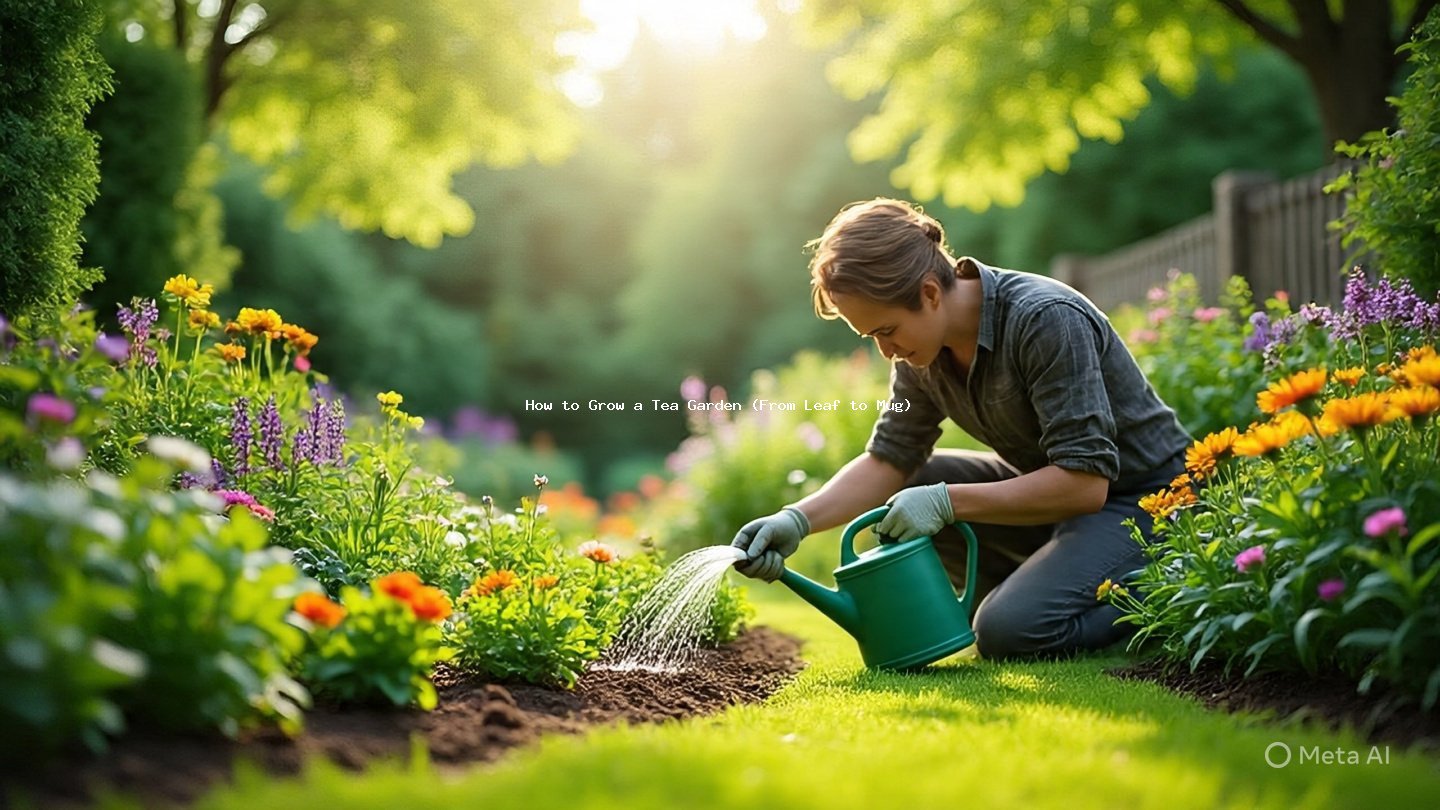
- Watering: Tea plants prefer consistently moist soil, but they absolutely detest waterlogging. In Bengaluru’s climate, especially during drier spells, regular watering is crucial. The best method is deep watering, allowing the water to penetrate the root zone. Check the soil moisture by sticking your finger about an inch or two deep; if it feels dry, it’s time to water. Reduce watering during the monsoon season or cooler months when the plant’s needs decrease. Using rainwater, if collected, is ideal as it’s naturally soft and slightly acidic. For container plants, daily watering might be necessary during hot, dry periods.
- Fertilizing: As acid-loving plants, tea bushes benefit from fertilizers formulated for acid-loving plants (like those for azaleas, camellias, or rhododendrons). Look for formulations with a higher nitrogen content for leaf growth. Apply a balanced, slow-release acidic fertilizer in early spring and again in mid-summer. Alternatively, organic options like well-rotted compost, vermicompost, or cottonseed meal can be incorporated into the soil around the drip line. Avoid over-fertilizing, as this can lead to nutrient burn or excessive vegetative growth at the expense of flavour. A light application every 3-4 months during the growing season is generally sufficient.
Pruning for Production and Health
Pruning is perhaps the most critical aspect of tea plant maintenance, directly impacting yield and plant health. In commercial tea plantations, plants are kept as low-growing bushes (the “plucking table”) to facilitate easy harvesting. You’ll want to emulate this at home:
- Formative Pruning (First 1-2 years): Allow young plants to grow unpruned for the first year to establish a strong root system. After this, start shaping the plant by cutting back the central leader to encourage lateral branching. Aim for a multi-stemmed bush rather than a single trunk tree.
- Maintenance Pruning (Ongoing): Once your plant is about 60-90 cm tall, begin regular “plucking” or tip pruning. This involves removing the top two leaves and a bud (the “flush”) when they appear. This encourages the plant to produce more new growth, which is what you harvest for tea. Regularly remove any dead, diseased, or crossing branches to maintain good air circulation and plant vigour.
- Hard Pruning (Rejuvenation): Every few years (3-5 years), an older, less productive plant might benefit from a harder prune, cutting it back by up to a third of its size. This rejuvenates the plant, encouraging a flush of new, vigorous growth. Do this during the dormant season or just before the main growing season begins.
Consistent pruning not only promotes more flushes of tender leaves but also keeps the plant at a manageable size for your home garden. It also helps in preventing pest infestations by improving air circulation. Keep an eye out for common pests like aphids or scale insects. Regular inspection and natural pest control methods (like neem oil) are usually sufficient in a home garden setting. For persistent pest issues, our guide on effective https://ecorganicas.com/gardening-quiz-challenge/ might be useful.
Harvesting Your First Flush
The moment you’ve been waiting for! Harvesting tea leaves is a delicate art:
- When to Harvest: Your tea plant will likely be ready for its first harvest when it’s about 2-3 years old and has reached a height of at least 60 cm. Look for new, vibrant green shoots emerging. These tender shoots are called “flushes.”
- How to Pluck: The golden rule for quality tea is to pluck the “two leaves and a bud.” This refers to the youngest, unopened leaf bud and the two tender leaves directly below it. These young leaves contain the highest concentration of flavour compounds. Pinch or snip them off carefully without damaging the stem or surrounding leaves.
- Frequency: In a warm, humid climate like Bengaluru, your tea plants can produce flushes every 1-2 weeks during the main growing season. Regular plucking encourages more new growth. Don’t strip the plant; always leave plenty of mature leaves to support photosynthesis and plant health.
- Time of Day: The best time to harvest is in the morning after the dew has dried, but before the midday sun becomes too intense. This is when the leaves are freshest and most pliable.
Harvesting is a continuous cycle. The more you pluck, the more the plant will produce, ensuring a steady supply for your homegrown tea experiments!
From Fresh Leaves to Brewed Bliss: Processing Your Homegrown Tea
Harvesting the leaves is just the first step; transforming them into the fragrant, ready-to-brew tea we love is where the real magic happens. While commercial tea processing involves sophisticated machinery and precise environmental control, you can achieve wonderfully delicious results at home with basic kitchen tools and a good understanding of the fundamental steps. The key difference between black, green, and oolong teas lies primarily in the level of oxidation allowed during processing.
The Basics of Tea Processing (Black, Green, Oolong)
All true tea processing involves a sequence of steps, though the duration and intensity of each step vary to produce different tea types:
- Withering: This is the initial step for most teas, where freshly plucked leaves are spread out to air dry for several hours (or even overnight). The goal is to reduce moisture content by 50-70%, making the leaves pliable and less likely to break during rolling. This also initiates biochemical changes. For home growers, simply spread leaves thinly on a clean cloth or tray in a cool, well-ventilated room, away from direct sunlight.
- Rolling: After withering, the leaves are gently rolled, either by hand or using a rolling pin, to break down cell walls. This releases enzymes and juices, which are crucial for the oxidation process. The rolling also shapes the leaves.
- Oxidation (Fermentation): This is the most critical step determining the tea type. The released enzymes react with oxygen, causing the leaves to darken and develop their characteristic aromas and flavours.
- Green Tea: Oxidation is *stopped* almost immediately after rolling.
- Oolong Tea: Oxidation is *partially* allowed, then halted.
- Black Tea: Oxidation is allowed to proceed *fully*.
For home processing, you’ll need to control this carefully.
- Drying/Firing: This final step stops the oxidation process (if not already done for green tea) and removes remaining moisture, preventing spoilage and preserving the tea’s flavour. Leaves are typically dried in an oven, dehydrator, or even sun-dried, ensuring they are completely dry and brittle.
Simple Steps for Green Tea at Home
Green tea is often the easiest to start with for home processors because it requires stopping oxidation quickly.
- Harvest: Pluck your “two leaves and a bud” in the morning.
- Withering (Optional, but Recommended): Spread leaves on a tray for 1-2 hours in a cool, shaded area to slightly soften them. This makes rolling easier.
- Kill-Green (Steaming/Pan-Frying): This step halts oxidation.
- Steaming: Place leaves in a steamer basket over boiling water for 1-2 minutes until they turn a dull green.
- Pan-Frying: Heat a large, dry wok or pan over medium-high heat. Add leaves and constantly stir-fry for 2-3 minutes until they become limp and fragrant. Be careful not to burn them.
Immediately remove and cool the leaves.
- Hand-Rolling: Once cool enough to handle, gently roll small batches of leaves between your palms or on a clean cutting board. Apply gentle pressure to slightly bruise them and release juices. Aim for a twisted or curled shape.
- Drying: Spread the rolled leaves thinly on a baking sheet.
- Oven Drying: Bake at the lowest possible temperature (around 80-100°C or 175-210°F) for 20-30 minutes, checking frequently and stirring, until the leaves are completely dry and brittle.
- Dehydrator: Set to a low temperature (around 40-50°C or 100-120°F) for several hours until dry.
Store in an airtight container once completely cooled.
Crafting Your Own Herbal Infusions
Herbal teas are generally simpler to process as they don’t involve oxidation. The main goal is drying and preservation.
- Harvest: Pluck fresh leaves, flowers, or stalks from your chosen herbs (mint, lemon balm, lemongrass, tulsi, hibiscus calyces).
- Cleaning: Rinse gently if needed, and pat dry thoroughly.
- Drying:
- Air Drying: Tie small bundles of herbs and hang them upside down in a warm, dry, well-ventilated area away from direct sunlight. Alternatively, spread leaves thinly on screens or trays. This can take several days to a couple of weeks.
- Dehydrator: This is the fastest and most reliable method. Spread herbs in a single layer and dry at a low temperature (around 35-45°C or 95-115°F) until completely brittle.
- Oven Drying: On the lowest setting with the door slightly ajar, spread herbs on a baking sheet. Check frequently to prevent burning.
- Storage: Once completely dry, store the herbs in airtight containers away from light and moisture.
- Blending: Experiment with blending different dried herbs to create your own signature infusions. For example, tulsi with lemongrass, or mint with a hint of dried hibiscus.
Processing your