Transform Your Backyard: The Ultimate May Planting Guide for Lush Gardens
Ah, May! The very word conjures images of emerald green leaves unfurling, the sweet scent of blossoms on a gentle breeze, and the promise of a bountiful harvest just around the corner. For American home gardeners, May isn’t just another month; it’s the grand opening of the growing season, a vibrant crescendo after the long, patient wait of winter and early spring. From the sun-drenched coasts of California to the humid plains of the Midwest, and from the crisp air of New England to the balmy evenings of the South, May offers a unique window of opportunity to truly transform your backyard into the garden of your dreams.
Have you been dreaming of plump, juicy tomatoes ripening on the vine, a kaleidoscope of colorful annuals spilling from your porch planters, or a fragrant herb garden just steps from your kitchen door? This is the month to make those dreams a reality! With longer days, warming soil temperatures (often consistently above 60°F), and the threat of late frosts largely behind us in many regions, May provides the perfect canvas for planting a vast array of vegetables, fruits, flowers, and herbs. It’s a time for action, for digging in the dirt, and for connecting with the natural world right outside your back door.
But here’s the secret to May success: gardening in America is as diverse as its landscapes. What thrives in a USDA Zone 5 garden in Ohio might struggle in a Zone 9 paradise in Florida, and vice versa. That’s why this guide is specifically tailored for YOU, the American homeowner, navigating the nuances of your unique climate and soil. We’ll delve into regional specifics, from the cool springs of the Pacific Northwest to the already-hot days of the Deep South, ensuring your planting choices are spot on for your specific locale. We’ll talk about popular American seed companies like Burpee and Baker Creek, recommend products you can find at your local Home Depot or Lowe’s, and even help you prep for those iconic American holidays like Memorial Day planting and Labor Day harvest celebrations.
Get ready to roll up your sleeves, grab your trowel, and embark on the most exciting gardening adventure of the year. This ultimate May planting guide is your essential companion for cultivating a garden that not only flourishes but truly reflects the beauty and bounty of American spring. Let’s make this your lushest, most productive garden season yet!
Key Takeaways for Your May Garden Success
- Understand Your Zone: Always check your specific USDA Hardiness Zone for accurate planting times.
- Regional Adaptations: May planting varies significantly across the Northeast, South, Midwest, Pacific Northwest, and Southwest.
- Warm-Season Favorites: May is ideal for planting tomatoes, peppers, squash, beans, corn, and most annual flowers.
- Soil is Key: Invest in high-quality soil amendments and fertilizers for optimal growth.
- Water Wisely: Establish good watering practices early in the season to encourage strong root development.
- Pest Prevention: Stay vigilant and use organic solutions to protect young plants.
May’s Magic: Unlocking the Best of Spring Planting Across America
May truly is the sweet spot for gardeners across most of the continental USA. After the last lingering frosts of April, the soil begins to warm consistently, signaling to plants that it’s safe to stretch their roots and reach for the sun. This shift in temperature, typically with daytime highs consistently in the 60s and 70s Fahrenheit and nighttime lows reliably above 45°F-50°F, creates the perfect environment for a massive wave of growth. It’s the season of possibility, where tender seedlings can finally be transplanted outdoors without fear, and direct-sown seeds germinate with enthusiastic vigor.
The Ideal Conditions for Growth
What makes May so magical? It’s a combination of factors. First, the increasing daylight hours provide ample energy for photosynthesis, allowing plants to grow quickly and robustly. Second, the soil temperature is crucial. While air temperature warms quickly, soil takes longer to catch up. By May, the ground is usually warm enough (often above 60°F at a 4-inch depth) to prevent shock to warm-season plants like tomatoes, peppers, and squash. This warmth encourages strong root development, which is the foundation for healthy, productive plants. Additionally, May often brings gentle spring rains, providing natural irrigation and reducing the need for constant hand-watering, though supplemental watering will become increasingly important as plants establish and summer approaches.
Beyond Frost: What May Truly Means for Your Garden
For many regions, Memorial Day weekend serves as a traditional benchmark for planting out all but the most tender warm-season crops. This unofficial gardening holiday signifies the general “all clear” for frost-sensitive plants. However, savvy gardeners know that paying attention to local forecasts and average last frost dates (easily found by searching your ZIP code online) is even better. May means transitioning from planning to doing, moving from seed-starting indoors to full-scale outdoor gardening. It’s about building momentum for a summer of abundance, ensuring your plants get the strongest possible start before the intense heat of July and August truly sets in. This is also the time to think about supporting structures like stakes and trellises for vining plants like cucumbers and pole beans, getting them in place early so plants can grow into them naturally. For more on preparing your soil for this crucial planting window, check out our guide on https://ecorganicas.com/how-to-grow-a-tea-garden-from-leaf-to-mug/”Building Healthy Soil from Scratch.”
Essential Tasks for a Thriving Start
Beyond planting, May is a critical month for foundational garden tasks. This includes amending your soil with compost and organic matter, ensuring good drainage and nutrient availability. Fertilizing young plants with a balanced, slow-release granular fertilizer or a liquid feed at half strength is also important to give them a boost. Weeding is paramount; young weeds compete directly with your desirable plants for water, nutrients, and sunlight. Mulching after planting is another game-changer, helping to suppress weeds, retain soil moisture, and regulate soil temperature. Finally, don’t forget to harden off any indoor-started seedlings gradually over 7-10 days before planting them out permanently, preventing transplant shock and ensuring a smooth transition to their new outdoor home. This gradual acclimatization to sun, wind, and cooler night temperatures is a step many new gardeners overlook, but it’s vital for strong, healthy plants.
Regional Riches: Tailoring Your May Garden to Your American Climate
The beauty of gardening in the USA lies in its incredible diversity, but this also means there’s no one-size-fits-all planting guide. May in Miami looks vastly different from May in Minneapolis. Understanding your specific region’s climate patterns, average temperatures, and soil types is paramount to success. Let’s break down May planting advice for America’s major geographical regions, ensuring your efforts are perfectly aligned with your local conditions.
Northeast & Midwest: Timing is Everything
For gardeners in states like New York, Pennsylvania, Michigan, Ohio, and Illinois, May is truly the kickoff. While early May might still see some chilly nights, by mid-to-late May (especially after Memorial Day), the danger of frost is typically past. This is prime time for planting almost all warm-season vegetables, including tomatoes, peppers, eggplants, squash, cucumbers, corn, and beans. Don’t forget herbs like basil and cilantro, and a vibrant array of annual flowers such as petunias, marigolds, impatiens, and zinnias. Many gardeners in these zones also use May to transplant cool-season crops that were started indoors earlier, like broccoli and cabbage, for a head start before summer heat. Soil enrichment with compost is particularly beneficial here, helping to improve the often clay-heavy soils of the Midwest or the rockier soils of the Northeast. Aim for consistent soil temperatures above 60°F before planting out tender crops.
The Sunny South: Embrace the Heat
From Georgia and Florida to Texas and Louisiana, May signals a rapid ascent into summer heat. For many Southern gardeners, late April and early May are the absolute last chances to plant heat-sensitive crops like lettuce, spinach, and peas before they bolt. May is, however, perfect for planting heat-loving plants that will thrive in the intense summer sun. Think sweet potatoes, okra, southern peas (cowpeas), and peppers. Tomatoes can still go in, but choose heat-tolerant varieties. This is also the ideal time for planting tropical and subtropical ornamentals, as well as a wide range of colorful annuals that can withstand high temperatures and humidity. Be vigilant about watering, as the soil can dry out quickly. Mulching is non-negotiable in the South, helping to conserve precious moisture and keep soil temperatures stable. Consider adding shade cloth for delicate plants once the brutal summer sun arrives.
Pacific Northwest: Lush & Leafy Approaches
In states like Washington and Oregon, May often brings a mix of mild temperatures and persistent rain, creating a wonderfully lush environment. While the overall climate is cooler than other parts of the country, late May is generally safe for planting warm-season crops. However, be prepared for cooler nights and potentially less intense sun. Focus on varieties adapted to cooler summers. Tomatoes, peppers, and squash can go in, but consider protecting them with cloches or row covers during any unexpected cold snaps. This region excels at growing a wide range of leafy greens, root vegetables, and berries. May is also excellent for planting a vast array of ornamental plants, from rhododendrons and azaleas to ferns and hostas, which thrive in the PNW’s often acidic soils. Ensure good drainage, especially in areas with heavy clay. For more specific advice on regional plant choices, consult resources like https://ecorganicas.org/how-deep-to-plant-potatoes/local university extension offices, which offer tailored recommendations for your specific climate.
Southwest & Mountain West: Desert-Friendly Delights
Gardening in the arid Southwest (Arizona, Nevada, Southern California) and the high-altitude Mountain West (Colorado, Utah) presents unique challenges and opportunities in May. In the Southwest, May often means already hot, dry conditions. Planting should focus on drought-tolerant vegetables like specific varieties of melons, corn, and beans, and heat-loving herbs like rosemary and thyme. Native plants and succulents are always excellent choices for ornamentals. Water conservation is paramount; drip irrigation systems are highly recommended. In the Mountain West, May can still bring unexpected freezes, especially at higher elevations, so watch forecasts closely. Late May is typically safe for planting tender annuals and vegetables, but many gardeners wait until early June to be completely safe. Focus on quick-maturing varieties and use season extenders like cold frames if you’re eager to start earlier. Amending sandy desert soils with plenty of compost is crucial for water retention and nutrient supply in the Southwest, while improving drainage in the Mountain West’s heavier soils can be beneficial.
Your May Planting Powerhouses: What to Get in the Ground Now
May is the month to plant a vast array of garden favorites, ensuring a continuous supply of fresh produce and vibrant blooms throughout summer and into fall. Whether you’re a seasoned green thumb or just starting your gardening journey, these categories offer something for everyone. Remember to check your specific USDA Hardiness Zone (you can find it easily at https://ecorganicas.org/how-deep-to-plant-potatoes/the USDA Plant Hardiness Zone Map) for the most accurate planting times in your area.
Vegetables Galore: From Tomatoes to Zucchini
This is it – the time for the stars of the summer garden!
- Tomatoes: The undisputed king of the American vegetable garden. Choose varieties based on your preference: slicing (Beefsteak, Celebrity), cherry (Sungold, Sweet Million), or paste (Roma). Plant them deep, burying a portion of the stem to encourage more root growth.
- Peppers: Bell peppers, jalapeños, poblanos – May is perfect for all pepper varieties. They love warmth, so ensure soil temperatures are consistently above 60°F.
- Eggplants: Another heat-lover, eggplants thrive in May’s warming conditions. ‘Black Beauty’ is a classic, but ‘Rosa Bianca’ offers a beautiful, milder option.
- Squash & Zucchini: Both summer and winter squash can be planted now. Zucchini, yellow squash, and pattypan squash grow quickly. For winter squash (butternut, acorn, pumpkin), planting in May gives them ample time to mature before fall.
- Cucumbers: Vining or bush varieties, cucumbers are prolific producers. Provide a trellis for vining types to save space and keep fruit clean.
- Beans: Bush beans and pole beans are easy to grow and highly productive. Direct sow seeds after the last frost.
- Corn: Plant corn in blocks rather than single rows to ensure good pollination.
- Melons: Watermelons, cantaloupes, and honeydew thrive in warm weather. Give them plenty of space to sprawl, or trellis smaller varieties.
Many of these vegetable seeds are readily available from trusted American companies like Burpee, Johnny’s Selected Seeds, or Baker Creek Heirloom Seeds. Look for their catalogs online or at local garden centers.
Blooming Beauties: Annuals, Perennials & Shrubs
May is the ideal time to add a splash of color that lasts all season long.
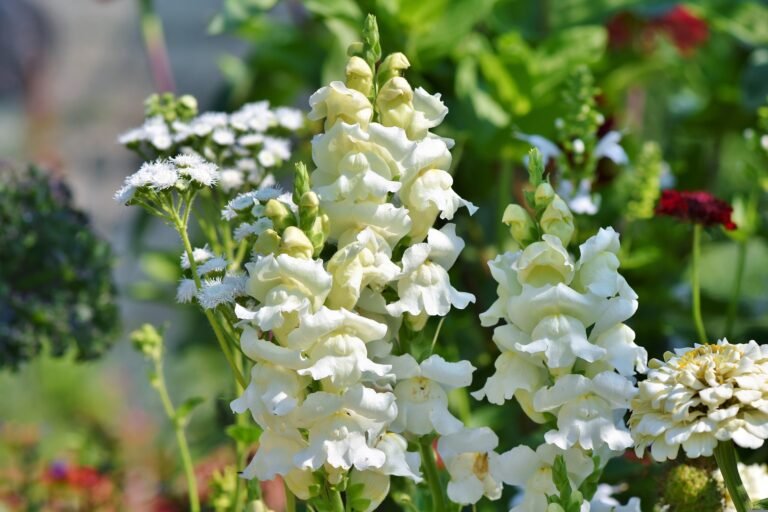
- Annuals: Fill your beds, borders, and containers with petunias, marigolds, impatiens, zinnias, cosmos, snapdragons, and salvia. These provide continuous color from late spring until the first hard frost.
- Perennials: While many perennials are best planted in early spring or fall, May is a good time to plant container-grown perennials like coneflowers, hostas, daylilies, and coreopsis, giving them time to establish before summer heat.
- Shrubs: Deciduous and evergreen shrubs can be planted in May, especially if they are container-grown. Ensure they are well-watered after planting. Good choices include hydrangeas (for summer blooms), spirea, and various evergreens for structure.
When selecting flowers, consider local pollinators! Planting native flowers and those known to attract bees and butterflies, such as milkweed (for monarchs), echinacea, and coreopsis, contributes to a healthier ecosystem.
Herbs for Every Kitchen & Garden
A thriving herb garden is a joy, offering fresh flavors for cooking and aromatic beauty. Most herbs love the sun and warm soil that May brings.
- Basil: A quintessential summer herb, plant basil after all danger of frost is past. Pinch back flowers to encourage more leaf production.
- Cilantro: While it can bolt in extreme heat, planting cilantro in May allows it to establish before the hottest days. Choose slow-bolting varieties.
- Parsley: Both flat-leaf and curly parsley can be planted now. It prefers moist, rich soil.
- Dill: Great for pickling and garnishing, dill is easy to grow from seed.
- Mint: Be cautious! Mint spreads aggressively. It’s best grown in containers or in a dedicated, contained garden bed.
- Rosemary, Thyme, Oregano: These Mediterranean herbs love full sun and well-drained soil. They are generally more heat-tolerant and can be planted as small plants.
Herbs are often available as small starter plants at your local garden center, making them an easy addition to any May garden. For more creative ideas for your herb garden, check out https://ecorganicas.com/container-gardening-styling-make-pots-the-star-of-your-patio/”Designing a Culinary Herb Garden.”
Must-Have Tools & Products for a Successful May Garden (American Favorites!)
To truly transform your backyard into a lush garden this May, you’ll need more than just seeds and enthusiasm. Having the right tools and products makes all the difference, ensuring your efforts are efficient and effective. Fortunately, America’s favorite gardening retailers – Home Depot, Lowe’s, and Amazon US – stock a wide array of essentials that cater to every gardener’s needs. We’re talking about gear that’s built to last and designed for the American gardener, using familiar units like gallons and pounds.
Top Soil & Amendments for Thriving Plants
The foundation of any successful garden is healthy soil. May is the perfect time to enrich your beds.
- Compost: A must-have. Look for bags of organic compost from brands like Black Kow or Miracle-Gro (available at Home Depot/Lowe’s, typically $4-$8 for a 1 cubic foot bag). It improves soil structure, water retention, and nutrient availability.
- Potting Mix: For containers and raised beds, a high-quality potting mix like FoxFarm Ocean Forest or Espoma Organic Potting Mix (Amazon US, $20-$30 for a large bag) provides the ideal blend of aeration and nutrients.
- Topsoil: If you’re building new beds or filling large areas, bags of topsoil (Home Depot/Lowe’s, $2-$5 per cubic foot) can provide bulk, but always mix with compost for better results.
- Slow-Release Granular Fertilizer: A balanced fertilizer (e.g., 5-10-5 or 10-10-10) like Osmocote Smart-Release Plant Food (Amazon US, $15-$25 for 3 lbs) or Sta-Green All-Purpose Plant Food (Lowe’s, $10-$15 for 4 lbs) provides consistent nutrients over several months, reducing the need for frequent feeding.
Remember, healthy soil reduces pest and disease issues, leading to more vigorous plants and a more bountiful harvest.
Irrigation Essentials: Keeping Your Garden Hydrated
As temperatures rise, consistent watering becomes crucial. May often brings some natural rain, but supplemental watering is key for establishment.
- Garden Hose & Nozzle: A sturdy 50-foot or 100-foot garden hose (e.g., Flexzilla, available at all major retailers, $40-$80) and a multi-pattern spray nozzle (Orbit, Gilmour, $15-$30) are fundamental.
- Soaker Hoses/Drip Irrigation Kits: For efficient watering that minimizes evaporation, soaker hoses (Home Depot/Lowe’s, $20-$40 for 50 ft) or a basic drip irrigation starter kit (Rain Bird, Orbit, Amazon US, $50-$100) are excellent investments, especially in drier climates.
- Watering Can: For delicate seedlings and containers, a 1-2 gallon watering can (plastic or galvanized metal, $10-$30) is essential for precise application.
- Rain Barrel: Consider collecting rainwater with a rain barrel (often available at Lowe’s or through local municipality programs, $100-$200) for an eco-friendly water source.
Proper watering, often 1 inch of water per week, is more effective than frequent shallow sprinkles.
Pest Control & Plant Protection: Safe & Effective Solutions
Young plants are vulnerable. Be prepared to protect them from common garden pests and diseases.
- Neem Oil: An organic, broad-spectrum insecticide and fungicide. Brands like Garden Safe Fungicide3 (Home Depot/Lowe’s, $10-$15 for 24 oz spray bottle) are popular and effective against aphids, spider mites, and powdery mildew.
- Insecticidal Soap: Another organic option for soft-bodied insects like aphids and whiteflies. Safer Brand Insect Killing Soap (Amazon US, $12-$18 for 32 oz concentrate) is a trusted choice.
- Slug & Snail Bait: If slugs and snails are an issue, look for organic baits containing iron phosphate, which is safe for pets and wildlife (e.g., Sluggo, available at all major retailers, $15-$25 for 2 lbs).
- Row Covers: Lightweight floating row covers (Amazon US, $20-$40 for a roll) can physically protect young plants from insects, birds, and even light frost.
Always read labels carefully and follow application instructions, especially when using any pest control products around edible plants. For a deeper dive into organic pest control strategies, read our full article on https://ecorganicas.com/container-gardening-styling-make-pots-the-star-of-your-patio/”Eco-Friendly Pest Management for Your Garden.”
Comparison Table: Essential May Gardening Products
Here’s a quick look at some top-rated products to help kickstart your May garden:
| Product | Best For | Price Range | Where to Buy | Rating (out of 5) |
|---|---|---|---|---|
| Black Kow Organic Compost | Soil amendment, nutrient boost | $4 – $8 per bag | Home Depot, Lowe’s | 4.7 |
| Flexzilla Garden Hose (50ft) | Durable, kink-free watering | $40 – $60 | Home Depot, Lowe’s, Amazon US | 4.8 |
| Garden Safe Fungicide3 (Neem Oil) | Organic pest & disease control | $10 – $15 | Home Depot, Lowe’s, Amazon US | 4.5 |
| Espoma Organic Potting Mix | Container gardening, raised beds | $20 – $30 per bag | Lowe’s, Amazon US, Garden Centers | 4.6 |
| Sluggo Slug & Snail Bait | Pet-safe slug/snail control | $15 – $25 | Home Depot, Lowe’s, Amazon US | 4.7 |
The Secret to Success: Advanced May Gardening Techniques & Tips
Beyond simply putting plants in the ground, incorporating a few advanced techniques can significantly boost your garden’s productivity, resilience, and overall health. May is the perfect time to implement these strategies, setting the stage for a truly thriving backyard oasis. These aren’t just for master gardeners; with a little planning, any American homeowner can adopt these proven methods.
Mastering Succession Planting
Don’t just plant once! Succession planting means sowing small batches of seeds or seedlings every 2-3 weeks. This ensures a continuous harvest rather than a single massive glut. In May, you can succession plant fast-growing crops like lettuce, radishes, bush beans, and cilantro. For example, plant a row of lettuce in early May, then another in mid-May, and a final one in late May. As the first batch finishes, the next will be ready, extending your harvest well into summer. This technique is especially useful in regions with long growing seasons, allowing you to maximize your garden’s output. It also means you won’t have 50 pounds of green beans all ripe on the same day!
Companion Planting for Natural Harmony
Companion planting involves strategically placing different plant species near each other to benefit one another. These benefits can include pest deterrence, attracting beneficial insects, improving growth, or enhancing flavor.
- Tomatoes & Basil: A classic pairing, basil is said to improve tomato flavor and deter flies and hornworms.
- Corn, Beans & Squash (The Three Sisters): An ancient Native American technique. Corn provides a trellis for beans, beans fix nitrogen in the soil for corn and squash, and squash leaves shade the soil, suppressing weeds and retaining moisture.
- Marigolds: Planted throughout the garden, marigolds (especially French marigolds) are known to deter nematodes and other harmful soil pests.
- Nasturtiums: These edible flowers act as a trap crop for aphids, drawing them away from more valuable plants.
Researching compatible pairs for your specific crops can lead to a healthier, more resilient garden with less reliance on chemical interventions.
Smart Watering & Fertilizing Strategies
As plants grow, their needs change. In May, focus on establishing deep root systems.
- Deep Watering: Instead of frequent, shallow sprinkles, water deeply and less often. This encourages roots to grow deeper into the soil, making plants more drought-tolerant. Aim for about 1 inch of water per week, either from rain or irrigation.
- Morning Watering: Water early in the morning. This allows foliage to dry before evening, reducing the risk of fungal diseases.
- Targeted Fertilizing: While a slow-release granular fertilizer applied at planting is good, some heavy feeders (like tomatoes, corn, and squash) might benefit from a mid-season boost of a liquid fertilizer (e.g., fish emulsion or a balanced organic liquid feed) once they start producing fruit. Always follow package directions and don’t over-fertilize.
Consider installing a simple rain gauge to accurately measure how much water your garden is receiving from natural rainfall.
Protecting Your Plants from Late Spring Surprises
Even in May, Mother Nature can throw a curveball. Be prepared for unexpected temperature drops, strong winds, or sudden deluges.
- Frost Protection: Keep row covers, old sheets, or blankets handy in case of an unseasonable late frost warning. Cover tender plants in the evening and remove coverings in the morning.
- Wind Breaks: Young plants can be damaged by strong spring winds. Use temporary barriers like stakes with burlap, or plant taller, sturdier plants as windbreaks.
- Support Structures: Install stakes, cages, or trellises for tomatoes, peppers, cucumbers, and pole beans early in their growth. It’s much easier to do this when plants are small than trying to wrestle with mature, sprawling plants.
These proactive measures can save your fledgling garden from unexpected setbacks, ensuring your hard work in May pays off with a bountiful summer harvest.
Beyond the Basics: Preparing for a Bountiful Summer Harvest
May isn’t just about getting plants into the ground; it’s also about laying the groundwork for a season of continuous growth and delicious harvests. Thinking ahead now can save you headaches later and ensure your garden remains productive and vibrant through the summer heat. This forward-thinking approach is what truly elevates a good garden to a great one, ensuring you’ll be enjoying the fruits (and vegetables!) of your labor well past Memorial Day and right up to Labor Day.
Planning Ahead: Extending Your Growing Season
While May is for planting warm-season crops, consider how you can extend your harvest into fall.
- Succession Planting (Again!): As mentioned, continue planting fast-growing crops every few weeks. Think about a second round of bush beans, cucumbers, or even carrots in late May or early June.
- Fall Garden Prep: Identify areas in your garden that might open up as early crops finish. You can plan to plant cool-season crops like kale, collards, or fall radishes in these spots later in the summer for an autumn harvest.
- Choosing Varieties: When selecting seeds or starts, look for varieties with different “days to maturity.” Planting an early, mid-season, and late-season tomato variety, for instance, will give you a longer harvest window.
This strategic planning ensures your garden isn’t just a spring fling but a year-round provider of fresh produce.
Early Season Pest & Disease Management
The best defense is a good offense. May is the time to be vigilant and proactive against common garden foes.
- Daily Checks: Spend a few minutes each day inspecting your plants. Look under leaves for aphids, check stems for squash vine borer eggs, and watch for early signs of powdery mildew. Early detection makes control much easier.
- Hand-Picking: For larger pests like tomato hornworms or Colorado potato beetles, simply hand-picking them off plants and dropping them into a bucket of soapy water is highly effective.
- Encourage Beneficial Insects: Plant