Hey there, fellow green thumbs and sunshine seekers! Can you believe it’s already June? The scent of freshly cut grass is in the air, the days are gloriously long, and your raised garden beds are likely bursting with the promise of summer’s bounty. For many of us across the continental USA, from the humid embrace of the Carolinas to the sun-drenched valleys of California, June marks that pivotal moment when our spring efforts truly begin to pay off. That tiny sprout you nurtured in May is now a robust plant, and those first tender leaves are practically begging to be harvested.
But let’s be honest, June also brings its own set of challenges. The summer sun, while wonderful, can be relentless. Pests are out in full force, looking to feast on your hard work. And with all that vigorous growth, your plants are hungrier and thirstier than ever. Whether you’re in USDA Zone 4 in the chilly mountains of Montana or basking in the Zone 10 warmth of Florida, mastering your June raised bed routine is the secret to moving beyond “just growing” to truly “thriving” and harvesting abundantly all season long.
Raised beds offer an incredible advantage for home gardeners. They warm up faster in spring, drain better, and allow for precise control over your soil quality. But even with these benefits, June demands attention. This isn’t the time to sit back and watch; it’s the time to actively nurture, protect, and guide your garden towards its fullest potential. We’re talking about transitioning from spring planting mode to full-blown summer production, ensuring that your tomatoes ripen, your peppers swell, and your leafy greens stay vibrant despite the heat.
This comprehensive guide is your ultimate June checklist, tailored specifically for American home gardeners. We’ll dive deep into watering strategies for scorching days, smart feeding for hungry plants, vigilant pest control, and the art of succession planting to keep your harvests coming right up to Labor Day and beyond. We’ll even tackle regional nuances, because what works in the Pacific Northwest might be a disaster in the Southwest. So grab your gardening gloves, a tall glass of iced tea, and let’s get ready to make this your most bountiful raised bed summer yet!
Key Takeaways for Your June Raised Bed Success
- Hydration is King: Deep, consistent watering is crucial as temperatures rise.
- Feed the Feast: Actively growing plants need regular nutrients for optimal production.
- Pest Patrol: Stay vigilant against summer pests; early detection is key.
- Succession Sowing: Don’t stop planting! Replenish harvested crops for continuous yields.
- Regional Readiness: Adapt your practices to your specific climate challenges.
- Support & Mulch: Provide structure for vining plants and conserve moisture with mulch.
Your Ultimate June Checklist: Watering & Feeding Strategies for Thriving Raised Beds
As June fully settles in, the days grow longer and temperatures begin their steady climb across most of the continental U.S. This shift signals a critical time for two essential raised bed tasks: watering and feeding. Your plants, now in full growth and production mode, are thirstier and hungrier than ever. Neglecting these areas can quickly lead to stressed plants, reduced yields, and an open invitation for pests and diseases. Mastering your hydration and nutrient delivery systems this month is paramount for a truly bountiful summer harvest.
Deep Watering: The Foundation of Summer Success
Forget light, daily sprinkles. In June, especially in raised beds that tend to dry out faster than in-ground gardens, deep watering is absolutely crucial. Aim to water deeply and less frequently, encouraging roots to grow deeper into the soil, making plants more resilient to heat stress. For most regions, this means delivering 1-2 inches of water per week, though in scorching climates like Arizona or during heatwaves in the Midwest, you might need more. The best time to water is early morning, before the intense sun causes too much evaporation and allows foliage to dry before nightfall, reducing fungal disease risk.
- Measure Moisture: Stick your finger 2-3 inches into the soil. If it feels dry, it’s time to water. Or invest in a simple soil moisture meter, widely available at Lowe’s or Home Depot, to take the guesswork out.
- Drip Irrigation & Soaker Hoses: These are game-changers for raised beds. They deliver water directly to the root zone, minimizing waste and keeping foliage dry. Installation is straightforward, and kits can be found at any major garden center or on Amazon US. Consider systems from brands like Rain Bird or Orbit.
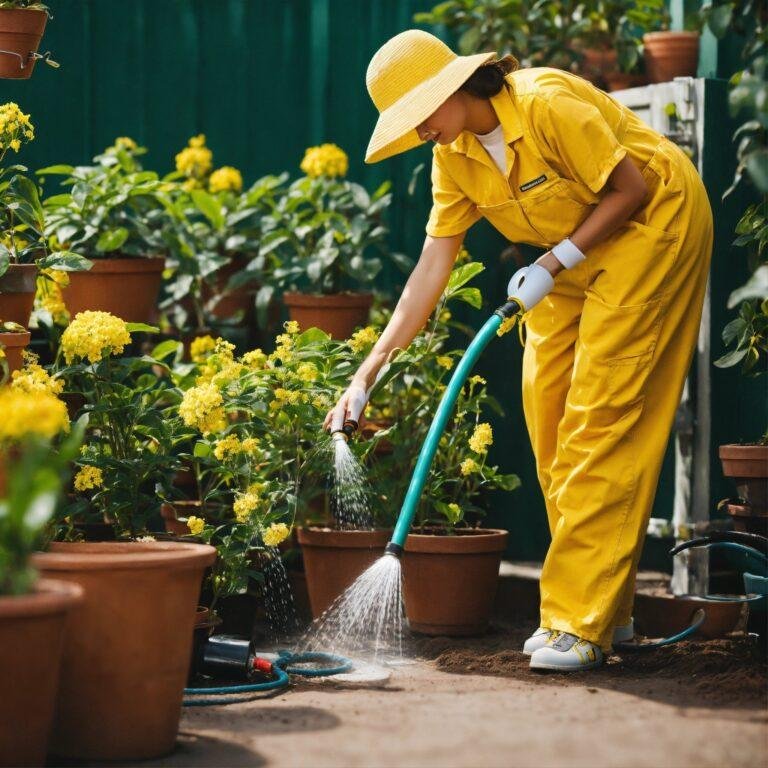
- Hand Watering Technique: If hand watering, use a watering wand (like a Dramm One Touch Rain Wand, available at garden stores) with a gentle shower setting. Water slowly at the base of each plant until water begins to drain from the bottom of your raised bed, ensuring thorough saturation.
Feeding Your Hungry Harvest: Nutrient Management in June
Your fruiting plants—tomatoes, peppers, squash, and cucumbers—are pouring energy into flower and fruit production. Leafy greens are constantly regenerating. This intense growth depletes soil nutrients quickly. Therefore, a consistent feeding schedule is vital.
- Liquid Fertilizers: For a quick nutrient boost, especially for heavy feeders, apply a balanced liquid organic fertilizer (e.g., Neptune’s Harvest Fish & Seaweed Fertilizer, available on Amazon US) every 2-3 weeks. Dilute according to package directions and apply directly to the soil around the plants.
- Side-Dressing: For a slower, sustained release, side-dress plants with compost or an organic granular fertilizer (like Espoma Tomato-tone or Garden-tone, found at most nurseries and Home Depot). Gently work it into the top inch or two of soil around the base of the plant, being careful not to disturb shallow roots, then water thoroughly.
- Micronutrients: Don’t forget trace elements! Sometimes, yellowing leaves despite adequate nitrogen can indicate a micronutrient deficiency. A foliar spray with a kelp extract can provide these essential elements.
- Compost Tea: A fantastic organic option! Brew your own “compost tea” by steeping finished compost in water for a day or two, then strain and use the liquid as a nutrient-rich drench.
Remember, every garden is unique. Observe your plants closely. Are leaves wilting despite watering? Are fruits failing to set or developing slowly? These are all cues that your watering or feeding regimen might need adjustment. A well-hydrated and nourished raised bed in June is a happy, productive raised bed!
Mastering Pest & Disease Control in Your Summer Raised Garden
Ah, June! The month when your garden truly comes alive… and unfortunately, so do the pests and diseases that want a piece of your hard-earned bounty. As temperatures rise and humidity often follows suit, conditions become ideal for many common garden invaders and pathogens. Staying proactive and vigilant in your raised beds is the key to preventing minor issues from escalating into full-blown crises that can decimate your harvest. Don’t let those pesky aphids or powdery mildew ruin your summer garden dreams!
Vigilant Pest Patrol: Early Detection is Your Best Defense
The secret to effective pest control isn’t harsh chemicals; it’s consistent observation and early intervention. Make it a daily habit to stroll through your raised beds, inspecting the tops and, crucially, the undersides of leaves.
- Aphids: These tiny, pear-shaped insects cluster on new growth and suck plant saps, leaving behind sticky “honeydew.” A strong blast of water from your hose can often dislodge them. For heavier infestations, an insecticidal soap spray (like Safer Brand Insect Killing Soap, available on Amazon US or at garden centers) works wonders.
- Squash Bugs & Cucumber Beetles: These can be devastating to cucurbits. Hand-pick adults and egg clusters (often found on the undersides of leaves) and drop them into a bucket of soapy water. Floating row covers (available at Home Depot) can protect young plants from initial infestations.
- Tomato Hornworms: Large, green caterpillars that can defoliate a tomato plant overnight. Look for their distinctive droppings (frass) and denuded branches. Hand-pick them off and dispatch them. Their camouflage is excellent, so look closely!
- Slugs & Snails: Especially prevalent in damp conditions. Set beer traps (shallow dishes filled with beer) or use organic slug baits (like Sluggo, found at Lowe’s).
- Beneficial Insects: Encourage natural predators! Plant flowers like dill, cilantro, and marigolds to attract ladybugs, lacewings, and parasitic wasps, which feast on common garden pests.
Tackling Common Summer Diseases in Raised Beds
High humidity, warm temperatures, and close plant spacing in raised beds can create a perfect storm for fungal diseases.
- Powdery Mildew: Appears as a white, powdery coating on leaves, especially squash, cucumbers, and zucchini. Improve air circulation by pruning dense foliage. A homemade spray of baking soda (1 tablespoon) mixed with horticultural oil (1 tablespoon) in a gallon of water can help.
- Early Blight & Late Blight: Common tomato and potato diseases. Early blight starts as dark spots with concentric rings on lower leaves. Late blight causes water-soaked lesions that rapidly spread. Choose resistant varieties from reputable American seed companies like Burpee or Park Seed. Ensure good air circulation, avoid overhead watering, and remove affected leaves immediately.
- Preventative Measures:
- Air Circulation: Space plants appropriately (even in raised beds) and prune lower leaves or suckers on tomatoes to improve airflow.
- Water Wisely: Water at the base of plants in the morning to allow foliage to dry completely.
- Sanitation: Remove any diseased plant material promptly and dispose of it away from the garden to prevent spread.
- Crop Rotation: While raised beds make traditional rotation tricky, avoid planting the same family of plants in the exact same spot year after year if possible, or replenish your soil with fresh compost regularly.
Remember, a healthy plant is more resistant to both pests and diseases. By providing optimal growing conditions—good soil, proper watering, and adequate nutrients—you’re already doing half the battle. Stay alert, act quickly, and your raised beds will be producing healthy, delicious harvests all summer long! For more in-depth pest management strategies, check out https://ecorganicas.org/do-plant-cells-have-mitochondria/, a fantastic resource from a leading university extension.
Succession Planting & Harvesting: Maximize Your June Yields for Continuous Bounty
June is not just about tending the plants you’ve already put in the ground; it’s also a prime month for strategic planting and harvesting that will keep your raised beds producing fresh vegetables well into fall. This is where the magic of succession planting comes into play—a technique that ensures you never have an empty spot in your garden and always have something new coming along. Don’t let harvested spaces sit idle; use them as an opportunity for your next delicious crop!
The Art of Succession Planting in June
Succession planting means making multiple small plantings of the same crop, or planting different crops in the same space as one crop finishes. This prevents a “feast or famine” situation where all your lettuce matures at once, or you have a huge tomato harvest followed by nothing.
- Quick-Growing Crops: As your early spring crops like radishes, spinach, or certain lettuce varieties finish their run, pull them out and immediately plant something new.
- Bush Beans: A fantastic summer succession crop. They mature quickly (around 50-60 days), provide a good yield, and don’t take up much space. Plant a new row every 2-3 weeks. Look for varieties like ‘Contender’ or ‘Provider’ from Baker Creek Heirloom Seeds.
- Lettuce & Greens (Heat-Tolerant): While many lettuce varieties bolt in summer heat, some are more tolerant. Try ‘Black Seeded Simpson’ lettuce, ‘Red Sails’, or ‘Jericho’ romaine. Or switch to heat-loving greens like Malabar spinach, New Zealand spinach, or Swiss chard. Provide some afternoon shade if possible.
- Radishes & Carrots: Many radishes mature in under 30 days. Plant small batches every week or two. Shorter carrot varieties (e.g., ‘Danvers Half Long’ or ‘Paris Market’) can also be sown in June for a late summer harvest.
- Herbs: Direct sow or plant starts of basil (multiple successions for pesto!), cilantro (choose slow-bolting varieties), dill, and parsley.
- Cool-Season Crops for Fall: In cooler regions (e.g., Pacific Northwest, parts of the Northeast), you might even start thinking about sowing cool-season crops like broccoli, cabbage, or kale in late June for a fall harvest. Check your local extension office for specific planting dates.
- Filling Empty Spots: If a tomato plant succumbs to disease or a squash vine gives up, don’t leave the space bare. Amend the soil with fresh compost and plant another quick-growing crop.
Harvesting Smart: Encouraging More Production
The way you harvest in June directly impacts your plants’ future productivity. Proper harvesting encourages plants to produce more, extending your yield.
- Pick Early & Often:
- Zucchini & Summer Squash: Harvest when small and tender (6-8 inches). Leaving them on the vine too long signals the plant to stop producing.
- Cucumbers: Pick regularly when they reach desired size. Overripe cucumbers become seedy and bitter.
- Bush Beans: Harvest every 2-3 days once they start producing. The more you pick, the more they produce.
- Leafy Greens: Use the “cut-and-come-again” method. Harvest outer leaves, leaving the central growing point intact, or cut the entire plant a couple of inches above the soil line for a second flush.
- Herbs: Snip basil, mint, and other herbs frequently to encourage bushier growth and prevent flowering (which can reduce flavor).
- Use the Right Tools: Sharp pruners or scissors are essential for clean cuts that minimize damage to the plant. This is especially important for delicate stems like those of peppers or eggplants. You can find excellent pruning shears at Home Depot or Lowe’s.
- Know Your Plant: Research the ideal harvest time for each specific variety you’re growing. Some peppers are best green, others red. Some tomatoes are ripe when soft, others when firm.
By actively managing your raised beds with succession planting and smart harvesting, you’ll transform them into a continuous food factory, providing fresh, homegrown goodness from June’s first warmth right through to the crisp days of autumn. For more ideas on succession planting, explore resources from https://ecorganicas.org/how-deep-to-plant-potatoes/, a trusted source for gardening wisdom.
Regional Raised Bed Care: Tailoring Your June Tasks Across the USA
The beauty of the American landscape lies in its incredible diversity, but this also means that “June gardening advice” isn’t a one-size-fits-all proposition. What works perfectly for a raised bed in the humid South can be disastrous in the arid Southwest, and vice-versa. Understanding your specific climate challenges and adapting your June care routine is paramount for success. Let’s break down how to best tend your raised beds based on your region, ensuring every plant gets the specialized attention it needs to thrive.
Northeast (USDA Zones 3-7): From Mountains to Coast
June in the Northeast brings steadily warming temperatures, often accompanied by periods of humidity and occasional heavy rain. Early June can still see cool nights in higher elevations, but by mid-month, summer is firmly established.
- Watering: Monitor rainfall carefully. Deep water during dry spells, but avoid overwatering if you’ve had recent downpours. Good drainage in raised beds is a major advantage here.
- Pests & Diseases: Be on the lookout for slugs, squash bugs, and early signs of powdery mildew or blight on tomatoes, especially during humid stretches. Ensure good air circulation around plants.
- Planting: This is prime time for planting warm-season crops like peppers, eggplants, and sweet potatoes if you haven’t already. Continue succession planting of bush beans and heat-tolerant greens.
- Mulching: Apply a good layer of organic mulch to conserve moisture and suppress weeds.
The South (USDA Zones 7-10): Heat, Humidity, and Habaneros
The South in June is synonymous with heat and high humidity, which means your raised beds face intense conditions. This region often has a “second spring” planting window in late summer, so June is about managing the current heat.
- Watering: Absolutely critical. Deep, consistent morning watering is non-negotiable. Consider drip irrigation or soaker hoses to deliver water efficiently and minimize evaporation. Plants may need daily watering during peak heat.
- Pests & Diseases: High humidity fosters fungal diseases. Ensure maximum air circulation. Be vigilant for squash vine borers, tomato hornworms, and various beetles. Neem oil sprays can be a useful tool.
- Planting: While many cool-season crops will bolt, heat-loving plants like okra, sweet potatoes, southern peas, and many pepper varieties will thrive. Consider planting a final round of heat-tolerant bush beans.
- Shade Cloth: For delicate plants or to extend the life of greens, consider using shade cloth (30-50% shade) during the hottest parts of the day. Available at garden centers or Amazon US.
Midwest (USDA Zones 3-6): Tornado Alley to Great Lakes
June in the Midwest can be a mixed bag—from glorious sunny days to severe thunderstorms and occasional heatwaves. Raised beds are excellent here for drainage after heavy rains.
- Watering: Be prepared for fluctuations. Water deeply during dry periods, but allow beds to dry out slightly between waterings to prevent root rot after heavy rainfall.
- Pests & Diseases: Japanese beetles often emerge in June; hand-pick them or use traps responsibly. Monitor for cucumber beetles and squash bugs. Powdery mildew can be an issue in humid spells.
- Planting: Continue planting warm-season crops like corn, pumpkins, and melons. Succession plant bush beans and heat-tolerant greens.
- Staking & Support: With potential for strong winds, ensure all tall plants like tomatoes and peppers are securely staked or caged.
Pacific Northwest (USDA Zones 4-9): Temperate & Often Misty
The PNW often enjoys a milder June, with less extreme heat than other regions, though interior areas can get hot. The long daylight hours are a huge benefit.
- Watering: While often rainy, dry spells can occur. Check soil moisture regularly. Deep watering is still important, especially for fruiting plants.
- Pests & Diseases: Slugs and snails are perennial problems here; continue your control measures. Aphids are common. Blight on tomatoes can be an issue with persistent dampness.
- Planting: This is a fantastic month for planting a wide variety of crops. Continue succession planting of lettuce, spinach, and radishes, as they often don’t bolt as quickly as in hotter climates. Plant main crops of tomatoes, peppers, and squash.
- Soil Amendment: Ensure good drainage with plenty of organic matter in your raised bed soil.
Southwest (USDA Zones 7-10): Desert Sun & Aridity
June in the Southwest means intense sun, extreme heat, and very low humidity. This is perhaps the most challenging region for summer gardening, making raised beds with their controlled environment even more valuable.
- Watering: Absolutely critical. Drip irrigation is almost a necessity. Plants may need water daily, even twice daily during peak heat. Mulch heavily to reduce evaporation.
- Pests & Diseases: Spider mites thrive in dry heat. Watch for them and use insecticidal soap if necessary. Other common pests include whiteflies and aphids.
- Planting: Focus on extremely heat-tolerant crops like okra, sweet potatoes, certain chile peppers, and Armenian cucumbers. Many plants will struggle to set fruit when night temperatures remain above 75-80°F.
- Shade Cloth: Essential for almost all crops to prevent scorching and reduce water stress. Install it over your raised beds for the midday sun.
- Soil Health: Focus on building rich, organic soil that retains moisture. Consider using olla pots (clay pots buried in the soil that slowly release water) for efficient sub-surface irrigation.
By understanding your regional climate and adapting your raised bed care, you’ll empower your plants to not just survive, but truly thrive, no matter where you call home in the USA. For detailed regional climate data, consult https://ecorganicas.org/when-to-plant-garlic/ for valuable insights.
Essential Tools & Products for Your June Raised Bed Success
A craftsman is only as good as their tools, and the same goes for a gardener! June’s increased demands on your raised beds mean it’s time to ensure you have the right gear to make your tasks easier, more efficient, and ultimately, more successful. From smart watering solutions to pest defense, having these American-available products on hand will be a game-changer for your summer harvest. You can find most of these staples at your local Home Depot, Lowe’s, or with a few clicks on Amazon US.
Smart Watering Solutions
- Drip Irrigation Kit: For consistent, efficient watering right to the root zone. Brands like Rain Bird or Orbit offer easy-to-install kits perfect for raised beds. Look for starter kits with tubing, emitters, and a pressure regulator.
- Where to Buy: Home Depot, Lowe’s, Amazon US
- Price Range: $40 – $100+ for a basic kit
- Watering Wand with Shut-Off Valve: A long wand (24-36 inches) makes it easy to water at the base of plants without bending over or disturbing foliage. A built-in shut-off valve saves water and hassle. Dramm is a popular, durable brand.
- Where to Buy: Most garden centers, Home Depot, Lowe’s, Amazon US
- Price Range: $20 – $40
- Soil Moisture Meter: Takes the guesswork out of watering. Simply insert into the soil to get an instant reading. Basic models are inexpensive and very helpful.
- Where to Buy: Amazon US, Home Depot, Lowe’s
- Price Range: $10 – $25
Nutrient & Soil Support
- Organic Granular Fertilizer: For a slow-release feed, especially for heavy feeders like tomatoes and peppers. Espoma’s Tomato-tone or Garden-tone are excellent choices.
- Where to Buy: Garden centers, Home Depot, Lowe’s, Amazon US
- Price Range: $15 – $30 for a 4 lb bag
- Liquid Organic Fertilizer: For quick boosts and foliar feeding. Neptune’s Harvest Fish & Seaweed Fertilizer or Alaska Fish Emulsion are popular choices.
- Where to Buy: Amazon US, garden centers
- Price Range: $15 – $25 per quart
- High-Quality Compost: Essential for top-dressing and replenishing nutrients. Look for bagged organic compost at your local nursery or Home Depot.
- Where to Buy: Home Depot, Lowe’s, local nurseries
- Price Range: $5 – $10 per bag (1-2 cubic feet)
Pest & Disease Management
- Insecticidal Soap: An organic solution for soft-bodied pests like aphids, spider mites, and whiteflies. Safer Brand is a widely available and effective option.
- Where to Buy: Amazon US, Home Depot, Lowe’s
- Price Range: $10 – $20 for a ready-to-use spray
- Neem Oil Spray: A natural fungicide and insecticide, effective against a range of pests and diseases. Look for cold-pressed, 100% neem oil, then mix with water and a little soap.
- Where to Buy: Amazon US, garden centers
- Price Range: $15 – $30 for a concentrate
- Floating Row Covers: Lightweight fabric that protects young plants from insect pests and can offer some shade in intense heat.
- Where to Buy: Garden centers, Home Depot, Amazon US
- Price Range: $15 – $40 for a roll
Support & Maintenance
- Tomato Cages/Stakes: Crucial for supporting vining plants. Heavy-duty spiral stakes or sturdy cages (e.g., Texas Tomato Cages for serious growers) are worth the investment.
- Where to Buy: Home Depot, Lowe’s, garden centers
- Price Range: $5 – $30 per cage/stake
- Sharp Pruning Shears: For clean cuts when harvesting, pruning, and deadheading. Felco or Fiskars are reliable brands.
- Where to Buy: Home Depot, Lowe’s, Amazon US
- Price Range: $20 – $60
- Garden Hoe/Hand Weeder: For efficient weed control. A sturdy stirrup hoe or a CobraHead weeder can save your back.
- Where to Buy: Home Depot, Lowe’s, Amazon US
- Price Range: $20 – $40
Equipping yourself with these tools and products will not only make your June gardening tasks more manageable but will also set your raised beds up for a truly spectacular and productive summer. Consider these investments in your garden’s future!
Weeding, Mulching, and Support: Keeping Your Beds Pristine and Productive
While watering and feeding grab most of the headlines in June, it’s the less glamorous tasks of weeding, mulching, and providing proper support that truly distinguish a thriving raised bed from a struggling one. These foundational practices are critical for maintaining soil health, conserving precious moisture, and ensuring your plants can grow to their full, fruit-bearing potential without unnecessary competition or strain. Think of it as creating the perfect, supportive environment for your raised bed residents.
The Constant Battle: Vigilant Weeding
Weeds are opportunistic competitors, vying for water, nutrients, and sunlight—resources that are already in high demand in your raised beds during the summer. While raised beds often start with weed-free soil, airborne seeds and stubborn roots can quickly take hold.
- Weed Early, Weed Often: The easiest time to remove weeds is when they are small. A quick 10-15 minute weeding session daily or every other day is far more effective (and less back-breaking) than letting them get established.
- Shallow Cultivation: Use a hand hoe or a cultivating tool to gently disturb the top inch or two of soil. This severs weed seedlings below the surface without disturbing your plants’ roots. A stirrup hoe (oscillating hoe) is particularly effective for this in raised beds.
- Hand-Pulling: For larger weeds or those growing very close to your desirable plants, hand-pulling is best. Do it after a rain or watering when the soil is soft, making it easier to get the entire root.
- Don’t Let Them Go to Seed: If a weed does get large, remove it before it has a chance to produce seeds, which will lead to hundreds more weeds in the future.
The Power of Mulch: Conserving & Protecting
Mulch is an unsung hero in the summer raised bed. Applying a layer of organic mulch in June offers a multitude of benefits that directly address summer challenges.
- Moisture Conservation: Mulch acts as a blanket, reducing evaporation from the soil surface by up to 50%. This means you’ll water