Key Takeaways for Your June Raised Bed Revolution:
- June is Prime Time: It’s the sweet spot for planting heat-loving veggies and quick succession crops across most of the continental USA, especially after Memorial Day.
- Raised Beds Rule: Enjoy superior drainage, warmer soil, and better pest control, leading to healthier plants and bigger harvests.
- Regional Wisdom: Tailor your planting to your specific USDA zone and climate – from the humid South to the arid Southwest, and the cooler Pacific Northwest.
- Smart Planting Choices: Focus on tomatoes, peppers, beans, squash, and specific greens for June, optimizing for your region’s summer heat.
- Stay Hydrated: Consistent watering is crucial in summer. Raised beds dry out faster, so monitor moisture levels diligently.
- Feed Your Soil: Healthy soil means healthy plants. Regular organic amendments and balanced fertilizers are key to sustained growth.
- Succession Planting: Maximize your space by planting new crops as older ones finish, ensuring a continuous supply of fresh produce.
Ah, June! The sun hangs high, the days are long, and the promise of a bountiful summer harvest fills every American gardener’s heart. There’s a special kind of magic in the air as we step fully into summer, a feeling of endless possibility for our backyard sanctuaries. For many of us, the raised bed has become our secret weapon, transforming patchy lawns or challenging soil into vibrant, productive food factories. If you’ve ever dreamt of biting into a perfectly ripe, sun-warmed tomato picked straight from your own garden, or crafting a salad from crisp lettuce and snappy green beans grown just steps from your kitchen door, then you’re in the right place.
June marks a pivotal moment in the gardening calendar across the continental USA. For our friends in USDA Zones 6-9, the last whispers of spring frost are long gone, and it’s time to fully embrace the heat-loving stars of the summer garden. Up north in Zones 3-5, June often signals the true start of reliable warm weather, making it perfect for those direct-sown seeds and hardy transplants. Down south, in the sweltering Zones 9-11, June means keeping a watchful eye on extreme heat and selecting crops that can truly take the sun. From the lush valleys of the Pacific Northwest to the arid landscapes of the Southwest, and the humid expanses of the Midwest and Northeast, every region presents its own unique set of challenges and opportunities.
This isn’t just about putting seeds in the ground; it’s about orchestrating a symphony of growth, leveraging the advantages of your raised beds to create optimal conditions for every plant. We’re talking about better drainage, warmer soil temperatures for quicker germination, and the ability to customize your soil mix to perfection. No more battling compacted clay or sandy patches! Raised beds give you control, and in June, control is everything. We’re going to dive deep into what to plant, how to care for it, and how to keep those harvests rolling in, all while keeping your specific corner of this beautiful country in mind. Get ready to supercharge your summer garden and experience the true joy of homegrown goodness. Let’s make this June the start of your most productive gardening season yet!
Unleashing the Power of June Planting: Why Raised Beds Shine for Summer Success
As the mercury rises and summer truly settles in across the United States, your raised beds are poised to become your gardening superstars. June is a month of vigorous growth, and for many heat-loving vegetables, it’s the ideal time to get them established or continue their productive run. Raised beds offer distinct advantages that make them particularly effective during the warmer months, helping you coax bumper harvests from your patch of earth.
Optimal Soil Environment: A Plant’s Paradise
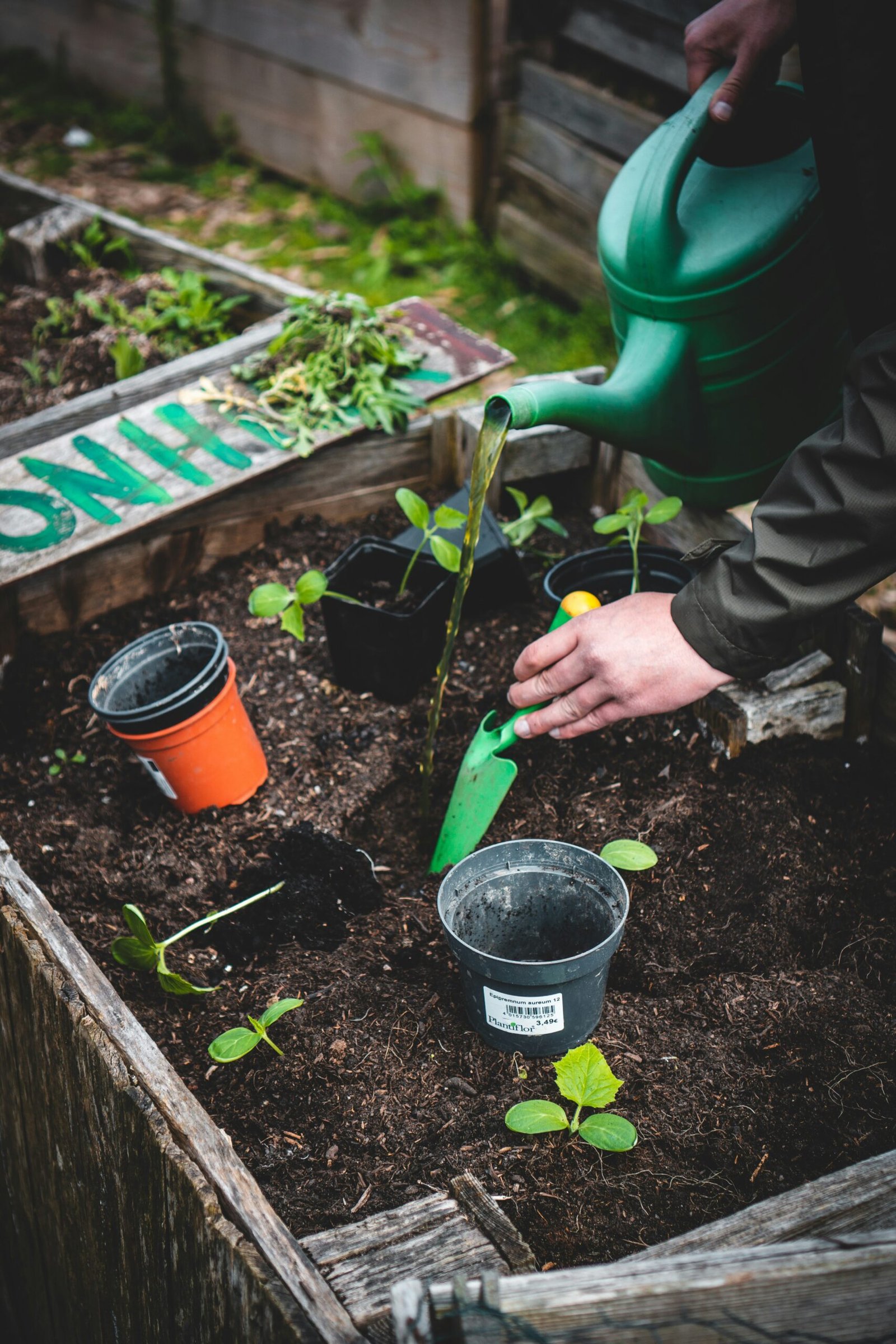
One of the most significant benefits of raised beds is the ability to create the perfect soil environment. Unlike in-ground gardens, where you might battle with heavy clay, sandy loam, or compacted earth, raised beds allow you to fill them with a custom blend of nutrient-rich, well-draining soil. This is absolutely critical in summer. Good drainage prevents root rot during heavy summer downpours, while excellent aeration ensures roots can breathe and access nutrients efficiently. Furthermore, raised bed soil tends to warm up faster in the spring, extending your growing season, and retains a more consistent temperature, insulating roots from extreme heat fluctuations that can stress plants in traditional plots. For crops like tomatoes, peppers, and eggplants, which crave warmth, this can translate to earlier fruiting and higher yields.
Watering Wisdom: Efficiency in Every Drop
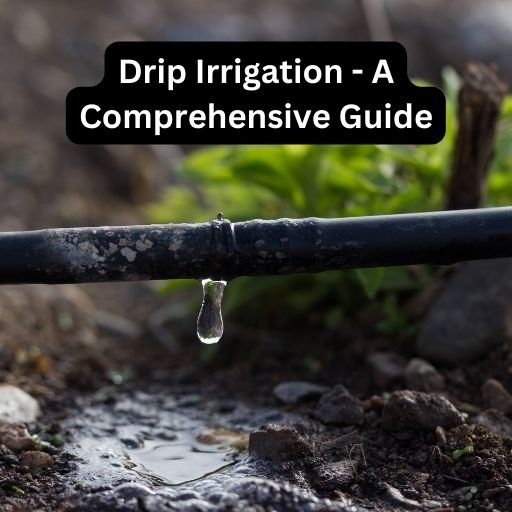
While raised beds can dry out quicker than in-ground gardens, this isn’t necessarily a disadvantage – it’s an opportunity for more precise watering. In June, as temperatures soar, efficient water management becomes paramount. Raised beds allow for excellent water penetration without runoff, ensuring every drop reaches your plants’ roots. This is especially true if you integrate drip irrigation or soaker hoses, which are incredibly easy to install and manage in a defined raised bed space. You can deliver water directly to the root zone, minimizing evaporation and discouraging fungal diseases that thrive on wet foliage. This targeted approach saves water, reduces your utility bill, and keeps your plants perfectly hydrated even during a scorching heatwave.
Pest & Weed Management: A Cleaner, Greener Garden
Summer brings with it an army of garden pests and an explosion of weeds. Raised beds offer a significant advantage here. Their elevated nature creates a physical barrier against some ground-dwelling pests like slugs and snails. The contained environment also makes it easier to identify and remove weeds before they compete with your precious vegetables for water and nutrients. You’re less likely to introduce weed seeds from surrounding areas, and the loose, friable soil in a raised bed makes hand-weeding a breeze – often just a quick tug and they’re out! This translates to healthier plants, less competition, and more energy directed towards producing those delicious harvests, rather than battling unwelcome guests.
Your Ultimate June Planting Calendar: What to Grow Now for Peak Summer Harvests
June is a fantastic month for planting a wide array of vegetables across the United States, especially if you’re aiming for a continuous harvest through late summer and early fall. While spring might get all the glory for starting seeds, June is when many heat-lovers truly come into their own, and quick succession crops can fill gaps left by earlier plantings. Let’s explore what you should be tucking into your raised beds this month.
Heat-Loving Stars: Tomatoes, Peppers, and Eggplants
For most of the continental USA, June is absolutely prime time for planting or continuing the growth of your big summer stars. If you haven’t already, get those tomato, pepper, and eggplant transplants into your raised beds. These plants thrive in consistent warm temperatures, ideally above 65°F (18°C) at night. Choose varieties that are well-suited to your local climate; for instance, determinate tomatoes for a concentrated harvest, or indeterminate for a season-long yield. Peppers come in a dazzling array of colors and heat levels, from sweet bell peppers to fiery jalapeños and habaneros. Eggplants love the heat too, and there are many beautiful varieties beyond the classic black beauty. Ensure they have plenty of room, good staking, and consistent moisture.
Vining Vegetables: Cucumbers, Squash, and Melons
June is also the perfect month to direct sow or transplant cucumbers, summer squash (like zucchini and yellow squash), winter squash (pumpkins, butternut, acorn), and various melons (watermelon, cantaloupe). These vining plants absolutely adore the summer sun and warmth. Raised beds give them an excellent start with well-draining, fertile soil. Just be mindful of their sprawling nature! For smaller raised beds, consider bush varieties of squash and cucumbers, or train vining plants up a sturdy trellis or cattle panel to maximize vertical space. Plant seeds about 1 inch deep and space them according to package directions, typically 2-3 feet apart for vining types if allowing them to sprawl, or closer if trellising.
Legumes for Days: Bush Beans and Pole Beans
Green beans are incredibly rewarding and fast-growing, making them perfect for succession planting in June. Both bush beans and pole beans can be direct-sown now. Bush beans mature quickly (around 50-60 days) and offer a concentrated harvest, great for canning or freezing. Pole beans, while taking a bit longer to start producing, will climb vigorously and yield beans over a longer period, making them ideal for continuous fresh eating. Plant seeds 1 inch deep and about 3-4 inches apart. For pole beans, ensure you have a trellis or support structure ready for them to climb. In warmer regions, you can plant several successions of beans throughout June and July for a continuous supply.
Quick Greens and Herbs: Keep ‘Em Coming!
While many cool-season greens bolt in the summer heat, there are still options for your June raised bed. Heat-tolerant lettuces, Swiss chard, and New Zealand spinach can often endure warmer temperatures, especially if given some afternoon shade. Herbs like basil, cilantro (choose slow-bolting varieties), mint, oregano, and thyme thrive in the June sun. Consider planting a fresh batch of basil for summer pesto! You can also plant another round of radishes or quick-maturing carrots in partial shade for a quick turnaround. Remember, the key to greens in summer is often providing some relief from the most intense afternoon sun, which raised beds can sometimes offer due to their height.
Regional Deep Dive: Tailoring Your June Garden Across America
The vastness of the United States means that “June planting” looks very different depending on whether you’re in the scorching Southwest or the cooler Pacific Northwest. Understanding your specific climate and USDA hardiness zone is key to maximizing your raised bed’s potential this month.
Northeast (USDA Zones 3-7): From Spring’s End to Summer’s Start
For gardeners from Maine to Pennsylvania, June is when the garden truly bursts to life. The last risk of frost is typically gone, and soil temperatures are reliably warm.
- What to Plant: This is prime time for planting out your warm-season crops like tomatoes, peppers, eggplants, squash, cucumbers, and melons. Direct sow bush and pole beans, corn, and quick successions of heat-tolerant lettuce, Swiss chard, and radishes. Herbs like basil, dill, and cilantro will thrive.
- Key Considerations: Monitor for late spring cold snaps early in the month, though rare. Ensure good drainage, as summer thunderstorms can be intense. Start feeding your heavy feeders like tomatoes.
- Local Tip: Utilize your raised beds for quick drainage after those classic Nor’easter summer showers. Consider local seed companies like Johnny’s Selected Seeds for varieties adapted to your climate.
The South (USDA Zones 7-11): Embracing the Heat and Humidity
From the Carolinas to Texas and Florida, June means serious heat and often intense humidity. Planting strategies here focus on heat tolerance and disease resistance.
- What to Plant: Continue planting heat-loving crops like sweet potatoes, okra, southern peas (cowpeas), and specific heat-set varieties of tomatoes and peppers (e.g., Florida 91 tomato, various bell pepper varieties). Cucumbers and squash can still be planted for a later harvest, but ensure good air circulation to combat fungal diseases.
- Key Considerations: Provide afternoon shade for sensitive crops using shade cloth, especially for leafy greens and some tomatoes. Water deeply and consistently to combat rapid evaporation. Watch for common Southern pests like squash bugs and tomato hornworms. Raised beds are excellent for improving drainage in heavy clay soils common in some parts of the South.
- Local Tip: Look for seed varieties specifically labeled “heat-tolerant” or “disease-resistant.” Many local university extension offices offer excellent regional planting guides.
Midwest (USDA Zones 3-6): Variable Summers, Vigorous Growth
Across states like Ohio, Iowa, and Nebraska, June can bring a mix of hot, sunny days and occasional severe thunderstorms. Raised beds excel at managing these varying conditions.
- What to Plant: This is the heart of the summer planting season. Get in your main crops of tomatoes, peppers, eggplants, corn, beans, squash, and cucumbers. Direct sow root vegetables like carrots and beets in successions.
- Key Considerations: Be prepared for sudden weather shifts. Raised beds help prevent waterlogging during heavy rains and warm up quickly after cooler spells. Ensure good air circulation to prevent powdery mildew, especially on squash.
- Local Tip: Consider windbreaks for taller plants in open areas. Companies like Burpee and Park Seed offer a wide range of reliable varieties for the Midwest.
Pacific Northwest (USDA Zones 4-9): Mild Summers, Longer Growing Season
Gardens in Washington, Oregon, and parts of Northern California benefit from generally milder summers, though some inland areas can get quite hot.
- What to Plant: You have a long window for many crops! Plant your main season tomatoes (especially early varieties), peppers, squash, cucumbers, and beans. Continue successions of lettuce, spinach, radishes, and carrots. Broccoli and cabbage can also be planted for a fall harvest.
- Key Considerations: While usually mild, watch for heatwaves, especially east of the Cascades. Ensure good slug and snail control, which thrive in moist conditions. Raised beds warm up faster, which is a huge benefit in cooler PNW springs.
- Local Tip: Embrace cool-season crops for longer here. Check out local nurseries for varieties that perform well in the PNW’s unique microclimates.
Southwest (USDA Zones 7-10): Arid Heat, Water-Wise Choices
For Arizona, New Mexico, and parts of California and Nevada, June means intense, dry heat. Water conservation and heat-tolerant varieties are paramount.
- What to Plant: Focus on extremely heat-tolerant crops like sweet potatoes, okra, specific melon varieties, and some peppers (especially chili peppers like Hatch). Beans, especially tepary beans, can do well. Many other plants will struggle in the direct sun unless provided with significant shade.
- Key Considerations: Implement shade cloth immediately for most plants. Water deeply and infrequently, focusing on early morning. Drip irrigation in raised beds is non-negotiable here. Mulch heavily to retain soil moisture and keep roots cool.
- Local Tip: Embrace native and drought-tolerant edibles. Raised beds allow for excellent control over soil composition, crucial for desert gardening. Consider connecting with local desert gardening resources.
Essential Tools & Supplies: American Brands for Your Raised Bed Success
Equipping your raised bed garden for summer success doesn’t have to be complicated. Many reliable American brands and products are readily available at your local Home Depot, Lowe’s, or with a few clicks on Amazon US. Investing in quality tools and supplies will make your gardening experience more enjoyable and your harvests more abundant.
Raised Bed Kits and Materials
If you’re still planning or expanding your raised beds, June is a great time to build! You’ll find a variety of materials.
- Cedar Raised Bed Kits: Brands like Greenes Fence (available at Home Depot, Lowe’s, Amazon US) offer modular cedar kits that are naturally rot-resistant and easy to assemble. A 4×8 foot cedar raised bed kit typically ranges from $150-$300.
- Galvanized Steel Raised Beds: Brands like Vego Garden (often available on Amazon US or direct) or similar offerings at Home Depot are gaining popularity. They’re durable, attractive, and can last for decades. A 4×8 foot metal bed might cost $100-$250.
- Composite/Recycled Plastic Beds: Brands like Vigoro (Home Depot) or various options on Amazon offer beds made from recycled materials, which are incredibly long-lasting and maintenance-free. Price points are similar to cedar.
Premium Potting Mixes and Soil Amendments
The foundation of any successful raised bed is its soil. Don’t skimp here!
- Organic Raised Bed Mix: Look for brands like Miracle-Gro Organic Raised Bed Soil (Home Depot, Lowe’s, Amazon US) or Kellogg Garden Organics Raised Bed & Potting Mix (Lowe’s, Amazon US). These blends are specifically designed for raised beds, offering excellent drainage and nutrient retention. A 1.5 cubic foot bag runs about $10-$15. You’ll need several bags for a standard 4×8 foot bed.
- Compost: Supplement your soil with high-quality compost. Black Kow Composted Cow Manure (Home Depot, Lowe’s) or local compost suppliers offer nutrient-rich organic matter. A 1 cubic foot bag is usually $5-$8.
- Perlite or Vermiculite: For extra aeration and moisture retention, consider adding a bag of perlite or vermiculite. Espoma Organic Perlite (Amazon US, garden centers) is a good choice, around $15-$20 for a large bag.
Watering Solutions for Summer Heat
Consistent watering is non-negotiable in June.
- Soaker Hoses: Brands like Gilmour or Dramm (Home Depot, Lowe’s, Amazon US) offer durable soaker hoses that deliver water directly to the soil, minimizing evaporation. A 50-foot soaker hose costs around $20-$30.
- Drip Irrigation Kits: For a more automated approach, consider a basic drip irrigation kit. Rain Bird or Orbit (Home Depot, Lowe’s, Amazon US) offer starter kits that are relatively easy to install for raised beds, typically $40-$80.
- Watering Wands: A long watering wand, like those from Dramm or Melnor (Amazon US), helps you reach all corners of your raised bed without bending over, and allows for gentle watering. About $20-$40.
Fertilizers and Pest Control
Keep your plants fed and protected.
- Organic Granular Fertilizer: Espoma Garden-tone or Bio-tone Starter Plus (Amazon US, garden centers) are excellent all-purpose organic granular fertilizers, costing $15-$25 for a small bag.
- Organic Liquid Fertilizer: For a quick boost, Alaska Fish Emulsion or FoxFarm Grow Big Liquid Plant Food (Amazon US) are popular choices, around $10-$20.
- Organic Pest Control: For common summer pests, keep Bonide All Seasons Horticultural & Dormant Spray Oil (Amazon US, Home Depot) or Safer Brand Insect Killing Soap (Lowe’s, Amazon US) on hand. About $10-$20 per bottle.
Mastering Raised Bed Maintenance for Peak Summer Performance
June isn’t just about planting; it’s about nurturing. As your raised bed garden transitions into the full swing of summer, consistent and thoughtful maintenance becomes paramount. Your efforts now will directly impact the quantity and quality of your harvests later in the season.
Watering: The Golden Rule of Summer Gardening
With increasing temperatures and longer days, your raised beds will likely need more frequent watering. The elevated nature of raised beds, combined with their excellent drainage, means they can dry out faster than in-ground gardens.
- Check Daily: Especially during heatwaves, check the soil moisture daily by sticking your finger about 2-3 inches deep. If it feels dry, it’s time to water.
- Deep and Consistent: Aim for deep, thorough watering that saturates the entire root zone, rather than frequent shallow sprinkles. This encourages roots to grow deeper, making plants more resilient to drought.
- Morning is Best: Water in the early morning to minimize evaporation and allow foliage to dry before nightfall, reducing the risk of fungal diseases.
- Drip or Soaker Hoses: As mentioned before, these are ideal for raised beds, delivering water precisely where it’s needed and saving you time and water.
Feeding Your Hungry Plants: Fertilization in June
Many of the crops you’re growing in June, especially tomatoes, peppers, squash, and corn, are “heavy feeders.” They require a steady supply of nutrients to produce abundant fruit.
- Mid-Season Boost: If you amended your soil well at the beginning of the season, your plants might still be drawing on those initial nutrients. However, by mid-June, especially for plants that have started flowering or fruiting, a boost is usually beneficial.
- Balanced Fertilizers: Use a balanced organic granular fertilizer (like a 5-5-5 or 4-6-3) or a liquid feed (like diluted fish emulsion or seaweed extract) every 2-4 weeks, following package directions.
- Targeted Feeding: Tomatoes and peppers benefit from fertilizers slightly higher in phosphorus and potassium once they start setting fruit.
- Compost Top-Dressing: A thin layer (1-2 inches) of fresh compost applied to the surface of your raised beds acts as a slow-release fertilizer and helps retain moisture.
Pest and Disease Vigilance: Early Detection is Key
Summer brings an explosion of life, and unfortunately, that includes garden pests and diseases. Regular scouting is your best defense.
- Daily Inspections: Take a few minutes each day to walk around your raised beds, checking the tops and undersides of leaves. Look for chewed leaves, discolored spots, or the presence of insects.
- Common June Pests: Watch out for aphids, spider mites (especially in hot, dry conditions), squash bugs, cucumber beetles, and tomato hornworms. Hand-pick larger pests or use a strong jet of water for aphids.
- Organic Solutions: If infestations are severe, use organic pest control options like neem oil or insecticidal soap, following directions carefully.
- Fungal Diseases: High humidity can lead to powdery mildew (especially on squash and cucumbers) or blight on tomatoes. Ensure good air circulation, avoid overhead watering, and remove affected leaves promptly.
Weeding and Mulching: Suppress and Preserve
Even in raised beds, weeds will try to make an appearance.
- Stay on Top of Weeds: Pull weeds when they’re small and the soil is moist. The loose soil in raised beds makes this easy. Regular weeding prevents them from competing with your crops for resources.
- Mulch Heavily: A 2-4 inch layer of organic mulch (straw, shredded leaves, wood chips) is a game-changer for summer raised beds. It conserves soil moisture, suppresses weeds, keeps soil temperatures more consistent, and slowly breaks down to add organic matter.
Harvesting Your Bounty & Preparing for More: The Continuous Cycle
The true reward of a raised bed garden in June comes with the first harvests. But beyond the joy of picking fresh produce, June is also a month for strategic planning – ensuring your raised beds remain productive throughout the summer and into the fall. This continuous cycle of harvesting and replanting is what makes raised bed gardening so incredibly efficient.
The Sweet Rewards of June Harvests
Depending on what you planted earlier in the season, June might bring your first waves of fresh produce.
- Lettuce & Greens: If you planted early, you’re likely still enjoying crisp lettuces, spinach, and Swiss chard. Harvest outer leaves to encourage continuous production. As temperatures rise, some may start to bolt – harvest quickly before they turn bitter.
- Radishes & Beets: Quick-growing radishes are often ready in just 3-4 weeks. Beets typically take a bit longer but can be harvested for their greens as well as their roots.
- Peas & Snap Beans: Early planted peas and snap beans will be producing prolifically. Pick them regularly to encourage more pod development.
- Strawberries: For those with perennial raised beds, June is prime strawberry season! Enjoy them fresh, or consider preserving them.
- Herbs: Basil, mint, chives, oregano, and thyme are all thriving. Harvest regularly to encourage bushier growth and prevent flowering, which can reduce flavor.
Succession Planting: Maximizing Your Raised Bed Space
This is where raised beds truly shine in June. As one crop finishes, you have the opportunity to plant something new in its place, ensuring a continuous supply of fresh vegetables.
- Quick Turnaround Crops: Once a patch of lettuce or radishes is done, amend the soil with a bit of compost and plant another round of quick-maturing crops like bush beans, more radishes, or even a fast-growing variety of cucumber if you have the space.
- Summer-to-Fall Transition: In late June, especially in cooler zones, you can start planning for fall. Consider direct sowing carrots, beets, or even starting broccoli, cabbage, or kale transplants for a fall harvest. These will benefit from the remaining summer warmth to establish before cooler weather sets in.
- Filling Gaps: If you have an empty spot where a spring crop has finished, don’t let it sit idle! Even a small patch can yield a handful of basil or a few radishes.
Post-Harvest Care and Soil Renewal
After harvesting a crop, it’s important to prepare the soil for the next round of planting.
- Remove Spent Plants: Once a plant has finished producing, pull it out. If it was healthy, you can chop it up and add it to your compost pile. Avoid composting diseased plants.
- Amend the Soil: Each crop draws specific nutrients from the soil. Before planting a new crop, replenish those nutrients by adding a fresh layer of compost (1-2 inches) and gently mixing it into the top few inches of your raised bed soil. This is also a good time to add any granular organic fertilizers if needed.
- Crop Rotation (Even in Raised Beds): While more challenging in smaller spaces, try to avoid planting the same family of plants in the exact same spot year after year. For example, if you grew tomatoes in one section, try planting beans or lettuce there next season to help break pest and disease cycles and balance nutrient use.
The Secret to Bountiful Beds: Expert Tips for US Gardeners This June
To truly make your raised beds sing this June, a few expert strategies can make all the difference. These tips are geared towards maximizing productivity, conserving resources, and making your gardening experience as enjoyable as possible across the diverse climates of the USA.
- Embrace Organic Mulch: A 2-4 inch layer of straw, shredded leaves, or wood chips is your raised bed’s best friend in summer. It conserves precious moisture, suppresses weeds, keeps soil temperatures stable (cooler in heat, warmer overnight), and