Key Takeaways for Your Raised Bed Revolution!
- May is Prime Time: This month offers the perfect window for planting a bounty of spring and early summer crops across most of the US.
- 7 Must-Plant Picks: Focus on fast-growing leafy greens, quick-harvest root veggies, fragrant herbs, and prolific summer producers like lettuce, spinach, radishes, bush beans, zucchini, basil, and everbearing strawberries.
- Regional Wisdom: Tailor your planting to your specific USDA zone and local climate – from chilly PNW springs to scorching Southwest heat.
- Elevate Your Soil: Raised beds excel with custom soil mixes, ensuring optimal drainage and nutrient supply for vigorous growth.
- Smart Shopping: Leverage American retailers like Home Depot, Lowe’s, and Amazon for the best raised bed kits, soil, and tools.
- Continuous Harvest: Embrace succession planting and smart companion planting to maximize your raised bed’s output all season long.
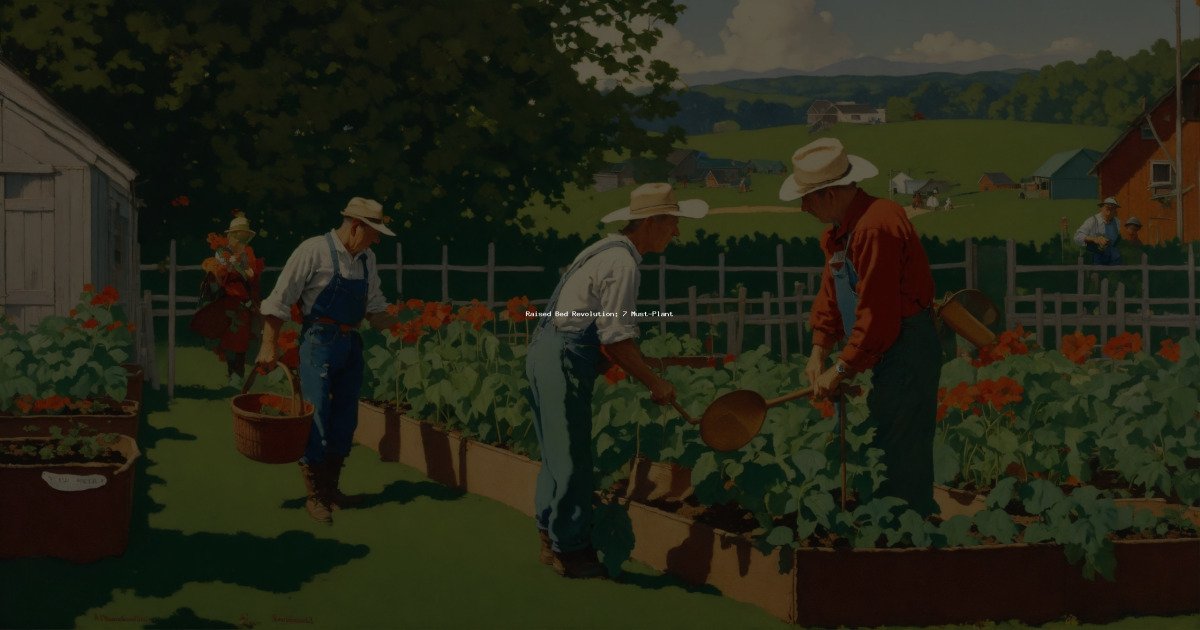
Raised Bed Revolution: 7 Must-Plant Crops for a Bountiful May Garden
Ah, May! The scent of fresh-cut grass is in the air, the birds are singing their morning chorus, and across the continental USA, millions of American gardeners are feeling that irresistible pull to get their hands dirty. For many of us, this is the month when the garden truly springs to life, when the promise of sun-ripened tomatoes and crisp, homegrown lettuce feels tantalizingly close. If you’re like me, you’ve spent the colder months dreaming of your outdoor oasis, planning your plots, and perhaps even sketching out a new raised bed design or two. And if you haven’t yet jumped on the raised bed bandwagon, let me tell you, this May is your moment! From the sunny plains of Texas to the lush valleys of the Pacific Northwest, and from the bustling suburbs of the Northeast to the charming backyards of the Midwest and the Southwest, raised beds are transforming how Americans garden.
Why the fuss? Well, imagine a garden where you have absolute control over your soil – no more fighting stubborn clay or nutrient-depleted sand. Picture perfectly drained beds that warm up faster in spring, giving you a head start on the growing season. Envision fewer weeds, easier access for planting and harvesting (goodbye, backaches!), and a stunning, organized aesthetic that boosts your home’s curb appeal. That’s the magic of raised beds, my friends. They’re not just a trend; they’re a smart, efficient, and incredibly rewarding way to garden, especially for us busy Americans looking for maximum yield with minimal fuss.
This May, as we navigate the last whispers of spring frost warnings in USDA Zones 4-6 and bask in the full glory of spring warmth in Zones 7-9, the opportunities for planting are abundant. Whether you’re in upstate New York, coastal California, central Florida, or anywhere in between, there are incredible edibles waiting to find a home in your raised beds. We’re talking about plants that thrive in these elevated environments, offering quick rewards, continuous harvests, and flavors that put store-bought produce to shame. So, grab your gardening gloves, dust off your trowel, and let’s dive into the “Raised Bed Revolution.” I’m going to share with you my top 7 must-plant crops for your raised beds this May, complete with regional advice, expert tips, and American product recommendations to ensure your garden is not just productive, but truly spectacular. Let’s make this your most bountiful gardening year yet!
The Magic of Raised Beds: Why Every American Gardener Needs One
Raised beds have become a cornerstone of modern American gardening, and for good reason. They offer a host of advantages that can make gardening more accessible, more productive, and frankly, more enjoyable. For starters, you gain complete control over your soil. In many parts of the US, gardeners battle with native soil that’s either too heavy with clay, too sandy, or riddled with rocks and debris. With a raised bed, you fill it with a custom blend of high-quality topsoil, compost, and amendments, creating the perfect growing medium from day one. This ideal soil structure promotes robust root growth, better water retention, and excellent drainage, which is crucial for preventing root rot and ensuring your plants get just the right amount of moisture.
Another significant benefit, especially as we head into May, is that raised beds warm up faster in the spring. The elevated soil is exposed to more sunlight and air circulation, allowing it to thaw and warm quicker than ground-level beds. This means you can often plant earlier, getting a jump start on the growing season and potentially enjoying an earlier harvest. This is particularly advantageous for gardeners in cooler climates like the Northeast (think Massachusetts, Michigan, or Minnesota) or the Pacific Northwest (Oregon, Washington) where spring can be slow to arrive. The increased drainage also means less chance of waterlogging during those inevitable spring rains, keeping your plant roots happy and healthy. Furthermore, the contained nature of raised beds makes weed control significantly easier. You’re starting with fresh, weed-free soil, and any weeds that do appear are typically easier to spot and pull, saving you hours of bending and stooping.
Unlocking Early Spring Success with Raised Beds
May is a pivotal month for gardeners across the US. For those in USDA Zones 4-6, it’s often the time to plant after the last frost date, while Zones 7-9 are in full swing. Raised beds are your secret weapon for maximizing this window. Because the soil warms faster, you can often get those tender seedlings in the ground a week or two earlier than traditional beds. This head start is invaluable for crops that prefer cooler weather but need to mature before summer’s intense heat, or for getting a second succession planting of quick-growing greens. Consider using frost covers or cloches over your raised beds for those unpredictable late spring cold snaps, especially in regions like the upper Midwest or Mountain West. The height of the beds also makes it easier to install and remove these protective measures.
Optimal Soil & Drainage Secrets for Bountiful Harvests
The foundation of a successful raised bed is its soil. Don’t just dump in garden soil from your yard; invest in a quality raised bed mix. A common recipe is a blend of 60% good quality topsoil, 30% compost (compost is gold!), and 10% perlite or vermiculite for aeration and drainage. For American product recommendations, you can find excellent options at your local Home Depot or Lowe’s. Look for products like Vigoro Raised Bed & Potting Mix or Miracle-Gro Organic Raised Bed Soil. These are often specially formulated to provide the ideal balance of nutrients and drainage. On Amazon US, brands like FoxFarm Ocean Forest Potting Soil (though often pricey, it’s premium) or larger bags of composted cow manure from various suppliers are popular. For a standard 4×8 foot raised bed that’s 12 inches deep, you’ll need about 32 cubic feet (or roughly 0.8 cubic yards) of soil, which translates to quite a few 1.5-cubic-foot bags. Proper soil depth, usually 10-12 inches for most vegetables, ensures roots have ample room to grow. Good drainage is inherent in raised beds, but you can enhance it further by placing a layer of cardboard at the bottom to suppress weeds and slowly break down, or a layer of hardware cloth to deter burrowing pests.
Raised Bed Revolution: Your 7 Must-Plant Picks for a Bountiful May Harvest
Now that your raised beds are prepped and ready, it’s time for the exciting part: choosing what to plant! This May, we’re focusing on a selection of crops that truly shine in raised beds, offering a mix of quick rewards, continuous harvests, and essential flavors for your American kitchen. These plants are chosen for their adaptability, their ability to thrive in the rich, well-drained soil of a raised bed, and their timing for planting in late spring across much of the US. Get ready to fill your garden with abundance!
Plant Spotlight 1 & 2: Fast-Growing Favorites for Fresh Salads – Lettuce & Spinach
For instant gratification and continuous harvests, you simply cannot beat lettuce and spinach in a raised bed. These leafy greens are perfect for spring planting in May, especially in cooler climates or if you’re quick to harvest before the summer heat truly sets in. Raised beds provide the ideal well-drained, nutrient-rich soil they crave, leading to tender, crisp leaves.
- Lettuce: Opt for loose-leaf varieties like ‘Black Seeded Simpson’, ‘Salad Bowl’, or ‘Buttercrunch’. They mature quickly (30-50 days) and allow for ‘cut-and-come-again’ harvesting, meaning you can snip off outer leaves and the plant will continue to produce more. Plant seeds directly in your raised bed about 1/4 inch deep and 1 inch apart, thinning to 6-8 inches. For American gardeners, Burpee and Park Seed offer a fantastic array of lettuce seeds.
- Spinach: Varieties like ‘Bloomsdale Long Standing’ or ‘Tyee’ are excellent choices. Spinach prefers cooler temperatures, so May is ideal for getting a good crop before the summer sun encourages bolting (going to seed). Plant seeds 1/2 inch deep and 4-6 inches apart. Like lettuce, you can harvest outer leaves or the whole plant.
Regional Tips:
* Northeast & Midwest: May is prime time! Succession plant every 2-3 weeks for a continuous supply until early summer.
* South & Southwest: Plant heat-tolerant varieties or provide afternoon shade. Harvest quickly as temperatures rise to avoid bitterness and bolting. Consider planting in late April if possible.
* Pacific Northwest: Excellent conditions for these greens throughout May and into early summer.
Product Recommendations: Look for seed packets from Burpee, Baker Creek Heirloom Seeds, or Park Seed at your local hardware store or online. For organic options, check out Johnny’s Selected Seeds. A good organic liquid fertilizer like FoxFarm Grow Big (available on Amazon US) can give your greens a boost after initial harvests.
Plant Spotlight 3 & 4: Quick Rewards & Root Vegetable Delights – Radishes & Bush Beans
These two crops offer incredibly quick turnarounds and are perfect for filling those raised bed gaps or planting alongside slower-growing vegetables. They thrive in the loose, aerated soil that raised beds provide, making root development a breeze.
- Radishes: The ultimate impatient gardener’s crop! Many varieties, like ‘Cherry Belle’ or ‘French Breakfast’, are ready to harvest in as little as 21-30 days. Plant seeds 1/2 inch deep and 1 inch apart, thinning to 2-3 inches. Their quick growth makes them perfect for succession planting every week or two throughout May.
- Bush Beans: Unlike pole beans, bush beans don’t need trellising, making them ideal for the contained space of a raised bed. Varieties like ‘Contender’ or ‘Blue Lake Bush’ produce prolifically and are ready in 50-60 days. Plant seeds 1 inch deep and 4-6 inches apart after all danger of frost has passed and soil temperatures are consistently above 60°F (15°C).
Regional Tips:
* All Zones (4-9): May is generally perfect for radishes. For bush beans, ensure soil is warm enough. In Zones 4-6, wait until mid-May. In Zones 7-9, you can plant early May.
* South & Southwest: Radishes may bolt quickly in intense heat; opt for heat-tolerant varieties or provide light shade. Bush beans thrive in the warmth but ensure consistent watering.
Product Recommendations: Seeds from Burpee, Ferry-Morse (widely available at Home Depot/Lowe’s), or Baker Creek. Consider a soil thermometer (available at Amazon US for around $10-15) to accurately check your raised bed soil temperature before planting beans. A good quality organic compost from your local nursery can also be worked into the soil for an extra nutrient boost.
Plant Spotlight 5 & 6: Aromatic Abundance for Your American Kitchen – Basil & Zucchini
No American garden is complete without fresh herbs, and basil is a champion in raised beds. Zucchini, while a prolific summer squash, can also be managed in a raised bed with the right variety and care.
- Basil: ‘Genovese’ or ‘Sweet Basil’ are classic choices, perfect for pesto, salads, and Italian dishes. Basil loves warmth, so May is ideal for planting seedlings or direct sowing seeds after the last frost. Plant 12 inches apart. Pinch off the central stem once the plant has 3-4 sets of true leaves to encourage bushier growth.
- Zucchini: While known for sprawling, compact or bush varieties like ‘Bush Baby’ or ‘Patio Star’ are perfect for raised beds. Plant 1-2 seedlings per bed (depending on size) about 2-3 feet apart. Zucchini is a heavy feeder, so ensure your raised bed soil is rich in compost. They love full sun and consistent moisture.
Regional Tips:
* All Zones (4-9): Plant basil after all danger of frost is gone and night temperatures are consistently above 50°F (10°C). Zucchini also needs warm soil.
* South & Southwest: Basil will thrive in the heat but may benefit from some afternoon shade to prevent scorching. Zucchini will produce abundantly but needs regular watering to prevent wilting.
* Northeast & Midwest: Wait until mid-May or even Memorial Day weekend for basil and zucchini to ensure warm enough soil.
Product Recommendations: Starter plants for basil from your local nursery or seed packets from Burpee or Park Seed. For zucchini, look for bush varieties from any major seed company. A slow-release organic granular fertilizer like Espoma Garden-tone (available at most garden centers) can be incorporated into the soil at planting time for zucchini.
Plant Spotlight 7: The Sweet Rewards – Everbearing Strawberries
Who doesn’t love fresh strawberries? Everbearing varieties are a fantastic choice for raised beds because they produce fruit throughout the season, rather than just one big flush. They also act as a beautiful edible groundcover.
- Everbearing Strawberries: Varieties like ‘Ozark Beauty’ or ‘Seascape’ are excellent. Plant bare-root plants or starters in early May, spacing them 12-18 inches apart. Ensure the crown (where the leaves emerge) is at soil level. Keep them well-watered, especially during establishment. Raised beds provide the perfect drainage and prevent rot, which strawberries can be prone to.
Regional Tips:
* All Zones (4-9): May is a great time to establish strawberries. In warmer zones, provide some afternoon shade.
* Northeast & Midwest: Plant in early to mid-May. You may need to protect them over winter with a layer of straw mulch.
* South & Southwest: Can be grown as annuals or carefully managed with shade and consistent water to survive summer.
Product Recommendations: Bare-root strawberry plants are widely available at Home Depot, Lowe’s, or online nurseries like Nourse Farms. A balanced fertilizer or specific fruit fertilizer like Dr. Earth Organic 4 Tomato, Vegetable & Herb Fertilizer (Amazon US) can be beneficial once they start to establish and produce runners.
Essential Raised Bed Products & Techniques Comparison
To help you make the best choices for your raised bed gardening journey, here’s a comparison of some popular products and techniques commonly used by American gardeners.
| Product/Technique | Best For | Price Range | Where to Buy | Rating (1-5 Stars) |
|---|---|---|---|---|
| Cedar Raised Bed Kits (4’x8’x12″) | Durability, natural look, easy assembly | $150 – $300 | Home Depot, Lowe’s, Amazon US | 4.5 |
| Galvanized Steel Raised Bed Kits (3’x6’x12″) | Longevity, modern aesthetic, pest resistance | $100 – $250 | Amazon US, Vego Garden, Gardeners.com | 4.7 |
| Miracle-Gro Organic Raised Bed Soil (1.5 cu ft bag) | Convenient, nutrient-rich starter soil | $10 – $15 per bag | Lowe’s, Home Depot, Walmart | 4.0 |
| Composted Manure (large bag/bulk) | Soil amendment, nutrient boost, organic matter | $5 – $10 per bag, $30-50 per cu yard | Local nurseries, garden centers | 4.8 |
| Drip Irrigation System (Small Kit) | Water efficiency, consistent watering, time-saving | $30 – $70 | Amazon US, Home Depot, Lowe’s | 4.3 |
10+ Expert Tips for US Raised Bed Gardeners This May
To truly revolutionize your raised bed gardening, here are some seasoned tips to help you maximize your harvest and enjoy a thriving garden all season long:
- Check Soil Temperature: Before planting warmth-loving crops like beans and zucchini, use a soil thermometer to ensure the soil is consistently above 60°F (15°C) at a depth of 4-6 inches.
- Succession Planting is Key: For quick-growing crops like lettuce, spinach, and radishes, plant small batches every 2-3 weeks. This ensures a continuous harvest rather than one massive flush.
- Water Wisely: Raised beds drain well, which is great, but also means they can dry out faster. Check soil moisture daily, especially during warm, windy periods. Aim for consistently moist, not soggy, soil. Consider a drip irrigation system for efficiency.
- Mulch, Mulch, Mulch: Apply a 1-2 inch layer of organic mulch (straw, shredded leaves, wood chips) around your plants. This conserves moisture, suppresses weeds, and regulates soil temperature.
- Feed Your Soil: Raised beds are high-performance environments. Replenish nutrients by adding a layer of compost each spring and side-dressing with an organic granular fertilizer every 4-6 weeks, or using a diluted liquid fertilizer every two weeks.
- Companion Planting: Utilize companion planting to deter pests and enhance growth. For example, plant marigolds to repel nematodes, or basil near tomatoes (though tomatoes are a summer crop, you can plan ahead!).
- Mind Your Spacing: While raised beds allow for denser planting than traditional rows, don’t overcrowd. Refer to seed packets for recommended spacing, or use square foot gardening techniques for efficient use of space.
- Pest Patrol: Inspect your plants regularly for signs of pests. Early detection makes control much easier. Use organic pest control methods like hand-picking, insecticidal soap, or neem oil.
- Support Heavy Yielders: For plants that might get heavy (like zucchini if you let it get big!), provide stakes or small cages early on to prevent them from flopping over.
- Harvest Often: Many crops, especially leafy greens and bush beans, produce more when harvested frequently. Don’t let vegetables get overripe; pick them at their peak.
- Know Your Zone & Microclimates: Even within a USDA zone, your specific yard can have microclimates. Pay attention to sun exposure, wind patterns, and how quickly your raised bed soil dries out. This knowledge is priceless!
- Rotate Your Crops: If you plan to grow the same type of plant in your raised bed year after year, consider rotating where you plant them within the bed or with different crops to prevent nutrient depletion and disease buildup.
Frequently Asked Questions About Raised Bed Gardening
What is the best soil to use for a raised garden bed?
The ideal blend for a raised bed is usually a mix of good quality topsoil, compost, and a draining agent like perlite or vermiculite. A common ratio is 60% topsoil, 30% compost, and 10% perlite. This provides excellent drainage, aeration, and nutrient content. Avoid using just native garden soil, as it may be too dense or lack nutrients. You can find pre-mixed raised bed soils at Home Depot, Lowe’s, or your local garden center, or create your own blend.
How deep should a raised garden bed be for vegetables?
For most common vegetables, a depth of 10-12 inches is sufficient. This allows ample room for root development for crops like lettuce, radishes, carrots, beans, and even smaller zucchini varieties. For deeper-rooted plants like large tomatoes or potatoes, a depth of 18-24 inches would be even better, but 12 inches is a great all-around depth for a productive raised bed.
Do raised beds need drainage holes at the bottom?
Raised beds typically do not need specific drainage holes drilled into the bottom, especially if they are sitting directly on the ground. The bottom is usually open to the native soil below, allowing for natural drainage. The elevated nature and ideal soil mix within the bed ensure excess water can drain out. If your raised bed has a solid bottom (like a container), then yes, it absolutely needs drainage holes to prevent waterlogging.
How do I prevent weeds in my raised garden bed?
Starting with a high-quality, weed-free soil mix is your first line of defense. You can also lay a layer of cardboard or newspaper at the bottom of your raised bed before filling it with soil to suppress existing weeds and grass. Once planted, apply a 1-2 inch layer of organic mulch (like straw, shredded leaves, or wood chips) around your plants. This blocks sunlight from weed seeds and helps retain moisture. Regular, light weeding will keep any stragglers at bay.
What are the best raised bed kits available in the US?
Popular and highly-rated raised bed kits in the US include cedar kits (e.g., from brands like Greenes Fence or Frame It All, available at Home Depot, Lowe’s, and Amazon US) for their natural look and durability, and galvanized steel kits (e.g., Vego Garden, Birdies, or various brands on Amazon US) for their longevity and modern aesthetic. Composite wood beds are also a great low-maintenance option. The “best” depends on your budget, desired look, and long-term goals.
Can I use raised beds in any USDA zone?
Absolutely! Raised beds are beneficial in every USDA zone across the continental USA. In colder zones (like 4-6), they allow the soil to warm up faster in spring, extending your growing season. In warmer zones (like 7-9), they provide excellent drainage for heavy rains and can be easier to amend for optimal soil conditions. You simply adjust your planting schedule and crop choices to suit your specific zone and local climate.
Join the Raised Bed Revolution: Your Best Garden Starts Now!
May is more than just a month on the calendar; it’s a vibrant invitation to step outside, breathe in the fresh spring air, and truly connect with the earth. Your raised beds are not just wooden or metal boxes; they are canvases for creativity, laboratories for growth, and sources of incredible, healthy food for your family. By embracing the “Raised Bed Revolution” and planting these 7 must-have crops this May, you’re not just gardening; you’re cultivating a lifestyle of freshness, flavor, and self-sufficiency that feels uniquely American.
Imagine stepping into your backyard this summer, plucking crisp lettuce and tender spinach for a Memorial Day picnic, snipping fragrant basil for a homemade pesto, or harvesting sweet strawberries for a Fourth of July dessert. This isn’t just a dream; it’s within your reach, thanks to the efficiency and bounty that raised beds offer. Whether you’re a seasoned green thumb or just starting your gardening adventure, raised beds make success more attainable and enjoyment more profound. They simplify the process, elevate your growing game, and ensure that every moment you spend in your garden is productive and fulfilling.
Don’t let this perfect May planting window pass you by. Take these tips, grab your tools, and transform your backyard into a thriving edible landscape. For even more in-depth guidance on planning, building, and maintaining your raised beds, we’ve created a comprehensive guide just for you. Click the button below to download your free PDF and unlock all the secrets to a truly revolutionary raised bed garden!
Free Gardening Guide – Download Now
Get our complete step-by-step PDF guide – FREE for US gardeners!
Ready to get started? We’ve curated a list of our top-recommended American products, from raised bed kits and premium soil mixes to essential tools and organic fertilizers, all available from trusted retailers like Home Depot, Lowe’s, and Amazon US. Click below to shop smart and build the raised bed garden of your dreams!
Happy gardening, America! We can’t wait to see what you grow.
Further Reading:
- Discover more about optimizing your raised bed soil for different crops.
- Learn about advanced watering techniques for raised beds.
- Explore our guide to year-round raised bed gardening in various US climates.
External Resources:
- Learn more about your specific USDA Plant Hardiness Zone: