body { font-family: ‘Arial’, sans-serif; line-height: 1.6; color: #333; margin: 0 auto; max-width: 900px; padding: 20px; }
h1, h2, h3 { color: #2c3e50; margin-top: 1.5em; margin-bottom: 0.5em; }
h1 { font-size: 2.5em; }
h2 { font-size: 2em; border-bottom: 2px solid #eee; padding-bottom: 0.2em; }
h3 { font-size: 1.5em; color: #34495e; }
p { margin-bottom: 1em; }
ul, ol { margin-bottom: 1em; margin-left: 20px; }
li { margin-bottom: 0.5em; }
table { width: 100%; border-collapse: collapse; margin-bottom: 1.5em; }
th, td { border: 1px solid #ddd; padding: 10px; text-align: left; }
th { background-color: #f4f4f4; font-weight: bold; }
strong { color: #e74c3c; }
em { font-style: italic; }
.key-takeaways { background-color: #ecf0f1; border-left: 5px solid #3498db; padding: 15px 20px; margin: 20px 0; border-radius: 5px; }
.key-takeaways strong { color: #3498db; }
.button { display: inline-block; padding: 12px 25px; margin: 15px 10px 15px 0; border-radius: 5px; text-decoration: none; font-weight: bold; text-align: center; }
.pdf-button { background-color: #28a745; color: white; }
.shop-button { background-color: #007bff; color: white; }
.faq-section h3 { margin-top: 1.5em; }
.faq-section p { margin-bottom: 1em; }
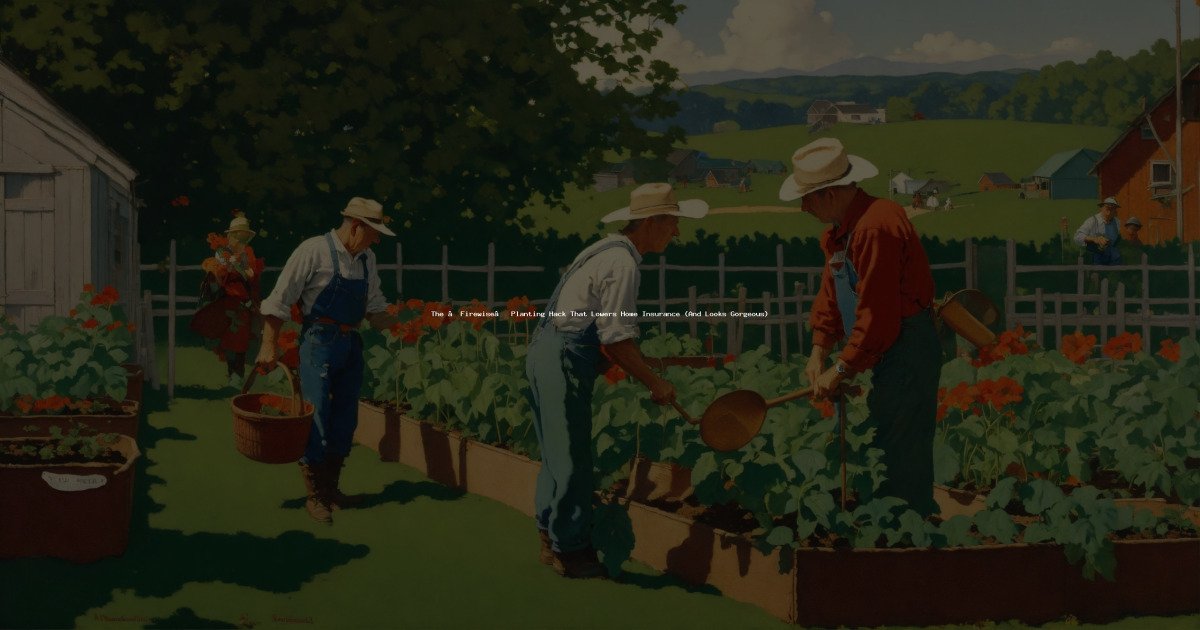
The ‘Firewise’ Planting Hack That Lowers Home Insurance (And Looks Gorgeous)
Ah, June! The sun is shining, the grill is fired up, and your garden is bursting with life. For many American homeowners, summer means long, lazy days and enjoying the fruits of spring planting. But for an increasing number of us, especially in the Western states and even parts of the Southeast, summer also brings a creeping anxiety: the threat of wildfires. It’s a harsh reality that can turn dream homes into ashes and significantly impact our peace of mind – and our wallets, through ever-rising home insurance premiums.
Imagine this: you’ve spent countless hours nurturing your hydrangeas in the Northeast, perfecting your drought-tolerant landscape in the Southwest, or cultivating your lush tropical paradise in Florida. Now, picture that beauty not just thriving, but also actively protecting your home from fire. Sounds like a dream, right? Well, it’s not. It’s the ingenious ‘Firewise’ planting hack, and it’s rapidly becoming the most talked-about strategy among savvy American gardeners and homeowners.
This isn’t just about clearing brush or creating a barren zone around your property. It’s about designing a landscape that is both stunningly beautiful and strategically resilient. It’s about understanding how plants behave in a fire, selecting species that resist ignition, and arranging them in a way that slows down or even stops a wildfire’s advance. From the dry chaparral of California and the pine forests of the Pacific Northwest, to the sprawling ranches of Texas and the humid woods of the Carolinas, homeowners across all USDA zones are discovering that a thoughtful landscape design can be their first line of defense.
And here’s the kicker: insurance companies are taking notice. As wildfire risks escalate, many insurers are now offering discounts or even requiring Firewise principles to be implemented. This means your efforts to create a safer yard can literally put money back in your pocket, making this hack a win-win for both your property value and your peace of mind. In this comprehensive guide, we’re diving deep into the Firewise planting hack, tailored specifically for American homeowners. We’ll cover regional differences, plant recommendations you can find at your local Home Depot or Lowe’s, expert tips for summer maintenance, and how to talk to your insurance provider about potential savings. Get ready to transform your yard into a gorgeous, fire-resistant sanctuary!
Key Takeaways for Your Firewise Journey:
- Defensible Space is Paramount: Learn about the critical zones around your home (0-5 ft, 5-30 ft, 30-100 ft) and how to manage them.
- Choose the Right Plants: Discover fire-resistant species that retain moisture and have low sap/resin content, suitable for your specific USDA zone.
- Strategic Placement Matters: It’s not just what you plant, but where. Avoid continuous fuel paths and create breaks.
- Summer is Prime Time: June is ideal for implementing and maintaining Firewise principles, especially with watering and pruning.
- Insurance Savings Await: Understand how a Firewise landscape can lead to lower home insurance premiums and increased safety.
- Regional Adaptations are Key: What works in the arid Southwest differs from the humid Southeast – we’ve got you covered.
Understanding the Firewise Principle: Your Landscape as a Shield
The core concept behind Firewise landscaping is surprisingly simple yet profoundly effective: your yard can either be a fuel source for a wildfire or a barrier against it. The Firewise USA® program, developed by the National Fire Protection Association (NFPA), provides a framework for homeowners to reduce their risk. It’s about proactive planning and diligent maintenance, transforming your outdoor space into a resilient buffer zone. Think of your landscape not just as a collection of pretty plants, but as a dynamic shield designed to protect your most valuable asset – your home.
The devastating wildfires we’ve witnessed across the country, from the foothills of the Rockies to the sprawling developments of California, underscore the urgent need for every homeowner to consider their property’s vulnerability. It’s no longer just a concern for those living deep in the wilderness; suburban interfaces are increasingly at risk. By embracing Firewise principles, you’re not just protecting your own home; you’re contributing to the safety of your entire community. This approach is about creating a continuum of safety, where each property owner’s efforts bolster the collective defense.
It involves understanding how fire spreads – primarily through radiant heat, embers carried by wind, and direct flame contact. Your Firewise landscape aims to interrupt these pathways. It means being mindful of the “fuel ladder” effect, where low-lying vegetation can carry flames up to taller shrubs and trees, eventually reaching your home’s eaves or roof. By breaking these ladders, you significantly reduce the chance of ignition. This comprehensive strategy considers everything from the type of plants you choose to the materials used for your patio and even the placement of your firewood pile. It’s a holistic view of home protection that integrates seamlessly with beautiful garden design.
The Critical Zones: Defensible Space Explained
Defensible space is the cornerstone of Firewise landscaping. It refers to the area around your home that has been modified to reduce fire hazard. This space is typically broken down into three critical zones, each with specific guidelines:
- Zone 0 (Ember-Resistant Zone): 0 to 5 Feet from the Home. This is the most critical zone. Imagine embers showering down on your property – this is where they’re most likely to ignite. This zone should be completely free of anything combustible. That means no flammable mulches (like bark), no dry leaves, no woody shrubs, and definitely no firewood piles. Opt for hardscaping like concrete, pavers, gravel, or non-combustible rock mulches. Any plants here should be very low-growing, well-irrigated, and sparse – think succulents or very short, green groundcovers. Your deck and porch areas fall into this zone, so keep them clear of debris and consider fire-resistant materials for furniture.
- Zone 1 (Lean, Clean, and Green Zone): 5 to 30 Feet from the Home. This zone requires careful management of plants to create a fire-resistant buffer. Here, you’ll want to select fire-resistant plants that are spaced out, well-pruned, and regularly irrigated, especially during dry summer months. Remove all dead or dying vegetation, and ensure trees are limbed up (branches removed) at least 6 to 10 feet from the ground. Maintain horizontal and vertical spacing between plants to prevent fire from jumping. For example, if you have a tall tree, ensure there isn’t a continuous path of shrubs leading right up to its lower branches. This is where your beautiful, yet strategic, planting truly comes into play.
- Zone 2 (Reduced Fuel Zone): 30 to 100 Feet (or to property line, whichever is closer). This outer zone aims to reduce the intensity and spread of wildfire. While less intensely managed than Zone 1, it still requires attention. Thin out dense stands of trees and shrubs, remove highly flammable species, and clear out dead vegetation. Maintain horizontal and vertical spacing, and ensure trees are limbed up. This zone acts as a further buffer, slowing down the fire and reducing flame lengths, giving firefighters a better chance to defend your home. In this zone, you might incorporate larger, mature fire-resistant trees, but always with proper spacing and maintenance.
Fuel Load Reduction: Beyond Just Clearing Brush
Fuel load reduction goes beyond simply clearing away dead leaves. It’s about systematically decreasing the amount of combustible material in your yard. This includes removing dead trees, shrubs, and grasses. But it also means being smart about your living plants:
- Choose Wisely: Opt for plants with high moisture content, low sap/resin, and minimal dead foliage.
- Prune Regularly: Remove dead branches, especially those close to the ground or your home. “Limbing up” trees (removing lower branches) is crucial.
- Manage Mulch: While mulch is great for moisture retention, some types (like shredded bark) can be highly flammable. In Zone 0 and 1, consider inorganic mulches like gravel or rock. In Zone 2, opt for less flammable options like composted wood chips or well-rotted leaves.
- Clean Gutters: Accumulated dry leaves and pine needles in gutters are a major fire hazard, acting as tinder for embers.
- Strategic Storage: Keep firewood piles, propane tanks, and other flammable materials at least 30 feet from your home.
By understanding these zones and focusing on fuel reduction, you’re not just hacking your landscape; you’re building a fortress of flora, strategically designed to protect your home and potentially lower your insurance premiums.
Summer-Specific Firewise Moves: June’s Green Guardians
As summer truly kicks into gear across the continental USA, especially after Memorial Day planting, June becomes a pivotal month for Firewise landscaping. The days are longer, temperatures are rising, and for many regions, rainfall becomes less frequent. This is when your plants can start drying out, turning into potential fuel. Therefore, summer-specific Firewise moves are crucial to maintain your defensible space and ensure your landscape remains a green guardian against fire, not a green tinderbox. Diligence now can prevent disaster later, making your summer gardening efforts both beautiful and deeply practical.
This isn’t the time for a laid-back approach; it’s a time for active maintenance. Think of your garden as a living, breathing fire extinguisher that needs constant refilling and tuning. The heat and potential drought conditions of June through August can quickly turn a lush garden into a fire hazard if not properly managed. From consistent watering schedules to targeted pruning and smart mulch choices, every action you take this season contributes directly to your home’s safety and resilience. And remember, a well-maintained yard looks better too, increasing curb appeal while simultaneously lowering risk.
Hydration is Key: Watering Strategies for the Dry Season
Proper irrigation is paramount during the summer months. Well-hydrated plants have a higher moisture content, making them far less likely to ignite and burn fiercely. Dry, stressed plants, on the other hand, are highly combustible. Here’s how to keep your landscape well-watered:
- Deep and Infrequent Watering: Instead of light, daily sprinkles, aim for deep watering 2-3 times a week (depending on your climate and soil type). This encourages roots to grow deeper, making plants more drought-tolerant. For trees, ensure the water penetrates at least 18-24 inches; for shrubs, 12-18 inches.
- Drip Irrigation & Soaker Hoses: These systems deliver water directly to the plant roots, minimizing evaporation and runoff. They are highly efficient and ideal for Firewise landscapes, especially in Zones 1 and 2. You can find excellent drip kits at Home Depot or Lowe’s, often with timers for automated watering.
- Water Early Morning: Watering in the early morning (before 10 AM) reduces water loss to evaporation and allows foliage to dry before nightfall, minimizing fungal issues.
- Monitor Soil Moisture: Don’t just water on a schedule. Stick your finger 2-3 inches into the soil. If it feels dry, it’s time to water. Or invest in a simple soil moisture meter (available on Amazon US for around $10-20).
- Container Plants: These dry out much faster than in-ground plants. Check them daily, especially during heat waves, and ensure they are adequately watered. Keep containers out of Zone 0 if they contain flammable plants or dry out quickly.
Remember, a wilting plant is a stressed plant, and a stressed plant is a fire risk. Consistent, smart watering is your best friend in June.
Pruning for Protection: Removing the Tinder
Summer pruning isn’t just for aesthetics; it’s a critical Firewise practice. Removing dead, dying, or diseased plant material eliminates potential fuel. Here’s what to focus on:
- Deadheading and Deadwooding: Regularly remove spent flowers (deadhead) and any dead branches or stems (deadwood). This keeps plants vigorous and reduces fuel load.
- Limbing Up Trees: Remove lower branches from trees, especially those within 10 feet of your home or overhanging your roof. For mature trees, aim to limb up at least 6 to 10 feet from the ground to break the “fuel ladder.” For example, a 20-foot tall tree might have its lower 10 feet clear of branches.
- Spacing: Ensure adequate horizontal and vertical spacing between plants. As plants grow during the summer, they can start to “touch.” Prune them back to maintain at least 10 feet between tree canopies and 2-3 times the height of shrubs between them and the next plant or structure.
- Shearing Dry Grasses: Keep your lawn mowed to a height of 4 inches or less, especially as it dries out. Dry grass is highly flammable. Consider replacing large areas of lawn in Zone 1 or 2 with fire-resistant groundcovers or hardscaping.
- Remove Ladder Fuels: Eliminate any vegetation that could act as a “ladder” for fire to climb from the ground to taller shrubs or trees, and then to your home. This means clearing out small shrubs or tall grasses growing directly under larger trees.
A well-pruned yard not only looks tidy but significantly reduces the potential for fire spread. Think of it as giving your plants a summer haircut for safety.
Mulch Magic: The Right Kind Makes All the Difference
While mulch is excellent for moisture retention and weed suppression, not all mulches are created equal when it comes to fire safety. June is a great time to evaluate your mulch strategy:
- Zone 0 (0-5 feet): Avoid combustible mulches entirely. Use inorganic options like gravel, crushed rock, decomposed granite, or concrete pavers. These materials are non-flammable and still look fantastic.
- Zone 1 (5-30 feet): If you must use organic mulch, opt for coarse, well-composted wood chips or shredded bark that is less likely to ignite and spread flame. Keep the layer thin (no more than 2-3 inches) and maintain clear spaces between mulch beds and structures. Consider using rock or gravel around the immediate perimeter of your home, transitioning to organic mulch further out.
- Zone 2 (30-100 feet): Here, organic mulches like wood chips or pine needles are generally acceptable, but always ensure they are not piled high and are kept moist.
The key is to minimize readily available fuel. A thick layer of dry, finely shredded bark right up against your house is a significant fire hazard. Making smart mulch choices is an easy yet impactful Firewise move for summer.
Regional Revelations: Tailoring Firewise to Your American Backyard
The diverse geography and climates of the continental USA mean that a one-size-fits-all approach to Firewise landscaping simply won’t work. What thrives and offers protection in the humid Southeast might wither and become a hazard in the arid Southwest. Understanding your specific USDA plant hardiness zone and regional fire risks is paramount to creating an effective and beautiful Firewise landscape. This section will guide you through tailored strategies for different parts of the country, ensuring your efforts are both appropriate and impactful. From the intense summer sun of Arizona to the lush forests of the Pacific Northwest, adapting your plant palette and maintenance schedule to local conditions is a revelation that makes all the difference.
As American gardeners, we pride ourselves on growing what suits our local conditions, and Firewise is no exception. June, with its varied climates across the nation, highlights these differences. In the hot, dry regions, the focus is on drought-tolerance and low flammability. In more humid areas, the concern shifts slightly to managing dense growth and choosing plants that don’t dry out into tinder. By embracing these regional nuances, you’re not just planting; you’re cultivating resilience specific to your patch of America, honoring both your local ecosystem and your home’s safety.
The Arid Southwest & California: Succulents and Stone
From the deserts of Arizona and Nevada to the chaparral-covered hillsides of California, this region faces extreme wildfire risk, especially during long, hot, and dry summers. The focus here is on drought-tolerant, low-flammability plants and hardscaping.
- Plant Choices: Opt for succulents (Agave, Aloe, Sedum, Ice Plant), cacti, and many native California and desert species that retain moisture. Examples include California Fuchsia (Epilobium canum), Red Yucca (Hesperaloe parviflora), and varieties of Ceanothus (California Lilac) known for their fire resistance. Ornamental grasses like Deer Grass (Muhlenbergia rigens) can be good if kept green and maintained.
- Hardscaping: Utilize extensive gravel, decomposed granite, pavers, and rock gardens, especially in Zones 0 and 1. These are beautiful, water-wise, and non-combustible.
- Watering: Even drought-tolerant plants need occasional deep watering during extended dry spells to maintain their moisture content. A drip system is essential.
- Maintenance: Rigorous removal of all dead leaves, flower stalks, and dry plant debris is critical. Keep grasses short and green. Ensure trees are heavily limbed up and well-spaced.
- Considerations: Be wary of highly resinous plants like Rosemary or some Junipers, which can be flammable if not meticulously maintained.
A stunning, low-water, fire-resistant landscape is absolutely achievable in the Southwest, often utilizing the region’s natural beauty.
The Humid Southeast & Florida: Moisture-Loving, Fire-Resistant Choices
While often associated with lush greenery, the Southeast (including states like Florida, Georgia, the Carolinas, and parts of Texas) also experiences significant wildfire risk, particularly during dry spells or after hurricanes when debris is abundant. Here, the challenge is managing rapid growth and selecting plants that maintain high moisture content.
- Plant Choices: Look for broadleaf evergreens with high moisture content and minimal dead foliage. Examples include Azaleas (if well-watered), some Camellias, Southern Magnolia (Magnolia grandiflora), Live Oak (Quercus virginiana), and certain varieties of Hydrangea. Groundcovers like Asiatic Jasmine (Trachelospermum asiaticum) or Mondo Grass (Ophiopogon japonicus) are good choices.
- Watering: While humid, plants can still dry out quickly during droughts. Consistent deep watering is important, especially for newly established plants and during dry stretches.
- Maintenance: Regular pruning to manage dense growth is crucial. Remove dead leaves, fallen branches, and keep gutters clear of pine needles and other debris. Pine straw, a popular mulch, can be flammable if dry, so use it judiciously and keep it away from structures.
- Considerations: Be cautious with highly flammable pines (like Longleaf Pine) and palmettos (Sabal Palmetto) if they are close to structures. These are native but require careful management in Firewise zones.
A vibrant, fire-resistant garden in the Southeast can blend beauty with safety, focusing on well-hydrated, broadleaf species.
The Midwest & Northeast: Balancing Beauty with Preparedness
Though not typically associated with large-scale wildfires like the West, the Midwest and Northeast (from Ohio to New England) can still experience significant brush and forest fires, especially during dry springs or late summers. Homeowners here need to focus on good housekeeping and smart plant choices that perform well in their temperate climates.
- Plant Choices: Deciduous trees like Maples (Acer spp.), Oaks (Quercus spp.), and Poplars (Populus spp.) are generally less flammable than conifers, especially when fully leafed out. Fire-resistant shrubs include Lilacs (Syringa vulgaris), viburnums, and Honeysuckle (Lonicera tatarica – ensure it’s not an invasive variety). For groundcovers, consider Periwinkle (Vinca minor) or Creeping Phlox (Phlox subulata).
- Watering: Ensure consistent watering, especially during dry periods in summer. A well-hydrated lawn and garden are less likely to ignite.
- Maintenance: Rake up fallen leaves and dead plant debris regularly, particularly in the spring and fall. Keep lawns mowed and green. Prune dead branches from trees and shrubs.
- Considerations: Conifers like pines and spruces can be highly flammable due to their resinous needles. If you have them, ensure they are well-spaced, limbed up, and kept away from structures.
For these regions, Firewise is about maintaining a tidy, well-hydrated landscape with a focus on less flammable deciduous species.
The Pacific Northwest: Evergreen Resilience
With its lush forests and often dry summers (especially east of the Cascades), the Pacific Northwest (Oregon, Washington, Idaho) faces a unique set of challenges. Wildfire risk is high, particularly in areas bordering wildlands. The strategy here involves balancing the region’s natural evergreen beauty with fire-resistant choices.
- Plant Choices: Look for broadleaf evergreens and deciduous trees. Examples include Dogwood (Cornus spp.), Vine Maple (Acer circinatum), Rhododendrons (if kept moist), and certain native ferns. Groundcovers like Kinnikinnick (Arctostaphylos uva-ursi) and Salal (Gaultheria shallon) are excellent fire-resistant options.
- Watering: Even in a typically wet region, summer droughts are common. Regular deep watering is vital to keep plants moist and resistant to ignition.
- Maintenance: Aggressive removal of ladder fuels is critical due to the prevalence of conifers. Limb up trees, clear out underbrush, and remove dead needles from around conifers.
- Considerations: Many native conifers (Douglas Fir, Ponderosa Pine) are highly flammable. If they are on your property, ensure they are well-spaced, limbed up, and kept far from structures. Consider creating a “fuel break” with deciduous trees or hardscaping.
Embracing fire-resistant native plants and diligent maintenance can create a beautiful and safe landscape in the Pacific Northwest.
Plant Power: The Ultimate List of Fire-Resistant American Beauties
Choosing the right plants is perhaps the most enjoyable part of the Firewise hack. You don’t have to sacrifice beauty for safety! Many stunning American native plants and well-adapted ornamentals possess natural fire-resistant qualities. The key is to select plants that retain moisture well, have a low sap or resin content, and don’t accumulate large amounts of dry, fine, dead material. Remember, even a “fire-resistant” plant can burn if it’s dead, dry, or surrounded by highly flammable material. So, proper maintenance, as discussed, is always crucial. This ultimate list will provide you with gorgeous options you can find at your local garden center or through reputable American seed companies like Burpee, Baker Creek Seeds, or Park Seed.
When you’re browsing the aisles of Home Depot or Lowe’s this June, keep these categories in mind. Imagine your yard not just as a collection of individual plants, but as a carefully curated ecosystem designed for both aesthetic appeal and robust protection. From the towering shade providers to the vibrant groundcovers, each plant on this list contributes to a safer home. And don’t forget the added bonus: many of these choices are also water-wise, making them ideal for drought-prone regions and environmentally conscious gardeners across the USA.
Trees That Stand Tall Against Flames
Trees are often the most prominent features in our landscapes. Choosing the right ones can create shade, beauty, and a significant fire break. Look for trees with high moisture content in their leaves, minimal deadwood, and non-resinous sap.
- Deciduous Oaks (Quercus spp.): Many oak varieties (e.g., Live Oak, Red Oak, White Oak) are excellent choices. Their broad, moist leaves and dense wood make them relatively fire-resistant, especially when fully leafed out. They offer fantastic shade and habitat. (USDA Zones 3-9, depending on species)
- Maples (Acer spp.): Sugar Maple, Red Maple, and Silver Maple are good options. Their leaves are high in moisture, and they typically don’t accumulate highly flammable debris. (USDA Zones 3-9)
- Poplars/Aspens (Populus spp.): While some species can be fast-growing and brittle, many poplars and aspens have high moisture content. Keep them well-watered and prune regularly. (USDA Zones 2-9)
- Sycamore (Platanus occidentalis): A large, stately tree with attractive bark, the American Sycamore is also considered fire-resistant due to its high moisture content. (USDA Zones 4-9)
- Dogwood (Cornus florida): A beautiful understory tree with stunning spring flowers and fall color. Its leaves are moist, and it doesn’t accumulate much fine fuel. (USDA Zones 5-9)
Important: Always limb up trees to at least 6-10 feet from the ground to prevent ground fires from climbing into the canopy.
Shrubs for Structure and Safety
Shrubs provide structure, privacy, and habitat. Select those that are dense-growing but can be easily kept moist and free of dead