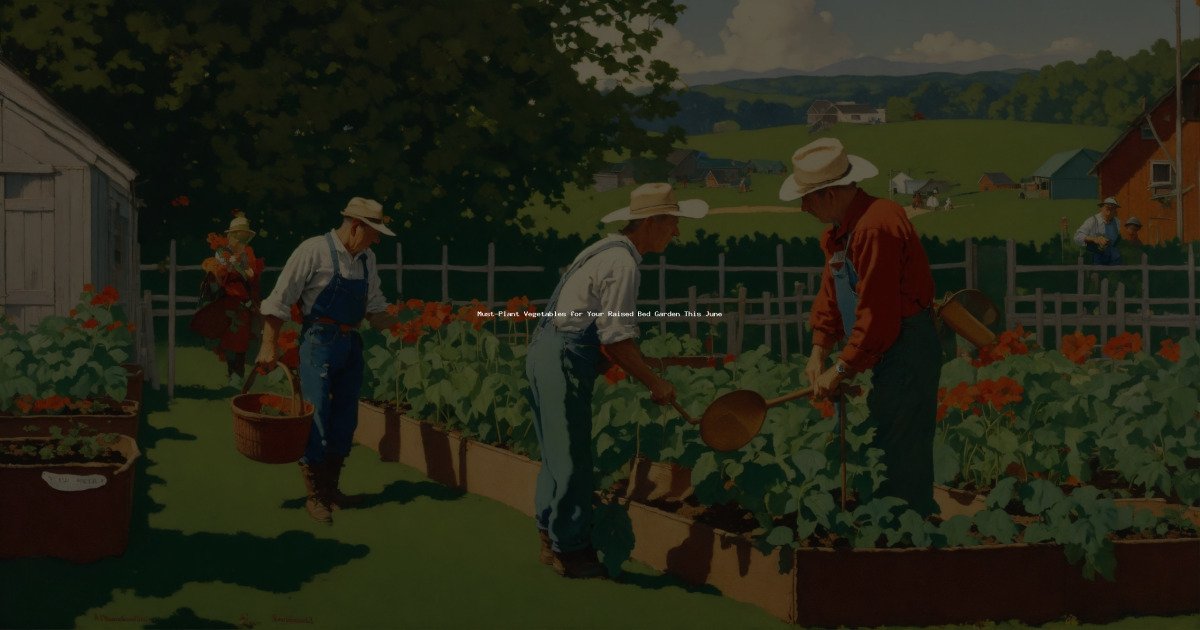
Ah, June! The unofficial start of summer, a time when the sun hangs high in the sky, the days stretch long and warm, and the promise of a bountiful garden feels almost palpable. For American home gardeners, June isn’t just about enjoying the warmer weather; it’s a critical window for planting, especially if you’re leveraging the incredible benefits of a raised bed garden. After the flurry of Memorial Day weekend planting, many of us might think the main show is over, but that couldn’t be further from the truth. June offers a fantastic second chance, or even a first chance for some regions, to get heat-loving crops into the ground, ensuring a steady supply of fresh, homegrown produce right through to Labor Day and beyond.
Picture this: waking up to the gentle hum of summer, stepping out into your backyard, and plucking sun-ripened tomatoes, crisp cucumbers, or tender green beans directly from your raised beds. The flavor, the freshness, the sheer satisfaction of knowing you grew it yourself – it’s an experience that truly connects us to the earth and the seasons. Whether you’re in the humid South, the sunny Southwest, the temperate Pacific Northwest, the hearty Midwest, or the vibrant Northeast, June presents unique opportunities and challenges that, when met with the right strategy, can lead to your most productive garden yet.
Raised beds are a game-changer for many American gardeners. They offer superior drainage, allowing roots to breathe and thrive, even after a heavy summer thunderstorm. They warm up faster in spring, extending your growing season, and they give you precise control over your soil composition, letting you create the ideal environment for your chosen crops. Plus, let’s be honest, gardening in a raised bed is just easier on the back and knees, making it a joy for gardeners of all ages and mobilities. This month, as temperatures consistently climb into the 70s and 80s Fahrenheit across much of the continental USA, your raised beds are primed and ready for a new wave of planting.
From the bustling suburbs of California to the sprawling farmlands of Iowa, and the coastal towns of Florida, gardeners are united by the desire for fresh, healthy food. This comprehensive guide is tailored specifically for you, the American home gardener, ready to maximize your raised bed potential this June. We’ll dive deep into what to plant, how to care for it, and the best tools and tricks to ensure a harvest that makes your neighbors green with envy. Get ready to transform your June garden into a verdant oasis!
Key Takeaways for Your June Raised Bed
- Embrace Heat Lovers: June is prime time for crops like beans, cucumbers, squash, and sweet potatoes that thrive in consistent warmth.
- Regional Wisdom: Tailor your planting schedule and variety choices to your specific USDA zone and local climate challenges, from humid South to arid Southwest.
- Raised Bed Advantage: Utilize superior drainage, controlled soil, and easier access for optimal summer growth.
- Smart Watering: Summer heat demands consistent, deep watering, especially for thirsty vegetables. Consider drip irrigation.
- Succession Planting: Maximize your yield by planting smaller batches of quick-growing crops every few weeks.
- Quality Supplies: Invest in good soil, quality seeds from American companies, and reliable tools to support your garden’s success.
The Ultimate Joys of June Planting in Your Raised Bed
June is often seen as a month of transition in the garden, a bridge between spring’s cool-weather crops and the full swing of summer’s bounty. For gardeners across the continental USA, it’s a critical time to capitalize on warming soil temperatures and longer daylight hours. Your raised beds, with their inherent advantages, are perfectly positioned to make the most of this vibrant month. The soil in a raised bed typically warms up faster than in-ground garden plots, which is a huge benefit for heat-loving plants that were just biding their time until the mercury consistently hit 65-70°F or higher. This accelerated warming means you can get those peppers, tomatoes, and other sun-worshippers established sooner, leading to earlier and more abundant harvests.
Beyond soil temperature, raised beds offer a level of control that traditional gardening often lacks. You dictate the soil composition, meaning you can create the perfect blend of organic matter, compost, and loam for your specific vegetable choices. This is particularly crucial in areas with heavy clay or sandy native soils that might otherwise limit your plant’s potential. Imagine filling your beds with a rich, fluffy mix from a local nursery or a trusted brand like Scotts or Miracle-Gro, knowing your plants’ roots will have an easy time spreading out and accessing nutrients and water. This freedom from compacted, nutrient-poor native soil is a game-changer, especially when summer rains or dry spells make in-ground gardening more challenging.
Unlocking Peak Performance with Raised Beds
Raised beds also shine when it comes to drainage. Summer thunderstorms, while refreshing, can waterlog traditional gardens, leading to root rot and fungal issues. The elevated structure of a raised bed, combined with well-draining soil, prevents water from pooling, ensuring your plants’ roots remain healthy. This is especially vital for crops like bush beans and squash, which can suffer if their “feet” stay wet for too long. Plus, the contained nature of a raised bed makes weed control significantly easier. Fewer weeds mean less competition for water and nutrients, allowing your vegetables to thrive without undue stress, which is a huge bonus during the busy summer months.
Summer-Specific Raised Bed Perks
For gardeners in USDA Zones 5-9, June is the sweet spot for a second round of planting. While many gardeners planted their initial crops after the last frost, June allows for succession planting of quick-growing varieties or the late addition of slower-maturing, long-season crops. Think about planting another round of bush beans, corn, or even some heat-tolerant lettuce varieties in a partially shaded spot. The extended daylight hours mean more photosynthesis, translating to faster growth and bigger yields. Just remember to keep an eye on the watering can, as the summer sun can dry out even the best raised bed soil quicker than you’d expect. Investing in a good watering wand or a drip irrigation system can make all the difference in maintaining consistent moisture levels, especially when temperatures soar into the 90s Fahrenheit.
Regional Rhythms: What to Plant Where This June
The vastness of the continental USA means that “June planting” isn’t a one-size-fits-all affair. Your local climate, determined by your USDA hardiness zone and specific microclimates, plays a huge role in what will thrive in your raised beds this month. Understanding these regional nuances is key to a successful summer harvest. From the steamy South to the cool Pacific Northwest, let’s break down what’s best for your region.
Northeast (Zones 5-7): Extending the Season
In states like New York, Pennsylvania, and Massachusetts, June typically brings consistently warm days and nights, marking the true arrival of summer. While your main planting might have occurred in May after Memorial Day, June is perfect for succession planting of quick-growing crops. Bush beans, summer squash (zucchini, yellow squash), cucumbers, and even corn can be planted now for a late summer/early fall harvest. You can also plant heat-loving herbs like basil and cilantro. Peppers and eggplants, if not already in, will appreciate the warm soil. Look for varieties with shorter maturity dates to ensure they finish before the first fall frost. Ensure consistent watering, especially during dry spells, as the Northeast can experience both humidity and periods of drought.
The South (Zones 7-10): Embracing the Heat
From Florida to Texas and the Carolinas, the South is already in full summer swing by June, often dealing with intense heat and high humidity. This is prime time for true heat-loving vegetables. Okra, sweet potatoes, southern peas (black-eyed peas), eggplant, and peppers will thrive. While tomatoes might struggle with pollination in extreme heat, some heat-set varieties can still produce. Consider planting a second round of corn or even some heat-tolerant greens like Malabar spinach or New Zealand spinach in partial shade. Mulch is absolutely critical here to retain moisture and keep soil temperatures stable. Drip irrigation or soaker hoses are highly recommended to deliver water directly to the root zone, minimizing evaporation.
Midwest (Zones 4-6): Maximizing the Short Summer
States like Iowa, Illinois, and Kansas experience hot summers but often have shorter growing seasons compared to the South. June is a powerhouse month for planting almost everything! Direct sow bush beans, pole beans, cucumbers, summer squash, and pumpkins. Corn can be planted in multiple successions. Tomatoes, peppers, and eggplants, if you haven’t already, should go in now. Sweet potatoes can also be planted. Focus on varieties with good disease resistance, as the Midwest can get its share of summer storms and humidity. Consistent watering is crucial, especially as plants establish themselves and temperatures climb into the 80s and 90s Fahrenheit.
Pacific Northwest (Zones 6-8): Mild Summers, Abundant Growth
Oregon and Washington often enjoy milder summers, making June a fantastic month for a wide array of vegetables. While you can plant many of the same crops as the Northeast (beans, squash, cucumbers, corn), you might also get away with planting some brassicas like broccoli or cauliflower for a fall harvest, especially if you choose quick-maturing varieties. Heat-loving crops like tomatoes and peppers will benefit from the long, sunny days but might appreciate some protection from intense afternoon sun if a heatwave hits. Leafy greens like lettuce and spinach can continue to be productive if given some afternoon shade and consistent moisture. Remember that the dry summers can mean significant watering needs despite the mild temperatures.
Southwest (Zones 7-10): Arid Challenges, Resilient Crops
Arizona, Nevada, and parts of California present unique challenges with intense sun, low humidity, and high temperatures. June means embracing drought-tolerant and heat-loving plants. Okra, sweet potatoes, certain pepper varieties (especially chili peppers), and melons will do well. Corn can also thrive with consistent watering. Consider shade cloth for more sensitive plants like tomatoes and peppers to prevent sunscald and stress. Deep watering is essential, and amending your raised beds with plenty of organic matter will help retain precious moisture. Drip irrigation is almost a necessity here to conserve water and deliver it efficiently to plant roots.
Top 5 Must-Plant Vegetables for June in Your Raised Bed
June is a fantastic month to get a second wave of heat-loving vegetables into your raised beds. These five selections are not only highly productive but also relatively easy to grow, making them perfect for both seasoned gardeners and those just starting out. They thrive in the warm soil and long days that June offers across much of the USA.
Easy Bush Beans for Abundant Harvests
Bush beans are a quintessential summer crop, and June is an ideal time to plant them. They’re fast-growing, productive, and don’t require trellising, making them perfect for raised beds. Varieties like ‘Contender’, ‘Blue Lake 274’, or ‘Provider’ are excellent choices, yielding tender, crisp pods in about 50-60 days. Plant seeds directly into your raised bed about 1 inch deep and 3-4 inches apart. They love full sun (6-8 hours daily) and consistently moist soil. For a continuous harvest, consider succession planting every 2-3 weeks until mid-July. They’re fantastic for fresh eating, steaming, or even freezing for winter enjoyment. Just be sure to pick them regularly to encourage more production.
Cool Cucumbers for Summer Salads
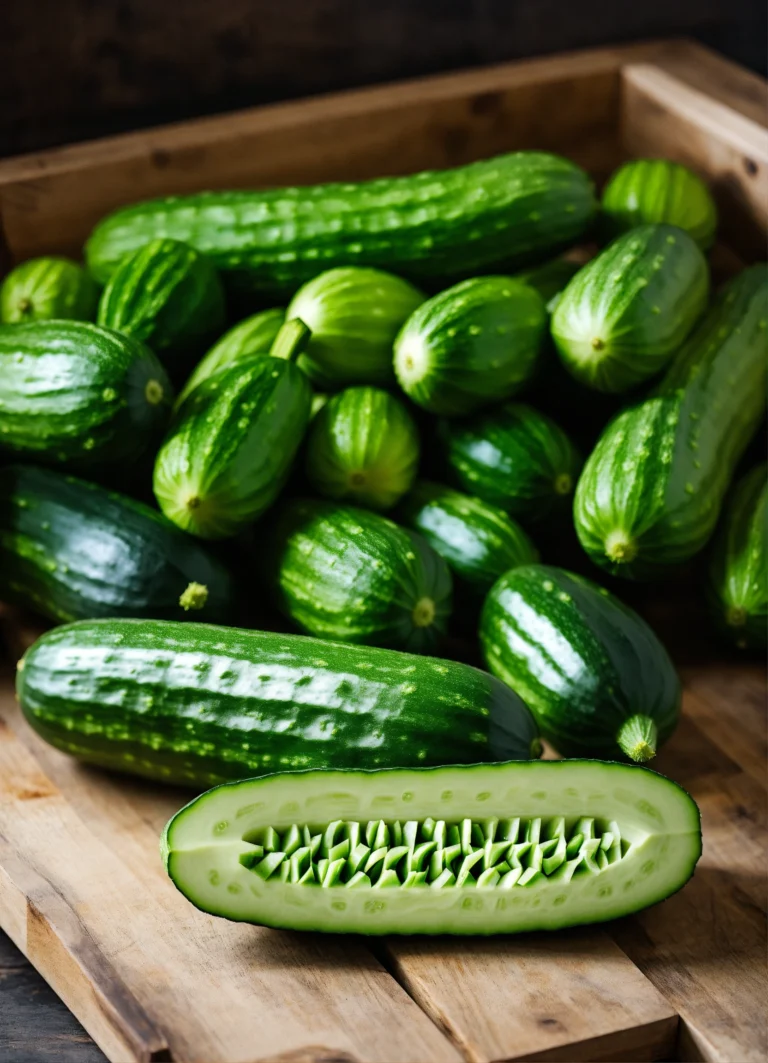
Nothing says summer like a refreshing cucumber from your garden. June is the perfect time to sow cucumber seeds directly into your raised beds. While many varieties are vining, which can be managed with a small trellis or cage in a raised bed, bush varieties like ‘Bush Pickle’ or ‘Spacemaster’ are specifically bred for compact spaces. Plant seeds 1 inch deep and about 1 foot apart. Cucumbers are thirsty plants and need consistent moisture, especially once they start fruiting, so water deeply. They thrive in full sun and rich, well-draining soil. Expect harvests in 50-70 days, and pick them young for the best flavor and to encourage continuous production. They’re a staple in salads, sandwiches, and, of course, homemade pickles!
Zesty Zucchini & Summer Squash for Prolific Yields
Zucchini and other summer squash varieties (yellow squash, pattypan) are known for their incredible productivity, sometimes to the point of overwhelming gardeners! Planting in June ensures a steady supply through summer. Choose compact varieties like ‘Raven’ zucchini or ‘Gold Rush’ yellow squash for raised beds, or be prepared to give them plenty of space. Plant seeds 1 inch deep and 2-3 feet apart, as even bush varieties can get quite large. They need full sun and rich, consistently moist soil. Keep an eye out for squash vine borers and powdery mildew, common summer pests and diseases. Harvest frequently when fruits are young and tender (6-8 inches long for zucchini, 4-6 inches for yellow squash) to encourage more production, usually starting in 45-60 days.
Sweet Potatoes for Southern Charm (and Beyond!)
While often associated with the South, sweet potatoes can be grown successfully in raised beds in many parts of the USA, especially in Zones 6 and warmer, as long as you have a long, hot summer. June is the ideal time to plant sweet potato slips (cuttings that have rooted). Plant them in full sun, about 1 foot apart. Sweet potatoes need well-draining, loose soil, which your raised bed can provide perfectly. They are relatively low-maintenance once established, requiring moderate watering. The vines will spread, so give them room to ramble over the edge of your raised bed or gently prune them. The harvest comes in late summer/early fall, usually 90-120 days after planting, when the leaves begin to yellow. Dig carefully to avoid damaging the delicious tubers.
Okra: A Southern Staple That Loves the Heat
For gardeners in the South, or anyone experiencing consistently hot summers, okra is a must-plant for June. This heat-loving vegetable thrives in temperatures above 80°F and can tolerate dry conditions once established. Varieties like ‘Clemson Spineless’ or ‘Burgundy’ are popular choices. Plant seeds directly into your raised bed 1 inch deep and 4-6 inches apart. Okra needs full sun and well-draining soil. It’s relatively pest-free and quite drought-tolerant once mature, though consistent watering will lead to better production. Begin harvesting pods when they are 2-4 inches long, usually 50-60 days after planting, by snapping or cutting them off. Picking regularly is key to encouraging continuous flowering and fruiting right up until the first frost.
Essential Raised Bed Gear & American Product Picks
To truly get the most out of your raised bed garden this June, having the right tools and supplies makes all the difference. From foundational soil to irrigation solutions, investing in quality products designed for American gardeners will set you up for success. We’ve scouted some top-tier recommendations available at your favorite US retailers.
Premium Raised Bed Soil & Amendments
The heart of a thriving raised bed is its soil. Don’t skimp here! A good quality raised bed mix provides the perfect balance of drainage, aeration, and nutrient retention. Look for products specifically formulated for raised beds, which are often lighter and richer than general-purpose potting mixes.
- Miracle-Gro Raised Bed Soil: Available at Home Depot and Lowe’s, this blend is designed to hold moisture and nutrients while promoting strong root growth. A 1.5 cubic foot bag typically costs around $10-$15.
- Kellogg Garden Organics Raised Bed & Potting Mix: Often found at Lowe’s and garden centers, this organic option is rich in compost and provides excellent structure for your plants. Price range: $12-$18 for a 1.5 cu ft bag.
- Compost from your local nursery: For an organic boost, adding 1-2 inches of high-quality compost from a local supplier can significantly improve soil fertility and structure. Prices vary by region, but often $5-$10 per cubic foot.
Efficient Watering Systems for Summer
June’s heat means consistent watering is crucial. Manual watering can be time-consuming; consider these options for efficiency.
- Drip Irrigation Kit (e.g., Rain Bird or Orbit): Available on Amazon US, Home Depot, or Lowe’s, these kits deliver water directly to the plant roots, minimizing waste. A starter kit for a small raised bed might cost $30-$60. Ratings are typically 4.5/5 stars for water efficiency and ease of installation.
- Soaker Hoses: An affordable alternative, soaker hoses slowly seep water along their length. Look for brands like Gilmour or Dramm at Lowe’s or Home Depot. A 50-foot hose runs about $20-$35.
- Watering Wand with Shut-Off Valve (e.g., Dramm 1000PL): For manual watering, a quality wand offers precise control and reduces back strain. Find them at Amazon or garden centers for $25-$40.
Essential Tools for Raised Bed Maintenance
A few key tools will make your raised bed gardening much easier throughout the summer.
- Hand Trowel (e.g., Fiskars Ergo Trowel): A sturdy, comfortable trowel is indispensable for planting and weeding. Available at Home Depot, Lowe’s, and Amazon for $10-$20.
- Hand Cultivator/Weeder (e.g., CobraHead Weeder): Excellent for weeding and breaking up soil in tight raised bed spaces. Find it on Amazon for about $25-$35.
- Gardening Gloves (e.g., Bionic Gardening Gloves): Protect your hands from dirt and thorns. Available at major retailers and Amazon for $20-$40, offering comfort and durability.
Investing in these American-made or widely available products will ensure your raised beds are not only beautiful but also highly productive throughout the hot summer months. Remember, good tools are an investment in your gardening success!
Advanced Strategies for a Bountiful June Harvest
Once you’ve got your must-plant vegetables in the ground, it’s time to think beyond just planting. Implementing some advanced gardening strategies can significantly boost your yields, extend your harvest, and keep your raised beds humming with life all summer long. These techniques are particularly powerful in the confined, controlled environment of a raised bed.
The Power of Succession Planting
Don’t just plant once and wait! Succession planting is the art of staggering your plantings so you have a continuous harvest rather than one massive glut. In June, this is especially useful for fast-growing crops like bush beans, radishes (if you have a shaded spot), and heat-tolerant lettuce varieties. For example, plant a 3-foot section of bush beans now, and then plant another section in two weeks. By the time your first batch is fading, your second will be ready to produce. This strategy is fantastic for raised beds because it optimizes the smaller space, ensuring every square foot is always productive. It’s a key technique for maximizing your yield right up until the first fall frost, often well past Labor Day.
Smart Companion Planting for Healthier Beds
Companion planting involves placing certain plants near each other to benefit one or both. This can involve deterring pests, attracting beneficial insects, or improving soil nutrients. In your raised beds, where plants are in close quarters, companion planting can be particularly effective.
- Tomatoes and Basil: Basil is said to improve the flavor of tomatoes and deter tomato hornworms.
- Beans and Corn: The “Three Sisters” method (corn, beans, squash) is a classic. Corn provides a trellis for beans, beans fix nitrogen for the corn, and squash shades the soil. Even a simplified version with just corn and beans in a raised bed can be beneficial.
- Cucumbers and Nasturtiums: Nasturtiums can act as a trap crop for aphids, drawing them away from your cucumbers. They also add a peppery edible flower to your salads!
- Marigolds: Planting French marigolds around the edges of your raised beds can deter nematodes and other soil-borne pests.
Proactive Pest and Disease Management
Summer brings warmth, but also often brings pests and diseases. Staying ahead of them is crucial. In a raised bed, it’s easier to monitor your plants closely.
- Daily Checks: Spend a few minutes each day inspecting the undersides of leaves for pests like aphids, spider mites, or squash bugs. Early detection is key.
- Organic Solutions: For aphids, a strong blast of water from your hose can dislodge them. For larger pests, hand-picking is effective. Neem oil spray (follow directions carefully) can be a good organic treatment for many soft-bodied insects and fungal issues like powdery mildew.
- Good Air Circulation: Avoid overcrowding plants in your raised bed to ensure good air circulation, which helps prevent fungal diseases. Prune lower leaves on tomatoes and squash if they are touching the soil.
- Crop Rotation: Even in a raised bed, try not to plant the same family of vegetables in the exact same spot year after year. This helps break pest and disease cycles.
By integrating these advanced strategies, you’re not just planting; you’re actively cultivating a resilient, productive ecosystem within your raised beds. This proactive approach will yield healthier plants and a more abundant harvest, making your June gardening efforts truly pay off. Consider exploring heirloom seeds from American companies like Baker Creek Heirloom Seeds or reliable favorites from Burpee and Park Seed for unique and robust varieties tailored to various US climates.
Watering Wonders and Summer Soil Secrets
As the mercury rises in June across the USA, your raised bed garden’s thirst will intensify. Effective watering and maintaining healthy soil are paramount for a successful summer harvest. These aren’t just chores; they’re critical components of a thriving garden ecosystem, especially when temperatures soar into the 80s and 90s Fahrenheit.
The Art of Summer Watering
Consistent, deep watering is the golden rule for summer gardening. Shallow, frequent watering encourages shallow root systems, making plants more vulnerable to drought stress during heatwaves. Aim to water deeply two to three times a week, rather than a light sprinkle every day.
- Early Morning is Best: Water in the early morning (before 9 AM) to minimize evaporation and allow foliage to dry before nightfall, reducing the risk of fungal diseases.
- Direct to the Roots: Use a soaker hose, drip irrigation system, or a watering wand to deliver water directly to the soil at the base of your plants. Avoid overhead watering, which can waste water and promote disease.
- Feel the Soil: Stick your finger about 2 inches into the soil. If it feels dry, it’s time to water. This is more reliable than a set schedule, as weather conditions can vary.
- Container Care: Plants in containers within your raised beds (like herbs or specific pepper varieties) will dry out much faster and may need daily watering, especially on scorching days.
- Estimate Water Needs: Most established vegetable plants need about 1-2 inches of water per week, either from rain or irrigation. For a typical 4×8 foot raised bed, this could mean anywhere from 8 to 16 gallons of water weekly.
Secrets to Summer Soil Health
Your raised bed soil is a living entity, and keeping it healthy through the summer months is crucial.
- Mulch, Mulch, Mulch: This is arguably the most important summer soil secret. Apply a 2-4 inch layer of organic mulch (like straw, shredded leaves, or wood chips) around your plants. Mulch conserves soil moisture by reducing evaporation, suppresses weeds, and keeps soil temperatures more stable. In hot regions, it prevents the soil from overheating, protecting delicate roots. You can find bales of straw at most farm supply stores or even Home Depot.
- Feed Your Soil: As your plants grow and produce, they draw nutrients from the soil. Consider a mid-season boost with a balanced organic fertilizer, especially for heavy feeders like tomatoes, corn, and squash. A granular organic vegetable fertilizer (e.g., Espoma Garden-tone or Jobe’s Organics) can be worked into the top inch of soil around plants. Follow package directions carefully for application rates. Liquid feeds like fish emulsion or compost tea can also provide a quick boost.
- Avoid Compaction: Resist the urge to walk on your raised bed soil. The beauty of raised beds is that they are designed to be worked from the sides, preventing compaction that can hinder root growth and drainage.
- Maintain Organic Matter: As plants are harvested, consider adding more compost to the soil. This helps replenish nutrients and improves soil structure for future plantings. A good quality compost from your local garden center or even homemade compost is invaluable.
By mastering these watering techniques and nurturing your raised bed’s soil, you’ll provide your vegetables with the best possible environment to thrive, even under the intense summer sun. A little extra care in June can lead to a truly spectacular harvest come July and August.
Comparison Table: Top Raised Bed Accessories for June
Here’s a quick look at some essential items to enhance your raised bed gardening experience this June, available at popular American retailers.
| Product | Best For | Price Range | Where to Buy | Rating (Avg.) |
|---|---|---|---|---|
| Raised Bed Soil Mix (1.5 cu ft) | Filling new beds, enriching existing soil | $10 – $18 | Home Depot, Lowe’s, Amazon US | 4.5/5 stars |
| Drip Irrigation Kit (Small Bed) | Efficient, consistent watering; water conservation | $30 – $60 | Amazon US, Home Depot, Lowe’s | 4.3/5 stars |
| Organic Vegetable Fertilizer (Granular) | Mid-season nutrient boost for heavy feeders | $15 – $25 (4lb bag) | Garden Centers, Amazon US, Lowe’s | 4.6/5 stars |
| Straw Bale (for Mulching) | Moisture retention, weed suppression, soil temperature regulation | $8 – $15 | Farm Supply Stores, Home Depot, Lowe’s | N/A (Bulk Item) |
| Fiskars Ergo Trowel | Comfortable planting, weeding, and transplanting | $10 – $15 | Home Depot, Lowe’s, Amazon US | 4.7/5 stars |
10+ Expert Tips for American Raised Bed Gardeners This June
- Don’t Forget to Mulch: Apply a 2-4 inch layer of organic mulch like straw or shredded leaves to your raised beds. This is crucial for retaining moisture, suppressing weeds, and keeping soil temperatures stable during summer heat.
- Succession Plant Smartly: For continuous harvests of quick-growing crops like bush beans, cucumbers, and even some heat-tolerant lettuces, plant small batches every 2-3 weeks. This ensures you’re never overwhelmed and always have fresh produce.
- Water Deeply and Early: Water your raised beds thoroughly in the early morning to allow moisture to penetrate deep into the root zone and foliage to dry before nightfall, minimizing disease risk.
- Monitor for Pests Daily: Summer brings out garden pests. A quick daily check of your plants, especially the undersides of leaves, can help you catch issues like aphids or squash bugs early before they become a major problem.
- Provide Support for Vining Plants: Even in a raised bed, vining crops like cucumbers, pole beans, and indeterminate tomatoes need support. Install trellises, cages, or stakes at planting time to prevent damage later.
- Fertilize Mid-Season: Heavy feeders like corn, tomatoes, and squash will appreciate a mid-season boost. Use a balanced organic vegetable fertilizer or a liquid feed like fish emulsion, following package directions.
- Harvest Frequently: Many vegetables, especially bush beans, zucchini, and cucumbers, produce more when you pick them regularly. Don’t let fruits get too large, as this signals the plant to slow down production.
- Consider Shade Cloth for Extreme Heat: In regions with intense summer sun (e.g., Southwest, deep South), a temporary shade cloth (30-50% shade) can protect sensitive plants like tomatoes and peppers from sunscald and stress during peak afternoon heat.
- Keep Your Tools Clean: Dirt and plant debris can harbor diseases. Give your trowels, pruners, and other tools a quick clean after each use, especially when moving between different plants.
- Plant Heat-Tolerant Greens: If you miss your spring greens, try heat-tolerant varieties like Malabar spinach, New Zealand spinach, or Swiss chard in a partially shaded area for summer salads.
- Attract Beneficial Insects: Plant flowers like marigolds, zinnias, or cosmos around your raised beds. They attract pollinators and beneficial predatory insects that can help control pests naturally.
- Check Your pH: If your plants are struggling despite good care, a soil pH test might reveal an imbalance. Raised beds allow for easy pH adjustment with amendments like elemental sulfur or garden lime.
For more detailed advice on summer pest management, check out our guide on Organic Pest Control for Your Summer Garden. And if you’re thinking about expanding your raised bed setup, read our tips on Building the Perfect Raised Bed for Your Backyard.
Frequently Asked Questions About June Raised Bed Gardening
How often should I water my raised bed in June?
In June, with rising temperatures across most of the continental USA, you’ll generally need to water your raised beds deeply 2-3 times per week. However, this can vary based on your specific climate (