
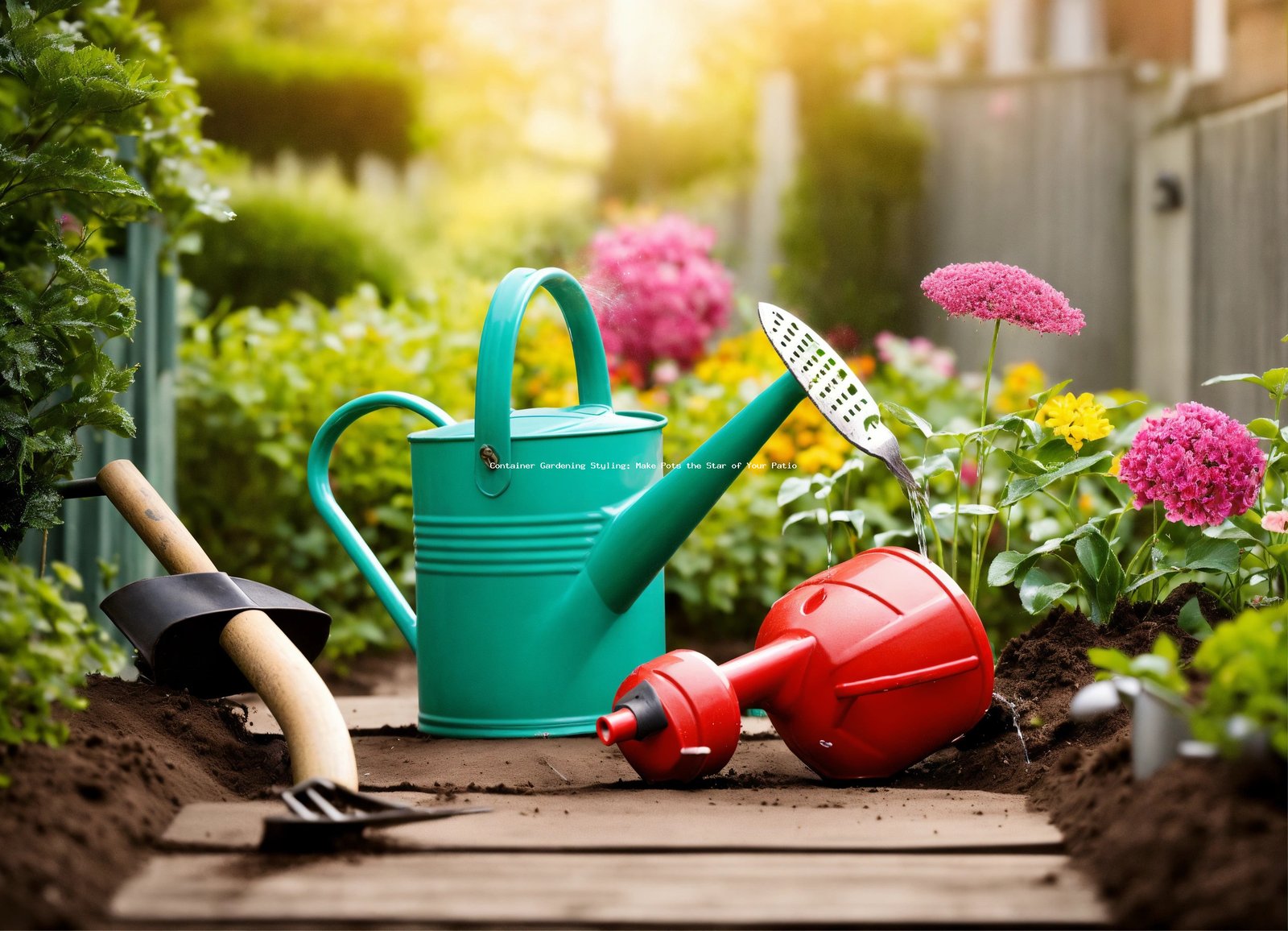
Container Gardening Styling: Make Pots the Star of Your Patio
Container Gardening Styling: Make Pots the Star of Your Patio
Welcome, fellow garden enthusiasts and urban green thumb aspirants of Bengaluru! Have you ever looked at a beautifully curated patio or balcony garden and wondered how they achieve that effortlessly chic look? It’s not just about the plants themselves; it’s about the art of container gardening styling. In our bustling city, where sprawling lawns are a luxury and space is often at a premium, container gardening isn’t just a trend—it’s a necessity, a vibrant expression of nature in concrete jungles. But it’s more than just putting a plant in a pot; it’s about transforming mundane containers into captivating focal points, making your pots truly the star of your patio, balcony, or even a sunny windowsill.
Imagine stepping onto your balcony in the morning, coffee in hand, greeted by a symphony of colours, textures, and fragrances. Picture a cosy corner adorned with terracotta pots overflowing with vibrant petunias, interspersed with the architectural drama of a snake plant in a sleek ceramic planter, and the gentle cascade of a money plant spilling from a hanging basket. This isn’t just a dream; it’s an achievable reality through thoughtful container gardening styling. The beauty of containers lies in their versatility. They offer unparalleled flexibility, allowing you to create dynamic displays that can be rearranged with the seasons, moved to catch the best light, or even brought indoors during extreme weather. For Bengaluru’s diverse climate, this adaptability is a game-changer, enabling us to grow a wider variety of plants, from delicate herbs to exotic flowering shrubs, irrespective of soil conditions or limited ground space.
Beyond the practical benefits, styling your container garden is a deeply rewarding creative endeavour. It allows you to infuse your personality into your outdoor spaces, turning them into extensions of your home and a reflection of your aesthetic sensibilities. Whether you lean towards a minimalist modern look, a lush tropical paradise, a rustic charm, or a vibrant burst of Indian traditional colours, containers are your canvas. They provide structure, frame your plants, and add character even before a single leaf emerges. The right pot can elevate a common plant into a statement piece, while a collection of thoughtfully arranged containers can transform a bare patch into an enchanting garden room. So, let’s embark on this exciting journey of discovery, learning how to select, arrange, and adorn your container garden to make it a showstopper, a living masterpiece that truly makes your pots the undeniable stars of your patio. Get ready to unleash your inner garden designer and cultivate not just plants, but breathtaking beauty right outside your door.
The Foundation: Choosing Your Pots Wisely
The journey to a stunning container garden begins not with the plant, but with its humble abode: the pot. Choosing the right container is paramount, as it sets the tone, provides the necessary environment for your plant, and acts as a significant design element itself. For Bengaluru gardeners, understanding the local context – from climate to aesthetic preferences – is key to making informed choices. Think of your pots as the foundational elements of your outdoor décor; they need to be both functional and fabulous.
Material Matters: Beyond Just Looks
The material of your pot profoundly influences its aesthetic, durability, and how it interacts with your plants and the environment.
* Terracotta: A timeless classic, terracotta pots are beloved for their earthy charm and rustic appeal. They are porous, allowing air and moisture to circulate, which is excellent for plants that prefer well-drained soil and drier conditions, common for many drought-tolerant species. However, their porosity also means they dry out faster, requiring more frequent watering, especially during Bengaluru’s dry spells. They can also break if dropped. Their natural, unglazed finish blends beautifully with both traditional and contemporary Indian home aesthetics.
* Ceramic: Glazed ceramic pots offer a vast array of colours, patterns, and finishes, adding a sophisticated touch. They are less porous than terracotta, retaining moisture longer, which can be beneficial for thirsty plants but also requires careful drainage to prevent waterlogging. While beautiful, they can be heavy and are prone to chipping or cracking, especially with temperature fluctuations.
* Fibre-Reinforced Plastic (FRP) / Resin: Lightweight, durable, and available in countless designs, FRP pots are a modern gardener’s dream. They can mimic the look of stone, metal, or terracotta without the weight or fragility. They retain moisture well and are resistant to weathering, making them a practical choice for mobility and longevity. Their versatility makes them suitable for almost any styling theme.
* Metal: Galvanized steel, zinc, or wrought iron pots can introduce an industrial, modern, or even vintage aesthetic. They are durable but can heat up significantly in direct sun, potentially harming plant roots. Lining them or choosing double-walled options can mitigate this. They are excellent for creating bold statements or showcasing architectural plants.
* Wood: Wooden planters, barrels, or crates offer a natural, rustic, and warm feel. They provide good insulation for roots and are generally biodegradable. However, they can rot over time and may require lining or treatment to prolong their life. They are perfect for a cottage garden feel or to complement wooden outdoor furniture.
Size and Scale: The Goldilocks Principle
The size of your pot should be “just right” – large enough to accommodate the plant’s root system for healthy growth, and scaled appropriately to both the plant and the space it occupies. A tiny pot for a large shrub will stunt its growth and look disproportionate, while an enormous pot for a delicate herb can overwhelm it. Consider the mature size of your plant when selecting a pot. Deeper pots are essential for plants with extensive root systems, while wider pots work well for shallow-rooted annuals. For your patio, ensure the pot’s scale harmonizes with your furniture and the overall area. Too many small pots can look cluttered, while a few large, well-chosen ones create a sense of grandeur.
Colour and Texture: Palette for Your Plants
The colour and texture of your pots are crucial for visual harmony. Do you want them to blend in or stand out? Neutral tones like grey, black, white, or terracotta allow the plants to be the undisputed stars. Vibrant pots in shades of blue, green, or yellow can add a pop of colour and energy. Consider the existing colour scheme of your patio walls, furniture, and the colours of the flowers you plan to grow. Textures, from smooth glazed ceramic to rough weathered wood, add depth and interest. Mixing different textures can create a rich, layered look, even with a monochromatic colour scheme. Remember, the pot is an extension of your home’s décor, so choose materials, sizes, and colours that resonate with your personal style and enhance the overall aesthetic of your Bengaluru abode. For more insights on choosing the right soil for your containers, check out https://ecorganicas.com/do-it-yourself-backyard-wedding-ideas/.
Designing with the “Thriller, Filler, Spiller” Principle (and Beyond)
Once you’ve mastered the art of pot selection, the next exciting step is designing the plant compositions within them. The “Thriller, Filler, Spiller” principle is a widely acclaimed method that helps create balanced, dynamic, and visually appealing container arrangements. It’s a simple yet effective formula that ensures your pots are not just holding plants, but are miniature ecosystems designed for maximum impact. This approach works beautifully for single, large statement pots or when creating cohesive groupings.
Thriller Plants for Bengaluru: The Vertical Drama
The “Thriller” is the star of your pot, the plant that provides vertical interest, height, and a focal point. It’s usually placed in the centre or back of the container, drawing the eye upwards. For Bengaluru’s climate, we have a fantastic array of choices:
* Canna Lilies: With their bold, paddle-shaped leaves and vibrant, torch-like flowers in reds, oranges, and yellows, Cannas are showstoppers. They thrive in our warm, humid conditions.
* Hibiscus: The quintessential tropical flower, Hibiscus varieties come in a kaleidoscope of colours and offer continuous blooms, perfect for adding a burst of cheer.
* Bougainvillea: Though often sprawling, many dwarf and bush varieties of Bougainvillea can be trained to be upright thrillers, offering spectacular colour, especially in sunny spots.
* Dracaena: ‘Red Sensation’ or ‘Marginata’ varieties provide architectural foliage, adding a modern, structured look with their upright, sword-like leaves.
* Cordyline: Similar to Dracaena, Cordylines offer dramatic foliage in shades of red, purple, and green, adding a contemporary edge.
Filler Plants for Bengaluru: The Fullness and Body
“Fillers” are the plants that surround the thriller, adding mass, volume, and a cohesive middle layer to your arrangement. They typically have a mounding or bushy growth habit, filling the space between the thriller and the edge of the pot.
* Petunia: Trailing or mounding petunias in various colours are excellent for continuous blooms and a lush, full appearance.
* Marigold (Genda): Bright and cheerful, marigolds are robust and bloom prolifically, adding a touch of traditional Indian garden charm.
* Coleus: Valued for its incredibly diverse and colourful foliage, Coleus adds texture and vibrant hues even without flowers. It thrives in partial shade.
* Vinca (Periwinkle): Heat-tolerant and low-maintenance, Vinca offers continuous flowers in white, pink, and purple, making it a reliable filler.
* Impatiens: For shadier spots, Impatiens provide a burst of colour and a full, rounded form.
Spiller Plants for Bengaluru: The Graceful Cascade
“Spillers” are the plants that trail over the edge of the pot, softening its hard lines and adding a graceful, cascading effect. They connect the arrangement to its surroundings and create a sense of abundance.
* Sweet Potato Vine (Ipomoea batatas): Available in lime green, purple, and variegated forms, this vine grows quickly and creates a dramatic cascade of foliage.
* Money Plant (Pothos): A staple in Indian homes, Money Plant is incredibly versatile and trails beautifully, adding lush green to any arrangement.
* Portulaca (Moss Rose): For sunny spots, Portulaca offers vibrant, jewel-toned flowers and succulent-like foliage that spills charmingly over the edges.
* Lysimachia (Creeping Jenny): With its bright chartreuse foliage, Creeping Jenny adds a pop of colour and a delicate trailing habit.
* Bacopa: Delicately beautiful, Bacopa produces a profusion of small white, pink, or blue flowers that cascade gracefully.
Beyond the classic “Thriller, Filler, Spiller,” don’t hesitate to experiment! You can create stunning monochromatic arrangements, vibrant complementary contrasts, or even focus solely on foliage for textural interest. The key is to consider growth habits, light requirements, and watering needs to ensure all plants in a single pot thrive together. For more specific plant choices suitable for Bengaluru’s climate, refer to https://ecorganicas.org/the-ultimate-guide-to-gardening-radishes-tips-and-tricks-for-a-thriving-garden/.
Arranging Your Container Collection: Grouping for Impact
Individual pots, no matter how beautifully designed, truly come alive when arranged thoughtfully as a collection. Grouping containers is an art form that transforms a scattering of individual plants into a cohesive, impactful display, effectively creating an outdoor room on your patio or balcony. This approach adds depth, dimension, and a sense of abundance, making your garden feel more established and inviting.
Grouping by Height and Shape: Creating Visual Rhythm
One of the most effective ways to arrange containers is by playing with varying heights and shapes. Imagine a tall, slender pot with a dramatic thriller plant, flanked by medium-sized pots with bushy fillers, and then complemented by smaller, wider pots or hanging baskets with elegant spillers. This creates a natural tiered effect, guiding the eye through the arrangement and preventing a flat, monotonous look. Use pot stands, overturned empty pots, or even small benches to elevate some containers, adding vertical interest. Grouping pots in odd numbers (three, five, seven) often creates a more aesthetically pleasing and dynamic composition than even numbers. Consider the silhouette of the entire grouping; does it form an interesting shape?
Colour Schemes and Themes: A Harmonious Palette
Just like interior design, choosing a colour scheme for your container garden can elevate its sophistication.
* Monochromatic: Use different shades and textures of a single colour (e.g., all whites and silvers for an elegant, serene look, or various greens for a lush, tranquil feel).
* Complementary: Pair opposite colours on the colour wheel (e.g., vibrant oranges and blues, or fiery reds and cool greens) for a high-energy, dramatic contrast.
* Analogous: Use colours next to each other on the colour wheel (e.g., yellows, oranges, and reds for a warm, sunny feel, or blues, purples, and pinks for a calming effect).
* Tropical: Embrace Bengaluru’s potential for tropical lushness with bold, vibrant colours like fuchsia, orange, and electric blue, combined with large-leafed foliage plants.
* Minimalist: Opt for sleek, monochromatic pots and architectural plants, focusing on clean lines and understated elegance.
Remember to also consider the colour of your pots in relation to the plants and your overall theme. A collection of terracotta pots can instantly evoke a rustic, warm Mediterranean or traditional Indian vibe, while modern ceramic pots suggest a contemporary aesthetic.
Creating Focal Points: The Eye-Catcher
Every well-designed space benefits from a focal point – something that immediately draws the eye and anchors the arrangement. This could be a particularly striking plant, an unusually shaped pot, a vibrant colour combination, or even a small statue or garden ornament nestled within the plants. A large, majestic statement pot overflowing with a spectacular plant like a Dwarf Mango or a well-pruned Frangipani (Champa) can serve as a powerful focal point around which smaller groupings are arranged. Place your focal point strategically where it can be easily admired, perhaps at the end of a pathway or in the centre of a seating area.
Vertical Gardening Solutions for Small Spaces: Reaching for the Sky
For Bengaluru’s compact balconies and patios, vertical gardening is a game-changer. Utilize wall-mounted planters, tiered plant stands, hanging baskets, and even repurposed shelves or ladders to maximize your growing area. This not only allows you to grow more plants but also creates a lush, green wall that adds immense visual appeal. Vertical arrangements can make a small space feel larger and more immersive, drawing the eye upwards. Consider hanging plants from your ceiling or balcony railing, or installing a trellis for climbers like Jasmine or Morning Glory. This clever use of vertical space can transform a cramped area into a verdant oasis. For more ideas on maximizing small spaces, explore https://ecorganicas.com/do-it-yourself-backyard-wedding-ideas/.
Beyond the Green: Incorporating Non-Plant Elements
While plants are undoubtedly the stars of your container garden, the surrounding non-plant elements are the supporting cast that completes the scene, enhancing the ambiance and elevating the overall styling. Think of your patio or balcony as an outdoor room; just as you wouldn’t leave an indoor room bare, your outdoor space deserves thoughtful adornment. These elements add personality, comfort, and functionality, transforming a mere collection of pots into a truly inviting sanctuary.
Lighting: Setting the Mood After Dusk
The magic of a garden doesn’t have to fade with the setting sun. Thoughtful lighting can dramatically transform your container garden, making it enchanting and usable well into the evening.
* Solar Lights: Environmentally friendly and easy to install, solar-powered stake lights can highlight individual plants or illuminate pathways. Solar lanterns or string lights can be hung among plants or along railings.
* Fairy Lights/LED Strings: Weave delicate fairy lights through climbing plants, wrap them around pot stands, or drape them over a small trellis to create a whimsical, festive glow. Battery-operated options offer great flexibility.
* Lanterns: Place decorative lanterns (with LED candles or small bulbs) on tables, ledges, or directly among your pots. Moroccan-style lanterns can add an exotic touch, while rustic wooden ones bring warmth.
* Spotlights: Small, strategically placed spotlights can dramatically illuminate a “thriller” plant or a focal point, creating beautiful shadows and depth.
Remember to choose warm-toned lights to create a cosy, inviting atmosphere rather than harsh, cold illumination.
Decorative Accents: Personal Touches and Whimsical Details
These small additions can speak volumes about your style and add character to your garden.
* Pebbles and Gravel: Use decorative pebbles, river stones, or colourful gravel as top dressing in your pots. This not only looks neat and finished but also helps retain soil moisture and discourages weeds.
* Garden Art and Sculptures: A small birdbath, a charming gnome, a beautifully crafted ceramic animal, or a metal sculpture can add a touch of whimsy or sophistication. Choose pieces that complement your overall theme.
* Wind Chimes: The gentle tinkling of wind chimes adds an auditory dimension, creating a serene and calming atmosphere, especially on breezy Bengaluru evenings.
* Mirrors: A strategically placed outdoor mirror can create an illusion of greater space and reflect light, making a small balcony feel more expansive and brighter.
Furniture and Textiles: Comfort and Cohesion
Integrate your container garden with your outdoor seating area to create a seamless flow between nature and comfort.
* Seating: Even a small balcony can accommodate a bistro set, a comfortable chair, or a cushioned bench. Arrange your pots around your seating area to create an immersive green cocoon.
* Cushions and Throws: Add colourful, weather-resistant cushions and throws to your outdoor furniture. Choose fabrics and patterns that complement the colours of your plants and pots, bringing an indoor level of comfort outside.
* Outdoor Rugs: An outdoor rug can define a seating area, add warmth, and introduce another layer of texture and colour to your patio floor, tying all the elements together.
Water Features: The Soothing Sound of Nature
The gentle gurgle of water is incredibly soothing and can transform the sensory experience of your garden.
* Tabletop Fountains: Compact and easy to set up, small tabletop fountains provide the calming sound of running water without requiring much space.
* Bird Baths: A simple bird bath can attract local avian visitors, adding life and movement to your garden.
These non-plant elements are not just accessories; they are integral to creating a holistic and inviting outdoor living space. By thoughtfully combining the lushness of your plants with carefully chosen decorative elements, you can craft a patio or balcony that is truly a personal haven. For tips on attracting birds to your garden, see https://ecorganicas.com/backyard-xeriscape-ideas/.
Seasonal Styling and Maintenance for Lasting Beauty
A truly stellar container garden isn’t a static display; it’s a living, evolving work of art that requires ongoing care and seasonal adjustments. Especially in Bengaluru, where the climate shifts from hot and dry summers to humid monsoons and mild winters, adapting your styling and maintenance routines is crucial to ensure your pots remain the stars of your patio year-round. This proactive approach ensures continuous vibrancy and health for your plants.
Adapting to Bengaluru’s Seasons: A Dynamic Display
* Summer (March-May): Bengaluru summers can be intense. Focus on heat-tolerant plants like Portulaca, Vinca, Marigolds, and robust foliage plants like Crotons and Coleus (in partial shade). Ensure pots are well-watered, perhaps twice a day, and consider grouping them closer together to create a microclimate that reduces evaporation. Move sensitive plants to shadier spots or under protective covers. Use light-coloured pots that absorb less heat.
* Monsoon (June-September): The monsoon brings much-needed relief but also challenges. Ensure all your pots have excellent drainage to prevent waterlogging and root rot. Elevate pots slightly off the ground if possible. This is a great time for lush growth; plants like Impatiens, Begonias, and many ferns thrive in the humidity. However, be vigilant about fungal diseases and pests that flourish in damp conditions. You might need to move some plants under cover to protect delicate blooms from heavy downpours.
* Winter (October-February): Bengaluru winters are generally mild and pleasant, ideal for flowering annuals. This is the perfect season for vibrant Petunias, Salvias, Pansies, Calendulas, and Chrysanthemums. Many vegetable and herb varieties also flourish. Enjoy the cooler temperatures to rearrange your pots, introduce new seasonal colours, and even propagate some plants. While watering needs decrease, don’t let pots dry out completely.
Regular Pruning and Deadheading: The Secret to Continuous Blooms
To keep your container plants looking their best and producing abundant flowers, regular pruning and deadheading are essential.
* Deadheading: Removing spent flowers encourages the plant to produce more blooms rather than expending energy on seed production. Pinch off faded flowers regularly to keep your display fresh and vibrant.
* Pruning: Trim back leggy growth, diseased branches, or overgrown foliage to maintain the plant’s shape, encourage bushier growth, and improve air circulation. This is especially important for fillers and spillers to prevent them from overwhelming the thriller or taking over the pot.
Repotting and Refreshing: A New Lease on Life
Container plants eventually deplete the nutrients in their soil and can become root-bound.
* Annual Refresh: For most annuals, you’ll simply replace them each season. For perennials and shrubs, consider repotting them into a slightly larger container or refreshing the soil every 1-2 years.
* Soil Amendment: Even if not repotting, top-dressing with fresh compost and a slow-release fertilizer annually can rejuvenate the soil and provide essential nutrients.
* Dividing Plants: Some plants, like lilies or certain herbs, can be divided when they become too large, giving you more plants and refreshing the parent plant.
Pest Management: Keeping Your Stars Healthy
Container gardens are not immune to pests and diseases. Regular inspection is key.
* Early Detection: Check your plants regularly for signs of pests (like aphids, mealybugs, spider mites) or diseases (fungal spots, mildew).
* Organic Solutions: For minor infestations, try organic solutions like neem oil spray, insecticidal soap, or simply wiping off pests with a damp cloth. Introduce beneficial insects if possible.
* Good Hygiene: Remove fallen leaves and debris from pots and surrounding areas to prevent pest habitats and disease spread.
* Proper Air Circulation: Ensure plants aren’t too crowded, as good airflow reduces fungal issues.
By staying attentive to these seasonal changes and maintenance tasks, your container garden will not only survive but thrive, continuing to provide beauty and joy, making your pots truly the shining stars of your Bengaluru patio throughout the year. For detailed plant pest identification, refer to https://ecorganicas.org/the-ultimate-guide-to-gardening-raised-beds-vegetable-growth/.
Comparison Table: Pot Materials & Their Styling Potential
Choosing the right pot material is a crucial decision that impacts not just the plant’s health but also the overall aesthetic and maintenance of your container garden. Here’s a comparison of common pot materials, highlighting their pros and cons for styling and practical use in Bengaluru.
| Pot Material | Aesthetic & Styling Potential | Pros | Cons | Ideal Use Case in Bengaluru |
|---|---|---|---|---|
| Terracotta | Rustic, earthy, traditional. Blends well with natural and traditional Indian decor. | Porous (good for roots), affordable, natural look, good aeration. | Dries out quickly (needs more watering), fragile, can develop white mineral deposits. | Drought-tolerant plants (succulents, cacti, some herbs), traditional Indian patio themes. |
| Glazed Ceramic | Vibrant, elegant, modern or classic depending on glaze. Wide range of colours/patterns. | Retains moisture well, frost-resistant (less relevant in Bengaluru), highly decorative. | Heavy, expensive, prone to chipping/cracking if mishandled, poor aeration if drainage is bad. | Statement plants, vibrant flower displays, formal or contemporary patios. |
| Fibre-Reinforced Plastic (FRP) / Resin | Versatile; can mimic stone, metal, or terracotta. Modern, sleek, or classic looks. | Lightweight, durable, weather-resistant, wide variety of designs/colours, good moisture retention. | Can look less authentic than natural materials, some cheaper ones may fade. | Large plants where weight is a concern, modern balconies, mobile displays, high-traffic areas. |
| Metal (Galvanized Steel, Zinc) | Industrial, contemporary, sleek, or vintage (wrought iron). Bold statement. | Extremely durable, unique aesthetic, can be lightweight (zinc). | Can heat up quickly in direct sun (damaging roots), can rust over time (unless galvanized/treated), drainage holes may need to be drilled. | Architectural plants, modern urban balconies, adding an industrial chic touch, shaded areas. |
| Wood (Barrels, Planters) | Natural, warm, rustic, cottage garden feel. Great for large, natural settings. | Good insulation for roots, blends with natural landscapes, develops a nice patina. | Can rot over time, heavy when filled, may require lining to prevent decay, prone to pests like termites. | Large shrubs, small trees, vegetable gardens, creating a rustic or farmhouse vibe. |
Expert Tips for Stellar Container Styling
Here are 8-10 expert tips to elevate your container gardening styling from good to absolutely stunning:
* Mix Textures: Combine pots of different textures – smooth ceramic, rough terracotta, sleek metal – to add depth and visual interest to your groupings.
* Use Odd Numbers: When grouping pots, arrangements of 3, 5, or 7 containers tend to look more natural and aesthetically pleasing than even numbers.
* Don’t Forget Drainage: Every pot must have adequate drainage holes. Elevate pots slightly with pot feet or bricks to ensure water flows freely, preventing root rot, especially during Bengaluru’s monsoon.
* Consider Scale: Match the size of your pots to the mature size of your plants and the scale of your patio. A few large, well-chosen pots can have more impact than many small, cluttered ones.
* Think About the Backdrop: The wall, railing, or fence behind your containers is part of the composition. Choose pot and plant colours that complement or contrast effectively with the background.
* Incorporate Edibles: Don’t limit yourself to ornamentals. Herbs, dwarf vegetables like cherry tomatoes or chillies, and even small fruit trees (like dwarf citrus) can be incredibly beautiful and functional in containers.
* Elevate for Drama: Use pot stands, overturned pots, or even small outdoor benches to vary the heights within your groupings, creating dynamic layers and making the arrangement more eye-catching.
* Utilize Self-Watering Pots: For busy gardeners or those with thirsty plants, self-watering pots can be a lifesaver, ensuring consistent moisture and reducing watering frequency.
* Feed Your Stars: Container plants rely solely on you for nutrients. Use a good quality slow-release fertilizer or liquid feed regularly to keep your plants healthy and blooming.
* Experiment and Have Fun: Gardening is a journey of discovery. Don’t be afraid to try new plant combinations, rearrange your pots, or switch themes with the seasons. The best garden is one that brings you joy!
Frequently Asked Questions (FAQ)
Q1: How do I choose the right size pot for my plant?
A1: A general rule of thumb is to choose a pot that is at least 1-2 inches wider than the plant’s root ball for smaller plants, and 2-4 inches wider for larger plants. Consider the plant’s mature size; if it’s a fast grower or will get large, opt for a bigger pot from the start. Too small a pot will restrict root growth, while an excessively large pot can lead to waterlogging as the soil holds too much moisture for the small root system. Always ensure the pot’s depth is sufficient for the plant’s root system.
Q2: What’s the best drainage strategy for container plants, especially in Bengaluru?
A2: Excellent drainage is paramount. Ensure every pot has drainage holes at the bottom. Never block these holes with gravel or broken pot pieces inside the pot, as this can impede drainage. Instead, use a good quality potting mix that drains well. In Bengaluru’s monsoon season, consider elevating your pots slightly off the ground using pot feet, bricks, or even small stones. This prevents water from sitting around the drainage holes and allows for better air circulation, crucial for preventing root rot in humid conditions.
Q3: Can I mix different plant types in one pot?
A3: Absolutely! Mixing plant types is the essence of the “Thriller, Filler, Spiller” principle. The key is to choose plants that have similar light, water, and soil requirements. For example, don’t mix a sun-loving,


