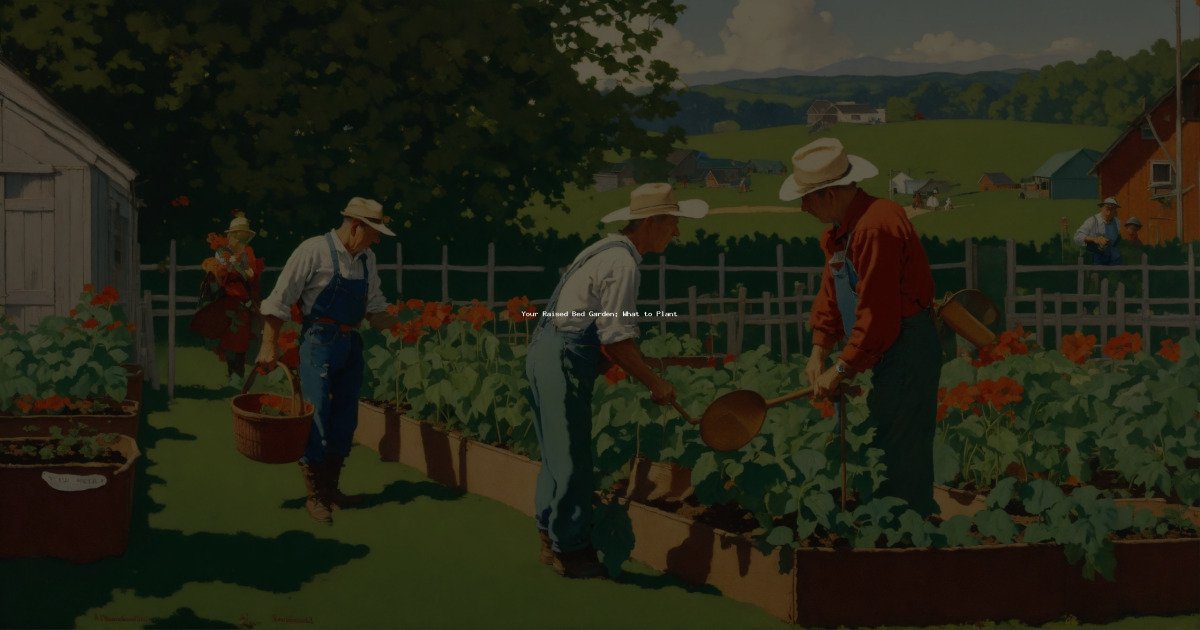
Ah, May! The sweet spot of spring for so many American gardeners. The chill of winter is a distant memory, the threat of late frosts is largely behind us (though always keep an eye on those regional forecasts!), and the days are getting longer, warmer, and filled with the promise of summer harvests. If you’ve been dreaming of overflowing raised beds, bursting with fresh vegetables, fragrant herbs, and vibrant flowers, this is your moment! From the sun-drenched backyards of Arizona to the fertile plains of Iowa, and the coastal breezes of the Carolinas, May signals the true beginning of the growing season for a vast array of beloved American crops. There’s a tangible excitement in the air, a collective hum as gardeners across the continental USA dust off their tools, amend their soil, and prepare to transform their raised beds into edible havens.
Whether you’re a seasoned green thumb in USDA Zone 7, meticulously planning your succession planting, or a brand-new gardener in Zone 5, just getting your feet wet with your first raised bed kit from Lowe’s, this guide is crafted specifically for you. We understand the unique challenges and opportunities that arise with American climates, from the humid summers of the Southeast to the drier conditions of the Mountain West. Raised beds offer an incredible advantage in managing soil quality, drainage, and even pest control, making them a fantastic choice for maximizing your yield in a relatively small footprint. But with so many possibilities, the big question often becomes: “What should I *actually* plant right now?”
Fear not, fellow gardener! This comprehensive guide will walk you through the very best choices for your raised beds this May. We’ll delve into everything from the classic American favorites like juicy tomatoes and crisp bell peppers, to the unsung heroes that thrive in specific regional climates. We’ll talk about getting your soil just right, the essential tools you might need from Home Depot or Amazon, and even the best American seed companies to source your future bounties. So, grab a cup of coffee, settle in, and let’s turn those raised bed dreams into a delicious reality. Your most productive and beautiful raised bed garden starts here, this May!
Key Takeaways for Your May Raised Bed Garden
- Warm-Season Wonders: May is prime time for planting tomatoes, peppers, squash, beans, and corn in most US zones.
- Regional Readiness: Adjust planting times and crop choices based on your specific USDA zone and local climate (e.g., Southern states plant earlier, Northern states after Memorial Day).
- Soil is King: Ensure your raised bed has rich, well-draining soil, amended with compost for optimal growth.
- Essential Tools: Invest in quality soil mixes, fertilizers, and sturdy gardening tools from trusted American retailers.
- Maximize Space: Utilize companion planting, succession planting, and vertical gardening to get the most out of your raised beds.
The Ultimate Spring Planting Guide for Your Raised Beds This May
As May unfolds across the United States, gardeners find themselves at a thrilling crossroads. For many, especially those in USDA Zones 5-7, this month marks the safe passage from cool-season growing to the full-throttle exuberance of warm-season crops. The ground has warmed to a comfortable 60-70 degrees Fahrenheit, ideal for the root development of heat-loving plants, and the threat of a late spring frost has significantly diminished. This is the period when you can truly begin to envision those bountiful summer harvests!
May is also the time to make crucial decisions about what to plant. While some cool-season stalwarts like certain types of lettuce, spinach, and radishes might still be producing, it’s time to make room for the big players. Think about the iconic American summer garden: tall tomato plants laden with ripening fruit, vibrant bell peppers, sprawling squash and zucchini, and rows of sweet corn. Your raised beds, with their excellent drainage and typically warmer soil temperatures compared to in-ground gardens, are perfectly poised to host these summer stars. Remember, the general rule of thumb for many parts of the US is to wait until after Mother’s Day, and often closer to Memorial Day, to plant out tender warm-season vegetables, especially if you’re in a cooler zone like much of the Midwest or Northeast. Always check your local last frost date!
Beyond vegetables, May is also a fantastic time to introduce a variety of herbs and even some beneficial flowers into your raised beds. Herbs like basil, cilantro, and parsley thrive in the warmer conditions, providing fresh flavors for your culinary adventures. Flowers such as marigolds and nasturtiums not only add beauty but can also serve as companion plants, deterring pests and attracting pollinators. Don’t forget the importance of hardening off any seedlings you’ve started indoors; gradually exposing them to outdoor conditions over a week or two will prevent transplant shock and ensure a smooth transition to your raised beds. This careful preparation in May sets the stage for a truly spectacular harvest throughout the summer and into early fall. The anticipation is half the fun, and the rewards are immeasurable!
May’s Must-Plant Veggies for American Gardens
For most American gardeners, May is synonymous with planting the crops that define summer. Here are some top picks:
- Tomatoes: The undisputed king of the summer garden. Whether you prefer heirlooms like ‘Brandywine’ or disease-resistant hybrids, May is the time to get your tomato plants into the ground. Choose determinate varieties for a concentrated harvest, or indeterminate for a continuous yield. Ensure they have plenty of support, like sturdy stakes or cages, as they can grow 4-6 feet tall or more.
- Peppers: Bell peppers, jalapeños, poblanos – May is ideal for planting these heat-loving beauties. They thrive in full sun and well-drained soil. Consider planting a mix of sweet and hot varieties to cater to all tastes.
- Squash & Zucchini: Bush varieties are perfect for raised beds, saving precious space. Plant zucchini, yellow squash, and pattypan squash for prolific harvests. Just a few plants can provide plenty for your family and neighbors!
- Beans: Bush beans and pole beans are easy to grow and highly productive. Bush beans are great for a quick, concentrated harvest, while pole beans will climb trellises or stakes, maximizing vertical space.
- Corn: If your raised bed is large enough (at least 4×4 feet) and you have multiple beds, planting corn in blocks rather than single rows will ensure better pollination. Opt for smaller, early-maturing varieties for a quicker harvest.
- Cucumbers: Vining cucumbers can be trained up a trellis to save space, or you can choose bush varieties. They love consistent moisture and warm soil.
Herbs for Every American Kitchen
Fresh herbs elevate any dish, and many thrive in raised beds. May is a great time to plant:
- Basil: A quintessential summer herb, perfect for pesto and Italian dishes. Plant after all danger of frost has passed.
- Cilantro: While it can bolt in extreme heat, May is a good window to plant cilantro before the really scorching summer temperatures arrive. Choose slow-bolting varieties.
- Parsley: Both flat-leaf and curly parsley can be planted now for continuous harvest.
- Dill: Great for pickling and salads.
- Chives: A perennial favorite that adds a mild oniony flavor.
- Mint: Be careful with mint! It spreads aggressively. Consider planting it in a container within your raised bed to keep it contained.
Getting Your Soil Ready for Summer Stars
The foundation of a successful raised bed garden is its soil. Before planting your warm-season crops, ensure your soil is:
- Rich in Organic Matter: Top off your beds with 2-3 inches of high-quality compost. This improves soil structure, drainage, and nutrient content.
- Well-Draining: Raised beds naturally drain better, but adding perlite or coarse sand can further improve aeration.
- Balanced pH: Most vegetables prefer a slightly acidic to neutral pH (6.0-7.0). A simple soil test kit from Home Depot or a local garden center can tell you if you need to amend with lime (to raise pH) or elemental sulfur (to lower pH).
- Warm Enough: Use a soil thermometer to ensure the soil temperature is consistently above 60°F for warm-season crops.
A good starting point for a raised bed soil mix is often a blend of topsoil, compost, and a bit of perlite or vermiculite. Many American garden centers sell pre-mixed “raised bed soil” that is a convenient option. Consider adding an organic granular fertilizer at planting time to give your plants a good start. For more on soil health, check out https://ecorganicas.com/container-gardening-styling-make-pots-the-star-of-your-patio/.
Regional Riches: Tailoring Your Raised Bed for Every American Climate
The vastness of the continental United States means that “spring” in May looks incredibly different from one region to another. A gardener in Southern California might be harvesting their first tomatoes, while someone in Minnesota is just getting their tomato seedlings into the ground after Memorial Day. Understanding your specific USDA Hardiness Zone and local climate patterns is paramount to a successful raised bed garden. Raised beds, while offering some insulation and faster soil warming, still rely heavily on ambient temperatures and regional weather patterns. Let’s break down what May means for different parts of the country, ensuring your planting choices are perfectly suited to your local conditions.
From the humid subtropical climate of Florida to the high desert conditions of Nevada, each region presents its unique set of opportunities and challenges. Factors like average last frost date, typical summer heat, and rainfall patterns all influence what you should plant and when. This section aims to provide targeted advice, helping you make informed decisions that align with the rhythms of your specific American landscape. Don’t simply follow a generic planting calendar; instead, let your local climate guide your hand, and you’ll be rewarded with a thriving, productive raised bed garden that truly reflects the bounty of your region. Understanding these nuances is a hallmark of an experienced gardener, and it will significantly boost your success this season.
Northeast & Midwest: Warming Up Wisely
USDA Zones: Primarily 4-6, with some Zone 7 coastal areas.
In the Northeast and Midwest, May is often a month of cautious optimism. While the worst of winter is over, late frosts can still be a concern, especially in early May. Many gardeners here wait until after Memorial Day weekend to plant out tender warm-season crops like tomatoes, peppers, and eggplants. However, mid to late May is perfect for:
- Direct Sowing: Bush beans, pole beans, corn, cucumbers, squash, and zucchini.
- Transplanting: Hardened-off seedlings of tomatoes, peppers, eggplant, and basil.
- Still Thriving: Cool-season crops like lettuce, spinach, radishes, and peas might still be doing well, but plan to harvest them soon as temperatures rise.
Focus on well-drained soil and consider using row covers if an unexpected cold snap is forecast. Raised beds warm up faster, giving you a slight advantage here.
Southern States: Embrace the Heat
USDA Zones: Primarily 7-10.
For gardeners in the South, May means that summer is already knocking on the door. You’re likely past your last frost date, and temperatures are steadily climbing. While some gardeners might have planted warm-season crops in April, May is still prime time for:
- Heat-Loving Crops: Okra, sweet potatoes, southern peas (cowpeas), lima beans, and melons thrive in the lengthening, hot days.
- Main Season Planting: Tomatoes, peppers, corn, squash, and cucumbers should be well underway or just getting planted.
- Succession Planting: Consider succession planting bush beans and corn to extend your harvest before the intense summer heat makes some crops bolt or slow down.
Focus on consistent watering, as evaporation rates are higher. Mulching your raised beds with a few inches of straw or wood chips will help retain soil moisture and regulate temperature. For more tips on summer gardening in the South, see https://ecorganicas.com/container-gardening-styling-make-pots-the-star-of-your-patio/.
Pacific Northwest: Mild Starts, Lush Rewards
USDA Zones: Primarily 6-9.
The Pacific Northwest, with its mild springs and often cooler summers, has a unique rhythm. May can still bring cool, damp weather, but the days are certainly longer. This region is fantastic for a wide array of crops:
- Cool-Season Extenders: Many cool-season crops like lettuce, spinach, kale, and broccoli will continue to thrive well into May, and even June, due to the milder temperatures.
- Warm-Season Starts: Mid to late May is when most gardeners here will plant out tomatoes, peppers, and squash. Choose varieties that are known to perform well in cooler summer conditions or have shorter maturity dates.
- Root Vegetables: Carrots, beets, and radishes can be succession planted.
Ensure good air circulation to prevent fungal diseases in damp conditions. Raised beds with their superior drainage are a huge asset here.
Southwest: Sun-Loving Success
USDA Zones: Primarily 7-10, with significant variations due to altitude.
The Southwest presents a challenge with its intense sun and often arid conditions. May can already feel like summer, especially in lower desert regions. Planting strategy here is critical:
- Early Planting is Key: Many warm-season crops like tomatoes and peppers need to be planted early in the spring (March/April) to get established before the extreme summer heat arrives. By May, it might be too late for some of these unless you can provide significant shade.
- Heat-Tolerant Crops: Focus on heat-loving plants that can handle intense sun and dry air, such as okra, sweet potatoes, specific melon varieties, and some desert-adapted squash.
- Shade Cloth: Essential for protecting plants from the scorching afternoon sun.
Water deeply and consistently, preferably in the early morning to minimize evaporation. Raised beds are excellent for controlling soil moisture in these conditions. Consider drought-tolerant herbs like rosemary and thyme.
Essential American Gardening Gear: Tools and Amendments for Raised Bed Bliss
Building and maintaining a thriving raised bed garden in the USA requires more than just good intentions; it demands the right tools and the best amendments. Fortunately, American gardeners have easy access to a wealth of high-quality products from trusted retailers like Home Depot, Lowe’s, and Amazon US. Investing in a few key items upfront can save you a lot of backache, time, and ultimately lead to a much more productive and enjoyable gardening experience. Think of it as equipping your personal outdoor farm with the necessary machinery to ensure peak performance. From the very structure of your raised bed to the nourishment you provide your soil, every element plays a crucial role in creating an environment where your plants can truly flourish.
We’ll explore everything from the actual raised bed kits themselves, which come in a variety of materials and sizes, to the critical components that make up healthy soil. Beyond the foundational elements, we’ll also look at practical tools that make daily gardening tasks easier, such as sturdy hand trowels, reliable watering systems, and effective pest management solutions. The goal is to recommend products that are not only effective but also readily available to American consumers, making your shopping trip or online order as straightforward as possible. Equipping yourself with these essentials will transform your raised bed from a simple box of dirt into a vibrant, productive ecosystem, ready to yield a bounty of fresh produce for your family to enjoy all season long.
Building Your Bed: Kits & Materials
If you’re starting from scratch or adding new beds, May is a perfect time to set them up. Raised bed kits are incredibly popular in the US, offering convenience and durability:
- Wood Kits (Cedar or Redwood): Naturally rot-resistant and attractive. Available at Home Depot, Lowe’s, and Amazon. Look for untreated wood. Prices range from $50-$200+ for a 4×8 foot bed.
- Metal Kits (Galvanized Steel): Durable, modern, and long-lasting. Often made from corrugated steel. Available on Amazon and specialty garden sites. Price range: $70-$300+.
- Composite Kits: Made from recycled plastic and wood fibers, these are maintenance-free and very durable. Found at Lowe’s and Home Depot. Price range: $80-$250+.
When selecting, consider the size (4×8 feet is a popular choice for good reach), depth (at least 10-12 inches for most vegetables), and material longevity.
Nourishing Your Soil: Top Amendments
Healthy soil is the backbone of a successful raised bed. You’ll need:
- Organic Raised Bed Mix: Brands like Kellogg Garden Organics, Miracle-Gro Raised Bed Soil, or Black Gold offer pre-mixed soils specifically formulated for raised beds. These are usually available in 1.5-2 cubic foot bags at Home Depot, Lowe’s, and garden centers. Expect to pay $10-$20 per bag.
- Compost: Essential for boosting soil fertility and structure. Look for mushroom compost, worm castings, or general organic compost. Available in bags (1 cubic foot for $5-$10) or bulk from local nurseries.
- Organic Fertilizers: Granular organic fertilizers (e.g., Espoma, Jobe’s Organics) provide slow-release nutrients. A general-purpose 5-5-5 or 4-4-4 blend is a good starting point. Available in 4-pound bags for $10-$20 at most retailers.
- Perlite or Vermiculite: If your soil mix feels too heavy, adding perlite (for drainage) or vermiculite (for moisture retention and aeration) can improve texture. Available in large bags for $15-$30.
Smart Watering Solutions for Every Gardener
Consistent watering is crucial, especially as May temperatures rise. Raised beds can dry out faster than in-ground gardens.
- Soaker Hoses: Efficiently deliver water directly to the root zone, minimizing evaporation. You can find 50-foot soaker hoses for $15-$30 at Lowe’s or Home Depot.
- Drip Irrigation Kits: More advanced but highly efficient, these kits can be customized for your raised beds. Amazon US offers many affordable starter kits (around $40-$80).
- Watering Cans: For precise watering of seedlings or small areas, a good 2-gallon watering can (around $10-$20) is invaluable.
- Garden Hoses: A sturdy, kink-free garden hose (50-100 feet, $30-$80) is a fundamental tool for any American gardener.
Consider a simple rain gauge to monitor natural rainfall and adjust your watering schedule accordingly. For maintaining plant health, check out https://ecorganicas.com/container-gardening-styling-make-pots-the-star-of-your-patio/.
Maximizing Your Harvest: Proven Techniques for Raised Bed Productivity
One of the greatest advantages of raised bed gardening is the ability to intensively grow a large amount of produce in a relatively small space. This isn’t just about throwing seeds into the soil; it’s about smart planning and employing techniques that boost productivity, conserve resources, and create a harmonious growing environment. As May progresses and your raised beds fill with eager young plants, now is the perfect time to think about how you can get the absolute most out of every square foot. We’re talking about strategies that not only increase your yield but also make your gardening experience more efficient and enjoyable. American gardeners, from coast to coast, are always looking for ways to maximize their efforts and reap bountiful harvests, and raised beds are perfectly suited for these advanced, yet easy-to-implement, methods.
From strategically pairing plants that benefit each other to ensuring a continuous supply of fresh vegetables throughout the season, these techniques are game-changers for raised bed enthusiasts. They allow you to turn a modest 4×8-foot bed into a veritable cornucopia, providing fresh ingredients for your kitchen table for months on end. We’ll explore methods that leverage natural plant interactions, smart timing, and even vertical space to transform your raised bed into a highly efficient food factory. By incorporating these proven techniques, you’ll not only enjoy a larger and more diverse harvest but also cultivate a healthier, more resilient garden ecosystem. Get ready to elevate your raised bed game and impress your neighbors with your endless supply of homegrown goodness!
The Power of Companion Planting
Companion planting involves growing specific plants near each other to mutually benefit growth, deter pests, or attract beneficial insects. It’s a natural and organic way to boost your raised bed’s productivity:
- Tomatoes & Basil: A classic pairing! Basil is said to improve the flavor of tomatoes and deter tomato hornworms.
- Corn, Beans, & Squash (The Three Sisters): An ancient Native American technique. Corn provides a trellis for beans, beans fix nitrogen for the soil, and squash shades the ground, suppressing weeds and retaining moisture. Perfect for larger raised beds.
- Carrots & Rosemary: Rosemary can deter the carrot rust fly.
- Marigolds & Most Veggies: Marigolds (especially French marigolds) release compounds from their roots that deter nematodes and other soil pests. Plant them around the edges of your beds.
- Lettuce & Tall Crops: Plant lettuce or other leafy greens in the shade of taller plants like corn or pole beans to prevent bolting in hot weather.
Succession Planting for Continuous Yields
Don’t just plant everything at once! Succession planting ensures you have a continuous harvest rather than a single glut. This is particularly effective in raised beds where you have precise control over planting areas:
- Short-Season Crops: For crops like radishes, lettuce, and bush beans, plant a small batch every 2-3 weeks. As one crop finishes, you’ll have another ready to harvest soon after.
- Warm-Season Repeats: In regions with long growing seasons (e.g., the South), you can plant another round of bush beans, squash, or even corn in mid-summer for a fall harvest.
- Filling Gaps: As cool-season crops (like spinach or peas) finish up in May, immediately plant warm-season crops in their place.
By staggering your plantings, you’ll have a steady supply of fresh produce from your raised beds throughout the entire growing season.
Going Up: Vertical Gardening in Raised Beds
Raised beds are perfect for incorporating vertical elements, dramatically increasing your growing space without expanding your footprint:
- Trellises & Cages: Essential for vining plants like pole beans, peas, cucumbers, and vining squash. Install sturdy trellises at the time of planting.
- Tomato Cages: Invest in strong, tall tomato cages (at least 5-6 feet high) to support your tomato plants as they grow.
- Staking: Peppers and eggplant can also benefit from staking to support heavy fruit loads.
- Vertical Planters: Small tiered planters or fabric pockets can be attached to the sides of your raised beds for growing herbs, strawberries, or leafy greens, utilizing every inch.
Vertical gardening not only saves space but also improves air circulation around plants, which can reduce disease, and makes harvesting easier.
Seed to Supper: Top American Seed Companies and Starter Secrets
The journey from a tiny seed to a delicious supper is one of the most rewarding aspects of gardening, and for American home gardeners, the options for sourcing high-quality seeds are plentiful and diverse. Choosing the right seed company can make a significant difference in the success of your raised bed garden, offering varieties specifically adapted to various US climates, disease resistance, and desirable culinary traits. As May rolls around, you might be direct sowing seeds into your warm raised beds or transplanting seedlings that were lovingly started indoors weeks or even months ago. Understanding the nuances of each approach and knowing where to get the best genetic material is crucial for a bountiful harvest.
This section will highlight some of the most respected and popular American seed companies, known for their commitment to quality, variety, and often, sustainable practices. We’ll also delve into the practicalities of getting your plants off to the best start, whether that means sowing directly into the soil or carefully hardening off your tender young transplants. The goal is to empower you with the knowledge to select the best seeds for your raised beds and to give those seeds every chance to thrive, transforming your gardening efforts into a cornucopia of homegrown goodness. From the heritage varieties offered by some companies to the cutting-edge hybrids of others, there’s a perfect seed out there for every American gardener’s dream.
Our Favorite American Seed Suppliers
When it comes to sourcing seeds, American gardeners are spoiled for choice. Here are some top-tier companies known for their quality, variety, and reliability:
- Burpee: A household name in American gardening for over 140 years. Burpee offers a vast selection of vegetable, flower, and herb seeds, including many popular hybrids and heirlooms. You can find their seeds in almost every garden center, Home Depot, and Lowe’s, as well as online. They are a go-to for many beginners and experienced gardeners alike.
- Baker Creek Heirloom Seeds (Rare Seeds): Famous for their incredible selection of rare and heirloom varieties from around the world. If you’re looking for unique, open-pollinated, and non-GMO seeds, Baker Creek is an excellent choice. Their catalog is a work of art!
- Park Seed: Another long-standing American company offering a wide range of seeds, plants, and gardening supplies. They are known for their innovative varieties and comprehensive offerings.
- Johnny’s Selected Seeds: Popular with both home gardeners and market farmers, Johnny’s offers an excellent selection of organic and open-pollinated seeds, along with detailed growing information. They are highly respected for their quality and research.
- Territorial Seed Company: Based in the Pacific Northwest, Territorial specializes in seeds that perform well in diverse climates, with a strong emphasis on organic and open-pollinated varieties.
Supporting these American companies not only ensures you get quality seeds but also helps preserve agricultural diversity and local economies. https://ecorganicas.org/when-to-plant-garlic/ is a great resource for finding more seed companies.
Starting Strong: Seeds vs. Transplants
In May, you’ll likely be doing a mix of both direct sowing and transplanting into your raised beds:
- Direct Sowing: Many crops prefer to be sown directly into the soil where they will grow. This includes beans, corn, squash, cucumbers, radishes, carrots, and beets. Ensure the soil is warm enough (check with a soil thermometer) and consistently moist for good germination. Follow package directions for planting depth and spacing.
- Transplanting: For crops with longer growing seasons or those sensitive to transplant shock, like tomatoes, peppers, eggplants, and many herbs, starting seeds indoors 6-8 weeks before your last frost date is common. By May, these seedlings should be robust and ready for their permanent home in your raised beds.
When transplanting, dig a hole slightly larger than the root ball, gently place the plant, backfill with soil, and water thoroughly. For tomatoes, you can often plant them deeper than they were in their nursery pot, as they will root along the buried stem.
Hardening Off: A Crucial May Step
If you’ve started seedlings indoors