Key Takeaways for Your June Garden Success
- Plant Strategically: June is perfect for succession planting warm-season crops like beans, squash, and corn.
- Hydration is Key: Water deeply and consistently, especially during summer heatwaves. Aim for 1-2 inches per week.
- Mulch Magic: Apply a 2-4 inch layer of mulch to conserve moisture, suppress weeds, and regulate soil temperature.
- Pest Patrol: Be vigilant! Scout for common summer pests like aphids, squash bugs, and tomato hornworms daily.
- Fertilize Wisely: Provide a mid-season boost to hungry plants like tomatoes, peppers, and corn for optimal production.
- Harvest Regularly: Picking frequently encourages more production and prevents overripe vegetables.
- Regional Readiness: Adapt your tasks to your specific USDA zone and local climate – what works in the Southwest differs from the Northeast!
Essential June Tasks Your Vegetable Garden Needs Right Now
Ah, June! The air is thick with the promise of long, sun-drenched days, backyard barbecues, and the sweet anticipation of a garden bursting with life. For American home gardeners, this isn’t just a month of relaxation; it’s a critical period where proactive care can make or break your harvest dreams. From the humid embrace of the Carolinas to the dry heat of Arizona, and the fertile plains of the Midwest to the misty mornings of the Pacific Northwest, our diverse nation’s gardens are all reaching their peak growing potential. But with great growth comes great responsibility – and a whole lot of essential tasks!
Remember those early spring days, full of hopeful seed-sowing and transplanting? Well, June is when all that hard work truly begins to pay off, and also when your plants demand the most attention. The Memorial Day rush of getting everything in the ground is over, and now it’s about nurturing, protecting, and guiding your green babies toward a bountiful Labor Day harvest and beyond. Whether you’re in USDA Zone 4 battling late frosts, or Zone 10 already fending off relentless summer sun, the core principles of June gardening remain the same: water wisely, feed generously, protect diligently, and harvest strategically.
This isn’t just about keeping things alive; it’s about optimizing your garden for peak performance. Think of it as the mid-season coaching your team needs to win the championship. Neglect now can lead to stunted growth, pest infestations, disease outbreaks, and ultimately, a disappointing yield. But with the right knowledge and a little elbow grease, June can be one of the most rewarding months in your gardening calendar. You’ll be picking your first juicy tomatoes, crunching on crisp green beans, and marveling at the sheer abundance your own backyard can produce. So grab your gardening gloves, a wide-brimmed hat, and let’s dive into the indispensable tasks that will ensure your vegetable garden thrives through the heart of summer, no matter where you call home in the continental USA.
We’ll cover everything from smart planting strategies for succession crops to mastering mid-summer hydration, battling those inevitable pests, and providing the nutrient boost your hungry plants crave. We’ll even tailor advice for our unique American regions, ensuring you’re equipped with the wisdom specific to your corner of the country. Get ready to transform your garden from good to absolutely glorious!
The Ultimate Guide to June Planting: What to Sow Now for a Bountiful Harvest
Even though your garden beds might seem full from spring planting, June offers a fantastic opportunity to extend your harvest season well into fall. This is the prime time for succession planting, a strategy that involves planting smaller batches of crops every few weeks. This ensures a continuous supply of fresh vegetables rather than a single, overwhelming harvest. For most of the continental USA, especially those in USDA Zones 5-8, June’s warm soil and long days are ideal for a second (or even third!) round of warm-season favorites and quick-growing cool-season crops that can mature before intense summer heat sets in or can handle it.
Succession Planting for Continuous Yields
Think about crops that mature relatively quickly. Bush beans, for example, can be planted every 2-3 weeks in June, ensuring you have a steady supply of fresh beans rather than a glut all at once. Look for varieties that mature in 50-60 days. Corn, especially shorter-season varieties, can also go in during early to mid-June, particularly in regions with longer growing seasons (Zones 6-9). Squash and zucchini are other excellent candidates; if your first plants are already producing heavily, consider a second round by mid-June to replace the older, less vigorous plants that might be slowing down by August. Many gardeners find that squash plants get tired or succumb to squash vine borers by late summer, so a staggered planting ensures fresh plants are ready to take over.
Don’t forget about quick-maturing greens! While lettuce often bolts in intense summer heat (temperatures consistently above 80°F), some heat-tolerant varieties like ‘Black Seeded Simpson’ or ‘Red Salad Bowl’ can still be direct-sown in shadier spots. Swiss chard and kale are more heat-tolerant and can be planted in June for a continuous harvest of their nutritious leaves. Even radishes can be sown in partial shade and harvested in just 3-4 weeks. When purchasing seeds, consider reputable American companies like Burpee, Baker Creek Heirloom Seeds, or Park Seed, which often offer excellent regional varieties and clear planting instructions for different zones.
Warm-Season Wonders: Your Last Chance for Some Stars
For those in cooler USDA Zones (4-5) or with shorter growing seasons, early June might be your last window to plant heat-loving crops like tomatoes, peppers, and eggplants, especially if you’re using transplants. Ensure nighttime temperatures are consistently above 50°F before putting these warmth-lovers in the ground. If you’re direct-sowing seeds, June is perfect for cucumbers, melons, and pumpkins. These vining plants absolutely revel in the long, hot days and warm soil. Plant seeds about 1 inch deep and space them according to package directions, typically 2-3 feet apart for bush varieties or up to 6 feet for vining types that will sprawl across your garden.
Consider planting sweet potatoes from slips in early June once the soil has warmed sufficiently and all danger of frost is past. These plants need a long, hot growing season (typically 90-120 days) and thrive in temperatures above 70°F. June is also an excellent time to sow okra seeds directly into the soil. Okra loves heat and humidity, making it a perfect crop for gardens across the South and Midwest. Plant seeds 1 inch deep and about 4-6 inches apart, thinning to 1 foot apart once they’re established. By strategically planning your June plantings, you’ll ensure a vibrant and productive garden that keeps giving throughout the summer and into fall.
Remember to check your seed packets for “days to maturity” and your local extension office for specific planting dates relevant to your USDA zone. This tailored approach is key to maximizing your June planting efforts. https://ecorganicas.com/how-to-grow-a-tea-garden-from-leaf-to-mug/
Mastering Mid-Summer Care: Watering, Weeding, and Wonderful Mulch
As the summer sun intensifies and temperatures climb into the 80s and 90s Fahrenheit, your garden’s need for consistent care skyrockets. June is not just about planting; it’s about nurturing the plants you already have to ensure they stay healthy and productive. The twin pillars of mid-summer care are proper watering and vigilant weed control, both of which are significantly aided by the strategic use of mulch. Neglecting these tasks now can lead to stressed plants, reduced yields, and an uphill battle later in the season.
The Art of Deep and Consistent Watering
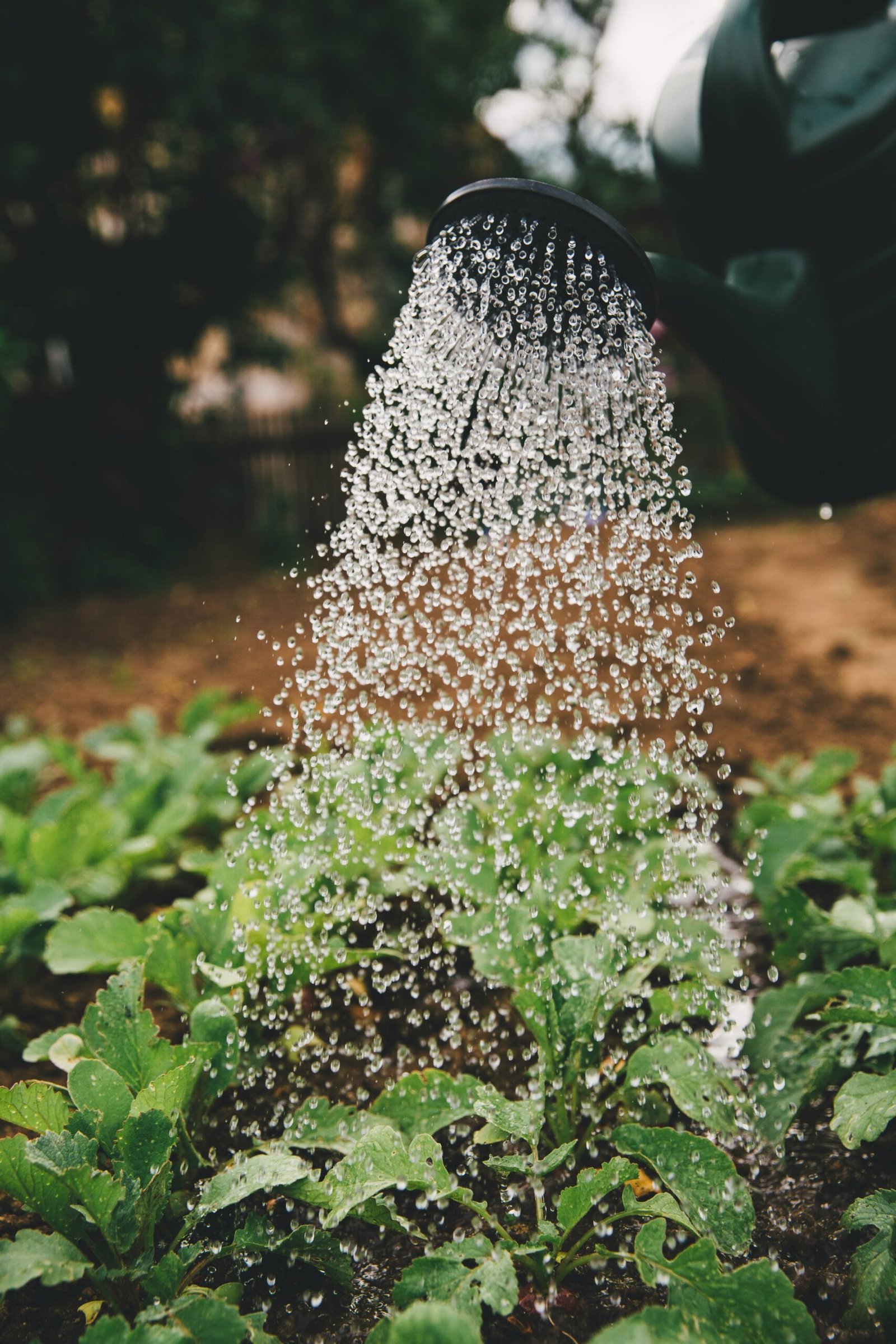
Watering is perhaps the most critical task in June. Shallow, frequent watering encourages shallow root systems, making plants more susceptible to drought stress. Instead, aim for deep, infrequent watering. This means applying enough water to penetrate 6-12 inches into the soil, encouraging roots to grow deeper where they can access more moisture. A general rule of thumb is to provide your vegetable garden with about 1-2 inches of water per week, either from rainfall or irrigation. In hot, dry climates or during heatwaves, this might need to increase to 2-3 times per week.
The best time to water is in the early morning. This allows the water to soak in before the sun gets too intense, minimizing evaporation and giving foliage time to dry before nightfall, which helps prevent fungal diseases. Avoid overhead watering if possible; drip irrigation or soaker hoses deliver water directly to the root zone, conserving water and keeping leaves dry. If you must use a sprinkler, do so early in the day. Use a rain gauge to track natural rainfall and adjust your watering schedule accordingly. Don’t just water on a set schedule; feel the soil. If it’s dry an inch or two down, it’s time to water. For larger plants like tomatoes and squash, a slow, deep soak of a gallon or two per plant can be incredibly beneficial.
Weed Warfare: Keeping the Competition at Bay
Weeds are relentless competitors for water, nutrients, and sunlight, and they seem to explode in growth during June. Letting them get out of hand will severely diminish your vegetable harvest. The key to weed control is consistency and proactive removal. The easiest time to pull weeds is when they are small and the soil is moist after a rain or watering. Attack them before they have a chance to set seed, which will only lead to more weeds in the future.
Hand-weeding is effective for small areas, but for larger gardens, consider using a hoe. A sharp stirrup hoe or collinear hoe can quickly slice through young weeds just below the soil surface with minimal disturbance to your vegetable plants. Remember to get the roots! If you just break off the top, many weeds will simply regrow. For perennial weeds like bindweed or thistle, persistent removal is necessary to weaken their root systems over time. A thick layer of mulch (see below) is also your best friend in the fight against weeds.
The Magic of Mulch: Your Garden’s Best Friend
Mulching is a game-changer for June gardening. Applying a 2-4 inch layer of organic mulch around your vegetable plants offers a multitude of benefits. Firstly, it significantly conserves soil moisture by reducing evaporation, meaning you won’t have to water as frequently. This is especially crucial during hot summer days. Secondly, mulch acts as a physical barrier, suppressing weed growth and making any weeds that do emerge much easier to pull. Thirdly, organic mulches like straw, shredded leaves, or wood chips gradually break down, enriching your soil with organic matter over time.
Mulch also helps to regulate soil temperature, keeping the soil cooler in the blistering summer heat and warmer during cooler nights. This stable temperature is beneficial for root development. When applying mulch, ensure it doesn’t touch the stems of your plants, as this can lead to rot and create hiding places for pests. Leave a small “donut” of space around the base of each plant. Straw, often available at local farm supply stores or Home Depot, is an excellent choice for vegetable gardens due to its affordability and effectiveness. Pine straw is popular in the Southeast, while shredded bark is common across many regions. Investing in good mulch now will save you countless hours of watering and weeding later. https://ecorganicas.org/do-plant-cells-have-mitochondria/
Your Secret Weapon Against Pests and Diseases: Proactive Protection
As your vegetable garden flourishes in the June sunshine, it unfortunately also becomes a tempting buffet for a host of unwelcome guests. Pests and diseases can sweep through a garden quickly, turning lush foliage into a tattered mess and diminishing your anticipated harvest. The key to successful pest and disease management in June is vigilance and proactive measures. Don’t wait until you have a full-blown infestation or a widespread disease; early detection and intervention are your most potent weapons.
Daily Patrol: Spotting Trouble Early
Make it a habit to walk through your garden daily. This isn’t just for enjoyment; it’s your primary scouting mission. Look under leaves, inspect stems, and examine any new growth for signs of trouble. What are you looking for? Tiny green aphids clustered on new shoots, the tell-tale chewing damage of a squash bug nymph, or the tell-tale white powdery mildew on squash leaves. Early detection means you can often hand-pick pests, prune affected leaves, or apply organic controls before the problem escalates. A few minutes of diligent inspection each day can save you hours of work and many plants.
Common June pests across the US include:
- Aphids: Small, pear-shaped insects that cluster on new growth, sucking sap and often leaving behind sticky honeydew.
- Squash Bugs: Grayish-brown bugs that feed on squash, pumpkins, and melons, causing leaves to yellow and wilt. Look for their copper-colored egg clusters on the undersides of leaves.
- Tomato Hornworms: Large, green caterpillars that can defoliate a tomato plant overnight. They blend in perfectly, so look for their distinctive droppings (frass) on leaves.
- Cucumber Beetles: Yellow beetles with black stripes or spots that chew on leaves and can spread bacterial wilt.
- Flea Beetles: Tiny, jumping beetles that chew small “shot holes” in leaves, especially on young plants.
For diseases, keep an eye out for powdery mildew (white powdery spots on leaves), early blight (dark spots on tomato leaves), and bacterial spot. Good air circulation and proper spacing between plants are crucial preventative measures.
Organic Arsenal: Tools for a Healthy Garden
Once you’ve identified a problem, reach for organic solutions first. For aphids, a strong blast of water from your hose can dislodge them. For larger pests like squash bugs and hornworms, hand-picking them off plants and dropping them into a bucket of soapy water is highly effective. If you’re squeamish, wear gloves! For severe aphid or whitefly infestations, an insecticidal soap spray (available at Home Depot, Lowe’s, or Amazon US from brands like Safer Brand) can be very effective. Mix according to directions and spray thoroughly, ensuring contact with the pests.
Neem oil, derived from the neem tree, is another excellent organic choice. It acts as an antifeedant, repellent, and growth disruptor for many pests, and also has some fungicidal properties. Brands like Bonide or Garden Safe offer neem oil concentrates that you mix with water and spray. Always follow label instructions carefully, and apply in the early morning or late evening to avoid harming beneficial insects and to prevent leaf burn in strong sun. For slugs and snails, consider iron phosphate pellets (e.g., Sluggo), which are safe for pets and wildlife. Introducing beneficial insects like ladybugs and lacewings, which prey on aphids, can also be a long-term strategy for pest control. Many nurseries sell these beneficial insects.
When it comes to diseases, prevention is always better than cure. Choose disease-resistant varieties when planting, ensure good air circulation, and avoid overhead watering. If you see signs of fungal diseases like powdery mildew, a solution of baking soda and water (1 teaspoon baking soda per quart of water with a few drops of dish soap) can help, or a copper-based fungicide (organic-approved options are available at garden centers). Prune away any affected leaves promptly to prevent the spread. Regularly cleaning your tools also helps prevent disease transmission. By being proactive and employing these organic strategies, you can keep your garden healthy and productive without resorting to harsh chemicals. https://ecorganicas.com/container-gardening-styling-make-pots-the-star-of-your-patio/
Fueling Your Garden’s Growth: Essential June Fertilization Strategies
By June, most of your vegetable plants are growing vigorously, setting fruit, and working overtime to produce. This intense growth demands a significant amount of nutrients from the soil. While good soil preparation in spring with compost and organic matter provides a strong foundation, many heavy feeders like tomatoes, peppers, corn, and squash will benefit from a mid-season nutritional boost. Understanding what to feed, when, and how is crucial for a truly spectacular harvest.
Reading the Signs: When to Fertilize
Not all plants need the same amount of fertilizer, and not all need it at the same time. The best indicators that your plants need a boost are often visible cues:
- Slowed Growth: If plants that were growing quickly suddenly seem to stall.
- Pale or Yellowing Leaves: Especially on older leaves, this can indicate a nitrogen deficiency.
- Poor Fruit Set: If flowers are abundant but few fruits are developing, it might be a phosphorus or potassium issue (though pollination issues are also common).
- Heavy Production: Plants that are already producing a lot of fruit or foliage are depleting soil nutrients rapidly.
Generally, most warm-season vegetables that are actively producing fruit (tomatoes, peppers, cucumbers, squash, beans) will benefit from a balanced fertilizer or one slightly higher in phosphorus and potassium to support flowering and fruiting, usually applied every 3-4 weeks from the time they start flowering until late summer. Leafy greens, if you’re still growing them, appreciate a nitrogen boost.
Choosing Your Fuel: Organic vs. Synthetic
You have a wide array of fertilizer options available at your local Home Depot, Lowe’s, or on Amazon US.
- Organic Fertilizers: These release nutrients slowly as microorganisms break them down, improving soil health over time. Options include compost tea, fish emulsion, blood meal (for nitrogen), bone meal (for phosphorus), and kelp meal (for potassium and micronutrients). Brands like Espoma and Jobe’s Organics offer excellent granular and liquid organic options. For example, Espoma Tomato-tone or Garden-tone are popular choices that provide a balanced nutrient profile.
- Synthetic Fertilizers: These provide a quick, precise dose of nutrients. Products like Miracle-Gro or Scotts provide readily available nutrients, often mixed into water for easy application. They can be very effective for giving plants an immediate boost, but don’t contribute to long-term soil health as organic options do. Look for formulations specifically designed for vegetables, often with N-P-K ratios like 5-10-10 or 10-10-10.
For tomatoes, many gardeners swear by granular fertilizers applied around the base of the plant every 3-4 weeks, or a liquid feed every 1-2 weeks once flowering begins. Corn is a particularly heavy feeder and will benefit from a side-dressing of a nitrogen-rich fertilizer (like a 10-5-5 or blood meal) when it’s about knee-high, and again when tassels appear. Always read the product label for specific application rates and safety instructions. Over-fertilizing can be as detrimental as under-fertilizing, leading to burnt roots or excessive leafy growth at the expense of fruit.
Application Methods: Getting it Right
How you apply fertilizer depends on the type you choose:
- Granular Fertilizers: Sprinkle these around the base of the plant, being careful to keep them a few inches away from the stem. Gently scratch them into the top inch or two of soil and then water thoroughly to help the nutrients begin to dissolve and move into the root zone.
- Liquid Fertilizers: These are typically mixed with water and applied directly to the soil around the plant’s roots (drenching) or sprayed onto the foliage (foliar feeding). Foliar feeding can provide a very quick uptake of nutrients, especially micronutrients, but should be done in the early morning or late evening to prevent leaf burn.
- Compost Tea: A fantastic organic boost, you can brew your own compost tea and use it as a soil drench or foliar spray. It provides a gentle nutrient boost and introduces beneficial microbes to the soil.
Remember to water your plants well before and after applying any fertilizer, especially synthetic ones, to prevent root burn. By providing your plants with the right nutrients at the right time, you’ll empower them to produce their absolute best throughout the long American summer. https://ecorganicas.org/when-to-plant-garlic/
Regional Wisdom: Tailoring Your June Garden Plan Across the USA
The vast and varied landscape of the continental USA means that a one-size-fits-all approach to June gardening simply won’t cut it. What thrives in the hot, dry climate of the Southwest will struggle in the humid South, and vice-versa. Understanding your specific USDA Hardiness Zone and regional climate patterns is paramount to June success. Let’s break down some tailored advice for different corners of our gardening nation.
Northeast (USDA Zones 4-7)
For gardeners from Maine to Pennsylvania, June is a month of vigorous growth following a often-chilly spring. All danger of frost should be well past, and soil temperatures are finally warm enough for heat-loving plants to truly take off.
- Planting: Continue succession planting beans, cucumbers, and summer squash. It’s still a good time to get in transplants of tomatoes, peppers, and eggplants if you had a late start or want to replace struggling plants. Direct sow corn, melons, and pumpkins.
- Watering: Monitor rainfall closely. Northeast summers can range from delightfully moist to surprisingly dry. Aim for 1 inch of water per week.
- Pests & Diseases: Watch out for Colorado potato beetles on potatoes and eggplants, squash vine borers (especially on zucchini and summer squash), and powdery mildew in humid conditions.
- Fertilizing: Provide a mid-season boost to heavy feeders like corn, tomatoes, and peppers as they begin to flower and set fruit.
The South (USDA Zones 7-10)
From the Carolinas to Texas, June brings intense heat and often high humidity. Many spring crops are finishing up, and heat-tolerant varieties truly shine.
- Planting: Focus on heat-loving crops like okra, sweet potatoes (from slips), Southern peas (cowpeas), and Malabar spinach. Consider planting heat-set tomato varieties. Late June is often too hot for direct sowing many seeds; focus on transplants or early morning sowing.
- Watering: Critical! Daily watering may be necessary, especially for container plants. Aim for deep watering to encourage robust root systems. Mulch is essential to conserve moisture and keep soil temperatures down.
- Pests & Diseases: The heat and humidity are breeding grounds for pests and diseases. Be vigilant for squash bugs, pickleworms, stink bugs, and fungal diseases like early blight and powdery mildew. Good air circulation is key.
- Fertilizing: Continue feeding hungry plants. Consider a liquid feed for quick uptake. Be mindful of nutrient leaching in sandy soils.
Midwest (USDA Zones 3-6)
Gardeners in the heartland experience warm to hot summers, often with significant humidity and sometimes dramatic thunderstorms. June is the peak growing season.
- Planting: Excellent time for succession planting most warm-season crops: beans, corn, cucumbers, squash. Direct sow melons and pumpkins. Last chance for transplants of heat-lovers if you’re in Zone 3 or 4.
- Watering: Can be feast or famine. Monitor rainfall; hot, sunny, windy days can dry out soil quickly. Deep watering is crucial.
- Pests & Diseases: Be on the lookout for squash bugs, cucumber beetles, corn earworms, and tomato hornworms. Humidity can bring on powdery mildew and various blights.
- Fertilizing: Corn, a Midwest staple, absolutely thrives with a mid-season nitrogen side-dressing. Tomatoes and peppers will also benefit from a balanced feed as they begin to produce.
Pacific Northwest (USDA Zones 6-9)
Often characterized by mild, wet springs and dry, warm summers. June is when the PNW truly warms up, and gardens explode.
- Planting: Still a great time for succession planting of beans, corn, and squash. Direct sow carrots, beets, and other root crops. Many gardeners here can get away with a wider variety of greens that might bolt elsewhere due to milder summer heat.
- Watering: As the dry season typically begins in June, consistent watering becomes essential. While spring rain may have been plentiful, summer droughts are common. Drip irrigation is highly recommended.
- Pests & Diseases: Slugs and snails can be a persistent problem, especially in early June. Aphids, cabbage worms, and powdery mildew are also common.
- Fertilizing: Regular feeding for heavy producers is important. Consider a balanced organic fertilizer.
Southwest (USDA Zones 7-10)
Gardeners in Arizona, New Mexico, and parts of California face intense heat, low humidity, and often alkaline soils. June is a transitional month, with some crops finishing and others needing extreme protection.
- Planting: By mid-June, most traditional warm-season planting is done. Focus on heat-tolerant varieties of peppers, chiles, and some melons. Consider planting for a fall garden in late June/early July.
- Watering: Absolutely critical. Daily deep watering is often necessary, sometimes twice a day for container plants. Shade cloth is essential for many plants to prevent sunburn and reduce water stress.
- Pests & Diseases: Spider mites thrive in dry heat. Whiteflies and leaf miners can also be problematic. Good sanitation and strong water sprays can help.
- Fertilizing: Consistent, gentle feeding is important, but avoid over-fertilizing in extreme heat, which can stress plants. Consider liquid feeds or compost tea.
No matter your region, adapting these core principles to your local conditions is the mark of a truly successful American gardener. https://ecorganicas.org/how-deep-to-plant-potatoes/
Harvesting Happiness: What’s Ready to Pick and How to Store It
June is often the month when the first real rewards of your gardening labor start rolling in. There’s nothing quite like walking into your garden and picking fresh, ripe vegetables that you’ve nurtured from seed or seedling. Knowing what’s ready to harvest, when it’s at its peak flavor, and how to properly store it will ensure you get the most enjoyment and nutritional value from your bounty. This is where the real joy of gardening blossoms!
Early Summer Delights: What to Look For
Depending on your USDA zone and planting dates, June can bring a delightful array of early summer harvests:
- Green Beans: Bush beans and pole beans are often the first major warm-season harvest. Pick them when they are firm, snap easily, and before the seeds inside begin to bulge. Harvesting frequently encourages more production.
- Summer Squash & Zucchini: These prolific producers will start yielding in June. Pick them when they are young and tender, typically 6-8 inches long for zucchini and yellow squash. Don’t let them get too big, or they become seedy and less flavorful.
- Cucumbers: Similar to squash, pick cucumbers when they are firm and of a good size for their variety, before they turn yellow. Overripe cucumbers become bitter.
- Peas: If you planted spring peas, June is prime time for shelling peas, snap peas, and snow peas. Pick snap and snow peas when the pods are plump and crisp. Shelling peas are ready when the pods are full and round.
- Strawberries: For many regions, June is peak strawberry season! Pick them when they are fully red and fragrant.
- Broccoli & Cabbage: If you planted early varieties, you might be harvesting main heads of broccoli (when the florets are tight) and compact heads of cabbage.
- Lettuce & Greens: While some may bolt in the heat, cut-and-come-again varieties of lettuce, spinach (if in shade), Swiss chard, and kale will continue to provide fresh leaves.
- Radishes & Scallions: Fast-growing root crops and alliums are typically ready within a month or two of planting.