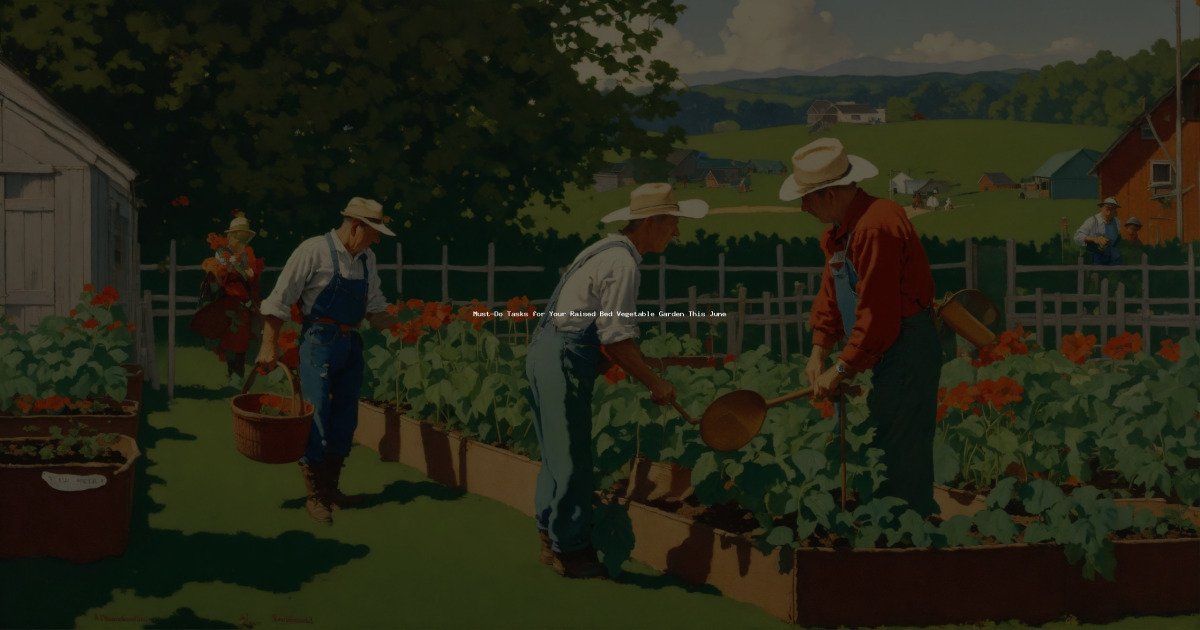
Must-Do Tasks for Your Raised Bed Vegetable Garden This June
Key Takeaways for Your June Raised Bed Garden
- Water Deeply & Consistently: June heat demands thorough watering, especially in sunny raised beds. Aim for 1 inch per week, adjusting for rainfall and plant needs.
- Fertilize for Growth: Mid-season feeding is crucial for heavy feeders like tomatoes and corn. Opt for balanced organic or slow-release granular fertilizers.
- Stay Vigilant Against Pests: June sees an explosion of garden pests. Regular scouting and early intervention are key to preventing major infestations.
- Prune & Support: Keep vining plants like cucumbers and tomatoes trellised and prune for better air circulation and fruit production.
- Consider Succession Planting: Don’t let bare spots linger! Plant quick-growing crops like bush beans or lettuce in harvested areas.
- Mulch, Mulch, Mulch: A good layer of mulch will save you countless hours of weeding and significantly reduce water evaporation.
Ah, June! The sweet symphony of summer is in full swing across the continental USA. From the sun-drenched valleys of California to the humid bayous of Louisiana, and all the way up to the vibrant fields of New England, our gardens are bursting with life. Remember those early spring days, filled with hopeful seed-sowing and the careful placement of tiny plant starts? Well, those dreams are now vibrant realities, especially in your beloved raised beds!
For many American gardeners, June isn’t just another month; it’s the heart of the growing season. It’s when your tomatoes start to truly vine, your peppers are setting fruit, and your squash plants are threatening to take over the entire neighborhood. If you’re like me, you probably spend your mornings with a mug of coffee, strolling through your backyard, admiring every new leaf and tiny blossom. This sense of wonder, however, comes with a gardener’s responsibility – especially when it comes to keeping those raised beds thriving through the summer heat.
Raised beds are fantastic for a multitude of reasons, making them a favorite for American home gardeners. They offer better drainage, warmer soil temperatures earlier in the season, and less soil compaction. Plus, they’re easier on the back! But their unique characteristics also mean they have specific needs, particularly as the mercury climbs in June. Whether you’re tending a compact urban garden in a bustling city like Chicago, nurturing a sprawling backyard oasis in the suburbs of Atlanta, or wrangling a few productive beds on a rural plot in Oregon, the principles of good June care remain vital. We’re talking about average temperatures pushing into the 70s, 80s, and even 90s Fahrenheit in many USDA zones, from humid 8b in Florida to arid 5a in Colorado, meaning our plants are working hard, and so should we.
This month, the focus shifts from planting to nurturing, from establishing to sustaining. We’re deep into the season where consistent care makes all the difference between a sparse harvest and a bountiful feast. Neglect your raised beds now, and you might find your precious plants struggling against pests, wilting from thirst, or simply running out of steam. But with a little attention and the right strategies, you can ensure your raised beds are powerhouse producers all summer long. So, let’s roll up our sleeves, grab our gardening gloves, and dive into the essential tasks that will keep your raised bed vegetable garden flourishing this June!
Ultimate Watering Wisdom: Keeping Your Raised Beds Quenched
As June ushers in longer days and hotter temperatures across the USA, from the sunbaked plains of Kansas to the coastal breezes of the Carolinas, watering becomes the absolute cornerstone of raised bed success. Raised beds, while offering excellent drainage and quicker soil warming, also tend to dry out faster than in-ground gardens. This means your watering strategy needs to be precise, consistent, and proactive to keep your plants happy and productive through the summer heat.
Deep Dives vs. Surface Sprinkles: The Golden Rule of Watering
Forget the quick, daily sprinkle! The most common watering mistake American gardeners make in June is shallow watering. A light spray might moisten the top inch or two of soil, but it won’t reach the deeper root systems that plants need to truly thrive. Instead, aim for deep, infrequent watering. This encourages roots to grow downwards, seeking out moisture, which makes your plants more resilient to heat stress and drought. For most raised beds, especially those 10-12 inches deep, you want to water until moisture begins to seep out of the bottom of the bed. This might mean applying 1-2 gallons of water per square foot, depending on your soil type and current weather conditions. A simple trowel test – digging down a few inches – can reveal if the water is penetrating deeply enough. If the soil is dry below a couple of inches, you need to water more thoroughly.
The Morning Ritual: Best Time to Water
Timing is everything when it comes to watering in June. The best time to water your raised beds is early in the morning, between 6:00 AM and 9:00 AM. Why? Watering in the morning allows the water to soak into the soil before the intense midday sun causes excessive evaporation. It also gives any moisture on the plant leaves time to dry before evening, which significantly reduces the risk of fungal diseases like powdery mildew, especially prevalent in humid regions like the Southeast. Watering in the evening might seem appealing after a long day, but leaving leaves wet overnight creates a perfect breeding ground for pathogens. Avoid watering in the middle of the day if possible, as much of that precious water will simply evaporate before it can benefit your plants.
Smart Tools for Smart Watering: Efficiency is Key
Investing in the right watering tools can save you time, water, and effort. For raised beds, drip irrigation systems or soaker hoses are game-changers. These systems deliver water directly to the soil level, minimizing evaporation and ensuring that water goes exactly where it’s needed – to the plant roots. You can find excellent, easy-to-install drip kits at your local Home Depot or Lowe’s, or browse a wide selection on Amazon US. Look for brands like Rain Bird or Orbit for reliable systems. Setting up a timer with your drip system is an even smarter move, allowing for consistent watering even when you’re away for a weekend barbecue or vacation. Another simple but effective tool is a watering wand, which allows you to deliver a gentle, steady stream of water directly to the base of each plant without washing away soil or damaging tender foliage. Don’t forget a good quality watering can for those smaller, delicate plants or when applying liquid fertilizers. For more on efficient watering, check out this guide: https://ecorganicas.com/how-to-grow-a-tea-garden-from-leaf-to-mug/
Fueling the Feast: Essential Fertilizing & Soil Care
June is when many of your vegetable plants are really hitting their stride, growing vigorously, flowering profusely, and beginning to set fruit. This incredible growth spurt demands a significant amount of nutrients from the soil. Just like a marathon runner needs consistent fuel, your raised bed vegetables need a mid-season boost to continue producing a bountiful harvest. Neglecting soil nutrition in June can lead to stunted growth, yellowing leaves, and disappointing yields, especially for heavy feeders like tomatoes, corn, squash, and peppers.
Mid-Season Boosts for Bountiful Harvests
Even if you started your raised beds with nutrient-rich soil, continuous watering and plant uptake can deplete essential elements. June is an ideal time for a mid-season feeding. For most fruiting vegetables, a balanced fertilizer (e.g., 5-5-5 or 10-10-10 NPK ratio) or one slightly higher in phosphorus and potassium (the “P” and “K” in NPK, which support flowering and fruiting) is beneficial. Organic options like Espoma Garden-tone or Jobe’s Organics All-Purpose granular fertilizers are excellent choices, providing a slow, steady release of nutrients. For a quick boost, a liquid feed like fish emulsion or a diluted compost tea can be applied every 2-3 weeks, especially for plants showing signs of nutrient deficiency. Always follow package directions carefully to avoid over-fertilizing, which can burn plants. Remember, healthy soil is the foundation of a healthy garden, and regular feeding ensures your plants have the energy to produce those delicious vegetables you’re dreaming of.
Organic vs. Synthetic: What’s Right for Your Garden?
The debate between organic and synthetic fertilizers is a common one among American gardeners. Organic fertilizers, derived from natural sources like compost, manure, bone meal, and kelp meal, improve soil structure over time, feed beneficial soil microbes, and release nutrients slowly. Popular American brands include Espoma, Jobe’s Organics, and Dr. Earth, widely available at Lowe’s, Home Depot, and garden centers. Synthetic fertilizers, like Miracle-Gro, offer precise nutrient ratios and are often faster-acting, providing a quick fix for nutrient deficiencies. However, they don’t contribute to long-term soil health and can sometimes lead to nutrient runoff if not applied carefully. For raised beds, many gardeners lean towards organic options to build a robust, living soil ecosystem. Consider a “hybrid” approach: use organic granular fertilizers for sustained feeding and keep a synthetic liquid fertilizer on hand for any immediate nutrient emergencies. Always check the labels for USDA Organic certification if that’s your priority.
Mulch Magic: Suppressing Weeds, Retaining Moisture
If you haven’t mulched your raised beds yet, June is the perfect time to do so! A 2-4 inch layer of organic mulch – such as straw, shredded leaves, wood chips, or even untreated grass clippings – around your plants offers a multitude of benefits. First, it’s a powerful weed suppressor, blocking sunlight and preventing weed seeds from germinating, saving you hours of back-breaking weeding. Second, and crucially for June, mulch significantly reduces soil temperature and moisture evaporation, meaning you’ll need to water less frequently. This is especially vital in hot, dry regions like the Southwest or during heatwaves across the Midwest. Third, as organic mulch breaks down, it slowly adds valuable nutrients and organic matter to your soil, further enhancing its health and fertility. You can find bales of straw at local farm supply stores or garden centers, and bags of shredded hardwood mulch are readily available at Home Depot and Lowe’s. Just be sure to keep the mulch a few inches away from the stems of your plants to prevent rot and pest issues. This simple step is one of the most effective ways to conserve water and maintain healthy soil in your raised beds through the summer. For more on mulching techniques, see https://ecorganicas.com/how-to-grow-a-tea-garden-from-leaf-to-mug/.
The Secret to Success: Pest Patrol & Disease Defense
With the abundant growth and warm temperatures of June, your raised beds become a veritable buffet for a host of garden pests and a prime environment for certain plant diseases. A successful June gardener isn’t just about planting and watering; it’s about being a vigilant detective, constantly scouting for trouble and acting swiftly. Early detection and intervention are the “secret sauce” to keeping your plants healthy and preventing minor issues from spiraling into devastating infestations or widespread disease. Don’t wait until your plants are decimated – make pest and disease patrol a regular part of your daily or weekly garden routine.
Identifying Common June Pests
June brings out some of the most notorious garden villains. Keep a keen eye out for:
- Aphids: Tiny, pear-shaped insects often found clustered on new growth or the undersides of leaves. They suck plant sap, causing distorted growth and leaving behind sticky “honeydew.”
- Squash Bugs: These flat, brownish-gray bugs are a menace to squash, pumpkins, and melons. Look for their metallic bronze eggs on leaf undersides and the adult bugs congregating at the base of plants.
- Tomato Hornworms: Large, green caterpillars with a distinctive “horn” on their rear. They can defoliate a tomato plant seemingly overnight. Look for their large, dark droppings on leaves.
- Cucumber Beetles: Yellow beetles with black stripes or spots, they chew on leaves and can spread bacterial wilt to cucumbers and melons.
- Slugs and Snails: Especially prevalent in damp conditions or after rain, leaving silvery trails and ragged holes in leaves.
Regularly inspect the undersides of leaves, new shoots, and the base of your plants. A magnifying glass can be a helpful tool for spotting tiny culprits. Knowing your enemy is the first step to effective defense!
Natural Nudges: Organic Pest Control Methods
For American home gardeners, especially those focused on growing edible crops, organic and less-toxic pest control methods are often preferred.
- Hand-picking: For larger pests like hornworms and squash bugs, simply picking them off and dropping them into a bucket of soapy water is highly effective.
- Strong Water Spray: A forceful jet of water can dislodge aphids and spider mites from plants.
- Insecticidal Soap: Available at Home Depot, Lowe’s, or Amazon US (e.g., Garden Safe brand), this organic spray is effective against soft-bodied insects like aphids, spider mites, and whiteflies.
- Neem Oil: A natural plant-derived oil (Bonide and Garden Safe offer versions) that acts as an insecticide, fungicide, and repellent. Use it as a preventative or early treatment.
- Beneficial Insects: Encourage ladybugs, lacewings, and parasitic wasps by planting flowers that attract them (e.g., dill, cilantro, marigolds). You can even purchase ladybugs online from suppliers like Arbico Organics or local garden centers.
- Row Covers: Lightweight fabric covers can physically exclude pests from vulnerable plants, especially during germination or early growth.
These methods are safer for your family, pets, and the environment. Always read and follow product instructions carefully.
Vigilance is Key: Early Detection for Disease Prevention
Beyond pests, June’s humidity and warmth can also invite plant diseases. Common issues include powdery mildew (a white, powdery coating on leaves), early blight (dark spots on tomato leaves, often starting from the bottom), and various wilts.
- Good Air Circulation: Proper spacing between plants and strategic pruning (see next section) helps air move freely, drying leaves and preventing fungal growth.
- Water at the Base: Avoid overhead watering, which can splash soil-borne pathogens onto leaves and keep foliage wet, promoting disease.
- Sanitation: Remove and destroy any diseased leaves or plant parts immediately. Don’t compost them, as this can spread the disease.
- Resistant Varieties: Next season, consider planting disease-resistant varieties of your favorite vegetables, often indicated on seed packets from companies like Burpee or Baker Creek.
Regular observation is your best defense. Catching a disease early means you can often remove affected parts or apply an organic fungicide (like copper or sulfur sprays) before it spreads. For more detailed pest control strategies, visit https://ecorganicas.org/when-to-plant-garlic/.
Proven Pruning & Trellising Techniques for Peak Performance
As your raised bed vegetables grow robustly in June, they often need a little guidance and support to reach their full potential. Pruning and trellising aren’t just about aesthetics; they are crucial techniques that can significantly improve air circulation, reduce disease pressure, increase fruit production, and make harvesting a breeze. Especially for vining plants and those with indeterminate growth habits, these tasks are non-negotiable for a truly productive raised bed garden across America, from the compact urban plots of New York to the sprawling suburban yards of Arizona.
Supporting Your Stars: Trellises & Stakes
Many popular raised bed vegetables are climbers or heavy producers that benefit immensely from physical support.
- Tomatoes: Indeterminate varieties (those that keep growing and producing until frost) like ‘Better Boy’ or ‘Brandywine’ absolutely require sturdy support. Use tall tomato cages (available at Home Depot or Lowe’s), sturdy stakes (bamboo or metal), or a Florida weave system. Start staking or caging when plants are young, around 12-18 inches tall, to avoid damaging roots later.
- Cucumbers: Vining cucumbers (most varieties) love to climb. Provide a trellis, netting, or a wire cage. This keeps the fruit off the ground, reducing disease and pest issues, and results in straighter, cleaner cucumbers.
- Pole Beans: True to their name, pole beans need something to climb! Use teepees made of bamboo stakes, a sturdy trellis, or even a fence.
- Peppers & Eggplant: While not true climbers, heavy fruit loads can cause branches to snap. A single sturdy stake per plant can provide vital support, especially for larger varieties.
Ensure your supports are firmly anchored in the raised bed soil to withstand summer storms and heavy yields. Investing in durable supports from American suppliers like Gardener’s Supply Company or through Amazon US will pay off for years.
The Art of Pinching & Pruning: Directing Plant Energy
Strategic pruning helps direct a plant’s energy where you want it – into fruit production, not excessive foliage.
- Tomato Pruning: For indeterminate tomatoes, the key is removing “suckers” – the small shoots that emerge in the crotch between the main stem and a leaf branch. These suckers will produce flowers and fruit, but they also divert energy from the main plant, can lead to overcrowding, and reduce airflow. Pinch them off when they are small (2-4 inches). For determinate varieties (bushy types that produce all their fruit at once), minimal pruning is needed.
- Pepper Pruning: For bushier, higher-yielding pepper plants, some gardeners “top” their plants when they are young (around 6-8 inches tall) by pinching off the main growing tip. This encourages branching. In June, you can also remove any lower leaves that touch the soil to prevent disease.
- Squash & Melons: While not heavily pruned, you can direct vining squash and melon plants to grow along a trellis or confine them to a specific area. Some gardeners also pinch off the tips of vines once they have set a good number of fruits to encourage ripening of existing fruits rather than new growth.
Always use clean, sharp pruning shears (Fiskars or Corona brands are excellent and widely available) to make clean cuts, minimizing stress to the plant. Remove any yellowing, diseased, or dead leaves promptly.
Succession Planting: Keeping the Harvest Coming
June isn’t just about tending existing plants; it’s also a prime time for succession planting, especially in regions with long growing seasons like the South or California. As early crops like lettuce, spinach, radishes, or peas finish up, don’t let those raised bed spots sit empty!
- Quick Turnarounds: Plant more heat-tolerant varieties of bush beans, cucumbers, summer squash, or even another round of heat-tolerant lettuce (e.g., ‘Black Seeded Simpson’) in newly available spaces.
- Cool-Season Replacements: In cooler climates (like the Pacific Northwest or higher elevations), you might even sneak in another round of quick-maturing cool-season crops before the intense heat hits, or plan for fall planting.
- Herbs & Flowers: Fill small gaps with herbs like basil, cilantro, or parsley, or add edible flowers like nasturtiums to attract beneficial insects and add beauty.
Succession planting maximizes the productivity of your raised beds, ensuring a continuous harvest from June until the first frost. Check seed catalogs from American companies like Burpee, Johnny’s Selected Seeds, or Baker Creek Heirloom Seeds for varieties suitable for mid-summer planting. More on succession planting can be found at https://ecorganicas.org/do-plant-cells-have-mitochondria/.
Regional Raised Bed Rundown: Adapting to America’s Climates
The beauty of American gardening lies in its incredible diversity, dictated by our vast and varied climates. What works for a raised bed in the humid heat of Florida might be entirely different from what’s needed in the arid desert of Arizona or the cool, damp conditions of coastal Oregon. June tasks, while having universal principles, must always be adapted to your specific USDA zone and regional weather patterns. Let’s explore how gardeners across the continental USA can fine-tune their June raised bed strategies.
The Humid South & Southeast (USDA Zones 7-10: Florida, Georgia, Texas, Louisiana, etc.)
Challenges: Intense heat, high humidity, torrential summer downpours, and a long growing season that can lead to rapid pest and disease cycles.
June Focus:
- Watering: Even with high humidity, plants need consistent deep watering. Consider automated drip systems. Watch for signs of overwatering during rainy periods.
- Disease Prevention: High humidity means increased risk of fungal diseases like powdery mildew, blight, and fusarium wilt. Ensure excellent air circulation (pruning, spacing), water at the base, and consider preventative organic fungicides.
- Pest Control: Pests are rampant! Scout daily for squash bugs, stink bugs, aphids, and tomato hornworms. Use row covers for vulnerable crops.
- Planting: Continue planting heat-tolerant varieties of okra, sweet potatoes, southern peas, and heat-set tomatoes.
- Mulch: A thick layer of mulch is crucial to conserve moisture and suppress weeds.
The Arid Southwest (USDA Zones 7-10: Arizona, Nevada, Southern California, New Mexico)
Challenges: Extreme heat, intense sun, very low humidity, and scarce water resources.
June Focus:
- Watering: Water deeply and frequently. Drip irrigation is almost mandatory here. Focus on early morning watering to minimize evaporation.
- Shade: Provide afternoon shade for sensitive crops like lettuce, spinach, and even tomatoes and peppers during peak heat (100°F+). Use shade cloth (30-50% shade is ideal) over hoops.
- Mulch: An even thicker layer of mulch (4-6 inches) is essential to keep soil temperatures down and retain precious moisture.
- Planting: Focus on extremely heat-tolerant crops like chilies, melons, okra, and specific desert-adapted varieties.
- Pest Control: Spider mites can be a problem in dry conditions; regular water sprays can help.
The Temperate Northeast & Midwest (USDA Zones 3-7: New England, Ohio Valley, Great Lakes, Plains States)
Challenges: Variable weather, from cool snaps to heatwaves, moderate humidity, and a defined summer growing season.
June Focus:
- Watering: Consistent deep watering, especially during dry spells and as plants set fruit. Monitor rainfall closely.
- Fertilizing: Mid-season feeding is crucial for heavy feeders before they enter peak production.
- Pest & Disease: Be on the lookout for Colorado potato beetles, squash vine borers, and early blight on tomatoes. Good sanitation and rotation are key.
- Succession Planting: Excellent region for succession planting of bush beans, carrots, and fast-maturing greens.
- Season Extension: Consider planting a second round of cool-season crops for a fall harvest as early as late July/August.
The Pacific Northwest’s Unique Challenges (USDA Zones 6-9: Oregon, Washington, Northern California Coast)
Challenges: Cooler summers, often cloudy or overcast, damp conditions, and shorter periods of intense heat.
June Focus:
- Sunlight: Maximize sun exposure! Ensure no shading from structures or other plants.
- Soil Warming: Raised beds excel here by warming soil faster. Consider black plastic mulch to further raise soil temperatures for heat-loving crops like tomatoes and peppers.
- Disease Prevention: Damp conditions promote slugs, snails, and fungal diseases (especially powdery mildew). Ensure excellent air circulation, water in the morning, and use slug bait if necessary.
- Pest Control: Slugs, aphids, and cabbage worms are common.
- Variety Selection: Choose shorter-season or “early” varieties of tomatoes, corn, and peppers that can ripen in cooler summers. Seed companies like Territorial Seed Company (Oregon-based) specialize in varieties for this climate.
Understanding your specific microclimate within these regions is crucial. Pay attention to local weather forecasts and adjust your raised bed care accordingly. https://ecorganicas.org/how-deep-to-plant-potatoes/ offers valuable regional gardening resources.
Top American Products & Tools for June Gardeners
Having the right tools and products can make all the difference in maintaining a thriving raised bed garden through the busy month of June. From efficient watering systems to effective pest solutions and quality soil amendments, these American-available essentials will help you tackle your tasks with confidence. You can find these items readily at your local Home Depot, Lowe’s, or with convenient shipping from Amazon US.
Must-Have Watering Wonders
- Rain Bird Drip Irrigation Kits: These all-in-one kits are fantastic for raised beds, providing precise, efficient watering directly to the root zone. They’re relatively easy to install and can save you hours of hand-watering, especially in the June heat. Look for their “Raised Garden Bed Drip Kit” or similar options.
- Where to Buy: Home Depot, Lowe’s, Amazon US
- Flexzilla Garden Hose: Tired of wrestling with kinking hoses? Flexzilla hoses are known for their extreme flexibility and durability, making watering less of a chore. They come in various lengths (50 ft, 75 ft, 100 ft) to suit any garden size.
- Where to Buy: Lowe’s, Amazon US
- Dramm 16-inch Watering Wand: This professional-grade watering wand allows for a gentle, aerated flow, perfect for watering delicate plants or applying water precisely without disturbing the soil. A gardener’s favorite!
- Where to Buy: Local garden centers, Amazon US
Soil Amendments & Fertilizers You Can Trust
- Espoma Garden-tone Organic Plant Food: A perennial favorite among organic gardeners, Garden-tone provides a slow, steady release of essential nutrients for vegetables. It’s an excellent choice for a mid-season boost in June.
- Where to Buy: Home Depot, Lowe’s, most garden centers, Amazon US
- Jobe’s Organics Vegetable & Tomato Fertilizer Spikes: For a convenient, slow-release feeding option, these spikes are pushed directly into the soil. They deliver nutrients directly to the root zone for up to 8 weeks, making them ideal for busy June gardeners.
- Where to Buy: Home Depot, Lowe’s, Amazon US
- FoxFarm Ocean Forest Potting Soil (for top-dressing): While often used for starting beds, a bag of FoxFarm Ocean Forest can be excellent for top-dressing your raised beds in June, adding a rich boost of organic matter and nutrients. It’s a premium choice for serious growers.
- Where to Buy: Specialized garden stores, Amazon US
Pest & Disease Solutions
You Might Also Like