body { font-family: ‘Segoe UI’, Tahoma, Geneva, Verdana, sans-serif; line-height: 1.6; color: #333; margin: 0 auto; max-width: 900px; padding: 20px; background-color: #f9f9f9; }
h1, h2, h3 { color: #2c3e50; margin-top: 1.5em; margin-bottom: 0.5em; }
h1 { font-size: 2.5em; text-align: center; color: #1a5276; }
h2 { font-size: 2em; border-bottom: 2px solid #aed6f1; padding-bottom: 0.3em; }
h3 { font-size: 1.5em; color: #34495e; }
p { margin-bottom: 1em; }
ul, ol { margin-bottom: 1em; margin-left: 20px; }
li { margin-bottom: 0.5em; }
strong { color: #2c3e50; }
em { font-style: italic; color: #555; }
table { width: 100%; border-collapse: collapse; margin: 1.5em 0; background-color: #fff; box-shadow: 0 2px 5px rgba(0,0,0,0.1); }
th, td { border: 1px solid #ddd; padding: 12px 15px; text-align: left; }
th { background-color: #5dade2; color: white; font-weight: bold; }
tr:nth-child(even) { background-color: #f2f2f2; }
.key-takeaways { background-color: #e8f6f3; border-left: 5px solid #48c9b0; padding: 20px; margin: 2em 0; border-radius: 5px; box-shadow: 0 4px 8px rgba(0,0,0,0.1); }
.key-takeaways h2 { color: #28b463; border-bottom: none; margin-top: 0; padding-bottom: 0; }
.button { display: inline-block; background-color: #28a745; color: white; padding: 12px 25px; text-align: center; text-decoration: none; border-radius: 5px; font-size: 1.1em; margin-top: 1em; margin-right: 15px; transition: background-color 0.3s ease; }
.button:hover { background-color: #218838; }
.cta-section { background-color: #d4edda; border: 1px solid #c3e6cb; padding: 30px; text-align: center; margin-top: 2em; border-radius: 8px; box-shadow: 0 4px 10px rgba(0,0,0,0.1); }
.cta-section h2 { color: #155724; margin-bottom: 1em; }
.faq-section h3 { cursor: pointer; color: #34495e; }
.faq-section p { display: none; margin-left: 20px; padding: 10px; background-color: #f0f8ff; border-left: 3px solid #5dade2; }
.faq-section p.active { display: block; }
.internal-link, .external-link { color: #007bff; text-decoration: none; }
.internal-link:hover, .external-link:hover { text-decoration: underline; }
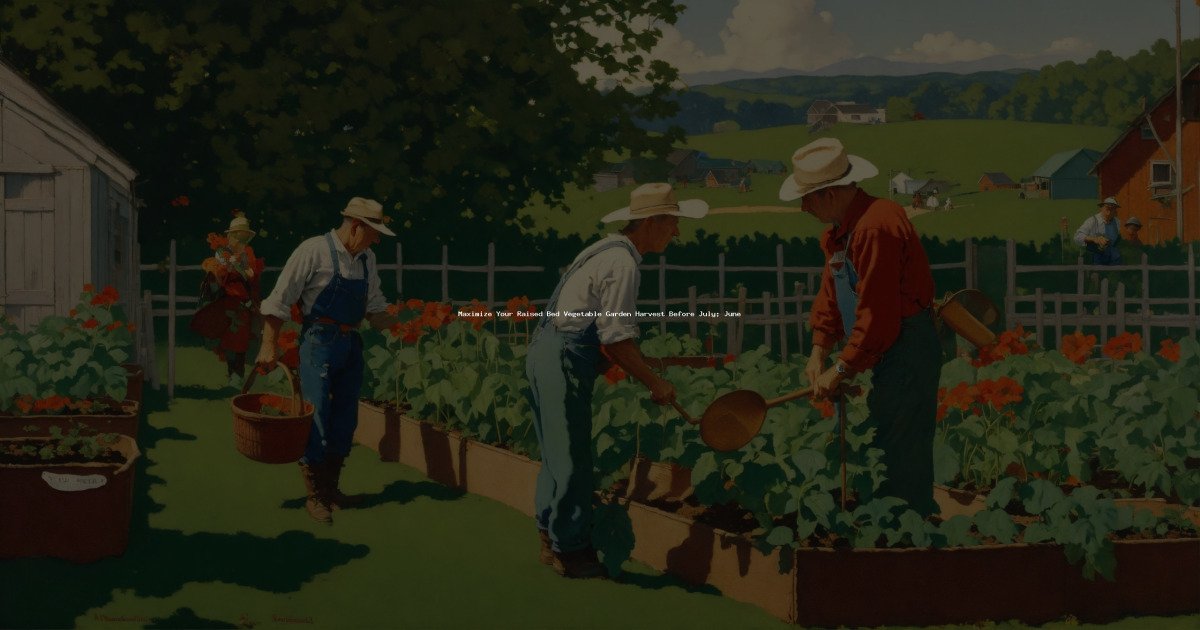
Maximize Your Raised Bed Vegetable Garden Harvest Before July: Your Essential June Playbook
Ah, June! The smell of freshly cut grass, the long, sun-drenched days, and the promise of a bountiful harvest bursting from your raised beds. If you’re anything like us American gardeners, this is the month when your hard work truly starts to pay off, and the anticipation of those first ripe tomatoes or crisp lettuce leaves is almost unbearable. But let’s be real: June also brings its own set of challenges, from scorching sun to thirsty plants and sneaky pests. The clock is ticking to get those peak harvests in before the dog days of July truly settle in across much of the continental USA.
Whether you’re tending a cozy raised bed in your suburban backyard in USDA Zone 6, nurturing a robust urban garden in Zone 7, or managing a sprawling homestead in a warmer Zone 8 or 9, June is a pivotal month. For our friends in the Northeast and Midwest, it’s a race to enjoy cool-season crops before intense heat takes over, while simultaneously nurturing heat-lovers to their full potential. Down South, from Florida to Texas and across the Carolinas, the heat is already on, and it’s all about heat-tolerant varieties and diligent watering strategies. Out West, from the sunny slopes of California to the high deserts of Arizona, gardeners are mastering irrigation and shade to keep things thriving.
This isn’t just about growing food; it’s about connecting with the rhythm of nature, providing fresh, healthy produce for your family, and finding joy in the simple act of nurturing life. Your raised beds, with their excellent drainage and customizable soil, are perfectly poised for a phenomenal June performance. We’re talking about harvesting crisp lettuces and spinach before they bolt, picking tender snap beans by the handful, and seeing those first promising green tomatoes swell on the vine. This guide is your ultimate playbook for making the most of every square inch of your raised bed this June, ensuring you’re pulling in impressive hauls and setting yourself up for continued success well into summer.
From the humid Southeast to the arid Southwest, the key to success lies in understanding your microclimate, providing consistent care, and staying one step ahead of challenges. We’ll dive deep into watering strategies, smart feeding tactics, proactive pest management, and even regional planting advice. Get ready to transform your raised beds into a harvesting powerhouse! It’s time to roll up your sleeves, grab your gardening gloves, and get ready to enjoy the fruits (and vegetables!) of your labor.
Key Takeaways for a Bountiful June Harvest:
- Master Your Watering: June heat demands consistent, deep watering, especially for raised beds.
- Feed Your Fighters: Nutrient-hungry plants need regular boosts to support rapid growth and fruiting.
- Pest Patrol is Paramount: Early detection and organic solutions are key to preventing infestations.
- Succession Planting Savvy: Keep planting quick-maturing crops for continuous yields.
- Regional Readiness: Tailor advice to your specific climate, from the humid South to the dry Southwest.
- Harvest Smart: Know when and how to pick to encourage more production.
The Ultimate June Game Plan: Watering, Feeding, and Pest Patrol Prowess
June is when your raised bed garden truly kicks into high gear, demanding consistent attention to thrive under the lengthening days and increasing temperatures. It’s a delicate balance of providing ample resources without overdoing it. Think of yourself as the conductor of a vibrant orchestra, ensuring every section performs at its peak. This month, your focus should be laser-sharp on three critical pillars: precise watering, strategic nutrient delivery, and vigilant pest and disease monitoring.
Deep Watering for Drought-Proof Growth
Raised beds, while offering fantastic drainage, also tend to dry out faster than in-ground gardens. With June temperatures often soaring into the 80s and 90s Fahrenheit across much of the US, consistent moisture is non-negotiable. Aim for deep watering, which encourages roots to grow downwards, making plants more resilient to heat stress. Instead of light sprinkles every day, which only moisten the top inch or two, water thoroughly every 2-3 days, ensuring moisture penetrates 6-8 inches deep. For most raised beds, this could mean applying 1-2 gallons of water per square foot, depending on your soil type and plant density. Use a soaker hose or drip irrigation system to deliver water directly to the root zone, minimizing evaporation and saving precious resources. Water early in the morning to reduce fungal issues and allow plants to absorb moisture before the midday sun kicks in. Check soil moisture by sticking your finger about 2 inches deep; if it feels dry, it’s time to water. Don’t forget to mulch! A 2-3 inch layer of organic mulch (like straw, shredded leaves, or wood chips) will dramatically reduce water evaporation, regulate soil temperature, and suppress weeds, giving your plants a fighting chance against the summer heat. This simple step can cut your watering frequency by up to 50%.
Strategic Feeding for Peak Performance
With plants rapidly growing and setting fruit, their nutrient demands are at an all-time high. A well-balanced organic fertilizer applied every 2-4 weeks can make a huge difference. For fruiting plants like tomatoes, peppers, and squash, look for fertilizers with a slightly higher potassium (K) content to encourage flower and fruit production. A good liquid feed, like fish emulsion or a diluted compost tea, can provide a quick boost, especially for heavy feeders. For leafy greens, a nitrogen-rich granular fertilizer or a foliar spray can keep them vibrant. Remember to follow product instructions carefully; more isn’t always better, and over-fertilizing can harm your plants. If you started with a rich, compost-amended soil, your plants might need less supplemental feeding, but a mid-season check-up is always a good idea. Consider side-dressing with a handful of aged compost around the base of hungry plants like corn or zucchini to provide a slow-release nutrient boost. This constant replenishment ensures your plants have all the energy they need to produce abundant harvests right up until July and beyond. https://ecorganicas.com/how-to-grow-a-tea-garden-from-leaf-to-mug/
Vigilant Pest and Disease Patrol
June’s warm, often humid conditions are a playground for pests and diseases. Early detection is your best defense. Walk through your garden daily, inspecting the tops and undersides of leaves, stems, and developing fruits. Look for tell-tale signs: chewed leaves (cabbage worms, slugs), sticky residue (aphids), silvery streaks (thrips), or powdery white spots (powdery mildew). Hand-picking larger pests like tomato hornworms can be incredibly effective. For smaller infestations, a strong blast of water from your hose can dislodge aphids, or an insecticidal soap spray (always test on a small area first!) can tackle soft-bodied insects. Diatomaceous earth can deter slugs and earwigs. For fungal issues like powdery mildew, improve air circulation by pruning judiciously and avoid overhead watering. If you see signs of blight on your tomatoes, remove affected leaves immediately and dispose of them away from your garden. Consider planting companion plants like marigolds or nasturtiums, which can deter certain pests. Maintaining good garden hygiene – removing dead leaves and weeds – also plays a crucial role in preventing pest and disease habitats. Staying proactive now will save you countless headaches and lost harvests later in the season. https://ecorganicas.org/how-deep-to-plant-potatoes/
Strategic Succession Planting: Extending Your Raised Bed Bounty into July and Beyond
One of the true secrets to maximizing your raised bed’s productivity is mastering the art of succession planting. This technique involves staggering your plantings throughout the season, ensuring a continuous harvest rather than a single, overwhelming glut. In June, this means planning for crops that will mature quickly, providing you with fresh produce as your earlier plantings finish up, and setting the stage for a strong July yield. It’s about thinking ahead and utilizing every inch of your valuable raised bed space efficiently.
Quick Turnaround Crops for June Planting
As you harvest your early spring crops like lettuce, radishes, and spinach in June, don’t let those spaces sit empty! These vacated spots are prime real estate for a second round of quick-maturing vegetables. Consider planting varieties that can go from seed to harvest in 30-60 days. Excellent choices for June include:
- Bush Beans: Many bush bean varieties mature in about 50-60 days. Plant a new row every two weeks for a continuous supply. Look for heat-tolerant varieties like ‘Provider’ or ‘Contender’.
- Radishes: Some varieties are ready in as little as 25 days! They’re perfect for tucking into small gaps.
- Lettuce (Heat-Tolerant Varieties): While many lettuces bolt in summer, varieties like ‘Nevada’ or ‘Black Seeded Simpson’ can withstand more heat, especially if given some afternoon shade.
- Spinach (New Zealand or Malabar): Traditional spinach struggles in summer, but these alternatives thrive in heat.
- Cucumbers (Bush Varieties): Compact bush cucumbers are ideal for raised beds and can produce fruit in about 50-60 days from seed.
- Carrots (Short-Season): ‘Danvers 126’ or ‘Little Finger’ carrots can be planted in June for a late summer harvest.
By continuously replanting, you ensure your raised beds are always working for you, producing fresh food week after week.
Relay Planting and Intercropping for Maximum Space Utilization
Don’t wait for one crop to be completely finished before planting the next! With relay planting, you can sow new seeds or transplant seedlings alongside existing, maturing plants. For example, as your early garlic or onions start to bulb, you can plant snap beans or leafy greens in the spaces between them. By the time the garlic is harvested, the new plants will have a head start. Intercropping, or planting different crops together, also maximizes space and can even provide mutual benefits. Tall plants like determinate tomatoes can offer shade to heat-sensitive greens planted at their base. Fast-growing radishes can be planted between slower-growing carrots, harvested before the carrots need the full space. This thoughtful use of space is particularly beneficial in raised beds, where every square foot counts. Consider planting a few sweet potato slips in June; they’ll sprawl and provide ground cover while developing tubers for a fall harvest, making excellent use of any remaining open space as summer progresses. https://ecorganicas.com/how-to-grow-a-tea-garden-from-leaf-to-mug/
Planning for Fall: Setting the Stage in June
While we’re focused on June harvests, smart gardeners are always thinking ahead. June is an excellent time to start seeds indoors for fall crops. Think broccoli, cabbage, kale, and Brussels sprouts. By starting them now, they’ll be ready to transplant into your raised beds in July or August as your summer crops start to fade, ensuring a continuous harvest well into autumn. This proactive approach means your raised beds will be producing almost year-round, turning them into highly efficient food factories. Don’t forget to check the “days to maturity” on your seed packets and count backward from your average first frost date to determine the best planting times. This forward-thinking strategy is what separates good gardeners from great ones, ensuring your raised beds are never idle and always contributing to your family’s table. https://ecorganicas.org/how-deep-to-plant-potatoes/
Regional Rhythms: Tailoring Your June Garden Across the American Landscape
The beauty and challenge of gardening in the continental USA lie in its vast climatic diversity. What works wonders in a humid Florida summer might be a disaster in the dry heat of Arizona. Understanding your regional nuances is paramount to a successful June harvest in your raised beds. This isn’t a one-size-fits-all endeavor; it’s about adapting your strategies to your local climate, ensuring your plants receive the optimal care they need to thrive.
Northeast & Midwest: A Race Against the Clock
For gardeners from Maine to Michigan, June is a bustling month of transition. You’re likely still enjoying the last of your cool-season crops – crisp lettuces, spinach, radishes, and peas – before the full brunt of summer heat arrives. This is the time to harvest these quickly, as they will “bolt” (go to seed and become bitter) once temperatures consistently hit the high 70s and 80s Fahrenheit. Simultaneously, your warm-season crops like tomatoes, peppers, squash, and corn are really taking off. Ensure they have adequate support (stakes, cages) and are being watered deeply. June is also an ideal time for succession planting quick-maturing bush beans, heat-tolerant lettuces, and short-season carrots in any newly vacated spaces. Keep an eye out for potato beetles and squash bugs, which become more active as the weather warms. Mulch is your best friend here to retain moisture and keep soil temperatures stable during fluctuating conditions.
The Sunny South: Embracing the Heat
From the Carolinas to Louisiana and across to Texas, June means serious heat and often high humidity. Many cool-season crops are long gone, and it’s all about heat-loving plants. Focus on okra, sweet potatoes, Southern peas (cowpeas), malabar spinach, and specific heat-tolerant varieties of tomatoes and peppers. Watering is critical – often daily, deeply, and early in the morning to minimize evaporation and disease. Raised beds here can benefit immensely from afternoon shade cloth, especially for plants that struggle with intense sun. Monitor for fungal diseases like powdery mildew and downy mildew, which thrive in humidity, and increase air circulation around plants. Stink bugs and squash vine borers are major pests, so vigilant monitoring and proactive measures are essential. Consider planting a cover crop in any beds that will be idle during the most intense summer months to improve soil health.
Pacific Northwest: Mild Summers, Lush Growth
Gardeners in Oregon, Washington, and parts of Northern California enjoy a more moderate June. While you might still have cooler mornings, temperatures are climbing, and plants are growing vigorously. This is prime time for nearly all vegetables. Continue planting successions of lettuce, spinach, and radishes, as they’ll last longer here than in hotter climates. Warm-season crops like tomatoes, peppers, and squash will be thriving. Pay attention to slugs and snails, which can be rampant in moist conditions, especially in raised beds. Ensure good air circulation to prevent powdery mildew, which can be an issue with moderate temperatures and morning dew. Your raised beds will likely require consistent, but perhaps not daily, watering. This region offers a fantastic opportunity for continuous diverse harvests throughout the summer due to its temperate climate.
Southwest: Mastering the Arid Conditions
In the desert climates of Arizona, Nevada, and parts of California, June is synonymous with intense, dry heat. Water conservation and heat management are paramount. Raised beds are excellent here because you can control the soil and add amendments for water retention. Drip irrigation is a must, delivering water directly to roots with minimal loss. Shade cloth is absolutely essential for many crops to prevent scorching and reduce water stress. Focus on desert-adapted plants or extremely heat-tolerant varieties of tomatoes, peppers, eggplant, and melons. Mulch heavily with light-colored materials to reflect heat and keep soil temperatures down. Consider “ollas” – unglazed clay pots buried in the soil that slowly release water – as an ancient, efficient irrigation method for raised beds. Planting in the cooler morning or evening hours is crucial for successful establishment of new plants. This region truly exemplifies the need for tailored strategies, proving that raised beds can produce in even the most challenging conditions. https://ecorganicas.org/do-plant-cells-have-mitochondria/
Essential Gear for a June Harvest Boom: American Product Picks
To truly excel in your June raised bed gardening, having the right tools and supplies can make all the difference. We’re talking about products readily available at your favorite American retailers like Home Depot, Lowe’s, and Amazon US. Investing in quality gear not only makes your gardening tasks easier but also contributes directly to healthier plants and more abundant harvests. These aren’t just gadgets; they’re essential allies in your fight for a fantastic June yield.
Top Picks for Watering Wisdom
Consistent watering is non-negotiable in June.
- Rain Bird Drip Irrigation Kit (Home Depot/Lowe’s/Amazon US): For raised beds, a simple drip kit is a game-changer. It delivers water precisely where it’s needed, reducing waste and ensuring deep saturation. Typically runs $30-$70 for a starter kit covering 50-100 square feet. This saves you time and ensures your plants get consistent moisture even when you’re busy.
- Miracle-Gro All Purpose Soaker Hose (Home Depot/Lowe’s/Amazon US): An economical alternative, soaker hoses slowly release water along their entire length. Perfect for rows of vegetables. A 50-foot hose usually costs around $15-$25.
- Moisture Meter (Amazon US): A simple, inexpensive tool (often $10-$20) that instantly tells you if your soil is dry, moist, or wet at root level, taking the guesswork out of watering. Brands like Dr. Meter or XLUX are reliable.
Fertilizers for Fierce Growth
Your plants are hungry! Give them the fuel they need.
- Espoma Garden-tone Organic Plant Food (Home Depot/Lowe’s/Amazon US): A fantastic all-purpose organic granular fertilizer for vegetables. It provides a slow, steady release of nutrients. A 8 lb bag is typically $15-$25. Great for a mid-season boost.
- Alaska Fish Emulsion Fertilizer (Amazon US/Lowe’s): A liquid organic fertilizer (5-1-1 NPK) that provides a quick shot of nitrogen, excellent for leafy greens or as a general pick-me-up. A 1-gallon jug is usually $20-$30.
- Jobe’s Organics Vegetable & Tomato Fertilizer Spikes (Home Depot/Lowe’s/Amazon US): Easy-to-use spikes that provide continuous feeding for up to 8 weeks. Ideal for heavy feeders like tomatoes and peppers. A pack of 15 spikes runs about $10-$15.
Pest & Disease Prevention Essentials
Stay ahead of those garden invaders.
- Bonide All Seasons Horticultural & Dormant Spray Oil (Home Depot/Amazon US): An organic option to smother soft-bodied insects like aphids, spider mites, and whiteflies. A quart concentrate is around $15-$20.
- Safer Brand Insect Killing Soap (Lowe’s/Amazon US): An OMRI-listed organic insecticidal soap that’s effective against many common garden pests. A 32 oz spray bottle is usually $10-$15.
- Garden Safe Fungicide3 (Home Depot/Lowe’s/Amazon US): A 3-in-1 product that kills insects, mites, and diseases like powdery mildew. Great for quick action. A 24 oz spray bottle is around $10-$12.
- Row Covers (Amazon US): Lightweight floating row covers (e.g., Agribon) can physically block pests like cabbage worms and squash vine borers. A 10×20 foot roll is typically $20-$30.
Handy Tools for Daily Tasks
Small tools make a big difference.
- Fiskars Softgrip Micro-Tip Pruning Snips (Home Depot/Lowe’s/Amazon US): Essential for precise harvesting of herbs, peppers, and beans without damaging the plant. Around $10-$15.
- Gardena Hand Cultivator (Amazon US): Perfect for weeding and aerating the topsoil in raised beds without disturbing plant roots. About $15-$20.
Equipping yourself with these American-made or widely available products will set your raised beds up for a truly spectacular June performance, ensuring you’re ready for any challenge the summer throws your way.
Comparison Table: Top Raised Bed Solutions for June Success
Here’s a quick comparison of popular products and techniques that can make a significant difference in your raised bed’s productivity this June.
| Product/Technique | Best For | Price Range (USD) | Where to Buy | Rating (1-5 Stars) |
|---|---|---|---|---|
| Drip Irrigation System | Water efficiency, consistent moisture, saving time | $30 – $70 (starter kit) | Home Depot, Lowe’s, Amazon US | ★★★★★ |
| Espoma Garden-tone Organic Plant Food | All-purpose organic feeding for vegetables | $15 – $25 (8 lb bag) | Home Depot, Lowe’s, Amazon US | ★★★★☆ |
| Safer Brand Insect Killing Soap | Organic pest control (aphids, mites, whiteflies) | $10 – $15 (32 oz spray) | Lowe’s, Amazon US | ★★★★☆ |
| Straw Mulch (e.g., compressed bale) | Moisture retention, weed suppression, soil temperature regulation | $8 – $15 (per bale) | Local garden centers, Tractor Supply Co. | ★★★★★ |
| Fiskars Micro-Tip Pruning Snips | Precise harvesting, delicate pruning | $10 – $15 | Home Depot, Lowe’s, Amazon US | ★★★★★ |
Harvesting Hacks and Storage Secrets: Enjoying Your June Yields
June is often the month when you start to see the fruits (and vegetables!) of your labor truly materialize. Knowing exactly when and how to harvest, and then how to properly store your bounty, is just as crucial as the growing itself. Proper harvesting techniques encourage your plants to produce even more, extending your yield well into July. And smart storage ensures that every delicious bite makes it to your American dinner table.
The Art of Timely Harvesting
Harvesting at the right time is key for flavor and to signal to the plant to keep producing.
- Leafy Greens (Lettuce, Spinach, Kale): Harvest outer leaves as needed for a cut-and-come-again approach. Pick in the cool morning to maintain crispness. If you see signs of bolting (a central stalk emerging), harvest the entire plant immediately, as flavor will quickly diminish.
- Bush Beans & Snap Peas: Pick frequently, every 1-2 days, to encourage more pod production. They should snap cleanly when bent. The more you pick, the more they produce!
- Radishes: Harvest when they reach their mature size, usually about 1 inch in diameter, before they become woody or spicy.
- Zucchini & Summer Squash: These grow fast! Check daily and harvest when young and tender, typically 6-8 inches long. If you let them get too big, they become seedy and less flavorful, and the plant will produce fewer fruits.
- Cucumbers: Pick when firm and uniformly colored, before they turn yellow. Bush varieties in raised beds often produce prolifically, so check frequently.
- Strawberries: Harvest when fully red and fragrant.
- Early Tomatoes (Determinate Varieties): As the first tomatoes ripen, pick them when they are fully colored and slightly soft to the touch. This encourages the plant to put energy into ripening the remaining fruit.
Always use clean, sharp pruners or snips to avoid damaging the plant, especially for crops like peppers and eggplants.
Simple Storage for Freshness That Lasts
Once harvested, proper storage is crucial for extending the life of your produce.
- Leafy Greens: Wash, dry thoroughly (a salad spinner is great), and store in an airtight container lined with a paper towel in the refrigerator for up to a week.
- Beans & Peas: Store unwashed in a perforated plastic bag in the refrigerator for 5-7 days.
- Radishes: Remove greens (they draw moisture from the root) and store roots in a bag with a damp paper towel in the fridge for 1-2 weeks.
- Zucchini & Summer Squash: Store unwashed in a plastic bag in the refrigerator’s crisper drawer for up to a week.
- Cucumbers: Store in the warmest part of your refrigerator (often the door) for about a week. Avoid the coldest spots, as they can get chilling injury.
- Tomatoes: Store at room temperature, out of direct sunlight, until fully ripe. Only refrigerate very ripe tomatoes if you need to extend their life for a few days, as it can diminish flavor and texture.
Consider freezing excess beans, blanching and freezing zucchini, or making quick pickles to preserve your bounty for enjoyment later in the year, long after June has passed. This way, none of your hard work goes to waste, and you can savor the taste of summer even in the depths of winter. https://ecorganicas.com/container-gardening-styling-make-pots-the-star-of-your-patio/
10+ Expert Tips for a Bountiful June Raised Bed Garden
- Water Deeply