
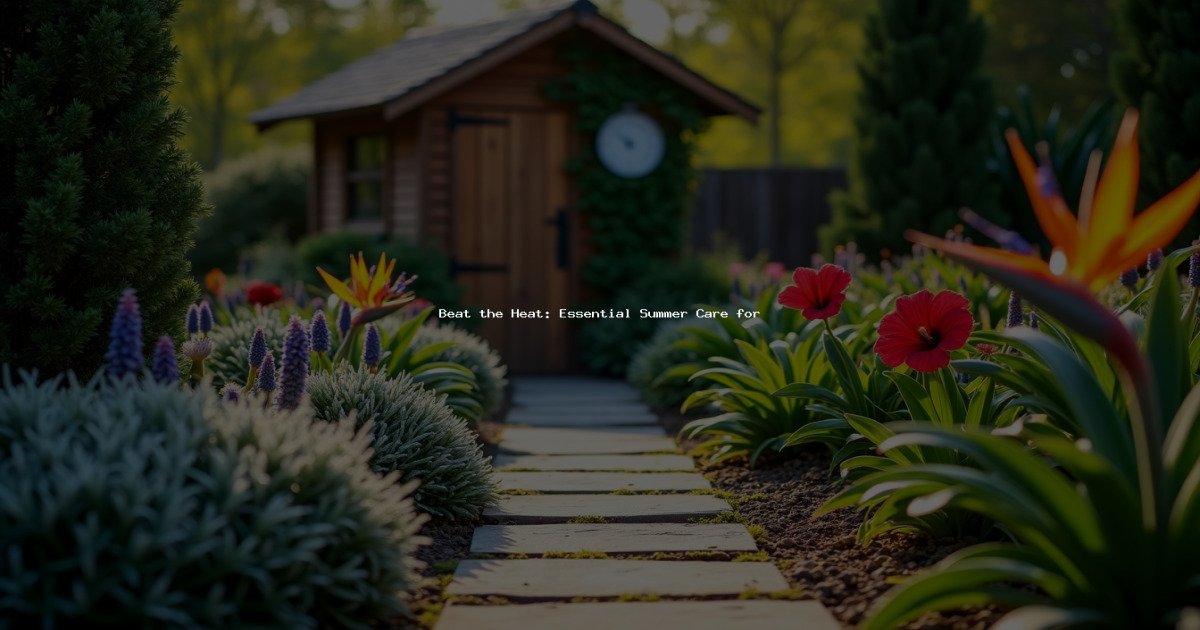
Beat the Heat: Essential Summer Care for a Thriving American Garden
Summer is here, and with it comes the vibrant beauty of a flourishing garden. But for many American gardeners, June marks the beginning of a relentless battle against rising temperatures, scorching sun, and thirsty plants. Remember that excitement on Memorial Day weekend, planting your tomatoes, peppers, and petunias, dreaming of bountiful harvests and colorful blooms? Now, as the mercury climbs into the 80s, 90s, and even triple digits across vast stretches of the continental USA, those dreams can quickly turn into wilting realities if you’re not prepared.
From the humid, sweltering South, where afternoon thunderstorms offer brief respite, to the arid, sun-baked Southwest, where every drop of water is precious, and even the temperate Pacific Northwest experiencing unexpected heatwaves, summer gardening presents unique challenges. Even in the cooler zones of the Northeast or the Upper Midwest, intense heat spells can stress plants not accustomed to such extremes. This isn’t just about survival; it’s about helping your garden thrive, producing lush foliage, abundant flowers, and delicious vegetables despite the heat’s best efforts.
Understanding your specific USDA Hardiness Zone, from Zone 3 in the northern reaches of Minnesota to Zone 10 in Florida and Southern California, is always crucial, but summer care often transcends these boundaries. A heatwave in Zone 5 can be just as devastating to a sensitive plant as prolonged heat in Zone 9. The key lies in proactive strategies: smart watering, protective shading, proper feeding, and vigilant pest management. We’re talking about keeping those precious hydrangeas from crisping, ensuring your tomatoes ripen without sunscald, and helping your lawn stay green without turning into a brown carpet.
This comprehensive guide is your essential companion for navigating the American summer gardening landscape. We’ll dive deep into practical, actionable advice tailored for various US regions, offering insights on everything from efficient irrigation techniques to choosing the right tools and products available at your local Home Depot, Lowe’s, or Amazon US. Get ready to transform your summer garden from a heat-stressed struggle into a resilient, thriving oasis. Let’s beat the heat together and keep your American dream garden flourishing!
Key Takeaways for a Thriving Summer Garden
- Smart Watering is Paramount: Learn when and how much to water to conserve resources and maximize plant hydration.
- Provide Shade & Protection: Shield sensitive plants from intense afternoon sun to prevent scorching.
- Mulch, Mulch, Mulch: A thick layer of mulch is your best friend for moisture retention and weed suppression.
- Feed Wisely: Understand when and what to fertilize to support growth without causing stress.
- Regional Adaptations are Key: Tailor your strategies based on your specific climate zone and local weather patterns.
- Monitor for Pests & Diseases: Heat-stressed plants are more vulnerable; early detection is crucial.
Hydration Hacks: Ultimate Watering Strategies for Summer Survival
As the summer sun beats down across the United States, proper watering becomes the single most critical factor in your garden’s survival and success. It’s not just about turning on the hose; it’s about smart, efficient, and targeted hydration. In June, with longer days and rising temperatures, evaporation rates soar, meaning your plants need more water than ever before. But overwatering can be just as detrimental as underwatering, leading to root rot and fungal diseases. The goal is deep, infrequent watering that encourages roots to grow deeper into the soil, making plants more resilient to drought.
Think about the typical summer day: morning dew quickly evaporates, the sun intensifies, and by afternoon, many plants start to show signs of stress, like wilting leaves. This wilting is often a plant’s way of conserving moisture, but if prolonged, it can cause irreversible damage. The best time to water in almost all US regions is early morning, between 5 AM and 9 AM. This allows the water to soak into the soil before the intense heat of the day causes significant evaporation, and it gives foliage time to dry, reducing the risk of fungal issues. Watering in the evening can be tempting after a long hot day, but wet leaves overnight create a perfect breeding ground for mildew and other diseases, especially in humid climates like the Southeast or parts of the Midwest.
How much water is enough? For most garden plants and lawns, aim for about 1 inch of water per week, either from rainfall or irrigation. However, during heatwaves or for thirsty plants like corn, squash, or many annual flowers, this might need to increase to 1.5-2 inches. Instead of frequent, shallow sprinkles, which only wet the topsoil and encourage shallow roots, aim for a deep soak. This means applying water slowly and steadily until it penetrates 6-12 inches into the soil. You can check this by sticking a trowel or a soil probe into the ground after watering. For vegetable gardens and flower beds, soaker hoses or drip irrigation systems are incredibly efficient, delivering water directly to the root zone with minimal waste. They also keep foliage dry, further preventing diseases. Many US gardeners find these systems, readily available at Lowe’s or Home Depot, to be game-changers for water conservation and plant health.
Consider your soil type too. Sandy soils, common in parts of Florida or the East Coast, drain quickly and may need more frequent watering, while heavy clay soils, found in much of the Midwest, retain water longer but can become waterlogged if over-watered. Incorporating organic matter like compost into your soil annually improves its water-holding capacity, making your watering efforts more effective. Remember, a well-mulched garden bed will retain soil moisture far better than bare soil, significantly reducing your watering frequency. For containers, which dry out much faster than in-ground beds, daily watering might be necessary, sometimes even twice a day during peak heat. Always feel the soil with your finger; if it feels dry an inch or two down, it’s time to water.
Proven Techniques for Efficient Watering
- Deep & Infrequent: Water thoroughly to encourage deep root growth, then allow the topsoil to dry out slightly before watering again.
- Morning is Best: Water early in the day to minimize evaporation and allow foliage to dry.
- Target the Roots: Use soaker hoses or drip irrigation to deliver water directly where it’s needed most, reducing waste and disease risk.
- Rain Gauges: Install a simple rain gauge to accurately measure natural rainfall and adjust your irrigation schedule accordingly.
- Container Care: Potted plants dry out quickly; check them daily, especially during heatwaves. Consider self-watering planters.
Sun Smart Solutions: Protecting Your Plants from Intense Summer Rays
The summer sun, while essential for growth, can become a formidable foe when temperatures soar, especially for plants not accustomed to intense, unfiltered light. Sunscald, wilting, and scorched leaves are common signs that your garden is struggling under the relentless American summer sun. Protecting your plants isn’t just about shade; it’s about strategic placement, thoughtful cover, and understanding which plants are most vulnerable. This is particularly true across the vast continental US, where regions like the Southwest experience extreme UV and heat, but even the Northeast can see tender plants burn during a heatwave.
Many popular garden vegetables, like tomatoes, peppers, and cucumbers, love full sun for at least 6-8 hours a day. However, in areas where temperatures regularly exceed 90°F or 32°C, especially with high humidity, even these sun-lovers can suffer. Sunscald on tomatoes, for instance, appears as pale, leathery spots on the fruit, rendering them inedible. Delicate leafy greens like lettuce, spinach, and Swiss chard, which thrive in cooler spring and fall temperatures, will quickly bolt (go to seed) or burn in the summer heat. Even some ornamental flowers, particularly those with delicate petals or light colors, can fade or crisp up.
One of the simplest and most effective solutions is providing temporary shade during the hottest part of the day, typically from noon to 4 PM. Shade cloth, often available in different densities (e.g., 30% to 50% shade), is an excellent investment. You can drape it over hoops or create a simple frame using PVC pipes or stakes. For smaller plants or containers, even a patio umbrella or an old sheet can offer temporary relief during a heat spell. Positioning taller plants or trellises to naturally shade more sensitive, lower-growing plants can also be an effective organic strategy. For example, planting corn or sunflowers on the west side of a row of lettuce can provide beneficial afternoon shade.
Consider the color of your containers too. Dark-colored pots absorb more heat, increasing soil temperature and stressing roots. Lighter-colored pots reflect more sunlight, keeping roots cooler. Placing containers in areas that receive morning sun but are shaded from the harsh afternoon sun, such as under a porch overhang or a large tree, is another smart move. For new plantings, especially those moved from a protected nursery environment, a gradual acclimatization process (hardening off) is crucial. Don’t just plop them directly into full sun; expose them to increasing amounts of sunlight over a week or two to prevent shock. By being proactive and providing strategic protection, you can help your plants not just survive, but truly thrive under the summer sun.
Easy Ways to Shield Your Garden
- Shade Cloth Savior: Invest in 30-50% shade cloth for vulnerable plants or during heatwaves. Available at garden centers or Amazon US.
- Strategic Planting: Use taller plants (corn, sunflowers) to naturally shade smaller, heat-sensitive crops.
- Container Placement: Move potted plants to areas with morning sun and afternoon shade, or use lighter-colored pots.
- Watering Afternoon Wilts: If plants wilt in the afternoon but perk up by morning, they’re likely stressed by heat, not necessarily thirsty. Provide shade.
- Mulch for Root Protection: A thick layer of mulch (2-4 inches) keeps soil temperatures cooler, protecting roots from scorching.
Nourishing Your Garden: Feeding for Summer Vigor
Just like us, plants need proper nutrition to stay healthy, especially when battling the stresses of summer heat. While spring is often the primary feeding season, strategic fertilization in summer can maintain vigor, support ongoing fruiting, and help plants recover from heat stress. However, summer feeding requires a delicate touch; too much fertilizer, especially high-nitrogen formulas, can push lush leaf growth at the expense of flowers and fruit, and can even burn roots in hot, dry conditions. The key is to understand what your plants need and when.
For heavy feeders like tomatoes, peppers, squash, and corn, continuous nutrition is vital as they are actively producing. Many US gardeners apply a balanced, slow-release granular fertilizer at planting time (around Memorial Day for many regions) and then supplement with a liquid feed every 2-4 weeks. Look for fertilizers with a slightly higher phosphorus (P) and potassium (K) content, like a 2-3-1 or 2-4-2 ratio, which supports fruit and flower development rather than just foliage. Popular American brands like Miracle-Gro, Espoma, or Jobe’s Organics offer a variety of options suitable for vegetables and flowers. Always dilute liquid fertilizers according to package directions and apply them to moist soil to prevent root burn.
Lawns are another area where summer feeding needs careful consideration. In cool-season grass regions (Northeast, Pacific Northwest, Upper Midwest), summer is often a period of dormancy, and heavy feeding can stress the lawn. A light, slow-release nitrogen fertilizer in late spring or early summer (June) can be beneficial, but avoid high-nitrogen “weed and feed” products during peak heat. For warm-season grasses (South, Southwest), which thrive in heat, a summer feeding can help maintain their vibrant green color. However, ensure adequate watering accompanies any fertilization to prevent burning. Often, a well-balanced organic fertilizer or compost can provide gentle, sustained nutrition without the risk of chemical burn, enriching the soil structure in the process.
Container plants, due to frequent watering, lose nutrients faster through leaching. They will generally require more frequent feeding than in-ground plants. A diluted liquid fertilizer every 1-2 weeks is often recommended for containers to keep them blooming and producing. Remember that stressed plants, whether from heat, drought, or pests, should not be heavily fertilized. Focus on addressing the stress first, providing water and shade, before offering a gentle, diluted feed. Healthy soil, rich in organic matter, is the foundation of a resilient garden, reducing the need for constant chemical interventions. Consider top-dressing beds with an inch or two of good quality compost in early summer to give a slow, steady release of nutrients and improve soil health.
Secret Strategies for Happy, Healthy Plants
- Slow & Steady: Opt for slow-release granular fertilizers or organic options for sustained nutrient delivery.
- Targeted Nutrients: Use bloom-boosting (higher P/K) fertilizers for fruiting vegetables and flowering plants.
- Dilution is Key: When using liquid fertilizers, always dilute to half strength during hot weather to prevent root burn.
- Avoid Over-Fertilizing Stressed Plants: Focus on water and shade first; then, if needed, provide a very gentle feed.
- Compost Power: Regularly amend your soil with compost to build soil health, which naturally provides nutrients.
Regional Resiliency: Tailoring Care Across the USA
The vast geographic and climatic diversity of the continental USA means that “summer gardening” isn’t a one-size-fits-all endeavor. What works brilliantly in the humid Southeast might cause disaster in the arid Southwest, and vice versa. Understanding your local climate patterns – average temperatures, humidity levels, typical rainfall, and extreme weather events – is crucial for developing a resilient garden. As June progresses, these regional differences become even more pronounced, demanding tailored strategies to keep your plants happy.
Northeast & Upper Midwest (USDA Zones 3-7)
While these regions enjoy relatively milder summers compared to the South, heatwaves are becoming more common. June often sees pleasant warmth, but July and August can bring stretches of 90°F+ temperatures with high humidity.
- Watering: Focus on deep watering, especially for newly planted annuals and vegetables. Monitor rainfall; sudden downpours might not penetrate compacted soil effectively.
- Mulch: Essential for moisture retention and weed suppression. Use 2-3 inches of wood chips, straw, or shredded leaves.
- Sun Protection: While most plants can handle full sun, provide afternoon shade for delicate greens or during prolonged heatwaves. Container plants are more vulnerable.
- Pest Watch: Japanese beetles and squash bugs become active in June. Stay vigilant!
The South & Southeast (USDA Zones 7-10)
This region is characterized by long, hot, humid summers, often with afternoon thunderstorms. The intensity of the sun combined with high humidity presents unique challenges.
- Watering: Daily deep watering, especially for containers and thirsty crops like tomatoes. Drip irrigation is highly recommended to combat evaporation and disease.
- Mulch: A thick layer (3-4 inches) is non-negotiable to keep soil cool and moist.
- Sun Protection: Shade cloth is a must for many vegetables and delicate ornamentals during the hottest part of the day. Consider planting in locations that get morning sun and afternoon shade.
- Plant Choices: Focus on heat-tolerant varieties – okra, sweet potatoes, southern peas, zinnias, and impatiens thrive here.
Midwest (USDA Zones 4-7)
Summers here can be a mixed bag – hot and humid, often with strong thunderstorms, and occasional dry spells. The soil is typically rich, but can compact easily.
- Watering: Pay close attention to rainfall. Erratic patterns mean you might need to water deeply after a dry spell, even if it rained recently. Lawns often go dormant in summer; don’t force them green unless you have a good irrigation system.
- Mulch: Standard mulch application (2-3 inches) is beneficial to maintain consistent soil moisture.
- Wind Breaks: Strong summer winds can dry out plants quickly; consider temporary windbreaks for vulnerable areas.
- Pest & Disease: High humidity can lead to fungal issues (powdery mildew, blight). Ensure good air circulation and avoid overhead watering in the evening.
Southwest (USDA Zones 7-10)
Arid conditions, intense sun, and extreme heat are the hallmarks of a Southwestern summer. Water conservation is paramount.
- Watering: Drip irrigation or soaker hoses are almost essential. Focus on deep, infrequent watering to encourage drought-tolerant roots. Early morning watering is crucial.
- Mulch: Thick layers of organic mulch or even gravel/rock mulch (for appropriate plants) help retain moisture and cool the soil.
- Shade: Shade cloth is often a necessity for most edibles and many ornamentals. Planting under existing trees or structures is highly beneficial.
- Plant Choices: Prioritize drought-tolerant, native plants. Succulents, cacti, and desert-adapted shrubs and trees are ideal.
Pacific Northwest (USDA Zones 6-9)
Known for its mild, wet winters, the PNW often experiences dry, increasingly hot summers. While typically less extreme than other regions, heatwaves are becoming more frequent.
- Watering: While less frequent than the Southwest, summer drought can be severe. Deep watering is necessary, especially for non-native plants.
- Mulch: Helps conserve precious moisture during the dry summer months.
- Sun Protection: Even typically full-sun plants might need afternoon shade during heatwaves, especially those with tender foliage.
- Container Care: Containers dry out rapidly; consistent watering is key.
No matter your region, observing your plants daily is the best indicator of their needs. A slight wilt in the afternoon might be normal, but if it persists into the morning, it’s a sign of thirst. A quick check of the soil moisture with your finger can confirm. By adapting your practices to your specific climate, you can cultivate a garden that thrives through the American summer.
Weed Warriors & Pest Patrol: Keeping Undesirables at Bay
Summer heat doesn’t just stress your beloved plants; it also creates prime conditions for weeds and pests to proliferate. A stressed plant is a vulnerable plant, making it an easier target for opportunistic invaders. In June, as temperatures rise, many insect populations boom, and weeds, fueled by both sun and any available moisture, seem to sprout overnight. Maintaining vigilance and implementing proactive strategies are key to keeping your garden healthy and productive across the diverse US landscape.
Weeds compete directly with your garden plants for vital resources: water, nutrients, and sunlight. During a heatwave, when water is already scarce, a patch of weeds can significantly deprive your vegetables and flowers. The best defense against weeds is prevention. A thick layer of mulch (2-4 inches) is your absolute best friend. It smothers weed seeds, preventing them from germinating, and those that do manage to sprout are often weak and easy to pull. For vegetable gardens, straw, shredded leaves, or wood chips are excellent choices. For ornamental beds, bark mulch or pine needles work well. When weeds do appear, pull them when they are small and the soil is moist (after rain or watering). This makes removal easier and ensures you get the entire root. Avoid letting weeds go to seed, as one plant can produce thousands of seeds, perpetuating the problem for seasons to come. Using a hoe on a dry, sunny day can also be effective for shallow-rooted weeds, as the disturbed weeds will quickly dry out and die.
Pest management in summer often feels like a full-time job. Common culprits across the US include aphids, spider mites, squash bugs, cucumber beetles, Japanese beetles, and various caterpillars. Heat-stressed plants emit chemical signals that can attract pests, making them even more susceptible.
- Aphids: Often found on new growth, they suck plant sap. Blast them off with a strong stream of water or use insecticidal soap.
- Spider Mites: Thrive in hot, dry conditions. Look for fine webbing and tiny speckled leaves. Regularly spray plants with water, especially undersides of leaves, or use horticultural oil.
- Squash Bugs/Cucumber Beetles: Major nuisances for cucurbits. Hand-pick adults and egg clusters. Use row covers early in the season to prevent them from laying eggs.
- Japanese Beetles: Devour leaves and flowers. Hand-picking in the morning and dropping them into soapy water is effective for small infestations. Traps can attract more beetles, so use them wisely and away from your garden.
Encouraging beneficial insects like ladybugs, lacewings, and parasitic wasps is a fantastic organic strategy. Plant flowers that attract them, such as dill, fennel, cilantro, and cosmos. Avoid broad-spectrum pesticides, which kill beneficials along with pests. Regularly inspect your plants – look under leaves, check stems – so you can catch infestations early before they become unmanageable. A healthy, well-nourished garden is more resistant to pests and diseases, so combine these pest patrol strategies with good watering and feeding practices.
Best Practices for a Pest-Free Patch
- Mulch, Mulch, Mulch: Your primary defense against weeds and helps conserve moisture.
- Early Detection: Inspect plants daily for signs of pests or disease. Early intervention is key.
- Hand-Picking: Effective for larger pests like squash bugs and Japanese beetles.
- Horticultural Oils & Soaps: Organic options for soft-bodied pests like aphids and spider mites.
- Attract Beneficals: Plant companion flowers to invite predatory insects into your garden.
- Cleanliness: Remove diseased leaves and plant debris to prevent disease spread.
Tool Time & Top Products: Essential Gear for Summer Gardening
Having the right tools and products can make all the difference in navigating the challenges of summer gardening. From efficient watering systems to protective gear, investing in quality equipment from trusted American retailers like Home Depot, Lowe’s, or readily available on Amazon US, can save you time, effort, and ultimately, your plants. Here’s a look at essential gear that every US home gardener should consider for summer success.
Smart Watering Solutions
Efficient watering is non-negotiable.
- Soaker Hoses/Drip Irrigation Kits: These systems deliver water directly to the root zone, minimizing evaporation and keeping foliage dry. Brands like Orbit, Rain Bird, and Dramm offer excellent options. A basic drip kit from Home Depot can cover a small vegetable bed for around $30-$50.
- Watering Wands: For targeted hand-watering, a wand with a gentle shower setting is ideal for delicate plants and containers. Dramm and Gilmour are popular choices.
- Moisture Meters: A simple, inexpensive tool (often under $15 on Amazon) to accurately gauge soil moisture at root level, preventing over or under-watering.
- Programmable Timers: Attach to your outdoor faucet to automate watering, ensuring consistent early morning hydration, especially useful for drip systems. Orbit and Melnor have reliable models.
Sun Protection & Soil Health
Protecting plants and maintaining soil vitality.
- Shade Cloth: Available in various densities (30-50% is common) and sizes. You can find rolls at Lowe’s or pre-cut pieces on Amazon. Prices vary from $20 for a small sheet to $100+ for larger rolls.
- Quality Mulch: Bags of shredded hardwood mulch, cedar mulch, or pine bark nuggets are readily available at any garden center. Expect to pay $3-$6 per bag. Straw bales are another economical option for vegetable gardens.
- Compost: Bagged compost or composted manure from brands like Black Kow or Kellogg Garden Organics enriches soil, improves water retention, and provides slow-release nutrients.
Pest Control & General Maintenance
Staying ahead of garden invaders and keeping things tidy.
- Garden Gloves: Essential for protecting your hands from thorns, dirt, and blisters. Look for breathable options for summer.
- Hand Trowel & Weeding Fork: For precision weeding and planting. Fiskars and Ames are reliable brands.
- Insecticidal Soap/Horticultural Oil: Safer alternatives to chemical pesticides for controlling soft-bodied pests. Safer Brand is a popular choice available on Amazon or in garden centers.
- Pruners: Keep deadheading flowers and pruning back leggy growth. Felco or Fiskars offer durable options.
When selecting products, always read reviews, especially for American homeowners. Consider durable tools that will last season after season. Many of these products are available with free shipping for Amazon Prime members or for in-store pickup at your local Home Depot or Lowe’s, making it easy to gear up for a successful summer gardening season.
Comparison Table: Top Summer Garden Essentials
| Product | Best For | Price Range | Where to Buy | Rating |
|---|---|---|---|---|
| Orbit Drip Irrigation Kit | Efficient watering of vegetable beds & rows | $30 – $60 | Home Depot, Lowe’s, Amazon US | 4.5/5 stars |
| 50% Shade Cloth | Protecting heat-sensitive plants from sunscald | $20 – $100+ (by size) | Amazon US, Specialty Garden Stores | 4.7/5 stars |
| Espoma Organic Tomato-tone | Nourishing fruiting vegetables like tomatoes & peppers | $15 – $25 (8lb bag) | Garden Centers, Amazon US | 4.6/5 stars |
| Safer Brand Insecticidal Soap | Organic control of aphids, spider mites, whiteflies | $10 – $20 | Lowe’s, Home Depot, Amazon US | 4.4/5 stars |
| Shredded Hardwood Mulch | Moisture retention, weed suppression, soil cooling | $3 – $6 per bag | Home Depot, Lowe’s, Local Nurseries | 4.8/5 stars |
Expert Tips for a Resilient American Summer Garden
Beyond the core strategies, these quick, actionable tips from seasoned American gardeners will help you fine-tune your summer care and ensure your garden remains a vibrant sanctuary despite the heat.
- Water Deeply, Less Often: Aim for deep, infrequent watering to encourage strong, deep root systems. Don’t just sprinkle!
- Mulch Heavily: Apply 2-4 inches of organic mulch (straw, wood chips, shredded leaves) to conserve moisture, suppress weeds, and regulate soil temperature.
- Water Early Mornings: Best time to water to minimize evaporation and allow foliage to dry before nightfall, reducing disease risk.
- Provide Afternoon Shade: Use shade cloth or strategically placed taller plants to protect sensitive crops from intense midday sun.
- Fertilize Sparingly in Heat: Avoid heavy fertilization during extreme heat, as it can stress plants. Opt for diluted liquid feeds or slow-release organic options.
- Deadhead Regularly: Remove spent blooms from flowers to encourage continuous flowering and prevent plants from putting energy into seed production.
- Harvest Promptly: Pick ripe vegetables and fruits regularly to encourage more production and prevent pests.
- Monitor for Pests Daily: Early detection is key. Look under leaves and along stems for signs of insects or disease.
- Improve Air Circulation: Prune lower leaves or thin out dense plants to improve airflow, especially in humid climates, to prevent fungal diseases.
- Consider Container Color: Use lighter-colored pots that reflect sunlight, keeping roots cooler than dark-colored containers.
- Group Plants by Water Needs: Place plants with similar water requirements together to optimize irrigation efficiency.
- Check Soil Moisture, Don’t Guess: Stick your finger 2 inches into the soil. If it’s dry, it’s time to water.
- Plant Heat-Tolerant Varieties: For late summer plantings or in consistently hot regions, choose varieties known to perform well in heat (e.g., specific tomato varieties, okra, southern peas).
Frequently Asked Questions About Summer Garden Care
How often should I water my garden in a typical
You Might Also Like

10 Tips For Every Home Gardener

Picking Veggies Right: A Guide to Timely Harvesting 2024

5 Tropical Gardening Ideas That Will Transform Your Outdoor Space

How to prepare a winter garden bed
Growing Mulberries in Your Backyard: A Simple Guide

Hugelkultur Gardening: Transforming Your Garden with Raised Beds
