Ah, June! That glorious sweet spot in the American gardening calendar when the days are long, the sun is high, and your raised beds are practically humming with life. For many of us across the continental USA, Memorial Day planting is behind us, and the anticipation of summer bounty is thick in the air. From the humid South to the sunny Southwest, the fertile Midwest to the vibrant Northeast, and the mild Pacific Northwest, June marks the true beginning of the season’s rewards and the crucial window for setting up your garden for peak performance right through to Labor Day and beyond.
There’s nothing quite like stepping out into your backyard, coffee in hand, and seeing your raised beds bursting with verdant growth. The promise of vine-ripened tomatoes, crisp cucumbers, and fragrant herbs is a powerful motivator. But June isn’t just about admiring your handiwork; it’s a month packed with essential tasks. The summer heat is kicking in, demanding vigilant watering, smart planting choices, and proactive pest management. Whether you’re a seasoned green thumb in USDA Zone 7 expecting your first squash or a newbie in Zone 5 just getting the hang of succession planting, this detailed guide is your ultimate checklist for ensuring your raised beds thrive.
We’ll dive deep into everything you need to know: what to get into the soil now for a continuous harvest, what delicious treasures are ready for your dinner plate, and how to keep your plants happy and healthy through the dog days of summer. We’ll cover regional nuances, because a gardener in Florida faces different challenges than one in Minnesota or Oregon. We’ll even recommend some of our favorite American-made tools and products you can grab at your local Home Depot, Lowe’s, or with a quick click on Amazon. So grab your gardening gloves, a wide-brimmed hat, and let’s make this June the most productive and rewarding month yet for your raised bed vegetable garden!
Key Takeaways for Your June Raised Bed:
- Plant Warm-Season Crops: It’s prime time for tomatoes, peppers, eggplant, corn, beans, and squash.
- Succession Planting is Key: Maximize space and extend harvests by planting quick-growing crops every 2-3 weeks.
- Water Wisely: Summer heat demands deep, consistent watering, especially for raised beds. Consider drip irrigation.
- Feed Your Soil: Mid-season fertilizing will keep heavy feeders productive.
- Monitor for Pests & Diseases: Be vigilant; early detection is crucial for organic control.
- Harvest Regularly: Frequent harvesting encourages more production and better flavor.
Ultimate June Raised Bed Prep: Soil, Water, and Structure
June is when your raised beds really start to feel the heat and bear the weight of their growing inhabitants. Proper preparation and ongoing maintenance are crucial to ensure your plants don’t just survive, but truly flourish. Think of your raised bed as a living ecosystem; what you put into it now directly impacts the bounty you’ll pull out later.
First and foremost, let’s talk about soil. Your raised bed soil, unlike traditional in-ground gardens, can dry out faster and nutrients can leach more quickly. As plants grow larger, they become heavy feeders. If you didn’t amend your soil heavily in spring, now’s the time for a mid-season boost. A good quality organic compost or aged manure can be gently worked into the top few inches around existing plants. For an extra kick, consider a balanced organic granular fertilizer. Look for products like Espoma Garden-tone, available at most Home Depot or Lowe’s stores, which provides a slow-release nutrient supply. A 20-pound bag typically costs around $20-$30 and can cover a significant area.
Watering in June shifts from moderate to critical. With longer days and rising temperatures (often hitting 80-90°F or even higher in many parts of the US), your raised beds will demand more frequent and deeper watering. The goal is to water the root zone, not just the surface. This means applying enough water to penetrate 6-12 inches deep. For a typical 4×8 foot raised bed, this could mean 5-10 gallons of water every other day, depending on your soil type and local climate. Drip irrigation or soaker hoses are absolute game-changers for raised beds. They deliver water directly to the plant roots, minimizing evaporation and saving you time. A basic drip irrigation kit for a few raised beds can be found on Amazon or at Lowe’s for $50-$100 and can be easily installed in an afternoon.
Finally, consider the structure and support for your plants. Tomatoes, cucumbers, pole beans, and many vining plants will be reaching for the sky. Providing sturdy stakes, cages, or trellises now prevents damage later. Tomato cages from Home Depot or Lowe’s (around $5-$10 each) are a common choice, but robust staking with rebar and twine, or custom-built trellises, offer superior support for heavy fruit loads. Don’t wait until your plants are flopping over; get those supports in place early. This not only protects your plants but also improves air circulation, which is vital for preventing fungal diseases in the humid summer air.
Amending Your Raised Bed Soil Mid-Season
As your plants mature, they’re drawing a lot of nutrients from the soil. A mid-season soil amendment can make all the difference. Gently scratch in a few inches of fresh compost around the base of plants. For heavy feeders like corn, squash, and tomatoes, a side dressing of organic fertilizer, like Jobes Organics Tomato & Vegetable Food, can provide the necessary boost. Always water thoroughly after fertilizing to help the nutrients reach the root zone.
Efficient Watering Systems for Summer
Forget the oscillating sprinkler; raised beds thrive with targeted watering. Drip irrigation systems, often available in starter kits, deliver water directly to the roots, reducing water waste and preventing fungal diseases that can arise from wet foliage. Another excellent option is a soaker hose, which slowly releases water along its length. Set a timer for early morning watering to minimize evaporation and ensure your plants are hydrated before the midday sun hits. Remember, a deep, infrequent watering is better than shallow, frequent sprinkles.
Building Strong Support Systems
June is when many vining plants truly take off. Tomatoes, cucumbers, melons, and pole beans will need robust support. For tomatoes, heavy-duty cages or sturdy stakes (like 6-foot wooden stakes or rebar) are essential. Trellises for cucumbers and pole beans not only save space but also keep fruit off the ground, reducing rot and pest issues. Consider simple DIY trellises using cattle panels or netting, which can be found at farm supply stores or even online. Installing these supports when plants are smaller is much easier and less disruptive.
What to Plant Now: Summer Superstars for Your Raised Bed
June is prime time for planting in most USDA zones across the US, especially for warm-season vegetables that crave the heat. While folks in the deep South might be finishing up their spring plantings and looking towards heat-tolerant varieties, gardeners in the Northeast, Midwest, and Pacific Northwest are just getting into their stride with the main summer crops. This is the month to ensure your raised beds are packed with plants that will provide a continuous harvest through July, August, and even into early fall. The key here is to think strategically about succession planting and maximizing your space.
For most of the country, now is the perfect moment to plant an array of summer staples. Tomatoes (especially determinate varieties for a concentrated harvest, or indeterminate for a season-long yield), peppers (bell, jalapeño, poblano), and eggplants should be going into the ground as transplants if you haven’t already. These heat-lovers need consistent warmth to thrive, and June delivers. Look for disease-resistant varieties suited to your region. American seed companies like Burpee, Baker Creek Heirloom Seeds, and Park Seed offer a fantastic selection of tried-and-true favorites and exciting new hybrids.
Beyond the “big three,” June is also ideal for direct sowing many other summer vegetables. Bush beans and pole beans can be planted every 2-3 weeks for a continuous supply. Cucumbers, whether bush or vining types, will absolutely explode with growth in the June sun. Summer squash (zucchini, yellow squash) and winter squash (butternut, spaghetti, acorn) can also be direct sown now, though be mindful of space for winter varieties. Corn, if you have enough room in your raised bed for block planting (at least a 4×4 foot section for good pollination), will grow rapidly. Sweet potatoes can also be planted from slips in warmer regions (USDA Zones 8-11) for a late fall harvest.
Don’t forget quick-growing crops! While some might think of lettuce and radishes as spring or fall crops, you can often sneak in heat-tolerant varieties of lettuce (like ‘Black Seeded Simpson’ or ‘Buttercrunch’) in shadier spots, or plant a final round of radishes that mature quickly before the intense July heat. Herbs like basil (a must-have!), cilantro, dill, and parsley can be planted or direct sown now. Remember, June is all about abundance, so fill those beds with intention!
Planting for Continuous Harvest: Succession Planting
Succession planting is your secret weapon for a truly productive raised bed. Instead of planting all your lettuce or radishes at once, sow small batches every 2-3 weeks. This ensures a steady supply rather than a glut. In June, apply this to bush beans, cilantro, dill, and even some faster-maturing summer squash varieties. As one crop finishes, you’ll have another one coming right behind it, maximizing your precious raised bed real estate. For example, once your early spring spinach bolts, replace it with a quick crop of bush beans or a heat-tolerant herb.
Heat-Loving Crops to Get in the Ground
June is the sweet spot for plants that truly thrive in the heat. Think tomatoes, peppers, eggplant, and okra. For gardeners in cooler zones, ensure nighttime temperatures are consistently above 50°F before planting these. In warmer zones, choose varieties known for heat tolerance. Don’t forget melons and watermelons! While they take up significant space, many compact varieties are perfect for larger raised beds. Consider ‘Sugar Baby’ watermelon or ‘Minnesota Midget’ cantaloupe for delicious results.
Direct Sowing vs. Transplants: Making the Right Choice
Many vegetables can be direct sown in June, saving you time and money on transplants. Beans, corn, cucumbers, squash, and root vegetables like carrots and beets (in cooler regions, or heat-tolerant varieties) do well when sown directly into the soil. For crops like tomatoes, peppers, and eggplant, starting with transplants is usually more efficient, giving them a head start and allowing them to produce earlier. You can find healthy, robust transplants at your local nursery, Home Depot, or Lowe’s.
Harvesting Happiness: What’s Ripe for the Picking in June
June isn’t just about planting; it’s also about celebrating the first fruits (and vegetables!) of your labor. Depending on your USDA zone and what you planted in early spring, your raised beds might already be overflowing with delicious, homegrown produce. There’s an unparalleled joy in picking your own food, still warm from the sun, and bringing it straight to your kitchen. Regular harvesting is not only rewarding for you but also crucial for the plants themselves, encouraging them to produce even more.
For many across the US, early June might still see the tail end of cool-season crops. If you planted spinach, lettuce, radishes, or peas early enough, you could be enjoying the last of these before the heat makes them bolt. Harvest these greens frequently by picking outer leaves to extend their season. Radishes and peas are quick to mature, so keep an eye on them; leaving them on the plant too long can make radishes woody and peas starchy.
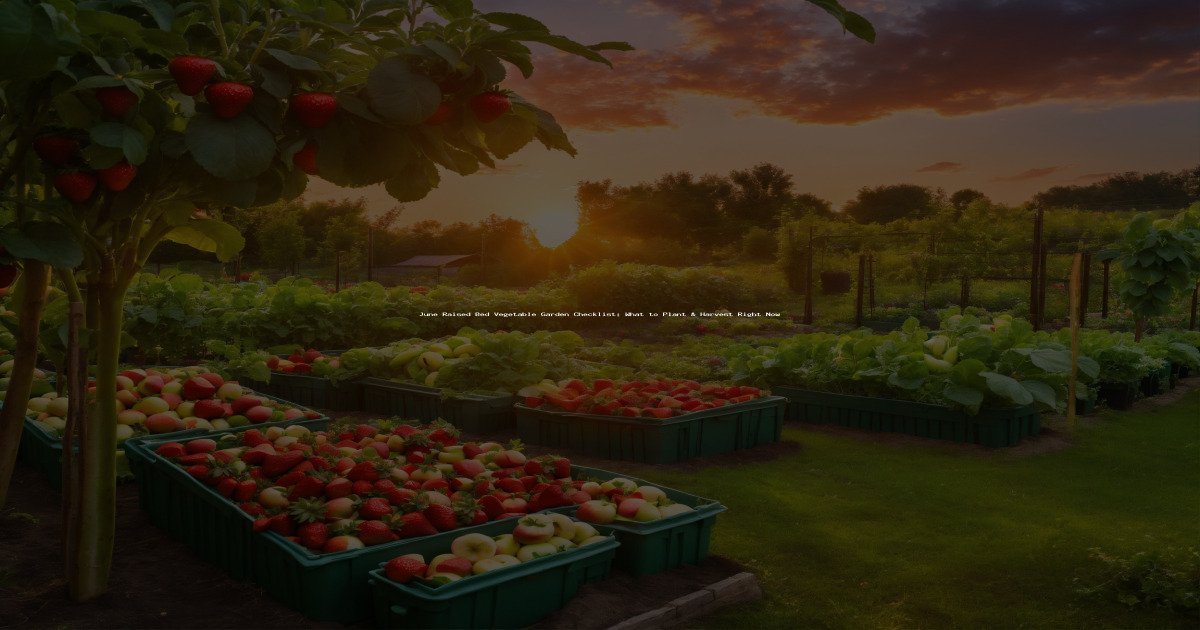
As the month progresses and temperatures rise, the summer superstars truly begin to shine. Strawberries, if you have them in a dedicated raised bed, will be producing a glorious flush of sweet, red berries. Pick them gently in the morning when they’re cool. Early varieties of bush beans and snap peas planted in April or May will likely be ready for their first pickings. The more you pick, the more they produce, so make it a daily ritual! Zucchini and yellow squash are notorious for their rapid growth; check them daily, as a small squash can turn into a giant overnight. Aim to pick them when they’re young and tender for the best flavor and texture, typically 6-8 inches long.
Herbs like cilantro, dill, and parsley will be lush and ready for snipping. Basil, especially if you planted it in late May, will be robust enough for its first significant harvest. Regular pinching of basil leaves not only gives you fresh herbs but also encourages bushier growth. Don’t forget garlic and onions! If you planted hardneck garlic in fall, scapes (the curly flower stalks) will emerge in June and are a gourmet treat. Harvest them when they’ve done one or two curls to encourage larger bulbs. Early onions might be ready to pull for fresh use, especially if you’re growing smaller varieties from sets. Enjoy the bounty, and remember to process or preserve any excess to enjoy throughout the year!
The Art of Harvesting Greens & Herbs
For leafy greens like lettuce, spinach, and kale, employ the “cut and come again” method. Harvest the outer leaves, allowing the inner leaves to continue growing. This extends your harvest significantly. For herbs like basil, cilantro, and parsley, regular pinching and snipping not only provides you with fresh flavor but also encourages bushier, more productive plants. For basil, pinch off flower buds as soon as they appear to keep the plant focused on leaf production. Always harvest in the morning after the dew has dried for the best flavor and shelf life.
Picking Your First Summer Squash & Beans
Zucchini and yellow squash grow at an astonishing rate in June! Check your plants daily and harvest when they are young and tender, usually 6-8 inches long. Overripe squash becomes tough and seedy. For bush beans and pole beans, begin picking when the pods are firm and snap easily. Frequent harvesting encourages the plant to produce more. Don’t leave mature beans on the plant, as this signals to the plant to stop producing new pods. Enjoy them fresh, or blanch and freeze any excess.
When to Harvest Early Summer Fruits
If you have strawberries in your raised bed, June is typically peak harvest time for many varieties. Pick berries when they are fully red and fragrant. For peas, harvest when the pods are plump and green. If you’re growing shelling peas, wait until the peas inside are well-developed. Snap peas can be enjoyed whole when the pods are tender. Early varieties of cucumbers might also be ready; pick them when they reach the desired size, before they become yellow and seedy.
Regional Raised Bed Rundown: Tailoring Your June Garden Across the USA
Gardening in the United States is a wonderfully diverse experience, driven by our vast geographical and climatic differences. What works perfectly in a raised bed in sunny Florida might be entirely different from what a gardener in the rainy Pacific Northwest needs to do. June intensifies these regional distinctions, as the summer heat truly settles in. Understanding your specific region’s climate and adapting your gardening practices accordingly is the cornerstone of a successful raised bed.
Northeast (USDA Zones 4-7): For states like New York, Pennsylvania, and New England, June is the heart of the main growing season. Most frost danger is long gone, and temperatures are reliably warm. It’s still prime time to plant warm-season crops like tomatoes, peppers, eggplant, corn, and beans. You can also direct sow summer squash, cucumbers, and even a final round of carrots or beets in early June. Focus on consistent watering, as June can bring both humid days and sudden dry spells. Keep an eye out for common pests like Colorado potato beetles and squash bugs, which become more active now. Mulching your raised beds with a couple of inches of straw or shredded leaves is particularly beneficial here to conserve moisture and suppress weeds during the humid summer.
The South (USDA Zones 7-10): From the Carolinas to Georgia, Florida, and the Gulf Coast, June means serious heat and humidity. Early spring crops like lettuce and spinach have long bolted. Now, it’s all about heat-tolerant varieties. You might be harvesting early tomatoes and peppers, but also planting a second wave of heat-loving okra, sweet potatoes, and black-eyed peas. Watering is paramount; drip irrigation is almost a necessity. Watch for fungal diseases like powdery mildew, which thrive in humidity, and pests like squash vine borers. Consider providing some afternoon shade for sensitive plants like basil with shade cloth if temperatures consistently climb into the high 90s°F or above.
Midwest (USDA Zones 3-6): States like Ohio, Illinois, Iowa, and Kansas experience a vibrant June. This is peak planting time for all warm-season crops. Your raised beds should be full of tomatoes, peppers, squash, cucumbers, and beans. The long summer days and fertile soil make for rapid growth. Be prepared for potential summer thunderstorms and hailstorms, which can damage plants; consider covering vulnerable crops if severe weather is predicted. Watering is important, but the Midwest often gets good summer rains, so monitor soil moisture rather than sticking to a strict schedule. June is also when Japanese beetles start to emerge, so be vigilant!
Pacific Northwest (USDA Zones 6-9): While known for rain, June in the PNW (Oregon, Washington) often brings drier, sunnier weather, especially after “June Gloom” or “Juneuary” passes. This is a crucial time for warm-season crops to really take off. Tomatoes, peppers, and corn need all the sun they can get. Ensure good air circulation to prevent powdery mildew, a common issue in this region’s sometimes damp climate. You can still plant successive crops of bush beans, lettuce (heat-tolerant varieties), and even some root vegetables. Watering becomes more critical as the dry season progresses, especially in raised beds.
Southwest (USDA Zones 7-10): Arizona, Nevada, and parts of California and Texas face intense heat and often arid conditions in June. Raised beds are excellent here for managing soil and water. Focus on extremely heat-tolerant crops like peppers (especially chilies), okra, sweet potatoes, and specific varieties of corn and beans. Providing afternoon shade with shade cloth is often essential to prevent scorching. Deep, infrequent watering is key to encourage strong root development, and heavy mulching is non-negotiable to conserve every drop of moisture. Consider planting drought-tolerant herbs like rosemary and thyme.
Northeast & Midwest: Maximizing Your Main Season
For these regions, June is the absolute heart of the planting season. Focus on getting all your warm-season crops established – tomatoes, peppers, eggplant, corn, and all types of squash and beans. Utilize succession planting for quick-growing crops like bush beans and cilantro to ensure a continuous harvest. Keep an eye on weather forecasts for severe storms and be ready to provide temporary protection if needed. Consistent moisture is key, but don’t overwater if summer rains are plentiful.
The South & Southwest: Beating the Heat
Gardeners in the Southern and Southwestern states face intense heat and often high humidity or extreme aridity. Prioritize heat-tolerant varieties and consider providing afternoon shade for sensitive plants with shade cloth (available at garden centers or online). Water deeply and efficiently, preferably with drip irrigation, and mulch heavily to retain soil moisture. In the South, be extra vigilant for fungal diseases; in the Southwest, focus on drought-tolerant herbs and vegetables and those that can withstand intense sun.
Pacific Northwest: Capitalizing on Summer Sunshine
After a typically damp spring, June usually brings much-anticipated sunshine to the PNW. This is the time to ensure your warm-season crops get established and thrive. Good air circulation is vital to prevent powdery mildew, which can be an issue in the often-humid conditions. While you might still get some cooler nights, these are generally favorable for plant growth. Don’t forget that even in the PNW, raised beds can dry out quickly, so consistent watering becomes important as the summer progresses.
Essential Tools & Products for Your June Raised Bed
Having the right tools and products can make all the difference in the success and enjoyment of your June raised bed gardening. From efficient watering solutions to effective pest control, these American-available essentials will help you navigate the challenges and maximize the bounty of summer. We’re talking about items you can easily find at your local Home Depot, Lowe’s, or with a quick order from Amazon US.
Watering Solutions: As mentioned, deep and consistent watering is paramount. A good quality soaker hose or a full drip irrigation kit is a top recommendation. For a 4×8 foot raised bed, a 25-foot soaker hose (like the Gilmour Flat Soaker Hose, around $15-$25 at Lowe’s) works wonders. If you prefer drip, look for a starter kit from brands like Rain Bird or Orbit on Amazon ($50-$100), which usually includes tubing, emitters, and connectors. For manual watering, a watering wand with a gentle shower setting (like the Dramm One Touch Rain Wand, around $30 at garden centers) provides excellent control and reduces soil compaction.
Soil Amendments & Fertilizers: Your plants are hungry! A bag of good quality organic compost (available in 1-2 cubic foot bags for $5-$10 at Home Depot) is always a winner. For a targeted nutrient boost, consider an organic, all-purpose granular fertilizer. Espoma Garden-tone (20 lbs for $20-$30 at Lowe’s) or Jobes Organics Vegetable & Tomato Food (4 lbs for $10-$15 on Amazon) are excellent choices that provide a slow, steady release of nutrients, perfect for mid-season feeding. For a quick boost, a liquid organic fertilizer like FoxFarm Grow Big Liquid Plant Food (1 quart for $15-$20 on Amazon) can be diluted and applied when watering.
Pest & Disease Management: June brings out the bugs. A sturdy hand sprayer (like a 1-gallon sprayer for $15-$25 at Home Depot) is essential for applying organic pest controls. For common issues like aphids or spider mites, a ready-to-use bottle of Neem oil spray (Garden Safe Fungicide3, Insecticide, Miticide for $10-$15 at Lowe’s) is a must-have. For larger pests like squash bugs or Japanese beetles, a pair of good quality gardening gloves (like Wells Lamont leather gloves, $10-$20 at most hardware stores) and a bucket of soapy water for hand-picking are invaluable. Don’t forget row covers (lightweight insect netting, often $20-$40 for a large roll on Amazon) for protecting young plants from early season pests, especially squash vine borers.
Support Structures: As plants grow, they need support. Heavy-duty tomato cages (pack of 3 for $20-$30 at Home Depot) are a common choice. For more robust support, consider rebar stakes (4-6 feet long, $5-$10 each) and a roll of heavy-duty gardener’s twine (often just a few dollars). For vining crops, a roll of garden netting or a small cattle panel (often $20-$40 at farm supply stores or some Lowe’s locations) makes an excellent trellis. These tools, readily available across the USA, will empower you to keep your raised beds productive and beautiful all summer long.
Smart Watering for Summer Heat
To combat June’s rising temperatures, efficient watering is non-negotiable. A drip irrigation system delivers water directly to the plant roots, minimizing waste and evaporation. Look for brands like Rain Bird or Orbit at Lowe’s or Home Depot. If you prefer manual, a watering wand with a gentle shower setting from Dramm allows for deep, targeted watering without disturbing the soil. Consider adding a timer to your irrigation system for hands-free watering, especially important during heat waves.
Nutrient Boosts for Peak Production
As plants flower and set fruit, they demand more nutrients. A slow-release granular organic fertilizer like Espoma Garden-tone or Jobes Organics Vegetable & Tomato Food, readily available at garden centers and hardware stores, can be side-dressed around plants. For quick nutrient absorption, a liquid feed such as FoxFarm Grow Big, mixed with water, can be applied every few weeks. Remember to always follow package directions for application rates to avoid over-fertilizing.
Defending Against Summer Pests & Diseases
June often sees an increase in pest activity. Equip yourself with a hand sprayer for applying organic solutions. Neem oil spray (e.g., Garden Safe Fungicide3) is an excellent multi-purpose option for aphids, spider mites, and some fungal issues. For larger pests like squash bugs and Japanese beetles, old-fashioned hand-picking into a bucket of soapy water is highly effective. Consider using floating row covers for vulnerable crops like squash and cucumbers to protect them from borers and beetles during their most susceptible stages.
Mastering Summer Challenges: Pests, Diseases, and Heat Stress
June brings not only the bounty but also the battles. As your raised beds burst with life, so too do the challenges of summer gardening. Pests become more active, diseases find fertile ground in warm, humid conditions, and the relentless sun can take a toll on even the hardiest plants. Being proactive and understanding these common issues is key to keeping your garden thriving and productive throughout the season.
Pest Patrol: The most common June culprits include aphids, spider mites, squash bugs, cucumber beetles, and for some regions, Japanese beetles. Regular scouting is your best defense. Spend a few minutes each morning inspecting the undersides of leaves, stems, and new growth. If you spot aphids, a strong blast of water from your hose can dislodge them. For more persistent infestations, an organic insecticidal soap or Neem oil spray (like Garden Safe brand, found at Lowe’s or Home Depot) works wonders. Squash bugs and cucumber beetles are often best handled by hand-picking them off plants and dropping them into a bucket of soapy water. For Japanese beetles, pheromone traps can be used, but place them away from your garden as they can attract more beetles. Alternatively, hand-pick them in the early morning when they’re sluggish. Healthy, vigorous plants are less susceptible to severe pest damage, so focus on good soil and proper watering.
Disease Defense: Warm, humid conditions, especially prevalent in the Southeast and Midwest, are breeding grounds for fungal diseases. Powdery mildew, downy mildew, and early blight are common. Good air circulation is crucial; ensure plants aren’t too crowded in your raised bed. Prune lower leaves on tomatoes and squash that touch the soil to prevent soil-borne pathogens from splashing up. Water at the base of plants, using drip irrigation or a soaker hose, to keep foliage dry. If you spot early signs of powdery mildew (white, powdery spots on leaves), an organic fungicide like a baking soda spray (1 teaspoon baking soda per quart of water with a few drops of dish soap) or a Neem oil solution can help. Always remove and dispose of severely infected leaves away from your garden.
Heat Stress Management: When temperatures consistently climb into the 90s°F and beyond, plants can suffer from heat stress. Symptoms include wilting (even after watering), leaf scorch, and blossom drop (especially on tomatoes and peppers). The best defense is consistent, deep watering in the early morning. Mulching your raised beds with a 2-4 inch layer of straw, shredded leaves, or wood chips helps keep soil temperatures cooler and conserves moisture. For particularly intense heat waves, consider providing temporary afternoon shade with shade cloth. This can be draped over hoops or stakes to protect sensitive plants. Ensuring good soil health with plenty of organic matter also helps the soil retain moisture and regulate temperature, making plants more resilient to heat. Remember, a little preventative care goes a long way in June!
Identifying and Managing Common June Pests
Keep a sharp eye out for aphids, spider mites, and squash bugs. Aphids often cluster on new growth and the undersides of leaves; a strong spray of water or organic insecticidal soap works well. Spider mites cause stippling on leaves and fine webbing; Neem oil is effective. Squash bugs hide under leaves and lay copper-colored eggs; hand-pick adults and eggs. For Japanese beetles, which appear in many regions in June, hand-picking in the early morning is the most reliable method. https://ecorganicas.com/container-gardening-styling-make-pots-the-star-of-your-patio/
Preventing and Treating Fungal Diseases
Humidity and warmth create ideal conditions for powdery mildew and early blight. Ensure good air circulation by proper plant spacing and pruning lower leaves. Water at the base of plants to keep foliage dry. If powdery mildew appears (white powdery spots), a simple baking soda spray (1 tsp baking soda, 1 quart water, few drops liquid soap) can help. Remove infected leaves promptly. Consider disease-resistant varieties when planting. https://ecorganicas.org/how-deep-to-plant-potatoes/
Coping with Summer Heat Waves
When temperatures soar into the 90s°F, plants can suffer from heat stress. Water deeply and consistently, preferably in the early morning. Mulch your raised beds with 2-4 inches of straw or shredded leaves to keep soil temperatures down and conserve moisture. For extreme heat, use shade cloth to provide temporary relief during the hottest part of the afternoon. This can prevent blossom drop and leaf scorch, especially on tomatoes and peppers.
Expert Tips for a Bountiful June Raised Bed Garden
To truly unlock the potential of your raised beds this June, consider these expert tips tailored for American home gardeners. These practices go beyond the basics, helping you cultivate a thriving, productive, and resilient garden that will be the envy of your neighborhood.
- Master Your Watering Schedule: Raised beds dry out faster than in-ground gardens. Check soil moisture daily by sticking your finger 2-3 inches deep. If it feels dry, it’s time to water. Aim for deep, infrequent