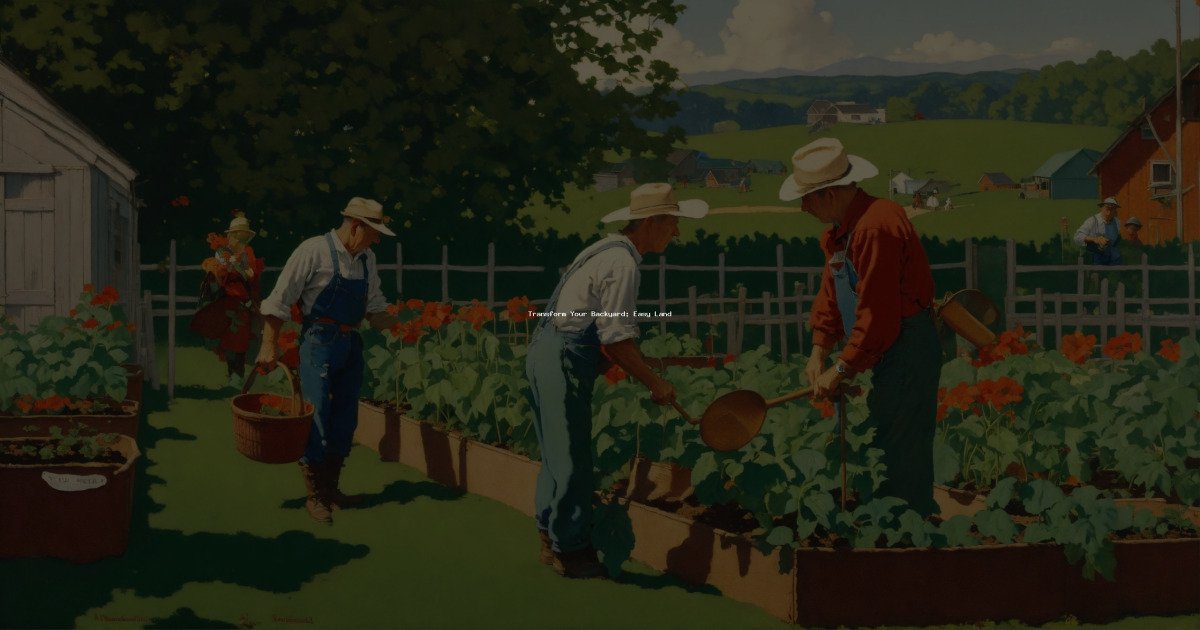
Transform Your Backyard: Easy Landscaping Ideas for Every American Home
Key Takeaways for Your Backyard Transformation
- Embrace Spring: May is prime time for planting, clean-up, and soil enrichment across much of the US.
- Regional Wisdom: Tailor your plant choices and strategies to your specific USDA Hardiness Zone and local climate, from the humid South to the arid Southwest.
- Smart Shopping: Leverage American retailers like Home Depot, Lowe’s, and Amazon US for tools, plants, and decor.
- Budget-Friendly Beauty: Discover DIY projects, seed starting, and composting to create a stunning yard without breaking the bank.
- Water-Wise Wonders: Implement xeriscaping, drip irrigation, and native plants for a sustainable and low-maintenance landscape.
- Elevate Your Oasis: Explore container gardening, vertical solutions, and strategic lighting to add flair and functionality.
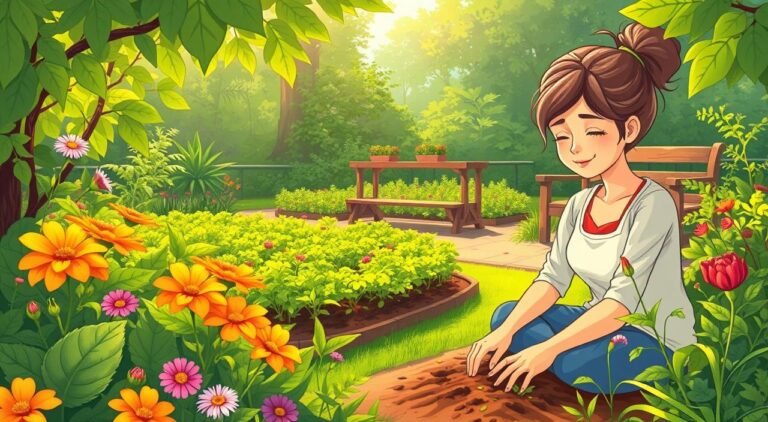
Ah, May! The birds are singing, the sun is shining a little brighter, and the scent of blooming flowers fills the air. For many American homeowners, this glorious spring month ignites a powerful urge: the desire to step outside and truly transform their backyard into a personal sanctuary. Whether you’re dreaming of a vibrant flower bed bursting with color, a serene patio perfect for morning coffee, or a lush green lawn for summer barbecues, the possibilities are as endless as our beautiful continental USA.
Here in America, our diverse climates mean that “gardening” isn’t a one-size-fits-all endeavor. From the frosty springs of the Northeast to the already-sizzling days in Florida and Texas, and the mild, damp breezes of the Pacific Northwest, understanding your specific environment is the first step to success. That’s where the USDA Plant Hardiness Zone Map comes in, acting as your trusty guide to knowing which plants will thrive in your particular neck of the woods. Are you in Zone 5, bracing for a late frost, or basking in Zone 9, already thinking about heat-tolerant annuals? Knowing your zone is like having a secret weapon in your gardening arsenal.
This isn’t just about curb appeal, though that’s certainly a fantastic bonus! Transforming your backyard is about creating an extension of your home, a space where memories are made. Imagine hosting Memorial Day cookouts on a freshly manicured lawn, enjoying quiet evenings under twinkling lights, or watching your kids play in a vibrant, safe outdoor haven. It’s about boosting your property value, yes, but more importantly, it’s about enhancing your quality of life. And guess what? Achieving that dream doesn’t have to be overwhelming or expensive. We’re here to show you how to tackle easy landscaping projects that yield big results, using readily available American products and techniques tailored for your region.
Forget the intimidating landscape design shows that feature massive budgets and professional crews. Our focus is on practical, DIY-friendly ideas that any American homeowner can implement, whether you’re a seasoned green thumb or just starting your gardening journey. We’ll cover everything from simple planting strategies and smart product recommendations from your local Home Depot or Lowe’s, to water-wise solutions and clever ways to maximize even the smallest urban yard. So grab your gardening gloves, a refreshing glass of iced tea, and let’s dive into transforming your backyard into the outdoor oasis you’ve always envisioned, just in time for a spectacular American summer!
Spring into Action: Your Ultimate May Landscaping Checklist
May is a pivotal month for American gardeners. The threat of frost largely recedes in many regions, signaling a green light for planting, planning, and preparing for the abundant growth of summer. This is the month to truly get your hands dirty and set the stage for a spectacular outdoor season. Whether you’re in a cooler Zone 5 or a warmer Zone 8, there are essential tasks that will pay dividends for months to come. Don’t let this prime opportunity slip by – seize the spring energy and make your yard dreams a reality!
Essential Spring Clean-Up
First things first: a thorough spring clean-up. Winter can leave a mess, from fallen leaves and branches to compacted soil. Start by raking out any remaining debris from flower beds and lawns. This not only makes your yard look tidier but also removes hiding spots for pests and diseases. Prune any dead or damaged branches from trees and shrubs. Use sharp bypass pruners for clean cuts that heal quickly. Now is also a great time to edge your garden beds, creating crisp lines between your lawn and planting areas – a simple step that dramatically improves curb appeal. Don’t forget to pull any early-season weeds that have dared to sprout; tackling them now saves you a lot of effort later. A good pair of gardening gloves and a sturdy kneeling pad from your local Home Depot or Lowe’s will make these tasks much more comfortable.
Planting for Success: Annuals, Perennials, & Veggies
May is prime planting time across much of the US. Once soil temperatures consistently reach 60 degrees Fahrenheit, and after your region’s last expected frost date (typically around Memorial Day for many northern states), it’s safe to plant most annuals. Think vibrant petunias, cheerful marigolds, and colorful impatiens to instantly brighten up your beds and containers. For long-term beauty, consider planting perennials like coneflowers, hostas, or daylilies, which will return year after year. Don’t forget your vegetable garden! Tomatoes, peppers, corn, and beans can all be planted from seedlings or direct-sown seeds this month. Look for trusted American seed companies like Burpee, Baker Creek Heirloom Seeds, or Park Seed for a wide selection of varieties suited for your climate. Remember to check plant tags for their specific sun, water, and USDA zone requirements. A good rule of thumb is to plant annuals every 8-12 inches for a full look, and perennials about 18-24 inches apart to allow for mature growth. You can find excellent starter plants at your local nursery or even through Amazon US, often shipped directly to your door.
Nourishing Your Soil: Fertilization & Mulch
Your soil is the foundation of a healthy garden. After winter, it often needs a boost. Perform a soil test (kits are available at garden centers or through your local cooperative extension office https://ecorganicas.org/do-plant-cells-have-mitochondria/) to understand its nutrient profile. Based on the results, amend your soil with compost or a balanced slow-release fertilizer. For lawns, if you haven’t already, May is a good time for a spring feeding, especially for cool-season grasses in northern states or as warm-season grasses like Bermuda and Zoysia begin their active growth in the South. Follow product instructions carefully, often applying 1-2 pounds of nitrogen per 1,000 square feet. Once planting is done and beds are clean, apply a 2-4 inch layer of organic mulch (like shredded bark, wood chips, or pine straw). Mulch is a true garden hero: it suppresses weeds, conserves moisture, moderates soil temperature, and slowly breaks down to enrich the soil. It’s a simple, effective step that saves you work and keeps your plants happy throughout the hot American summer.
Regional Wonders: Tailoring Your Landscape Across America
The vastness of the United States means a dizzying array of climates, and what thrives in the scorching Arizona desert will certainly struggle in the damp forests of Oregon. Successful landscaping in America isn’t just about what looks good; it’s about what makes sense for your specific corner of the country. Understanding your regional climate and USDA Hardiness Zone is paramount to choosing the right plants and implementing appropriate strategies. Let’s take a tour across the USA and discover how to make your backyard flourish, no matter where you call home.
Northeast & Midwest: Embracing the Shorter Season
For gardeners in states like New York, Ohio, Michigan, or Massachusetts (USDA Zones 4-6), May is a vibrant explosion of growth after a long winter. The key here is to maximize the relatively shorter growing season. Plant cold-hardy perennials like hostas, hydrangeas, daylilies, and astilbes that can withstand frosty winters and return year after year. Spring-flowering bulbs like tulips and daffodils, planted last fall, are now in their full glory. When choosing annuals after Memorial Day, opt for varieties that bloom profusely and quickly, such as petunias, impatiens, and marigolds. Ensure your soil is well-drained, as spring rains can be heavy, and consider amending with compost to improve fertility. Pay attention to late frost warnings, especially in early May; keep a frost cloth handy for any tender new plantings if temperatures dip below 32 degrees Fahrenheit overnight.
The Sunny South: Heat & Humidity Heroes
From Georgia to Louisiana, and across the Carolinas (USDA Zones 7-10), May often means the onset of real heat and humidity. Your landscaping strategy needs to focus on heat-tolerant plants that can handle intense sun and moisture. Crape myrtles are iconic for their summer blooms, while annuals like vinca, pentas, and coleus thrive in the warmth. Consider tropical plants like cannas, hibiscus, and elephant ears for a lush, exotic feel. Proper irrigation is crucial; drip systems are excellent for delivering water directly to roots and minimizing evaporation. Mulch deeply to conserve moisture and keep soil temperatures stable. Be vigilant about fungal diseases that can proliferate in humid conditions, ensuring good air circulation around plants. Early morning watering is best, allowing foliage to dry before the evening chill sets in.
Southwest: Desert Dreams & Drought-Tolerant Beauty
In the arid landscapes of Arizona, Nevada, and parts of California and Texas (USDA Zones 7-10), water conservation is not just a good idea, it’s essential. May often brings rapidly rising temperatures. Embrace xeriscaping – landscaping with drought-tolerant plants. Cacti, succulents, agave, and native desert shrubs like brittlebush and palo verde are stunning choices that require minimal water once established. Focus on creating visual interest with rocks, gravel, and hardscaping elements. Drip irrigation is indispensable here, delivering precious water efficiently. Consider creating dry riverbeds or using permeable pavers to manage infrequent but intense rainfall. Planting in May should be done with care, as new plants will need extra water to establish themselves before the brutal summer heat truly sets in. Look for plants native to your specific desert biome for the best results and lowest maintenance.
Pacific Northwest: Lush Greens & Rainy Delights
Gardeners in Oregon, Washington, and parts of Northern California (USDA Zones 6-9) enjoy a milder climate with abundant rainfall, leading to lush, verdant landscapes. May typically means continued mild temperatures and often intermittent rain. This region is perfect for acid-loving plants like rhododendrons, azaleas, and camellias, which are often in peak bloom. Ferns, hostas, and mosses thrive in the shaded, damp conditions. Focus on improving soil drainage, especially in areas with heavy clay, by incorporating plenty of compost. Consider rain gardens to manage stormwater runoff naturally. While the rainfall is plentiful, ensure your plants are still getting adequate water during dry spells, especially new plantings. May is also a great time to refresh your bark mulch, which helps keep weeds at bay and adds to the forest-like aesthetic. Explore native plants like salal and Oregon grape for a truly regional and low-maintenance garden. https://ecorganicas.com/container-gardening-styling-make-pots-the-star-of-your-patio/
California: Mediterranean Magic & Water Conservation
California’s diverse climate ranges from coastal Mediterranean zones to inland deserts and mountain regions (USDA Zones 5-10). May brings warmer, drier weather to much of the state. Water conservation is a critical focus, especially in drought-prone areas. Embrace plants with Mediterranean origins, such as lavender, rosemary, olive trees, and various salvias, which are well-adapted to dry summers. Native grasses and wildflowers are also excellent choices for creating a beautiful, low-water landscape. Fire-wise landscaping is also a crucial consideration in many parts of the state; create defensible space around your home by choosing fire-resistant plants and maintaining clear zones. Utilize drip irrigation and smart controllers to minimize water waste. Consider permeable surfaces for patios and walkways to allow rainwater to soak into the ground. May is an ideal time to assess your irrigation system and make any necessary adjustments before the summer heat intensifies.
Top Gear & Garden Goodies: American Product Picks
Outfitting your garden doesn’t have to be a guessing game. The American market is brimming with fantastic products designed to make your landscaping efforts easier, more efficient, and ultimately, more successful. From the essential hand tools you’ll use daily to smart watering systems and decorative elements, knowing where to find quality items at accessible prices is key. We’re talking about trusted brands and retailers that American homeowners know and love, making your shopping trip to Home Depot, Lowe’s, or a quick browse on Amazon US a breeze.
Tools Every American Gardener Needs
A good set of basic tools is your foundation. You’ll want a sturdy shovel (a round-point for digging, a square-point for edging), a reliable rake (leaf rake for debris, bow rake for leveling soil), and high-quality pruners. For pruners, look for brands like Fiskars or Felco (though Felco is Swiss, it’s a huge favorite in the US and widely available). A good pair of bypass pruners (for live stems) and anvil pruners (for dead wood) will serve you well. Don’t forget a durable pair of gardening gloves – Wells Lamont is an American favorite known for comfort and protection. For larger projects, a wheelbarrow (like a Jackson brand from Lowe’s) is invaluable for moving soil, mulch, and plants. These essential items are readily available at Home Depot, Lowe’s, or on Amazon US, making it easy to stock your shed.
Soil & Amendments: Building a Strong Foundation
Healthy plants start with healthy soil. For boosting soil fertility, Miracle-Gro potting mix and garden soil (often found in 1-2 cubic foot bags) are staples for many American gardeners, providing a good balance of nutrients. For organic options, look for local compost or bagged composted manure available at garden centers. If your soil needs a specific nutrient boost, Scotts offers a range of granular fertilizers for lawns and garden beds, typically in 5-20 pound bags. For pH adjustments, agricultural lime (to raise pH) or elemental sulfur (to lower pH) can be found at most hardware stores. Remember to conduct a soil test first to know exactly what your soil needs. A 40-pound bag of garden soil typically costs between $5-$10, making it an affordable way to improve your planting areas.
Smart Watering Solutions
Efficient watering is crucial, especially during hot American summers. A good quality garden hose is a must – look for kink-resistant options from brands like Gilmour or Flexzilla, often sold in 50-foot or 100-foot lengths. For targeted watering, consider a drip irrigation kit (like those from Orbit or Rain Bird), perfect for vegetable gardens and flower beds, delivering water directly to the plant roots and saving gallons of water. Sprinklers range from simple oscillating models for lawns to sophisticated pulsating sprinklers for larger areas. For convenience, a hose timer (mechanical or digital) can automate your watering schedule. These products are widely available at Home Depot and Lowe’s, with many options also on Amazon US. Investing in smart watering not only saves water but also frees up your time, allowing you to enjoy your beautiful backyard more. https://ecorganicas.org/how-deep-to-plant-potatoes/
Decor & Design Elements
Beyond plants, hardscaping and decor add personality and functionality to your backyard. Pavers (concrete, stone, or brick) from brands like Pavestone or Belgard (available at Home Depot/Lowe’s in 12×12 inch or 16×16 inch sizes) can create beautiful walkways and patios. Solar pathway lights (often sold in packs of 6-12) are an easy, wire-free way to add ambiance and safety after dark. For seating, consider Adirondack chairs, a classic American outdoor furniture piece. Garden art, bird feeders, and even a small water feature can add charm and attract local wildlife. Don’t forget outdoor rugs to define spaces on patios or decks. Many of these decorative items are easily found at Home Depot, Lowe’s, or with vast selections on Amazon US, allowing you to personalize your outdoor oasis to reflect your unique American style.
Budget-Friendly Backyard Bliss: Smart Savings for Stunning Spaces
Transforming your backyard doesn’t require a bottomless bank account. With a little creativity, elbow grease, and smart planning, you can achieve a stunning outdoor space on a budget. Many of the most impactful changes are also the most affordable, proving that a beautiful landscape is within reach for every American homeowner. This section will guide you through clever ways to save money without sacrificing the “wow” factor, turning potential expenses into opportunities for resourceful gardening.
DIY Projects That Save Dollars
One of the biggest ways to save is by doing it yourself. Instead of hiring professionals, tackle projects like building raised garden beds from reclaimed lumber or concrete blocks. These can be incredibly functional and add architectural interest without the hefty price tag of pre-made kits. Repurpose old tires into colorful planters or turn discarded pallets into vertical gardens. Creating your own stepping stones using inexpensive concrete mix and molds is another fun, cost-effective project. Even something as simple as painting an old shed or fence can dramatically refresh your yard’s appearance for the cost of a few gallons of paint. Remember, every dollar you save on labor can be reinvested into plants or materials that truly enhance your space. There are countless online tutorials and resources for DIY backyard projects, many of which require only basic tools and materials you can find at Home Depot or Lowe’s.
Smart Plant Choices: Bare Root & Seed Starting
Plants can be a significant expense, but savvy gardeners know how to get more for less. Instead of buying mature potted plants, consider bare-root options for perennials, shrubs, and trees, especially in late winter or early spring. These are typically much cheaper and establish quickly once planted. Even better, start your plants from seed! A packet of seeds from American companies like Burpee or Baker Creek Heirloom Seeds, costing just a few dollars, can yield dozens of plants that would cost hundreds if purchased as seedlings. May is an excellent time to direct-sow many vegetable seeds and some annuals. Look for plant sales at local nurseries or big box stores, especially towards the end of the season or during holiday weekends like Memorial Day when deals abound. Swapping plants with neighbors or friends is another fantastic, free way to expand your garden’s diversity. Check out local garden clubs for plant swaps, often held in spring or fall.
Composting: Your Free Soil Supercharger
Composting is perhaps the ultimate budget gardening hack. Instead of throwing away kitchen scraps (fruit and vegetable peels, coffee grounds) and yard waste (grass clippings, fallen leaves), turn them into nutrient-rich “black gold” for your garden. A simple compost bin can be built from pallets or purchased affordably. This homemade amendment will dramatically improve your soil structure, water retention, and nutrient content, reducing the need for expensive bagged fertilizers and soil conditioners. It’s a sustainable practice that not only saves you money but also reduces landfill waste. Plus, your plants will absolutely love it. Starting a compost pile in May means you’ll have a steady supply of fresh compost by late summer or fall, ready to enrich your beds for next season.
Strategic Shopping: Sales & End-of-Season Deals
Timing your purchases can lead to significant savings. Keep an eye out for sales at Home Depot, Lowe’s, and local nurseries. Often, plants that are past their peak bloom but still healthy will be heavily discounted. Fall is often an excellent time to buy perennials, shrubs, and trees, as nurseries clear out inventory. While May is prime planting season, you can still find good deals on bulk items like mulch or soil if you buy in larger quantities. Online retailers like Amazon US also have seasonal sales on gardening tools and decor. Before you buy, always compare prices, and consider generic brands for items like fertilizers or pest control, which often contain the same active ingredients as their pricier counterparts. Planning your purchases around these sales can save you hundreds of dollars over the course of a landscaping project.
Water-Wise Wonders: Creating a Sustainable American Landscape
In an era where water conservation is increasingly important across many parts of the United States, designing a water-wise landscape is not just environmentally responsible but also economically savvy. A sustainable garden can reduce your water bill, require less maintenance, and still be incredibly beautiful and vibrant. From the arid Southwest to areas facing seasonal droughts, adopting water-wise practices can help your backyard thrive while respecting this precious resource. Let’s explore some key strategies to create a stunning, sustainable American landscape.
Understanding Xeriscaping: Beauty with Less Water
Xeriscaping is a landscaping method designed to reduce or eliminate the need for supplemental irrigation. It’s not just about cacti and rocks; a well-designed xeriscape can be lush and colorful. The core principles include careful planning, improving soil (often by adding organic matter to sandy soils or gravel to clay soils for better drainage), selecting drought-tolerant plants, using efficient irrigation, mulching, and reducing lawn areas. For American homeowners, this means choosing plants native to dry regions or those with low water needs, such as lavender, sedum, coneflowers, certain ornamental grasses, and many varieties of sage. These plants are often well-adapted to local rainfall patterns and can survive extended dry periods. A thoughtful xeriscape can transform a thirsty lawn into a dynamic, low-maintenance garden that conserves thousands of gallons of water annually. https://ecorganicas.com/10-aesthetic-plants-for-a-quiet-luxury-garden-look/
Drip Irrigation & Rain Barrels: Smart Hydration
One of the most effective ways to conserve water is through efficient irrigation. Drip irrigation systems deliver water directly to the plant’s root zone, minimizing evaporation and runoff. These systems use significantly less water than traditional sprinklers and are perfect for garden beds, vegetable patches, and even container plants. Kits are readily available at Home Depot, Lowe’s, and on Amazon US, making them a feasible DIY project. Another excellent water-saving tool is a rain barrel. Installed at the downspout of your gutters, rain barrels collect rainwater, providing a free, chemical-free source of water for your garden. A single rain barrel can collect hundreds of gallons of water during a typical rainstorm, significantly reducing your reliance on municipal water for irrigation. They are easy to install and often come in decorative styles that blend seamlessly with your home’s exterior.
Native Plants: Your Local Heroes
Embracing native plants is perhaps the easiest and most impactful step towards a sustainable landscape. Native plants are indigenous to your specific region of the US, meaning they are naturally adapted to your local climate, soil conditions, and rainfall patterns. This makes them incredibly low-maintenance once established, requiring less water, fertilizer, and pest control compared to non-native species. They also provide crucial habitat and food sources for local wildlife, including pollinators like bees and butterflies, which are essential for a healthy ecosystem. Seek out native plant nurseries in your area or consult your state’s native plant society for recommendations specific to your USDA zone. For example, coneflowers and black-eyed Susans thrive in many eastern and central states, while California poppies are perfect for the West Coast. Incorporating natives is a win-win for both your garden and the environment.
Mulch Magic: Retaining Moisture & Suppressing Weeds
We’ve mentioned mulch before, but its role in water conservation cannot be overstated. A 2-4 inch layer of organic mulch (such as shredded bark, wood chips, pine straw, or compost) acts as a protective blanket for your soil. It significantly reduces water evaporation from the soil surface, meaning