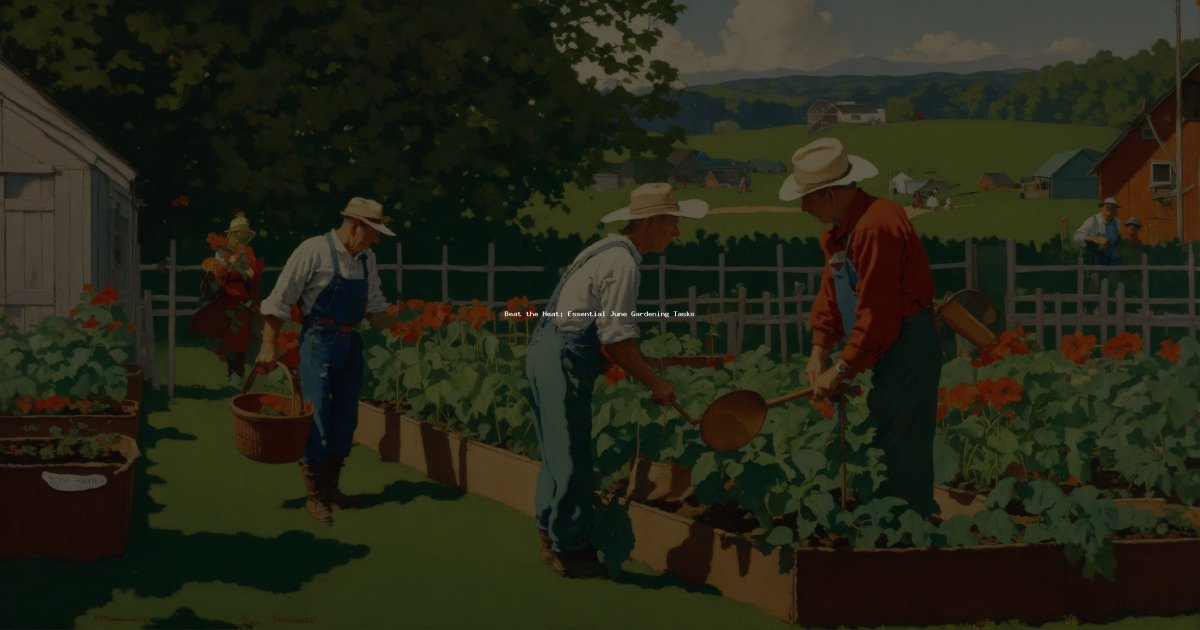
Ah, June! That glorious transition month when the days stretch long, the sun truly commits to its summer residency, and our gardens explode with life. For many American home gardeners, June is a thrilling, albeit challenging, time. We’ve poured our hearts and souls into planting since those first hopeful days after Memorial Day, and now, the fruits (and vegetables, and flowers!) of our labor are starting to show. But June also brings the heat, often a relentless, dehydrating force that can turn lush greenery into drooping despair if we’re not prepared. From the humid, sweltering South to the dry, intense sun of the Southwest, and even the warming Pacific Northwest, every corner of our vast continental USA experiences its unique version of early summer’s embrace – and its challenges.
Whether you’re nurturing tomatoes in a sunny spot in USDA Zone 6 in Ohio, fending off powdery mildew from your squash in Zone 8 in Georgia, or ensuring your desert landscape thrives in Zone 9 in Arizona, June demands a shift in strategy. It’s no longer just about planting; it’s about protecting, nourishing, and adapting. We’re talking about smart watering techniques to conserve every precious drop, timely pest control to keep those unwelcome visitors at bay, and strategic harvesting to enjoy your bounty at its peak. This isn’t just about keeping plants alive; it’s about helping them flourish, transforming your yard into a vibrant sanctuary that stands strong against the summer sun.
This comprehensive guide is your ultimate toolkit for conquering June in the American garden. We’ll delve into region-specific advice, highlight essential tasks, recommend American-tested products available at your local Home Depot or Lowe’s, and share insider tips to ensure your green space doesn’t just survive, but absolutely thrives. Get ready to enjoy the beauty and abundance of your garden all summer long, armed with the knowledge to beat the heat and cultivate true gardening success!
Key Takeaways for Your June Garden:
- Smart Watering is Crucial: Deep, infrequent watering early in the morning is key to combating heat stress across all US regions.
- Mulch, Mulch, Mulch: A 2-4 inch layer of organic mulch conserves moisture and regulates soil temperature.
- Feed Thoughtfully: Use balanced, slow-release fertilizers or liquid feeds for active growth, avoiding over-fertilization in extreme heat.
- Monitor Pests & Diseases: Early detection and organic solutions are your best defense against summer invaders.
- Harvest Regularly: Encourage more production and prevent plants from “bolting” or stopping production.
- Consider Shade: Temporary shade cloths can protect sensitive plants from intense afternoon sun.
Your Ultimate June Watering Strategy: Hydration Hacks for a Thirsty Garden
As the mercury climbs in June, often soaring into the 80s, 90s, and even 100s Fahrenheit across much of the continental USA, water becomes your garden’s most precious resource. Proper watering isn’t just about dousing your plants; it’s a strategic dance with the sun and soil. The goal is to encourage deep root growth, making your plants more resilient to heat stress and less reliant on constant surface watering. Think of it as teaching your plants to drink from a deep well, rather than just sipping from a puddle.
The golden rule for June watering is to water deeply and infrequently. This means applying enough water to penetrate 6-12 inches into the soil, depending on the plant, rather than a quick sprinkle every day. Daily, shallow watering encourages surface roots, which are highly susceptible to drying out in intense heat. Instead, aim for 1-2 inches of water per week, either from rainfall or irrigation. To measure this, you can place an empty tuna can or rain gauge in your garden while watering.
The best time to water is in the early morning, typically between 5 AM and 9 AM. This allows the water to soak into the soil before the intense midday sun causes rapid evaporation, and gives plant leaves time to dry before nightfall, reducing the risk of fungal diseases. Watering in the evening might seem appealing after a hot day, but it leaves foliage wet overnight, creating a perfect breeding ground for mildew and other issues, especially in humid regions like the Southeast.
Consider your soil type. Sandy soils drain quickly and may need more frequent watering, while clay soils retain moisture longer but can become waterlogged if overwatered. Adding organic matter like compost improves soil structure, enhancing both drainage and water retention – a win-win for any June garden. For those with established container gardens or hanging baskets, daily watering might be necessary, sometimes even twice a day during heatwaves, as containers dry out much faster than in-ground beds.
Mastering Drip Irrigation and Soaker Hoses
For efficiency and water conservation, drip irrigation systems and soaker hoses are game-changers. These systems deliver water directly to the plant’s root zone, minimizing evaporation and ensuring every drop counts. They are particularly beneficial for vegetable gardens, perennial beds, and even rows of shrubs. Installation can be a weekend project, and kits are readily available at stores like Lowe’s or Home Depot. A basic drip irrigation starter kit might run you anywhere from $30-$100, depending on the size and complexity. Once set up, they save you countless hours and gallons of water, making them a smart investment for any American gardener battling the summer heat. https://ecorganicas.org/when-to-plant-garlic/
The Power of Mulch: Your Garden’s Best Friend
Mulching is non-negotiable for June gardening. A 2-4 inch layer of organic mulch – think shredded bark, wood chips, straw, or compost – acts as a protective blanket for your soil. It dramatically reduces water evaporation, keeps soil temperatures cooler during scorching days, and suppresses pesky weeds that compete for moisture and nutrients. Not only does it help your plants stay hydrated, but as organic mulches break down, they enrich your soil, improving its overall health and fertility. Just remember to keep the mulch a few inches away from plant stems to prevent rot and pest issues.
Identifying and Addressing Heat Stress
Even with the best watering practices, June’s intense sun can sometimes lead to heat stress. Wilting leaves during the hottest part of the day are a common sign. If plants perk up by evening or early morning, they’re likely just conserving moisture. However, if wilting persists, it’s a sign they need water. Yellowing or browning leaf edges can also indicate underwatering or nutrient deficiencies exacerbated by stress. For particularly sensitive plants or during extreme heatwaves (95°F and above), consider temporary shade cloths. These inexpensive fabrics, often available at garden centers or Amazon US, can block 30-50% of direct sunlight, providing a much-needed reprieve for delicate crops like lettuce, spinach, or newly planted seedlings. They are easy to drape over hoops or frames and can make a huge difference in plant survival and productivity.
Nourishing Your Green Oasis: Fertilizing for Peak Summer Performance
Just like we need proper nutrition to thrive in the summer heat, our plants do too. June is a period of rapid growth for many plants, especially those warm-season vegetables and flowers that are just hitting their stride. Providing the right nutrients at the right time ensures vigorous growth, abundant blooms, and a bountiful harvest. However, fertilizing in summer requires a delicate touch; too much can burn plants, especially when they’re already under heat stress.
For most annuals, vegetables, and container plants, a consistent feeding schedule is beneficial. Many gardeners opt for a balanced, all-purpose granular fertilizer (like a 10-10-10 or 5-10-5) applied every 4-6 weeks, or a liquid feed (diluted to half strength) every 2-3 weeks. Liquid fertilizers, such as a fish emulsion or a synthetic liquid plant food like Miracle-Gro, are quickly absorbed by plants and can be particularly useful for container plants that deplete nutrients faster. Always read the product label for specific application rates, as these can vary significantly.
When applying granular fertilizers, ensure the soil is moist before and after application to prevent root burn. Spread the granules evenly around the plant’s drip line (the imaginary circle beneath the outermost branches) and gently scratch them into the top inch of soil, then water thoroughly. For liquid feeds, simply mix with water according to instructions and apply directly to the soil around the plants.
Targeted Nutrition for Specific Plants
Different plants have different needs. Tomatoes, peppers, and other fruiting vegetables benefit from fertilizers higher in phosphorus and potassium once they start setting fruit (e.g., a 5-10-10 or “tomato food”). Flowering annuals will appreciate a fertilizer with a slightly higher phosphorus content to encourage more blooms. Acid-loving plants like blueberries, azaleas, and rhododendrons will thrive with a fertilizer formulated for acidic soils, often containing iron and sulfur. Consider brands like Espoma or Jobe’s Organics, widely available at most garden centers across the USA.
For perennial beds and shrubs, a slow-release granular fertilizer applied in early spring might be sufficient to carry them through June. However, if you notice slow growth or pale foliage, a mid-summer boost with a balanced liquid feed can revive them. Lawns, too, need attention in June. Depending on your grass type and region, a summer lawn fertilizer (often lower in nitrogen to prevent excessive top growth during heat) can help maintain a healthy green. However, avoid heavy nitrogen fertilization during extreme heat, as it can stress the grass. https://ecorganicas.com/how-to-grow-a-tea-garden-from-leaf-to-mug/
Compost Tea and Organic Boosters
For organic gardeners, compost tea is a fantastic way to provide a nutrient boost and introduce beneficial microbes to the soil. You can brew your own by steeping compost in water for a day or two, then diluting and applying it as a soil drench or foliar spray. Worm castings are another excellent organic amendment, providing a gentle, slow-release source of nutrients. These natural boosters not only feed your plants but also improve soil health, making your garden more resilient in the long run.
Remember, more isn’t always better when it comes to fertilizer. Over-fertilization can lead to lush foliage but poor fruiting, or worse, nutrient burn. Always err on the side of caution, especially during periods of high heat, when plants are already under stress. If in doubt, a soil test can provide precise recommendations for your garden’s specific needs, saving you time and money on unnecessary amendments.
Regional Rhythms: Tailoring June Tasks Across the USA
The vastness of the continental United States means that “June gardening” looks vastly different from one coast to the other, and from the northern plains to the southern bayous. Understanding your specific USDA hardiness zone and regional climate is paramount to success. What thrives in the cool, moist Pacific Northwest might shrivel in the arid Southwest, and what’s a staple in the humid South might struggle in the shorter growing season of the Northeast. Let’s break down June’s essential tasks by major US regions.
Northeast (e.g., New York, Pennsylvania, Massachusetts, USDA Zones 5-7)
June in the Northeast is often a beautiful, bustling month. The last frost is a distant memory, and gardens are bursting with growth. Tomatoes, peppers, squash, and beans are rapidly growing.
- Planting: Continue planting warm-season annuals and vegetables like basil, zinnias, cucumbers, and bush beans. Succession plant quick-growing crops like lettuce (in shadier spots), radishes, and cilantro for continuous harvests.
- Maintenance: Keep an eye on pests like squash bugs and cucumber beetles. Stake tall plants like tomatoes and peppers. Mulch generously to conserve moisture.
- Watering: Monitor rainfall. If less than an inch per week, supplement with deep watering, especially for new plantings and containers.
- Harvesting: Early peas, lettuce, spinach, radishes, and strawberries.
The South (e.g., Georgia, Florida, Texas, Louisiana, USDA Zones 7-10)
The South is already deep into summer by June, characterized by high heat and humidity. Many spring crops are winding down, and the focus shifts to heat-tolerant varieties.
- Planting: Focus on heat-loving crops like okra, sweet potatoes, southern peas (cowpeas), and heat-set tomatoes. Consider a second planting of corn or peppers.
- Maintenance: Disease pressure is high due to humidity. Watch for powdery mildew, blight, and fungal spots. Ensure good air circulation. Heavy mulching is critical to retain moisture and keep soil cool.
- Watering: Daily, deep watering is often necessary, especially for vegetables. Drip irrigation is highly recommended. Water early in the morning to allow foliage to dry.
- Harvesting: Early corn, squash, cucumbers, blueberries, peaches, and figs.
Midwest (e.g., Illinois, Iowa, Kansas, Michigan, USDA Zones 4-6)
The Midwest experiences a full range of summer weather in June, from comfortable warmth to intense heatwaves and potential thunderstorms. This is prime growing season.
- Planting: Finish planting all warm-season vegetables and annuals. Direct sow beans, corn, squash, and sunflowers.
- Maintenance: Stay on top of weeding, as weeds compete aggressively for resources. Monitor for common pests like Japanese beetles and Colorado potato beetles. Stake tall plants.
- Watering: Be prepared for both periods of ample rain and dry spells. Deep watering is essential during dry periods.
- Harvesting: Strawberries, early cherries, lettuce, spinach, radishes, and peas.
Pacific Northwest (e.g., Washington, Oregon, USDA Zones 6-9)
June in the PNW often brings drier, warmer weather after a typically wet spring. While not as hot as other regions, summer drought can be a concern.
- Planting: All warm-season crops can be planted now. Consider successive plantings of bush beans, zucchini, and leafy greens in shadier spots.
- Maintenance: Continue to combat slugs and snails, which can be active after spring rains. Mulch heavily to conserve moisture. Fertilize berries and fruit trees after their initial growth spurt.
- Watering: While spring might be wet, June often marks the start of the dry season. Regular, deep watering becomes crucial, especially for containers and vegetables.
- Harvesting: Strawberries, peas, lettuce, radishes, and early blueberries.
Southwest (e.g., Arizona, New Mexico, Nevada, California, USDA Zones 7-10)
June in the Southwest means intense heat, low humidity, and often a struggle against the relentless sun. Water conservation and heat-tolerant plants are key.
- Planting: Focus on extremely heat-tolerant crops like okra, sweet potatoes, certain pepper varieties, and desert-adapted herbs. Start seeds for fall crops indoors in cooler conditions.
- Maintenance: Provide shade for sensitive plants using shade cloth. Monitor for spider mites, which thrive in hot, dry conditions. Mulch with light-colored materials (like straw) to reflect heat.
- Watering: Deep, infrequent watering is critical. Drip irrigation is almost a necessity. Water early in the morning. Consider a greywater system if permitted in your area.
- Harvesting: Early melons, figs, grapes, and some pepper varieties. Citrus may still be ripening in some areas.
No matter your region, staying attuned to your local weather patterns and your plants’ specific needs is the best way to ensure a successful June garden. Consider checking your local extension office for specific planting calendars and advice tailored to your county or state. https://ecorganicas.org/how-deep-to-plant-potatoes/
Smart Planting & Harvesting: What to Sow and Pick in Early Summer
June is a pivotal month for both planting and harvesting, a true sweet spot where the garden begins to give back in abundance. For many American gardeners, this is when the hard work of spring truly starts to pay off, and the promise of summer harvests becomes a delicious reality. Knowing what to plant now for continuous yield and what to pick at its peak is essential for maximizing your garden’s productivity.
Succession Planting for Continuous Harvests
One of the smartest strategies for a productive June garden is succession planting. Instead of planting all your lettuce or bush beans at once, plant smaller batches every 2-3 weeks. This ensures a steady supply of fresh produce rather than a massive glut followed by nothing. Crops ideal for succession planting in June include:
- Bush Beans: Quick to mature, heat-tolerant, and yield heavily. Plant a new row every two weeks.
- Cucumbers: Direct sow seeds for a continuous supply of refreshing cukes.
- Summer Squash (Zucchini, Yellow Squash): These prolific producers can be planted in staggered intervals.
- Radishes & Carrots: Quick-growing root vegetables that can be sown every few weeks.
- Leafy Greens: While many greens bolt in intense heat, varieties like ‘Nevada’ lettuce, ‘Tyee’ spinach, or Swiss chard can tolerate warmer conditions, especially when given some afternoon shade.
- Herbs: Direct sow cilantro, dill, and basil for fresh culinary additions. Basil, in particular, thrives in June’s warmth.
What to Plant Now for Late Summer & Fall
June is also the time to get some longer-season crops in the ground if you haven’t already. This includes:
- Tomatoes & Peppers: If you’re in a cooler USDA Zone (5-6) or had a late start, you can still plant transplants of these warm-season favorites. Choose varieties with shorter days to maturity.
- Eggplant: Another heat-lover that can go in now.
- Sweet Potatoes: Plant slips in warmer regions (Zone 7+).
- Winter Squash & Pumpkins: For those who love carving pumpkins or hearty squash for fall, June is the ideal time to direct sow these long-season gourds. Make sure they have plenty of space to sprawl.
- Corn: A second or third planting of corn can ensure a continuous harvest of sweet ears.
The Art of Harvesting: Timing is Everything
Regular harvesting is not just about enjoying your bounty; it’s crucial for plant productivity. Many plants, especially vegetables, will slow or stop production once their seeds mature. By continuously picking, you trick the plant into producing more flowers and fruits.
- Leafy Greens: Harvest outer leaves of lettuce, spinach, and Swiss chard, allowing the inner leaves to continue growing.
- Beans & Peas: Pick pods frequently when they are young and tender.
- Cucumbers & Zucchini: Harvest when small to medium-sized for best flavor and to encourage more production. Left too long, they become seedy and tough.
- Strawberries: Pick ripe, red berries in the morning when they are cool and firm.
- Herbs: Snip off what you need for culinary use. Pinching back basil and other herbs encourages bushier growth and prevents them from flowering (bolting) too early.
- Garlic: In many regions, garlic is ready for harvest in late June or early July when the bottom 2-3 leaves have yellowed, but there are still 4-5 green leaves remaining.
Don’t be afraid to experiment with different varieties from trusted American seed companies like Burpee, Baker Creek Heirloom Seeds, or Park Seed. They often offer varieties specifically adapted to various US climates and growing conditions, ensuring you pick plants that have the best chance of thriving in your June garden. https://ecorganicas.com/how-to-grow-a-tea-garden-from-leaf-to-mug/
Essential Gear: Top American Gardening Products for June
Having the right tools and products can make all the difference in a successful June garden, especially when battling the heat and managing the rapid growth. From watering solutions to pest control, investing in quality American-available products can save you time, effort, and ultimately, help your garden thrive. Here are some top recommendations, readily found at your local Home Depot, Lowe’s, or online via Amazon US.
Smart Watering Solutions
- Orbit B-hyve Smart Hose Faucet Timer: This Wi-Fi enabled timer ($50-$80) connects to your smartphone, allowing you to schedule watering, adjust for local weather, and track usage. Available at Home Depot and Amazon. Rating: 5/5
- Gardena Drip Irrigation Starter Kit: A comprehensive kit ($70-$120) for setting up an efficient drip system for raised beds or rows. Easy to expand and customize. Available at Lowe’s and Amazon. Rating: 4.5/5
- Melnor XT Turbo Rotary Sprinkler: For larger areas, this oscillating sprinkler ($25-$40) provides even coverage up to 4,500 sq ft, reducing dry spots. Available at Home Depot and Lowe’s. Rating: 4/5
Pest and Disease Management
- Bonide All Seasons Horticultural & Dormant Spray Oil: An organic solution ($15-$25) to smother soft-bodied pests like aphids, spider mites, and whiteflies. Safe for most plants. Available at garden centers and Amazon. Rating: 4.5/5
- Safer Brand Insecticidal Soap & Fungicide: A dual-action organic spray ($10-$20) effective against common pests and mild fungal diseases like powdery mildew. Available at Home Depot and Lowe’s. Rating: 4/5
- Garden Safe Slug & Snail Bait: An OMRI-listed organic bait ($10-$15) that effectively controls slugs and snails without harming pets or wildlife when used as directed. Available at most garden stores. Rating: 4.5/5
Sun Protection and Support
- Shade Cloth (30-50% UV Block): Essential for protecting sensitive plants from intense afternoon sun. Rolls are available ($30-$100 depending on size) at Home Depot, Lowe’s, or specialty garden suppliers online. Rating: 5/5
- Heavy-Duty Tomato Cages: Forget flimsy cages. Invest in sturdy, galvanized steel cages ($15-$30 each) from brands like Gardener’s Supply Company or locally made options. They provide excellent support for heavy-fruiting plants. Available at garden centers and Amazon. Rating: 4.5/5
Fertilizers and Soil Amendments
- Espoma Garden-tone Organic Plant Food: A popular, all-purpose organic granular fertilizer ($20-$40 for a 18lb bag) for vegetables, flowers, and shrubs. Slow-release and promotes healthy growth. Available at most garden centers. Rating: 5/5
- Miracle-Gro Water Soluble All-Purpose Plant Food: A classic liquid feed ($10-$20) for a quick nutrient boost, especially useful for containers and annuals. Available everywhere. Rating: 4/5
Comparison Table: Essential June Gardening Aids
| Product | Best For | Price Range | Where to Buy | Rating |
|---|---|---|---|---|
| Orbit B-hyve Smart Hose Faucet Timer | Automated, water-efficient watering for any garden | $50 – $80 | Home Depot, Amazon US | ★★★★★ |
| Shade Cloth (30-50% Block) | Protecting sensitive plants from extreme sun | $30 – $100 (various sizes) | Home Depot, Lowe’s, Amazon US | ★★★★★ |
| Espoma Garden-tone Organic Plant Food | All-purpose, slow-release organic nutrition | $20 – $40 (18lb bag) | Garden Centers, Amazon US | ★★★★★ |
| Safer Brand Insecticidal Soap & Fungicide | Organic control for pests and mild diseases | $10 – $20 | Home Depot, Lowe’s, Amazon US | ★★★★☆ |
| Heavy-Duty Tomato Cages | Robust support for tall, fruiting plants | $15 – $30 (each) | Garden Centers, Amazon US | ★★★★☆ |
Equipping yourself with these reliable products will not only make your June gardening tasks easier but also significantly increase your chances of a thriving, productive garden throughout the hot American summer. Don’t forget to check for local sales and promotions, especially around summer holidays!
Weed Warriors & Pest Patrol: Keeping Your June Garden Pristine
June’s warmth and moisture don’t just encourage your cherished plants; they also provide prime conditions for weeds and pests to flourish. Ignoring these unwelcome guests, even for a short period, can quickly lead to widespread problems, robbing your plants of vital nutrients, water, and even their health. A proactive approach is key to maintaining a pristine and productive garden through the summer months.
Winning the Weed War
Weeds are more than just an eyesore; they are fierce competitors for resources. In June, fast-growing annual weeds like crabgrass, purslane, and pigweed can quickly take over if left unchecked.
- Mulch, Mulch, Mulch: As mentioned, a 2-4 inch layer of organic mulch is your first line of defense. It suppresses weed growth by blocking sunlight and making it harder for seeds to germinate.
- Hand-Weeding: The most effective method for established weeds. Tackle them when they are small and the soil is moist (after a rain or watering) – they’ll pull out much easier. Dedicate 15-30 minutes a few times a week rather than one long, arduous session.
- Tools of the Trade: A good weeding hoe (like a stirrup hoe or collinear hoe) can make quick work of young weeds in rows or open beds. For stubborn taproots, a dandelion weeder is invaluable.
- Don’t Let Them Go to Seed: This is crucial. One weed allowed to go to seed can produce thousands of new weed seeds, perpetuating the problem for years. Pull them before they flower!
Vigilant Pest Patrol
June brings out a host of common garden pests, from the sap-sucking aphids to the leaf-chomping Japanese beetles. Regular inspection is your best weapon.
- Daily Scouting: Take a few minutes each day to walk through your garden, checking the undersides of leaves, new growth, and flower buds. Early detection makes control much easier.
- Aphids: These tiny, soft-bodied insects cluster on new growth, sucking sap. A strong spray of water from the hose can often dislodge them. For heavier infestations, an insecticidal soap (like Safer Brand) or neem oil works wonders.
- Squash Bugs & Cucumber Beetles: These can be devastating to cucurbits. Hand-picking adult squash bugs and their copper-colored eggs from the undersides of leaves is effective. For cucumber beetles, floating row covers (mesh fabric barriers) can protect young plants from initial infestation.
- Tomato Hornworms: Large, green caterpillars that can defoliate a tomato plant overnight. Hand-picking is often the best solution; they are easier to spot than you might think due to their size. Look for their tell-tale droppings.
- Japanese Beetles: These iridescent pests can skeletonize leaves. Hand-picking into a bucket of soapy water is effective for small populations. Biological controls like milky spore can reduce grub populations in your lawn over time. Avoid pheromone traps, as they can attract more beetles to your yard.
- Slugs & Snails: Active in moist, humid conditions, they chew irregular holes in leaves. Set out beer traps, use organic slug bait, or hand-pick them at dusk.
Disease Prevention Strategies
June’s humidity, especially in the East and South, can create ideal conditions for fungal diseases.
- Good Air Circulation: Space plants appropriately to allow for airflow. Prune lower leaves on tomatoes and squash to improve circulation and prevent soil-borne diseases from splashing onto foliage.
- Water Smart: Water at the base of plants in the morning, avoiding overhead irrigation that keeps foliage wet.
- Sanitation: Remove any diseased leaves or plant parts immediately and dispose of them, don’t compost them.
- Resistant Varieties: When planning your garden, choose disease-resistant varieties of vegetables and flowers where possible.
By staying vigilant and employing these proactive strategies, you can keep your June garden healthy, productive, and a joy to behold, without resorting to harsh chemical interventions. Remember, a healthy plant is more resistant to both pests and diseases. https://ecorganicas.org/how-deep-to-plant-potatoes/
More Expert Tips for a Thriving June Garden
Beyond the major tasks, these smaller, yet impactful, tips can elevate your June gardening game, ensuring your American yard is the envy of the neighborhood.
- Pinch Back Annuals: For bushier plants and more blooms,