body { font-family: ‘Arial’, sans-serif; line-height: 1.6; color: #333; margin: 0; padding: 20px; background-color: #f9f9f9; }
h1, h2, h3 { color: #2e8b57; }
h1 { font-size: 2.5em; text-align: center; margin-bottom: 30px; }
h2 { font-size: 2em; margin-top: 40px; border-bottom: 2px solid #a2d2ff; padding-bottom: 10px; }
h3 { font-size: 1.5em; margin-top: 30px; color: #5f9ea0; }
p { margin-bottom: 1em; }
ul, ol { margin-bottom: 1em; margin-left: 20px; }
li { margin-bottom: 0.5em; }
strong { font-weight: bold; }
em { font-style: italic; }
table { width: 100%; border-collapse: collapse; margin-top: 20px; margin-bottom: 20px; }
th, td { border: 1px solid #ddd; padding: 8px; text-align: left; }
th { background-color: #e0f2f7; font-weight: bold; }
.key-takeaways { background-color: #fffacd; border-left: 5px solid #ffd700; padding: 20px; margin: 20px 0; border-radius: 8px; }
.key-takeaways h2 { color: #8b4513; border-bottom: none; padding-bottom: 0; }
.button-container { text-align: center; margin: 30px 0; }
.button-container button { background-color: #2e8b57; color: white; padding: 15px 30px; border: none; border-radius: 5px; font-size: 1.2em; cursor: pointer; text-decoration: none; margin: 0 10px; }
.button-container button:hover { background-color: #3cb371; }
.faq-section h3 { margin-top: 25px; color: #2e8b57; cursor: pointer; }
.faq-answer { display: block; margin-left: 20px; padding-left: 10px; border-left: 3px solid #a2d2ff; }
a { color: #007bff; text-decoration: none; }
a:hover { text-decoration: underline; }
Raised Bed Bliss: Your Ultimate Guide to Thriving Gardens in the USA
Key Takeaways for Your Best Raised Bed Garden Yet!
- Build Smart: Choose durable, non-toxic materials like cedar or galvanized steel for longevity.
- Soil is Everything: Invest in a premium blend of topsoil, compost, and organic amendments for optimal plant health.
- Plant for Your Zone & Season: Tailor your June plantings to your specific USDA Hardiness Zone and regional climate.
- Water Wisely: Deep, infrequent watering is key, especially during hot American summers.
- Regional Resilience: Adapt your strategies for unique challenges, whether it’s the humidity of the South or the arid Southwest.
- Gear Up: Utilize readily available American products from stores like Home Depot, Lowe’s, and Amazon to make gardening easier.
Ah, June! The sun is shining, the days are long, and the promise of a bountiful harvest fills the air across our beautiful American landscape. For many homeowners, the dream of fresh, homegrown tomatoes, crisp lettuce, or fragrant herbs right outside the kitchen door is a powerful one. But let’s be honest, traditional in-ground gardening can be a real headache. Clay soil in the Midwest, rocky terrain in New England, sandy stretches in Florida, or simply battling weeds and backaches – these are common struggles that can turn a gardening dream into a sweaty, frustrating reality.
That’s where the magic of raised bed gardening truly shines! Imagine a perfectly contained, weed-resistant oasis, elevated to a comfortable working height, filled with the exact soil your plants crave. It’s like having a custom-built, miniature farm right in your backyard, whether you’re in a bustling suburban neighborhood in California, a sprawling ranch in Texas, or a cozy cottage in Virginia. Raised beds offer a controlled environment that tackles so many of those traditional gardening woes head-on, making gardening more accessible, more productive, and frankly, a whole lot more enjoyable.
From the arid expanses of Arizona (USDA Zone 9b) where water conservation is paramount, to the humid heat of Georgia (USDA Zone 8a) where disease resistance is key, and up to the cooler climes of Michigan (USDA Zone 5b) with its shorter growing season, raised beds provide a versatile solution. They allow you to amend and manage soil precisely, optimize drainage, and even extend your growing season, giving you an edge no matter your local conditions. This isn’t just a trend; it’s a proven method that’s transforming yards from coast to coast into vibrant, productive foodscapes.
As we dive deep into the heart of summer, June is the perfect time to either kickstart your raised bed journey or fine-tune your existing setup for peak performance. Whether you’re a seasoned green thumb looking for advanced tips or a complete beginner eager to taste your first homegrown veggie, this guide is packed with American-centric advice, product recommendations, and regional insights to help you cultivate your own slice of raised bed bliss. Get ready to transform your gardening experience and enjoy the unparalleled satisfaction of growing your own food, the raised bed way!
The Ultimate Foundation: Building Your Raised Bed Dream
Building your raised bed is more than just stacking some lumber; it’s about creating a lasting foundation for your garden’s success. This crucial first step can dictate drainage, soil health, and even how much backache you’ll experience during planting and harvesting. Across the continental USA, gardeners have a variety of choices, from rustic wood to sleek metal, each with its own benefits and considerations. Planning ahead for materials, size, and tools available at your local Home Depot or Lowe’s will set you up for success.
Choosing Materials: Durability Meets Design
When selecting materials, American gardeners often gravitate towards several popular options. Cedar wood is a perennial favorite, especially in regions like the Pacific Northwest or New England, known for its natural resistance to rot and insects. While it can be pricier, a cedar bed can last 10-15 years or more, weathering beautifully over time. You can find pre-cut cedar kits at Lowe’s or Home Depot, or buy individual boards and construct your own. Just be sure to avoid pressure-treated lumber for food gardens, as it can leach chemicals into your soil. Another excellent choice gaining popularity across the country, particularly in modern landscapes or areas prone to termites like the South, is galvanized steel. These corrugated metal beds are incredibly durable, often lasting 20+ years, and come in various colors and sizes, perfect for a sleek, contemporary look. Brands like Vego Garden (available on Amazon US) offer robust options. For a more budget-friendly and sturdy approach, cinder blocks or concrete pavers are fantastic, especially in the Southwest where thermal mass can help regulate soil temperatures. Just ensure the blocks are untreated. Even recycled plastic lumber, often found at lumberyards, is a sustainable and long-lasting option that won’t rot or splinter.
Sizing Up Your Space: Dimensions for Success
The ideal size for a raised bed allows you to comfortably reach the center without stepping on the soil, compacting it. For most American adults, this means a width of no more than 4 feet (1.2 meters). Length can vary from 4 feet to 12 feet or even longer, depending on your space. A common and highly efficient size is 4 feet by 8 feet. This provides 32 square feet of planting area, which is substantial! As for height, 10 to 12 inches is a good minimum for most annual vegetables, offering enough depth for roots and good drainage. For root crops like carrots or potatoes, or if you have particularly poor native soil underneath, aiming for 18 to 24 inches will give you even more flexibility and less bending. Taller beds are a blessing for gardeners with mobility issues, making planting and harvesting much more comfortable. Consider the sun exposure in your yard; taller beds can sometimes cast more shade, so orient them north-south for optimal light.
Essential Tools for an Easy Build
You don’t need a full workshop to build a raised bed, but a few key tools will make the process much smoother. For wooden beds, you’ll want a tape measure, a pencil, a level, a saw (a circular saw or even a handsaw will do), a drill, and exterior-grade screws (galvanized or stainless steel to prevent rust). A speed square can help ensure perfect corners. For metal beds, often they are bolt-together kits, requiring just a wrench or a socket set. If you’re using cinder blocks, a shovel and a level are your main companions for preparing a flat base. Don’t forget sturdy gardening gloves to protect your hands! Most of these tools are readily available at any hardware store like Home Depot or Lowe’s, ensuring you can get started on your raised bed dream without a hitch.
Soil Secrets for Stellar Growth: Filling Your Raised Beds
Once your raised bed structure is in place, the next critical step – and arguably the most important for plant health – is filling it with the right soil. Unlike in-ground gardens where you’re often stuck with whatever Mother Nature provided, a raised bed gives you complete control over your growing medium. This means you can create an ideal environment that promotes strong root development, excellent drainage, and provides all the nutrients your plants need to thrive. Skimping on soil quality is a common mistake, so investing in a premium blend is paramount for a truly blissful raised bed experience across the USA.
The Perfect Blend: Crafting Your Growing Medium
Don’t just fill your raised bed with dirt from your yard; it’s likely too compacted, nutrient-poor, or full of weed seeds. The ideal raised bed soil mix is a carefully balanced blend that offers good drainage, excellent water retention, and a steady supply of nutrients. A popular recipe across the US involves a 60/30/10 ratio: 60% good quality topsoil or garden soil, 30% compost, and 10% perlite or vermiculite. The topsoil provides bulk and a base mineral structure. The compost (finished compost, not fresh manure) is your black gold, rich in organic matter, beneficial microbes, and slow-release nutrients, improving both drainage and water retention. You can find bags of “raised bed soil mix” at garden centers and big box stores like Home Depot (e.g., Vigoro Raised Bed & Potting Mix) or Lowe’s (e.g., Sta-Green Raised Bed Soil). Adding perlite or vermiculite (available in large bags on Amazon US or local nurseries) is essential for aeration and preventing compaction, especially crucial in humid Southern states or areas with heavy rainfall. Some gardeners also like to add a bit of peat moss or coco coir for extra water retention, particularly useful in arid regions like the Southwest.
Amending for Success: Boosting Fertility
Even the best initial soil mix will benefit from ongoing amendments. As your plants grow and produce, they draw nutrients from the soil, and over time, these levels deplete. Before planting, especially in June, incorporate a good organic fertilizer into the top 6-8 inches of your soil. Look for all-purpose granular fertilizers from American brands like Espoma (e.g., Bio-tone Starter Plus or Garden-tone) or Dr. Earth (e.g., Organic & Natural Vegetable Garden Fertilizer), widely available at garden centers. These provide a slow and steady release of nutrients, feeding your plants throughout the season. For specific needs, consider bone meal for phosphorus (flower and fruit development), blood meal for nitrogen (leafy greens), or kelp meal for micronutrients. Don’t forget the power of worm castings – a fantastic, all-natural soil amendment that boosts microbial activity and nutrient availability. Every spring and fall, adding another 1-2 inches of fresh compost to the top of your beds will continually replenish organic matter and fertility, keeping your soil alive and vibrant for years to come.
Watering Wisdom: Keeping the Balance
Proper watering is critical, especially in a raised bed where soil can dry out faster than in-ground gardens, particularly during the hot American summer months. While excellent drainage is a benefit, it also means you need to be vigilant. The goal is deep, infrequent watering. Instead of light daily sprinkles, which encourage shallow roots, aim to saturate the soil deeply, allowing water to reach the bottom of the bed. Then, let the top few inches dry out before watering again. This encourages roots to grow deeper, making plants more resilient to drought and heat stress. A simple moisture meter (available for under $15 on Amazon) can be a game-changer, telling you exactly when your plants are thirsty. For convenience, consider installing a drip irrigation system or soaker hoses (Rain Bird or Netafim are popular brands) on a timer. This delivers water directly to the roots, minimizing evaporation and saving you time, especially in large raised bed setups or if you’re away for a weekend getaway. In dry climates like the Southwest, mulching heavily with straw, shredded leaves, or wood chips will significantly reduce water evaporation, keeping your soil cooler and moist longer.
Summer Sensation: Planting and Nurturing in June
June is the heart of summer gardening across much of the United States. For raised bed enthusiasts, it’s a time of rapid growth, abundant blooms, and the exciting anticipation of harvest. While many gardeners planted their warm-season crops around Memorial Day, June is still prime time for succession planting, filling in gaps, and ensuring your beds are optimized for peak production during the hottest months. Understanding what to plant, how to protect against common summer scourges, and mastering watering strategies are key to a truly successful raised bed garden.
What to Plant Now: Capitalizing on Warmth
With soil temperatures consistently warm across most USDA zones, June is ideal for planting or transplanting a wide array of summer favorites. If you’re in Zones 6-9, you can still get in a fantastic crop of tomatoes, peppers, and eggplants, especially if you start with strong nursery transplants. For direct seeding, think fast-growing beans (bush or pole varieties like ‘Blue Lake’ or ‘Kentucky Wonder’ from Burpee), summer squash (zucchini, yellow squash), cucumbers, and corn. These crops absolutely revel in the long, sunny days. Don’t forget heat-loving herbs like basil, rosemary, and thyme, which thrive in raised beds. In areas with long growing seasons, like the Deep South (Zones 8-10), you might even squeeze in a second planting of okra or sweet potatoes. For those in cooler northern zones (4-5) who are just seeing consistent warm weather, you’re right on schedule for these summer staples. Consider quick-maturing varieties from reputable American seed companies like Baker Creek Heirloom Seeds or Park Seed to maximize your harvest window. Even leafy greens like heat-tolerant lettuce varieties or Swiss chard can be planted in partial shade to extend their season.
Pest Patrol: Protecting Your Investment
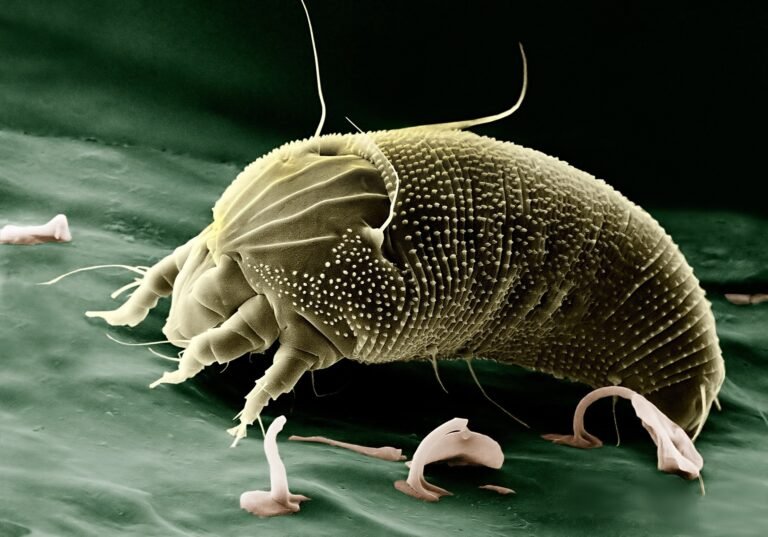
Summer brings not only lush growth but also an increase in garden pests. Raised beds can sometimes offer a slight advantage by elevating plants away from some ground-dwelling pests, but vigilance is still crucial. Keep an eye out for common American garden pests like squash bugs on your zucchini and pumpkins, tomato hornworms munching on your tomato plants, and aphids on just about everything. Regularly inspect the undersides of leaves. Hand-picking larger pests is often the most effective and organic method. For smaller infestations, a strong spray of water can dislodge aphids, or an organic insecticidal soap (like Safer Brand, widely available) can be effective. Consider companion planting strategies; for example, planting marigolds around your tomatoes can deter nematodes and other pests. For birds that might eye your ripening berries, a simple netting stretched over hoops (easily made from PVC pipe from Lowe’s) can provide protection. Remember, a healthy, diverse garden ecosystem is your best defense, attracting beneficial insects that prey on pests. For more detailed advice on pest management, check out this guide from a trusted source: https://ecorganicas.org/how-deep-to-plant-potatoes/
Watering Strategies for Summer Heat
June’s rising temperatures mean increased water demands for your raised beds. Consistent moisture is vital, but overwatering can be just as detrimental as underwatering. The goal is to keep the soil consistently moist, not waterlogged. In most parts of the US, during peak summer, this might mean watering deeply every 2-3 days, depending on your soil mix, plant density, and local weather. Sandy soils (common in Florida or parts of the Southwest) will dry out faster than heavier, compost-rich soils. Always water early in the morning to minimize evaporation and allow foliage to dry before nightfall, reducing the risk of fungal diseases, which are particularly prevalent in humid regions like the Southeast. Consider installing a rain gauge to track natural rainfall and adjust your watering schedule accordingly. Mulching your beds with a 2-4 inch layer of straw, shredded leaves, or wood chips is incredibly beneficial. Mulch conserves soil moisture, keeps soil temperatures more stable, and suppresses weeds, saving you water and effort throughout the summer.
Regional Raised Bed Rhythms: Tailoring to Your US Climate
The vast and diverse geography of the United States means that “gardening” isn’t a one-size-fits-all endeavor. What thrives in the sweltering heat of the Arizona desert won’t necessarily flourish in the misty Pacific Northwest. Raised beds, while universally beneficial, require specific adjustments to truly excel in each of America’s distinct climate zones. Understanding your region’s unique challenges and opportunities is key to unlocking maximum raised bed bliss, from New England to Southern California.
Northeast & Midwest: Extending the Season
Gardeners in the Northeast (USDA Zones 3-7) and Midwest (USDA Zones 3-6) often contend with shorter growing seasons, late spring frosts (sometimes even into June!), and early fall freezes. Raised beds are a game-changer here because their elevated soil warms up faster in the spring, allowing for earlier planting. To maximize your season, consider adding hoops made from PVC pipe over your beds to support row covers or clear plastic sheeting. This creates a mini-greenhouse effect, protecting tender seedlings from unexpected cold snaps and extending the harvest into fall. In June, ensure all danger of frost has passed before planting heat-loving crops like tomatoes and peppers. Soil in these regions can sometimes be heavy clay or rocky, so the ability to fill your raised beds with a custom, well-draining soil mix is a huge advantage. Focus on strong, reliable varieties from American seed companies known for their cold hardiness. For more on extending your growing season, check out our guide: https://ecorganicas.com/10-aesthetic-plants-for-a-quiet-luxury-garden-look/
The Sunny South: Battling Heat and Humidity
From the Carolinas to Florida and across to Texas (USDA Zones 7-10), the Southern states present unique challenges: intense summer heat, high humidity, and often sandy soils or heavy clay. Raised beds are excellent for improving drainage in heavy clay and for retaining moisture in sandy soils. In June, the focus shifts to heat-tolerant varieties and disease prevention. Look for tomato varieties bred for heat and humidity, such as ‘Florida 91’ or ‘Celebrity’. Provide afternoon shade for sensitive plants using shade cloth (readily available on Amazon US or at garden centers) draped over hoops, which can reduce temperatures by 10-15 degrees Fahrenheit. High humidity also means a greater risk of fungal diseases like powdery mildew and blight. Ensure good air circulation around your plants by spacing them adequately and pruning lower leaves. Water early in the morning to allow foliage to dry quickly. Consider adding extra compost to your soil mix to help retain moisture in sandy areas and improve aeration in clay-heavy zones.
Pacific Northwest’s Green Touch: Managing Moisture
The Pacific Northwest (USDA Zones 6-9), encompassing states like Washington and Oregon, is known for its mild, wet winters and often dry, but temperate, summers. While the climate is generally gardener-friendly, managing moisture and slugs can be key. Raised beds provide superior drainage, which is crucial in areas with heavy rainfall, preventing root rot. In June, as the weather turns drier, focus on consistent watering. Mulching is particularly important here to conserve the moisture accumulated during the wetter months. Slugs and snails are a common menace; raised beds can help deter them slightly, but you’ll still need strategies like beer traps or organic slug baits (e.g., Sluggo, available at Lowe’s) to protect your tender greens. The mild climate allows for a wider range of crops, and you can often extend the harvest of cool-season vegetables well into summer by providing some afternoon shade.
Southwest’s Desert Oasis: Water Conservation and Heat Resilience
Gardening in the arid Southwest (USDA Zones 7-10), including states like Arizona, Nevada, and parts of California, means confronting extreme heat, intense sun, and precious water resources. Raised beds are invaluable here for creating a fertile microclimate. Focus on deep, well-amended soil mixes rich in compost to maximize water retention. Drip irrigation systems are almost a necessity for efficient watering, delivering precious water directly to the roots and minimizing evaporation. Shade cloth is non-negotiable for many plants during the hottest parts of the day in June, protecting them from scorching sun. Choose heat-tolerant and drought-resistant plant varieties like desert-adapted squash, chilies, and certain heirloom tomatoes. Consider rock mulch around your raised beds to help moderate soil temperatures and suppress weeds. For tips on xeriscaping and water-wise gardening, explore resources from reputable organizations like https://ecorganicas.org/when-to-plant-garlic/.
Must-Have Gear: American Product Recommendations for Your Raised Bed
Outfitting your raised bed garden with the right tools and materials can make all the difference between a frustrating chore and a delightful hobby. Thankfully, American gardeners have access to a fantastic array of products from trusted retailers like Home Depot, Lowe’s, and Amazon US. Investing in quality gear not only makes your work easier but also contributes to the long-term health and productivity of your raised beds. Here are some top recommendations to get your garden thriving this summer.
Bed Kits & Materials: Foundation for Growth
For those looking for convenience, pre-made raised bed kits are a fantastic option. Greenes Fence Cedar Raised Garden Beds are a popular choice, widely available at Home Depot and Amazon. They come in various sizes (e.g., 4×4 ft, 4×8 ft) and are made from untreated cedar, which is naturally rot and insect resistant. Expect to pay anywhere from $100-$300+ depending on size and height. Another excellent and increasingly popular option is Vego Garden Galvanized Steel Raised Garden Beds, found on Amazon US. These durable metal beds offer a modern aesthetic, superior longevity (20+ years), and come in modular designs, allowing for custom shapes. Prices typically range from $150-$400+. If you prefer to DIY, visit Lowe’s for untreated pine or cedar lumber, or check out their selection of concrete retaining wall blocks for a sturdy, long-lasting, and often more budget-friendly option.
Soil & Amendments: Fueling Your Plants
The right soil mix is paramount. For convenience, look for large bags of “Raised Bed Soil” or “Organic Garden Soil” at your local stores. Vigoro Raised Bed & Potting Mix from Home Depot is a reliable choice, often available in large cubic foot bags for around $10-$15. Sta-Green Raised Bed Soil at Lowe’s is another excellent option. For enriching your soil, Miracle-Gro Organic Garden Soil is widely available and provides a good base. To supercharge your soil, consider adding bags of Black Kow Composted Cow Manure (available at most garden centers) for nutrient density, or Espoma Organic Garden-tone All Purpose Plant Food, a granular organic fertilizer found at nurseries and online, for continuous feeding. Perlite or vermiculite, essential for drainage, can be bought in bulk bags (e.g., Espoma Organic Perlite) from Amazon or garden supply stores for $15-$30 a bag.
Watering Solutions: Efficiency and Conservation
Efficient watering is crucial, especially during hot American summers. A good quality hose and nozzle are basic necessities. The Dramm One Touch Rain Wand (available on Amazon) is highly recommended by gardeners for its gentle, even spray, perfect for delicate seedlings and established plants alike, priced around $30-$40. For larger raised bed setups, a drip irrigation system can save significant time and water. Rain Bird Drip Irrigation Kits or components are widely available at Home Depot and Lowe’s, offering everything you need to set up a customized system, often costing $50-$150 for a starter kit. A simple Orbit B-hyve Smart Hose Faucet Timer (around $50-$70 on Amazon) can automate your watering, ensuring your plants get water even when you’re away on a summer vacation. For precise moisture monitoring, a basic soil moisture meter like the XLUX T10 Soil Moisture Sensor Meter (under $15 on Amazon) is an invaluable tool.
Tools & Accessories: Making Gardening Easier
A few essential tools will make your raised bed gardening experience much more enjoyable. A sturdy hand trowel and cultivator are indispensable. Fiskars Ergo Trowel and Cultivator Set (around $20-$30 on Amazon or at hardware stores) are ergonomically designed and durable. For weeding, a specialized tool like the CobraHead Weeder (around $30 on Amazon) is fantastic for digging out stubborn weeds in tight spaces. Good quality gardening gloves, such as Foxgloves Original Gardening Gloves (around $25 on Amazon), offer comfort and protection. Don’t forget a sturdy wheelbarrow or garden cart, like the Gorilla Carts GOR4PS Poly Garden Dump Cart (around $100-$150 at Home Depot or Amazon), for moving soil, compost, and harvested crops around your yard. For protecting plants from intense sun in the South or Southwest, a simple shade cloth (e.g., Coolaroo Shade Cloth) can be found at Lowe’s or Amazon and can be draped over DIY PVC pipe hoops.
Advanced Raised Bed Strategies: Maximizing Your Harvest
Once you’ve mastered the basics of building and filling your raised beds, it’s time to elevate your gardening game. Advanced techniques can significantly increase your yields, improve plant health, and make your raised beds even more productive and resilient. These strategies are especially beneficial for American gardeners looking to make the most of their space and growing season, whether you’re in a compact urban yard or a sprawling rural property. Get ready to unlock the full potential of your raised bed garden!
Companion Planting Power: Nature’s Partnerships
Companion planting is an age-old technique that harnesses the natural synergies between different plant species. By strategically placing certain plants next to each other, you can deter pests, attract beneficial insects, improve soil health, and even enhance flavor. For example, planting marigolds (especially French marigolds) around your raised beds is a classic trick to repel nematodes and other harmful soil pests. Basil planted near tomatoes is said to improve their flavor and repel tomato hornworms. Nasturtiums can act as a “trap crop,” luring aphids away from more valuable vegetables. Carrots and rosemary are good companions, as are corn, beans, and squash (the “Three Sisters” method, a traditional Native American technique that works wonderfully in larger raised beds).