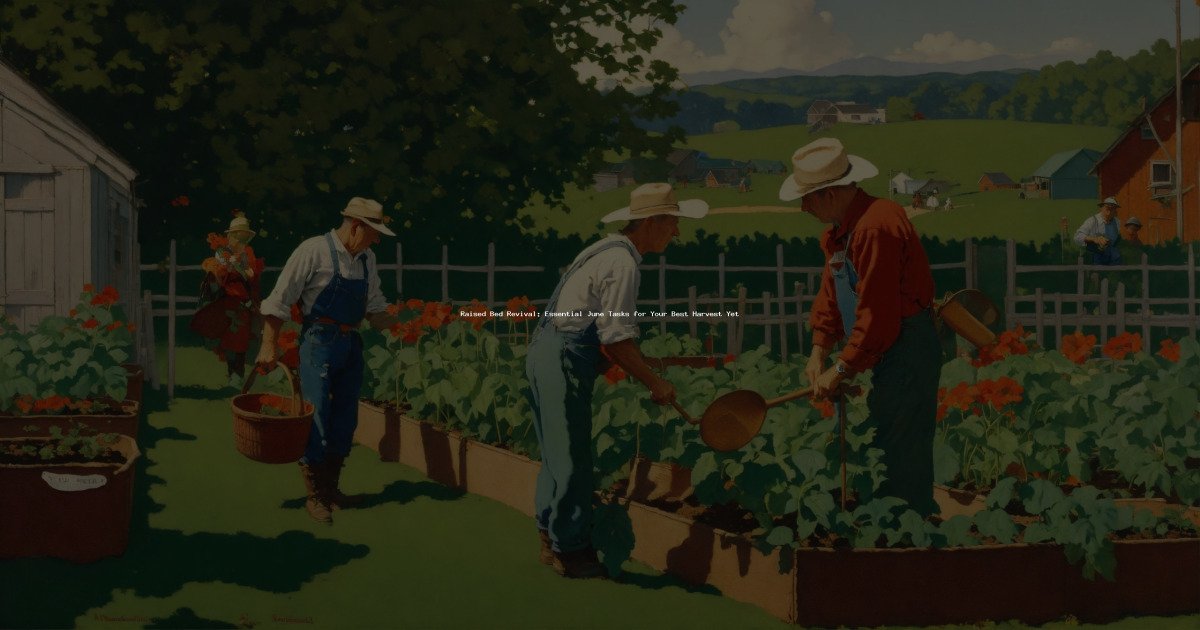
Ah, June! That glorious sweet spot in the American gardening calendar. The days are long, the sun is high, and your raised beds are bursting with the promise of summer’s bounty. For many of us, the Memorial Day planting frenzy has settled, and now it’s time to shift from planting to nurturing. Whether you’re tending a small urban plot in the Northeast, a sprawling backyard garden in the Midwest, or a sun-drenched oasis in the Southwest, June is absolutely critical for setting the stage for your best harvest yet.
Think about it: those tiny seedlings you tucked into your raised beds just weeks ago are now rapidly growing, demanding more resources and attention. The continental USA spans a vast range of USDA Hardiness Zones, from the balmy Zone 10 of Southern Florida and California to the cooler Zone 3 of the upper Midwest and New England. This incredible diversity means that while the core principles of raised bed gardening remain the same, the timing and intensity of your June tasks will vary. What’s thriving in a Texas raised bed under a scorching 95°F sun might be just getting started in a Pacific Northwest garden enjoying a mild 70°F day.
This isn’t just about survival; it’s about optimizing. It’s about giving your plants exactly what they need, when they need it, to transition from vigorous growth to abundant fruiting. We’re talking about everything from smart watering strategies to outsmarting those pesky summer pests, and from providing crucial nutrients to ensuring proper airflow. Neglect your raised beds in June, and you risk stunted growth, disease, and a disappointing harvest. But dedicate a little extra care now, and you’ll be rewarded with baskets overflowing with homegrown goodness from July through Labor Day and beyond.
So, grab your gardening gloves, a refreshing glass of iced tea, and let’s dive into the essential June tasks that will transform your raised beds into a powerhouse of production. We’ll cover everything from regional nuances to American-made products, ensuring your garden is ready to thrive no matter where you call home.
Key Takeaways for Your June Raised Bed Revival:
- Deep Watering is Paramount: Forget shallow sips; give your plants a good, long drink, especially as temperatures rise.
- Nourish for Growth: June is feeding time! Replenish nutrients with compost or organic fertilizers to support vigorous development.
- Stay Ahead of Pests & Weeds: Early detection and consistent weeding prevent major problems down the line.
- Strategic Succession Planting: Maximize your yield by planning for continuous harvests into late summer and fall.
- Regional Adaptations: Adjust your routine based on your specific US climate – heat in the South, humidity in the Midwest, cooler temps in the PNW.
The Ultimate Watering Wisdom: Hydration Hacks for Hotter Days
As June ushers in longer, hotter days across much of the continental US, your raised beds’ thirst will intensify dramatically. Unlike in-ground gardens, raised beds, especially those built with permeable materials like wood or metal, tend to dry out faster. This is due to increased air circulation around the sides and the elevated soil temperature. Proper watering isn’t just about keeping plants alive; it’s about promoting deep root growth, nutrient uptake, and preventing common summer issues like blossom end rot in tomatoes and peppers.
The golden rule for June watering is simple: water deeply and less frequently. Instead of a daily sprinkle that only wets the top inch or two of soil, aim to thoroughly soak the soil profile, encouraging roots to delve deep in search of moisture. This builds resilience against heat stress and helps plants access a wider range of nutrients. A good rule of thumb is to apply about 1 inch of water per week, or more during extreme heat waves. To check if your beds need water, simply stick your finger about 2-3 inches into the soil. If it feels dry, it’s time to water.
Best Time to Water Your Raised Beds
The absolute best time to water in June is early morning, between 6:00 AM and 10:00 AM. This allows the plants to drink up before the scorching midday sun causes rapid evaporation. Watering in the evening, while seemingly convenient, can leave foliage wet overnight, creating an ideal environment for fungal diseases like powdery mildew, especially in humid regions like the Southeast or Midwest. If you absolutely must water in the evening, try to do so early enough that the leaves have time to dry before dusk.
Efficient Watering Methods for US Gardens
- Drip Irrigation & Soaker Hoses: These are game-changers for raised beds. They deliver water directly to the soil surface, minimizing evaporation and keeping foliage dry. You can find excellent starter kits at Home Depot or Lowe’s, often with timers, making your watering routine almost hands-off. A good quality soaker hose can cost anywhere from $20-$50 depending on length and brand. For a more advanced setup, consider a drip irrigation system with emitters for each plant, easily expandable from kits available on Amazon.
- Hand Watering: If you prefer a more hands-on approach, use a watering wand with a gentle shower setting. Direct the water at the base of the plants, allowing it to slowly soak in. Avoid blasting water, which can compact the soil and expose roots. This method is great for observation – you can spot pests or nutrient deficiencies as you water.
- Rain Barrels: A fantastic way to conserve water and provide your plants with chlorine-free hydration. Many US municipalities offer rebates for rain barrel purchases. You can connect them to a hose or even a simple drip system for gravity-fed watering.
Remember, consistent moisture is key, but so is good drainage. Ensure your raised beds have adequate drainage holes or a permeable bottom layer to prevent waterlogging, which can lead to root rot. For regions like Arizona or Southern California, where water conservation is critical, mulching heavily around your plants can reduce evaporation by up to 30%, making every gallon count. https://ecorganicas.com/container-gardening-styling-make-pots-the-star-of-your-patio/Learn more about effective watering techniques in our comprehensive guide.%%/INTERNAL_LINK1%%
Feeding Your Future Harvest: Essential Nutrient Boosts for Summer Growth
Just like a growing teenager, your raised bed plants in June are ravenous! They’ve been busy establishing roots and pushing out new foliage, and this vigorous growth phase demands a steady supply of nutrients. While a well-amended raised bed started with quality soil should have a good initial nutrient base, June is often the time for a mid-season boost, especially for heavy feeders like tomatoes, corn, squash, and peppers. Giving them the right fuel now will directly translate into larger, healthier, and more abundant fruits and vegetables later.
Organic fertilizers are often preferred by home gardeners for their slow-release nature and their ability to improve soil health over time. Chemical fertilizers can provide a quick boost, but they don’t do much for the long-term health of your soil microbiome. When choosing a fertilizer, pay attention to the N-P-K ratio (Nitrogen-Phosphorus-Potassium), which represents the primary macronutrients plants need.
Choosing the Right Fertilizer for June
- Balanced Organic Fertilizers: For general feeding, a balanced organic granular fertilizer (like a 5-5-5 or 4-6-4) is excellent. Brands like Espoma or Dr. Earth are widely available at Lowe’s, Home Depot, or garden centers across the US. Apply these according to package directions, usually by sprinkling around the base of plants and lightly scratching it into the top inch of soil, followed by thorough watering.
- High-Phosphorus & Potassium Boosters: As many of your plants begin to flower and set fruit (think tomatoes, peppers, squash), they’ll benefit from a fertilizer higher in phosphorus (P) and potassium (K) to support fruit development and overall plant vigor. Bone meal (high P) and kelp meal (high K) are fantastic organic options. Liquid fish emulsion (available from Alaska Fish Fertilizer, widely sold) is another popular choice, offering a quick nutrient hit.
- Compost Tea: A gardener’s secret weapon! Brew your own “tea” by steeping finished compost in water for a day or two. Strain it and use the nutrient-rich liquid to water your plants. It’s a gentle way to feed and introduces beneficial microbes to your soil, improving overall plant health. You can also simply top-dress your raised beds with a half-inch layer of fresh compost.
When and How to Apply
Most plants will benefit from a feeding every 3-4 weeks during their active growing and fruiting phases. Always water your raised beds thoroughly before applying granular fertilizers to prevent root burn. After application, water again to help the nutrients dissolve and penetrate the soil. For liquid fertilizers, dilute them according to the package instructions and apply directly to the soil around the plant’s base.
For specific plants:
- Tomatoes: As they start setting fruit, switch to a lower nitrogen, higher phosphorus/potassium fertilizer.
- Peppers: Similar to tomatoes, they appreciate a phosphorus boost once flowering begins.
- Leafy Greens (if still growing): A nitrogen boost will keep them lush, but many leafy greens might be bolting in June’s heat in warmer zones.
- Beans & Peas: As legumes, they fix their own nitrogen, so go easy on nitrogen-heavy fertilizers. Focus on phosphorus and potassium.
Remember, it’s always better to under-fertilize than over-fertilize. Too much fertilizer can burn roots and harm your plants. Observe your plants; yellowing leaves might indicate a nutrient deficiency, while dark green, lush growth often means they’re happy. https://ecorganicas.org/do-plant-cells-have-mitochondria/For more detailed information on organic fertilizers, check out this guide from the Rodale Institute.%%/EXTERNAL_LINK1%%
Weed Warriors & Pest Patrol: Protecting Your June Harvest
June’s warm, moist conditions are not just ideal for your vegetables; they’re also a paradise for weeds and garden pests. A proactive approach to weed control and integrated pest management (IPM) is essential to ensure your plants aren’t competing for resources or being devoured before they reach your kitchen. Raised beds offer a slight advantage in that they typically start with cleaner soil, but wind-blown seeds and opportunistic critters will always find a way in.
Winning the Weed War
Weeds are more than just an eyesore; they steal water, nutrients, and sunlight from your precious vegetables. In raised beds, where space and resources are concentrated, this competition can severely impact your harvest. The key to weed control in June is consistency and early intervention.
- Mulch, Mulch, Mulch: This is your best defense. A 2-4 inch layer of organic mulch (straw, shredded leaves, wood chips, or even pine needles in acidic-loving beds) around your plants will suppress weeds, conserve soil moisture, and regulate soil temperature. You can find bales of straw at most Lowe’s or Home Depot stores for a few dollars.
- Hand Weeding: The simplest and most effective method. Catch weeds when they’re small and pull them before they go to seed. Weeding after a rain or watering makes the job much easier as the soil is soft. A good weeding tool, like a Hori Hori knife or a CobraHead weeder, available on Amazon, can make this task enjoyable.
- Hoeing: For larger areas between rows, a collinear hoe or stirrup hoe can quickly slice through young weeds just below the soil surface.
Proactive Pest Patrol
June brings out a variety of garden pests, from aphids and spider mites to squash bugs and tomato hornworms. The best defense is a good offense: regular scouting and early action.
- Daily Inspections: Dedicate a few minutes each day to walk through your raised beds. Look under leaves, inspect stems, and check for any signs of damage or unusual activity.
- Hand-Picking: For larger pests like tomato hornworms or squash bugs, simply hand-pick them off your plants and drop them into a bucket of soapy water.
- Strong Sprays of Water: A strong blast of water from your hose can dislodge aphids and spider mites from foliage. Do this in the morning so leaves can dry.
- Beneficial Insects: Encourage ladybugs, lacewings, and other predatory insects by planting companion flowers like marigolds, nasturtiums, or dill nearby. You can even order beneficial insects online from suppliers like Arbico Organics.
- Organic Pest Control: For more persistent infestations, consider organic solutions. Neem oil is a broad-spectrum organic pesticide that disrupts insect feeding and reproduction. Insecticidal soap is effective against soft-bodied insects like aphids and whiteflies. Always read and follow label directions carefully.
- Row Covers: For vulnerable crops like brassicas or squash, lightweight floating row covers can physically exclude pests like cabbage worms or squash vine borers, especially during critical egg-laying periods.
By staying vigilant and employing a combination of these strategies, you can minimize pest damage and keep your raised beds thriving. Remember, a healthy plant is more resistant to pests and diseases. https://ecorganicas.org/how-deep-to-plant-potatoes/The National Pest Management Association offers useful resources on identifying common garden pests.%%/EXTERNAL_LINK2%%
Regional Raised Bed Rundown: Tailoring for US Climates
The beauty of gardening in the United States lies in its incredible climatic diversity. While the core principles of raised bed management remain universal, understanding your specific regional challenges and opportunities in June is key to success. What works for a gardener in Seattle might spell disaster for one in Phoenix. Let’s break down some regional considerations for your raised beds this summer.
Northeast (e.g., New York, Massachusetts, Pennsylvania)
June in the Northeast typically means warm, often humid days with moderate rainfall. This is prime growing season, but also a time for potential fungal issues.
- Watering: Monitor rainfall. Even with summer showers, raised beds can dry out quickly between rains. Aim for consistent moisture, especially during dry spells.
- Pest/Disease: High humidity can encourage powdery mildew and other fungal diseases. Ensure good air circulation, prune lower leaves, and water in the mornings. Slugs and snails can be an issue; use organic slug baits or beer traps.
- Planting: Continue planting warm-season crops like bush beans, corn, and summer squash. Succession plant leafy greens in shadier spots for a late summer harvest.
The South (e.g., Georgia, Florida, Texas, Louisiana)
The South experiences intense heat and humidity in June, often with afternoon thunderstorms. This climate pushes many cool-season crops to bolt, while heat lovers thrive.
- Watering: Absolutely critical. Daily watering, potentially twice daily during extreme heat waves (95°F+), is often necessary. Drip irrigation is highly recommended. Mulch heavily to conserve moisture.
- Pest/Disease: Pest pressure is high. Be vigilant for squash bugs, pickleworms, and fungal diseases. Ensure good air circulation. Consider shade cloth for sensitive plants during the hottest part of the day.
- Planting: Focus on heat-tolerant varieties: Southern peas, okra, sweet potatoes, malabar spinach, and specific heat-set tomato varieties. Many gardeners in the deep South might be winding down their main summer crop by late June, preparing for a fall planting.
Midwest (e.g., Illinois, Ohio, Iowa, Kansas)
The Midwest sees hot, often humid summers with a mix of sunshine and sometimes severe weather. Raised beds can be very productive here.
- Watering: Similar to the Northeast, watch for dry spells. Humid conditions can deceive you into thinking plants aren’t thirsty. Deep watering is key.
- Pest/Disease: Japanese beetles emerge in June and can decimate plants. Hand-pick or use organic traps. Squash vine borers are also a major threat to squash and zucchini; monitor stems closely. Fungal diseases are common due to humidity.
- Planting: Excellent time for all warm-season crops. Succession plant bush beans, cucumbers, and summer squash.
Pacific Northwest (e.g., Washington, Oregon)
June in the PNW typically brings “June Gloom” or “Juneuary” – cooler, cloudier weather, especially along the coast, before true summer heat arrives in July.
- Watering: Less intense watering needed initially, but as the sun strengthens towards the end of June, increase frequency. Raised beds will still dry out faster than in-ground.
- Pest/Disease: Slugs and snails are perennial problems. Aphids are also common. Fungal diseases can be an issue due to persistent dampness.
- Planting: Continue planting cool-season crops that tolerate some warmth (like certain lettuces, radishes) and start warm-season crops. Many PNW gardeners are still planting tomatoes and peppers in early June.
Southwest (e.g., Arizona, New Mexico, Southern California)
The Southwest experiences extreme heat and aridity. Water conservation is paramount.
- Watering: Absolutely essential and often daily, especially for fruiting plants. Drip irrigation with a timer is almost a necessity. Mulch heavily with light-colored materials to keep soil cooler and reduce evaporation.
- Pest/Disease: Pest pressure can be lower due to dry conditions, but spider mites thrive in heat. Watch for whiteflies. Sunscald on fruits is a major issue; consider shade cloth.
- Planting: Focus on desert-adapted plants and very heat-tolerant varieties. Plant early in the morning or late in the evening. Many gardeners in the low desert regions might be planning for monsoon season planting or fall crops.
No matter your region, understanding your microclimate within your yard is crucial. Pay attention to sun exposure, wind patterns, and how your specific raised bed materials affect soil temperature and moisture. https://ecorganicas.com/container-gardening-styling-make-pots-the-star-of-your-patio/Discover more regional gardening advice from our experts.%%/INTERNAL_LINK2%%
The Secret to Success: Succession Planting & Strategic Thinning
One of the greatest advantages of raised bed gardening is the ability to maximize your growing space and achieve continuous harvests. June is a prime month to implement succession planting and ensure your beds aren’t left idle, even for a short period. It’s also a critical time for strategic thinning to give your plants the room and resources they need to thrive.
Mastering Succession Planting
Succession planting simply means staggering your plantings to ensure a continuous supply of fresh produce throughout the growing season. Instead of planting all your lettuce at once and having it all bolt in July, you plant a small batch every 2-3 weeks.
- Short-Season Crops: For quick-growing vegetables like radishes, lettuce, spinach (in cooler zones or shady spots), bush beans, and cilantro, plant a new small batch every 2-3 weeks in June. As one crop finishes, you’ll have another one coming right along.
- Replacing Spent Crops: As your early spring crops (like peas or cool-season greens that have bolted) finish up in early June, clear them out and immediately replant with warm-season crops. For example, after your spring spinach bolts, you could plant a second round of bush beans, cucumbers, or even an early variety of summer squash.
- Planning for Fall: In late June, especially in northern zones (USDA Zones 3-6), you can start seeds indoors for fall crops like broccoli, cabbage, and kale, which will be transplanted into your raised beds in July or August.
Look to American seed companies like Burpee, Baker Creek Heirloom Seeds, or Park Seed for a wide variety of seeds suitable for succession planting. They often have quick-maturing varieties perfect for this strategy.
The Art of Strategic Thinning
Thinning is often overlooked but incredibly important for plant health and yield, especially in the concentrated environment of a raised bed. When you sow seeds, you usually plant more than you need to ensure germination. Once they sprout, however, these seedlings will compete fiercely for light, water, and nutrients if left too close together.
- When to Thin: Thin seedlings once they’ve developed their first set of “true leaves” (the leaves that appear after the initial seed leaves).
- How to Thin: Gently pull out the weaker seedlings, leaving the strongest, healthiest plants at their recommended spacing. For root crops like carrots and beets, this is crucial for developing good-sized roots. For leafy greens, you can “eat your thinnings” by adding the tender young leaves to salads.
- Specific Spacing Guidelines:
- Carrots & Beets: Aim for 2-3 inches apart.
- Lettuce & Spinach: 6-12 inches apart, depending on the variety.
- Radishes: 1-2 inches apart.
- Bush Beans: 4-6 inches apart.
- Corn: 6-12 inches apart (plant in blocks for better pollination).
Don’t be afraid to thin! It feels counterintuitive to remove healthy plants, but it’s a critical step that will lead to a much more robust and productive harvest from the plants you leave behind. Overcrowding is a common cause of stunted growth and increased susceptibility to disease in raised beds. https://ecorganicas.com/10-aesthetic-plants-for-a-quiet-luxury-garden-look/Explore more about square foot gardening techniques for optimal spacing.%%/INTERNAL_LINK3%%
Essential Tools & American Product Picks for Your June Tasks
Having the right tools can make your June gardening tasks not just easier, but more enjoyable and efficient. While you don’t need a shed full of gadgets, a few quality items can make a world of difference. When it comes to sourcing these tools and supplies, American retailers like Home Depot, Lowe’s, and Amazon US are invaluable resources, offering convenience and a wide selection.
Must-Have Tools for June Raised Bed Gardening
- Hori Hori Knife: This Japanese-inspired multi-tool is a gardener’s best friend. It’s excellent for weeding, digging, transplanting, and even cutting twine. Look for brands like Nisaku or Barebones, often found on Amazon or specialty garden stores. Price range: $25-$50.
- High-Quality Pruners/Snips: Essential for harvesting, deadheading flowers, and light pruning. Bypass pruners (like Fiskars or Felco, available at Home Depot/Lowe’s) are best for clean cuts. Snips are great for delicate tasks like harvesting herbs or individual leafy greens. Price range: $15-$60.
- Watering Wand with Adjustable Spray: Crucial for deep, gentle watering. A wand allows you to reach the back of larger raised beds without stepping on the soil and provides a soft shower that won’t damage delicate seedlings or compact the soil. Price range: $20-$40 at Home Depot or Lowe’s.
- Garden Hoe (Collinear or Stirrup): For quick weeding of larger areas. A collinear hoe (also known as a Dutch hoe) slices just below the soil surface, while a stirrup hoe (oscillating hoe) moves back and forth to cut weeds. Price range: $30-$60.
- Garden Gloves: Protect your hands from thorns, soil, and blisters. Look for durable, breathable gloves. Brands like Bellingham or Foxgloves are popular choices, available on Amazon. Price range: $10-$25.
- Soil Thermometer: Useful for checking soil temperature before planting heat-loving crops or to understand why growth might be slow. Price range: $10-$20 on Amazon.
American Product Recommendations for June
When it comes to the consumables and larger items for your raised beds, these widely available options can help:
- Organic Potting Mix/Raised Bed Mix: Brands like Kellogg Garden Organics, Miracle-Gro (their organic line), or Espoma offer mixes specifically formulated for raised beds. These are usually nutrient-rich and offer good drainage. Available at Home Depot, Lowe’s. Price range: $10-$20 per cubic foot bag.
- Organic Fertilizers: Espoma Organics, Dr. Earth, and Jobe’s Organics are reliable choices for granular and liquid feeds. Look for their “Tomato-tone,” “Garden-tone,” or similar formulations. Available at most garden centers, Home Depot, Lowe’s, Amazon. Price range: $15-$30 per bag/bottle.
- Drip Irrigation Kits: Rain Bird and Orbit are popular brands offering easy-to-install drip irrigation kits for raised beds. These can be found at Home Depot, Lowe’s, and Amazon. Price range: $40-$100 for a starter kit.
- Shade Cloth: For gardeners in the hot Southwest or South, a 30-50% shade cloth can protect plants from intense afternoon sun. You can buy rolls or pre-cut pieces on Amazon or at specialty garden suppliers. Price range: $20-$50 depending on size.
- Compost: If you’re not making your own, bagged compost from brands like Black Kow or local nurseries (check with your local extension office) can provide a fantastic nutrient boost. Available at Home Depot, Lowe’s. Price range: $5-$10 per bag.
Investing in quality tools and materials will not only make your gardening tasks more efficient but also contribute to the long-term health and productivity of your raised beds. Don’t forget to clean and sharpen your tools regularly to keep them in top condition! https://ecorganicas.org/do-plant-cells-have-mitochondria/For more advice on essential gardening tools, consult this guide from The Old Farmer’s Almanac.%%/EXTERNAL_LINK3%%
Comparison Table: Top Raised Bed Solutions for June
Here’s a quick comparison of popular products and techniques that can elevate your raised bed game this June:
| Product/Technique | Best For | Price Range | Where to Buy | Rating (1-5 Stars) |
|---|---|---|---|---|
| Drip Irrigation Kit (Orbit/Rain Bird) | Water conservation, consistent moisture, busy gardeners | $40 – $100 | Home Depot, Lowe’s, Amazon US | ⭐⭐⭐⭐⭐ |
| Organic Raised Bed Mix (Kellogg/Espoma) | Starting new beds, replenishing nutrients, improving soil structure | $10 – $20 per cubic foot | Home Depot, Lowe’s, Local Nurseries | ⭐⭐⭐⭐ |
EspYou Might Also Like |