Must-Do Raised Bed Tasks for Your Vegetable Garden This June
Ah, June! The sun is high, the days are long, and your raised garden beds are likely bursting with life. For American home gardeners, this month marks the true heart of summer, a time when all those seeds you lovingly sowed around Memorial Day are now thriving, fruiting, and demanding your attention. Whether you’re in the humid embrace of the Southeast, enjoying the long daylight hours of the Pacific Northwest, battling the dry heat of the Southwest, or navigating the unpredictable summer storms of the Midwest and Northeast, June is a pivotal month for ensuring a spectacular harvest.
Imagine stepping out into your backyard, the morning dew still clinging to vibrant green leaves, the scent of ripe tomatoes just beginning to waft through the air. This isn’t just a dream; it’s the reality you’re cultivating! But to get there, your raised beds need a little extra TLC right now. The rapid growth of summer brings with it increased water demands, a surge in pest activity, and the perfect window for succession planting to extend your bounty well into fall. From the bustling suburbs of Atlanta (USDA Zone 8a) to the coastal breezes of San Diego (Zone 10b) or the resilient gardens of Minneapolis (Zone 4b), gardeners across the continental USA are united by the joy and challenges of this vibrant season.
This isn’t just about survival for your plants; it’s about helping them thrive. It’s about understanding the unique needs of your tomatoes, peppers, squash, and beans as they transition from vigorous growth to heavy fruiting. It’s about proactive care that prevents common summer setbacks like wilting, nutrient deficiencies, or an unexpected pest invasion. We’ll dive deep into strategies tailored for our diverse American climates, suggest products readily available at your local Home Depot or Lowe’s, and share expert tips that will empower you to become a true raised bed master. Get ready to transform your garden into a productive powerhouse and enjoy the freshest produce imaginable, straight from your own backyard!
Key Takeaways for June Raised Bed Success
- Water Wisely: Deep, consistent watering is crucial in summer heat, especially for fruiting plants.
- Feed Your Fighters: Provide balanced nutrients to support heavy fruiting and continuous growth.
- Scout for Pests: Early detection and organic solutions are your best defense against summer invaders.
- Succession Plant: Don’t stop planting! Extend your harvest with quick-growing summer crops.
- Support & Prune: Give vining plants the structure they need and prune for better air circulation and yield.
- Adapt to Your Region: Tailor tasks to your specific climate, whether it’s humid, dry, or temperate.
Ultimate Guide to Early Summer Watering & Nutrition
As the days lengthen and the sun intensifies across the American landscape, your raised beds become veritable heat sinks, absorbing warmth that fuels incredible growth but also rapidly depletes moisture. June is often when the true summer heat settles in, making consistent and intelligent watering the absolute cornerstone of a successful harvest. Forget light, daily sprinkles; your plants need deep, penetrating hydration to encourage robust root systems that can withstand the inevitable hot spells. Think about it: a tomato plant laden with ripening fruit in a USDA Zone 7 garden during a 90-degree Fahrenheit heatwave is working overtime, and without ample water, it will quickly show signs of stress, from wilting leaves to blossom end rot.
The ideal approach for raised beds, which tend to dry out faster than in-ground gardens, is a thorough soaking every few days rather than shallow daily watering. Aim to deliver about 1-2 inches of water per week, factoring in any rainfall. This often translates to several gallons per square foot, depending on your soil mix and ambient temperatures. To test if your beds need water, simply stick your finger about 2-3 inches deep into the soil. If it feels dry, it’s time to water! Consider early morning watering to minimize evaporation and allow foliage to dry before nightfall, reducing the risk of fungal diseases. For those in particularly arid regions like the Southwest (think Arizona or Nevada), or during periods of drought, monitoring soil moisture with a simple probe can be a game-changer. Mulching heavily with straw, shredded leaves, or untreated wood chips is also non-negotiable; it acts as an insulating blanket, keeping soil temperatures cooler and drastically reducing water loss.
Mastering Moisture in the Summer Heat
Drip irrigation systems or soaker hoses are fantastic investments for raised beds, especially if you have several. They deliver water slowly and directly to the root zone, minimizing waste and preventing wet foliage. You can find excellent starter kits at Home Depot or Lowe’s, often for under $100, which can be easily expanded. For instance, a basic Orbit drip kit can cover a 4×8 foot raised bed with ease. Even a simple watering wand with a gentle shower setting can be effective if you take the time to water slowly and deeply. Remember, the goal is to get water down to the roots, not just wet the surface. In regions prone to afternoon thunderstorms, like much of the Midwest and Southeast, keep an eye on rainfall totals. A good downpour might mean you can skip manual watering for a day or two, but always check the soil before making assumptions.
Feeding Your Hungry Crops
Just like a growing teenager, your fruiting vegetables in June are voracious eaters! Tomatoes, peppers, squash, and corn are all heavy feeders, requiring a steady supply of nutrients to support their rapid growth and fruit production. If you haven’t already, a mid-season side dressing of compost or a balanced organic fertilizer is highly recommended. Look for fertilizers with an N-P-K ratio that favors phosphorus (P) and potassium (K) to promote flowering and fruiting, rather than excessive leafy growth (nitrogen). For example, a 2-5-3 or 3-4-4 organic granular fertilizer works wonders. Brands like Espoma or Dr. Earth are widely available at American garden centers and online. Apply according to package directions, usually by sprinkling around the base of the plants and gently scratching it into the top inch or two of soil, followed by a good watering. For a quick boost, a liquid feed like fish emulsion or a diluted compost tea can be applied every 2-3 weeks, especially for plants showing signs of nutrient deficiency or those pushing out a lot of fruit. Remember, consistent feeding, combined with proper watering, is the secret sauce for a truly abundant June harvest.
Proven Pest & Disease Patrol: Keeping Your Beds Healthy
June’s warm, humid conditions, while fantastic for plant growth, also create a welcoming environment for a host of garden pests and diseases. This is the month when vigilant scouting becomes paramount. A small problem in early June can quickly escalate into a full-blown infestation or widespread disease by July, potentially decimating your hard-earned harvest. Think of it as your garden’s immune system – you want to keep it strong and respond quickly to any threats. Whether it’s the insidious squash bugs making a meal of your zucchini leaves in Ohio, the dreaded tomato hornworms munching their way through your prize heirlooms in California, or powdery mildew creeping across your cucumber leaves in Florida, early detection and intervention are your best friends.
The key to effective pest and disease management in June is often a combination of proactive measures and quick, targeted responses. Start your day with a “garden walkabout,” carefully inspecting the tops and undersides of leaves, stems, and developing fruits. Look for unusual spots, holes, wilting, or any critters that don’t belong. Many common garden pests, like aphids or spider mites, reproduce incredibly quickly in warm weather, so catching them when their numbers are low is critical. For diseases, understanding their early symptoms can help you isolate and treat before they spread. Good air circulation, achieved through proper plant spacing and strategic pruning, is a simple yet powerful preventative measure against many fungal issues, especially important in the humid regions of the East Coast and South.
Spotting the Sneaky Invaders
Common June pests in American gardens include aphids (often found on new growth), squash bugs (look for their metallic eggs on leaf undersides), cucumber beetles (chewing holes in leaves and fruits), and tomato hornworms (large, green caterpillars that can defoliate a plant overnight). For aphids, a strong blast of water from the hose can dislodge them, or a simple homemade insecticidal soap spray (a few drops of mild dish soap in a spray bottle of water) can be very effective. Squash bug eggs can be scraped off leaves, and adults can be hand-picked and dropped into a bucket of soapy water. Tomato hornworms are large enough to hand-pick – just look for their distinctive droppings on leaves as a clue. For organic gardeners, neem oil is a versatile product available at garden centers and Amazon US, effective against a broad spectrum of pests without harming beneficial insects when used correctly. Remember, beneficial insects like ladybugs and lacewings are your allies; encourage them by planting flowers like dill and marigolds nearby. https://ecorganicas.com/container-gardening-styling-make-pots-the-star-of-your-patio/Learn more about attracting beneficial insects to your garden.%%/INTERNAL_LINK1%%
Preventing Plant Pandemics
Fungal diseases like powdery mildew, early blight, and bacterial spot are common in June, especially in areas with high humidity or frequent rainfall. Powdery mildew, which appears as white, powdery spots on leaves, can be managed by improving air circulation, watering at the base of plants, and applying organic fungicides like neem oil or a baking soda solution (1 teaspoon baking soda, 1 teaspoon horticultural oil, and 1 quart of water). Early blight, common on tomatoes, starts as dark spots with yellow halos on lower leaves; remove affected leaves immediately and consider a copper-based organic fungicide. Proper spacing, good sanitation (removing plant debris), and resistant varieties are your first line of defense. Always clean your tools after pruning diseased plants to prevent spread. When buying new plants, inspect them thoroughly for any signs of disease before introducing them to your raised beds. For severe issues, consult your local extension office (https://ecorganicas.org/do-plant-cells-have-mitochondria/find your local extension office here%%/EXTERNAL_LINK1%%) for region-specific advice.
Smart Succession Planting & Mid-Season Sowing Secrets
Just because your initial spring plantings are booming doesn’t mean your planting season is over! June is a fantastic time for American gardeners to embrace the strategy of succession planting, ensuring a continuous harvest rather than a single, overwhelming glut. This is particularly relevant for raised beds, where you can easily manage smaller, more frequent plantings. Think about it: instead of planting all your lettuce seeds at once and having too much for two weeks, you can plant a small row every two to three weeks, enjoying fresh greens all summer long. This strategy maximizes the productivity of your limited raised bed space and keeps your kitchen supplied with a steady stream of fresh produce. It’s also a great way to experiment with different varieties of your favorite vegetables, discovering new flavors and textures.
Beyond succession planting, June also offers a prime window for sowing new warm-season crops that will mature in late summer or early fall. Many areas across the continental USA still have plenty of growing days left, even after the longest day of the year. This is your chance to fill in gaps left by harvested spring crops or to add new, heat-loving vegetables that might have struggled if planted too early. Consider your local USDA Hardiness Zone and average first frost date to gauge how much time you have. For example, a gardener in USDA Zone 6 might have until late August for certain crops, while someone in Zone 9 or 10 could be planting well into fall. Reputable American seed companies like Burpee, Baker Creek Heirloom Seeds, and Park Seed offer a vast selection of seeds suitable for mid-season planting, often with detailed growing information for various regions.
Extending Your Harvest: What to Sow Now
For quick turnaround crops, June is ideal for successive plantings of bush beans (like ‘Provider’ or ‘Contender’), radishes, and certain varieties of lettuce (choose heat-tolerant types like ‘Black Seeded Simpson’ or ‘Buttercrunch’ for summer). You can also sow more carrots, beets, and Swiss chard. For a late summer or early fall harvest, June is perfect for direct sowing corn (if you have space!), cucumbers, summer squash, and zucchini. Don’t forget herbs! Basil, cilantro (choose slow-bolting varieties), and dill can be re-sown now for a fresh supply. In warmer regions, consider planting heat-set tomatoes or peppers for a second wave of fruit. Look for varieties with shorter days to maturity if your growing season is limited. Remember to amend the soil with compost after harvesting an earlier crop to replenish nutrients before succession planting.
Choosing the Right Seeds for Summer Success
When selecting seeds for June, pay close attention to the “days to maturity” listed on the packet. If your first frost date is, say, in mid-October, and a crop takes 70 days to mature, you’d want to plant it by early August at the latest to ensure a harvest. For many parts of the Midwest and Northeast, June offers a great opportunity to plant a second round of broccoli or cabbage (look for heat-tolerant varieties like ‘Green Magic’ broccoli), which will mature in the cooler days of fall. In the South, where heat and humidity are intense, focus on crops that thrive in these conditions, such as okra, sweet potatoes, southern peas, and heat-tolerant greens. The Pacific Northwest can still plant many leafy greens, root vegetables, and even some cool-season crops in June for later harvest due to its milder summers. Always check the seed packet for specific planting times and conditions relevant to your region. https://ecorganicas.com/container-gardening-styling-make-pots-the-star-of-your-patio/Explore our guide to heirloom seed varieties.%%/INTERNAL_LINK2%%
Essential Support & Training: Guiding Your Growing Giants
As your vegetable plants reach for the sun in June, many of them, particularly vining varieties, will quickly outgrow their initial stature and demand support. This isn’t just about aesthetics; providing proper support is crucial for plant health, increased yields, and easier harvesting. Imagine a tomato plant, heavy with ripening fruit, sprawling on the ground. Not only are the fruits more susceptible to pests and diseases from soil contact, but the plant’s energy is diverted into supporting its own weight rather than producing more delicious produce. Staking, trellising, and caging are not optional tasks for many popular raised bed crops; they are essential investments in your garden’s success. This is particularly true in the compact environment of a raised bed, where vertical growth maximizes your available space.
Beyond physical support, strategic pruning also plays a vital role in June. While it might seem counterintuitive to remove parts of a healthy plant, proper pruning directs the plant’s energy where you want it – into fruit production rather than excessive foliage. It also improves air circulation, a critical factor in preventing fungal diseases, especially in humid regions like the Southeast or parts of the Midwest. Learning the subtle art of pruning can seem daunting at first, but with a few simple techniques, you’ll be shaping your plants for optimal health and productivity. Remember, every snip is a decision that impacts your harvest, so approach it with purpose and understanding.
Giving Your Plants a Leg Up
For indeterminate tomatoes (which continue to grow and produce fruit all season), sturdy stakes (at least 6-8 feet tall) or heavy-duty tomato cages are a must. Push stakes deep into the soil at planting time, or install cages when plants are small to avoid disturbing roots. As the tomato plant grows, gently tie the main stem to the stake with soft garden ties or fabric strips every 10-12 inches. For cucumbers and pole beans, trellises, netting, or even simple teepees made from bamboo stakes provide excellent vertical support. Climbing peas, even if they are a spring crop, might still be producing into early June and will benefit from continued support. You can find a wide variety of trellises, stakes, and netting at Home Depot, Lowe’s, or online at Amazon US. Look for sturdy options that can withstand summer storms and heavy fruit loads. Even sprawling plants like zucchini or melons can benefit from a small cage or trellis to keep their fruits off the ground, reducing pest damage and improving air flow.
The Art of Summer Pruning
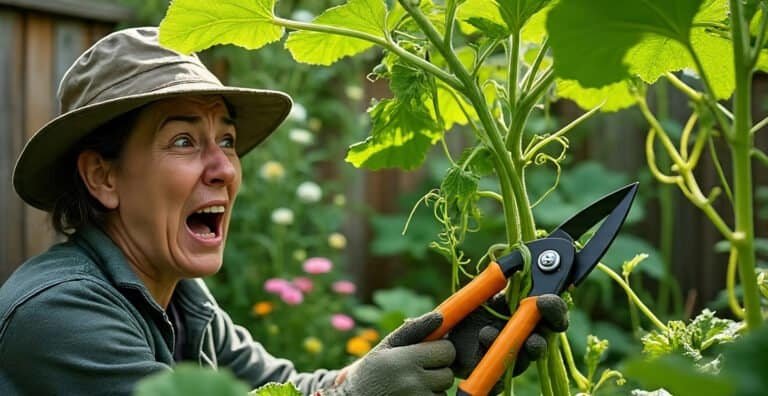
Pruning is most commonly associated with tomatoes. For indeterminate varieties, “suckering” is a key June task. Suckers are the small shoots that emerge from the “armpit” (axil) where a leaf stem meets the main stem. Pinching these off when they are small (1-2 inches) directs the plant’s energy into the main stem and fruit production, leading to larger, earlier fruits. Be careful not to remove too many leaves, as they are crucial for photosynthesis. For peppers, you can pinch off the first few flowers to encourage the plant to put more energy into vegetative growth before setting fruit, leading to a stronger plant and potentially higher yields later. For cucumbers and squash, you might remove older, yellowing leaves or those showing signs of disease to improve air circulation and prevent the spread of problems. Always use clean, sharp pruners (like Fiskars or Corona brands, widely available) to make clean cuts and reduce the risk of introducing diseases. Remember, a little thoughtful pruning in June can make a big difference in your harvest!
Regional Raised Bed Rundown: Tailoring Tasks Across the USA
The beauty of American gardening lies in its incredible diversity, but this also means that a “one-size-fits-all” approach to June tasks just won’t cut it. What works for a raised bed in humid Miami (USDA Zone 10b) will be very different from what’s needed in dry Denver (Zone 5b) or temperate Seattle (Zone 8b). Understanding your specific regional climate is paramount to success in June. The intense summer sun can be a blessing and a curse, driving rapid growth but also demanding tailored strategies for watering, pest control, and even what you choose to plant. Let’s break down some key considerations for different regions across the continental USA, ensuring your raised beds are primed for a bountiful summer, no matter where you call home.
From the lush, often rainy landscapes of the Pacific Northwest to the scorching deserts of the Southwest, and the varied climates in between, June brings unique challenges and opportunities. Adapting your watering schedule, choosing appropriate plant varieties, and understanding regional pest pressures are not just good ideas – they are essential for keeping your raised beds productive. This month is about fine-tuning your gardening approach to work with Mother Nature, not against her. By recognizing the specific conditions of your region, you can make informed decisions that will protect your plants from stress and maximize their potential.
Northeast & Midwest: Beating the Humidity
Gardeners in the Northeast (e.g., New York, Pennsylvania) and Midwest (e.g., Illinois, Michigan) often experience warm, humid conditions in June, frequently punctuated by thunderstorms. The primary challenge here is managing moisture and preventing fungal diseases. Watering: Focus on deep watering in the early morning, allowing foliage to dry before nightfall. Consider drip irrigation to keep leaves dry. Pest & Disease: Be vigilant for powdery mildew, early blight, and squash bugs. Ensure good air circulation by proper spacing and pruning. Use preventative organic fungicides if humidity is consistently high. Planting: Succession plant heat-tolerant greens, bush beans, and cucumbers. This is also a good time for a second round of corn or tomatoes if you have space and a long enough growing season. Watch out for sudden temperature drops after cold fronts, which can stress warm-season crops.
The Southern Heatwave Strategy
The South (e.g., Georgia, Texas, Florida) faces intense heat and often high humidity in June. Plants here need extra resilience. Watering: Daily deep watering might be necessary, especially for fruiting plants. Mulch is absolutely critical to retain soil moisture and keep roots cool. Consider shade cloth for midday sun protection on heat-sensitive crops. Pest & Disease: High humidity means increased pressure from fungal diseases like blight and downy mildew. Monitor for spider mites, squash vine borers, and fire ants. Neem oil and consistent scouting are essential. Planting: Focus on heat-loving crops like okra, sweet potatoes, southern peas, and specific heat-set tomato varieties. Avoid planting cool-season crops now. For those in Zone 9b or 10a, your summer planting window is wide open for many tropical and sub-tropical vegetables.
Pacific Northwest & Southwest: Water Wisdom
The Pacific Northwest (e.g., Washington, Oregon) typically enjoys mild, dry summers in June, while the Southwest (e.g., Arizona, Nevada, inland California) battles extreme dry heat. PNW Watering: While mild, June often brings little rain, so regular, deep watering is still crucial. Mulching helps conserve moisture. PNW Pest & Disease: Slugs and snails are perennial concerns, especially if spring rains linger. Aphids are common. Generally, disease pressure is lower due to drier air. PNW Planting: Many cool-season crops can still be planted for a later harvest. Succession plant lettuce, spinach, carrots, and brassicas. SW Watering: This is where efficient irrigation is non-negotiable. Drip systems are essential. Heavy mulching and even shade cloth during peak afternoon sun will protect plants from scorching. SW Pest & Disease: Spider mites thrive in dry heat. Watch for whiteflies. Disease pressure is generally low due to lack of humidity. SW Planting: Focus on extremely heat-tolerant crops like peppers, eggplant, melons, and some tomato varieties. Desert-adapted plants like tepary beans are excellent choices. https://ecorganicas.org/when-to-plant-garlic/Check out the Western Garden Book for more regional advice.%%/EXTERNAL_LINK2%%
Top American Tools & Products for June Success
Equipping your raised beds for success in June often means having the right tools and products at your disposal. While a good pair of gloves and a trowel are always garden staples, this time of year calls for specific items that address summer’s unique demands: efficient watering, effective pest control, and robust plant support. The good news is that American retailers like Home Depot, Lowe’s, and Amazon US offer a vast array of high-quality, accessible products that can make your June gardening tasks significantly easier and more productive. Investing in a few key items now can save you time, effort, and ultimately lead to a more bountiful harvest. From innovative irrigation solutions to organic pest deterrents and sturdy plant supports, there’s a tool for every challenge you might face in your raised bed garden this month.
When selecting products, think about durability, ease of use, and whether they align with your gardening philosophy (e.g., organic vs. conventional). Many brands cater specifically to the American home gardener, understanding the common issues faced in diverse climates. Don’t be afraid to read reviews, compare prices, and choose items that you’ll use season after season. A well-chosen tool isn’t just an expense; it’s an investment in your gardening joy and success. Let’s explore some of the must-have items that will help your raised beds thrive through the heart of summer.
Irrigation Innovations for Efficiency
Given June’s heat, efficient watering is paramount. A drip irrigation kit is a game-changer for raised beds. Brands like Rain Bird, Orbit, or Netafim offer affordable starter kits (typically $30-$70) at Home Depot or Lowe’s that include tubing, emitters, and connectors, allowing you to customize a system for your specific bed dimensions. These systems deliver water directly to the plant roots, minimizing waste and preventing fungal diseases by keeping foliage dry. For those who prefer manual watering, a quality watering wand with a shut-off valve and multiple spray patterns (e.g., Dramm or Gilmour, around $20-$40) makes deep watering much more comfortable. A soil moisture meter (around $10-$25 on Amazon US) can also take the guesswork out of when to water, ensuring you’re only hydrating your plants when they truly need it, preventing both underwatering and overwatering. Finally, a thick layer of organic mulch (straw, shredded leaves, or untreated wood chips) purchased in bales from garden centers (around $5-$10 per bale) is an inexpensive yet incredibly effective “product” for moisture retention and weed suppression.
Nutrient Boosters & Pest Solutions
To keep your hungry plants fed, a good organic granular fertilizer (e.g., Espoma Garden-tone, Dr. Earth Tomato & Vegetable Food, around $15-$25 for a large bag) with a balanced N-P-K ratio or one favoring phosphorus and potassium is ideal for mid-season side dressing. For quick boosts, a liquid feed like Fish Emulsion (Alaska Fish Fertilizer, around $15-$20 per quart) or a concentrated Compost Tea (various brands, or make your own!) can be applied every few weeks. For pest control, an all-purpose Neem Oil spray (e.g., Bonide Neem Oil, around $15-$20) is an organic gardener’s best friend, effective against a wide range of insects and some fungal issues. For specific pests like slugs and snails, Sluggo Plus (around $10-$15), an iron phosphate-based bait, is pet and wildlife safe. For larger pests like tomato hornworms, a simple pair of gardening gloves and a bucket of soapy water are often the best tools. Remember to source these products from trusted American retailers to ensure quality and availability.
Comparison Table: Essential Raised Bed Products for June
| Product | Best For | Price Range | Where to Buy | Rating (Out of 5) |
|---|---|---|---|---|
| Drip Irrigation Kit | Efficient, targeted watering; water conservation | $30 – $70 | Home Depot, Lowe’s, Amazon US | 4.5 |
| Organic Granular Fertilizer | Mid-season nutrient boost for fruiting plants | $15 – $25 | Garden Centers, Amazon US | 4.7 |
| Neem Oil Spray | Organic pest & disease control (broad spectrum) | $15 – $20 | Home Depot, Lowe’s, Amazon US | 4.2 |
| Sturdy Tomato Cages/Stakes | Supporting vining plants (tomatoes, cucumbers) | $5 – $15 (per item) | Home Depot, Lowe’s | 4.0 |
| Soil Moisture Meter | Taking guesswork out of watering; preventing over/underwatering | $10 – $25 | Amazon US, Garden Centers | 4.3 |
Expert Tips for a Bountiful June Harvest in Your American Raised Beds
- Mulch, Mulch, Mulch: Apply a 2-4 inch layer of organic mulch (straw, shredded leaves, or wood chips) to conserve moisture, regulate soil temperature, and suppress weeds. This is especially crucial in hot, sunny June weather.
- Water Deeply and Less Frequently: Aim for 1-2 inches of water per week, delivered slowly and deeply to encourage strong root growth. Check soil moisture 2-3 inches down before watering.
- Fertilize Fruiting Crops: Mid-season feeding with a balanced organic granular fertilizer or liquid feed (like fish emulsion) is vital for heavy feeders like tomatoes, peppers, and squash.
- Scout Daily for Pests: Spend 5-10 minutes each morning inspecting leaves (top and bottom), stems, and fruits for early signs of pests or diseases. Early detection is key to easy control.
- Hand-Pick Large Pests: Tomato hornworms and squash bugs are often best dealt with by hand-picking and dropping them into soapy water.
- Prune for Airflow & Production: Remove tomato suckers and any yellowing or diseased leaves to improve air circulation and direct energy to fruit development.
- Provide Sturdy Support: Stake, cage, or trellis vining plants (tomatoes, cucumbers, pole beans) early to prevent damage and keep fruits off the ground.
- Succession Plant for Continuous Harvest: Sow small batches of quick-growing crops like bush beans, radishes, and heat-tolerant lettuce every 2-3 weeks.
- Consider Shade Cloth in Hot Regions: For areas experiencing extreme heat (Southwest, deep South), temporary shade cloth during the hottest part of the day can prevent sunscald and heat stress on sensitive plants.
- Harvest Regularly: Picking ripe vegetables frequently encourages the plant to produce more. Don’t let zucchini get too big!
- Clean Your Tools: Disinfect pruning shears and other tools with rubbing alcohol between plants, especially after working with any diseased foliage, to prevent spreading pathogens.
- Encourage Beneficial Insects: Plant companion flowers like marigolds