body { font-family: ‘Segoe UI’, Tahoma, Geneva, Verdana, sans-serif; line-height: 1.6; color: #333; margin: 0 auto; max-width: 800px; padding: 20px; }
h1, h2, h3 { color: #2c5234; }
h1 { font-size: 2.5em; margin-bottom: 0.5em; }
h2 { font-size: 1.8em; margin-top: 1.5em; margin-bottom: 0.8em; border-bottom: 2px solid #e0e0e0; padding-bottom: 5px; }
h3 { font-size: 1.4em; margin-top: 1.2em; margin-bottom: 0.6em; color: #4a7c59; }
p { margin-bottom: 1em; }
ul, ol { margin-bottom: 1em; margin-left: 20px; }
li { margin-bottom: 0.5em; }
strong { color: #1a472a; }
em { font-style: italic; }
table { width: 100%; border-collapse: collapse; margin-bottom: 1.5em; }
th, td { border: 1px solid #ddd; padding: 10px; text-align: left; }
th { background-color: #f2f2f2; font-weight: bold; }
.key-takeaways { background-color: #e6f7e9; border-left: 5px solid #4a7c59; padding: 15px 20px; margin: 25px 0; border-radius: 5px; }
.key-takeaways h3 { color: #2c5234; margin-top: 0; }
.button { display: inline-block; background-color: #4CAF50; color: white; padding: 10px 20px; text-align: center; text-decoration: none; border-radius: 5px; margin-top: 15px; font-weight: bold; }
.button:hover { background-color: #45a049; }
.faq-section { margin-top: 30px; }
.faq-question { font-weight: bold; margin-bottom: 5px; }
.faq-answer { margin-bottom: 15px; }
Raised Bed Revolution: 7 Summer Veggies You Must Grow in Your American Garden
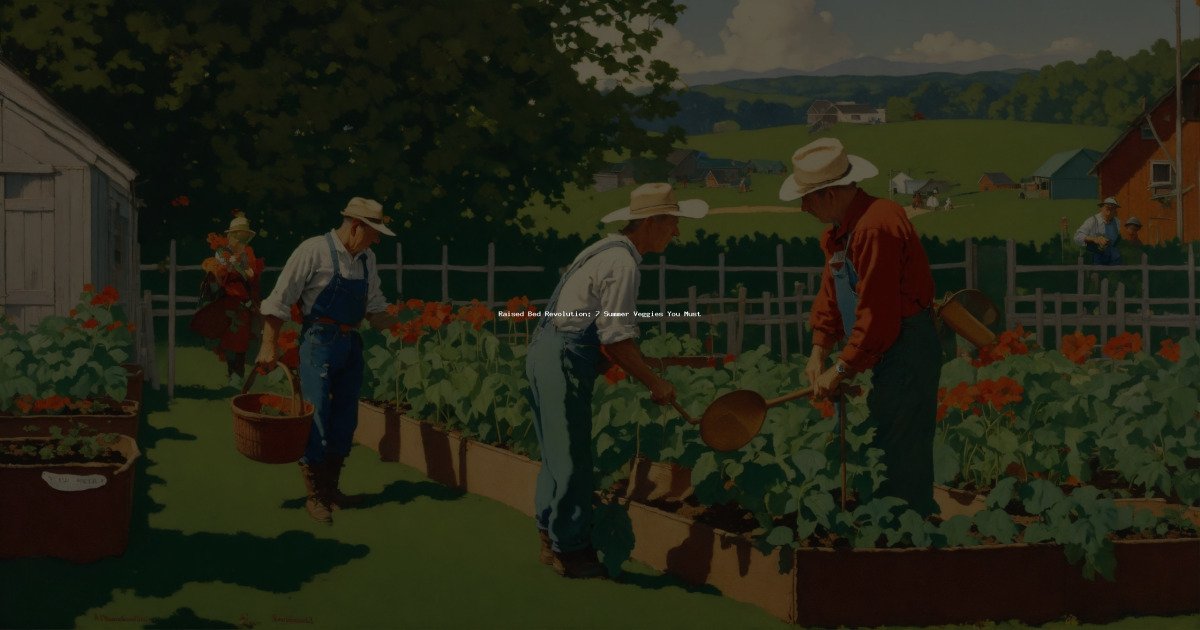
Ah, summer! The sun is shining, the birds are singing, and the grill is fired up. But for American home gardeners like us, June means one thing: our raised beds are bursting with potential! There’s a special kind of magic in stepping out into your backyard, basket in hand, to gather fresh, sun-ripened produce you grew yourself. Forget the grocery store wilted greens – we’re talking about vibrant, flavorful summer staples that taste like pure sunshine.
If you’ve embraced the raised bed revolution, you already know the perks: better drainage, fewer weeds, targeted soil amendments, and a lot less back-breaking labor. This isn’t just a trend; it’s a smart, efficient way to garden that makes sense for busy homeowners across the continental USA. Whether you’re in the humid South (USDA Zones 8-10), the temperate Northeast (Zones 5-7), the sprawling Midwest (Zones 4-6), the mild Pacific Northwest (Zones 7-9), or the arid Southwest (Zones 7-9), raised beds offer a controlled environment to maximize your harvest.
But with so many possibilities, how do you choose what to plant for a truly spectacular summer yield? Especially now, in June, when the days are long and the soil is finally warm enough to make serious moves. This isn’t the time for guesswork; it’s time for strategic planting that will reward you with bumper crops from Fourth of July BBQs right through Labor Day picnics. We’re here to guide you through the absolute must-grow summer vegetables for your raised beds, ensuring your garden is not just productive, but a source of pride and deliciousness.
We’ll dive deep into specific varieties that thrive in different US climates, offer practical advice on planting and care in American units (Fahrenheit, inches, gallons), and even point you to the best products you can pick up at your local Home Depot, Lowe’s, or with a quick click on Amazon US. Get ready to transform your raised beds into a summer paradise!
Key Takeaways for a Bountiful Raised Bed Summer:
- Strategic Planting: Choose heat-loving vegetables that thrive in US summer conditions.
- Regional Adaptations: Tailor your planting and care to your specific USDA zone and climate.
- Smart Watering: Raised beds dry faster; consistent moisture is crucial, especially in June’s heat.
- Quality Soil: Invest in good raised bed mix for optimal growth and drainage.
- Support & Structure: Provide trellises or stakes for vining plants to maximize space.
- Pest & Disease Watch: Early detection is key to protecting your precious crops.
- Enjoy the Harvest: Nothing beats homegrown! Plan for preserving your bounty.
Tomato Triumph: Your Summer Garden’s Star
No summer garden, especially a raised bed in America, is complete without tomatoes. The taste of a homegrown, sun-ripened tomato is simply unparalleled, a quintessential flavor of the season. In June, with soil temperatures consistently above 60°F, it’s prime time for planting or nurturing your tomato starts. Raised beds offer ideal drainage, preventing soggy roots, and allow you to create the perfect soil blend for these heavy feeders.
Planting Perfection for Juicy Tomatoes
When planting tomatoes in your raised bed, aim for deep planting. If your starts are a bit leggy, remove the lower leaves and bury up to two-thirds of the stem. This encourages the stem to grow new roots, leading to a stronger, more resilient plant. For most varieties, allow at least 24-36 inches between plants in a standard 4×8-foot raised bed, giving them ample room to spread. Consider determinate varieties like ‘Celebrity’ or ‘Patio’ for smaller raised beds, as they produce a set crop and stay more compact. Indeterminate varieties such as ‘Brandywine’ or ‘Big Beef’ will grow all season and require robust support.
A great raised bed soil mix for tomatoes includes a blend of good quality compost, peat moss (or coco coir), and perlite for aeration. You can find pre-mixed raised bed soil at Lowe’s or Home Depot, like their Vigoro Raised Bed & Potting Mix, which often includes slow-release fertilizer. Before planting, amend your soil with bone meal or a balanced organic fertilizer to give them a strong start.
Care & Support for a Bumper Crop
Tomatoes are thirsty plants, especially in raised beds which tend to dry out faster. Aim for 1-2 inches of water per week, or more during hot spells (above 90°F). Deep, consistent watering is better than shallow, frequent sprinkles. Consider installing a simple drip irrigation system in your raised bed; you can find kits at Amazon US or your local hardware store that make watering a breeze. As your tomatoes grow, they’ll need support. Staking, caging, or trellising is crucial. Heavy-duty tomato cages from Burpee or a DIY Florida weave system can keep your plants upright and prevent fruit from touching the soil, reducing disease risk. Pinch off suckers (shoots that grow in the crotch of a leaf and main stem) to direct the plant’s energy into fruit production rather than excessive foliage.
Regional Rhythms & Product Picks
Northeast & Midwest: Focus on early-ripening varieties like ‘Early Girl’ or ‘Better Bush’ to ensure a harvest before the first fall frost. Starting seeds indoors in April is key, but by June, you’re planting strong starts.
South & Southwest: Heat-tolerant varieties such as ‘Heatwave’ or ‘Florida 91’ are your best bet. Provide afternoon shade if temperatures consistently soar above 95°F. Consider a shade cloth from Home Depot.
Pacific Northwest: ‘Stupice’ or ‘Oregon Spring’ are excellent choices for cooler summers. Ensure good air circulation to combat fungal diseases in humid conditions.
Product Recommendation: The Gardeners Supply Company Heavy-Duty Tomato Cage (available on Amazon US or their website) is a fantastic, durable option for serious tomato growers. For soil, I swear by Kellogg Garden Organics Raised Bed & Potting Mix, widely available at most garden centers.
Bell Pepper Power: A Rainbow of Flavor
Bell peppers, with their vibrant colors and crisp texture, are another summer essential for your raised garden beds. They love the same warm conditions as tomatoes and thrive in well-drained soil, making raised beds an ideal home. Planting strong starts in June will ensure a steady supply of sweet or spicy peppers throughout the season.
Starting Strong for Colorful Harvests
Bell peppers require consistent warmth, both in the air and the soil. Don’t rush them; wait until all danger of frost is past and nighttime temperatures are reliably above 55°F, which is typically the case across most of the US by June. Plant pepper starts about 18-24 inches apart. Like tomatoes, they benefit from rich, well-draining soil. Mix in plenty of compost and a slow-release granular fertilizer high in phosphorus and potassium to encourage flowering and fruiting. Avoid excessive nitrogen, which can lead to lush foliage but fewer peppers.
For those in cooler zones, consider using black plastic mulch or dark-colored containers to help warm the soil around your pepper plants. This can give them a crucial head start in areas like northern New England or the upper Midwest. You can find rolls of gardening plastic at Lowe’s.
Watering Wisdom & Pest Patrol
Peppers need consistent moisture to produce well and prevent blossom end rot. Aim for about 1 inch of water per week, increasing during dry spells. Mulching around the plants with straw or shredded leaves will help retain soil moisture and keep soil temperatures even. Watch out for pests like aphids and pepper weevils. A strong spray of water can dislodge aphids, and for more persistent issues, an organic insecticidal soap (like Bonide All Seasons Horticultural & Dormant Spray Oil from Amazon US) can be effective. Good air circulation in your raised bed also helps prevent fungal diseases.
Regional Adaptations & Product Spotlight
Northeast & Midwest: Choose varieties like ‘King Arthur’ or ‘California Wonder’ which mature faster. Start seeds indoors 8-10 weeks before your last frost date.
South & Southwest: Heat-set varieties such as ‘Big Bertha’ or ‘Revolution’ perform well in high temperatures. Provide afternoon shade in extreme heat.
Pacific Northwest: ‘Gypsy’ or ‘North Star’ are good choices for cooler, cloudier conditions. Ensure they get as much sun as possible.
Product Recommendation: For excellent soil health and drainage, try Miracle-Gro Raised Bed Soil, widely available. To give your peppers a boost, Espoma Garden-tone Organic Plant Food (from most garden centers or Amazon) provides balanced nutrition.
Zucchini Zen: Abundance in a Box
Zucchini is the quintessential summer squash, known for its incredible productivity. In a raised bed, you can manage its sprawling nature more effectively and ensure it gets the consistent water and nutrients it craves. Planted in June, you’ll be swimming in zucchini by July!
Direct Sowing Success for Rapid Growth
Zucchini seeds germinate quickly in warm soil. Direct sow seeds 1 inch deep and 2-3 feet apart in your raised bed. If space is a concern, consider bush varieties like ‘Bush Baby’ or ‘Patio Star’ which are more compact than traditional vining types. Plant 2-3 seeds per spot and thin to the strongest seedling once they’re a few inches tall. For an earlier start, you can plant strong transplants from your local nursery or from seed companies like Burpee. Zucchini thrives in rich, well-drained soil; incorporate plenty of compost before planting.
Managing the Bounty & Preventing Problems
Zucchini plants are heavy feeders and drinkers. Ensure consistent watering, especially once fruits start to form, aiming for about 1-1.5 inches per week. In raised beds, this might mean watering every other day during peak summer heat (85°F+). Mulch heavily to conserve moisture and suppress weeds. The biggest challenge with zucchini is often powdery mildew. Ensure good air circulation by spacing plants adequately and watering at the base rather than overhead. If powdery mildew appears, a diluted milk spray or organic fungicide (like Garden Safe Fungicide from Lowe’s) can help. Harvest zucchini when they are 6-8 inches long for the best flavor and tenderness. Don’t let them get too big, or they’ll become seedy and less flavorful – and encourage the plant to produce more!
Regional Adaptations & Tool Talk
All Regions: Bush varieties are generally easier to manage in raised beds. For vining types, consider growing them vertically on a sturdy trellis to save space.
Product Recommendation: A simple, sturdy trellis from Home Depot (like the Vigoro 48-inch Garden Trellis) can work wonders for vining zucchini. For seed, Botanical Interests (available online or at garden stores) offers excellent organic zucchini seeds.
Bush Bean Brilliance: Easy-Grow Edibles
For a quick, easy, and incredibly rewarding summer crop in your raised beds, look no further than bush beans. Unlike pole beans, they don’t require trellising, making them perfect for smaller raised beds. Planted in June, you can enjoy multiple harvests throughout the summer.
Quick Crop Cultivation for Continuous Harvests
Bush beans are incredibly fast growers. Direct sow seeds 1 inch deep and 3-4 inches apart in rows, with rows 18-24 inches apart. If you have a small raised bed, you can plant them in a block formation. For a continuous harvest, plant successive batches every 2-3 weeks until mid-summer. This “succession planting” ensures you always have fresh beans coming in. Beans fix nitrogen into the soil, so they don’t need a lot of fertilizer; just good, well-drained soil rich in organic matter. Many American seed companies, like Park Seed or Baker Creek Heirloom Seeds, offer a fantastic selection of bush bean varieties.
Soil & Sunshine Secrets for Tender Beans
Bush beans need full sun (at least 6-8 hours daily) and consistently moist soil. Raised beds provide the perfect drainage they prefer, preventing root rot. Water regularly, especially when flowers are forming and pods are developing. Aim for about 1 inch of water per week. Mulching will help maintain soil moisture and keep weeds down. Be mindful of bean beetles; inspect your plants regularly and handpick any beetles or their eggs you find. For a natural deterrent, consider planting marigolds nearby.
Harvest Hints & Seed Sources
Harvest bush beans when the pods are firm, crisp, and snap easily. Don’t wait until the seeds bulge too much, as they can become tough. Regular harvesting encourages the plant to produce more. ‘Blue Lake 274’ and ‘Contender’ are reliable, high-yielding varieties. For purple beans, ‘Royal Burgundy’ is a beautiful and tasty option.
Product Recommendation: For a quick soil refresh, consider Espoma Organic Garden-tone mixed into your raised bed soil. For seeds, Burpee (widely available online and in stores) offers a vast selection of popular and reliable bush bean varieties.
Cucumber Coolness: Refreshing Harvests
Cucumbers are the epitome of summer refreshment, and they absolutely thrive in raised beds. Their vining nature can be easily managed with a trellis, maximizing your vertical space and keeping the fruit clean and straight. Planting in June means crisp cucumbers for salads and pickles all season long.
Trellis Training Tips for Maximum Yield
Cucumbers are vigorous climbers. In a raised bed, it’s highly recommended to give them a trellis, cage, or sturdy stake. This saves valuable horizontal space and improves air circulation, which can reduce disease. Plant seeds or starts 12-18 inches apart at the base of your chosen support. As the vines grow, gently guide them onto the trellis. Bush varieties like ‘Bush Champion’ or ‘Spacemaster’ are more compact and can be grown without trellising in smaller beds, but even they benefit from some support. Ensure your raised bed soil is rich in organic matter and has excellent drainage.
Consistent Moisture is Key for Crispness
Cucumbers are roughly 95% water, so consistent and ample moisture is critical for sweet, crisp fruits. Irregular watering can lead to bitter cucumbers. Aim for 1-2 inches of water per week, applied deeply at the base of the plant. Raised beds can dry out quickly, so check soil moisture daily during hot periods (80°F+). Mulching is especially beneficial for cucumbers to maintain soil moisture and regulate temperature. Watch out for cucumber beetles, which can damage plants and spread disease; row covers can provide protection for young plants, and handpicking is effective for small infestations.
Variety Vitals & Supply Store Finds
Northeast & Midwest: ‘Marketmore 76’ or ‘Straight Eight’ are classic, reliable choices.
South & Southwest: ‘Armenian’ (actually a melon, but used like a cucumber) or ‘Diva’ can tolerate more heat.
Pacific Northwest: ‘Slicemaster’ or ‘Boston Pickling’ are excellent for cooler, milder summers.
Product Recommendation: A simple A-frame trellis or cattle panel from Home Depot or Lowe’s makes an excellent cucumber support. For seeds, look for varieties from Ferry-Morse or Livingston Seed, commonly found at garden centers.
Swiss Chard Sparkle: Beauty & Bounty
While often overshadowed by spinach or kale, Swiss chard is a superstar for summer raised beds, especially in regions where other leafy greens bolt (go to seed) in the heat. Its vibrant stems and nutritious leaves offer both beauty and bounty, making it a must-grow for continuous harvests.
Planting for Persistence & Color
Swiss chard is remarkably tolerant of both cool and warm temperatures, making it an excellent bridge crop as summer heats up. In June, plant seeds 1/2 inch deep and 4-6 inches apart. You can thin them to 8-12 inches apart for larger plants, or leave them closer for baby greens. Raised beds with their well-drained, fertile soil are perfect for chard. ‘Bright Lights’ is a popular variety known for its stunning red, yellow, and orange stems, adding a splash of color to your garden. ‘Fordhook Giant’ offers large, dark green leaves.
Leafy Green Longevity & Care
Chard thrives with consistent moisture, especially in raised beds. Aim for 1 inch of water per week. Mulching around the plants will help keep the soil cool and moist. Chard is a cut-and-come-again crop: harvest the outer leaves as needed, leaving the inner leaves to continue growing. This allows for a continuous harvest from early summer until the first hard frost. Fertilize every 3-4 weeks with a balanced liquid fertilizer (like Alaska Fish Fertilizer from Amazon US) to encourage lush growth. Chard is relatively pest-free, but keep an eye out for aphids or leaf miners; organic pest control methods usually suffice.
Heat Tolerance & Organic Options
Unlike many other greens, Swiss chard holds up remarkably well in summer heat, only becoming slightly bitter in extreme conditions. It’s a fantastic alternative for salads and cooking when spinach and lettuce have long since bolted.
Product Recommendation: For enriching your raised bed soil, Compost from your local nursery or Home Depot is always a winner. For organic seeds, Renee’s Garden Seeds (available online or at specialty garden stores) often has excellent chard varieties.
Eggplant Elegance: Purple Pleasures
Eggplant brings an exotic touch to the summer raised bed, offering beautiful purple (or white, or striped!) fruits perfect for grilling, stir-fries, and classic Italian dishes. They love the heat and thrive in the rich, well-drained environment of a raised bed.
Warmth Loving Wonders for Peak Production
Eggplant is a true heat-lover, even more so than tomatoes or peppers. Don’t plant starts until all danger of frost is completely gone and nighttime temperatures are consistently above 60°F – typically mid-June for many northern regions. Plant starts 18-24 inches apart in your raised bed. They need full sun (6-8 hours daily) and rich, fertile soil amended with plenty of compost. Ensure your raised bed mix has excellent drainage; soggy feet are a no-go for eggplant.
Pest & Disease Prevention for Healthy Plants
Consistent watering is crucial for eggplant, especially during flowering and fruiting. Aim for 1-1.5 inches of water per week, keeping the soil evenly moist but not waterlogged. Mulch heavily to conserve moisture and regulate soil temperature. Eggplants can be susceptible to flea beetles, especially when young. Using floating row covers for the first few weeks can protect seedlings. Colorado potato beetles can also be an issue; handpicking is often the best solution for small numbers. For larger plants, consider organic pest control sprays like neem oil (available at Lowe’s or Home Depot).
As eggplant fruits develop, they can become heavy. Provide support with stakes or small cages to prevent branches from breaking, especially for larger varieties. Pinching off the terminal bud once the plant is about a foot tall can encourage bushier growth and more fruit production.
Best Varieties & Home Depot Heroes
Northeast & Midwest: ‘Black Beauty’ and ‘Patio Baby’ (a compact variety perfect for raised beds) are excellent choices.
South & Southwest: ‘Long Purple’ or ‘Rosita’ (an Italian heirloom) can handle the heat well.
Pacific Northwest: ‘Ichiban’ (Japanese eggplant) or ‘Fairy Tale’ (miniature, striped) are good for milder summers and often mature faster.
Product Recommendation: For sturdy support, the Vigoro Galvanized Steel Tomato Cage (found at Home Depot) works well for eggplant. For a nutrient boost, Jobe’s Organics Vegetable & Tomato Fertilizer Spikes (available on Amazon US) provide slow-release feeding directly to the roots.
Mastering Your Raised Bed: Regional Strategies for Success
While the core principles of raised bed gardening remain consistent, tailoring your approach to your specific US region is key to unlocking its full potential. June is a pivotal month, and understanding your local climate will help you maximize your summer harvest.
Northeast & Midwest: Leveraging Short Seasons
Gardeners in the Northeast (think New York, Massachusetts) and Midwest (Ohio, Illinois) often contend with shorter growing seasons and variable summer weather. By June, your soil should be warm enough for all heat-lovers. Focus on strong starts for tomatoes, peppers, and eggplant. Utilize black plastic mulch or dark-colored containers to absorb maximum solar heat and warm the soil faster. Consider compact or “bush” varieties for quicker maturity. Succession planting for bush beans and Swiss chard is a must to extend your harvest window. Consistent watering is vital, as summer droughts can be intense, but be mindful of sudden heavy rains that can waterlog traditional gardens (though less of an issue in well-drained raised beds).
The Sunny South: Battling the Blaze
From Florida to Texas, the South’s intense heat and humidity present unique challenges. Raised beds are a savior here, offering superior drainage and preventing many fungal diseases common in heavy, wet clay soils. By June, temperatures are already soaring, so focus on heat-tolerant varieties for all your veggies. Provide afternoon shade with shade cloth (available at Lowe’s or Home Depot) for plants like tomatoes, peppers, and eggplant when temperatures consistently exceed 95°F. Consistent, deep watering is non-negotiable; consider drip irrigation for efficiency. Okra, sweet potatoes, and heat-tolerant greens like Malabar spinach are excellent additions to a Southern raised bed, thriving where other plants struggle. Maintain good air circulation to combat humidity-related diseases.
Pacific Northwest: Embracing the Mild
The PNW (Oregon, Washington) often experiences cooler, wetter summers compared to other regions. Raised beds are particularly beneficial here for improving drainage and warming the soil. By June, ensure your beds are in the sunniest spot possible. Choose varieties of tomatoes, peppers, and eggplant known for earlier maturity or cold tolerance. Good air circulation is paramount to prevent fungal issues like blight and powdery mildew, which are common in humid conditions. Mulching helps regulate soil temperature and conserve moisture during drier spells. Consider cold frames or cloches for an early start or to extend the season into fall.
Southwest: Desert Garden Delights
Gardening in the arid Southwest (Arizona, New Mexico) means dealing with extreme heat and very low humidity. Raised beds help manage precious water resources and allow for custom soil blends. Focus on drought-tolerant and heat-loving varieties. Shade cloth is often essential for protecting plants from the intense afternoon sun (100°F+). Deep, infrequent watering is generally preferred over shallow, frequent watering, encouraging roots to grow deeper. Mulching with straw or wood chips is crucial for moisture retention and keeping soil temperatures down. Drip irrigation is highly recommended to minimize water loss from evaporation. Consider desert-adapted crops like specific types of squash, melons, and heat-tolerant peppers.
Essential Tools & Materials for Your Raised Bed Revolution
<p