Plant These 7 Vegetables in May for a Bountiful Harvest
Ever feel that surge of excitement when spring finally truly arrives, painting your world in vibrant greens and promising longer, warmer days? For American gardeners, May isn’t just another month; it’s a pivotal moment, a vibrant canvas for planting dreams and anticipating delicious homegrown meals. This is when the last threat of frost retreats across much of the continental USA, the soil warms up just right, and the air hums with the energy of growth. It’s the perfect time to get your hands dirty and set the stage for a truly spectacular summer and fall harvest.
Whether you’re a seasoned green thumb in a balmy USDA Zone 9 like Southern California or Florida, or just starting your gardening journey in a cooler Zone 5 in the Midwest or Northeast, May offers a unique window of opportunity. The days are long enough to give plants ample sunlight, but the scorching heat of summer often hasn’t fully set in yet, making it ideal for young seedlings to establish strong roots. From the fertile valleys of the Pacific Northwest to the sun-drenched plains of Texas, gardeners everywhere are gearing up for prime planting season.
But with so many options, how do you know what to plant for the best success? That’s exactly what we’re here to unravel. This comprehensive guide will walk you through the top 7 vegetables that absolutely thrive when planted in May, ensuring your efforts lead to a garden overflowing with fresh produce. We’ll dive deep into specific advice tailored for different US regions, recommend the best American gardening products available at your local Home Depot, Lowe’s, or on Amazon, and share expert tips to supercharge your garden’s potential.
Imagine biting into a juicy, sun-ripened tomato picked fresh from your own backyard, or tossing crisp green beans into a family dinner – all thanks to your timely planting in May. This isn’t just about growing food; it’s about connecting with nature, enjoying the fruits (and vegetables!) of your labor, and creating a sustainable source of healthy produce right outside your door. So grab your gardening gloves, because we’re about to transform your May planting strategy into a pathway to your most successful garden yet!
In this guide, we’ll cover everything from preparing your soil to choosing the right varieties, all while keeping the unique challenges and opportunities of American climates in mind. We’ll talk about Fahrenheit temperatures, inches of spacing, and gallons of water – all in a friendly, conversational tone that feels like you’re chatting with a fellow gardener over the fence. Get ready to cultivate not just vegetables, but also joy and abundance in your backyard this season.
Key Takeaways for Your May Garden Success
- Timing is Everything: May is prime time for warm-season vegetables across most of the US, but always check your local last frost date.
- Regional Wisdom: Adapt your planting schedule and crop choices based on your specific USDA Zone and climate (Northeast, South, Midwest, Pacific Northwest, Southwest).
- Top 7 Veggies: Focus on tomatoes, peppers, green beans, summer squash, corn, cucumbers, and eggplant for a robust harvest.
- Smart Shopping: Utilize American retailers like Home Depot, Lowe’s, and Amazon for reliable tools, seeds, and soil amendments.
- Expert Tips: Implement practices like soil testing, succession planting, and proper watering for maximum yield and plant health.
The Ultimate May Planting Guide for a Bountiful Harvest
May truly kicks off the gardening season for the majority of American home gardeners. While some regions might still have a lingering cool snap, the general trend is towards consistently warmer temperatures, both in the air and, crucially, in the soil. This warming soil is the green light for many of our favorite heat-loving vegetables, which simply won’t thrive until the ground temperature reaches at least 60-65°F. Planting too early in cold soil can stunt growth, lead to disease, or even kill young seedlings, so patience and observation are key.
Before you even think about putting plants in the ground, proper soil preparation is paramount. Your garden soil is the foundation for everything else. Start by testing your soil’s pH and nutrient levels – many local extension offices offer this service for a small fee, or you can purchase a home kit from stores like Home Depot or Lowe’s. Knowing what your soil needs can make a world of difference. Most vegetables prefer a slightly acidic to neutral pH (6.0-7.0). Amend your soil generously with organic matter like compost or well-rotted manure. This improves drainage in heavy clay soils and increases water retention in sandy soils, while also providing a slow-release source of nutrients. Aim for a rich, loamy texture that crumbles easily in your hand.
Sunlight is another non-negotiable requirement. Most of the vegetables we’ll discuss need at least 6-8 hours of direct sunlight per day to produce fruit. Observe your yard throughout the day to identify the sunniest spots. If your yard is partially shaded, consider growing in raised beds or containers that can be moved. Raised beds, often built from cedar or composite materials, are excellent for getting a head start on warming soil and improving drainage. They also make gardening more accessible and can be filled with a high-quality raised bed mix from brands like Kellogg Garden Products or Miracle-Gro.
When you bring home seedlings from the nursery or garden center, remember to “harden them off” if they haven’t been already. This process gradually acclimates them to outdoor conditions – wind, direct sun, and temperature fluctuations – after being pampered in a greenhouse. Start by placing them outside in a sheltered spot for a few hours a day, gradually increasing their exposure over a week or two. This dramatically reduces transplant shock and helps them hit the ground running once planted. Proper spacing, as indicated on seed packets or plant tags, is also critical. Overcrowding leads to competition for resources, reduced air circulation, and increased disease risk. Give your plants room to breathe and grow!
Understanding Your Local Last Frost Date
While May is generally safe, the exact timing depends heavily on your specific location. In the northernmost parts of the US, like northern Minnesota or Maine, the last frost might not pass until late May or even early June. Conversely, in the deep South (Florida, Gulf Coast), the last frost could have been back in February or March. Websites like the Old Farmer’s Almanac provide excellent resources for finding your average last frost date. It’s always better to err on the side of caution and wait a week or two after this date to ensure the soil is truly warm enough for heat-loving plants.
Watering Wisdom for May Plantings
Newly planted vegetables need consistent moisture to establish their root systems. Water deeply and regularly, especially during dry spells. A good rule of thumb is to provide about 1 inch of water per week, either from rainfall or irrigation. Check the soil moisture by sticking your finger about 2-3 inches deep; if it feels dry, it’s time to water. Drip irrigation systems or soaker hoses, readily available at Lowe’s or on Amazon, are excellent for delivering water directly to the root zone, minimizing evaporation, and reducing the risk of fungal diseases on foliage. Consider adding a layer of organic mulch (like straw, shredded leaves, or wood chips) around your plants. This helps retain soil moisture, suppress weeds, and regulate soil temperature – a win-win-win for your May garden.
Regional Rhythms: Tailoring Your May Garden Across the USA
The vast and diverse landscape of the United States means that “May planting” isn’t a one-size-fits-all endeavor. What thrives in the sweltering heat of Arizona might struggle in the damp coolness of Washington State. Understanding your regional climate and adapting your gardening practices accordingly is crucial for success. Here’s a breakdown of how May gardening looks across different parts of the continental USA, keeping in mind the USDA Plant Hardiness Zones that broadly categorize areas based on average annual extreme minimum winter temperatures.
Northeast (Zones 3-7)
In states like New York, Pennsylvania, Massachusetts, and Connecticut, May is the true awakening of the garden. While early May might still see some chilly nights, especially in higher elevations or northern zones (like Zone 3-5), the risk of a hard frost usually passes by Memorial Day. This means you can confidently plant most warm-season vegetables, but keep an eye on overnight lows. Gardeners here often start seeds indoors in March or April to get a head start. By mid-May, the soil has warmed sufficiently for direct sowing of beans, corn, and squash. Tomatoes, peppers, and eggplant seedlings can be transplanted after the last frost date, typically mid-May for Zone 6-7, and late May for Zone 3-5. Consider succession planting for crops like lettuce and radishes, which you might have started in April, to extend your harvest. A good organic starter fertilizer, like Espoma Bio-tone Starter Plus, helps transplanted seedlings establish quickly.
The South (Zones 7-10)
From the Carolinas to Georgia, Alabama, Mississippi, Louisiana, and Florida, May can be a bit of a transition month. In the cooler parts of the South (Zone 7-8), it’s prime planting time for all warm-season crops. However, in the deep South (Zone 9-10), especially Florida and along the Gulf Coast, May signals the rapid approach of intense summer heat and humidity. Here, gardeners need to act fast. Many warm-season crops like tomatoes and peppers prefer to set fruit before temperatures consistently exceed 90°F. If you haven’t planted them already in March or April, get them in the ground early in May. Consider heat-tolerant varieties like ‘Homestead’ tomatoes or ‘Jalapeño M’ peppers. Okra, sweet potatoes, and southern peas thrive in the heat and are excellent choices for May planting. Ensure adequate irrigation as the summer dry season can begin, and consider shade cloth for delicate plants during the hottest parts of the day. https://ecorganicas.com/10-aesthetic-plants-for-a-quiet-luxury-garden-look/
Midwest (Zones 3-6)
The Midwest, encompassing states like Ohio, Michigan, Illinois, Iowa, and Kansas, experiences a classic continental climate. May is generally the go-to month for planting all warm-season vegetables. The last frost typically occurs in early to mid-May, making the period after Mother’s Day a popular time to get plants in the ground. Soil temperatures catch up quickly here. Corn, beans, squash, and cucumbers can be directly sown. Tomatoes, peppers, and eggplant seedlings are ready for transplanting. Midwestern gardeners often face strong winds and occasional severe thunderstorms in May, so ensure young plants are well-staked or protected. Investing in sturdy tomato cages or stakes from Lowe’s can save you a lot of heartache later. Good drainage is key, as heavy spring rains can sometimes lead to waterlogged soil. Amending with compost is particularly beneficial here.
Pacific Northwest (Zones 6-9)
Oregon, Washington, and parts of Northern California experience milder, often wetter springs. May is an excellent month for planting in the Pacific Northwest, especially after the persistent spring rains begin to taper off. While the risk of frost is generally gone by early May, soil temperatures can lag a bit due to the cooler, damp conditions. This region is fantastic for a wide range of vegetables. Tomatoes, peppers, and squash can be transplanted, but consider planting them in raised beds or against south-facing walls to maximize warmth. Crops like peas, kale, and lettuce, which thrive in cooler conditions, can continue to be planted for succession harvests. The PNW’s long, mild growing season means many plants will produce well into the fall. Be vigilant about slugs and snails, which love the damp conditions; organic slug baits or copper tape from garden centers can be helpful. https://ecorganicas.org/when-to-plant-garlic/
Southwest (Zones 7-10)
Arizona, New Mexico, Nevada, Utah, and Southern California present unique challenges with their hot, dry climates. For much of the Southwest, May means rapidly rising temperatures. In the low desert regions (like Phoenix or Las Vegas), it’s already getting too hot for many traditional warm-season crops like tomatoes and peppers to set fruit, so these should have been planted in March or April. However, May is perfect for heat-loving, drought-tolerant plants. Think sweet potatoes, okra, Armenian cucumbers, and various types of squash. Drip irrigation is almost a necessity here to conserve water and deliver it efficiently to plant roots. Mulching heavily is also critical to keep soil temperatures down and retain moisture. Consider planting in partial shade or using shade cloth to protect plants from the intense afternoon sun. Water deeply in the early morning to minimize evaporation. For higher elevation areas in the Southwest, May is prime planting time similar to the Midwest, but still with a focus on water conservation. https://ecorganicas.com/10-aesthetic-plants-for-a-quiet-luxury-garden-look/
Top 7 Vegetables to Plant in May for Amazing Results
May is the sweet spot for getting a fantastic array of warm-season vegetables into your American garden. These seven picks are reliable producers, generally easy to grow, and offer a delicious bounty that will make your gardening efforts incredibly rewarding. Get ready to enjoy fresh, homegrown flavors!
1. Tomatoes (Solanum lycopersicum)
The undisputed king of the summer garden, tomatoes are a must-plant in May for most US regions. They crave warmth, both in the air and in the soil, and May provides just that. Transplanting healthy seedlings after your last frost date, when night temperatures consistently stay above 50°F, is ideal. Plant them deep, burying a portion of the stem, as tomatoes will root along the buried stem, creating a stronger plant. Space indeterminate varieties (vining) about 2-3 feet apart, and determinate (bush) varieties about 1.5-2 feet apart. Provide sturdy support like cages, stakes, or trellises from day one. Tomatoes need consistent moisture – about 1-1.5 inches of water per week, especially when fruits are developing. Popular American varieties include ‘Celebrity’ (determinate, disease-resistant), ‘Better Bush’ (compact, good for containers), and ‘Cherokee Purple’ (heirloom, incredible flavor). Fertilize with a balanced organic fertilizer, especially one formulated for tomatoes, every 3-4 weeks once flowering begins. Look for brands like Burpee or Park Seed for seeds and seedlings.
2. Peppers (Capsicum annuum)
Sweet bell peppers, spicy jalapeños, and fiery habaneros all thrive when planted in May. Like tomatoes, peppers are heat-lovers and should be transplanted as seedlings after all danger of frost has passed and soil temperatures are warm. Plant them 18-24 inches apart in rich, well-draining soil. Peppers prefer full sun and consistent moisture, but don’t like soggy feet. They can benefit from light mulching to retain soil moisture and regulate temperature. Many varieties, especially larger ones, can benefit from staking to support heavy fruit loads. ‘California Wonder’ (bell pepper), ‘Hungarian Wax’ (mildly hot), and ‘Cayenne Long Slim’ (spicy) are popular choices. Feed them with a balanced fertilizer, perhaps a bit lower in nitrogen and higher in phosphorus and potassium to encourage fruit production. You can find a great selection of pepper seedlings at your local garden center or online from reputable sources like Baker Creek Heirloom Seeds.
3. Green Beans (Phaseolus vulgaris)
Green beans are incredibly easy to grow, productive, and a fantastic choice for May planting, especially for direct sowing. They germinate quickly in warm soil and mature rapidly, often providing a harvest in just 50-60 days. There are two main types: bush beans, which are compact and don’t require support, and pole beans, which are vining and need a trellis or pole to climb. Plant bush bean seeds 4-6 inches apart in rows about 2 feet apart. For pole beans, plant seeds in hills of 4-6 seeds every 3-4 feet, providing a sturdy support structure. Beans fix nitrogen in the soil, so they don’t require heavy fertilization. Just ensure good drainage and consistent moisture, especially during flowering and pod development. ‘Contender’ (bush) and ‘Blue Lake’ (pole) are classic American favorites. Look for seeds at any garden center, like those available at Home Depot or Lowe’s.
4. Summer Squash (Cucurbita pepo)
Zucchini, yellow squash, and pattypan squash are incredibly prolific and grow quickly from direct-sown seeds in May. These plants are notorious for producing an abundance of fruit, so often just 2-3 plants are enough for a family! Plant seeds 1 inch deep, 2-3 feet apart in rich soil, or in hills of 2-3 seeds with hills 3-4 feet apart. Summer squash needs full sun and plenty of water, especially as the fruits begin to swell. Mulching around the plants helps conserve moisture and keeps the sprawling vines clean. Watch out for squash vine borers and cucumber beetles; early detection is key. ‘Black Beauty’ zucchini and ‘Early Prolific Straightneck’ yellow squash are common and reliable varieties. These seeds are widely available and very affordable. https://ecorganicas.org/when-to-plant-garlic/
5. Corn (Zea mays)
For a taste of true Americana in your backyard, plant corn in May! Corn is a heavy feeder and needs full sun, rich soil, and plenty of water. Plant seeds 1 inch deep and 6-12 inches apart in blocks of at least four rows rather than single long rows. This is crucial for proper wind pollination, ensuring well-filled ears. Space rows 2-3 feet apart. Corn needs consistent moisture, especially during its tasseling and silking stages. Fertilize with a balanced granular fertilizer when the plants are about 1 foot tall and again when they are 2-3 feet tall. ‘Bodacious’ (sweet corn) and ‘Silver Queen’ (white sweet corn) are popular choices for home gardeners. Growing corn is a rewarding experience, culminating in sweet, fresh cobs picked right off the stalk. Seeds are widely available from American seed companies.
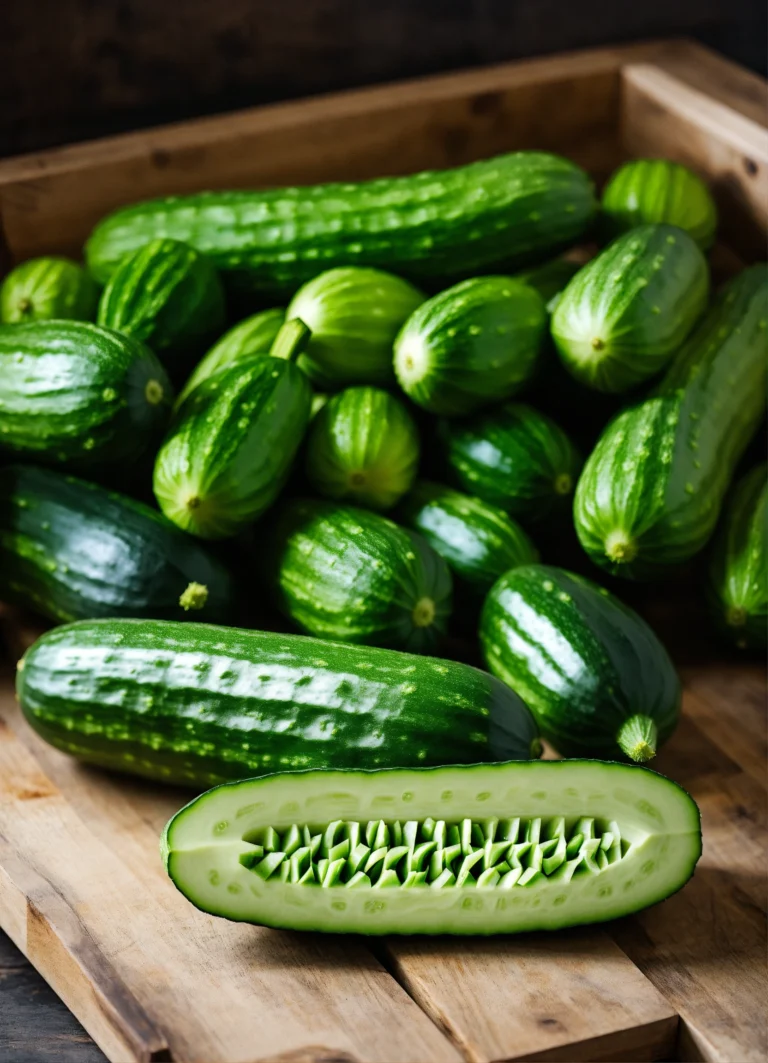
6. Cucumbers (Cucumis sativus)
Perfect for fresh salads, pickles, or just snacking, cucumbers are another excellent May planting choice. They love warm weather and consistent moisture. Cucumbers come in bush varieties, which are great for containers, and vining varieties, which benefit from trellising to save space and keep fruits clean. Direct sow seeds 1 inch deep, 12 inches apart for bush varieties, or 2-3 seeds in hills spaced 3 feet apart for vining types with a trellis. Provide a sturdy trellis or cage for vining cucumbers to climb. They are thirsty plants, especially during fruiting, so ensure they get 1-1.5 inches of water per week. ‘Marketmore 76’ (slicing) and ‘Pickling Bush’ (bush type for pickles) are reliable varieties. Watch out for cucumber beetles. A layer of straw mulch can help keep the soil moist and fruits off the ground. https://ecorganicas.com/how-to-grow-a-tea-garden-from-leaf-to-mug/
7. Eggplant (Solanum melongena)
Eggplant, with its beautiful purple fruits, is a striking and delicious addition to the May garden. Like tomatoes and peppers, eggplant is a warm-season crop that thrives when transplanted as a seedling after all danger of frost has passed and soil temperatures are consistently warm. Plant seedlings 2-3 feet apart in full sun and rich, well-draining soil. Eggplants need consistent moisture to produce good fruit and prevent bitterness. Stake taller varieties to support the heavy fruits and prevent plants from toppling over. ‘Black Beauty’ and ‘Long Purple’ are classic, reliable varieties that produce well in most US climates. Fertilize regularly with a balanced organic fertilizer, especially once the plants start flowering and fruiting. Eggplant is a great plant for southern US gardeners, as it handles heat quite well.
Essential Gear: American Product Picks for Your May Garden
Having the right tools and supplies can make all the difference in your gardening success and enjoyment. Thankfully, American retailers offer a fantastic selection of high-quality products that will serve you well for years to come. Here are some top recommendations you can easily find at your local Home Depot, Lowe’s, or with a few clicks on Amazon US.
Soil & Amendments
Miracle-Gro Raised Bed Soil (Home Depot/Lowe’s/Amazon): For raised beds, this blend provides an ideal environment for vegetables with good drainage and nutrients. It’s ready to use right out of the bag.
Espoma Organic Garden-tone Fertilizer (Garden Centers/Amazon): A fantastic all-purpose organic granular fertilizer that slowly releases nutrients, perfect for a wide range of vegetables. Espoma is an American company with a long history of quality products.
Coast of Maine Organic Products Stonington Blend Organic Plant Food (Specialty Garden Centers/Amazon): A premium organic choice, especially popular in the Northeast, offering a rich blend for robust plant growth.
Kellogg Garden Organics Amend Garden Soil (Home Depot/Lowe’s): Excellent for improving existing garden beds, adding organic matter, and enhancing soil structure. A trusted brand for American gardeners.
Tools & Equipment
Fiskars Ergo Trowel and Cultivator Set (Home Depot/Lowe’s/Amazon): Fiskars is a widely recognized brand for durable, ergonomic gardening tools. A good trowel is essential for transplanting, and a cultivator helps aerate soil and remove weeds.
Wells Lamont Leather Gardening Gloves (Amazon/Hardware Stores): Protecting your hands is crucial. Wells Lamont has been making gloves in the USA for over a century, known for their durability and comfort.
Flexzilla Garden Hose (Amazon/Lowe’s): This hose is incredibly flexible, kink-resistant, and easy to maneuver, making watering a breeze. Available in various lengths, typically 50 or 100 feet.
Orbit Drip Irrigation Kit (Home Depot/Lowe’s/Amazon): For efficient watering, especially in larger gardens or drier climates, a drip irrigation system saves water and effort. Orbit offers user-friendly starter kits.
Garden Safe Neem Oil Extract Concentrate (Home Depot/Lowe’s/Amazon): An organic solution for pest control, effective against a wide range of common garden insects and diseases. It’s a must-have for any eco-conscious gardener.
Plant Supports & Protection
Gardener’s Blue Ribbon Tomato Cages (Home Depot/Lowe’s/Amazon): Essential for supporting your tomato plants, these sturdy cages prevent sprawling and keep fruit off the ground. Look for heavy-duty options for indeterminate varieties.
Vigoro Landscape Fabric (Home Depot): While not for every gardener, landscape fabric can be useful for suppressing weeds in pathways or around plants that require minimal disturbance.
Agfabric Row Cover (Amazon): A lightweight fabric that can protect young plants from late frosts, insect pests, and even intense sun in hotter climates. It allows light and water through.
These products are widely available and represent good value for American gardeners, helping you tackle your May planting with confidence and efficiency. Remember to read reviews and choose products that fit your specific garden size and needs. https://ecorganicas.org/when-to-plant-garlic/
Smart Choices: Comparing Top Gardening Aids
Making informed decisions about your gardening tools and supplies can significantly impact your success. Here’s a comparison of some popular gardening aids, highlighting their benefits and where you can typically find them, along with a general price range and average customer rating based on common online reviews.
| Product | Best For | Price Range | Where to Buy | Rating (Out of 5) |
|---|---|---|---|---|
| Raised Garden Bed Kit (e.g., Greenes Fence Co.) | Improving soil drainage, warmer soil early, accessibility, small spaces. | $50 – $200+ (depending on size/material) | Home Depot, Lowe’s, Amazon US | 4.5 |
| Drip Irrigation System Starter Kit (e.g., Orbit, Rain Bird) | Water conservation, consistent watering, large gardens, busy gardeners. | $30 – $100 | Home Depot, Lowe’s, Amazon US | 4.3 |
| Organic Compost/Manure (e.g., Black Kow, local brands) | Soil amendment, nutrient boost, improving soil structure, water retention. | $5 – $15 per bag (1-2 cubic feet) | Home Depot, Lowe’s, Local Garden Centers | 4.7 |
| Seed Starting Mix (e.g., Jiffy, Espoma) | Germinating seeds indoors or directly, providing a sterile, fine medium. | $10 – $25 per bag (8-16 dry quarts) | Home Depot, Lowe’s, Amazon US | 4.4 |
| Garden Kneeler/Seat (e.g., TomCare, Ohuhu) | Comfort and support while working in the garden, protecting knees. | $25 – $50 | Amazon US, Home Depot, Lowe’s | 4.6 |
Expert Secrets: 10+ Tips for a Thriving May Vegetable Patch
Beyond simply planting, these expert tips will elevate your May gardening efforts, ensuring healthier plants, bigger harvests, and fewer headaches. Implement these strategies for a truly successful season.
- Know Your Last Frost Date: This cannot be stressed enough. Consult local resources like the National Weather Service or the Old Farmer’s Almanac for your specific area. Wait until at least a week after this date to plant frost-sensitive crops.
- Harden Off Seedlings: If you’ve started seeds indoors or purchased greenhouse-grown plants, gradually expose them to outdoor conditions over 7-10 days before planting. This prevents shock and ensures a strong start.
- Test Your Soil: A simple soil test (available from your local extension office or as a home kit) tells you your soil’s pH and nutrient levels, allowing you to amend precisely rather than guessing.
- Amend with Organic Matter: Regardless of your soil type, regularly incorporating compost, aged manure, or other organic matter improves soil structure, fertility, and water retention. Aim for at least 2-3 inches worked into the top 6-8 inches of soil each spring.
- Water Deeply and Consistently: Young plants need consistent moisture to establish roots. Aim for about 1 inch of water per week, either from rain or irrigation. Water at the base of the plant in the morning to reduce evaporation and fungal diseases.
- Mulch, Mulch, Mulch: A 2-4 inch layer of organic mulch (straw, shredded leaves, wood chips) around your plants will suppress weeds, conserve soil moisture, regulate soil temperature, and add nutrients as it breaks down.
- Practice Succession Planting: For fast-growing crops like bush beans, radishes, and lettuce, plant small batches every 2-3 weeks. This ensures a continuous harvest rather than one massive flush.
- Provide Support Early: Install tomato cages, pepper stakes,