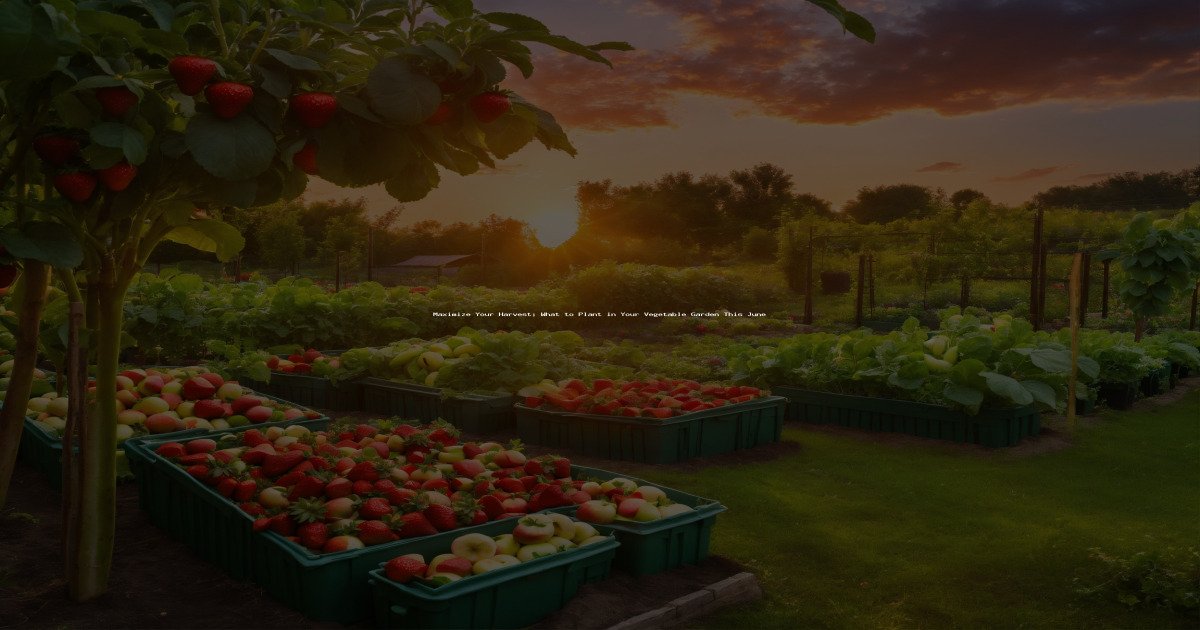
Maximize Your Harvest: What to Plant in Your Vegetable Garden This June
Ah, June! The official kick-off to summer in the continental USA, bringing with it long, sun-drenched days, the sweet scent of blooming flowers, and the undeniable urge to get your hands dirty in the garden. For American home gardeners, June isn’t just a month of relaxation; it’s a pivotal time for planting, nurturing, and setting the stage for an epic harvest. Whether you’re basking in the humid warmth of the Southeast, enjoying the milder sunshine of the Pacific Northwest, or enduring the scorching heat of the Southwest, your garden is alive with potential.
Many of us remember our grandparents planting their tomatoes and peppers around Memorial Day, a time-honored tradition signaling the end of frost danger for most of the country. But what if you missed that window? Or what if you’re looking to extend your harvest well into fall? Good news! June is far from too late. In fact, for many heat-loving crops, it’s the absolute perfect time to get them in the ground, ensuring they thrive during the peak summer months and deliver a delicious bounty right up to Labor Day and beyond.
This comprehensive guide is your essential roadmap to June gardening success, tailored specifically for US home gardeners. We’ll dive deep into what to plant, how to care for your burgeoning crops, and regional considerations for every corner of our diverse nation. We’ll talk about everything from the best varieties for your specific USDA Plant Hardiness Zone (find yours here!) to American product recommendations from trusted retailers like Home Depot and Lowe’s. We’ll use familiar units like Fahrenheit, inches, feet, and gallons because that’s how we garden here. Get ready to transform your backyard into a productive paradise, maximizing every square foot and savoring the taste of your own homegrown goodness!
So grab your gardening gloves, a refreshing glass of iced tea, and let’s dig into the secrets of a truly abundant June garden. Your taste buds (and your family) will thank you!
Key Takeaways for June Planting Success
- Don’t Panic, Plant On! June is prime time for warm-season crops, even if you missed the Memorial Day rush.
- Know Your Zone: USDA Hardiness Zones dictate what thrives; combine with local microclimates.
- Heat-Loving Heroes: Focus on tomatoes, peppers, squash, beans, corn, and okra.
- Regional Rhythms: Adapt planting times and crop choices for Northeast, South, Midwest, PNW, and Southwest conditions.
- Water Wisely: Deep, consistent watering is crucial in summer heat, especially for newly planted starts.
- Mulch is Magic: Essential for moisture retention, weed suppression, and soil temperature regulation.
- Succession Planting: Keep the harvest coming by staggering plantings every few weeks.
- Pest Patrol: Be vigilant as summer brings out the critters; early detection is key.
- Quality Products Matter: Invest in good soil, tools, and seeds from reputable American brands.
The Ultimate June Planting Strategy: Embracing Summer’s Heat
June marks the true arrival of summer, and with it, a shift in gardening strategy. While spring might have been about getting a jump on cool-season crops, June is all about welcoming the sun-loving, heat-thriving stars of the vegetable patch. The long days and steadily warming soil temperatures create the perfect environment for a vast array of delicious edibles. Your strategy now shifts from dodging late frosts to preparing for consistent heat and ensuring your plants have the resources to flourish.
For most of the continental US, average daily temperatures in June range from the low 70s to the high 90s Fahrenheit, with soil temperatures typically following suit, staying above 60°F (15°C) even overnight. This sustained warmth is exactly what many of our favorite summer vegetables crave. Think about your garden as a solar-powered factory; the more consistent sun and warmth it receives, the more efficiently it can produce. This month is about maximizing that solar energy.
A key aspect of June planting is understanding the growth habits of your chosen crops. Many warm-season vegetables, like tomatoes and peppers, need a good 60-90 days to reach maturity and start producing. Planting them in June means you’re aiming for a harvest from late August through September, potentially even into October if you’re in a milder zone. This also opens up opportunities for succession planting of quicker-maturing crops, ensuring a continuous supply rather than a single, overwhelming glut.
Furthermore, June is when the soil truly comes alive. Microbes are more active, and organic matter breaks down more efficiently, making nutrients available to your plants. Ensuring your soil is well-amended with compost and has good drainage is paramount. Remember, healthy soil leads to healthy plants, which are more resilient to pests and diseases that also become more active in the summer heat. Don’t just plant; prepare the ground for success.
Warm-Season Wonders to Focus On
This is the time to embrace crops that revel in the heat. Tomatoes, peppers, eggplants, corn, beans, squash (both summer and winter varieties), cucumbers, melons, and okra are all excellent choices. If you’re transplanting starts, choose sturdy, healthy plants from your local nursery or garden center, ensuring they haven’t been stressed. For direct sowing, check the soil temperature; most seeds for these crops germinate best when the soil is consistently above 65°F (18°C).
Understanding Your Soil & Sun in Summer
Assess your garden’s sun exposure. Most June plantings require at least 6-8 hours of direct sunlight daily. If you have areas with partial shade, consider planting heat-sensitive greens like Swiss chard or specific varieties of lettuce that tolerate more shade. Test your soil’s pH and nutrient levels if you haven’t recently. Adding a couple of inches of good quality compost will do wonders for improving soil structure, water retention, and nutrient availability, especially as your plants grow and demand more resources. Consider a soil test kit from a local university extension office or a product like the “Luster Leaf Rapitest Soil Test Kit” available at most garden centers.
Succession Planting for Endless Bounty
To avoid a feast-then-famine scenario, plan for succession planting. For crops like bush beans, corn, and summer squash, plant a new batch every 2-3 weeks. This strategy ensures a steady supply of fresh vegetables throughout the summer and into early fall. For example, plant your first batch of bush beans in early June, a second batch in late June, and a third in mid-July. This extends your harvest window significantly, allowing you to enjoy fresh produce for months. For more tips on maximizing your plot, check out our guide on Optimizing Garden Space for Small Yards.
Regional Wisdom: Tailoring Your June Garden Across the USA
The vastness of the United States means “June gardening” looks vastly different from Florida to Washington State. Understanding your specific climate and USDA Hardiness Zone is crucial for success. While June is generally warm, the intensity and duration of that warmth, along with humidity levels and typical rainfall, vary dramatically. Let’s break down some key regional considerations.
Northeast & Midwest: Catching the Last Wave
For gardeners in states like New York, Pennsylvania, Ohio, Michigan, and Minnesota, June is often the last optimal window for planting warm-season crops that need a long growing season. Your average last frost dates might have been in May, giving you a full head start. Focus on getting those tomato, pepper, and eggplant starts in the ground now to ensure they have enough time to mature before the first fall frosts. Direct sow corn, beans, squash, and cucumbers. Consider heat-tolerant varieties for mid-to-late summer, as temperatures can soar into the 90s Fahrenheit, often with high humidity. Early June is also a good time for a second planting of lettuce or spinach if you choose heat-tolerant varieties or provide afternoon shade. Keep an eye on local university extension services like Cornell Cooperative Extension for specific advice.
The Sunny South: Heat-Loving Champions
From Texas to Florida, and across the Carolinas and Georgia, June brings intense heat and often high humidity. Many gardeners here consider early June a prime time for planting, or even a second planting, of super heat-tolerant crops. Okra, sweet potatoes, southern peas (cowpeas), and specific varieties of corn and melons thrive in these conditions. Tomatoes and peppers planted in June might struggle in the peak July/August heat, so choose heat-set varieties or provide afternoon shade. Consider planting “fall” tomatoes in mid-summer for a late-season harvest. Watering is absolutely critical in the South; deep, consistent irrigation is a must, sometimes daily for new plants. Mulching heavily is non-negotiable to conserve moisture and keep soil temperatures stable.
Pacific Northwest: Mild Summers, Mighty Growth
The PNW (Washington, Oregon, parts of Northern California) often experiences milder summers compared to the rest of the country. June is a fantastic month for planting almost everything. Tomatoes, peppers, and eggplants will appreciate the consistent, moderate warmth without the extreme heat stress seen elsewhere. You can continue to plant cool-season crops like lettuce, spinach, and peas, especially if you choose heat-tolerant varieties or provide some afternoon shade. Direct sow root vegetables like carrots and beets, and successive plantings of bush beans and summer squash. The key here is to maximize the long daylight hours with moderate temperatures. Ensure good air circulation to prevent fungal issues in humid conditions.
Arid Southwest: Smart Planting for the Desert Garden
Arizona, New Mexico, Nevada, and parts of California face extreme heat in June, often exceeding 100°F (38°C). Gardening here requires a different approach. Many gardeners will plant heat-tolerant crops in early June before the most intense summer heat sets in, or plan for a fall garden by starting seeds indoors in mid-summer. Crops like sweet potatoes, jicama, specific varieties of melons, and some peppers (especially chili peppers) can handle the heat. Shade cloth is your best friend in the Southwest, protecting plants from scorching sun and reducing water evaporation. Drip irrigation systems are highly recommended for efficient watering. Focus on drought-tolerant native plants or desert-adapted varieties. Mulch is absolutely essential here to keep soil temperatures down and conserve precious water.
Essential June Plantings: Top Crops for a Bountiful Harvest
June is the month to double down on crops that truly love the heat and sunshine. These are the vegetables that will fill your kitchen with fresh flavors and your pantry with preserved goodness well into the cooler months. Whether you’re a seasoned gardener or just starting out, focusing on these reliable producers will ensure a rewarding summer.
Tomatoes, Peppers, and Eggplants: The Solanaceae Stars
For many, a summer garden isn’t complete without these staples. If you haven’t planted them yet, June is your last good chance in many regions to get them in the ground as starts. Choose healthy, vigorous plants.
- Tomatoes: Indeterminate varieties like ‘Better Boy’ or ‘Brandywine’ will produce until frost. Determinate types like ‘Celebrity’ are great for canning. For the South, look for heat-set varieties like ‘Florida 91’ or ‘Heatwave II’. Provide sturdy stakes or cages at planting time.
- Peppers: Both sweet and hot peppers thrive in June’s warmth. ‘California Wonder’ (bell pepper) and ‘Jalapeño M’ are popular choices. Peppers appreciate consistent moisture and a good dose of phosphorus for fruit production.
- Eggplants: ‘Black Beauty’ or ‘Ichiban’ are excellent choices. Eggplants love the heat even more than tomatoes and peppers and will truly take off in June.
These plants are heavy feeders, so ensure your soil is rich in organic matter and consider a balanced fertilizer application when they start flowering. For an in-depth guide on tomato care, check out our post on Growing Juicy Tomatoes: From Seed to Sauce.
Beans and Corn: Classic American Staples
Direct sowing these classics in June is ideal for most regions.
- Bush Beans: ‘Blue Lake’ or ‘Contender’ are reliable. Plant every 2-3 weeks for a continuous harvest. They mature quickly, often in 50-60 days.
- Pole Beans: Varieties like ‘Kentucky Wonder’ or ‘Scarlet Runner’ need support but yield over a longer period.
- Sweet Corn: Plant in blocks (at least 4×4 rows) for good pollination. ‘Ambrosia’ or ‘Silver Queen’ are popular. Ensure consistent moisture, especially during silking, for well-filled ears.
Both beans and corn benefit from well-drained, fertile soil. Beans, being legumes, fix nitrogen, which can benefit neighboring plants.
Squashes and Cucumbers: Prolific Climbers and Spreaders
These vigorous growers love June’s warmth and can be direct-sown.
- Summer Squash: Zucchini (‘Black Beauty’), Yellow Squash (‘Early Prolific Straightneck’), and Pattypan squash are incredibly productive. Plant a few hills every few weeks for a steady supply.
- Winter Squash: Varieties like ‘Butternut’, ‘Acorn’, or ‘Spaghetti Squash’ need a longer growing season, so June is a great time to plant them for fall harvests.
- Cucumbers: ‘Marketmore 76’ or ‘Burpee’s Bush Champion’ (for smaller spaces) are excellent. Provide a trellis for climbing varieties to save space and improve air circulation.
These plants are heavy water users, especially when fruiting. Consistent moisture prevents bitter cucumbers and blossom end rot in squash.
Herbs and Greens: Heat-Tolerant Favorites
While many greens bolt in summer, some herbs and specific greens can handle the heat.
- Basil: ‘Genovese’ or ‘Sweet Basil’ thrives in summer. Plant multiple successions for pesto all season long.
- Mint: A vigorous spreader, best grown in containers. ‘Peppermint’ or ‘Spearmint’ are refreshing.
- Rosemary, Thyme, Oregano: These Mediterranean herbs love the sun and dry conditions once established.
- Heat-Tolerant Greens: Swiss Chard (‘Bright Lights’), Malabar Spinach, New Zealand Spinach, and some loose-leaf lettuces (like ‘Black Seed Simpson’ or ‘Buttercrunch’ with afternoon shade) can still be planted.
Don’t forget to incorporate beneficial herbs like dill and cilantro (though they may bolt quickly) to attract pollinators and beneficial insects to your garden.
Mastering Summer Care: Watering, Mulching, and Feeding Your June Garden
Once your June plantings are in the ground, the real work of nurturing them through the summer heat begins. Consistent care is paramount to ensure your plants not only survive but thrive and produce abundantly. This means paying close attention to their basic needs: water, nutrients, and protection from the elements and pests. As the days grow longer and hotter, these tasks become even more critical for a successful harvest.
The Art of Deep Watering
Forget frequent, shallow sprinkles. In June, especially in warmer zones, your plants need deep, infrequent watering. This encourages roots to grow deeper into the soil, making the plants more resilient to dry spells. Aim for 1 to 1.5 inches of water per week, either from rain or irrigation. Water early in the morning to minimize evaporation and allow foliage to dry before nightfall, reducing fungal disease risk. Use a soaker hose or drip irrigation system to deliver water directly to the root zone, conserving water and keeping leaves dry. A rain gauge can help you track natural rainfall. For newly planted seedlings, consistent moisture is even more important to help them establish strong root systems.
Mulch: Your Garden’s Best Friend
If you implement only one summer care strategy, make it mulching. A 2-4 inch layer of organic mulch (like straw, shredded leaves, or wood chips) around your plants offers a multitude of benefits:
- Moisture Retention: Reduces water evaporation by up to 50%, meaning you water less often.
- Weed Suppression: Blocks sunlight, preventing weed seeds from germinating and competing with your vegetables.
- Temperature Regulation: Keeps soil cooler in the scorching summer sun and warmer on cooler nights, protecting delicate root systems.
- Soil Improvement: As organic mulch breaks down, it enriches the soil, adding valuable nutrients and improving soil structure.
Apply mulch once your plants are established, making sure to keep it a few inches away from the plant stems to prevent rot and pest issues.
Fertilizing for Peak Performance
Many of the crops planted in June are heavy feeders and will benefit from supplemental nutrition. A balanced, all-purpose organic fertilizer (e.g., 5-10-5 or 4-4-4) can be applied every 3-4 weeks, or as per product instructions, especially for fruiting plants like tomatoes, peppers, and squash. Look for fertilizers specifically formulated for vegetables. You can also side-dress with compost or worm castings for a slower, more sustained nutrient release. Always water thoroughly after fertilizing to help the nutrients dissolve and reach the roots, preventing root burn. Remember, excessive nitrogen can lead to lush foliage but poor fruit production, so a balanced approach is key.
Pest Patrol: Staying Ahead of Summer Critters
Summer heat often brings an increase in pest activity. Regular scouting is your best defense. Walk through your garden daily, inspecting the tops and undersides of leaves. Look for common culprits like aphids, spider mites, squash bugs, and tomato hornworms.
- Aphids: Blast them off with a strong stream of water or use insecticidal soap.
- Squash Bugs: Hand-pick adults and eggs. Use row covers early in the season to prevent them from laying eggs.
- Tomato Hornworms: Hand-pick them off your plants (they’re big and easy to spot once you train your eye) or look for signs of parasitic wasps.
- General Pests: Encourage beneficial insects like ladybugs and lacewings by planting flowers that attract them. If chemical intervention is necessary, opt for organic solutions like neem oil or Bacillus thuringiensis (Bt) for caterpillars.
For more detailed pest management strategies, explore our guide on Organic Pest Control for the Home Garden. Early detection and consistent effort will save your harvest!
Gear Up for Growth: Top American Product Recommendations
Successful gardening often hinges on having the right tools and products. When it comes to outfitting your June garden, choosing quality items from trusted American retailers can make all the difference. From robust tools to nutrient-rich soil amendments, these recommendations will help you cultivate a thriving vegetable patch.
Tools for Tending
A good set of basic tools is invaluable.
- AMES Forged Garden Hoe: Available at Home Depot and Lowe’s. A sturdy hoe is essential for weeding and preparing beds. Price range: $20-$35.
- Fiskars Ergo Trowel & Cultivator Set: Found on Amazon US, Home Depot. Ergonomic design makes planting and cultivating easier on your hands. Price range: $15-$25.
- Corona Bypass Pruners: A reliable choice for pruning tomato suckers, harvesting, and general plant maintenance. Available at Lowe’s, Home Depot, Amazon US. Price range: $25-$40.
Soil Amendments & Fertilizers
Healthy soil is the foundation of a productive garden.
- Miracle-Gro Performance Organics All Purpose Plant Nutrition Granules: Available at Home Depot, Lowe’s, Amazon US. An organic option for feeding various vegetables. Price range: $10-$20 for 1.75 lbs.
- Espoma Garden-tone Organic Plant Food: Found at local garden centers and Amazon US. A popular choice for organic vegetable gardens, providing balanced nutrition. Price range: $15-$30 for 8 lbs.
- Black Kow Composted Cow Manure: Available at Home Depot, Lowe’s. Excellent for enriching soil structure and adding slow-release nutrients. Price range: $5-$8 per 1 cubic foot bag.
Smart Watering Solutions
Efficient watering is crucial in the summer heat.
- Gilmour Flat Soaker Hose: Available at Home Depot, Lowe’s, Amazon US. Delivers water directly to the roots, minimizing waste. Price range: $20-$40 for 50 ft.
- Orbit Programmable Hose Faucet Timer: Found at Home Depot, Lowe’s, Amazon US. Automate your watering schedule for consistency. Price range: $30-$50.
- Melnor XT Turbo Rotary Sprinkler: For larger areas, this provides even coverage. Available at Home Depot, Lowe’s, Amazon US. Price range: $20-$30.
Seed & Plant Sources
Reputable American companies provide high-quality seeds and starts.
- Burpee: A household name for seeds and live plants. Widely available online and in garden centers.
- Baker Creek Heirloom Seeds: Specializes in rare and heirloom varieties, great for unique finds. Online only.
- Park Seed: Offers a wide selection of seeds, plants, and gardening supplies. Online and catalog.
- Local Nurseries: Don’t underestimate the value of your local independent garden center for regionally adapted plants and expert advice.
Harvesting & Preserving Your Summer Bounty: Beyond the Garden Gates
The ultimate reward for all your June planting and summer care is the harvest! Knowing when and how to pick your vegetables, and then what to do with them, is as important as the planting itself. June plantings are typically ready for harvest from late summer through fall, providing a continuous stream of fresh produce. This section focuses on maximizing that yield and ensuring you can enjoy your homegrown goodness long after the growing season ends.
Knowing When to Pick
Timing is everything for flavor and quality.
- Tomatoes: Harvest when fully colored and firm but with a slight give. Pick before they get too soft or split.
- Peppers: Can be picked green or allowed to ripen to their full color (red, yellow, orange) for sweeter flavor.
- Summer Squash (Zucchini, Yellow Squash, Pattypan): Pick when small and tender, typically 6-8 inches long for zucchini. The more you pick, the more the plant produces!
- Cucumbers: Harvest when they reach desired size but before seeds harden. Avoid yellowing.
- Beans: Pick snap beans when pods are tender and snap easily. For shell beans, wait until pods swell.
- Corn: Look for dark, dry silks and firm, plump kernels when pressed. A peek inside is often the best indicator.
Regular harvesting encourages plants to produce more, so don’t let ripe produce sit on the vine!
Extend Your Harvest: Second Plantings
As mentioned with succession planting, many quick-maturing crops can be planted again in mid-to-late summer for a fall harvest. Bush beans, radishes, carrots, beets, and even some faster-maturing varieties of summer squash can be sown in July or early August in many regions. This strategy ensures you’re still pulling fresh produce from your garden when your initial June plantings might be winding down. For regions with long growing seasons, like the South, this can mean a continuous supply almost year-round.
Simple Preservation Techniques
When your garden is overflowing, preservation becomes key.
- Freezing: Blanching (briefly boiling then chilling in ice water) and freezing is excellent for beans, corn kernels, peas, and many types of squash. Tomato puree and sauce can also be frozen.
- Canning: A classic American tradition for tomatoes (whole, diced, sauce), pickles (cucumbers, green beans), and relishes. Requires specific equipment and adherence to safety guidelines.
- Drying: Herbs like basil, oregano, and rosemary are easily dried. Some peppers can also be dried for flakes or powder.
- Fermenting: Making sauerkraut from cabbage or fermented pickles is a delicious way to preserve and add probiotics to your diet.
Don’t let any of your hard work go to waste! A well-stocked pantry and freezer filled with homegrown goodness is a true mark of a successful gardener.
Product Comparison Table: Essential Garden Aids for June
| Product | Best For | Price Range | Where to Buy | Rating (Out of 5) |
|---|---|---|---|---|
| Espoma Garden-tone Organic Plant Food | All-purpose organic feeding for vegetables, fruits, herbs. | $15-$30 (8 lbs) | Local Garden Centers, Amazon US | 4.7 |
| Gilmour Flat Soaker Hose (50 ft) | Efficient, deep watering directly to plant roots. | $20-$40 | Home Depot, Lowe’s, Amazon US | 4.5 |
| Black Kow Composted Cow Manure | Soil amendment, improving structure & fertility. | $5-$8 (1 cu ft bag) | Home Depot, Lowe’s | 4.8 |
| Fiskars Ergo Trowel & Cultivator Set | Comfortable hand tools for planting, weeding, and cultivating. | $15-$25 | Amazon US, Home Depot | 4.6 |
| Bonide Neem Oil Concentrate | Organic pest and disease control (aphids, spider mites, powdery mildew). | $15-$25 (16 oz) | Local Garden Centers, Amazon US | 4.4 |
10+ Expert Tips for US Gardeners This June
- Monitor Watering Closely: Summer heat means plants dry out faster. Stick your finger 2-3 inches into the soil; if it feels dry, it’s time to water deeply.
- Mulch, Mulch, Mulch: Seriously, a 2-4 inch layer of straw or shredded leaves will save you countless hours of weeding and watering.
- Provide Shade for Heat-Sensitive Crops: If you’re in a scorching zone, use shade cloth over delicate greens or newly planted tomatoes during the hottest part of the day.
- Fertilize Actively Growing Plants: Many June-planted crops are heavy feeders. Give them a boost with a balanced organic fertilizer every 3-4 weeks.
- Stay on Top of Weeds: Weeds compete for water and nutrients. It’s easier to pull them when they’re small and the soil is moist.
- Scout for Pests Daily: Early detection is key. Check under leaves for aphids, squash bug eggs, or