Unlock Your Best Backyard: Your Ultimate Summer Gardening Guide for US Homeowners
Key Takeaways for Your June Garden:
- Hydration is Key: Master smart watering techniques for scorching summer days to prevent stress and maximize growth.
- Regional Wisdom: Tailor your efforts! Understand that a Texas garden in June is vastly different from one in Maine or Oregon.
- Pest Patrol Proactively: Identify and manage common summer pests before they take over your prized plants.
- Fertilize Wisely: Provide your hungry plants the nutrients they need to keep producing through the peak growing season.
- Harvest & Enjoy: Don’t forget to regularly pick your bountiful produce to encourage more growth and savor the fruits (and veggies!) of your labor.
- Tool Up Right: Invest in quality American-made tools and products from trusted retailers like Home Depot or Lowe’s.
Ah, June! The smell of freshly cut grass, the buzz of cicadas, and the vibrant hues of blooming flowers. For American homeowners, June isn’t just the gateway to summer; it’s the heart of the gardening season. Whether you’re a seasoned green thumb in the humid South, a budding enthusiast in the arid Southwest, or tending a thriving urban oasis in the Northeast, your backyard holds untold potential. This isn’t just about growing plants; it’s about cultivating a personal sanctuary, a place where memories are made, and nature’s beauty is on full display.
Imagine stepping onto your deck after a long day, a cool drink in hand, and being greeted by the sweet scent of honeysuckle or the vibrant splash of petunias. Picture a bountiful vegetable patch overflowing with ripe tomatoes, crisp lettuce, and crunchy cucumbers, all grown with your own hands. This dream is entirely within reach, and this comprehensive guide is your blueprint to achieving it. We understand that gardening in the continental USA is a diverse endeavor. A gardener in USDA Zone 10b Florida faces very different challenges and opportunities than someone in Zone 5a Wisconsin or Zone 8b Washington State. That’s why we’re diving deep into region-specific advice, timely tips for the glorious month of June, and recommendations for products readily available at your local Home Depot, Lowe’s, or favorite online retailer like Amazon US.
Summer in America means longer days, warmer temperatures, and often, a flurry of activity in the garden. From Memorial Day planting sprees to anticipating Labor Day harvests, June is the month where everything truly takes off. Your hydrangeas are likely bursting with color, your zucchini plants are threatening to take over, and you might already be enjoying your first strawberry harvests. But with this abundance comes responsibility: diligent watering, smart pest management, and timely feeding are all crucial. We’ll explore how to keep your plants thriving, not just surviving, through the Dog Days of summer. This guide is crafted to empower you, providing the insights and strategies needed to transform your outdoor space into the envy of the neighborhood and a source of immense personal satisfaction. Get ready to truly unlock the best backyard you’ve ever imagined. Let’s dig in!
The Ultimate Summer Garden Checklist: June Edition
June is prime time in most American gardens. The last threat of frost is long gone for the majority of the continental US, and plants are in full growth mode. This means your to-do list is packed with essential tasks that will set the stage for a successful and bountiful summer. Think of June as the crescendo of your spring efforts, where everything you’ve planted starts to truly shine and demand your attention.
Mastering Your Watering Schedule for Summer Success
As temperatures climb, especially in states like Arizona, Texas, or Florida where 90-degree Fahrenheit days are common, watering becomes your most critical task. Don’t just sprinkle; deeply soak your plants. Aim for 1 inch of water per week, either from rain or irrigation, for most established plants. For containers and newly planted beds, this might mean daily or every-other-day watering. The best time to water is early morning, between 6 AM and 9 AM. This allows the water to penetrate the soil before the sun’s intensity causes excessive evaporation, and it gives foliage time to dry, reducing fungal disease risk. Consider investing in a good quality soaker hose or drip irrigation system for efficiency, especially in larger garden beds. They deliver water directly to the root zone, minimizing waste and ensuring your plants get what they need. A rain gauge is a simple, inexpensive tool that can help you accurately measure rainfall and supplement as needed. Remember, consistent moisture is key to preventing blossom end rot in tomatoes and peppers, and for keeping leafy greens from bolting too quickly.
Feeding Your Hungry Plants: Essential Summer Nutrients
Your plants are working hard, producing leaves, flowers, and fruits, which means they’re using up a lot of energy and nutrients. June is an excellent time for a mid-season feeding. For vegetables and heavy feeders like roses, a balanced granular fertilizer (e.g., 5-10-5 or 10-10-10) applied according to package directions can provide a significant boost. For flowering annuals and container plants, a liquid feed every 2-4 weeks can keep them blooming profusely. Look for products from trusted American brands like Miracle-Gro or Espoma. Always water thoroughly after fertilizing to help the nutrients reach the roots and prevent burning. Don’t forget your lawn! A summer lawn fertilizer can help it stay green and strong through the heat, especially in regions prone to summer stress. https://ecorganicas.com/how-to-grow-a-tea-garden-from-leaf-to-mug/Learn more about summer lawn care here.https://ecorganicas.com/how-to-grow-a-tea-garden-from-leaf-to-mug/
Pruning and Deadheading for Continuous Blooms and Harvests
Regular deadheading (removing spent flowers) is crucial for many annuals and perennials to encourage them to produce more blooms. Plants like petunias, marigolds, and zinnias will reward your efforts with a continuous display of color. For vegetables, pinching back indeterminate tomatoes can encourage bushier growth and more fruit, while harvesting beans, peas, and squash regularly signals the plant to produce more. Don’t be afraid to prune back leggy annuals or perennials that have become too tall or scraggly; a good trim can rejuvenate them. For shrubs like hydrangeas, prune after they finish blooming if they bloom on old wood, or in late winter/early spring if they bloom on new wood (check your specific variety).
Weed Warfare: Keeping Your Garden Tidy
Weeds compete with your plants for water, nutrients, and sunlight. In June, they grow with astonishing vigor. Stay on top of them! A quick daily or weekly weeding session is far easier than battling an overgrown jungle. Mulch is your best friend here. A 2-3 inch layer of organic mulch (like shredded bark, compost, or straw) around your plants will suppress weeds, conserve soil moisture, and regulate soil temperature. This is especially beneficial in hot climates like the Southeast or Southern California. Hand-pulling is often the best method, especially for young weeds, but a good hoe can make quick work of larger areas.
Regional Rhythms: Tailoring Your Garden Across the USA
Gardening in the United States is a wonderfully diverse experience, dictated by vastly different climates, soil types, and growing seasons. What thrives in the sun-drenched valleys of California might wilt in the humid embrace of the Carolinas. Understanding your specific regional conditions is paramount to unlocking your backyard’s full potential. The USDA Plant Hardiness Zone Map is your first point of reference, but regional microclimates and weather patterns further refine your approach. Let’s break down some key considerations for June across the continental USA.
Northeast (e.g., New York, Massachusetts, Pennsylvania)
June in the Northeast is a glorious time! The last vestiges of spring are fading, and summer is in full swing. Expect warm days (70-85°F) and pleasant nights. This is prime growing season for most vegetables and flowers. Tomatoes, peppers, corn, and beans are thriving, and you might be harvesting early crops like lettuce, radishes, and peas. Focus on consistent watering, especially during dry spells, and continue to fertilize as needed. Support vining plants with stakes or cages. Keep an eye out for common pests like Japanese beetles and squash vine borers, which become active in June. Consider planting a second round of cool-season crops like spinach or cilantro in shadier spots for a late-season harvest, or focus on heat-tolerant varieties. https://ecorganicas.org/when-to-plant-garlic/For specific regional advice, check out your state’s extension office.https://ecorganicas.org/when-to-plant-garlic/
The South (e.g., Georgia, Florida, Texas, Louisiana)
The Southern garden in June is a heat and humidity challenge! Temperatures often soar into the 90s°F, and afternoon thunderstorms are common. Warm-season crops like okra, sweet potatoes, peppers, and Southern peas are loving it. However, cool-season crops will have bolted or finished. Watering is critical; consider morning irrigation to allow foliage to dry before evening. Mulch heavily to conserve moisture and keep soil temperatures down. Be vigilant for fungal diseases, which thrive in humidity, and common pests like spider mites and whiteflies. In regions like South Florida (Zone 10/11), some gardeners are already planning for their fall/winter gardens, as the summer heat can be too intense for many traditional vegetables. Focus on heat-tolerant annuals like vinca, portulaca, and pentas for continuous color.
Midwest (e.g., Illinois, Ohio, Iowa, Michigan)
Midwestern June gardens are a powerhouse of growth. With warm days (75-90°F) and often fertile soil, everything is taking off. Tomatoes, corn, squash, and melons are rapidly expanding. Continue to plant succession crops of beans and lettuce if desired. Consistent watering is essential, as dry spells can occur. The Midwest is also prone to sudden thunderstorms and hail, so consider staking tall plants. Common pests include Colorado potato beetles and squash bugs. Keep an eye on nutrient levels, especially if you have sandy soil. Many Midwestern gardeners take pride in their lush lawns, so proper summer lawn care, including fertilizing and targeted weed control, is a key June task. https://ecorganicas.com/10-aesthetic-plants-for-a-quiet-luxury-garden-look/Discover the best soil amendments for Midwestern gardens.https://ecorganicas.com/10-aesthetic-plants-for-a-quiet-luxury-garden-look/
Pacific Northwest (e.g., Washington, Oregon)
June in the PNW often brings a mix of “Juneuary” (cool, cloudy days) and the beginning of true summer warmth (60-80°F). While some areas like Eastern Washington experience hotter, drier summers, the coastal regions enjoy a more temperate climate. This is an ideal time for a wide range of crops, from leafy greens to root vegetables, and the beginnings of tomato and pepper harvests. Watering needs might be less intense than in other regions, but as summer progresses, consistent irrigation becomes crucial, especially for containers. Slugs and snails are perennial problems here, so continue your battle against them. Embrace native plants, which thrive in the region’s climate and support local wildlife. Berries, like blueberries and raspberries, are often ripening in June, so prepare for a delicious harvest!
Southwest (e.g., California, Arizona, New Mexico)
Gardening in the Southwest in June means dealing with intense heat (often 90-110°F+ in desert areas) and extreme aridity. Water conservation is paramount. Drip irrigation is highly recommended, and heavy mulching is non-negotiable to keep soil temperatures down and minimize evaporation. Focus on heat-tolerant plants: desert-adapted natives, certain varieties of peppers, eggplant, and melons. Tomatoes can struggle in extreme heat, often experiencing blossom drop; consider shade cloth during the hottest parts of the day. Early morning watering is essential. For Southern California, June Gloom might persist, offering a cooler start to the month before the heat sets in. Embrace drought-tolerant landscaping and cacti, succulents, and other native plants that are perfectly adapted to these challenging conditions. https://ecorganicas.org/when-to-plant-garlic/The Arizona Master Gardener program offers excellent resources for desert gardening.https://ecorganicas.org/when-to-plant-garlic/
Essential American Gardening Gear: Tools & Supplies You Need Now
A successful garden isn’t just about knowledge and elbow grease; it’s also about having the right tools for the job. Investing in quality gardening gear, readily available at your local Home Depot, Lowe’s, or through Amazon US, can make your tasks easier, more efficient, and ultimately, more enjoyable. This isn’t about buying every gadget, but rather equipping yourself with reliable essentials that stand up to the rigors of American gardening.
Hydration Helpers: Hoses, Nozzles, and Watering Cans
With summer in full swing, a reliable watering system is non-negotiable. A good quality, kink-resistant garden hose (50 to 100 feet, depending on your yard size) is a must. Look for brands like Flexzilla or Craftsman, often found at Lowe’s or Home Depot. Pair it with a multi-pattern spray nozzle that allows you to switch from a gentle shower for delicate seedlings to a powerful jet for cleaning. For containers and small beds, a sturdy 2-gallon watering can is invaluable. Drip irrigation kits or soaker hoses are also fantastic investments, especially for vegetable gardens or established perennial beds. They deliver water directly to the root zone, minimizing waste and encouraging deep root growth. You can find complete kits or individual components from brands like Rain Bird or Orbit on Amazon US or at your local hardware store. Remember, efficient watering saves you time, money, and precious resources.
Fertilizers & Soil Amendments: Nourishing Your Garden
Healthy plants start with healthy soil. For a mid-season boost, a balanced all-purpose granular fertilizer (like Scotts or Vigoro) is great for general garden use. For specific needs, consider options like Espoma’s organic fertilizers for vegetables and flowers, or bone meal for phosphorus-hungry plants. Liquid fertilizers, such as Miracle-Gro All-Purpose Plant Food, are excellent for quick nutrient delivery, especially for container plants that need frequent feeding. Don’t forget soil amendments! A bag of compost or worm castings from your local garden center can improve soil structure, drainage, and nutrient retention, benefiting almost any plant. If your soil is particularly sandy or clay-heavy, consider peat moss or perlite for improvement. Always check product labels for application rates, usually given in pounds per square foot or ounces per gallon.
Pest & Disease Control: American Solutions for Common Problems
Summer brings out the pests. Having a few trusted solutions on hand can save your plants. For organic gardeners, options like Bonide’s All Seasons Horticultural & Dormant Spray Oil (effective against mites, aphids, and scale) or Monterey BT (Bacillus thuringiensis, for caterpillars) are widely available. Neem oil is another excellent all-natural choice, acting as an insecticide, fungicide, and miticide. For more persistent problems, products containing permethrin or bifenthrin can offer stronger control, always used according to label instructions. For fungal issues, especially common in humid regions, a copper fungicide or a broad-spectrum garden fungicide (like Bonide Fung-onil) can be a lifesaver. Remember to identify your pest or disease correctly before applying any treatment. Your local garden center staff can be a great resource for diagnosis and product recommendations. https://ecorganicas.org/when-to-plant-garlic/The EPA provides guidance on safe pesticide use.https://ecorganicas.org/when-to-plant-garlic/
Hand Tools & Accessories: Your Daily Garden Companions
Every gardener needs a reliable set of hand tools. A good pair of bypass pruners (Fiskars or Felco are popular choices) for deadheading and light pruning. A sturdy hand trowel for planting and digging, and a hand cultivator for weeding and aerating small areas. A garden hoe, whether a traditional model or a stirrup hoe, will make quick work of larger weeding tasks. Don’t forget a durable pair of gardening gloves to protect your hands. For larger clean-up jobs, a rake (leaf rake or bow rake) and a sturdy wheelbarrow or garden cart are invaluable. When buying tools, look for ergonomic designs and durable materials like stainless steel or forged carbon steel for longevity. Many American-made brands like Ames or Truper offer excellent quality tools at Home Depot and Lowe’s.
Proven Strategies for a Pest-Free & Productive Summer
A truly successful summer garden isn’t just about growth; it’s about robust health and abundant yields. This means staying ahead of common garden challenges like pests and diseases, and employing smart techniques to maximize the productivity of your plants. With the right strategies, you can minimize setbacks and enjoy a season filled with flourishing plants and delicious harvests.
Integrated Pest Management (IPM): Your First Line of Defense
Integrated Pest Management isn’t just a fancy term; it’s a holistic approach to keeping your garden healthy with minimal intervention. Start by regularly inspecting your plants – early detection is key! Look under leaves, check stems, and observe any unusual growth or discoloration. Identify the pest before you act. Many “pests” are beneficial or harmless. If you find a problem, begin with the least toxic solution: hand-picking larger pests like tomato hornworms or squash bugs, or using a strong spray of water to dislodge aphids. Encourage beneficial insects like ladybugs, lacewings, and parasitic wasps by planting flowers that attract them (dill, cilantro, cosmos). Use row covers to protect young plants from flying insects. Only resort to organic or chemical sprays as a last resort, and always target the specific pest. This approach reduces chemical exposure, protects beneficial wildlife, and keeps your garden ecosystem balanced.
Maximizing Yields: Succession Planting & Smart Harvesting
Want a continuous harvest of your favorite veggies? Practice succession planting! Instead of planting all your lettuce or beans at once, sow small batches every 2-3 weeks. This ensures a steady supply rather than a single overwhelming harvest. For crops like bush beans, summer squash, and cucumbers, regular harvesting is crucial. The more you pick, the more the plant will produce. Don’t let fruits and vegetables over-ripen on the vine, as this signals the plant to stop producing and focus on seed development. For indeterminate tomatoes, consider pruning suckers (the small shoots that grow between the main stem and a branch) to direct the plant’s energy into fruit production rather than excessive foliage. Providing adequate support for vining plants also improves air circulation and fruit quality, preventing ground rot. For crops like peppers and eggplants, harvesting when they reach a good size, even if not fully mature, can encourage more production throughout the season.
Disease Prevention: Keeping Your Garden Healthy
Preventing plant diseases is often easier than curing them. Good air circulation is vital, especially in humid climates. Space your plants appropriately according to package directions, and prune lower leaves on plants like tomatoes to keep them off the soil and improve airflow. Water at the base of plants in the morning, rather than overhead, to keep foliage dry. Choose disease-resistant varieties whenever possible – many seed packets from American companies like Burpee or Park Seed will indicate this. Practice crop rotation in your vegetable garden; don’t plant the same crop in the same spot year after year. This helps break disease cycles. Promptly remove any diseased plant material from your garden to prevent spread. Clean your tools regularly, especially after working with infected plants, using a 10% bleach solution or rubbing alcohol.
Hydration Heroes: Mastering Summer Watering Techniques
Water is the lifeblood of your summer garden, especially as temperatures soar across the continental US. However, simply dousing your plants isn’t enough; smart, efficient watering practices are key to healthy growth, conserving resources, and preventing common plant problems. Understanding when, how, and how much to water can make all the difference between a thriving oasis and a struggling patch.
The Art of Deep and Infrequent Watering
While daily light sprinkling might seem helpful, it actually encourages shallow root growth, making plants more susceptible to drought stress. The goal is to water deeply and less frequently. This encourages roots to grow deeper into the soil, seeking out moisture and making the plant more resilient. Aim for 1 inch of water per week for most established plants, delivered slowly so it can penetrate the soil without runoff. You can check soil moisture by sticking your finger 2-3 inches deep into the soil. If it feels dry, it’s time to water. For newly planted seedlings and containers, more frequent, gentler watering may be necessary until roots are established.
Timing is Everything: When to Water Your Garden
The best time to water your garden is in the early morning, typically between 6:00 AM and 9:00 AM. Watering at this time allows the water to soak in before the midday sun causes excessive evaporation. It also gives plant foliage ample time to dry off before evening, which is crucial for preventing fungal diseases like powdery mildew, especially in humid regions like the Southeast or Midwest. Watering in the evening, while it reduces evaporation, leaves foliage wet overnight, creating a perfect breeding ground for fungi. Avoid watering in the heat of the day, as much of the water will simply evaporate before reaching the roots, and water droplets on leaves can act as tiny magnifying glasses, scorching foliage.
Efficient Watering Systems: Saving Water and Time
For larger gardens or busy gardeners, investing in an efficient watering system can be a game-changer. Drip irrigation systems deliver water directly to the plant’s root zone through a network of emitters, minimizing waste and ensuring precise hydration. Soaker hoses work similarly, slowly weeping water along their length. Both are excellent for vegetable gardens, perennial beds, and even large container groupings. You can purchase kits at Home Depot or Lowe’s, or design your own system with individual components. Timers can be added to automate the process, ensuring consistent watering even when you’re away. For individual plants or small areas, a watering wand with a gentle shower setting is perfect, allowing you to direct water exactly where it’s needed without disturbing delicate plants or washing away soil. Conserving water isn’t just good for your wallet; it’s vital for the environment, especially in drought-prone areas of the Southwest or California.
Mulch: Your Secret Weapon for Moisture Retention
A 2-4 inch layer of organic mulch around your plants is one of the most effective ways to conserve soil moisture. Mulch acts as a blanket, reducing evaporation from the soil surface and helping to regulate soil temperature, keeping roots cooler in summer. Good options include shredded bark, wood chips, straw (excellent for vegetable gardens), or compost. Beyond moisture retention, mulch also suppresses weeds, which compete with your plants for water. Just be sure to keep mulch a few inches away from the stems of your plants to prevent rot and pest issues. Applying a fresh layer of mulch in early summer can significantly reduce your watering burden and keep your plants happier through the hottest months. https://ecorganicas.com/how-to-grow-a-tea-garden-from-leaf-to-mug/Explore different types of mulch and their benefits.https://ecorganicas.com/how-to-grow-a-tea-garden-from-leaf-to-mug/
Cultivating Beauty: Flowers & Foliage for Stunning Summer Displays
While a productive vegetable patch is incredibly rewarding, a truly “best backyard” also boasts vibrant colors, interesting textures, and fragrant blooms. June is the ideal time to ensure your ornamental plants are set to deliver a breathtaking display throughout the summer. From annuals that burst with continuous color to resilient perennials and thoughtful container arrangements, there are endless ways to infuse beauty into your American garden.
Annuals for Non-Stop Color: Your Summer Workhorses
For an explosion of continuous color from June until the first frost, annuals are your best friends. They’re perfect for filling gaps, adding instant cheer to flowerbeds, and creating stunning container arrangements. In June, nurseries across the US are brimming with healthy annuals ready to be planted. Consider heat-loving varieties that can withstand the intense summer sun, especially in the South and Southwest. Petunias (especially the Wave series), vinca (Catharanthus roseus), impatiens (New Guinea and sun impatiens varieties), marigolds, zinnias, and portulaca (moss rose) are all excellent choices. For partial shade, consider coleus for its incredible foliage colors or traditional impatiens if your region isn’t affected by downy mildew. Deadhead spent blooms regularly to encourage more flowering and keep your displays looking fresh.
Resilient Perennials: Long-Lasting Beauty Year After Year
While annuals provide seasonal splashes, perennials form the backbone of your garden, returning year after year with increasing vigor. Many popular perennials are hitting their stride in June. Daylilies, coneflowers (Echinacea), black-eyed Susans (Rudbeckia), hostas (for shade), and various salvias are all fantastic choices for summer interest across many USDA zones. Hydrangeas, in particular, are often spectacular in June, offering massive blooms in shades of blue, pink, and white. When selecting perennials, consider their mature size, light requirements, and bloom time to create a succession of color throughout the season. Native perennials are an excellent choice, as they are well-adapted to local conditions, require less water and care once established, and support local pollinators and wildlife. Your local garden center can guide you on the best native options for your specific region.
Container Gardening: Portable Patios and Porch Perfection
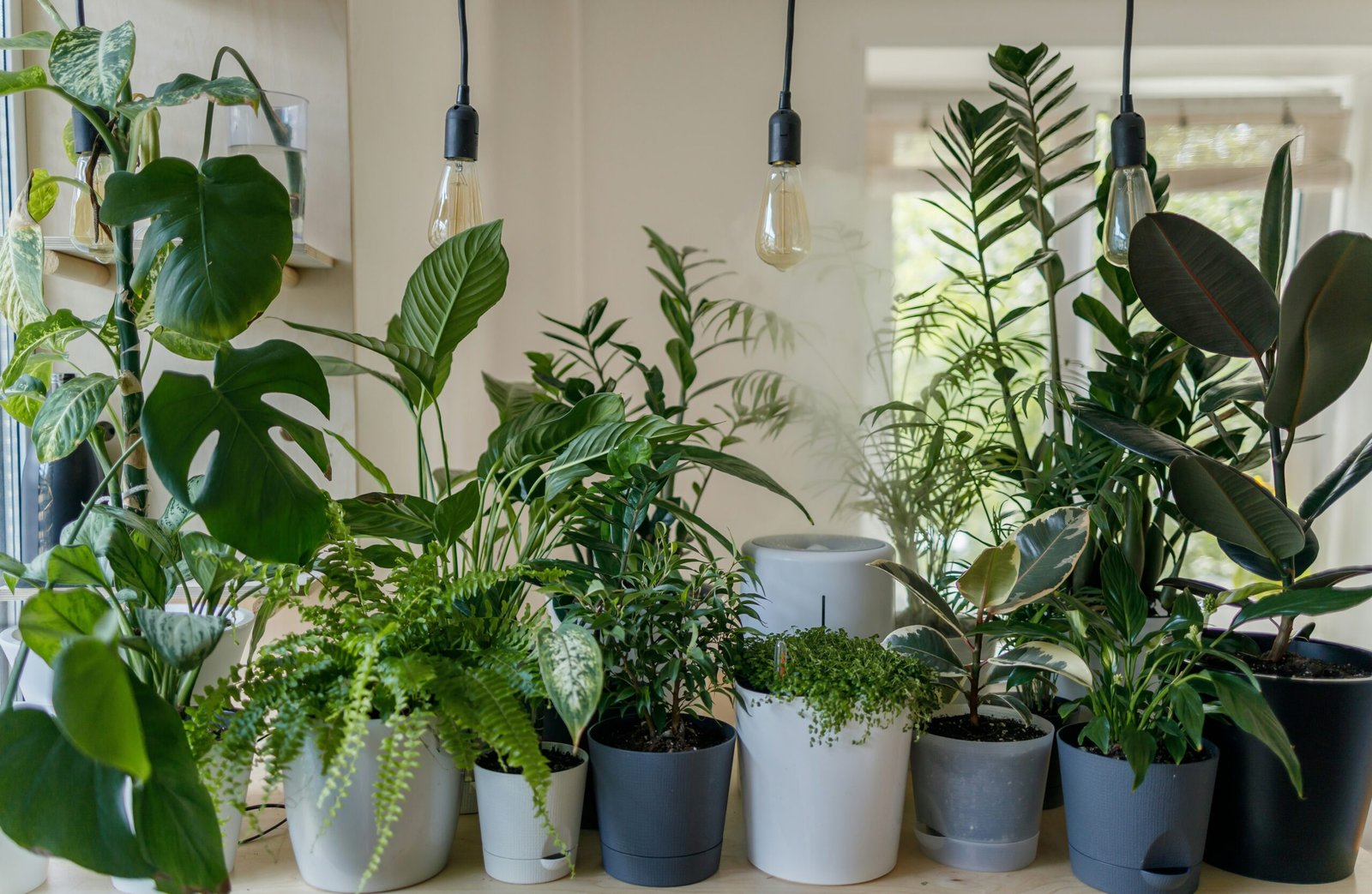
Don’t have a large garden space? Or simply want to add pops of color to your patio, porch, or balcony? Container gardening is the answer! June is a great time to refresh existing containers or create new ones. The “thriller, filler, spiller” concept is a classic for beautiful arrangements: a “thriller” is a tall, dramatic plant (e.g., canna lily, ornamental grass), a “filler” adds volume and color around it (e.g., petunias, coleus), and a “spiller” cascades over the edge (e.g., sweet potato vine, calibrachoa). Ensure your containers have drainage holes and use a high-quality potting mix (not garden soil) for optimal results. Container plants dry out much faster than in-ground plants, so be prepared for daily watering, sometimes twice a day in extreme heat. Regular liquid feeding every 1-2 weeks will also keep them flourishing.
Comparison Table: Top Summer Gardening Essentials
| Product | Best For | Price Range | Where to Buy | Rating |
|---|---|---|---|---|
| Flexzilla Garden Hose (50ft) | General watering, durability, kink-resistance | $40 – $60 | Home Depot, Lowe’s, Amazon US | ⭐⭐⭐⭐⭐ (5/5) |
| Miracle-Gro All-Purpose Plant Food | Quick nutrient boost for annuals, veggies, containers | $10 – $25 (various sizes) | Home Depot, Lowe’s, Amazon US | ⭐⭐⭐⭐ (4/5) |
| Orbit Drip Irrigation Kit | Efficient, targeted watering for beds & rows | $30 – $70 | Home Depot, Lowe’s, Amazon US | ⭐⭐⭐⭐ (4/5) |
| Fiskars Bypass Pruners | Clean cuts for deadheading, light pruning | $15 – $30 | Home Depot, Lowe’s, Amazon US | ⭐⭐⭐⭐⭐ (5/5) |
| Espoma Organic Garden-tone Fertilizer | Organic feeding for vegetables & flowers, slow-release | $20 – $40 (large bag) | Lowe’s, Independent Garden Centers, Amazon US | ⭐⭐⭐⭐⭐ (5/5) |
Expert Tips for a Thriving June Garden
- Monitor Soil Moisture, Don’t Guess: Use a soil moisture meter or the “finger test” (stick your finger 2-3 inches deep) to determine if your plants truly need water. Overwatering is just as harmful as underwatering.
- Embrace Organic Mulch: A 2-4 inch layer of shredded bark, straw, or compost around your plants will conserve water, suppress weeds, and enrich your soil over time. Keep it a few inches from plant stems.
- Harvest Regularly: For vegetables like beans, squash, cucumbers, and peppers, frequent harvesting encourages the plant to produce more. Don’t let produce get overripe on the vine.
- Protect from Midday Sun: In regions with extreme summer heat (USDA Zones 8-11), consider using shade cloth for sensitive plants like tomatoes and peppers during the hottest parts of the day to prevent sunscald and blossom drop.
- Encourage Pollinators: Plant a variety of pollinator-friendly flowers (e.g., coneflowers, zinnias, cosmos) to attract bees, butterflies, and other beneficial insects crucial for fruit set in your vegetable garden.
- Scout for Pests Daily: A quick walk through the garden each morning or evening can help you spot pest problems early, when they’re easier to manage with organic methods like hand-picking or a strong spray of water.
- Fertilize Smartly: Understand your soil’s needs with a soil test, then choose the right fertilizer. Liquid feeds are great for quick boosts, while granular options provide sustained nutrition. Always follow package directions.
- Support Vining Plants: Use stakes, cages, or trellises for tomatoes, cucumbers, pole beans, and vining squash. This improves air circulation, reduces disease, and keeps fruit off the ground.
- Succession Plant Cool-Season Crops: In cooler regions (USDA Zones 4-6), you might still have time for a succession planting of quick-maturing cool-season crops like lettuce or radishes in a shadier spot.
- Deadhead for More Blooms: Regularly remove spent flowers from annuals and many perennials (like petunias, marigolds, salvia) to encourage the