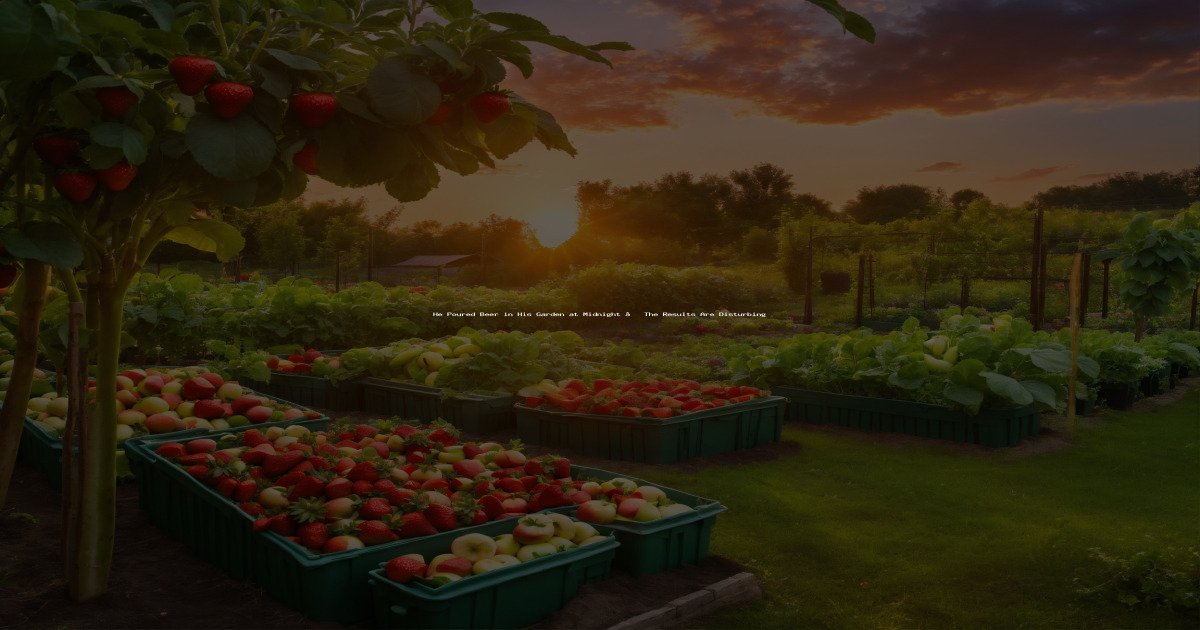
Picture this: It’s a crisp May evening, the smell of damp earth and blooming lilacs hangs in the air. You’re winding down after a long day of tilling soil and tending to your precious seedlings. Suddenly, a flicker of light catches your eye in your neighbor’s yard. You peek through the curtains and see… Mr. Henderson, in his pajamas, carefully pouring a can of cheap lager into small dishes scattered among his prize-winning hostas. At midnight. What on earth could he be doing?
You might chuckle, or maybe you’d be utterly bewildered. But what if I told you Mr. Henderson isn’t losing his mind? What if he’s actually deploying an age-old, surprisingly effective, and yes, slightly disturbing secret weapon against one of the most persistent nuisances in American gardens this spring? We’re talking about those slimy, munching menaces that can decimate your tender lettuces and vibrant petunias overnight: slugs and snails.
As May blossoms across the continental USA, from the dew-kissed mornings of the Pacific Northwest to the humid evenings of the Deep South, and from the fertile plains of the Midwest to the bustling suburban plots of the Northeast, gardeners everywhere are gearing up for peak growing season. This is a time of immense joy—planting tomatoes in USDA Zone 7, watching corn sprout in Zone 5, or marveling at the desert blooms in Zone 9. But it’s also a time when pests emerge with a voracious appetite, ready to undo all your hard work. And among the most notorious culprits are slugs and snails, especially after a spring rain or in consistently moist conditions.
The story of Mr. Henderson and his midnight beer ritual might sound like something out of a quirky neighborhood legend, but it points to a fascinating, practical, and often overlooked aspect of natural pest control. This isn’t just about pouring a cold one for your plants; it’s about understanding the biology of your garden’s invaders and using simple, accessible tools to protect your green sanctuary. The results, as you’ll soon discover, can be truly effective, if a little unsettling to witness. So, grab a cup of coffee (or maybe a non-alcoholic brew for now!), because we’re about to dive deep into the surprising world of beer traps, and how this midnight maneuver could save your spring garden from devastation.
Get ready to uncover the secrets, learn the science, and prepare yourself for the “disturbing” reality of what happens when you strategically offer a beverage to your garden’s most unwelcome guests. Your plants (and your sanity) will thank you!
Key Takeaways for Your May Garden:
- Beer Traps are Real: Learn how a simple beer trap effectively lures and drowns slugs and snails.
- Timing is Crucial: Discover why midnight (or dusk) is the optimal time to set your traps for maximum impact.
- Regional Wisdom: Understand how pest pressure varies across US regions (Northeast, South, Midwest, PNW, Southwest) and how to adapt your strategy.
- Beyond Beer: Explore a holistic approach to pest management, combining beer traps with other organic methods.
- Spring-Specific Success: Get tailored advice for protecting your vulnerable seedlings and established plants in May.
The Midnight Revelation: Unveiling the Ultimate Beer Trap Secret for Your Spring Garden
The scene described with Mr. Henderson isn’t just a quirky anecdote; it’s a testament to a time-honored, low-cost method of dealing with some of spring’s most persistent pests: slugs and snails. As May ushers in warmer weather and frequent rain showers across much of the USA, these slimy gastropods emerge from their winter slumber with a ravenous appetite, ready to munch through tender young shoots, succulent hostas, and crisp lettuce leaves. This is precisely why setting up a beer trap at dusk or midnight, when these nocturnal feeders are most active, can yield truly “disturbing” yet satisfying results.
Why Beer? The Irresistible Science Behind the Slime Trap
So, what makes a simple beer so appealing to a slug or snail? It all boils down to fermentation. Beer contains yeast, sugars, and often a malty aroma that slugs and snails find absolutely irresistible. They are drawn to the scent of fermentation like a moth to a flame, or perhaps more accurately, like a gardener to a new seed catalog. Once they crawl into the shallow dish, they are unable to escape the liquid and eventually drown. It’s a grim fate, yes, but highly effective for protecting your prized plants.
Setting Up Your Trap: An Easy, Step-by-Step Guide for May
Setting up a beer trap is incredibly straightforward, making it a perfect DIY solution for any American home gardener. Here’s how to do it:
- Choose Your Vessel: Any shallow container will do. Old tuna cans, yogurt cups, or even plastic butter tubs cut down to size work perfectly. The key is that the rim should be low enough for slugs and snails to easily crawl over.
- Bury It Right: Dig a small hole in the soil near your vulnerable plants (like new seedlings, lettuce beds, or hostas) so that the rim of the container is flush with the soil surface. This creates an easy entry point for the pests.
- Pour the Brew: Fill the container about halfway with beer. You don’t need anything fancy; the cheapest lager or ale you can find works best. In fact, stale beer might even be more potent due to increased fermentation.
- Strategic Placement: Place multiple traps throughout your garden, especially in areas where you’ve noticed slug or snail damage. For larger gardens, spaced every 3-5 feet can be effective.
- Timing is Everything: Set your traps in the late afternoon or early evening. Slugs and snails are primarily nocturnal, so they’ll be out foraging for food as darkness falls, making them more likely to encounter your tempting traps.
Check your traps daily, especially in the morning, and be prepared for the “disturbing” sight of trapped pests. Empty and refill as needed, typically every few days or after heavy rain.
What Kind of Beer Works Best? Your Budget-Friendly Choice
Forget the craft brews and IPAs for your garden. When it comes to slug and snail traps, the cheaper, the better. Any inexpensive lager or ale will work beautifully because it contains the essential yeast and sugars that attract these pests. Many gardeners even find that stale beer, which has had more time to ferment and develop a strong yeast aroma, can be even more effective. So, next time you have a partially finished six-pack or a forgotten can in the back of the fridge, don’t pour it down the drain—pour it into your garden traps!
Regional Realities: Tailoring Your Proven Beer Strategy Across the USA
The effectiveness and necessity of beer traps can vary significantly depending on where you garden in the United States. Our vast continent offers a wide range of climates, and with them, different challenges from our slimy garden foes. Understanding these regional differences is crucial for any American gardener looking to optimize their pest control efforts in May.
Northeast & Midwest: Battling Spring’s Damp Critters
In regions like the Northeast (think New England, New York, Pennsylvania) and the Midwest (Ohio, Michigan, Illinois, Wisconsin), May typically brings a mix of cool temperatures and frequent spring rains. These conditions are a slug and snail paradise. The constant moisture keeps the ground damp, providing ideal habitats and making these pests particularly active. Gardeners in USDA Zones 3-6 often find themselves battling these creatures as soon as new growth emerges. You might see significant damage to hostas, delphiniums, and newly planted vegetable seedlings. For these regions, beer traps are an absolute must-have in your May pest management arsenal, especially after a spring shower. Regular monitoring and refilling will be key here.
The Sunny South & Southwest: Adapting to Warmer Climates
While slugs and snails are less ubiquitous in the drier, hotter climates of the South (Georgia, Alabama, Florida) and Southwest (Arizona, New Mexico, Southern California), they can still be a significant problem, particularly in irrigated gardens or during periods of high humidity. In USDA Zones 7-10, gardeners often create mini-climates with regular watering, mulching, and shade, which can inadvertently create pockets of moisture that slugs and snails adore. If you have lush, well-watered beds, especially with dense foliage or ground cover, you’ll want to keep an eye out. Early morning watering can help reduce evening moisture, but beer traps can provide targeted relief in problematic areas. Focus your traps around moisture-loving plants like petunias, coleus, or even tropical edibles.
Pacific Northwest: Slugs’ Paradise, Gardener’s Challenge
Ah, the Pacific Northwest! From Seattle to Portland, gardeners in USDA Zones 8-9 are intimately familiar with slugs. The consistently mild, damp climate, often overcast skies, and abundant rainfall create perfect conditions for these pests year-round, with May being a prime activity month. Slugs in the PNW are legendary for their size and destructive power. If you garden in Oregon or Washington, beer traps are likely already a staple, but it’s worth reiterating their importance. Consider setting out more traps than you might in other regions and be diligent about daily checks. This is one region where the “disturbing” results of beer traps are almost guaranteed and a necessary evil for a thriving garden.
USDA Zones and Pest Pressure: A General Guideline
Generally speaking, the cooler, wetter USDA Zones (like 3-7) tend to experience higher slug and snail pressure, especially in spring. Warmer, drier zones (8-10) might see less overall activity but should still be vigilant in areas with consistent irrigation or heavy morning dew. Regardless of your zone, consistent observation of your plants in May is the best indicator of whether these slimy pests are making a feast of your garden. Remember, slugs and snails are opportunistic; if your garden provides food and moisture, they will find it!
Beyond Beer: A Holistic Approach to Ultimate Pest Management in May
While the beer trap is a remarkably effective tool against slugs and snails, it’s just one piece of a comprehensive, organic pest management strategy. To truly protect your garden and ensure a bountiful harvest in May and beyond, American gardeners should adopt a holistic approach that tackles pests from multiple angles. This integrated pest management (IPM) strategy focuses on prevention, monitoring, and using the least toxic methods first.
Smart Companion Planting for Natural Defense
Nature has its own ways of deterring pests. Companion planting involves placing specific plants together that benefit each other, often by repelling pests or attracting beneficial insects. For slugs and snails, consider planting strong-smelling herbs and flowers nearby that they tend to avoid. Think about:
- Garlic and Chives: Their pungent odors are often disliked by slugs. Plant them around vulnerable leafy greens.
- Rosemary and Thyme: These aromatic herbs can help deter a variety of pests.
- Nasturtiums: While slugs love nasturtiums, they can act as a “trap crop,” drawing pests away from your more valuable plants.
- Rough-textured plants: Slugs prefer smooth surfaces. Planting rough-leafed plants like borage or lambs ear can create less appealing pathways.
Morning Patrols & Manual Removal
Sometimes, the simplest methods are the best. Slugs and snails are nocturnal, but they often linger in shady, moist spots during the day. Head out to your garden in the early morning, especially after a rain, and manually pick them off your plants. A pair of gloves and a bucket of soapy water (or just a quick squish underfoot) is all you need. This is particularly effective for small infestations or for getting a jump start on control before they reproduce rapidly. This hands-on approach, while a bit “icky,” ensures immediate removal and gives you a direct understanding of your pest population.
Organic Barriers and Clever Deterrents
Creating physical barriers can prevent slugs and snails from reaching your prized plants.
- Diatomaceous Earth (DE): This natural, powdery substance (available at most US garden centers like Lowe’s or online at Amazon) is made from fossilized diatoms. When slugs and snails crawl over it, the microscopic sharp edges dehydrate and kill them. Sprinkle a band around vulnerable plants, but reapply after rain.
- Copper Tape: Slugs and snails receive a mild electric shock when they try to cross copper. Apply copper tape (often found at Home Depot or specialty garden stores) around the rims of raised beds or containers.
- Crushed Eggshells: While controversial and often debated for effectiveness, some gardeners swear by crushed eggshells sprinkled around plants, believing the sharp edges deter slugs.
- Sand or Wood Ash: Similar to DE, a thick band of coarse sand or wood ash can create an abrasive, dehydrating barrier.
The Role of Beneficial Insects: Inviting Allies
Don’t forget that your garden is an ecosystem! Many beneficial insects prey on slugs and snails. Encourage natural predators like ground beetles, rove beetles, and even certain species of birds and frogs. Avoid broad-spectrum pesticides that can harm these helpful allies. Creating a diverse garden with native plants and providing water sources can make your garden more attractive to these natural pest controllers.
By combining the targeted approach of beer traps with these broader organic strategies, you’ll be well on your way to a robust, healthy garden that can withstand pest pressure throughout May and into the summer months. It’s about working with nature, not against it, to achieve a balanced and beautiful outdoor space.
Essential Gear & American Favorites for Your Ultimate Pest Patrol
Equipping yourself with the right tools and products can make all the difference in your battle against garden pests, especially slugs and snails in May. American gardeners have access to a fantastic array of resources, from local hardware stores to online giants. Here are some top recommendations for your pest patrol, readily available across the USA.
Top Picks from Home Depot & Lowe’s: Your Local Garden Hubs
Your neighborhood Home Depot or Lowe’s is more than just a place for lumber; it’s a treasure trove for gardeners.
- Shallow Dishes/Tuna Cans: While you can repurpose items from your kitchen, both stores often carry small, inexpensive plastic saucers or dishes that can be used for beer traps. Look in the plant pot section.
- Garden Gloves: Essential for manual removal of slugs and snails, and for protecting your hands while digging and planting. Brands like Fiskars or Wells Lamont are reliable and widely available.
- Small Trowel: Perfect for digging the small holes for your beer traps. Look for sturdy options from brands like AMES.
- Slug & Snail Baits (Organic Options): If beer traps aren’t quite cutting it, look for iron phosphate-based baits like ‘Sluggo’ or ‘Safer Brand Slug & Snail Bait’. These are organic and safe around pets and wildlife when used as directed. Always check the label for “OMRI Listed” for certified organic products.
- Diatomaceous Earth (DE): Often found in the pest control or garden amendments aisle, look for food-grade DE. A bag can last you a long time.
Amazon US Must-Haves: Convenience at Your Fingertips
For specialized items or bulk purchases, Amazon US offers unparalleled convenience.
- Copper Tape: You’ll find various widths and lengths of self-adhesive copper tape, perfect for creating barriers around raised beds or containers. Search for “copper slug tape.”
- Bulk Diatomaceous Earth: If you have a large garden, buying DE in larger quantities from Amazon can be more cost-effective.
- Organic Pest Control Sprays: For other pests that might accompany slugs, consider organic insecticidal soaps or neem oil, like those from Garden Safe or Bonide. While not directly for slugs, they are good to have on hand for a holistic approach.
- Garden Monitoring Tools: Items like soil moisture meters can help you manage watering, which indirectly helps with slug control by reducing overly damp conditions.
American Seed Companies & Resilient Varieties
While few plants are truly “slug-proof,” some varieties are less appealing or more resilient. When ordering seeds for May planting, consider these reputable American companies:
- Burpee: A household name for generations, Burpee offers a vast selection of seeds and plants. Look for varieties with tougher leaves or those that grow quickly past their vulnerable seedling stage.
- Baker Creek Heirloom Seeds: Known for their incredible diversity of heirloom and open-pollinated varieties, they often have unique plants that might be less susceptible to common pests.
- Park Seed: Another long-standing American company with a wide range of vegetable, flower, and herb seeds.
When selecting plants, remember that slugs often prefer tender, leafy greens and soft-leaved hostas. Consider introducing some plants with thicker leaves, strong scents, or fuzzy textures if slug pressure is high in your area. Integrating these tools and products into your May gardening routine will give you a powerful edge against pests and contribute to a healthier, more vibrant garden.
The Disturbing Truth: What to Expect from Your Midnight Experiment
You’ve set your traps, poured the beer, and patiently waited. Now comes the moment of truth. For many American gardeners, the morning after setting beer traps can be a truly eye-opening, and yes, “disturbing” experience. But facing this reality is part of understanding the effectiveness of your efforts and the sheer number of pests that might be lurking in your garden.
The Morning After: A Glimpse into the Trap
When you check your beer traps the next morning, especially if you’ve done so after a damp evening in a slug-prone area like the Pacific Northwest or a rainy spring in the Midwest, be prepared. You will likely find a collection of drowned slugs and snails. The term “disturbing” isn’t used lightly here; seeing dozens of these slimy creatures floating in a shallow dish can be quite unsettling. They will have been drawn by the irresistible aroma of the fermenting beer, fallen in, and been unable to escape. This sight, while unpleasant, is undeniable proof of the trap’s efficacy and a clear indicator of how many pests were actively foraging in your garden overnight.
Take a moment to appreciate the work your traps have done. Each slug or snail in that dish represents a potential hole in your lettuce, a chewed petunia leaf, or a damaged seedling that has been saved. It’s a tangible victory in the ongoing battle for your garden’s health.
Ethical Considerations and Responsible Disposal
While the goal is pest control, it’s also important to dispose of the trapped pests responsibly. You might not feel much sympathy for a slug that’s been eating your kale, but proper disposal is part of good garden hygiene.
- Empty and Refill: Simply pour the contents of the trap into your compost bin (if you’re comfortable with that, as they will decompose) or into a sealed bag for municipal waste. Rinse the container and refill with fresh beer.
- Frequency: In areas with high pest pressure, you might need to check and empty traps daily. In areas with less activity, every few days might suffice. Replenish the beer regularly as it evaporates or gets diluted by rain.
Some gardeners choose to add a pinch of salt to the traps after collection to ensure the slugs are fully deceased before disposal, though the beer itself is typically sufficient. The key is to keep the traps clean and active for continuous protection.
When Beer Isn’t Enough: Advanced Tactics for Stubborn Infestations
While beer traps are excellent for managing slug and snail populations, there might be times when you face an overwhelming infestation, or perhaps other pests are also causing problems. In such cases, it’s wise to consider escalating your efforts with other organic methods.
- Systematic Diatomaceous Earth Application: Create continuous barriers around entire beds or vulnerable plants, reapplying after every rain.
- Organic Slug Baits: Products like iron phosphate pellets (e.g., Sluggo) are safe for pets and wildlife and can be sprinkled throughout the garden. Slugs eat the pellets and then retreat to die elsewhere.
- Targeted Manual Removal: If you’re seeing persistent damage, dedicate 15-30 minutes each morning to a thorough slug patrol, especially around plants showing new damage.
- Improving Drainage: Slugs love moisture. Ensure your garden beds have good drainage and avoid overwatering. Water in the morning so the soil surface can dry out by evening.
Long-Term Garden Health: Prevention is Key
Ultimately, the “disturbing” truth of beer traps reinforces the importance of long-term preventative measures. A healthy garden ecosystem is your best defense. This includes:
- Maintaining Good Air Circulation: Prune dense foliage to allow air to flow, helping to dry out the soil surface.
- Strategic Mulching: While mulch retains moisture, which slugs love, it also provides habitat for beneficial insects. Use coarse mulches like wood chips over fine mulches, and leave a clear ring around plant stems.
- Encouraging Predators: Attract birds, frogs, toads, and ground beetles to your garden.
- Regular Garden Cleanup: Remove leaf litter and debris where slugs love to hide during the day.
By understanding what to expect from your beer traps and integrating them into a broader strategy, you’ll not only protect your plants but also gain a deeper appreciation for the complex ecosystem that is your American home garden.
Maximizing Your May Garden: Beer, Blooms, and Bountiful Harvests
May is a pivotal month for American gardeners. The threat of frost largely recedes across most of the continental USA, allowing for extensive planting and the vibrant display of spring blooms. While our beer traps are diligently working their midnight magic against slugs and snails, there’s a wealth of other tasks and considerations to ensure your garden flourishes into a bountiful oasis. This section will tie together pest management with broader May gardening advice, ensuring you’re set up for success.
Spring Planting Checklists for Different USDA Zones
What you plant in May heavily depends on your USDA hardiness zone.
- Zones 3-6 (Northern Tier/Midwest): This is prime time for planting cool-season crops like lettuce, spinach, radishes, and peas. You can also start transplanting warm-season vegetables like tomatoes, peppers, and squash after the last frost date, typically around Memorial Day. Don’t forget to harden off your seedlings!
- Zones 7-8 (Mid-Atlantic/Upper South/Pacific Northwest): Most cool-season crops are well underway or finishing up. It’s time for extensive planting of warm-season vegetables: corn, beans, cucumbers, melons, and sweet potatoes. Many annual flowers can also be planted now.
- Zones 9-10 (Deep South/Southwest/Coastal California): In warmer climates, May might signal the tail end of optimal planting for some heat-sensitive crops. Continue planting heat-tolerant vegetables like okra, southern peas, and eggplant. Consider succession planting for continuous harvests. For flowers, focus on heat-loving annuals.
Regardless of your zone, May is when your garden really comes alive. Protecting those tender new plants from pests with methods like beer traps is paramount.
Watering Wisdom: Keeping Pests at Bay
Proper watering practices are not just about plant health; they’re also a critical aspect of pest management. Slugs and snails thrive in moist environments.
- Water in the Morning: Aim to water your garden in the early morning. This allows the foliage and soil surface to dry out by evening, making your garden less appealing to nocturnal slugs and snails.
- Deep, Infrequent Watering: Encourage deeper root growth by watering deeply but less frequently, rather than shallowly every day. This also helps the top layer of soil dry out.
- Drip Irrigation/Soaker Hoses: These methods deliver water directly to the plant roots, minimizing moisture on leaves and paths, which can deter slugs and snails.
Soil Health: The Foundation of Resistance
A healthy garden starts with healthy soil. Well-draining, nutrient-rich soil supports vigorous plant growth, making plants more resilient to pest and disease pressure.
- Compost Power: Continuously amend your soil with good quality compost. This improves soil structure, aeration, and nutrient availability. You can find excellent compost and soil amendments at your local Home Depot or Lowe’s, or from local nurseries.
- Balanced Fertilization: Use organic fertilizers appropriate for your plants’ needs. Over-fertilizing, especially with nitrogen, can lead to lush, tender growth that is particularly attractive to slugs. Brands like Espoma or Dr. Earth offer fantastic organic options in the US.
- Mulching: While slugs love moist mulch, a good layer of organic mulch (like straw, shredded leaves, or wood chips) helps regulate soil temperature, conserve moisture, and suppress weeds. Just ensure it’s not too close to plant stems, creating a slug highway.
Preparing for Summer: A May Gardener’s To-Do List
May is also the time to look ahead and prepare your garden for the heat of summer.
- Support Structures: Install stakes, cages, or trellises for tomatoes, beans, cucumbers, and other vining plants before they get too large. This keeps fruit off the ground and improves air circulation.
- Weed Control: Stay on top of weeding! Weeds compete for nutrients and water, and they can also provide hiding places for pests.
- Succession Planting: For crops like lettuce, radishes, and bush beans, plant small batches every 2-3 weeks to ensure a continuous harvest throughout the growing season.
- Pest Monitoring: Beyond slugs, keep an eye out for aphids, cabbage worms, and other common May pests. Early detection is key to preventing major infestations.
By combining the targeted approach of beer traps for slugs with these essential May gardening practices, you’ll be well on your way to a vibrant, productive, and truly rewarding American garden. Remember, gardening is a continuous learning process, and every season brings new insights!
Comparison Table: Popular Slug & Snail Control Methods
Here’s a quick comparison of effective methods to combat slugs and snails in your American garden this spring:
| Product / Technique | Best For | Price Range (USD) | Where to Buy | Effectiveness Rating (1-5 Stars) |
|---|---|---|---|---|
| Beer Traps | Targeted slug/snail removal, low cost, organic | $1-$5 (for beer & vessel) | Grocery stores, repurpose household items | ★★★★☆ |