/* Basic styling for readability, not exhaustive for a full website theme */
body { font-family: ‘Segoe UI’, Tahoma, Geneva, Verdana, sans-serif; line-height: 1.6; color: #333; margin: 0 auto; max-width: 800px; padding: 20px; }
h1, h2, h3 { color: #2c5c2d; margin-top: 1.5em; margin-bottom: 0.8em; }
h1 { font-size: 2.5em; }
h2 { font-size: 2em; border-bottom: 2px solid #e0e0e0; padding-bottom: 10px; }
h3 { font-size: 1.5em; color: #4a7d4b; }
p { margin-bottom: 1em; }
ul, ol { margin-bottom: 1em; padding-left: 25px; }
li { margin-bottom: 0.5em; }
strong { font-weight: bold; }
em { font-style: italic; }
table { width: 100%; border-collapse: collapse; margin-bottom: 1.5em; }
th, td { border: 1px solid #ddd; padding: 8px; text-align: left; }
th { background-color: #f2f2f2; font-weight: bold; }
.key-takeaways { background-color: #e6f7e6; border-left: 5px solid #4CAF50; padding: 15px; margin: 20px 0; border-radius: 5px; }
.key-takeaways h3 { color: #2c5c2d; margin-top: 0; }
.button { display: inline-block; background-color: #4CAF50; color: white; padding: 10px 20px; text-align: center; text-decoration: none; border-radius: 5px; margin-top: 15px; cursor: pointer; }
.button:hover { background-color: #45a049; }
a { color: #4CAF50; text-decoration: none; }
a:hover { text-decoration: underline; }
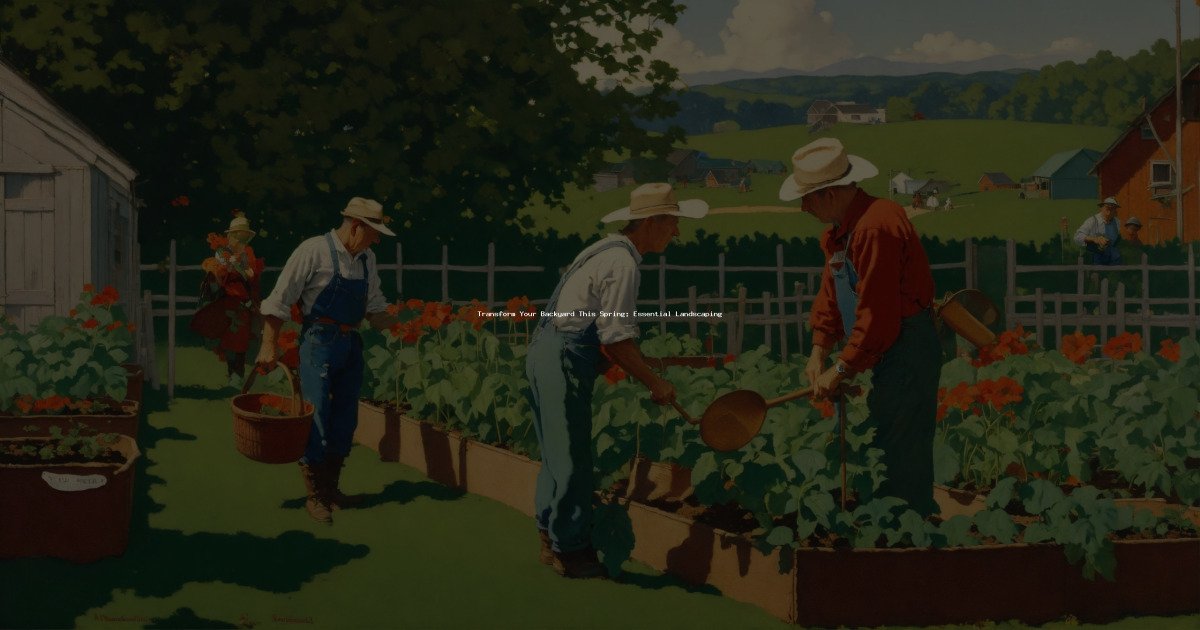
Transform Your Backyard This Spring: Essential Landscaping for American Homeowners
Ah, May! The birds are singing, the sun is shining a little brighter, and the scent of fresh-cut grass is in the air. For many of us across the continental USA, spring isn’t just a season; it’s a call to action. It’s the perfect time to step outside, breathe in the crisp air, and envision the backyard oasis you’ve always dreamed of. Maybe you’re tired of that patchy lawn, or perhaps those overgrown shrubs are finally getting on your last nerve. Whatever your motivation, this spring, particularly in May, offers an unparalleled opportunity to roll up your sleeves and truly transform your outdoor living space.
From the humid heat of the Deep South (USDA Zones 8-10) where azaleas burst into vibrant color, to the cool, crisp mornings of the Pacific Northwest (USDA Zones 6-8) where ferns unfurl, and across the vast expanses of the Midwest (USDA Zones 4-7) gearing up for summer blooms, every American homeowner faces unique landscaping challenges and opportunities. Understanding your specific USDA Hardiness Zone is your first crucial step, guiding you on which plants will thrive and which might struggle. But it’s more than just plants; it’s about creating a personal retreat, a space for family BBQs, morning coffee, or simply a tranquil spot to unwind after a long day.
This comprehensive guide is your go-to resource for making the most of your spring landscaping efforts. We’re diving deep into everything from essential spring tasks to regional plant recommendations, the best American-made tools, and smart, water-wise strategies. We’ll even guide you through attracting those buzzing pollinators that make our gardens so lively. So grab a glass of iced tea, kick back, and let’s start planning the backyard transformation that will make your neighbors green with envy. This May, let’s turn those backyard dreams into a beautiful, tangible reality right outside your door!
Key Takeaways for Your Spring Landscaping Success:
- Timing is Everything: May is prime time for planting, fertilizing, and getting ahead of summer weeds.
- Know Your Zone: Tailor your plant choices and care to your specific USDA Hardiness Zone.
- Regional Wisdom: What works in Florida might not work in Oregon; embrace your local climate.
- Invest Smart: Quality American tools and products from trusted retailers make a difference.
- Water Wisely: Implement efficient irrigation and choose drought-tolerant plants where appropriate.
- Boost Biodiversity: Native plants attract pollinators and create a healthier ecosystem.
The Ultimate Spring Checklist: What to Tackle in May for a Gorgeous Yard
May is arguably the most pivotal month for landscaping across much of the United States. The threat of late frosts has largely passed for most regions (though always check your local forecast!), and the soil has warmed up, making it ideal for planting, seeding, and revitalizing your garden beds. This isn’t just about making things look pretty; it’s about setting the stage for a healthy, vibrant landscape that will flourish throughout the summer and beyond. Think of it as your garden’s annual tune-up, preparing it for peak performance.
One of the first things on your list should be soil preparation. After a long winter, your garden beds might be compacted or depleted. Incorporate a good quality compost or organic matter to improve soil structure and nutrient content. Aim for about 2-3 inches of compost tilled into the top 6-8 inches of soil. This provides a slow-release nutrient boost that will feed your plants all season long. Next, consider your lawn. May is an excellent time for a final spring fertilization, especially if you didn’t get to it in April. Use a slow-release granular fertilizer, applying it evenly at a rate recommended for your specific lawn type, typically around 1 pound of nitrogen per 1,000 square feet. This helps promote strong root growth and a lush, green carpet.
As Memorial Day approaches, many gardeners across the country mark it as the unofficial start of summer planting. This is your cue to get those warm-season annuals and tender perennials into the ground. Think vibrant petunias, cheerful marigolds, and stately zinnias. Don’t forget vegetables like tomatoes, peppers, and beans, which absolutely thrive in the warmer May soil. For shrubs and trees, May is also a great time to prune any winter-damaged branches, ensuring healthy new growth. Remember, a little effort now will pay dividends in a spectacular display throughout the coming months. For more detailed advice on soil health, check out this excellent resource on soil testing and amendments.
Essential May Tasks:
- Soil Enrichment: Amend garden beds with 2-3 inches of compost.
- Lawn Fertilization: Apply a slow-release granular fertilizer to lawns, following package directions for your grass type.
- Weed Control: Tackle weeds aggressively before they go to seed. Consider organic mulches or pre-emergent herbicides.
- Planting Warm-Season Annuals: Get those petunias, impatiens, and snapdragons into the ground after the last frost date.
- Vegetable Garden Setup: Plant warm-season veggies like tomatoes, peppers, squash, and beans.
- Pruning: Remove dead or damaged branches from trees and shrubs. Avoid pruning spring-flowering shrubs until after they’ve bloomed.
- Mulching: Apply a 2-4 inch layer of mulch around plants to conserve moisture, suppress weeds, and regulate soil temperature.
- Pest and Disease Monitoring: Keep an eye out for early signs of pests like aphids or diseases and address them promptly.
Regional Rhythms: Tailoring Your Landscape Across America
The beauty of American gardening lies in its incredible diversity, dictated by our vast and varied climate zones. What thrives in a humid Floridian backyard (USDA Zone 9) would quickly wilt in the arid Arizona desert (USDA Zone 8b), just as a robust New England perennial (USDA Zone 5) wouldn’t survive a mild Pacific Northwest winter (USDA Zone 8a). Understanding these regional differences isn’t just smart gardening; it’s essential for creating a sustainable, beautiful, and low-maintenance landscape. Let’s explore some key considerations for different parts of the continental US this May.
Northeast (USDA Zones 3-7):
May in the Northeast is a glorious awakening. The last vestiges of winter are gone, and gardeners are buzzing. It’s prime time for planting most annuals, perennials, and cool-season vegetables like lettuce and peas, while also getting your warm-season crops like tomatoes ready for late May/early June planting. Consider classic American plants such as hydrangeas, hostas, and coneflowers (Echinacea purpurea) which thrive here. For a stunning spring display, focus on planting late-blooming tulips or early peonies. Ensure your soil is well-drained, as heavy spring rains can lead to root rot. Think about hardy shrubs like rhododendrons and azaleas for vibrant color, and native trees such as sugar maples for their iconic fall foliage.
South (USDA Zones 7-10):
The South is already deep into its growing season by May. Heat and humidity are ramping up, so focus on plants that can handle the impending summer sizzle. This is the month for planting heat-loving annuals like vinca, impatiens, and calibrachoa. For perennials, consider lantana, cannas, and hibiscus. Lawns, often St. Augustine or Bermuda grass, will be growing vigorously and may need more frequent mowing and watering. May is also a critical time to monitor for fungal diseases due to humidity. Embrace plants like crepe myrtles, magnolias, and gardenias for that quintessential Southern charm. Water-wise gardening is also crucial, as summer droughts can be common. For more on drought-tolerant options, check out https://ecorganicas.com/how-to-grow-a-tea-garden-from-leaf-to-mug/.
Midwest (USDA Zones 3-6):
May in the Midwest means rapid growth and a race against summer heat. After a potentially harsh winter, many gardeners are eager to get their hands dirty. It’s ideal for planting a wide array of annuals and perennials, including daylilies, phlox, and sedum. Vegetables like corn, beans, and squash can be planted now. Ensure your soil is rich and well-draining, as Midwestern soils can vary from heavy clay to sandy loams. Consider native prairie plants like switchgrass (Panicum virgatum) and purple coneflower for their hardiness and ability to attract pollinators. Protecting young plants from sudden temperature swings or late frosts is still wise, especially in the northern parts of the region.
Pacific Northwest (USDA Zones 6-9):
The Pacific Northwest, with its mild, wet winters and often dry summers, presents unique opportunities. May is a sweet spot – the heavy spring rains might be tapering off, but the soil is still moist, perfect for planting. Rhododendrons and azaleas are often in full bloom, showcasing spectacular color. Focus on planting shade-loving plants like hostas, ferns, and hydrangeas, which thrive in the region’s typically acidic soils. For sunnier spots, consider lavender and various conifers. Water conservation becomes important as summer approaches, so establish good watering habits now. Native plants like salal (Gaultheria shallon) and sword fern (Polystichum munitum) are excellent choices for a low-maintenance, ecologically friendly landscape.
Southwest (USDA Zones 7-10):
Gardening in the Southwest is all about embracing arid conditions and conserving water. May brings significant heat, so water-wise planning is paramount. Focus on drought-tolerant and native plants like succulents, cacti, agave, and desert willows (Chilopsis linearis). This is the time to ensure your irrigation systems are efficient and working correctly – drip irrigation is often a lifesaver here. Consider adding shade structures or planting shade trees to protect more sensitive plants from intense sun. Early morning watering is best to minimize evaporation. For a splash of color, try bougainvillea or desert marigolds. Embrace xeriscaping principles to create a stunning, water-efficient landscape that celebrates the region’s unique beauty.
Essential Tools & Top American Products for Your Spring Project
Every successful landscaping project starts with the right tools and materials. As American homeowners, we’re fortunate to have access to a vast array of high-quality products from trusted brands, readily available at our local Home Depot, Lowe’s, or with a few clicks on Amazon US. Investing in durable, ergonomic tools not only makes your work easier but also ensures longevity, saving you money in the long run. Forget flimsy plastic; we’re talking about robust, American-engineered gear that can stand up to seasons of hard work in your yard.
Must-Have Tools for May:
- Shovel/Spade: A good quality, sturdy shovel (like a Fiskars Ergo D-Handle Steel Garden Spade from Home Depot) is indispensable for digging, planting, and moving soil. Look for a strong handle and a sharp, durable blade.
- Garden Fork: Essential for aerating soil, turning compost, and breaking up compacted earth. A classic stainless steel garden fork will serve you well for years.
- Hand Trowel & Cultivator: For smaller tasks, planting annuals, and weeding. Brands like Corona or Ames offer excellent options.
- Pruning Shears: A sharp pair of bypass pruners (e.g., Felco F-2 Classic Pruner, often available on Amazon) is crucial for deadheading, shaping shrubs, and trimming small branches.
- Wheelbarrow: For hauling soil, mulch, and plants. A heavy-duty steel wheelbarrow from Lowe’s or Home Depot will be a workhorse.
- Garden Hose & Nozzle: A durable hose (5/8-inch diameter, 50-100 feet long) and a multi-pattern nozzle (like a Dramm 12380 Heavy-Duty Brass Adjustable Nozzle) are key for efficient watering.
- Gloves: Protect your hands with comfortable, durable gardening gloves. Look for options with good grip and breathability.
Top American Product Recommendations:
- Miracle-Gro Potting Mix (Home Depot/Lowe’s/Amazon US): A classic for a reason, this potting mix provides essential nutrients and good drainage for container plants and raised beds. Available in various sizes, from 1 cubic foot bags to larger bales.
- Scott’s Turf Builder Lawn Food (Home Depot/Lowe’s/Amazon US): A go-to for many American homeowners, providing balanced nutrition for a lush, green lawn. Remember to apply at recommended rates, typically 3.2 lbs per 1,000 square feet for a 5,000 sq ft bag.
- Espoma Organic Garden-tone Organic Plant Food (Amazon US/Garden Centers): For those preferring organic options, Espoma offers a fantastic range of natural fertilizers for vegetables, flowers, and shrubs. A 4 lb bag for around $12-$15 is a great start.
- Vigoro Shredded Hardwood Mulch (Home Depot): Available in 2 cubic foot bags for about $4-$5 each, this mulch helps retain soil moisture, suppress weeds, and adds a finished look to your beds. You’ll need roughly 13 bags to cover 100 square feet at a 3-inch depth.
- Ryobi ONE+ 18V Cordless Blower/Vacuum (Home Depot): For keeping your patios and driveways tidy, a cordless blower makes quick work of leaves and debris. The 18-volt system offers interchangeable batteries for various tools.
- Rain Bird Drip Irrigation Kit (Lowe’s/Amazon US): For water-wise gardening, especially in drier regions, a drip irrigation kit can save gallons of water. A starter kit for a small garden bed might cost around $30-$50 and can be expanded.
When selecting products, always read labels for application rates, safety instructions, and ensure they are suitable for your specific plants and climate. Don’t be afraid to ask for advice from staff at your local garden center or hardware store – they often have invaluable local knowledge. Investing in quality now will truly pay off in the long run for your landscaping endeavors. You can find more comprehensive reviews for various tools at Gardening Tools Review Site.
Smart Planting Strategies: From Seeds to Shrubs for a Thriving Yard
Planting isn’t just about putting a plant in the ground; it’s about understanding its needs, preparing its home, and giving it the best possible start. In May, with the soil warm and the growing season in full swing, you have a fantastic window of opportunity to establish a diverse and vibrant landscape. Whether you’re starting from tiny seeds, transplanting young starts, or adding mature shrubs, a thoughtful approach will ensure your efforts result in a thriving, beautiful yard. This is where your knowledge of USDA zones and plant specific needs truly shines, allowing you to select specimens that will flourish in your unique microclimate.
Starting Strong with Seeds:
For many vegetables and some annual flowers, May is the ideal time for direct sowing outdoors. Seeds from reputable American companies like Burpee, Baker Creek Heirloom Seeds, and Park Seed offer a wide variety of options, many specifically bred for different US climates. Before sowing, prepare your seedbed by loosening the soil, removing any weeds, and ensuring it’s finely raked. Follow seed packet instructions for planting depth and spacing – typically, seeds are planted two to three times as deep as their diameter. Keep the soil consistently moist until germination, which can be achieved with a fine spray from your hose nozzle. Thin seedlings according to package directions to prevent overcrowding and ensure strong, healthy plants.
Transplanting Success for Annuals and Perennials:
When planting nursery starts, whether annuals for seasonal color or perennials for long-term beauty, proper technique is key. Dig a hole that is twice as wide as the plant’s root ball and just as deep. Gently remove the plant from its container, teasing apart any circling roots at the bottom. Place the plant in the hole so that the top of the root ball is level with the surrounding soil. Backfill with a mixture of your native soil and compost, gently firming it around the base of the plant to remove air pockets. Water thoroughly immediately after planting to help settle the soil and reduce transplant shock. For a detailed guide on planting specific perennials, visit https://ecorganicas.com/how-to-grow-a-tea-garden-from-leaf-to-mug/.
Establishing Shrubs and Trees:
Larger plantings like shrubs and trees require a bit more effort but offer significant long-term impact on your landscape. Dig a wide, shallow hole – at least three times the width of the root ball, but no deeper than the root ball itself. This encourages roots to spread outwards. For balled-and-burlapped or container-grown specimens, carefully remove the packaging or container. Locate the root flare (where the trunk widens at the base) and ensure it’s at or slightly above soil level to prevent stem rot. Backfill with native soil, avoiding amending the entire hole with rich soil, which can discourage roots from growing beyond the planting area. Water deeply and consistently, especially during the first growing season. Consider staking young trees in windy areas for the first year, but remove stakes promptly to encourage strong trunk development. Mulch around the base, keeping it a few inches away from the trunk or stem.
Remember, proper spacing is crucial for all plantings. Give plants enough room to reach their mature size without overcrowding, which can lead to poor air circulation, increased disease risk, and competition for nutrients. Always consider the mature height and spread listed on plant tags when designing your garden beds. By implementing these smart planting strategies, you’re not just putting plants in the ground; you’re cultivating a vibrant, resilient ecosystem that will bring joy for years to come.
Water-Wise Wonders: Conserving H2O in Your American Garden
In many parts of the United States, especially during the warmer months of May and beyond, water conservation isn’t just a good idea—it’s a necessity. From the drought-prone Southwest to regions experiencing increased demand, managing water efficiently in your landscape is both environmentally responsible and cost-effective. A water-wise garden doesn’t mean sacrificing beauty; it means making smart choices about plant selection, irrigation methods, and soil management to create a thriving landscape with minimal water input. This spring, let’s explore how you can make every drop count in your American backyard.
Embrace Xeriscaping and Native Plants:
Xeriscaping, a landscaping method that reduces or eliminates the need for supplemental water from irrigation, is a powerful tool. The cornerstone of xeriscaping is choosing plants that are naturally adapted to your regional climate. For instance, in the Southwest, this means succulents, cacti, agave, and desert wildflowers. In the Midwest, native prairie grasses and wildflowers like coneflowers and black-eyed Susans thrive with less intervention. These plants have evolved to handle local rainfall patterns, often requiring little to no extra watering once established. Using native plants also supports local wildlife and pollinators, creating a healthier ecosystem. Research your local cooperative extension office for lists of recommended native and drought-tolerant plants for your specific USDA zone.
Efficient Irrigation Systems:
How you deliver water is just as important as how much. Traditional sprinklers can lose a significant amount of water to evaporation and runoff. Consider upgrading to more efficient systems:
- Drip Irrigation: This system delivers water directly to the plant’s root zone, minimizing evaporation and ensuring precise delivery. It’s ideal for garden beds, vegetable patches, and even individual trees. A drip system can reduce water usage by up to 50% compared to traditional sprinklers.
- Soaker Hoses: Similar to drip systems, soaker hoses weep water along their entire length, providing a slow, deep soak directly to the soil. They are excellent for rows of plants or densely planted beds.
- Smart Controllers: Pair your irrigation system with a smart controller that uses local weather data to adjust watering schedules automatically. This prevents overwatering during rainy periods and ensures adequate hydration during dry spells.
Aim to water deeply and infrequently rather than shallowly and often. Deep watering encourages roots to grow deeper, making plants more resilient to dry periods. The best time to water is in the early morning, before the sun gets too high, to minimize evaporation.
Mulch, Mulch, Mulch!
Mulching is one of the simplest yet most effective water-saving techniques. A 2-4 inch layer of organic mulch (like shredded bark, wood chips, or straw) around your plants does wonders:
- Reduces Evaporation: It acts as a barrier, slowing down the rate at which water evaporates from the soil surface.
- Suppresses Weeds: Fewer weeds mean less competition for precious water and nutrients.
- Regulates Soil Temperature: Mulch keeps soil cooler in summer and warmer in winter, reducing stress on plant roots.
- Improves Soil Health: As organic mulch breaks down, it adds valuable organic matter to the soil, improving its structure and water-holding capacity.
Keep mulch a few inches away from the base of plant stems and tree trunks to prevent moisture buildup and potential rot. By implementing these water-wise strategies, you can enjoy a beautiful, healthy American garden that thrives even in challenging conditions, all while being a responsible steward of our precious water resources. For more tips on water conservation, check out this excellent guide from the EPA WaterSense program.
Boosting Biodiversity: Attracting Pollinators & Wildlife to Your American Oasis
A truly vibrant backyard is more than just pretty plants; it’s a living, breathing ecosystem teeming with life. Attracting pollinators like bees, butterflies, and hummingbirds, along with beneficial insects and local wildlife, not only adds dynamic beauty to your landscape but also plays a crucial role in supporting our environment. In May, as temperatures rise and flowers begin to bloom across the US, creating a pollinator-friendly garden is one of the most rewarding landscaping efforts you can undertake. It’s an investment in the health of your garden and the planet, providing essential food and habitat for creatures great and small.
Plant for Pollinators:
The easiest way to attract pollinators is to provide them with a continuous source of nectar and pollen throughout the growing season.
- Native Plants are Key: Native plants are perfectly adapted to your local climate and soil, and critically, they have co-evolved with local pollinators. For instance, Milkweed (Asclepias species) is essential for Monarch butterflies across much of the US. Bee balm (Monarda spp.), coneflowers (Echinacea spp.), and asters are fantastic choices for attracting a wide array of native bees and butterflies.
- Diverse Bloom Times: Plant a variety of flowers that bloom at different times, from early spring to late fall, to ensure a consistent food source. In May, focus on planting mid-season bloomers and planning for summer and fall.
- Flower Shapes and Colors: Different pollinators are attracted to different flower characteristics. Bees prefer blue, purple, and yellow flowers with open or tubular shapes. Butterflies are drawn to bright colors like red, orange, and purple, often with flat landing pads. Hummingbirds love long, tubular red or orange flowers.
- Group Plantings: Plant flowers in clusters or drifts rather than singly. This creates a more visible target for pollinators and allows them to forage more efficiently.
Provide Water and Shelter:
Just like us, pollinators and wildlife need water and shelter.
- Shallow Water Source: A bird bath with shallow water or a saucer with pebbles for bees to land on can be a lifesaver. Keep the water fresh.
- “Messy” Spots: Resist the urge for a perfectly manicured lawn. A small patch of undisturbed leaves, a brush pile, or even a section of native grasses can provide crucial nesting sites and overwintering habitat for beneficial insects.
- Host Plants: Beyond nectar, many pollinators need specific “host plants” for their larval stage. For example, caterpillars of the Eastern Black Swallowtail butterfly feed on dill, parsley, and fennel. Knowing your local butterfly species and their host plant needs can significantly increase their presence in your garden.
Avoid Harmful Chemicals:
Pesticides, even those labeled “organic,” can be detrimental to pollinators and beneficial insects.
- Integrated Pest Management (IPM): Focus on preventative measures, beneficial insects (like ladybugs and lacewings), and manual removal before resorting to chemical controls.
- Read Labels Carefully: If you must use a pesticide, choose the least toxic option, apply it precisely, and only when necessary. Avoid spraying during bloom times when pollinators are most active.
By consciously designing your backyard to welcome these vital creatures, you’re not just creating a beautiful space for yourself; you’re contributing to the larger ecological health of your community and the nation. Your American oasis can truly become a haven for biodiversity, buzzing with life and color. For more on creating a pollinator garden, see https://ecorganicas.com/how-to-grow-a-tea-garden-from-leaf-to-mug/.
The Smart Gardener’s Toolkit: Product Comparison
Choosing the right products can make all the difference in your spring landscaping success. Here’s a comparison of some popular and effective options for common gardening needs, available at your favorite American retailers.
| Product | Best For | Price Range | Where to Buy | Rating (Out of 5) |
|---|---|---|---|---|
| Fiskars Ergo D-Handle Steel Garden Spade | Digging, planting, breaking tough soil | $30 – $45 | Home Depot, Amazon US | 4.7 |
| Scott’s Turf Builder Lawn Food (Southern/Northern Mix) | Year-round lawn feeding for greening & strengthening grass | $25 – $60 (5,000-15,000 sq ft bags) | Home Depot, Lowe’s, Amazon US | 4.5 |
| Espoma Organic Garden-tone Organic Plant Food | Organic feeding for flowers, vegetables, shrubs | $12 – $18 (4 lb bag) | Amazon US, Local Garden Centers | 4.8 |
| Vigoro Shredded Hardwood Mulch | Weed suppression, moisture retention, soil amendment | $3 – $5 (2 cu ft bag) | Home Depot | 4.4 |
| Rain Bird Drip Irrigation Starter Kit | Efficient, targeted watering for garden beds & containers | $30 – $50 (basic kit) | Lowe’s, Amazon US | 4.3 |
10+ Expert Tips for US Home Gardeners This Spring
- Don’t Rush It (Unless You’re in the South!): For most of the continental US, wait until after your average last frost date (often around Memorial Day for many northern states) before planting tender annuals or warm-season vegetables.
- Test Your Soil: A simple soil test (kits available at garden centers or through your local extension office for around $15-$25) can tell you exactly what nutrients your soil needs and its pH, saving you from guessing.
- Water Deeply, Less Often: Encourage strong root growth by watering for longer periods, allowing water to penetrate 6-8 inches deep, rather than frequent, shallow sprinkles.
- Mulch is Your Friend: Apply 2-4 inches of organic mulch (wood chips, shredded bark, straw) around plants to conserve moisture, suppress weeds, and regulate soil temperature.
- Feed Your Lawn Smart: Use a slow-release fertilizer in spring, and consider skipping the fall application if your lawn