body { font-family: ‘Arial’, sans-serif; line-height: 1.6; color: #333; }
h1, h2, h3 { color: #2c5211; }
h1 { font-size: 2.5em; text-align: center; margin-bottom: 20px; }
h2 { font-size: 2em; margin-top: 40px; border-bottom: 2px solid #e0e0e0; padding-bottom: 10px; }
h3 { font-size: 1.5em; margin-top: 25px; }
p { margin-bottom: 15px; }
ul, ol { margin-left: 20px; margin-bottom: 15px; }
li { margin-bottom: 8px; }
strong { font-weight: bold; }
em { font-style: italic; }
table { width: 100%; border-collapse: collapse; margin-top: 20px; margin-bottom: 20px; }
th, td { border: 1px solid #ddd; padding: 10px; text-align: left; }
th { background-color: #f2f2f2; font-weight: bold; }
.container { max-width: 900px; margin: auto; padding: 20px; background: #fff; box-shadow: 0 0 10px rgba(0,0,0,0.1); }
.key-takeaways { background-color: #e6ffe6; border-left: 5px solid #4CAF50; padding: 15px; margin: 25px 0; }
.button { display: inline-block; background-color: #4CAF50; color: white; padding: 12px 25px; text-align: center; text-decoration: none; font-size: 16px; border-radius: 8px; margin: 10px 5px; cursor: pointer; }
.button:hover { background-color: #45a049; }
/* For FAQ schema structure, typically JSON-LD is used, but for content display, H3 and P are sufficient */
.faq-section h3 { margin-top: 20px; color: #333; }
.faq-section p { margin-left: 20px; }
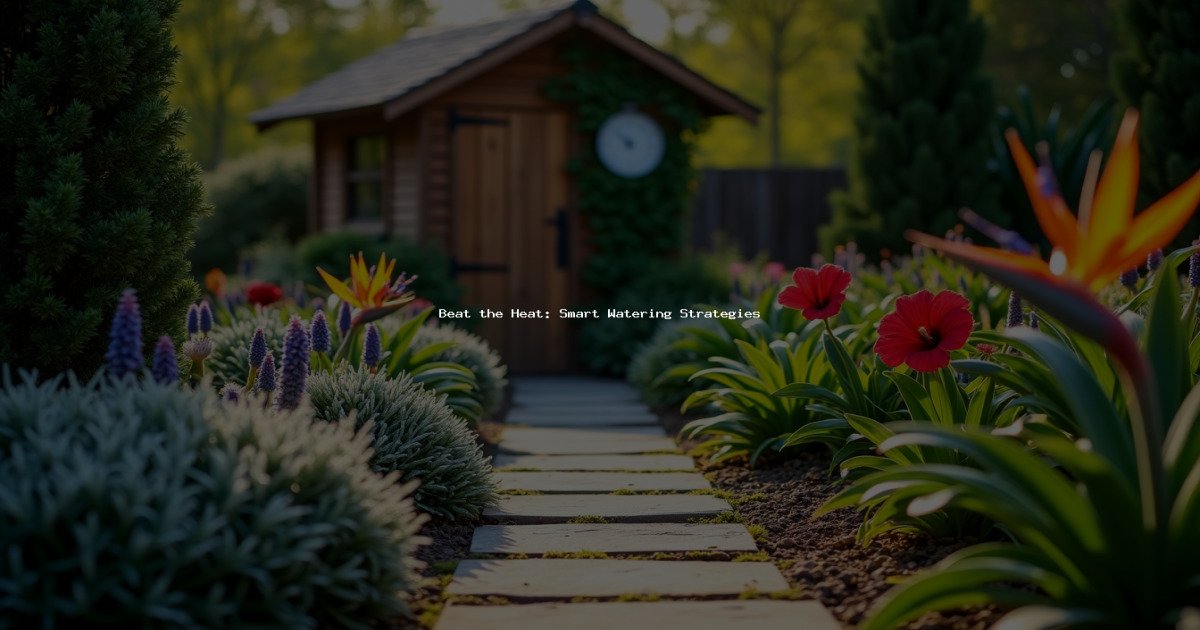
Beat the Heat: Smart Watering Strategies for Your Thriving American Garden
Ah, June! The sun is high, the days are long, and for many of us across the continental USA, the promise of summer brings with it the sweltering reality of heatwaves. You’ve worked tirelessly since those early spring days, perhaps planting your tomatoes after Memorial Day, nurturing your petunias, or coaxing your cucumbers into sprawling vines. Now, as temperatures climb into the 80s, 90s, and even triple digits, the thought of losing all that hard work to parched soil and wilting leaves can be truly heartbreaking. We’ve all been there – staring at a beloved plant at noon, its leaves drooping dramatically, wondering if it will ever bounce back. It’s a common summer struggle, from the humid South to the arid Southwest, the variable Midwest to the sun-drenched Northeast, and even the often-dry summers of the Pacific Northwest.
But what if you could equip yourself with the knowledge and tools to not just survive the summer, but to help your garden truly thrive? Watering isn’t just about turning on the hose; it’s an art and a science, especially when dealing with the diverse climates found across our great nation. Whether you’re in USDA Zone 3 in Minnesota, battling relentless heat in Zone 9b in Florida, or managing precious water resources in Zone 10a in Southern California, understanding how, when, and where to water is paramount. This isn’t just about saving your plants; it’s about conserving water, saving money on your utility bills, and reducing the environmental footprint of your gardening efforts.
In this comprehensive guide, we’re going to dive deep into smart watering strategies tailored specifically for American home gardeners. We’ll explore everything from understanding your soil to choosing the right tools, regional considerations, and advanced techniques that will make your garden resilient against even the fiercest summer heat. Get ready to transform your watering routine from a chore into a highly effective, plant-loving practice!
Key Takeaways for a Thriving Summer Garden:
- Timing is Crucial: Water early in the morning to minimize evaporation and maximize absorption.
- Go Deep, Not Shallow: Encourage strong root growth by watering deeply and less frequently.
- Know Your Soil: Different soil types (sandy, clay, loam) require different watering approaches.
- Mulch is Your Best Friend: A 2-4 inch layer of mulch dramatically reduces water loss and regulates soil temperature.
- Regional Adaptations: Tailor your strategy to your specific USDA zone and local climate challenges, from the humid South to the arid Southwest.
- Smart Tools Pay Off: Invest in drip irrigation, soaker hoses, or smart timers for efficiency and convenience.
The Ultimate Guide to Understanding Your Soil: The Foundation of Smart Watering
Before you even think about turning on the spigot, understanding the soil in your garden is absolutely critical. It’s the silent partner in your watering efforts, dictating how much water your plants actually receive and how long it stays available to them. Across the American landscape, soil types vary dramatically, from the rich, dark loams of the Midwest to the sandy soils of Florida, the heavy clays of Texas, or the rocky, mineral-rich soils of the mountainous West. Knowing your soil type is like having a secret weapon in your “Beat the Heat” arsenal.
Sandy Soil: Quick to Drain, Quick to Dry
If you’re gardening in many coastal regions, Florida, or certain parts of the Southwest, you likely have sandy soil. Characterized by large, gritty particles, sandy soil drains exceptionally fast. While this prevents waterlogging, it also means nutrients leach out quickly, and water doesn’t stick around for long. Plants in sandy soil often need more frequent watering, but in smaller amounts, to prevent them from drying out completely. Adding organic matter like compost is a game-changer for sandy soil, improving its water-holding capacity. Think of it like a sponge – the more organic matter, the better it can hold onto that precious water.
Clay Soil: Slow to Absorb, Slow to Release
Many areas, including parts of the South, the Northeast, and the fertile river valleys of the Midwest, are blessed (or cursed, depending on your perspective!) with clay soil. Clay particles are tiny and pack together tightly, making the soil dense. This means water penetrates slowly, but once it’s absorbed, clay soil holds onto it like a vice. The risk here is runoff if you water too quickly, and waterlogging if you water too much. The key with clay is slow, deep watering to allow absorption, and then less frequent watering because it retains moisture so well. Improving clay soil with organic matter helps break up its density, improving drainage and aeration. This is especially important for plants that don’t like “wet feet.”
Loam: The Gardener’s Dream
Lucky you if you have loamy soil! This ideal mix of sand, silt, and clay offers the best of all worlds: good drainage, excellent water retention, and plenty of aeration for healthy root growth. Loamy soils are often found in prime agricultural regions and are highly desirable for home gardens. While loam is forgiving, smart watering practices still apply, especially during extreme heat. Even the best soil can dry out under a relentless summer sun, so consistent monitoring and deep watering remain essential.
Testing Your Soil and Amending for Success
Not sure what kind of soil you have? A simple “jar test” can give you a good idea. Fill a clear jar with soil and water, shake it, and let it settle for a day or two. You’ll see layers of sand, silt, and clay. For a more precise analysis, consider a soil test kit available at your local Home Depot or Lowe’s, or send a sample to your state’s agricultural extension office. Once you know your soil, you can amend it effectively. Incorporating 2-4 inches of well-rotted compost or other organic matter annually will dramatically improve both sandy and clay soils, making them more resilient to drought and better at holding onto water. This investment in your soil pays dividends in healthier, happier plants that require less fussing with the hose. https://ecorganicas.com/how-to-grow-a-tea-garden-from-leaf-to-mug/
Timing is Everything: Your Proven Strategy for When and How Much to Water
You might think watering is a simple task, but in the heat of an American summer, the “when” and “how much” are critical distinctions between a flourishing garden and one that’s struggling to survive. Getting these elements right can save you gallons of water, hours of effort, and countless plants from succumbing to the heat. This section focuses on season-specific advice for June and the peak summer months, ensuring your plants get exactly what they need without waste.
The Golden Rule: Water in the Morning
Without a doubt, the best time to water your garden across almost every region of the USA is in the early morning. Aim for between 5 AM and 9 AM. Why? Several reasons:
- Minimizing Evaporation: As the sun rises and temperatures climb, water evaporates quickly. Watering in the cool morning air means more water reaches your plants’ roots, not the atmosphere.
- Reduced Fungal Diseases: Watering overhead in the evening leaves foliage wet overnight, creating a prime environment for fungal diseases like powdery mildew. Morning watering allows leaves to dry thoroughly before nightfall.
- Plant Absorption: Plants are actively taking up water in the morning to prepare for the day’s heat. Giving them a good drink early ensures they are hydrated when they need it most.
Avoid watering in the middle of the day, especially when temperatures are soaring into the 90s or 100s Fahrenheit. Not only is evaporation at its peak, but cold water hitting hot leaves can shock plants, and water droplets can act like tiny magnifying glasses, scorching foliage.
Deep and Infrequent: The Secret to Strong Roots
Forget the daily sprinkle! For most established plants, the goal is to water deeply and infrequently. A light sprinkle only moistens the top inch or two of soil, encouraging shallow root growth. These shallow roots are highly vulnerable to drying out during heatwaves. Instead, aim to saturate the soil to a depth of 6-12 inches, depending on the plant type. This encourages roots to grow deeper, making the plant more resilient and self-sufficient between waterings.
How much is “deep”? A general rule of thumb for many garden beds is about 1 inch of water per week, delivered all at once or split into two deep waterings. For newly planted seedlings or plants in containers, this might need to be adjusted. You can use a rain gauge to measure how much water your sprinklers deliver over a certain period, or simply check the soil moisture with your finger or a moisture meter. Stick your finger into the soil; if it feels dry at 2-3 inches down, it’s time to water.
Adjusting for Heatwaves and Drought Conditions
June often brings the first serious heatwaves of summer. During these periods, you’ll need to increase your watering frequency. Instead of two deep waterings a week, you might need three or four, still aiming for those early morning slots. Watch your plants for signs of stress: wilting, dull foliage, or leaves curling inward. These are cries for help! For container plants, which dry out much faster than in-ground plants, daily watering (sometimes twice daily in extreme heat) is often necessary. Consider grouping containers together to create a microclimate with higher humidity.
In drought-prone regions, be mindful of local water restrictions. This might mean prioritizing essential plants, using greywater systems (where permitted), or collecting rainwater. Prioritize vegetables and newly planted shrubs over established lawns, which can often go dormant and recover. Always check your local municipality’s guidelines for watering during dry spells. https://ecorganicas.org/do-plant-cells-have-mitochondria/
Tools of the Trade: American Product Recommendations for Smart Watering
Smart watering isn’t just about technique; it’s also about leveraging the right tools. Thankfully, American retailers like Home Depot, Lowe’s, and Amazon US offer an incredible array of products designed to make your watering more efficient, effective, and even enjoyable. Investing in the right gear can save you time, water, and ultimately, your plants.
Soaker Hoses: The Underrated Workhorse
If you’re still relying solely on an oscillating sprinkler for your garden beds, it’s time to meet the soaker hose. These porous hoses slowly weep water directly into the soil at a low pressure, delivering moisture precisely where plant roots need it most. This minimizes evaporation and runoff, making them incredibly efficient. They’re perfect for rows of vegetables, perennial beds, or even around individual shrubs. You can find excellent soaker hoses from brands like Gilmour, Orbit, and Melnor at Home Depot or Lowe’s, typically ranging from 25 to 100 feet. They are relatively inexpensive and simple to set up, often just needing to be snaked through your garden beds and connected to a standard garden hose.
Drip Irrigation Systems: Precision Watering for the Modern Gardener
For the ultimate in water efficiency and automation, consider a drip irrigation system. These systems use a network of main lines, smaller tubing, and individual emitters that deliver water directly to the base of each plant. Drip systems are highly customizable and can be tailored to everything from raised beds and container gardens to intricate landscape designs. Starter kits from brands like Rain Bird, Toro, or Orbit are readily available at Home Depot, Lowe’s, and Amazon US, often starting around $50-$100 for a basic setup. While they require a bit more initial installation, the long-term benefits in water savings and plant health are immense, especially in areas with watering restrictions or high temperatures, such as California or Arizona. https://ecorganicas.com/10-aesthetic-plants-for-a-quiet-luxury-garden-look/
Smart Water Timers and Controllers: Set It and Forget It (Almost!)
In today’s tech-savvy world, even your watering can be smart! Wi-Fi-enabled smart timers and controllers connect to your home network and can be programmed and monitored from your smartphone. Many even integrate with local weather forecasts, automatically adjusting watering schedules based on rain, temperature, and humidity. Brands like Rachio, Orbit B-Hyve, and Rain Bird offer popular smart controllers at various price points, often starting around $100-$200 for basic models. These are fantastic for busy gardeners or those looking to truly optimize water usage. Imagine your sprinklers automatically skipping a cycle because it rained last night – that’s smart watering in action!
Rain Barrels: Harnessing Nature’s Bounty
Don’t let valuable rainwater go down the drain! Installing a rain barrel to collect runoff from your gutters is an eco-friendly and cost-effective way to supplement your watering. Rainwater is also free of chlorine and other chemicals found in municipal water, which some plants prefer. You can find various styles and sizes of rain barrels at Home Depot, Lowe’s, and Amazon US, ranging from basic plastic models around $80-$150 to more decorative options. Just remember to check local regulations regarding rainwater harvesting, as some areas have specific guidelines. Collecting rainwater is a fantastic way to be more sustainable and reduce your water bill, particularly in areas like the Pacific Northwest or the humid Southeast where summer thunderstorms are common.
Moisture Meters and Rain Gauges: Your Eyes on the Water
Sometimes, the simplest tools are the most effective. A basic rain gauge (available for under $10) helps you accurately measure how much natural rainfall your garden has received or how much water your sprinklers are delivering. A soil moisture meter (handheld models typically $15-$30) takes the guesswork out of watering, telling you exactly how wet or dry the soil is at various depths. These tools empower you to make informed decisions and prevent both overwatering and underwatering, ensuring your plants get precisely what they need. These are widely available at any garden center or online retailer. https://ecorganicas.org/do-plant-cells-have-mitochondria/
Watering Wisdom for Every Corner of the USA: Regional Strategies
The vastness of the United States means that “summer” watering looks very different from one region to another. A strategy that works for a gardener in Maine won’t necessarily cut it for someone in Arizona. Understanding your specific climate and adapting your watering accordingly is key to success. Let’s break down some regional considerations.
Northeast & Mid-Atlantic: Humidity, Thunderstorms, and Variable Summers
From New England down through Pennsylvania and Virginia, summers can be a mixed bag. You’ll experience periods of high humidity and intense heat, often punctuated by sudden, heavy thunderstorms.
- Monitor Rainfall Closely: Those pop-up summer storms can dump a lot of water. Use a rain gauge to avoid overwatering after a good downpour.
- Watch for Fungal Issues: High humidity combined with moisture on leaves is a recipe for fungal diseases. Water early morning at the base of plants.
- Container Care: Containers dry out quickly in the heat, especially on sunny decks or patios. Check them daily.
- Mulch is Key: A 2-4 inch layer of mulch helps conserve moisture during dry spells between rains.
Even with summer rains, prolonged dry spells are common, so be prepared to deep water during these periods, especially for vegetables like tomatoes and peppers that are reaching peak production in June and July.
The South & Southeast: Extreme Heat, Humidity, and Sandy Soils
States like Florida, Georgia, Alabama, Mississippi, Louisiana, and parts of Texas face some of the most challenging summer conditions: relentless heat, oppressive humidity, and often sandy, fast-draining soils.
- Frequent Deep Watering: Due to rapid evaporation and sandy soils, plants often need more frequent, deep waterings. Early morning is non-negotiable.
- Amend Soil Heavily: Continuously incorporate organic matter into sandy soils to improve water retention.
- Heat-Tolerant Plants: Consider choosing plants well-suited to heat and humidity.
- Drip & Soaker Systems: These are highly recommended to deliver water efficiently and prevent fungal diseases exacerbated by humidity.
- Afternoon Shade: For sensitive plants, consider providing some afternoon shade to reduce water stress.
Lawns (St. Augustine, Bermuda) will demand significant water to stay green, but consider letting them go slightly dormant during peak heat to conserve water.
Midwest: Variable Weather, Droughts, and Rich Soils
The Midwest sees a wide range of summer weather, from periods of intense heat and drought to severe thunderstorms and cooler spells. While many areas boast rich, loamy soils, inconsistent rainfall patterns mean smart watering is essential.
- Adapt to Weather Swings: Be prepared to adjust your watering frequency rapidly based on daily weather conditions and forecasts.
- Deep Watering for Drought Resilience: Encourage deep root growth to help plants withstand potential dry spells.
- Protect from Wind: Hot, dry winds can accelerate water loss. Mulch helps, and consider windbreaks for vulnerable plants.
- Rain Barrel Benefits: Collecting rainwater can be very useful for supplementing during dry periods, given the region’s thunderstorms.
June is often a high growth period, so ensuring consistent moisture for vegetables and flowering annuals is critical for a bountiful harvest and vibrant display.
Pacific Northwest: Wet Winters, Dry Summers
While known for its rain, the Pacific Northwest (Oregon, Washington) experiences surprisingly dry summers. After wet springs, plants must adapt to significant summer drought conditions.
- Transition Carefully: As spring rains diminish, gradually increase supplemental watering to help plants transition to dry summer conditions.
- Focus on Established Plants: Many PNW natives are drought-tolerant once established. Prioritize watering for new plantings and high-demand edibles.
- Mulch Heavily: A thick layer of mulch is critical to conserving the moisture accumulated during the wet season.
- Morning Water: Even with cooler summer mornings, watering early minimizes evaporation during the dry days.
Consider grouping plants with similar water needs together to make watering more efficient, a practice known as hydrozoning.
Southwest & Arid Regions: Extreme Heat and Water Scarcity
Arizona, Nevada, Southern California, New Mexico, and parts of Texas face the most extreme watering challenges due to intense heat, minimal rainfall, and often strict water restrictions.
- Xeriscaping is King: Prioritize drought-tolerant and native plants.
- Drip Irrigation is Essential: For any non-native or food-producing plants, drip irrigation is almost a necessity for efficient water delivery.
- Deep and Infrequent: Train plants to send roots deep by watering thoroughly but very infrequently.
- Shade and Mulch: Provide shade for sensitive plants and use a thick layer of mulch (rock mulch can be effective in some areas, but organic mulch is better for soil health) to keep soil temperatures down and reduce evaporation.
- Water Budgeting: Be acutely aware of your water usage and local restrictions.
For regions like this, every drop counts. Smart technology like weather-based controllers is an investment that quickly pays for itself. https://ecorganicas.org/how-deep-to-plant-potatoes/
Beyond the Hose: Advanced Watering Techniques for Maximum Efficiency
While understanding soil and timing are fundamental, there are several advanced techniques that can elevate your watering game, making it even more efficient, sustainable, and effective against the summer heat. These strategies often involve a bit of upfront planning or investment but yield significant long-term benefits for your garden and your wallet.
Embrace Mulch: Your Garden’s Best Defense
If there’s one “secret weapon” every American gardener should employ, it’s mulch. A 2-4 inch layer of organic mulch (like shredded bark, wood chips, straw, or compost) around your plants does wonders:
- Reduces Evaporation: It acts as a blanket, shielding the soil from the sun’s harsh rays and significantly slowing down water evaporation.
- Regulates Soil Temperature: Keeps soil cooler in summer and warmer in winter, reducing stress on plant roots.
- Suppresses Weeds: Fewer weeds mean less competition for precious water and nutrients.
- Improves Soil Health: As organic mulch breaks down, it adds valuable nutrients and improves soil structure over time.
Apply mulch after a good watering in late spring or early summer, making sure to keep it a few inches away from plant stems to prevent rot. You can find various types of mulch at Home Depot, Lowe’s, or local garden centers.
Wicking Beds and Self-Watering Planters: Set and Forget
For container gardeners or raised bed enthusiasts, wicking beds and self-watering planters are a game-changer. These systems have a water reservoir at the bottom and use capillary action to “wick” water up into the soil as needed. This ensures plants get a consistent supply of moisture, preventing the daily drying out common in conventional containers. You can buy ready-made self-watering planters from Amazon US or garden stores, or even build your own wicking beds for raised garden beds. They are particularly beneficial for thirsty plants like tomatoes, peppers, and leafy greens, reducing watering frequency from daily to sometimes once a week or less, depending on the size and plant type.
Ollas: Ancient Wisdom for Modern Gardens
An olla (pronounced “oy-yah”) is an unglazed clay pot that you bury in your garden with the neck exposed. You fill it with water, and the porous clay slowly releases moisture into the surrounding soil as the plants’ roots draw it out. This ancient irrigation method is incredibly efficient, delivering water directly to the root zone with minimal evaporation. Ollas are fantastic for individual plants or small groupings. You can find them from specialty garden suppliers or even craft your own from unglazed terracotta pots. They are particularly effective in hot, dry climates where surface watering is prone to high evaporation.
Grouping Plants by Water Needs (Hydrozoning)
Don’t mix your thirsty petunias with your drought-tolerant lavender! Hydrozoning involves grouping plants with similar water requirements together. This allows you to water each zone according to its specific needs, preventing both overwatering sensitive plants and underwatering thirsty ones. For example, create a “high-water zone” for your vegetables, a “medium-water zone” for most perennials, and a “low-water zone” for native plants or succulents. This strategic planting makes your entire watering routine more efficient and reduces stress on all your plants.
Smart Watering Tools Comparison
| Product/Technique | Best For | Price Range | Where to Buy | Rating (1-5 Stars) |
|---|---|---|---|---|
| Soaker Hose | Garden beds, rows of vegetables, established perennials | $20 – $50 | Home Depot, Lowe’s, Amazon US | ⭐⭐⭐⭐ |
| Drip Irrigation Kit | Raised beds, container gardens, precise watering for specific plants, automating watering | $50 – $200+ | Home Depot, Lowe’s, Amazon US | ⭐⭐⭐⭐⭐ |
| Smart Water Timer/Controller | Automating sprinklers/drip systems, adjusting to weather, busy gardeners | $100 – $300+ | Home Depot, Lowe’s, Amazon US | ⭐⭐⭐⭐⭐ |
| Rain Barrel (50-gallon) | Collecting rainwater, reducing water bills, eco-friendly watering, supplementing municipal water | $80 – $150 | Home Depot, Lowe’s, Amazon US | ⭐⭐⭐⭐ |
| Soil Moisture Meter | Taking guesswork out of watering, preventing over/underwatering, diagnosing plant issues | $15 – $30 | Amazon US, Local Garden Centers | ⭐⭐⭐⭐ |
10+ Expert Tips for US Gardeners to Beat the Summer Heat
- Water in the Early Morning: This is the single most important tip to reduce evaporation and promote plant health.
- Mulch, Mulch, Mulch: Apply 2-4 inches of organic mulch to conserve moisture, regulate soil temperature, and suppress weeds.
- Check Soil Moisture, Don’t Guess: Use your finger (2-3 inches deep) or a moisture meter to determine if your plants truly need water.
- Water Deeply and Infrequently: Encourage strong, deep root systems by saturating the soil to 6-12 inches rather than frequent shallow sprinkles.
- Prioritize Plants: During heatwaves or water restrictions, focus your efforts on newly planted items, vegetables, and high-value plants. Lawns can often go dormant and recover.
- Group Plants by Water Needs (Hydrozoning): Plant thirsty annuals together and drought-tolerant perennials in another area to optimize watering.
- Use the Right Tools: Invest in soaker hoses, drip irrigation, or smart timers for efficient, targeted watering.
- Consider Container Materials: Terracotta pots dry out faster than plastic or glazed ceramic. Group containers to create microclimates.
- Harvest Rainwater: Install a rain barrel to collect chlorine-free water for your garden, especially beneficial in humid or rainy regions.
- Provide Shade for Sensitive Plants:
You Might Also Like
May’s Must-Plant Veggies for a Bountiful Backyard Harvest
I Hacked a $20 Security Camera Into a Time-Lapse Plant Cam – Viral Growth Footage

Garden Care 2024: A Guide to Achieving a Healthy and Lush Garden
Low Maintenance Backyard Landscaping Ideas

How doing garden work can improve your mental health
Raised Bed Vegetable Garden: What to Plant in May for Peak Harvest
