body { font-family: ‘Arial’, sans-serif; line-height: 1.6; color: #333; margin: 0; padding: 20px; background-color: #f9f9f9; }
h1, h2, h3 { color: #2a6a3b; }
h1 { font-size: 2.5em; text-align: center; margin-bottom: 30px; }
h2 { font-size: 2em; margin-top: 40px; border-bottom: 2px solid #e0e0e0; padding-bottom: 10px; }
h3 { font-size: 1.5em; margin-top: 30px; color: #4a8a5b; }
p { margin-bottom: 1em; }
ul, ol { margin-bottom: 1em; margin-left: 20px; }
li { margin-bottom: 0.5em; }
strong { color: #1a4a2b; }
em { font-style: italic; }
.container { max-width: 900px; margin: auto; background: #fff; padding: 30px; border-radius: 8px; box-shadow: 0 0 15px rgba(0,0,0,0.05); }
table { width: 100%; border-collapse: collapse; margin-top: 20px; margin-bottom: 20px; }
th, td { border: 1px solid #ddd; padding: 10px; text-align: left; }
th { background-color: #f2f2f2; font-weight: bold; }
.button { display: inline-block; padding: 12px 25px; margin: 10px 15px; background-color: #2a6a3b; color: white; text-decoration: none; border-radius: 5px; font-weight: bold; transition: background-color 0.3s ease; }
.button:hover { background-color: #1a4a2b; }
.key-takeaways { background-color: #e6f5ea; border-left: 5px solid #2a6a3b; padding: 20px; margin: 30px 0; border-radius: 5px; }
.key-takeaways h3 { color: #2a6a3b; margin-top: 0; }
.faq-section h3 { margin-bottom: 10px; }
.faq-section p { margin-top: 0; margin-bottom: 20px; }
.cta-section { background-color: #f0f8f0; padding: 30px; text-align: center; border-radius: 8px; margin-top: 40px; }
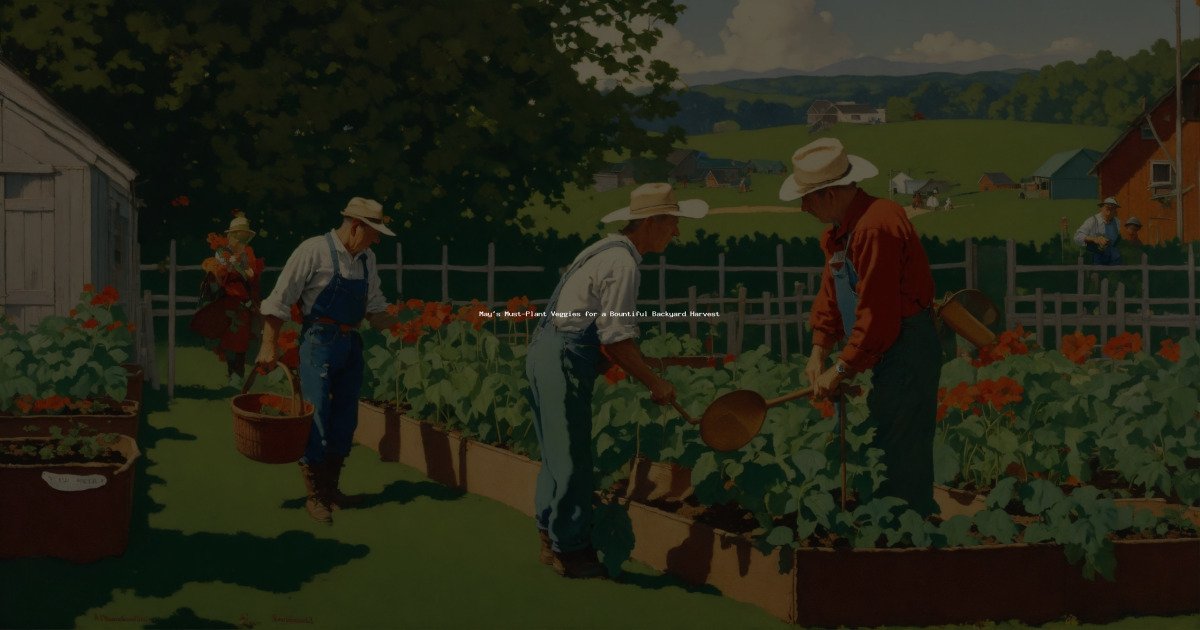
May’s Must-Plant Veggies for a Bountiful Backyard Harvest
Ah, May! For us American gardeners, it’s not just a month; it’s a symphony of blossoming promise, a vibrant crescendo of growth after the quiet anticipation of early spring. The days are longer, the sun feels warmer on our skin, and the soil beneath our feet is finally shedding its winter chill, eager to welcome new life. If you’ve been dreaming of plump, juicy tomatoes, crisp green beans, or the sweet crunch of a bell pepper straight from your own backyard, May is your golden ticket!
Across the vast and varied landscapes of the continental USA, May marks the official kickoff for planting warm-season crops for most of us. Whether you’re in the sun-drenched South where summer is already knocking, the temperate Pacific Northwest, the fertile Midwest, the bustling Northeast, or the arid Southwest, this month is absolutely crucial for setting the stage for a truly bountiful harvest. It’s that magical window when the danger of a surprise hard frost has largely passed for many USDA zones, allowing us to plant with confidence and watch our gardens explode with vitality.
Think about it: Memorial Day weekend isn’t just for barbecues and family gatherings; it’s practically a national holiday for gardeners, a traditional signal that it’s safe to put those tender seedlings into the ground. From Zone 3 to Zone 10, gardeners are dusting off their trowels, enriching their soil, and dreaming of the fresh flavors that only a homegrown harvest can provide. This isn’t just about growing food; it’s about connecting with the earth, enjoying the therapeutic rhythm of nature, and providing your family with the freshest, most delicious produce imaginable.
In this comprehensive guide, we’re going to dive deep into everything you need to know to make your May garden an unparalleled success. We’ll explore the best veggies to plant now, tailored advice for your specific US region, essential tools and products you can find at your local Home Depot or Lowe’s, and expert tips to ensure your plants thrive. So grab a cup of coffee, settle in, and let’s get ready to transform your backyard into a verdant paradise!
Key Takeaways for Your May Garden Success:
- Timing is Everything: May is prime time for warm-season crops after the last frost date.
- Know Your Zone: USDA zones dictate what and when you can plant; regional advice is crucial.
- Soil Health is Paramount: Amend your soil with compost for optimal growth.
- Hardening Off: Don’t skip this vital step for transplanting seedlings.
- Water Wisely: Consistent moisture is key, especially as temperatures rise.
- Succession Planting: Maximize your harvest by planting in stages.
- Shop Smart: Utilize American retailers like Home Depot, Lowe’s, and Amazon for tools and supplies.
Season-Specific Advice for Spring in the US: Mastering May’s Unique Growing Conditions
May in the United States is a dynamic month for gardeners, bridging the gap between the cool uncertainty of early spring and the full-blown heat of summer. Understanding these transitional conditions is paramount to your gardening success. The biggest factor? The warming soil and the receding threat of frost. While many regions have seen their last hard frost by May 1st, some northern states and higher elevations may still experience unexpected dips in temperature, making vigilance key. Always check your local forecast and historical last frost dates for your specific USDA zone.
As the days lengthen, the soil temperature steadily climbs, signaling to warm-season crops that it’s safe to grow. You can measure your soil temperature with a simple soil thermometer – aim for at least 60-65°F (15-18°C) for most warm-season vegetables like tomatoes, peppers, and beans. Planting too early into cold soil can stunt growth, lead to disease, or even kill young plants. This month is also ideal for direct sowing many seeds, as the ground is warm enough for quick germination. Think about corn, beans, squash, and cucumbers, which all prefer to be sown directly into the garden bed rather than started indoors.
Another critical aspect of May gardening is hardening off. If you started seedlings indoors or purchased them from a nursery, they’ve been living a pretty pampered life. Exposing them abruptly to the harsh sun, wind, and fluctuating outdoor temperatures can send them into shock. Hardening off involves gradually acclimating your plants to outdoor conditions over 7-14 days. Start by placing them in a sheltered, shady spot for a few hours, then progressively increase their exposure to sunlight and wind, eventually leaving them out overnight if temperatures permit. This process builds stronger, more resilient plants ready to thrive in your garden.
Finally, consider the concept of succession planting. May is perfect for this strategy, especially for crops with shorter harvest windows. By planting small batches of certain vegetables every 2-3 weeks (like bush beans, lettuce, radishes, or even some determinate tomatoes), you can ensure a continuous harvest throughout the summer, avoiding a glut of produce all at once. This technique is a game-changer for maximizing your garden’s output and enjoying fresh veggies week after week. For more on maximizing your yield, check out our guide on https://ecorganicas.com/10-aesthetic-plants-for-a-quiet-luxury-garden-look/.
Understanding Your Last Frost Date
Knowing your average last frost date is the single most important piece of information for May planting. While May usually signals the end of frost for many, gardeners in USDA Zones 3-5, particularly in the northern states like Minnesota, Maine, or even parts of New York and Michigan, might still experience a late frost well into the month. Websites like the National Climatic Data Center or local university extension offices provide historical data specific to your area. Don’t just rely on the calendar; use a thermometer and keep an eye on weather forecasts, especially around Memorial Day. If a late frost threatens, be prepared to cover tender plants with row covers or old sheets.
Harnessing the Power of Warm Soil
Warm soil isn’t just comfortable for plants; it’s essential for their metabolic processes. Cold soil slows down nutrient uptake, root development, and makes plants more susceptible to disease. For optimal growth of most May-planted warm-season crops, aim for soil temperatures consistently above 60°F (15°C) at a depth of 4-6 inches. Raised beds naturally warm up faster in the spring, giving you a head start. Incorporating dark compost can also help absorb more solar radiation, gently warming the soil. Consider using black plastic mulch in cooler climates to further expedite soil warming before planting, especially for heat-loving plants like peppers and eggplants.
Hardening Off for Success
This isn’t a suggestion; it’s a critical step. Skipping hardening off can lead to yellowing leaves, stunted growth, or even plant death. Think of it like taking a baby from a warm crib straight into a blizzard – they won’t fare well. Over a week to ten days, gradually introduce your seedlings to the elements. Start with a few hours in a shaded, sheltered spot, then move to dappled sun, then full sun, and finally, overnight stays if temperatures are consistently above 50°F (10°C). Reduce watering slightly during this period to encourage stronger root development. Your seedlings will thank you with robust growth once they’re planted out.
Regional Planting Guides: Tailoring May’s Bounty to Your Backyard
The beauty of gardening in the United States lies in its incredible climatic diversity. What thrives in a Texan May might struggle in a Maine May. Understanding your specific region’s climate and typical May conditions is key to selecting the right crops and planting them at the optimal time. We’ll break down essential planting advice for the major continental US regions, keeping USDA zones and typical weather patterns in mind. Remember, these are general guidelines; always cross-reference with your local extension office for the most precise advice.
No matter your region, May is often the month to transition from cool-season crops (like lettuce, spinach, and peas) to warm-season favorites. While you might still get a final harvest of some cool-season greens, it’s time to make space for the sun-loving stars of summer. This means preparing beds, enriching soil, and ensuring your irrigation system is ready for the increased demands of growing plants in warmer weather. Consider adding a layer of mulch around new transplants to help retain soil moisture and regulate temperature as the days heat up. This also helps suppress weeds, a constant battle for any gardener. Don’t forget to check out some of the excellent resources from the USDA for specific planting calendars for your area: https://ecorganicas.org/when-to-plant-garlic/.
Northeast & Upper Midwest: Embracing the Late Spring
(USDA Zones 3-6) For states like New York, Pennsylvania, Ohio, Michigan, Wisconsin, and Minnesota, May is often the true start of warm-season planting. The last frost date can sometimes stretch into late May, especially in northern reaches.
What to Plant:
- Direct Sow: Bush beans, pole beans, corn, cucumbers, summer squash (zucchini, yellow squash), pumpkins (late May), radishes (final succession), carrots.
- Transplant: Tomatoes (determinate and indeterminate varieties like ‘Celebrity’ or ‘Better Boy’), peppers (bell, jalapeño, banana), eggplant, basil.
- Consider: Potatoes (early May), Swiss chard, kale (can handle cooler temps).
Key Advice: Pay close attention to nighttime temperatures. If they dip below 50°F (10°C), cover tender plants. Consider using season extenders like cloches or row covers for heat-lovers. Soil warming is crucial here. Look for fast-maturing varieties of corn and squash.
The Sun-Kissed South: Early Summer Starts
(USDA Zones 7-10) From Georgia to Texas, and up through the Carolinas and Arkansas, May often means summer is already in full swing. Many warm-season crops can be planted early in the month, or even as second succession plantings.
What to Plant:
- Direct Sow: Southern peas (black-eyed peas), okra, sweet potatoes (slips), corn, watermelon, cantaloupe, squash, cucumbers, peanuts.
- Transplant: Heat-tolerant tomatoes (e.g., ‘Florida 91’, ‘Homestead’), peppers (especially hot peppers), eggplant, basil, rosemary, thyme.
- Consider: Continual succession of bush beans, some heat-tolerant leafy greens (Malabar spinach, New Zealand spinach).
Key Advice: Focus on heat-tolerant varieties. Ensure consistent watering as temperatures rise quickly. Mulch heavily to conserve moisture and keep soil temperatures stable. Afternoon shade might be beneficial for some plants in the peak summer heat. Pest pressure can be high, so monitor regularly.
Midwest: Fertile Ground for Summer Classics
(USDA Zones 4-6) States like Iowa, Illinois, Indiana, Missouri, Nebraska, and Kansas enjoy rich soil and a generally predictable May. This is prime time for classic summer gardens.
What to Plant:
- Direct Sow: Corn, bush beans, pole beans, cucumbers, summer squash, winter squash (pumpkins, butternut), melons, sunflowers.
- Transplant: Tomatoes (many varieties thrive here), bell peppers (‘California Wonder’ is a classic), hot peppers, eggplant, basil.
- Consider: Potatoes, onions (sets), Swiss chard.
Key Advice: Watch for late spring storms and hail; provide protection if necessary. Ensure good drainage, as heavy rains can occur. Take advantage of the fertile soil by amending with plenty of compost for robust growth. Good air circulation is important to prevent fungal diseases in humid conditions.
Pacific Northwest: Cool Season Favorites Thrive
(USDA Zones 6-9) Oregon, Washington, and parts of Idaho have a unique climate often characterized by cooler springs and milder summers. May is a busy month for both cool and warm-season crops.
What to Plant:
- Direct Sow: Bush beans, pole beans, peas (late varieties), carrots, beets, radishes, lettuce (heat-tolerant varieties), spinach (Malabar, New Zealand), Swiss chard, kale, potatoes, corn (earlier varieties).
- Transplant: Tomatoes (look for early-maturing and cold-tolerant varieties like ‘Oregon Spring’ or ‘Stupice’), peppers (start indoors or buy larger transplants), eggplant, basil, cilantro.
- Consider: Broccoli, cauliflower, cabbage for a fall harvest, depending on timing.
Key Advice: The “June gloom” or overcast days can slow plant growth; choose varieties that don’t need intense heat. Protect heat-loving plants with cloches or row covers if nights are consistently cool. Slug and snail control is often a major concern here. Focus on excellent soil drainage and consistent moisture.
Southwest: Beating the Heat with Smart Choices
(USDA Zones 7-10) Arizona, New Mexico, Nevada, and parts of California face intense sun and heat. May is a critical transition month before the full onslaught of summer.
What to Plant:
- Direct Sow: Okra, Southern peas, sweet potatoes (slips), heat-tolerant corn, watermelon, cantaloupe, squash (some varieties).
- Transplant: Heat-tolerant tomatoes (e.g., ‘Heatwave II’, ‘Desert Gold’), peppers (especially chilies), eggplant, basil.
- Consider: Amaranth, jicama, specific varieties of beans that tolerate heat.
Key Advice: Focus on early planting to get crops established before extreme summer heat. Provide shade cloth for sensitive plants, especially tomatoes and peppers, during the hottest parts of the day. Mulch heavily to conserve precious water. Drip irrigation is highly recommended for efficient watering. Choose varieties specifically bred for hot climates.
May’s Top-Performing Veggies: Your Roadmap to a Full Harvest Basket
While regional differences are crucial, some vegetables are universally popular and perform exceptionally well when planted in May across many parts of the US. These are the workhorses of the summer garden, promising abundant yields and delicious flavors. Getting these staples established now will set you up for success from mid-summer through fall. We’ll focus on some of the most beloved and productive options, detailing their specific needs to ensure your plants thrive. Remember, the quality of your seeds or transplants from reputable American seed companies like Burpee, Baker Creek Heirloom Seeds, or Park Seed can make a huge difference in your harvest. For a deeper dive into specific varieties and their care, consider exploring resources like https://ecorganicas.org/how-deep-to-plant-potatoes/.
Tomatoes: The Quintessential Summer Staple
No American garden feels complete without tomatoes. May is the ideal month to plant these sun-loving beauties after all danger of frost has passed. Choose varieties that suit your taste and climate: ‘Celebrity’ is a reliable, disease-resistant determinate variety great for containers and smaller spaces, while ‘Better Boy’ is a popular indeterminate that will produce all season long. Heirloom varieties like ‘Brandywine’ or ‘Cherokee Purple’ offer incredible flavor but can be more challenging.
Planting: Bury transplants deep, up to the first set of true leaves, to encourage strong root development along the stem. Space plants 2-3 feet apart.
Care: Provide strong support with stakes, cages, or trellises. Water consistently and deeply, especially as fruit sets. Fertilize with a balanced organic fertilizer or one formulated for tomatoes. Pinch off suckers (shoots growing in the crotch of a leaf branch) to direct energy to fruit production, especially for indeterminate types. Keep an eye out for common issues like blossom end rot (often caused by inconsistent watering) and hornworms.
Peppers: From Sweet Bells to Fiery Jalapeños
Peppers, both sweet and hot, are another May must-plant. They love the same conditions as tomatoes – plenty of sun, warm soil, and consistent moisture. ‘California Wonder’ is a classic, dependable bell pepper, while ‘Jalapeño M’ offers a medium heat for those who like a little kick. For something truly fiery, consider ‘Habanero’ or ‘Carolina Reaper’ (if you dare!).
Planting: Plant transplants at the same depth they were in their nursery pots, spacing them 18-24 inches apart.
Care: Peppers benefit from full sun (6-8 hours daily) and well-draining soil. Mulch around plants to retain moisture and regulate soil temperature. Provide support for heavily laden plants, especially bell peppers, to prevent branches from breaking. Consistent watering is crucial, but avoid overwatering. Fertilize every 3-4 weeks with a balanced organic fertilizer. Consider planting basil or marigolds nearby as companion plants to deter pests.
Bush Beans & Pole Beans: A Gardener’s Best Friend
Beans are incredibly easy to grow, highly productive, and a fantastic choice for May direct sowing. Bush beans are compact and produce their crop all at once, making them great for canning or freezing. Pole beans, on the other hand, require support (a trellis or pole) but yield continuously over a longer season. ‘Blue Lake’ is a popular bush bean, while ‘Kentucky Wonder’ is a beloved pole bean.
Planting: Direct sow seeds 1 inch deep and 3-4 inches apart. For pole beans, plant around a trellis or teepee structure.
Care: Beans need full sun and well-draining soil. They are nitrogen fixers, meaning they add nitrogen to the soil, so go easy on nitrogen-heavy fertilizers. Keep the soil consistently moist, especially during flowering and pod development. Harvest frequently to encourage more production. Beans are a fantastic option for succession planting, allowing you to enjoy fresh beans all summer long.
Summer Squash & Zucchini: Prolific and Delicious
If you’re looking for a plant that will provide an abundance of fresh produce, look no further than summer squash and zucchini. These vigorous growers are perfect for May planting. Varieties like ‘Black Beauty’ zucchini or ‘Early Prolific Straightneck’ yellow squash are common and highly productive.
Planting: Direct sow seeds 1 inch deep, 2-3 feet apart for bush varieties, and 4-5 feet apart for vining types. Ensure they have plenty of room to spread.
Care: Summer squash thrives in full sun and rich, well-draining soil. Water deeply and consistently, especially at the base of the plant. Watch out for squash bugs and squash vine borers, which can quickly decimate plants. Inspect plants regularly and remove pests manually or use organic pest control methods. Harvest frequently when fruits are young and tender for the best flavor and to encourage continuous production. Be warned: they can be incredibly prolific!
Essential Tools & American Product Recommendations for May Planting
Having the right tools can make all the difference in your gardening experience, turning chores into enjoyable tasks. For May planting, you’ll want to ensure you have the basics, plus a few specialized items to help your warm-season crops get off to a strong start. While many tools are universally useful, we’ll focus on products readily available at popular American retailers like Home Depot, Lowe’s, and Amazon US, helping you make informed choices without breaking the bank. Investing in quality tools means they’ll last longer and perform better, making your gardening efforts more efficient and enjoyable. Consider checking out online reviews on these platforms before making a purchase to see what other American gardeners are saying about specific items.
Beyond hand tools, think about the amendments and supports your plants will need. May is the time to ensure your soil is perfectly prepared for those hungry summer crops. This often means adding compost, balanced fertilizers, and potentially some specialized soil conditioners. As plants grow, many warm-season vegetables, especially tomatoes and pole beans, will require support to prevent them from sprawling and to keep their fruit off the ground, reducing disease and pest issues. We’ll highlight some excellent options for these needs, keeping an eye on practicality and value for the typical US home gardener. Don’t forget, you can often find great deals and seasonal sales at these stores around Memorial Day, making it a perfect time to stock up on gardening essentials.
Cultivating Your Soil: Amendments for Success
- Organic Compost: Essential for improving soil structure, fertility, and water retention. Look for brands like Miracle-Gro Organic Choice Garden Soil (available at Home Depot/Lowe’s) or local garden center compost. A 1.5 cubic foot bag typically costs $8-$15.
- Balanced Granular Fertilizer: A slow-release granular fertilizer with an NPK ratio like 5-5-5 or 4-6-4 is great for general plant health. Espoma Garden-tone Organic Plant Food (around $20 for an 8lb bag on Amazon/Lowe’s) is a popular organic choice.
- Bone Meal/Rock Phosphate: For phosphorus, crucial for root development and flowering. Burpee Bone Meal (around $10 for 3lbs on Amazon) is a good option.
Watering Wisdom: Keeping Your Plants Hydrated
- Watering Can (2-gallon): For precise watering of seedlings and containers. Dramm ColorStorm Watering Can (around $30 on Amazon) is durable and well-loved.
- Soaker Hose/Drip Irrigation Kit: Highly efficient for deep, consistent watering, especially in warmer climates. Rain Bird Drip Irrigation Starter Kit (around $40-$60 at Home Depot/Lowe’s) is a good entry point.
- Adjustable Nozzle for Hose: For general garden watering. The Gilmour Heavy Duty Brass Pistol Grip Nozzle (around $15 at Lowe’s) is a reliable choice.
Support Systems: Trellises and Cages
- Heavy-Duty Tomato Cages: For supporting tomatoes and peppers. Look for sturdy, galvanized steel cages. Gardener’s Blue Ribbon Ultomato Tomato Cage (around $15-$25 each at Home Depot/Amazon) is a popular option.
- Garden Trellis (Expandable or Panel): Ideal for pole beans, cucumbers, and vining squash. Panacea Products Expandable Willow Trellis (around $20-$30 at Lowe’s/Amazon) adds a natural touch.
- Garden Stakes: Bamboo stakes or sturdy wooden stakes for individual plant support. Available in various lengths at all major retailers.
Top Picks from Home Depot, Lowe’s & Amazon
When you head to your local Home Depot or Lowe’s, you’ll find a wide array of gardening tools. For
You Might Also Like
Maximize Your June Harvest: Top 5 Vegetable Garden Tasks You Can’t Skip This Month
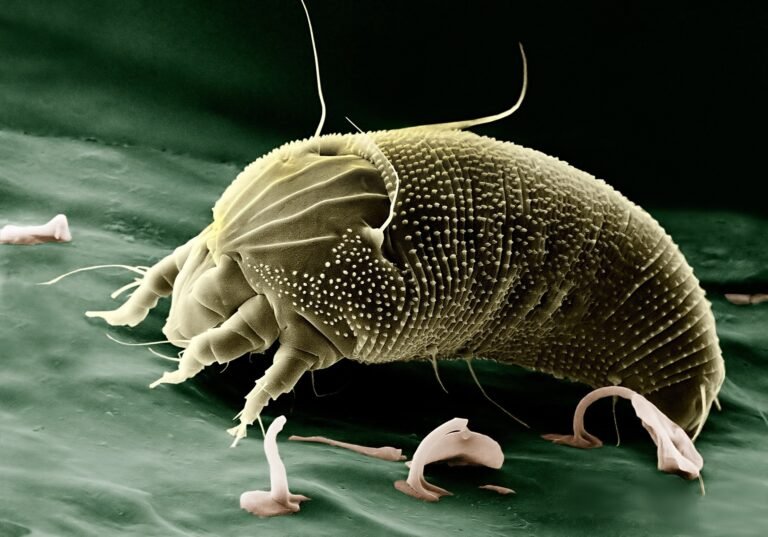
how to stop spider mites from eating your indoor plants
The Vibrant Beauty of Crocosmia Lucifer: A Guide to Cultivation and Care
Boost Your Raised Bed Harvest This Summer: June’s Top Tips
Must-Do June Chores for Your Bountiful Backyard Vegetable Garden
Rosemary Care: Characteristics, Tips, and Tricks
