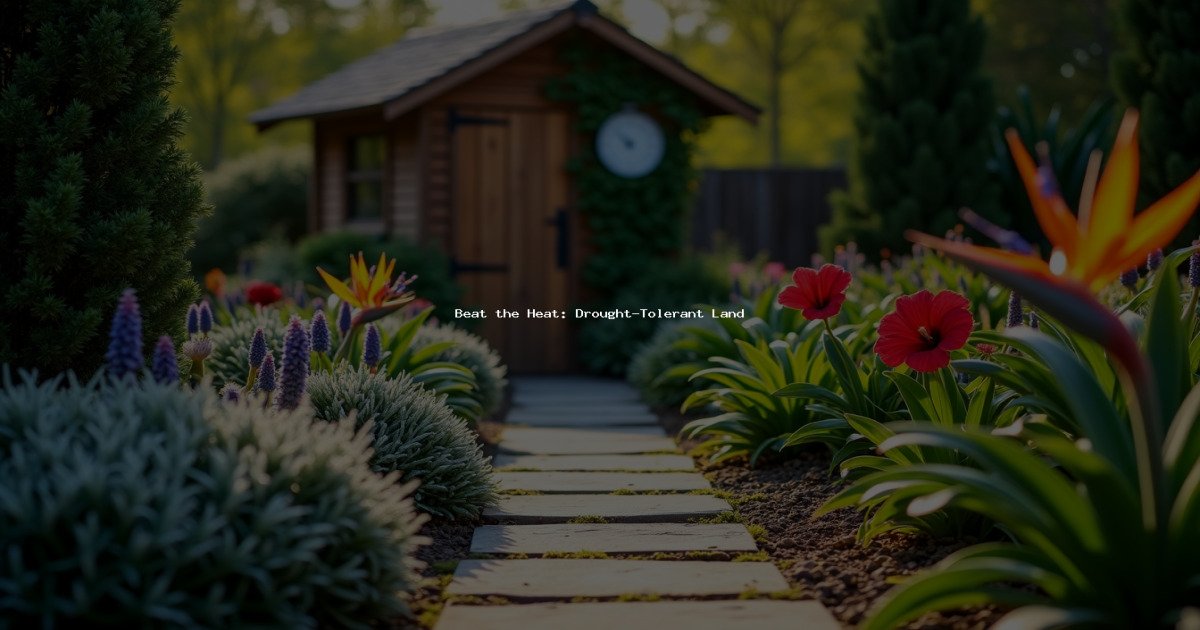
Oh, the glorious American summer! We dream of long, sunny days, backyard barbecues, and vibrant gardens. But for many of us, June brings a familiar dread: the scorching sun, wilting plants, and the ever-present anxiety of rising water bills. From the parched landscapes of California and the Southwest to the unexpected dry spells in the Midwest and even parts of the Northeast, our gardens are increasingly feeling the heat. It’s a challenge that unites homeowners across USDA Zones 3 through 10 – how do we maintain a beautiful, thriving yard without draining our wallets or our precious water resources?
If you’ve ever watched your prized petunias gasp for air in 90-degree Fahrenheit heat, or seen your once-lush lawn turn crunchy brown despite your best efforts, you know this struggle. The good news? You don’t have to sacrifice beauty for sustainability. In fact, embracing drought-tolerant landscaping can unlock a whole new level of garden elegance and resilience. Imagine a yard that looks stunning all summer long, requires less fuss, and significantly cuts down on your water usage. This isn’t a pipe dream; it’s an achievable reality for every American homeowner.
This isn’t just about saving money; it’s about building a smarter, stronger landscape that stands up to whatever Mother Nature throws its way. As climate patterns shift, water conservation is becoming less of an option and more of a necessity. But rather than feeling like a chore, let’s view this as an exciting opportunity to create truly spectacular and sustainable outdoor spaces. From the sun-baked expanses of Texas and Arizona to the humid stretches of Florida and the surprisingly dry pockets of the Pacific Northwest, every region has its unique challenges and, more importantly, its unique solutions.
In this comprehensive guide, we’re going to dive deep into the world of drought-tolerant landscaping, tailored specifically for the American gardener. We’ll explore resilient plant choices, smart irrigation techniques, and innovative design strategies that will transform your yard into a water-wise paradise. Get ready to beat the heat, save gallons of water, and cultivate a landscape that thrives, not just survives. Your June garden, and your wallet, will thank you!
Key Takeaways for a Water-Wise Yard:
- Embrace Natives: Plants native to your region are naturally adapted to local climate and rainfall.
- Smart Watering: Drip irrigation and soaker hoses deliver water directly to roots, minimizing waste.
- Mulch is Magic: A 2-4 inch layer of mulch conserves moisture, suppresses weeds, and regulates soil temperature.
- Improve Your Soil: Amending soil with compost enhances water retention and nutrient availability.
- Group Plants Wisely: Place plants with similar water needs together to optimize irrigation.
- Design with Zones: Create “hydrozones” in your yard, grouping plants by water requirements.
The Urgent Call for Water-Wise Landscapes: Why Drought Tolerance Matters Now
As we step into the full swing of summer in June, the topic of water conservation moves from a distant concern to an immediate priority for many American homeowners. The relentless sun, often pushing temperatures well into the 90s and even 100s Fahrenheit, can quickly turn a vibrant green lawn into a crispy brown expanse. This isn’t just an aesthetic issue; it’s an environmental and economic one. Water restrictions are becoming more common, and even if your area isn’t currently under mandate, the cost of watering your garden can quickly add up, especially for larger yards.
The continental United States experiences a vast range of climates, but nearly every region faces periods of drought or increased water stress at some point. From the sustained multi-year droughts plaguing the Western states like California, Nevada, and Arizona, to the flash droughts that can unexpectedly hit the Midwest or Southeast, relying solely on traditional, water-guzzling landscapes is no longer sustainable. We’re seeing record-breaking heatwaves and longer dry spells, making the need for resilient, drought-tolerant landscapes more urgent than ever. This isn’t just about being “green”; it’s about smart, future-proof gardening that ensures your outdoor space remains a source of joy, not stress.
Imagine enjoying your outdoor living space without the constant worry of wilting plants or the guilt of excessive water use. Drought-tolerant landscaping offers that peace of mind. It’s about creating a garden that works with nature, not against it, adapting to the natural rainfall patterns and conserving precious resources. This June, as you plan your summer garden projects, consider shifting your focus towards plants and practices that thrive in hotter, drier conditions. It’s a proactive step that pays dividends in beauty, sustainability, and savings.
Understanding Your Water Footprint
Every time you turn on the sprinkler, you’re contributing to your home’s water footprint. A typical American lawn can require an inch of water per week during peak summer, which translates to hundreds or even thousands of gallons for an average-sized yard. In many areas, outdoor watering accounts for 50-70% of residential water use. Think about that for a moment: more than half of your household’s water could be going directly into your landscape! By consciously choosing drought-tolerant plants and efficient irrigation methods, you can dramatically reduce this number. This means lower water bills, less strain on municipal water supplies, and a healthier local ecosystem. It’s a win-win for your wallet and the environment.
The Economic & Environmental Imperative
Beyond the immediate financial savings, there’s a broader economic and environmental imperative. Water is a finite resource, and its availability impacts everything from agriculture to urban development. By reducing our individual water consumption, we contribute to community-wide water security. Furthermore, drought-tolerant landscapes often require less fertilizer and fewer pesticides, as native plants are typically more resistant to local pests and diseases. This reduces chemical runoff into our rivers and lakes, protecting aquatic life and drinking water sources. It’s a holistic approach to gardening that acknowledges our interconnectedness with the environment, creating beautiful spaces that are also responsible stewards of our natural resources.
https://ecorganicas.com/10-aesthetic-plants-for-a-quiet-luxury-garden-look/Learn more about calculating your garden’s water needs here.https://ecorganicas.com/10-aesthetic-plants-for-a-quiet-luxury-garden-look/
Smart Plant Picks: Thriving Flora for a Thirsty Summer
Choosing the right plants is the cornerstone of a successful drought-tolerant landscape. This isn’t about creating a barren, desert-like yard, but rather selecting varieties that are naturally adapted to dry conditions once established. The key is to look for plants with specific characteristics: thick, waxy leaves (like succulents), silvery or fuzzy foliage (which reflects sunlight and reduces water loss), deep root systems, or small, needle-like leaves. Many of these plants are native to various regions of the US, meaning they’ve evolved over millennia to thrive in local soil and climate conditions without excessive intervention.
For a vibrant summer garden, think beyond just green. There’s a dazzling array of colors, textures, and forms available in the drought-tolerant world. From brilliant purples of Salvia to the sunny yellows of Coreopsis, and the architectural drama of Agave, your options are endless. When shopping at your local nursery, Home Depot, or Lowe’s this June, keep an eye out for plants labeled “low water use,” “xeriscape,” or “native.” Don’t be afraid to ask staff for recommendations specific to your USDA Zone and local climate. Remember, even drought-tolerant plants need regular watering during their first growing season to establish a strong root system. After that, they’ll largely fend for themselves, requiring minimal supplemental irrigation even during dry spells.
Consider the ultimate goal: a garden that looks fantastic, requires less work, and uses less water. This can be achieved by carefully curating your plant palette. American seed companies like Burpee, Baker Creek Heirloom Seeds, and Park Seed offer a wide selection of seeds for drought-tolerant annuals and perennials that can be started indoors or direct-sown, adding to your diverse landscape.
Native Powerhouses
Native plants are your secret weapon for drought tolerance. They are perfectly adapted to your region’s rainfall, soil, and temperature fluctuations, meaning they require significantly less water and maintenance once established. For the Southwest, think about varieties of Penstemon, Desert Willow, or Agastache. In the Southeast, consider Beautyberry, native Azaleas, or Liatris (Blazing Star). Midwesterners can embrace Coneflowers (Echinacea), Milkweed (essential for monarch butterflies!), and various native grasses. The Pacific Northwest, despite its reputation for rain, experiences very dry summers, making plants like Pacific Coast Iris, native Lupine, and Manzanita excellent choices. Even in the Northeast, plants like Wild Geranium, Blue Flag Iris, and various native ferns can handle drier conditions once established. Selecting natives supports local ecosystems and provides crucial habitat for pollinators and wildlife.
Succulents & Cacti Beyond the Desert
While often associated with arid desert landscapes, many succulents and cacti are surprisingly versatile and can thrive in a variety of US climates, provided they have good drainage. Sedum (Stonecrop) and Sempervivum (Hens and Chicks) are cold-hardy options that can withstand freezing temperatures in USDA Zones as low as 3 or 4, making them suitable for containers or rock gardens in the Northeast and Midwest. Echeveria, Aloe, and many types of Agave make stunning focal points in warmer zones (7-10) and can be brought indoors as houseplants in colder regions during winter. Their unique forms and textures add architectural interest and modern appeal to any garden, requiring minimal water once established. Just ensure they are planted in well-draining soil to prevent root rot.
Ornamental Grasses for Dynamic Texture
Ornamental grasses are a fantastic addition to any drought-tolerant landscape, offering movement, texture, and year-round interest. Many varieties, such as Little Bluestem, Big Bluestem, Switchgrass, and Feather Reed Grass, are native to various parts of the US and are incredibly tough. They provide a soft, naturalistic look, swaying gently in the summer breeze, and often turn beautiful shades of gold, copper, or burgundy in the fall and winter. Most ornamental grasses are highly drought-tolerant once established and require very little maintenance, often just a single cut-back in late winter or early spring. They are excellent for mass plantings, borders, or as specimen plants, providing a beautiful backdrop for flowering perennials.
https://ecorganicas.org/when-to-plant-garlic/Discover more about native plants for your region from the National Wildlife Federation.https://ecorganicas.org/when-to-plant-garlic/
Regional Strategies: Tailoring Your Drought-Tolerant Oasis Across the USA
The beauty of the American landscape lies in its incredible diversity, and so too does the challenge and opportunity for drought-tolerant gardening. What thrives in the sweltering heat of the Arizona desert won’t necessarily flourish in the humid summers of Georgia or the temperate climate of the Pacific Northwest. Understanding your specific region’s climate, soil types, and typical rainfall patterns is paramount to creating a truly resilient and water-efficient garden. This isn’t a one-size-fits-all approach; it’s about intelligent, localized design. As we head deeper into June, heat and humidity levels will vary wildly across the country, emphasizing the need for regional awareness.
From the rocky coastlines of New England to the expansive plains of the Midwest, and the sun-drenched valleys of California, each area presents unique considerations. For instance, while a plant might tolerate dry conditions, it might not tolerate the combination of dryness and extreme humidity, or dryness and prolonged freezing temperatures. Knowing your USDA Plant Hardiness Zone is a great starting point, but also consider factors like average summer temperatures (how many days above 90°F?), typical annual rainfall, and soil composition (sandy, clay, loamy). Let’s break down some specific strategies for different regions of the continental USA.
Northeast’s Resilient Charm (USDA Zones 3-7)
While the Northeast receives a fair amount of rainfall, summers can still bring significant dry spells, particularly in June and July. The key here is to select plants that can handle both periods of moisture and short droughts, and are also cold-hardy. Think about plants like ‘Autumn Joy’ Sedum, Coneflower (Echinacea), Black-Eyed Susan (Rudbeckia), Bee Balm (Monarda), and various native ferns. Amending heavy clay soils with compost is crucial for better drainage during wet periods and improved water retention during dry ones. Consider rain barrels to collect rainwater for supplemental irrigation during drier weeks.
Southern Heat-Beaters (USDA Zones 7-10)
The South battles not only heat but also often high humidity. Plants need to be tough enough to withstand intense sun and periods of drought, while also tolerating humid conditions that can lead to fungal issues in some plants. Excellent choices include Lantana, Salvia, Gaillardia (Blanket Flower), Ornamental Grasses like Muhly Grass, and native shrubs such as Yaupon Holly. Embrace the vibrant colors these plants offer to keep your garden lively even through the dog days of summer. Proper mulching is essential here to keep soil temperatures down and conserve moisture.
Midwest’s Prairie Spirit (USDA Zones 3-6)
The Midwest experiences hot summers and often cold winters, with rainfall that can be unpredictable. Drawing inspiration from the native prairies is a smart move. Tallgrass prairie plants like Little Bluestem, Switchgrass, Coneflower, Liatris, and various species of Milkweed are perfectly adapted. These plants develop deep root systems that allow them to tap into deeper soil moisture during dry spells. Creating rain gardens to capture stormwater runoff can also be an effective strategy to supplement water during drought periods while managing excess water during heavy rains.
Pacific Northwest’s Dry Summers (USDA Zones 6-9)
Despite its reputation for rain, the Pacific Northwest experiences remarkably dry summers, often from June through September. This region is ideal for plants with Mediterranean origins or those native to dry woodlands. Consider plants like Lavender, Rosemary, various Ceanothus (California Lilac), Manzanita, and Pacific Coast Iris. Focus on improving soil drainage, as winter rains can be heavy. Grouping plants with similar water needs (hydrozoning) is particularly effective here to ensure efficient watering during the long dry season.
Southwest’s Arid Adaptations (USDA Zones 7-10)
The Southwest is the quintessential region for xeriscaping, where water conservation is paramount. Embrace the beauty of cacti, succulents, Agave, Yucca, and native shrubs like Desert Willow, Chuparosa, and various types of Penstemon. Gravel and rock mulches are often preferred here to reduce evaporation and complement the arid aesthetic. Design your landscape to direct rainwater towards plant root zones, using swales or berms. Embrace the unique beauty of the desert and create a stunning landscape that requires minimal water.
No matter where you live in the US, there’s a drought-tolerant solution waiting for your yard.
Essential Tools & Techniques: Your Arsenal for Water Conservation
While choosing the right plants is crucial, how you manage your soil and water is equally important in creating a truly drought-tolerant landscape. Even the most resilient plants will struggle if they’re not given the right foundation or if water is applied inefficiently. This June, as you’re tending to your garden, think about upgrading your tools and refining your techniques to maximize every drop of water. From sophisticated irrigation systems to simple soil amendments, a few smart changes can make a world of difference in reducing your water bill and ensuring your plants thrive through the hottest parts of summer.
The goal is not to withhold water, but to provide it intelligently and efficiently. This means getting water directly to the plant’s root zone, minimizing evaporation, and building healthy soil that acts like a sponge. Many of these tools and techniques are readily available at your local Home Depot, Lowe’s, or online via Amazon US, making it easy to implement these water-saving strategies in your own yard. Investing a little time and money now will save you countless gallons of water and hours of manual watering in the long run.
Drip Irrigation: Precision Watering
Forget overhead sprinklers that spray water indiscriminately, losing much of it to evaporation or runoff. Drip irrigation systems and soaker hoses are game-changers for water conservation. These systems deliver water slowly and directly to the plant’s root zone, minimizing waste. A typical drip system can save 30-50% more water than traditional sprinklers. They are fantastic for garden beds, vegetable patches, and even individual trees and shrubs. Installation is relatively straightforward, and kits are widely available. You can set them on a timer to water in the early morning (before 8 AM) or late evening (after 6 PM) when evaporation rates are lowest, ensuring maximum absorption.
Products to consider: Rain Bird Drip Irrigation Kits, Orbit Drip Watering Systems, Gilmour Flat Weave Soaker Hoses. Available at Home Depot, Lowe’s, Amazon.
Smart Soil Prep: The Foundation
Healthy soil is the foundation of a water-wise garden. Soil rich in organic matter (like compost) acts like a sponge, holding onto moisture and nutrients much more effectively than compacted, depleted soil. Before planting, amend your soil with 2-4 inches of high-quality compost, mixing it into the top 6-12 inches of existing soil. This improves drainage in heavy clay soils and increases water retention in sandy soils. For potted plants, use a good quality potting mix designed for drainage and moisture retention. Healthy soil also encourages stronger root growth, allowing plants to access water from deeper in the soil profile.
Products to consider: Miracle-Gro Organic Choice Garden Soil, Kellogg Garden Organics All Natural Garden Soil, Espoma Organic Land & Sea Potting Mix. Available at Home Depot, Lowe’s, Amazon.
Mulch: Your Garden’s Best Friend
Mulching is perhaps the easiest and most effective way to conserve water in your garden. A 2-4 inch layer of organic mulch (like wood chips, shredded bark, pine needles, or straw) spread over your garden beds does several amazing things: it significantly reduces water evaporation from the soil surface, suppresses weed growth (which compete for water), and moderates soil temperature, keeping roots cooler in summer and warmer in winter. For arid regions, inorganic mulches like gravel or crushed stone can also be very effective, especially around cacti and succulents. Just be sure to keep mulch a few inches away from plant stems and tree trunks to prevent rot.
Products to consider: Scotts Nature Scapes Advanced Color Enhanced Mulch, Cedar Mulch, Pine Bark Nuggets. Available at Home Depot, Lowe’s, Amazon.
https://ecorganicas.com/how-to-grow-a-tea-garden-from-leaf-to-mug/Explore our guide to smart irrigation systems for more details.https://ecorganicas.com/how-to-grow-a-tea-garden-from-leaf-to-mug/
Ultimate American Product Recommendations for a Resilient Yard
Building a drought-tolerant landscape doesn’t mean you have to break the bank or become a master engineer. Many fantastic products are available right here in the USA, at your favorite garden centers and online retailers, designed to make water conservation easier and more effective for the American homeowner. From cutting-edge smart irrigation controllers to tried-and-true mulches and specialized soil amendments, equipping yourself with the right tools is a key step in transforming your yard into a water-wise oasis. This June, as you’re thinking about summer projects, consider these American-friendly recommendations.
We’ve scoured the offerings from retailers like Home Depot, Lowe’s, and Amazon US to bring you products that are not only effective but also accessible and designed for the typical US climate challenges. These recommendations are based on their proven ability to help conserve water, improve plant health, and simplify garden maintenance, all while keeping your budget in mind. Remember to always check product specifications and reviews to ensure they are the best fit for your specific needs and local conditions.
Smart Irrigation Systems
Investing in a smart irrigation controller can revolutionize your watering habits. These devices connect to local weather forecasts and soil moisture sensors, automatically adjusting your watering schedule based on actual conditions. This means your garden gets exactly the water it needs, when it needs it, preventing overwatering and saving gallons. Many models are Wi-Fi enabled, allowing you to control your system from your smartphone, whether you’re relaxing on the porch or away on vacation.
- Rachio 3 Smart Sprinkler Controller: Highly rated for its intuitive app, HyperLocal Weather Intelligence Plus, and seamless integration with smart home systems. Available at Home Depot, Lowe’s, and Amazon US.
- Orbit B-hyve Smart Wi-Fi Sprinkler Timer: A more budget-friendly option that still offers excellent smart features, including weather-based watering and manual control via app. Available at Home Depot, Lowe’s, and Amazon US.
High-Performance Mulches
Mulch is your garden’s unsung hero. It conserves moisture, suppresses weeds, and regulates soil temperature. Opt for high-quality, long-lasting options that won’t break down too quickly.
- Scotts Nature Scapes Advanced Color Enhanced Mulch: Available in various colors (Black, Brown, Red) at Home Depot and Lowe’s. It’s designed to hold its color longer and provides excellent moisture retention.
- Cedar Mulch: Naturally resistant to pests and decay, cedar mulch offers a pleasant aroma and good longevity. Often available in bags or bulk at local nurseries and garden centers, and sometimes at Lowe’s.
- Pine Bark Nuggets/Mini Nuggets: A classic choice, these provide good coverage, break down slowly, and add a rustic look. Available at Home Depot and Lowe’s.
Drought-Tolerant Seed Mixes & Soil Amendments
Starting with the right seeds and soil can set your garden up for success.
- Native Wildflower Seed Mixes: Look for mixes tailored to your specific US region. Companies like American Meadows (online) or local garden centers often carry these. Planting native wildflowers is a beautiful way to introduce drought-tolerance and support pollinators.
- Compost & Soil Conditioners:
- Black Kow Composted Cow Manure: A widely available and highly effective organic amendment to improve soil structure and water retention. Found at Home Depot and Lowe’s.
- Espoma Organic Bio-tone Starter Plus: While not a soil amendment itself, this starter fertilizer includes beneficial microbes that help new plants establish stronger root systems, making them more resilient to drought. Available at garden centers and Amazon US.
Designing Your Dream: Aesthetic & Functional Drought-Tolerant Landscaping
Transforming your yard into a drought-tolerant landscape isn’t just about plant selection; it’s about smart design. A well-designed xeriscape (from the Greek “xeros” meaning dry) can be just as beautiful, if not more so, than a traditional water-intensive garden. It’s about creating a cohesive, attractive outdoor space that is both visually appealing and highly functional in its water efficiency. This June, as you look at your yard, envision it as a canvas for sustainable beauty, a place where every element works together to conserve water and thrive in the summer heat.
The principles of xeriscaping encourage thoughtful planning, grouping plants with similar water needs, and incorporating hardscaping elements to reduce reliance on turf grass. It’s about creating different “hydrozones” within your yard, from areas that receive minimal supplemental water to those that might need a bit more. This approach allows you to maintain lushness where you want it most, while still achieving significant water savings overall. Don’t think of it as limiting your choices, but rather as empowering you to create a more resilient and unique outdoor environment.
Consider the flow of your yard, how you use different spaces, and what aesthetic you want to achieve. Do you prefer a natural, wild look, or a more formal, structured garden? Drought-tolerant plants come in an incredible variety of shapes, sizes, colors, and textures, allowing for diverse design possibilities. By integrating hardscaping, thoughtful planting, and efficient watering strategies, you can design a dream landscape that is truly sustainable and stunning, even in the driest of summers.
The Art of Xeriscaping
Xeriscaping is a design philosophy focused on water conservation through creative landscaping. It follows seven key principles:
- Planning and Design: Start with a detailed plan, considering existing features, sun exposure, and traffic patterns.
- Soil Improvement: Enhance soil with organic matter for better water retention and drainage.
- Efficient Irrigation: Use drip systems or other targeted watering methods.
- Appropriate Plant Selection: Choose drought-tolerant and native plants for your region.
- Use of Mulches: Apply mulch to conserve moisture and suppress weeds.
- Turf Alternatives: Reduce lawn area and consider drought-tolerant groundcovers or hardscaping.
- Maintenance: Regular, but minimal, maintenance to keep plants healthy.
By consciously applying these principles, you can create a landscape that is both beautiful and dramatically reduces your outdoor water use, often by 50% or more.
Hardscaping for Low Water Use
Reducing the amount of turf grass is one of the most effective ways to cut water consumption. Replace thirsty lawns with attractive hardscaping elements like patios, walkways, decks, or gravel beds. Materials such as pavers, natural stone, decomposed granite, and permeable surfaces are excellent choices. Not only do they require zero water, but they also add structure, definition, and year-round appeal to your garden. Consider creating inviting seating areas, fire pits, or decorative dry stream beds that mimic natural water features but require no actual water. Hardscaping can also define plant beds, making maintenance easier and enhancing the overall design.
Creating Microclimates
Even within a single yard, different areas will have different microclimates. Some spots might receive full sun all day, while others are shaded by trees or buildings. Some areas might be naturally wetter due to runoff, while others are drier. Smart design involves identifying these microclimates and planting accordingly. Place plants with higher water needs in naturally moister, shadier spots (or near downspouts) – these are your “oasis” zones. Group drought-tolerant plants in sunnier, drier areas – your “arid” zones. Using structures like pergolas or shade sails can also create cooler, shadier microclimates for plants that need a little relief from the intense summer sun, particularly in the hottest regions of the US.
https://ecorganicas.org/how-deep-to-plant-potatoes/Find inspiration for xeriscape designs from the EPA’s WaterSense program.https://ecorganicas.org/how-deep-to-plant-potatoes/
Comparison Table: Essential Drought-Tolerant Products & Techniques
To help you make informed decisions for your water-wise yard, here’s a comparison of some popular products and techniques available to American gardeners this summer.
| Product/Technique | Best For | Price Range | Where to Buy | Rating (1-5 Stars) |
|---|---|---|---|---|
| Rachio 3 Smart Sprinkler Controller | Automating and optimizing existing sprinkler systems for maximum water savings. | $150 – $250 | Home Depot, Lowe’s, Amazon US | ⭐⭐⭐⭐⭐ |
| Drip Irrigation Kits (e.g., Rain Bird, Orbit) | Efficiently watering garden beds, shrubs, and vegetable gardens; new installations. | $30 – $100 (Starter Kits) | Home Depot, Lowe’s, Amazon US | ⭐⭐⭐⭐ |
| Organic Compost (e.g., Black Kow) | Improving soil structure, water retention, and drainage for all plant types. | $5 – $15 (1.5 cu ft bag) | Home Depot, Lowe’s, Local Nurseries | ⭐⭐⭐⭐⭐ |
| Shredded Cedar Mulch | Reducing evaporation, suppressing weeds, and regulating soil temperature in garden beds. | $4 – $8 (2 cu ft bag) | Home Depot, Lowe’s, Amazon US | ⭐⭐⭐⭐ |
| Native Wildflower Seed Mix (Regional Specific) | Creating low-maintenance, biodiverse, and naturally drought-tolerant areas; supporting pollinators. | $10 – $30 (per packet/lb) | American Meadows, Baker Creek, Local Nurseries, Amazon US | ⭐⭐⭐⭐ |
10+ Expert Tips for US Gardeners to Beat the Heat
Beyond specific products and plants, here are some actionable tips to help you create a resilient, water-wise garden this summer:
- Water Deeply, Infrequently: Instead of light, daily sprinkles