Ah, June! The smell of freshly cut grass, the sizzle of the grill, and the promise of long, sun-drenched days. For American home gardeners, June isn’t just the gateway to summer; it’s the heart of the growing season. After the hustle of Memorial Day planting, your garden is likely bursting with life, but the work – and the joy – is far from over. This is the month where diligent care truly pays off, transforming those tender spring shoots into a vibrant tapestry of flowers, a bounty of vegetables, and a fragrant haven of herbs. Whether you’re in the humid embrace of the Deep South, the rolling plains of the Midwest, the sun-baked Southwest, the misty Pacific Northwest, or the thriving Northeast, June brings its own unique set of opportunities and challenges. The scorching sun, sudden summer storms, and hungry pests are all part of the package, but with the right knowledge and a little elbow grease, your garden can not only survive but absolutely thrive.
This isn’t just a generic garden guide; it’s your personalized roadmap for success in the American summer garden. We’ll dive deep into what to plant now for a continuous harvest, the critical maintenance tasks that will keep your plants happy and healthy, and how to adapt your strategy based on your specific USDA hardiness zone and regional climate. From the cool nights of Zone 5 to the balmy evenings of Zone 10, we’ve got you covered. We’ll talk about smart watering techniques to beat the heat, the best fertilizers to fuel vigorous growth, and proven strategies to outsmart those pesky garden invaders. Get ready to roll up your sleeves, grab your favorite gardening gloves, and make this June the most productive and beautiful month in your garden yet. Let’s cultivate some summer magic together!
Before we dig in, here are some key takeaways to get you started on your June gardening journey:
Key Takeaways for Your June Garden
- Embrace Succession Planting: Keep your harvest going strong by planting new batches of quick-growing veggies.
- Water Wisely: Deep, infrequent watering is key to plant health and conserving water during summer heat.
- Stay on Top of Weeds: They compete for nutrients and water; tackling them early saves effort.
- Feed Your Plants: Summer growth demands consistent nutrition; use balanced fertilizers.
- Monitor for Pests & Diseases: Warm, humid conditions can invite problems; early detection is crucial.
- Adapt to Your Region: From the arid Southwest to the humid South, tailor your tasks to your local climate.
- Support Pollinators: Plant flowers that attract bees and butterflies for a healthier ecosystem.
Summer Planting Power-Up: What to Get in the Ground Now for a Bountiful Harvest
June might feel like the middle of summer, but for many American gardeners, it’s still prime time for planting! Don’t assume you missed the boat. While early spring is for cool-season crops, June is perfect for heat-loving plants that truly thrive under the strong summer sun. This is your chance to fill in any gaps, expand your edible landscape, and ensure a continuous harvest right up until Labor Day and beyond. Think about crops that mature quickly or those that need sustained warmth to produce their best. We’re talking about more than just a few scattered seeds; we’re talking about strategic planting that maximizes your garden’s potential.
For gardeners in USDA Zones 6-9, June offers an incredible window for a second round of planting. Even in cooler zones like 4 or 5, you can still get in many faster-maturing varieties, especially if you’re protecting them from any unexpected late-season chills. Conversely, in the deep South (Zones 9-11), where summers are long and intensely hot, June might be the time to plant heat-tolerant varieties that can withstand the peak of summer, or even start thinking about crops for a fall garden. This strategic approach ensures your garden remains productive and vibrant, providing fresh produce for your summer cookouts and beautiful blooms to enjoy.
Vegetables for a Bountiful Harvest
- Bush Beans: These are fantastic for June planting. They mature quickly (often in 50-60 days) and produce prolifically. Plant new rows every 2-3 weeks for a continuous supply. Look for varieties like ‘Blue Lake’ or ‘Contender’ from American seed companies like Burpee or Park Seed.
- Squash (Summer & Winter): Zucchini, yellow squash, and pattypan squash thrive in the heat. Winter squash varieties like butternut or acorn can also be planted now, giving them plenty of time to mature before fall frosts. Give them plenty of space!
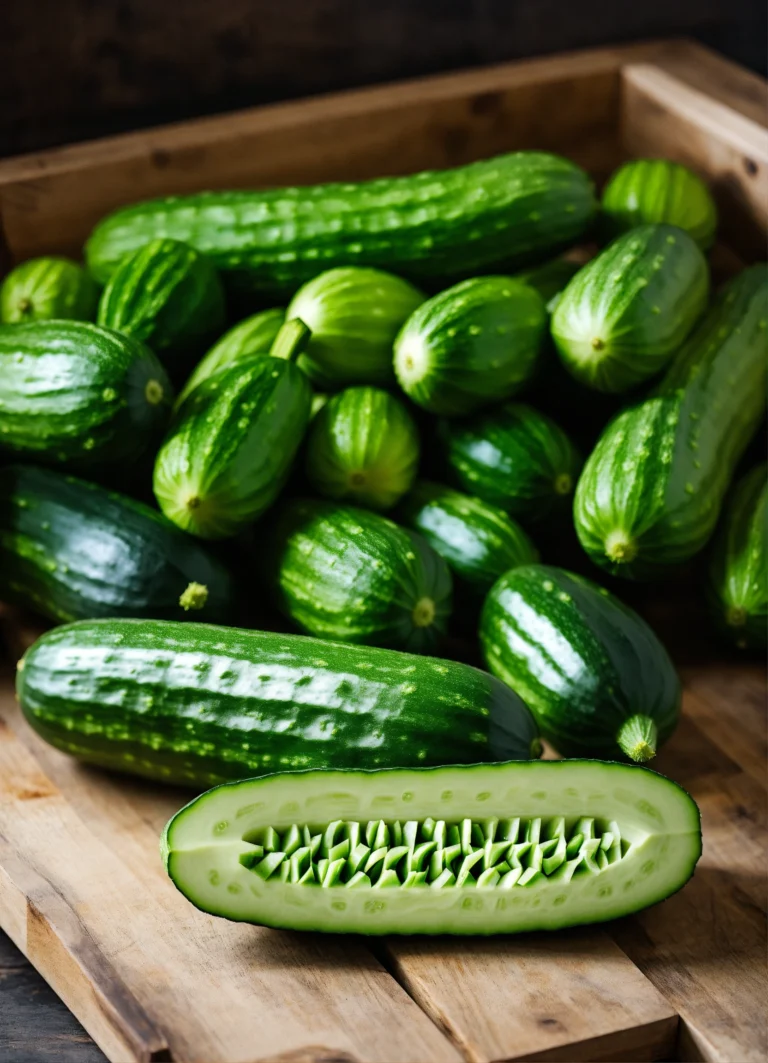
- Cucumbers: Whether you prefer slicing or pickling varieties, cucumbers love warm soil and plenty of sun. Provide a trellis or cage for vining types to save space and promote healthier fruit.
- Corn: If you’re in a region with a long growing season (Zones 6+), you can still plant corn in early June for a late summer harvest. Just ensure you plant in blocks, not single rows, for good pollination.
- Okra: A Southern favorite, okra absolutely revels in high temperatures. Plant seeds directly into the soil once temperatures are consistently warm.
- Sweet Potatoes: If you didn’t get slips in the ground in May, early June is still a good time, especially in warmer zones. They need a long, hot season to develop their tubers.
- Peppers & Eggplant: If your spring-planted varieties are struggling or you want to extend your harvest, setting out new pepper and eggplant starts from your local garden center (like Lowe’s or Home Depot) in early June can give you a strong second wave.
Flowers for Continuous Color
Don’t forget the beauty and the pollinators! June is perfect for planting annuals that will provide continuous color through the dog days of summer and into fall. These plants not only beautify your yard but also support vital pollinators like bees and butterflies, which are crucial for your vegetable garden too. Consider a mix of sizes and bloom times to keep your garden dynamic.
- Marigolds: Easy to grow from seed or starts, they offer cheerful yellows, oranges, and reds, and are known to deter some pests.
- Zinnias: A pollinator magnet! Zinnias come in a dazzling array of colors and shapes, from small ‘Profusion’ types to tall ‘Benary’s Giant’. They thrive in full sun and heat.
- Cosmos: Delicate, airy flowers that attract butterflies. ‘Sensation Mix’ or ‘Bright Lights’ are popular choices.
- Portulaca (Moss Rose): Perfect for hot, dry spots, these succulent-leaved annuals produce vibrant, cup-shaped flowers.
- Sunflower: Plant seeds directly for towering giants or smaller, branching varieties that will brighten your landscape and provide seeds for birds later.
- Perennials (Late Spring/Early Summer Plantings): While many perennials go in during spring or fall, you can still plant established starts of heat-tolerant varieties like coneflowers (Echinacea), Black-Eyed Susans (Rudbeckia), or certain salvias in June, just be diligent with watering.
Herbs for Flavor and Fragrance
Fresh herbs elevate any summer meal, and June is a fantastic time to plant many of your favorites. Most herbs love full sun and well-drained soil, making them perfect companions for your sunny vegetable beds or in dedicated herb gardens.
- Basil: Plant successive batches of basil seeds or starts every few weeks to ensure a continuous supply for pesto and Caprese salads. Varieties like ‘Genovese’ or ‘Sweet Basil’ are staples.
- Cilantro: While cilantro can bolt quickly in intense heat, planting a heat-tolerant variety like ‘Slow Bolt’ or providing some afternoon shade can extend its season.
- Dill: Great for pickling cucumbers you’ll be harvesting soon! Plant directly from seed.
- Parsley: Both flat-leaf and curly parsley can be planted in June for fresh culinary use.
- Mint: Best grown in containers to prevent it from taking over your garden, mint thrives in summer.
- Rosemary & Thyme: If you didn’t plant these woody herbs in spring, established plants can still go into the ground or containers in June.
Remember to check seed packets or plant tags for specific days to maturity and ideal planting times for your USDA zone. A little planning now means a lot of deliciousness and beauty later!
Essential June Garden Maintenance: Keeping Your Plants Thriving Through the Summer Heat
As the mercury rises and the days grow longer, your garden’s needs shift. June maintenance is all about proactive care to help your plants withstand the stresses of summer. This isn’t just about survival; it’s about helping them flourish, produce abundant yields, and stay vibrant. From ensuring adequate hydration to fending off unwelcome guests, these tasks are the backbone of a successful summer garden. Neglecting these chores now can lead to struggling plants, reduced harvests, and a lot more work down the line. Think of it as providing your garden with the support system it needs to shine under the intense summer sun.
The key here is consistency and observation. Walk through your garden daily, or at least every other day. Look at the leaves, feel the soil, and watch for any signs of distress. Early detection of problems, whether it’s wilting from lack of water or a tiny pest beginning to colonize, can save your plants and your sanity. This month, your vigilance will be rewarded with a garden that not only looks fantastic but also provides a steady stream of fresh produce and beautiful blooms, making all your hard work worthwhile. Let’s make sure your plants are not just surviving, but absolutely thriving!
Watering Wisdom: Deep Hydration for Healthy Roots
June often brings drier, hotter conditions across much of the continental USA, making proper watering paramount. Forget light, daily sprinkles; your goal is deep, infrequent watering. This encourages roots to grow deeper into the soil, making plants more resilient to drought and heat stress. Aim for 1 to 1.5 inches of water per week, either from rain or irrigation. A rain gauge can help you track this. Water early in the morning to minimize evaporation and allow foliage to dry before nightfall, which helps prevent fungal diseases.
- Soaker Hoses & Drip Irrigation: These are gold standard for efficient watering, delivering water directly to the root zone with minimal waste. They’re readily available at Home Depot or Lowe’s.
- Check Soil Moisture: Stick your finger 2-3 inches into the soil. If it feels dry, it’s time to water. Don’t just rely on surface appearance.
- Mulch, Mulch, Mulch: A 2-4 inch layer of organic mulch (straw, wood chips, shredded leaves) around plants will significantly reduce soil temperature, retain moisture, and suppress weeds. It’s a game-changer for summer gardening.
Weeding Wonders: Keeping the Competition at Bay
Weeds are relentless, especially in the warm, moist conditions of early summer. They compete with your prized plants for water, nutrients, and sunlight, and can even harbor pests. The secret to weed control in June is consistency. Tackle them when they are small; a quick pass with a hoe or hand-pulling after a rain can make a huge difference.
- Hoeing: A sharp hoe used on dry days can quickly cut down young weeds.
- Hand-Pulling: For weeds close to desirable plants or in tight spaces, hand-pulling is best. Do it when the soil is moist for easier removal.
- Mulch: As mentioned, mulch is your best friend for weed suppression. It blocks sunlight, preventing weed seeds from germinating.
Fertilizing Fundamentals: Fueling Summer Growth
Many plants, especially heavy feeders like tomatoes, peppers, corn, and squash, will benefit from a mid-season boost of nutrients. As they grow larger and start producing fruit, their demand for food increases significantly. A balanced organic granular fertilizer or a liquid feed can help sustain vigorous growth and maximize your harvest.
- Organic Granular Fertilizers: Apply according to package directions, typically by scratching into the top inch or two of soil around the plant. Brands like Espoma or Dr. Earth are popular American choices.
- Liquid Feeds: Diluted fish emulsion or compost tea can provide a quick boost, especially for container plants or those showing signs of nutrient deficiency.
- Tomatoes: Switch to a fertilizer higher in phosphorus and potassium (the middle and last numbers on the N-P-K ratio) once fruits begin to set, as too much nitrogen can lead to lush foliage but fewer fruits.
Pest Patrol & Disease Defense: Vigilance is Key
Warm, humid summer conditions are an open invitation for a host of garden pests and diseases. Regular scouting is your best defense. Look under leaves, check stems, and inspect fruits for any signs of trouble. Early intervention is always easier than battling a full-blown infestation or infection.
- Common Pests: Watch out for aphids, spider mites, squash bugs, cucumber beetles, and hornworms. Hand-picking, a strong spray of water, or insecticidal soap (available at any garden center) can often manage them.
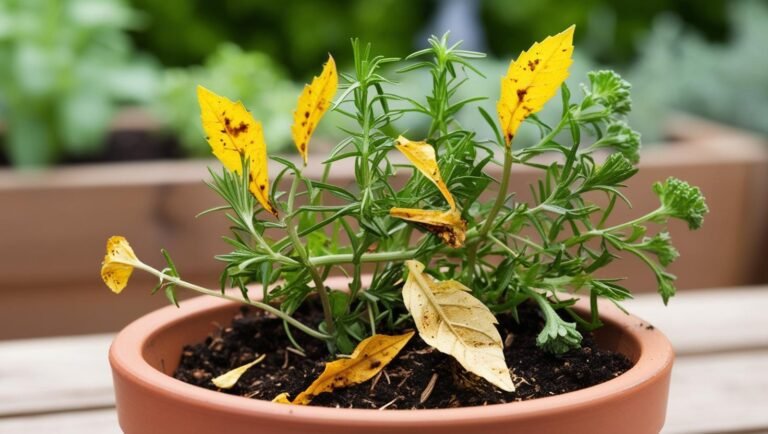
- Disease Prevention: Good air circulation, proper spacing, and watering at the base of plants (not overhead) help prevent fungal diseases like powdery mildew, blight, and rust. Remove any affected leaves immediately.
- Beneficial Insects: Encourage ladybugs, lacewings, and parasitic wasps by planting flowers that provide nectar and pollen. These natural predators are your allies in pest control.
By staying on top of these essential maintenance tasks, you’ll ensure your June garden continues to flourish, delivering beauty and bounty throughout the entire summer season. Consistency is the secret sauce for a thriving garden!
Regional Gardening Guides: Tailoring Your June Tasks Across the USA
The continental USA is a vast and incredibly diverse land, offering a myriad of climates, soil types, and growing conditions. What works for a gardener in sunny Florida might be entirely different from what’s best for someone in the high desert of Arizona or the lush valleys of Oregon. Understanding your specific region’s climate patterns in June is crucial for success. This month, some areas are just hitting their stride, while others are already bracing for intense heat or dealing with unique challenges. This section will help you fine-tune your June garden checklist to match the unique rhythm of your corner of America, ensuring your efforts are perfectly aligned with local conditions.
From the long, humid days of the Southeast to the cool, maritime influence of the Pacific Northwest, each region presents its own set of opportunities and demands. Knowing whether to focus on heat-tolerant varieties, shade protection, or water conservation will make all the difference. We’ll break down the typical June conditions and offer targeted advice, helping you garden smarter, not harder, no matter where you call home. Remember, your USDA hardiness zone is a good starting point, but microclimates and specific weather patterns within your state will also influence your daily gardening decisions. Let’s explore how to optimize your June garden, coast to coast.
Northeast & Midwest (USDA Zones 4-7)
June in these regions is typically a glorious time, with warm days, plenty of sunshine, and consistent rainfall. The risk of frost is long past, and plants are actively growing. This is often the peak planting time for many summer vegetables and annual flowers.
- Planting: Continue planting warm-season crops like tomatoes, peppers, eggplant, squash, beans, and corn. Direct sow root vegetables like carrots and beets for a late summer harvest. Don’t forget herbs like basil and cilantro.
- Maintenance: Stay on top of weeding, as they’ll be growing vigorously. Begin regular feeding for heavy feeders. Ensure consistent watering during dry spells, especially for newly planted items. Stake tall plants like tomatoes and delphiniums before they get too top-heavy.
- Pest Watch: Keep an eye out for squash vine borers and cucumber beetles, which can become active as temperatures rise.
- Lawns: June is an excellent time for lawn maintenance. Fertilize cool-season grasses (like fescue, bluegrass) if you didn’t in May, and mow regularly, keeping the blade higher (3-4 inches) to shade the soil and conserve moisture.
The Sunny South (Southeast & Gulf Coast – USDA Zones 7-10)
The South experiences long, hot, and often humid summers. June can be very hot, and plants need extra care to cope with the intense sun and moisture. This is a critical time for heat-tolerant planting and diligent watering.
- Planting: Focus on heat-loving crops like okra, sweet potatoes, southern peas, and heat-set tomatoes (e.g., ‘Florida 91’, ‘Homestead’). Consider planting a second round of bush beans or corn if you have a long enough season. Tropical plants and many annuals thrive now.
- Maintenance: Deep watering is absolutely essential. Consider morning irrigation to allow foliage to dry. Mulch heavily to conserve moisture and keep soil temperatures down. Provide afternoon shade for sensitive plants like lettuce or spring-planted tomatoes using shade cloth.
- Pest Watch: High humidity often means increased pest and disease pressure. Watch for fungal diseases (powdery mildew, blight) and pests like spider mites and squash bugs.
- Lawns: Warm-season grasses (like Bermuda, St. Augustine, Zoysia) are actively growing. Fertilize if needed, and ensure proper watering.
Pacific Northwest (USDA Zones 6-9)
The PNW often enjoys a mild, somewhat dry June after a wet spring. This is prime growing season, but watch for sudden heatwaves.
- Planting: Continue planting warm-season vegetables, especially in cooler coastal areas. Direct sow carrots, beets, and succession plant lettuce and spinach in shaded areas. Plant annuals and perennials for continuous bloom.
- Maintenance: While spring was wet, June can dry out quickly. Monitor soil moisture and water deeply. Ensure good air circulation to prevent fungal issues in the relatively humid climate. Stake tall plants.
- Pest Watch: Slugs and snails can still be an issue, especially if it remains damp. Watch for aphids and powdery mildew.
- Berry Care: June is often berry season! Protect ripening berries from birds with netting. Prune out old canes on raspberries after harvest.
Arid Southwest (USDA Zones 7-10)
June in the Southwest brings intense heat and often very dry conditions, sometimes preceding monsoon season. Gardening here is all about water conservation and heat tolerance.
- Planting: Focus on extremely heat-tolerant plants like chiles, okra, certain desert-adapted squash, and native succulents. For many edibles, spring planting is done, and you might be thinking about fall crops.
- Maintenance: Water deeply and infrequently, focusing on early morning irrigation. Prioritize drip irrigation. Heavy mulching is non-negotiable to prevent extreme soil temperatures and conserve every drop of water. Provide shade cloth for most plants during the hottest parts of the day.
- Pest Watch: Keep an eye out for spider mites, which thrive in hot, dry conditions.
- Water Conservation: Consider xeriscaping and planting drought-tolerant native plants. Check for local watering restrictions.
No matter your region, adapting your June garden tasks to your local climate will lead to healthier plants and a more successful, enjoyable summer gardening experience. Pay attention to local weather forecasts and adjust your watering and planting schedules accordingly.
Smart Tools & Supplies: American Product Recommendations for Your June Garden
A successful garden isn’t just about knowledge; it’s also about having the right tools for the job. In June, as your garden bursts with life and the summer challenges intensify, having reliable, efficient, and high-quality supplies can make all the difference. From watering systems that conserve precious resources to fertilizers that fuel robust growth and pest solutions that protect your harvest, investing in the right American-made or widely available products will streamline your gardening efforts and enhance your results. We’re talking about practical solutions you can pick up at your local Home Depot, Lowe’s, or with a few clicks on Amazon US, ensuring you’re ready for anything the summer throws your way.
This isn’t about buying every gadget, but rather about strategically choosing items that will genuinely improve your efficiency and the health of your plants. We’ll focus on products that address the specific needs of a June garden: hydration, nutrition, and protection. Think about durability, ease of use, and effectiveness. Many of these recommendations are staples for experienced American gardeners, proven to stand up to the rigors of our diverse climates. Let’s stock your shed and empower your green thumb with the best tools and supplies available!
Must-Have Watering Solutions for Summer
Efficient watering is paramount in June. These tools help you deliver water where it’s needed most, minimizing waste and promoting deep root growth.
- Gilmour Flat Soaker Hose (50 feet):
Why it’s great: Delivers water directly to the root zone, reducing evaporation and wetting foliage. Perfect for vegetable rows or perennial beds.
Where to Buy: Available at Home Depot, Lowe’s, Amazon US.
Price Range: $20-$30. - Rain Bird Drip Irrigation Starter Kit:
Why it’s great: A full system for targeted watering, ideal for raised beds or container gardens. Saves water and time.
Where to Buy: Home Depot, Lowe’s, Amazon US.
Price Range: $50-$100+ depending on coverage. - Fiskars Extendable Watering Wand:
Why it’s great: Allows you to reach hanging baskets or water at the base of plants without bending over, with adjustable spray patterns.
Where to Buy: Lowe’s, Amazon US.
Price Range: $25-$40.
Top Fertilizers for Summer Growth
As plants grow and produce, they deplete soil nutrients. A mid-season boost ensures continued vigor and abundant yields.
- Espoma Garden-tone Organic Plant Food (8 lb bag):
Why it’s great: A balanced, all-purpose organic granular fertilizer (3-4-4 NPK) suitable for most vegetables, flowers, and shrubs. Provides slow-release nutrients.
Where to Buy: Home Depot, Lowe’s, many garden centers, Amazon US.
Price Range: $15-$25. - Alaska Fish Emulsion Fertilizer (32 oz concentrate):
Why it’s great: A readily available liquid organic fertilizer (5-1-1 NPK) for a quick boost. Excellent for heavy feeders or plants needing a nitrogen kick.
Where to Buy: Home Depot, Lowe’s, Amazon US.
Price Range: $10-$20. - Miracle-Gro Water Soluble All Purpose Plant Food (1.5 lb box):
Why it’s great: A popular synthetic option for fast results. Mix with water and apply every 1-2 weeks for consistent feeding.
Where to Buy: Home Depot, Lowe’s, Walmart, Amazon US.
Price Range: $10-$15.
Pest & Disease Fighters: Protecting Your Harvest
Summer brings out the bugs and blights. These products offer effective solutions for common garden problems.
- Bonide All Seasons Horticultural & Dormant Spray Oil (32 oz concentrate):
Why it’s great: An organic solution for controlling a wide range of soft-bodied insects like aphids, spider mites, and whiteflies. Safe for use on edibles.
Where to Buy: Home Depot, Lowe’s, Amazon US.
Price Range: $15-$25. - Safer Brand Insect Killing Soap (32 oz spray):
Why it’s great: Another organic option, ready-to-use spray that kills pests on contact without harming beneficial insects if applied correctly.
Where to Buy: Home Depot, Lowe’s, Amazon US.
Price Range: $10-$15. - Garden Safe Fungicide3 (24 oz spray):
Why it’s great: A multi-purpose organic product that acts as a fungicide, insecticide, and miticide. Effective against powdery mildew, black spot, and more.
Where to Buy: Home Depot, Lowe’s, Amazon US.
Price Range: $10-$15.
Equipping yourself with these reliable products will make your June gardening tasks more manageable and your results more rewarding. Always read and follow product instructions carefully for the best and safest outcomes!
Advanced June Gardening Secrets: Elevate Your Summer Oasis
Once you’ve mastered the basics of June planting and maintenance, it’s time to explore some more advanced techniques that can truly transform your garden from good to spectacular. These strategies aren’t just for seasoned pros; they’re accessible to any American home gardener looking to maximize yields, enhance biodiversity, and create a truly resilient and beautiful outdoor space. We’re talking about pushing the boundaries of your growing season, inviting beneficial insects, and making the most of every square foot, whether you have acres or just a small patio. These secrets will help you cultivate a garden that not only produces abundantly but also becomes a vibrant, living ecosystem.
Think beyond just planting and watering. Imagine a garden that continuously provides fresh produce, buzzes with the activity of pollinators, and looks stunning from every angle. By implementing these “secrets,” you’ll not only enjoy a more productive garden but also deepen your understanding and connection to the natural world right outside your door. Get ready to unlock new levels of gardening success and create an oasis that truly reflects your passion and dedication. These aren’t just tips; they’re pathways to a more rewarding and sustainable gardening experience.
Succession Planting for Endless Harvests
Why harvest once when you can harvest all season long? Succession planting is the art of staggering your plantings so that crops mature at different times, providing a continuous supply of fresh produce. This is particularly effective for quick-growing vegetables that thrive in June.
- How it works: Instead of planting all your bush beans at once, plant a row every 2-3 weeks. Do the same for radishes, lettuce (in shaded areas), cilantro, and even some summer squash.
- Benefits: Ensures a steady supply of fresh vegetables, prevents gluts, and makes efficient use of garden space.
- June Focus: This month is ideal for starting new rounds of bush beans, cucumbers, corn (in long-season areas), and basil. As one crop finishes, clear the space and plant something new!
Boosting Pollinator Activity for a Healthier Garden
Pollinators are the unsung heroes of your garden, responsible for fertilizing many of your fruit and vegetable crops. June is a prime time for pollinator activity, and you can actively encourage them to visit and stay.
- Plant Pollinator-Friendly Flowers: Integrate flowers like zinnias, cosmos, sunflowers, coneflowers (Echinacea), and salvias into your vegetable beds or nearby. Choose a variety of flower shapes and colors to attract different species.
- Provide Water: A shallow dish of water with pebbles for landing spots can be a lifesaver for bees and butterflies in hot weather.
- Avoid Pesticides: If you must use pest control, opt for organic solutions and apply them in the evening when pollinators are less active. Never spray blooming plants.
- Create Habitat: Consider leaving a small patch of undisturbed soil or a “wild” corner for ground-nesting bees.
Creative Container Gardening & Vertical Solutions
Don’t have a large in-ground garden? No problem! June is a fantastic month to expand your growing space upwards and outwards with containers and vertical structures. This is especially useful for urban gardeners or those with limited yard space.
- Container Choices: Almost anything can grow in a container! Tomatoes (dwarf varieties), peppers, bush beans, herbs, lettuce (in shade), and a wide array of flowers thrive in pots. Ensure containers have drainage holes and use a high-quality potting mix.
- Vertical Gardening: Trellises, obelisks, and garden arches can support vining plants like cucumbers, pole beans, small melons, and certain squash. This saves ground space, improves air circulation, and makes harvesting easier. DIY pallet gardens or tiered planters are also great options for herbs and small greens.
- Watering Containers: Containers dry out much faster than in-ground beds, especially in June’s heat. You might need to water daily, or even twice a day for smaller pots. Consider self-watering planters or drip irrigation for containers.
By incorporating these advanced techniques, you’ll not only enjoy a more productive and beautiful garden but also create a more resilient and biodiverse ecosystem right in your backyard. Experiment, observe, and have fun pushing the boundaries of what your June garden can achieve!
Overcoming Common June Challenges
You Might Also Like