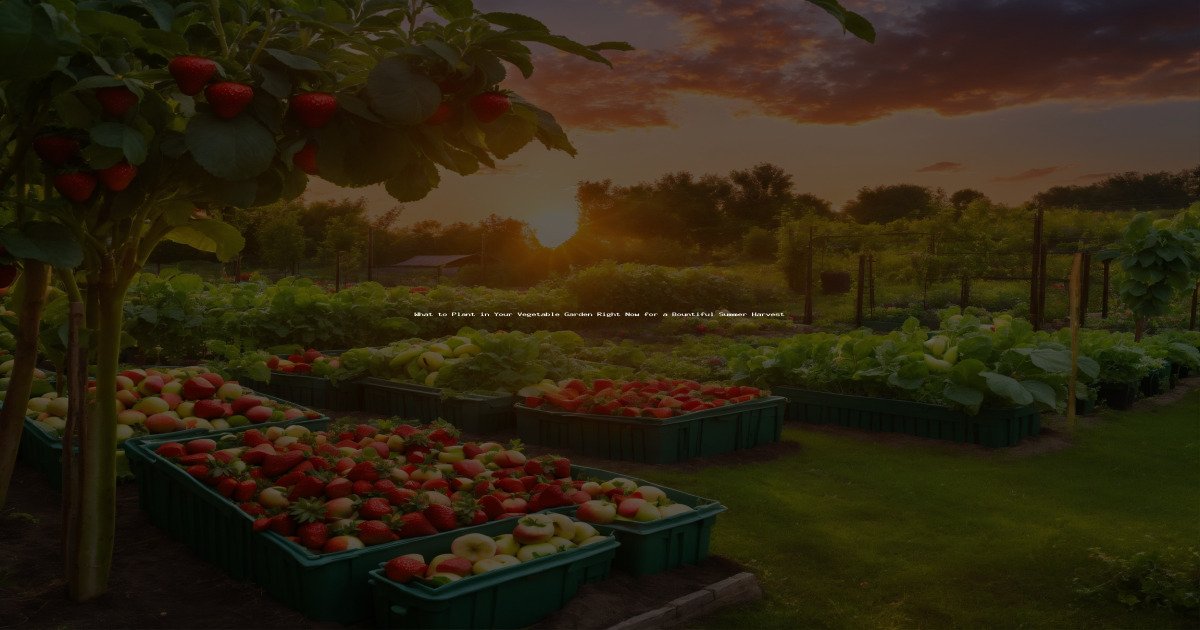
What to Plant in Your Vegetable Garden Right Now for a Bountiful Summer Harvest
Ah, June! The sun is high, the days are long, and the promise of a glorious summer harvest is practically hanging in the warm, humid air. For American home gardeners, this isn’t just a month; it’s a vibrant symphony of growth, a sweet spot where dreams of homegrown tomatoes, crisp cucumbers, and succulent peppers truly begin to take root. Maybe you got a late start after a busy Memorial Day weekend, or perhaps you’re a seasoned pro looking to maximize every square foot of your plot. No matter where you are on your gardening journey, June offers a fantastic opportunity to plant strategically for an abundant yield that will keep your kitchen overflowing with fresh produce right through Labor Day and beyond.
Imagine biting into a sun-warmed tomato picked just minutes ago from your own backyard, or tossing a salad with greens that grew under your watchful eye. That’s the magic of summer gardening, and June is your prime time to make it happen. While some folks might think the planting window for many vegetables has closed, we’re here to tell you that’s simply not true! In fact, for a vast majority of the continental USA, June is ideal for getting those heat-loving heroes into the ground, ensuring they have plenty of time to mature and produce before the first hint of autumn arrives. From the humid South to the sun-drenched Southwest, and even in regions with shorter growing seasons, there are smart choices you can make right now.
This comprehensive guide is tailored specifically for you, the American home gardener. We’ll dive deep into what thrives in our diverse climates, from USDA Zone 3 all the way to Zone 10. We’ll consider the unique challenges and opportunities across regions like the scorching Texas plains, the temperate Pacific Northwest, the fertile Midwest, and the varied Northeast. You’ll find practical, actionable advice – not just what to plant, but how to plant it, what American-made tools and products will help you succeed, and how to troubleshoot common summer garden issues. Get ready to transform your backyard into a productive paradise, because your most delicious summer yet starts right here, right now!
Key Takeaways for Your June Garden
- Don’t Despair If You’re Late! June is prime time for many warm-season crops.
- Regional Matters: Tailor your plant choices to your specific USDA zone and local climate.
- Heat-Loving Heroes: Focus on tomatoes, peppers, squash, beans, and corn for peak summer production.
- Water Wisely: Summer heat demands consistent and efficient watering strategies.
- Mulch is Your Friend: Essential for moisture retention and weed suppression in hot weather.
- Succession Planting: Maximize your harvest by replanting quick-growing crops.
- Shop Smart: Utilize American retailers like Home Depot, Lowe’s, and Amazon for your gardening needs.
The Joys of June Planting: Your Path to a Bountiful Summer
June is more than just the start of summer; it’s a second chance, a fresh burst of energy for your vegetable garden. While many gardeners rush to plant around Memorial Day, the reality is that for a huge swath of the United States, June offers even better conditions for many of our favorite heat-loving vegetables. The soil has had ample time to warm up – typically hitting a cozy 65-70°F – which is absolutely ideal for the germination of seeds and the vigorous growth of transplants for crops like tomatoes, peppers, and eggplants. The threat of late spring frosts is long gone for most regions, allowing you to plant with confidence and without the stress of covering tender seedlings.
Think about it: those long, sunny days provide an abundance of energy for photosynthesis, translating directly into faster growth and more prolific fruiting. The warmth encourages beneficial insect activity, helping with pollination, and generally creates a bustling ecosystem in your backyard. This isn’t just about getting plants into the ground; it’s about setting them up for success. By planting in June, you’re leveraging nature’s own growth spurt, ensuring your plants hit their stride just as the peak of summer arrives. Whether you’re in a cooler northern zone like USDA Zone 4 or a scorching southern zone like USDA Zone 9, there are specific strategies and crops that will thrive when planted now, guaranteeing a continuous supply of fresh produce for your summer cookouts and family dinners.
Understanding Your Summer Growing Season
The key to successful June planting is understanding your local growing season and typical summer conditions. For instance, in many parts of the Midwest and Northeast, June marks the true beginning of consistent warm weather, allowing you to plant virtually any warm-season vegetable without fear. In the Deep South, June means intense heat and humidity, requiring careful attention to watering and sometimes favoring varieties tolerant of these conditions. The arid Southwest, on the other hand, demands smart irrigation and perhaps some afternoon shade for sensitive plants. Knowing your average first and last frost dates (which you can easily find for your specific location) is crucial, even in June, as it informs how much time your plants have to mature before fall. Generally, if you have at least 60-90 days until your average first fall frost, you have plenty of time to get a substantial summer harvest.
The Best Time to Start (Even if You’re Late!)
Life happens, and sometimes our gardening plans get delayed. But don’t let a late start deter you! June is a fantastic time to plant many vegetables directly from seed or as transplants. For seeds, the warm soil means quicker germination. For transplants, they’ll establish rapidly in the favorable conditions. Even if you missed the early spring window for some crops, there are plenty of options for quick-maturing varieties or for succession planting. For example, you can still plant bush beans, corn, cucumbers, and even certain types of squash directly into the ground. If you’re looking for an immediate impact, grab some healthy tomato or pepper transplants from your local nursery – they’ll often be robust and ready to take off, giving you a head start on that much-anticipated summer harvest. Remember, a little effort now will pay delicious dividends in the coming weeks!
Regional Riches: Tailoring Your Garden to America’s Diverse Climates
The beauty of gardening in the United States lies in its incredible climatic diversity. What thrives in the humid South might struggle in the arid Southwest, and vice-versa. Understanding your specific region and its microclimates is paramount to a successful June planting strategy. This isn’t a one-size-fits-all endeavor; it’s about making informed choices that align with Mother Nature’s unique personality in your neck of the woods. Let’s break down some of the major regions and what you should be focusing on right now for a truly bountiful summer harvest.
Northeast (USDA Zones 3-7)
From Maine to Pennsylvania, the Northeast experiences distinct seasons. June is truly the sweet spot here. The danger of frost is typically past, and the soil is finally warm enough for all your heat-loving favorites. You can confidently plant:
- Tomatoes: Transplants are best now for a mid-to-late summer harvest. Choose determinate varieties for quicker yields or indeterminates for a longer season.
- Peppers & Eggplant: Like tomatoes, these love the heat. Transplants will get you fruit sooner.
- Bush Beans & Pole Beans: Direct sow seeds every 2-3 weeks for a continuous supply.
- Cucumbers: Direct sow seeds or plant transplants. Vining or bush varieties work well.
- Summer Squash (Zucchini, Yellow Squash): Direct sow seeds. These grow incredibly fast!
- Corn: Direct sow for a late summer treat.
- Herbs: Basil, oregano, thyme, and rosemary will thrive.
Focus on consistent watering during dry spells, as summer can bring periods of drought. Good mulching is essential to conserve moisture.
The South (USDA Zones 7-10)
The South, stretching from the Carolinas to Texas, boasts a long growing season but also intense summer heat and humidity. June means these conditions are in full swing. While some crops might start to slow down in the dog days of July and August, many are still excellent choices for planting now.
- Okra: A Southern staple! Direct sow seeds. It loves the heat and humidity.
- Sweet Potatoes: Plant slips now for a fall harvest.
- Southern Peas (Cowpeas): Direct sow. Extremely heat tolerant.
- Watermelon & Cantaloupe: Direct sow seeds or plant transplants for a late summer fruit feast.
- Heat-Tolerant Tomatoes: Look for varieties specifically bred for hot climates (e.g., ‘Florida 91’, ‘Homestead’).
- Peppers: Many pepper varieties, especially hot peppers, absolutely thrive in Southern heat.
- Eggplant: Grows well in the heat and humidity.
Ensure ample water and consider afternoon shade for some plants to prevent sunscald. Mulch heavily to keep soil temperatures down and conserve moisture.
Midwest (USDA Zones 3-6)
The Midwest offers fertile soil and generally warm, sunny summers, but can also experience high humidity and occasional intense storms. June is the prime planting month for almost everything.
- Tomatoes, Peppers, Eggplant: Get those transplants in the ground now for a bountiful harvest.
- Corn: Direct sow for a delicious late summer crop. Consider planting in blocks for better pollination.
- Cucumbers & Squash: Direct sow. These vining plants will take off quickly.
- Beans: Bush and pole beans can be succession planted throughout June.
- Pumpkins & Winter Squash: If you want a fall harvest, plant these long-season crops now.
- Potatoes (late crop): You can still plant a second crop of potatoes in early June for a fall harvest.
Watch out for sudden thunderstorms and hail, which can damage tender plants. Provide good support for vining plants.
Pacific Northwest (USDA Zones 6-9)
The PNW, including states like Washington and Oregon, often has a later start to consistent warmth, especially west of the Cascades. June is when summer truly kicks in, making it an excellent time for planting.
- Tomatoes: Even here, June is perfect for planting transplants. Choose early-maturing varieties if you’re in a cooler pocket.
- Cucumbers & Summer Squash: Direct sow or plant transplants.
- Bush Beans: Direct sow for quick harvests.
- Corn: Direct sow in areas with sufficient heat.
- Herbs: Basil, cilantro, and parsley love the milder summer.
- Greens: With some afternoon shade, you might still get a crop of heat-tolerant lettuce or Swiss chard.
The PNW often has drier summers, so consistent irrigation is key once the rains stop. Pay attention to soil moisture.
Southwest (USDA Zones 7-10)
The Southwest, encompassing Arizona, New Mexico, and parts of California, is characterized by intense heat, low humidity, and often alkaline soils. June planting requires careful consideration of water and sun protection.
- Okra: Thrives in the heat.
- Sweet Potatoes: Plant slips now.
- Melons (Watermelon, Cantaloupe): Love the intense sun and heat.
- Chiles (Hot Peppers): Many varieties absolutely excel in the Southwest.
- Eggplant: Can tolerate the heat well.
- Native & Drought-Tolerant Herbs: Rosemary, lavender, sage.
Crucial strategies: heavy mulching, drip irrigation, and providing afternoon shade (shade cloth) for sensitive plants like tomatoes to prevent sunscald and stress. Plant early in the morning or late in the afternoon to reduce transplant shock. https://ecorganicas.com/container-gardening-styling-make-pots-the-star-of-your-patio/Learn more about drought-tolerant gardening.https://ecorganicas.com/container-gardening-styling-make-pots-the-star-of-your-patio/
Top Crops for a Stellar Summer Harvest: Heat-Loving Heroes
When you think of a quintessential American summer harvest, certain vegetables immediately come to mind. These are the heat-loving heroes that truly shine when the sun is blazing and the days are long. Planting these crops now in June will ensure a steady, delicious bounty from mid-summer straight through to early fall. They’re reliable, productive, and form the backbone of many a backyard garden.
The Mighty Tomato: America’s Favorite Fruit (Yes, it’s a fruit!)
No summer garden is complete without tomatoes. If you haven’t planted them yet, don’t fret! June is still an excellent time to get tomato transplants into the ground across most of the continental US. Choose healthy, stocky plants from your local nursery or even from reliable American seed companies like Burpee or Park Seed. For quicker harvests, opt for determinate varieties, which produce their fruit all at once. For a season-long supply, indeterminate varieties are your best bet. Plant them deep, burying a portion of the stem to encourage stronger root growth. Give them plenty of space (at least 2-3 feet apart) and immediate support with stakes or cages. Consistent watering is crucial, especially as fruits begin to set, about 1-2 inches per week. Aim for deep, infrequent watering rather than shallow daily sprinkles. Mulch heavily around the base to retain moisture and keep soil temperatures even. Expect your first ripe tomatoes in 60-90 days, depending on the variety.
Perfect Peppers: From Sweet Bells to Fiery Jalapeños
Peppers, both sweet and hot, are another fantastic choice for a June planting. They adore the warm soil and abundant sunshine that summer brings. Like tomatoes, transplants are usually the way to go at this point in the season. Plant them 18-24 inches apart in well-draining soil. Peppers are fairly heavy feeders, so incorporate some balanced organic fertilizer into the soil at planting time. They need consistent moisture, especially when flowering and fruiting, so aim for 1-1.5 inches of water per week. In extremely hot climates (Southwest, Deep South), some afternoon shade can prevent sunscald on the developing fruits. Jalapeños, bell peppers, and poblanos are classic choices, but don’t hesitate to experiment with unique varieties like shishitos or banana peppers for diverse culinary uses. You’ll typically start harvesting peppers in 60-80 days.
Speedy Summer Squash & Cucumbers: Prolific Producers
Zucchini, yellow squash, and cucumbers are the ultimate “grow-it-yourself” success stories, often producing more than you can eat! June is the perfect time to direct sow their seeds. Plant seeds about 1 inch deep and 2-3 feet apart for bush varieties, or 4-6 feet apart for vining types (give them a trellis!). These plants are heavy drinkers, especially when fruiting, so make sure they get at least 1-2 inches of water per week, applied directly to the soil to avoid fungal issues. A layer of mulch will be incredibly beneficial here. Harvest summer squash and cucumbers when they are young and tender for the best flavor and to encourage continuous production. You can often start harvesting these as early as 45-60 days after planting, making them incredibly rewarding for a quick summer turnaround. https://ecorganicas.org/do-plant-cells-have-mitochondria/For more information on growing squash, check out this guide.https://ecorganicas.org/do-plant-cells-have-mitochondria/
Bush Beans & Pole Beans: Easy, Abundant, and Delicious
Beans are a fantastic, easy-to-grow crop for beginners and seasoned gardeners alike. June is an ideal time to direct sow both bush and pole bean seeds. Bush beans mature quickly (around 50-60 days) and produce their harvest in a concentrated period, making them perfect for canning or freezing. Pole beans take a bit longer but produce continuously throughout the summer if picked regularly, and they require a trellis or support. Plant seeds 1 inch deep and 3-4 inches apart. Beans are nitrogen fixers, meaning they can improve your soil, but they still appreciate well-draining soil and consistent moisture (about 1 inch of water per week). For a continuous supply, consider succession planting bush beans every 2-3 weeks throughout June and into early July. Your summer salads and stir-fries will thank you!
Essential Tools & Supplies: American Products for a Successful Season
A successful garden isn’t just about what you plant; it’s also about having the right gear to help you do the job efficiently and effectively. Thankfully, American retailers like Home Depot, Lowe’s, and Amazon US offer a vast array of high-quality gardening tools and supplies that will make your June planting and subsequent summer care much easier. Investing in a few key items now will pay dividends in time saved, effort reduced, and ultimately, a more productive and enjoyable gardening experience.
Must-Have Garden Tools for June Planting
For getting those plants in the ground and keeping them happy, a few fundamental tools are indispensable. A sturdy garden trowel is essential for digging planting holes for transplants. Look for one with an ergonomic handle and a durable stainless steel blade. A good hand cultivator or small hoe will be invaluable for weeding around young plants, especially in those tight spaces. For larger areas, a long-handled hoe or scuffle hoe makes quick work of weeds. Don’t forget a reliable pair of gardening gloves to protect your hands from soil, thorns, and blisters. When it comes to supporting your growing plants, tomato cages (especially sturdy ones from brands like Gardener’s Supply Company) or wooden stakes are crucial for tomatoes and peppers, while trellises or netting are perfect for vining crops like cucumbers and pole beans. You can find all these at your local Home Depot or Lowe’s, or with convenient delivery from Amazon.
Feeding Your Summer Garden: Fertilizers and Soil Amendments
Summer crops are often heavy feeders, especially as they start to produce fruit. To ensure a bountiful harvest, you’ll want to provide them with the right nutrients. Look for an all-purpose organic granular fertilizer (like Espoma Garden-tone or Jobe’s Organics) at your local garden center. These provide a slow, steady release of nutrients. For a quick boost, especially for tomatoes and peppers, a liquid feed (like FoxFarm Grow Big or Alaska Fish Fertilizer) can be applied every few weeks. Compost is always a gardener’s best friend – work a few inches into your soil before planting, and use it as a top dressing throughout the season. Mulch is also critical: a 2-4 inch layer of straw, shredded leaves, or wood chips around your plants will conserve moisture, suppress weeds, and regulate soil temperature, making a huge difference in hot summer months.
Smart Watering Solutions for the Summer Heat
Consistent and efficient watering is arguably the most critical factor for a successful summer garden. Hand watering can be time-consuming and inefficient. Consider investing in a soaker hose or a drip irrigation system. Soaker hoses slowly release water directly into the soil, minimizing evaporation and ensuring deep penetration. Drip irrigation systems are even more precise, delivering water right to the plant’s root zone. Both can be purchased in kits or components at Home Depot or Lowe’s. A good quality garden hose (look for brands like Flexzilla or Gilmour) and an adjustable spray nozzle are also essential for supplemental watering or cleaning tasks. For larger gardens, a simple hose timer can automate your watering schedule, ensuring your plants get the moisture they need even when you’re busy. Remember, aim for deep, infrequent watering rather than shallow daily sprinkles to encourage deep root growth.
| Product | Best For | Price Range | Where to Buy | Rating (Out of 5) |
|---|---|---|---|---|
| Espoma Garden-tone Organic Plant Food | All-purpose organic feeding for vegetables | $15 – $40 | Home Depot, Lowe’s, Amazon US | 4.7 |
| Flexzilla Garden Hose | Durable, kink-resistant watering | $40 – $100+ | Home Depot, Lowe’s, Amazon US | 4.8 |
| Gardener’s Supply Sturdy Tomato Cages | Heavy-duty support for tomatoes & peppers | $20 – $50 (per cage) | Amazon US, Gardener’s Supply Co. | 4.6 |
| Orbit Drip Irrigation Kit | Efficient, automated watering for rows/beds | $30 – $70 | Home Depot, Lowe’s, Amazon US | 4.5 |
| Miracle-Gro Potting Mix (Large Bag) | Starting seeds, container gardening | $10 – $25 | Home Depot, Lowe’s, Amazon US | 4.4 |
Beyond the Basics: Advanced Techniques for Abundant Yields
Once you’ve got the basics down, there are several advanced techniques that can significantly boost your summer harvest, making your garden even more productive and resilient. These methods are not overly complicated but require a bit of planning and understanding of how plants interact with their environment and each other. Incorporating these strategies will not only increase your yield but also contribute to a healthier, more sustainable garden ecosystem, helping you get the most out of every square foot.
Succession Planting Secrets for Continuous Harvests
Succession planting is the art of staggering your plantings to ensure a continuous harvest rather than a single, overwhelming glut. For June, this is particularly valuable for quick-maturing crops like bush beans, radishes, lettuce (heat-tolerant varieties or in shaded spots), and even some herbs. Instead of planting all your bean seeds at once, plant a small row every 2-3 weeks. As one batch finishes producing, the next will be ready to take its place. This simple technique prevents waste, spreads out your harvesting workload, and maximizes the use of your garden space. It’s especially useful in regions with long growing seasons, but even in shorter seasons, it can help you get multiple crops of fast growers before the first fall frost. Plan out your successions on a calendar, noting planting and estimated harvest dates.
Companion Planting for Healthier Gardens
Companion planting involves strategically placing different plant species near each other to create mutually beneficial relationships. These relationships can deter pests, attract beneficial insects, improve soil health, or even enhance flavor. For example, planting marigolds (especially French marigolds) near your tomatoes and peppers can help deter nematodes and other soil pests. Basil is a classic companion for tomatoes, believed to improve their flavor and repel tomato hornworms. Nasturtiums can act as a trap crop, drawing aphids away from your prized vegetables. Corn, beans, and squash (the “Three Sisters”) are a famous example: corn provides a stalk for beans to climb, beans fix nitrogen for the corn and squash, and squash leaves shade the soil, suppressing weeds and retaining moisture. Researching good and bad companions for your chosen crops can make a significant positive impact on your garden’s health and productivity. https://ecorganicas.org/when-to-plant-garlic/Explore more about beneficial companion planting.https://ecorganicas.org/when-to-plant-garlic/
Natural Pest Defense: Keeping Pests at Bay Organically
Summer brings an abundance of life to the garden, and unfortunately, that includes pests. Rather than immediately reaching for chemical sprays, focus on natural and organic pest defense strategies. Regularly inspecting your plants for early signs of pests is crucial. Hand-picking larger pests like tomato hornworms is effective. For smaller pests like aphids, a strong blast of water from your hose can dislodge them. Introduce beneficial insects like ladybugs, lacewings, or parasitic wasps (many can be purchased online from American suppliers like Arbico Organics) which will prey on common garden pests. Physical barriers like row covers can protect young plants from flying insects. Neem oil spray, derived from the neem tree, is another excellent organic option for treating a wide range of pests without harming beneficials or pollinators. A healthy, diverse garden ecosystem is your best defense against pest outbreaks.
Troubleshooting Your Summer Garden: Common Challenges & Solutions
Even the most experienced gardeners face challenges, especially during the peak of summer. The intense heat, fluctuating moisture, and active pest populations can all throw a wrench into your plans for a perfect harvest. Knowing how to identify common problems and, more importantly, how to address them quickly and effectively, is key to maintaining a thriving vegetable garden throughout June and beyond. Don’t get discouraged by a few yellow leaves or nibbled fruits; consider it a learning opportunity!
Beating the Heat: Watering and Mulching Strategies
The scorching summer sun can be a blessing for heat-loving plants, but it also brings the challenge of heat stress and rapid moisture loss. Plants showing signs of wilting during the hottest part of the day, even if the soil feels damp, might be experiencing heat stress. The best defense is consistent, deep watering. Aim to water in the early morning to allow plants to absorb moisture before the sun gets intense, and to let foliage dry off, which helps prevent fungal diseases. For most established vegetable plants, about 1-2 inches of water per week is a good target, but this will vary with temperature, soil type, and plant size. Use a rain gauge to measure natural rainfall and adjust your watering accordingly. As mentioned before, a 2-4 inch layer of organic mulch (straw, shredded leaves, wood chips) around your plants is non-negotiable in summer. It acts like a blanket, keeping the soil cooler, reducing evaporation by up to 50%, and suppressing weeds that compete for precious water. https://ecorganicas.com/10-aesthetic-plants-for-a-quiet-luxury-garden-look/Discover more about efficient summer watering.https://ecorganicas.com/10-aesthetic-plants-for-a-quiet-luxury-garden-look/
Identifying and Conquering Pests
Summer is prime time for garden pests, but a vigilant gardener can keep them under control. Learn to recognize the common culprits in your area.
- Aphids: Small, soft-bodied insects often found on new growth, causing distorted leaves. Blast them off with water or use insecticidal soap.
- Spider Mites: Tiny arachnids that cause stippling on leaves and fine webbing. They thrive in hot, dry conditions. Increase humidity and use insecticidal soap.
- Tomato Hornworms: Large, green caterpillars that can defoliate a tomato plant overnight. Hand-pick them off (they glow under a blacklight at night!).
- Squash Bugs & Vine Borers: Devastating to squash and pumpkins. Look for eggs on leaf undersides (squash bugs) or wilting vines (borers). Early detection and removal are key; row covers can prevent borers.
Regular scouting (checking your plants every few days) is your best tool. Remember that a healthy garden with diverse plantings often attracts beneficial insects that keep pest populations in check. Only resort to organic pesticides when absolutely necessary, and always follow label instructions carefully.
Disease Prevention and Treatment in Warm Weather
Warm, humid summer conditions are also ideal for many plant diseases. Prevention is always easier than treatment.
- Good Air Circulation: Space your plants adequately and prune lower leaves on tomatoes to improve airflow, especially in humid regions.
- Watering Technique: Water at the base of plants, using drip irrigation or soaker hoses, to keep foliage dry. Wet leaves are an open invitation for fungal diseases.
- Resistant Varieties: When purchasing seeds or transplants, look for varieties marked “VFN” (resistant to Verticillium Wilt, Fusarium Wilt, Nematodes) or other disease resistance codes.
- Sanitation: Remove and dispose of diseased plant material immediately (don’t compost it!). Clean tools between plants to prevent spreading diseases.
- Fungal Issues (Powdery Mildew, Early Blight): Powdery mildew appears as white, powdery spots on leaves; early blight causes dark spots with concentric rings. For mild cases, remove affected leaves. Organic fungicides like neem oil or copper-based sprays can help in more severe situations.
Maintaining healthy soil, providing proper nutrition, and reducing plant stress are your best defenses against disease. A robust plant is much better equipped to fend off pathogens. https://ecorganicas.org/how-deep-to-plant-potatoes/The USDA offers excellent resources on plant disease management.https://ecorganicas.org/how-deep-to-plant-potatoes/
10+ Expert Tips for US Gardeners This June
- Water Deeply and Consistently: Aim for 1-2 inches of water per week, applied slowly at the base of plants, preferably in the early morning.
- Mulch, Mulch, Mulch: Apply a 2-4 inch layer of organic mulch (straw, shredded leaves, wood chips) to conserve moisture, suppress weeds, and regulate soil temperature.
- Provide Support Early: Stake, cage, or trellis tomatoes, peppers, cucumbers, and pole beans as soon as you plant them to prevent damage later.
- Fertilize Strategically: Give your heavy feeders (tomatoes, peppers, squash) a boost with a balanced organic fertilizer or compost tea as they begin to flower and fruit.
- Succession Plant Fast Growers: Re-sow bush beans, cilantro, and heat-tolerant lettuces every 2-3 weeks for a continuous harvest.
- Scout for Pests Daily