Published: June 2024
Summer Watering Secrets: How to Keep Your American Garden Thriving
Ah, summer! For many American gardeners, it’s the season we dream about all winter long. The days are long, the sun is shining, and our gardens are bursting with life. From the first Memorial Day plantings to the promise of a bountiful Labor Day harvest, there’s nothing quite like the vibrant energy of a summer garden. But let’s be honest, alongside that joy comes a very real, very sweaty challenge: keeping everything perfectly hydrated without turning your water bill into a nightmare or, worse, losing your beloved plants to the relentless summer sun.
Across our vast continental USA, summer means different things. In the humid South, it’s about battling afternoon downpours followed by scorching sun. In the arid Southwest, every drop counts, and intense heat is the norm. Up in the Pacific Northwest, you might get a taste of everything, while the Midwest and Northeast often face alternating heatwaves and sudden storms. No matter your USDA zone, from Zone 3 in the northern reaches of Minnesota to Zone 10 in sunny Florida or California, one thing is universally true: proper summer watering is the absolute secret weapon for a thriving yard.
Have you ever watched your favorite tomato plant, just loaded with green fruit, start to wilt dramatically by mid-afternoon? Or perhaps your vibrant petunias, so cheerful in the morning, look utterly dejected by sundown? It’s enough to make any gardener’s heart sink! The good news is, you’re not alone, and these common watering woes are entirely solvable. This isn’t just about turning on the hose; it’s about understanding the subtle language of your plants, the unique demands of your local climate, and the smart strategies that can make all the difference. We’re talking about more than just keeping plants alive – we’re talking about helping them truly flourish, producing more blooms, bigger harvests, and a more resilient landscape.
In this comprehensive guide, we’re going to dive deep into the ultimate summer watering secrets. We’ll cover everything from the best time of day to water, how much water your plants really need, smart tools that save you time and money, and region-specific advice tailored for gardeners from the Atlantic to the Pacific. Get ready to transform your watering routine from a guessing game into a confident, effective strategy that ensures your American garden shines brightest all summer long. Your plants (and your water bill) will thank you!
Key Takeaways for a Thriving Summer Garden
- Deep & Infrequent is Key: Encourage strong root growth by watering deeply rather than frequent, shallow sprinkles.
- Morning is Best: Water early to minimize evaporation and allow foliage to dry, preventing fungal issues.
- Know Your Soil: Different soil types (sandy, clay, loam) dictate how often and how much you should water.
- Mulch, Mulch, Mulch: A 2-4 inch layer of mulch dramatically reduces water evaporation and keeps soil cool.
- Regional Adaptations: Tailor your watering to your specific US climate – from humid Southern summers to arid Southwestern heat.
- Smart Tools Matter: Invest in rain gauges, moisture meters, or smart irrigation systems for precision.
- Watch Your Plants: Learn to recognize the subtle signs of thirst before major wilting occurs.
The Ultimate Guide to Summer Watering Rhythms: When, How, and How Much
When the summer sun beats down, watering becomes the most critical chore in the garden. But it’s not just about spraying water aimlessly; it’s about strategic hydration. The goal is to water deeply and infrequently, encouraging plant roots to grow down into the soil, seeking moisture, rather than staying near the surface where they’re vulnerable to drying out. Think of it like a good workout for your plants – building strong, resilient roots that can handle a little stress.
Timing is Everything: The Morning Advantage
Without a doubt, the best time to water your American garden is in the early morning, typically between 6:00 AM and 10:00 AM. Why morning? First, the air is cooler, and the sun isn’t at its peak, which means less water is lost to evaporation. When you water in the morning, the water has ample time to soak deep into the soil before the heat of the day arrives. Secondly, watering in the morning allows any water that splashes onto foliage to dry off quickly as the day warms up. This is crucial for preventing fungal diseases like powdery mildew, which thrive in moist conditions, especially in humid regions like the Southeast. Watering in the evening might seem convenient after a long day, but leaving foliage wet overnight creates a perfect breeding ground for these unwanted pathogens.
How Much Water Do Your Plants Really Need?
This is the million-dollar question, and the answer often depends on several factors: plant type, soil type, and current weather conditions. A good rule of thumb for most garden plants, especially vegetables and annuals, is to aim for about 1 inch of water per week. This can come from rainfall or your irrigation system. For established trees and shrubs, they might need 1-2 inches every 1-3 weeks, depending on their size and maturity. To really know how much water you’re delivering, place an empty tuna can or a rain gauge in your garden while you water. Time how long it takes to collect 1 inch of water, and that’s your benchmark for a deep watering session. Remember, sandy soils drain quickly and may need more frequent watering, while heavy clay soils retain water longer and can lead to root rot if overwatered. Always check the soil moisture before watering again – stick your finger 2-3 inches deep; if it feels dry, it’s time to water.
Deep Watering vs. Shallow Sprinkling
Forget those quick, daily sprinkles! They might make the surface look wet, but they only encourage shallow root growth, making your plants more susceptible to drought stress. Instead, opt for deep, slow watering. This means letting the water penetrate 6-12 inches into the soil for most annuals and vegetables, and even deeper for trees and shrubs. Tools like soaker hoses or drip irrigation systems are fantastic for this, delivering water directly to the root zone at a slow, steady rate, minimizing runoff and evaporation. This method ensures that the entire root ball gets adequately hydrated, promoting strong, healthy growth that can withstand the intense summer heat. For new plantings, especially those that went in after Memorial Day, consistent deep watering is even more critical to help them establish robust root systems. https://ecorganicas.com/container-gardening-styling-make-pots-the-star-of-your-patio/
Regional Watering Wisdom: Tailoring Your Approach Across the USA
The beauty of gardening in the USA lies in its incredible diversity, but this also means there’s no one-size-fits-all watering strategy. What works in the cool, often damp Pacific Northwest will spell disaster in the scorching, dry Southwest. Understanding your region’s specific challenges and adapting your watering tactics is a cornerstone of summer gardening success.
Northeast & Mid-Atlantic: Balancing Humidity and Heatwaves
Gardeners from Maine down to Virginia often experience a mix of hot, humid periods interspersed with cooler, wetter spells. Summer can bring intense heatwaves where temperatures soar into the 90s Fahrenheit, making consistent watering essential. However, high humidity means that wet foliage can quickly lead to fungal issues. Focus on morning watering to allow leaves to dry, and use soaker hoses or drip irrigation to deliver water directly to the soil. Mulching is critical here to conserve moisture during dry spells and suppress weeds. Keep an eye on local weather patterns; a week of 95-degree days will demand more water than a mild 75-degree week, even if you just had a thunderstorm.
The South & Southeast: Battling the Humidity and Afternoon Deluges
From Texas to Florida and up through the Carolinas, the South is characterized by long, hot, and intensely humid summers. Afternoon thunderstorms are common, but often these are quick downpours that don’t deeply penetrate the soil. It’s easy to be fooled by a wet surface. The key here is checking soil moisture diligently. Due to high evaporation rates from heat and rapid transpiration from plants in humidity, plants can dry out quickly. Prioritize morning watering, and consider raised beds for better drainage to prevent root rot in heavy clay soils. Choose heat and humidity-tolerant plant varieties, and don’t forget to mulch heavily. Your St. Augustine grass might need 1 inch of water per week, while your tomato plants could demand daily checks.
Midwest: Extremes from Drought to Deluge
The Midwest can be a land of extremes – scorching droughts one year, and torrential rains the next. Summers often bring periods of intense heat and dry winds, which can rapidly desiccate plants. Deep watering is paramount here to ensure roots can tap into deeper moisture reserves during dry spells. Pay close attention to soil types, as the region has a mix of rich loams, sandy spots, and heavier clays. A rain gauge is an invaluable tool to track natural precipitation. When watering, aim for slow, steady delivery to minimize runoff, especially on slopes. Protecting plants from strong winds with strategic planting or windbreaks can also reduce water loss.
Pacific Northwest: The Dry Summer Challenge
While known for its rain, the Pacific Northwest experiences remarkably dry summers from June through September. This Mediterranean-like climate means plants must endure several months without significant rainfall. This is where strategic planning and efficient watering really shine. Established native plants often thrive with minimal summer water, but ornamental gardens and vegetable patches will need regular irrigation. Drip systems are highly recommended to deliver precise amounts of water. Focus on deep, infrequent watering to encourage drought resistance. Mulch is your best friend to retain precious moisture in the soil throughout the long, dry period. Consider planting drought-tolerant varieties from local nurseries. https://ecorganicas.org/when-to-plant-garlic/
Southwest: Mastering Arid and Desert Conditions
In states like Arizona, New Mexico, Nevada, and parts of California, water is a precious resource. Gardening in the Southwest demands a highly efficient and water-wise approach. Xeriscaping, using drought-tolerant native plants, and efficient irrigation systems like drip lines are not just recommendations – they are necessities. Water deeply but very infrequently, often every few weeks for established plants, to encourage extremely deep root growth. Avoid overhead sprinklers, which lose too much water to evaporation in the intense heat and low humidity. Mulching with gravel or desert-friendly materials can help keep soil cool and reduce evaporation. Early morning watering is even more critical here to prevent rapid evaporation.
Essential American Tools & Tech for Smart Watering
Gone are the days when a simple garden hose was your only option. Today, American gardeners have access to an incredible array of tools and technologies that make watering more efficient, less wasteful, and often, less of a chore. Investing in the right equipment can save you time, money, and most importantly, your plants!
Drip Irrigation Systems: Precision Hydration
Perhaps the most efficient watering method available, drip irrigation delivers water directly to the plant’s root zone, drop by drop. This minimizes evaporation, reduces water waste, and keeps foliage dry, preventing disease. You can find complete drip irrigation kits at your local Home Depot or Lowe’s, often from brands like Rain Bird or Orbit, starting around $40-$100 for a basic setup. These systems are fantastic for vegetable gardens, perennial beds, and even containers. They are especially beneficial in areas like the Southwest where water conservation is paramount, or in the South where keeping foliage dry is key to preventing fungal issues.
Soaker Hoses: Gentle & Effective
Soaker hoses are another excellent option for slow, deep watering. These porous hoses “weep” water along their entire length, delivering moisture directly to the soil without spraying leaves. They are perfect for long rows of vegetables, hedges, or densely planted garden beds. You can find soaker hoses in various lengths (25 ft, 50 ft, 100 ft) at any garden center, typically costing $20-$50. Brands like Gilmour and Dramm are popular. Just lay them out, connect them to your spigot, and let them do the work. They are a less expensive alternative to full drip systems and very easy to set up.
Smart Watering Timers & Controllers: Set It and Forget It
For the ultimate convenience and water efficiency, smart watering timers are a game-changer. Brands like Rachio, Orbit B-Hyve, and Rain Bird offer Wi-Fi-enabled controllers that connect to local weather forecasts. They can automatically adjust your watering schedule based on rain, temperature, and humidity, ensuring your plants get exactly what they need without overwatering. You can control them from your smartphone, even when you’re on vacation! These can range from $70 for a basic smart spigot timer to $200-$300+ for a multi-zone smart controller for your entire irrigation system. Available widely on Amazon US and at major hardware stores, these are a top recommendation for busy gardeners.
Moisture Meters & Rain Gauges: Knowing Your Numbers
Don’t guess, measure! A simple rain gauge (available for under $10 at most garden stores) will tell you exactly how much natural precipitation your garden has received. This is invaluable for knowing when you can skip supplemental watering. For individual plants or tricky containers, a soil moisture meter (digital or analog, $15-$30 on Amazon US) can give you an instant reading of the moisture level 6-12 inches below the surface. This prevents both overwatering and underwatering, two of the most common gardening mistakes. These tools are simple, affordable, and incredibly effective at taking the guesswork out of your watering routine. https://ecorganicas.com/10-aesthetic-plants-for-a-quiet-luxury-garden-look/
Watering Wands & Hoses: Quality Matters
Even for hand watering, quality tools make a difference. A good quality hose that doesn’t kink (look for brands like Flexzilla or Zero-G) and a watering wand with multiple spray patterns (like Dramm or Gilmour) can make hand watering more efficient and enjoyable. Wands allow you to deliver water gently at the base of plants without washing away soil or damaging delicate foliage. Investing in these basics, available at Lowe’s or Home Depot, will save you frustration in the long run.
Watering Wonders: A Comparison of Top Tools
| Product | Best For | Price Range | Where to Buy | Rating |
|---|---|---|---|---|
| Drip Irrigation Kit (e.g., Rain Bird, Orbit) | Vegetable gardens, perennial beds, containers; water conservation | $40 – $150 | Home Depot, Lowe’s, Amazon US | ★★★★☆ |
| Soaker Hose (e.g., Gilmour, Dramm) | Long rows of plants, hedges, dense planting areas; easy setup | $20 – $50 | Home Depot, Lowe’s, Amazon US | ★★★★☆ |
| Smart Watering Timer (e.g., Rachio, Orbit B-Hyve) | Automated watering, adjusting to weather, convenience for busy gardeners | $70 – $300+ | Amazon US, Home Depot, Lowe’s | ★★★★★ |
| Soil Moisture Meter (e.g., XLUX, Luster Leaf) | Precise moisture readings for individual plants/pots, preventing over/underwatering | $15 – $30 | Amazon US, Local Garden Centers | ★★★★☆ |
| Rain Gauge (Basic Plastic) | Tracking natural rainfall, adjusting irrigation schedule, budget-friendly | $5 – $15 | Home Depot, Lowe’s, Amazon US | ★★★☆☆ |
Decoding Your Plants’ Thirst Signals: What to Look For
Your plants are constantly communicating their needs, and learning to interpret their signals is a crucial skill for any successful American gardener. While a moisture meter is a great tool, your eyes and hands are your primary instruments. Recognizing the early signs of thirst can help you intervene before your plants experience significant stress or damage. This is especially vital during the peak summer months when conditions can change rapidly.
The Classic Wilt: More Than Just a Droop
The most obvious sign of thirst is wilting. Leaves, stems, and flowers that typically stand upright will start to droop, look limp, and lose their turgor (the internal water pressure that keeps them firm). While dramatic wilting is a clear sign, try to catch it earlier. Often, plants will show a slight “softening” of their leaves or a subtle downward curl before a full collapse. Some plants, like corn or tomatoes, might roll their leaves inward to reduce surface area and conserve moisture. If you see wilting in the heat of the day, don’t panic immediately; many plants do this as a natural response to conserve water. Check them again in the early morning. If they are still wilted before the sun gets strong, they are definitely thirsty.
Leaf Color and Texture Changes
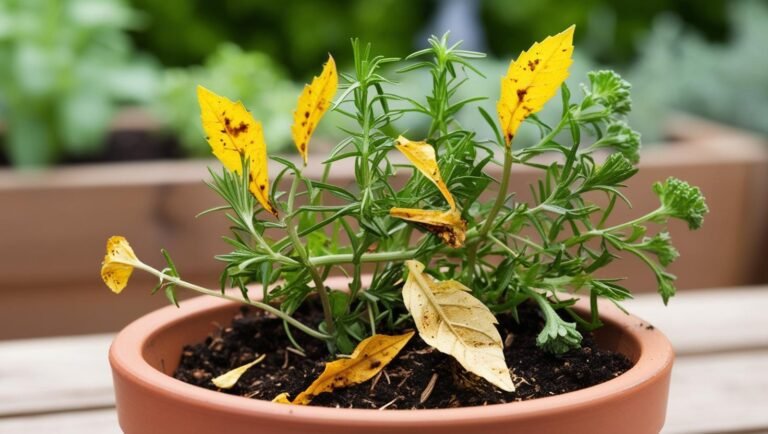
Beyond wilting, look for changes in leaf color and texture. Underwatered plants often develop dull, grayish-green leaves. The edges might turn crispy or yellow, especially on older, lower leaves, as the plant sacrifices them to conserve water for new growth. Leaves might also feel brittle or papery to the touch. In contrast, overwatered plants often show yellowing leaves (especially between the veins) that feel soft or mushy, and may eventually turn brown or black as roots rot. It’s a fine line, but with practice, you’ll learn to distinguish the subtle differences.
The Soil Test: Your Finger Knows Best
The most reliable way to check for thirst is to feel the soil. Stick your finger 2-3 inches deep into the soil near the base of the plant. If it feels dry and crumbly, it’s time to water. If it feels moist, even slightly, hold off. For larger plants, trees, or shrubs, you might need to dig a little deeper, say 4-6 inches. A soil probe or a simple trowel can help. This method works across all regions, from the sandy soils of Florida to the heavier loams of the Midwest, though the frequency of checks will vary based on your soil type and climate. Remember, the surface might look dry, but there could still be plenty of moisture deeper down. https://ecorganicas.org/when-to-plant-garlic/
Different Plants, Different Needs
Not all plants have the same thirst level. Your newly planted annuals and vegetables (like tomatoes, peppers, cucumbers) in their prime growing season will be much thirstier than established perennials or drought-tolerant shrubs. Large-leafed plants generally transpire more water than small-leafed or succulent plants. Pay extra attention to plants in containers, as they dry out much faster than those in the ground, sometimes needing daily watering in peak summer heat. Trees and shrubs, especially those planted in the last year or two, need regular deep watering to establish their extensive root systems. Once established, many can tolerate dry spells better than annuals. Keep an eye on your specific plant varieties – many American seed companies like Burpee, Baker Creek, and Park Seed provide excellent watering guidelines for their particular offerings.
Watering Woes Solved: Common Mistakes & How to Avoid Them
Even experienced gardeners can fall victim to common watering mistakes, especially when the summer heat puts extra pressure on our plants. Avoiding these pitfalls can dramatically improve your garden’s health, conserve water, and save you a lot of frustration. Let’s tackle some of the most frequent errors and learn how to steer clear of them.
Mistake #1: Watering Too Frequently and Too Shallowly
This is arguably the most common mistake. Giving your plants a quick sprinkle every day might seem helpful, but it’s actually detrimental. Shallow watering encourages roots to stay near the surface, where they are easily exposed to drying winds and scorching sun. When the top inch or two of soil dries out, these shallow roots quickly become stressed.
Solution: Water deeply and less frequently. Aim for 1 inch of water per week for most plants, penetrating 6-12 inches into the soil. This forces roots to grow deeper, making plants more resilient to drought and heat. Check soil moisture with your finger before watering again.
Mistake #2: Watering at the Wrong Time of Day
Watering in the middle of a hot, sunny afternoon means a significant amount of water evaporates before it ever reaches the roots. Watering in the evening, especially in humid climates, leaves foliage wet overnight, creating an ideal environment for fungal diseases.
Solution: Always water in the early morning (6 AM – 10 AM). This minimizes evaporation, allows water to soak in deeply, and gives foliage time to dry before nightfall, reducing disease risk.
Mistake #3: Not Considering Soil Type
Your soil type plays a huge role in how often and how much you should water. Sandy soils drain very quickly and don’t hold water well, requiring more frequent watering. Heavy clay soils, on the other hand, hold water for a long time and can become waterlogged if overwatered, leading to root rot.
Solution: Get to know your soil. If you have sandy soil, you might need to water more often but with less volume at each session. If you have clay soil, water less frequently but still deeply, allowing the soil to dry out somewhat between waterings. Amending heavy clay with organic matter can improve drainage.
Mistake #4: Overwatering – The Silent Killer
While underwatering gets a lot of attention, overwatering is equally, if not more, damaging. Too much water suffocates roots, depriving them of oxygen and making them susceptible to root rot and other diseases. Symptoms can sometimes mimic underwatering (wilting, yellowing leaves), making it tricky to diagnose.
Solution: Stick to the deep and infrequent method. Always check the soil moisture with your finger or a moisture meter before watering. Ensure your containers have adequate drainage holes. If you suspect overwatering, let the soil dry out completely before watering again.
Mistake #5: Watering Foliage Instead of Roots
Many overhead sprinklers or hand-held hoses spray water all over the plant, wetting the leaves more than the soil. This is inefficient, as much of the water evaporates from the leaves, and it can promote fungal diseases.
Solution: Direct water to the base of the plant, focusing on the root zone. Use soaker hoses, drip irrigation, or a watering wand to deliver water precisely where it’s needed. This conserves water and keeps foliage dry.
Mistake #6: Neglecting Mulch
Not using mulch is a missed opportunity to conserve water. Bare soil heats up quickly, leading to rapid evaporation and creating an ideal environment for weeds to sprout and compete for moisture.
Solution: Apply a 2-4 inch layer of organic mulch (like wood chips, straw, or shredded leaves) around your plants. Keep it a few inches away from stems and trunks. Mulch dramatically reduces evaporation, suppresses weeds, and helps regulate soil temperature. https://ecorganicas.com/how-to-grow-a-tea-garden-from-leaf-to-mug/
Expert Tips for a Thriving Summer Garden in the USA
Beyond the basics, these expert tips will give your American garden an edge, ensuring it stays vibrant and productive throughout the summer, no matter where you are in the country.
- Calibrate Your Sprinklers: Place empty tuna cans or rain gauges in different areas of your lawn or garden to see how much water your sprinklers are actually delivering in a set amount of time. Adjust accordingly to ensure even coverage and avoid overwatering or underwatering.
- Group Plants by Water Needs: When designing your garden, place plants with similar water requirements together. This makes watering much more efficient and prevents overwatering drought-tolerant plants or underwatering thirsty ones.
- Mind Your Containers: Potted plants dry out much faster than those in the ground. During hot summer days (especially above 85 degrees Fahrenheit), they might need daily or even twice-daily watering. Use a moisture meter for accuracy.
- Slow Down the Flow: If hand-watering, use a slow, steady stream from your hose or watering can. This allows water to penetrate the soil deeply rather than running off the surface, especially on slopes or compacted soil.
- Consider Rainwater Harvesting: Install a rain barrel to collect precious rainwater, which is excellent for your plants (free of chlorine and other chemicals) and reduces your reliance on municipal water. It’s a fantastic eco-friendly practice.
- Weed Ruthlessly: Weeds are fierce competitors for water and nutrients. Keep your garden beds free of weeds, especially during dry spells, to ensure all available moisture goes to your desired plants.
- Deep Water New Plantings: For any plants put in the ground this season (especially those planted after Memorial Day), consistent deep watering is crucial for root establishment. Don’t let them dry out in their first summer.
- Adjust for Growth Stages: Plants, particularly vegetables, have different water needs at various stages. Fruiting plants like tomatoes and peppers need consistent moisture when setting and developing fruit to prevent issues like blossom end rot.
- Install a Drip Edge for Trees: For established trees, especially those recently planted, create a small berm or drip edge around the dripline (the outer edge of the canopy) to hold water and allow it to slowly soak into the root zone.
- Don’t Forget About Soil Health: Healthy soil, rich in organic matter, retains moisture far better than poor, compacted soil. Regularly amend your garden beds with compost to improve water retention and drainage.
- Learn Your Plant Varieties: Some varieties are naturally more drought-tolerant. For example, some heirloom tomatoes might be thirstier than modern hybrid varieties. Read plant tags or seed packet descriptions from American seed companies like Burpee or Baker Creek for specific watering needs.
- Watch the Forecast: Keep an eye on the weather forecast. If rain is predicted, you can delay watering. If a heatwave is coming, a deep watering beforehand can help plants cope. https://ecorganicas.org/how-deep-to-plant-potatoes/
Frequently Asked Questions About Summer Watering
How often should I water my vegetable garden in the summer?
For most summer vegetables like tomatoes, peppers, and cucumbers, aim for about 1 inch of water per week, either from rainfall or irrigation. However, this can vary significantly based on your specific climate, soil type, and the current stage of the plants. During heatwaves or dry, windy conditions, you may need to water more frequently, perhaps every 2-3 days. Always check the soil moisture 2-3 inches deep with your finger before watering again; if it feels dry, it’s time to water.
Is it better to water in the morning or evening during summer?
Morning is generally the best time to water, ideally between 6:00 AM and 10:00 AM. Watering in the morning allows the water to soak into the soil before the heat of the day causes excessive evaporation. It also ensures that any water that gets on the foliage has time to dry off, which helps prevent fungal diseases, especially in humid regions like the South. Watering in the evening can leave leaves wet overnight, creating a breeding ground for pathogens.
How can I tell if my plants are getting enough water?
The best way is to feel the soil. Stick your finger 2-3 inches deep near the plant’s base; if it feels dry, it’s time to water. You can also use a soil moisture meter for more precise readings. Visually, look for signs like wilting (especially in the morning before the sun gets too strong), dull or grayish-green leaves, or crispy leaf edges. While plants may wilt in the midday sun, they should perk up in the cooler morning if adequately hydrated.
What’s the difference between overwatering and underwatering symptoms?
Both can cause wilting and yellowing leaves, which can be confusing! Underwatered plants often have dull, crispy, or brittle leaves, and the soil
You Might Also Like