
body { font-family: ‘Arial’, sans-serif; line-height: 1.6; color: #333; margin: 0; padding: 0; background-color: #f8f8f8; }
.container { max-width: 960px; margin: 20px auto; padding: 20px; background: #fff; border-radius: 8px; box-shadow: 0 0 15px rgba(0,0,0,0.1); }
h1, h2, h3 { color: #2c5f2d; margin-top: 1.5em; margin-bottom: 0.5em; }
h1 { font-size: 2.5em; text-align: center; }
h2 { font-size: 2em; border-bottom: 2px solid #e0e0e0; padding-bottom: 0.2em; }
h3 { font-size: 1.5em; color: #4a7c59; }
p { margin-bottom: 1em; }
ul, ol { margin-bottom: 1em; padding-left: 25px; }
li { margin-bottom: 0.5em; }
table { width: 100%; border-collapse: collapse; margin-bottom: 1.5em; }
th, td { border: 1px solid #ddd; padding: 10px; text-align: left; }
th { background-color: #f2f2f2; color: #333; font-weight: bold; }
strong { color: #2c5f2d; }
em { font-style: italic; }
.key-takeaways { background-color: #e6f7e6; border-left: 5px solid #2c5f2d; padding: 15px; margin: 20px 0; border-radius: 5px; }
.key-takeaways h3 { margin-top: 0; color: #2c5f2d; }
.button { display: inline-block; background-color: #4CAF50; color: white; padding: 10px 20px; text-align: center; text-decoration: none; border-radius: 5px; margin: 10px 5px; cursor: pointer; }
.button:hover { background-color: #45a049; }
.cta-section { text-align: center; padding: 30px; background-color: #f2f7f2; border-top: 2px solid #e0e0e0; margin-top: 30px; border-radius: 0 0 8px 8px; }
.faq-section { background-color: #f9f9f9; padding: 20px; border-radius: 8px; margin-top: 20px; }
.faq-section h3 { color: #2c5f2d; margin-top: 1em; }
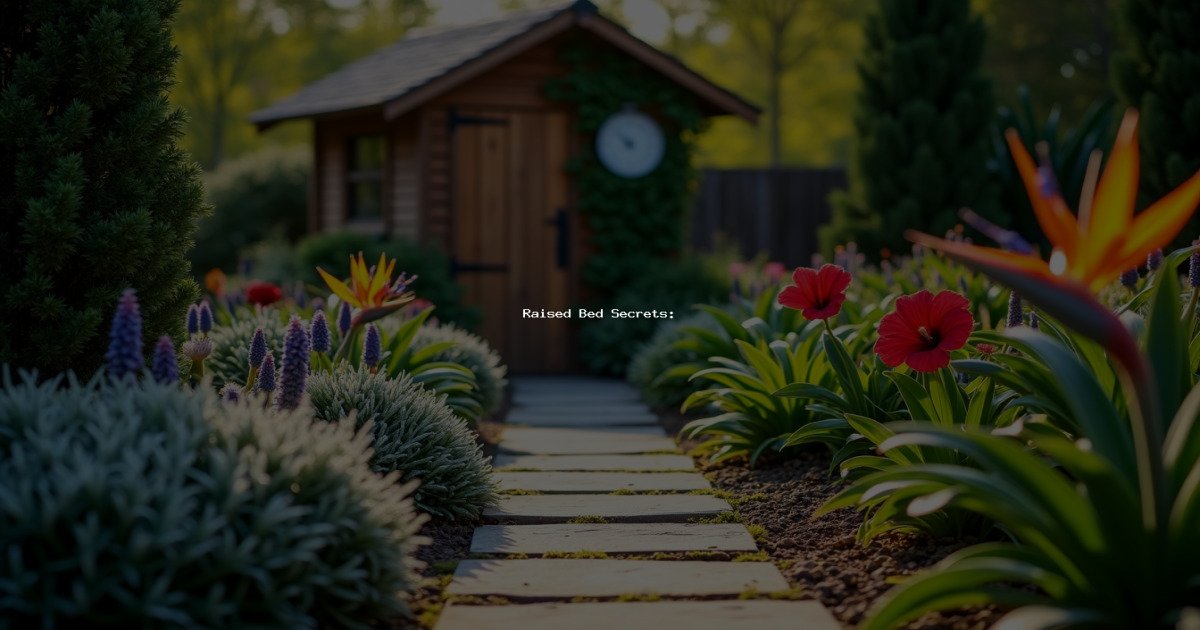
Raised Bed Secrets: Unlock Your Best American Garden Yet!
Picture this: It’s a gorgeous June morning. The sun is shining, a gentle breeze rustles through the leaves, and you’re stepping into your backyard sanctuary. But instead of battling stubborn weeds, struggling with compacted soil, or watching your precious tomatoes succumb to ground pests, you’re greeted by vibrant, flourishing plants bursting with life. Sound like a dream? For American gardeners across the country, from the humid South to the arid Southwest, the Pacific Northwest’s misty embrace to the sun-drenched Midwest, and the bustling Northeast, this dream is becoming a reality thanks to one simple, yet transformative, gardening solution: the raised bed.
As summer truly kicks into gear, with Memorial Day planting behind us and the long, glorious days ahead, many of us are facing the unique challenges this season brings. The scorching sun in USDA Zones 7-10 can bake traditional in-ground gardens, while heavy downpours in areas like Florida or the Gulf Coast can leave roots waterlogged. Even in cooler zones like 4-6, summer means rapid growth, demanding optimal conditions. This isn’t just about growing vegetables; it’s about cultivating a healthier, happier lifestyle right in your own backyard, reducing stress, and connecting with nature.
But let’s be honest, getting those raised beds right isn’t always intuitive. Is wood better than metal? What about the soil mix? How do you keep things thriving when the thermometer hits 90 degrees Fahrenheit? These are the questions that keep many American gardeners up at night. That’s why we’re here to pull back the curtain and reveal the ultimate raised bed secrets that will transform your gardening experience. We’re talking proven strategies, region-specific wisdom, and product recommendations you can grab at your local Home Depot, Lowe’s, or with a click on Amazon US. Get ready to not just grow a garden, but to cultivate a masterpiece, no matter if you’re battling the clay soil of Ohio, the sandy loam of California, or the rocky terrain of New England.
Let’s dig in and discover how to make this your most abundant and enjoyable gardening season ever!
Key Takeaways for Your Raised Bed Success:
- Strategic Setup: Choose the right materials and location to build a resilient foundation.
- Summer Savvy: Master watering, mulching, and pest control for thriving June gardens.
- Regional Roots: Tailor your approach to your specific US climate, from the Northeast to the Southwest.
- Smart Shopping: Discover essential American products from trusted retailers.
- Yield Maximization: Employ clever planting techniques for bountiful harvests.
The Ultimate Foundation: Building Your Raised Bed Right
Before you plant a single seed, laying a solid foundation for your raised bed is paramount. This isn’t just about throwing some dirt in a box; it’s about creating an optimized ecosystem for your plants. The choices you make now will impact your garden’s success for years to come. Think of it as building a dream home for your tomatoes and peppers!
Choosing the Best Materials for Durability and Style
When it comes to raised bed materials, American gardeners have a plethora of options, each with pros and cons. Wood, especially untreated cedar or redwood, is a popular choice for its natural aesthetic and longevity (often 10-15 years). Avoid treated lumber like chromated copper arsenate (CCA) for edibles, as chemicals can leach into the soil. For a more budget-friendly wood option, untreated pine or fir can work, but may need replacement sooner. You can find these at any Home Depot or Lowe’s, often in 2×6 or 2×12 inch dimensions.
Corrugated metal beds, often galvanized steel, offer a modern look and incredible durability, lasting 20+ years. They tend to heat up faster in the sun, which can be a boon in cooler climates (like the Pacific Northwest) but a challenge in hotter regions (like Arizona). Look for kits on Amazon US or at specialty garden centers. Stone or concrete blocks are exceptionally long-lasting and require minimal maintenance, but they are heavier, more labor-intensive to install, and can be pricier upfront. However, they offer fantastic thermal mass, helping to regulate soil temperatures. Fabric grow bags are a flexible, portable, and affordable option, perfect for renters or those with limited space. They offer excellent drainage and aeration. You can find multi-packs of 5-10 gallon fabric bags on Amazon US for very reasonable prices.
Strategic Placement: Sunlight, Drainage, and Accessibility
The success of your raised bed hinges on its location. Most vegetables need at least 6-8 hours of direct sunlight per day. Observe your yard throughout the day to identify the sunniest spots. Consider the angle of the sun in June compared to later in the summer. Proper drainage is also crucial. While raised beds inherently improve drainage, placing them on a slight slope or ensuring the ground beneath isn’t compacted clay will prevent waterlogging. Think about accessibility: Can you reach the center of the bed without stepping on the soil? A common recommendation is a bed no wider than 4 feet, allowing you to reach from either side. Paths between beds should be wide enough for wheelbarrows or garden carts, typically 2-3 feet.
Filling Your Bed: The Recipe for Rich, Living Soil
This is where the magic truly happens! Don’t just dump in plain topsoil. A well-designed raised bed utilizes a layered approach, often called “lasagna gardening.” Start with a layer of cardboard (remove tape and labels) to suppress weeds and break down over time. Then, alternate layers of organic materials: twigs, leaves, straw, grass clippings (untreated!), compost, and finally, a rich top layer of high-quality raised bed soil mix. A good soil mix typically consists of 60% topsoil, 30% compost, and 10% perlite or vermiculite for aeration and moisture retention. Many American garden centers sell specialized “raised bed mixes” that are pre-blended and ready to go. Consider adding a slow-release organic fertilizer at planting time, especially for heavy feeders like corn or squash. This layered approach not only provides excellent drainage and aeration but also slowly releases nutrients as the organic matter breaks down, feeding your plants naturally all season long. Remember, healthy soil is the cornerstone of a healthy garden.
Summer Success Secrets: Thriving in the June Heat
June marks the true beginning of summer for most of the continental USA, bringing with it both the joys of abundant growth and the challenges of rising temperatures. For your raised beds, this means adapting your strategies to keep plants happy, hydrated, and productive. Mastering these summer secrets will ensure your garden flourishes through the dog days.
Mastering the Art of Deep Watering
As the mercury rises, especially in states like Texas, Oklahoma, or California’s Central Valley, consistent and deep watering becomes critical. Raised beds, by their nature, drain more quickly than in-ground gardens, which is great for preventing soggy roots but means they also dry out faster. Instead of frequent, shallow sprinkles, aim for deep watering 2-3 times a week, depending on your climate and plant needs. This encourages roots to grow deeper, making plants more resilient to heat stress. A simple trick: stick your finger 2-3 inches into the soil. If it feels dry, it’s time to water. Consider installing a drip irrigation system, easily found at Lowe’s or Home Depot, which delivers water directly to the root zone, minimizing evaporation and saving you precious time. For larger beds, a soaker hose can be a lifesaver. Water in the early morning to reduce evaporation and allow foliage to dry before nightfall, preventing fungal diseases.
Mulch: Your Raised Bed’s Best Friend Against the Sun
Mulching is a non-negotiable summer strategy for raised beds. A 2-4 inch layer of organic mulch – think straw, shredded leaves, or wood chips (for paths, not directly in beds for edibles) – does wonders. It insulates the soil, keeping it cooler in the heat and reducing moisture evaporation by up to 50%. This means less watering for you! Mulch also suppresses weeds, which compete with your plants for water and nutrients, and as it breaks down, it adds valuable organic matter to your soil. For vegetable beds, straw is an excellent choice, as it’s clean, breaks down nicely, and doesn’t tie up nitrogen like fresh wood chips can. You can pick up bales of straw at most garden centers or feed stores.
Protecting From the Sun: Shade Cloth and Strategic Planting
In regions with intense summer sun, like the Southwest (Arizona, New Mexico) or the deep South (Georgia, Alabama), even sun-loving plants can suffer from sunburn or heat stress when temperatures consistently hit 95-100+ degrees Fahrenheit. Consider investing in shade cloth – typically 30-50% shade – which can be draped over hoops or a simple frame above your raised beds during the hottest parts of the day. This can significantly reduce soil and leaf temperatures. You can find shade cloth at garden supply stores or online via Amazon US. Additionally, practice strategic planting: use taller plants like corn or pole beans to naturally shade shorter, more delicate plants like lettuce or spinach. Remember, while most plants love sun, too much intense, direct heat can be detrimental, especially during fruiting stages.
June Garden Checklist: Planting, Harvesting, and Pest Patrol
June is a dynamic month in the raised bed. Continue to plant heat-tolerant varieties like sweet potatoes (if your season is long enough), okra, southern peas, and heat-set tomatoes. This is also prime time for harvesting early summer crops like lettuce (before it bolts), radishes, peas, and some early beans. Keep a watchful eye for common summer pests. Aphids, spider mites, and squash bugs can quickly multiply in warm weather. Regular scouting and early intervention with organic solutions like neem oil or insecticidal soap (available at Home Depot or Lowe’s) are key. Utilize companion planting (e.g., marigolds to deter nematodes) and encourage beneficial insects. Don’t forget to fertilize heavy feeders like corn, squash, and tomatoes with a balanced organic liquid fertilizer every few weeks, especially after initial fruit set, to support their vigorous summer growth. Your raised beds are a busy hub of activity this month!
Regional Raised Bed Wisdom: Tailoring to Your American Climate
America’s vast geography means that “gardening advice” is rarely one-size-fits-all. What works brilliantly in a raised bed in Seattle might fail spectacularly in Phoenix. Understanding your specific climate and USDA hardiness zone is key to raised bed success. Here’s how to adapt your strategy across the continental USA.
Northeast (USDA Zones 3-7): Maximizing a Shorter Season
From Maine to Pennsylvania, gardeners in the Northeast often contend with shorter growing seasons and late spring frosts. Raised beds are a huge advantage here because their soil warms up faster in the spring, allowing for earlier planting (often right after Memorial Day weekend for warm-season crops). Focus on cold-hardy crops for early spring and fall, and select fast-maturing varieties for summer. Consider using cold frames or low tunnels over your raised beds in spring and fall to extend the season by a few weeks on either end. Good drainage is still important, especially with spring rains. Mulch heavily in summer to retain moisture, as heatwaves can strike. When planning for the next year, consider winterizing your beds by adding a thick layer of leaves or straw to decompose and enrich the soil over winter, preparing it for an early spring planting.
The South (USDA Zones 7-10): Battling Heat and Humidity
Gardening in the South, from the Carolinas to Louisiana, means dealing with intense summer heat, high humidity, and often heavy rainfall. Raised beds excel here by preventing waterlogged roots during torrential downpours and allowing for better air circulation around plants, which helps deter fungal diseases. Choose heat-tolerant varieties of tomatoes, peppers, okra, sweet potatoes, and southern peas. Morning watering is crucial to allow foliage to dry before the afternoon humidity sets in. Shade cloth is highly recommended for delicate plants during the hottest months (July-August) to prevent sunburn and allow fruit to set. Pay close attention to pest and disease management, as the warm, humid conditions are a breeding ground for both. Good airflow between plants in your raised bed can make a big difference.
Midwest (USDA Zones 3-6): Extreme Temperatures and Wind
Midwestern gardeners, from the plains of Nebraska to the farmlands of Ohio, face a unique set of challenges: scorching summers, frigid winters, and often strong winds. Raised beds offer a controlled environment that can mitigate some of these extremes. In summer, ensure adequate watering, as dry winds can wick moisture away quickly. Mulching is doubly important here to conserve soil moisture. Consider windbreaks, like trellises with sturdy climbing plants or strategically placed fences, to protect your raised beds from damaging gusts. The ability of raised beds to warm up faster in spring and drain well after spring rains is a significant advantage in this region. Selecting varieties that are known to be robust and adaptable to varying conditions will serve you well.
Pacific Northwest (USDA Zones 6-9): Managing Moisture and Mild Climates
The PNW, encompassing states like Washington and Oregon, is known for its mild, wet winters and often dry, sunny summers. Raised beds are fantastic for improving drainage in the region’s often heavy clay soils. During the dry summer months, consistent deep watering is essential, and mulching will significantly reduce water needs. Embrace cool-season crops in spring and fall, and during summer, focus on classics like berries, beans, and salad greens that appreciate the generally moderate temperatures. Raised beds allow for excellent soil customization, which is beneficial for tailoring to specific plant needs in this diverse climate. Consider adding plenty of organic matter to your soil mix to help retain moisture during the dry season.
Southwest (USDA Zones 4-10): Desert Gardening and Water Conservation
For gardeners in states like Arizona, Nevada, Utah, and parts of California, water conservation is paramount. Raised beds are a game-changer in the Southwest. They allow for precise control over soil composition, making it easier to create fertile ground in arid conditions, and their elevated nature means less water is lost to runoff or deep percolation. Drip irrigation systems are almost a necessity here, delivering water directly to the roots with minimal evaporation. Heavy mulching with light-colored materials (like straw) helps reflect heat and keeps soil temperatures down. Shade cloth is essential during the intense summer months to prevent plant scorching and allow fruit set. Focus on drought-tolerant vegetables and herbs, and explore native plant companions. Raised beds also make it easier to amend sandy or rocky desert soils to hold nutrients and moisture more effectively.
Essential Tools & Top American Product Picks for Raised Beds
Having the right tools and products makes all the difference in a raised bed garden. From sturdy construction materials to nutrient-rich soil amendments, smart shopping can elevate your gardening experience. We’re focusing on items readily available at your favorite American retailers.
Building & Shaping Your Raised Beds
For constructing your beds, you’ll need a good shovel for moving soil and compost (Fiskars ErgoD-Handle or Ames True Temper are solid choices, widely available at Home Depot or Lowe’s). A bow rake helps level soil, and a sturdy wheelbarrow (like a 6-cubic foot poly wheelbarrow) is invaluable for hauling materials. If you’re building wooden beds, a reliable cordless drill (DeWalt, Ryobi, or Milwaukee are popular brands) and exterior-grade screws are essential. For metal beds, many come as kits with all necessary hardware. For filling, consider a bulk delivery of raised bed soil mix from a local landscape supply, or buy bags of organic topsoil, compost, and perlite/vermiculite from your local garden center. Brands like Miracle-Gro Organic Choice Raised Bed Soil or Kellogg Garden Organics Raised Bed & Potting Mix are popular choices found at Home Depot and Lowe’s.
Watering Wonders for Efficiency
Efficient watering is crucial for raised beds, especially in summer. A good quality watering can (2-gallon capacity) is great for seedlings and small areas. For larger beds, a soaker hose or a drip irrigation kit is a game-changer. Look for brands like Rain Bird or Orbit, which offer affordable and easy-to-install drip kits at Home Depot, Lowe’s, and Amazon US. These systems often come with all the tubing, emitters, and connectors you need. A reliable garden hose (50-100 feet, 5/8-inch diameter) is also a must, along with an adjustable nozzle. Consider a basic water timer for your spigot (like the Orbit 1-outlet hose faucet timer) to automate watering schedules, especially during vacations or busy weeks.
Soil Amendments & Plant Nutrition
To keep your raised bed soil vibrant, regular amendments are key. A large bag of high-quality organic compost (available from local nurseries or big box stores) is your best friend. For specific nutrient boosts, consider bone meal (for phosphorus, good for root development), blood meal (for nitrogen, great for leafy greens), or a balanced organic granular fertilizer like Espoma Garden-tone or Dr. Earth Organic Vegetable Garden Fertilizer. These are widely available. For foliar feeding or quick boosts, a liquid fish emulsion or seaweed extract can work wonders. Always check the N-P-K ratios and application rates. A soil test kit, basic or advanced, can also be a smart investment to understand your soil’s specific needs.
Pest Control & Protection
Summer inevitably brings pests. Keep a bottle of Neem oil spray (like Garden Safe Neem Oil Extract Concentrate) or an insecticidal soap (Safer Brand Insect Killing Soap) handy. These organic options are effective against a wide range of soft-bodied insects and are safe for edibles. For larger pests like squirrels or rabbits, consider lightweight garden netting or small sections of chicken wire that can be temporarily placed over beds. Shade cloth, as mentioned earlier, is a valuable protection against intense sun. You can find these items at garden centers, hardware stores, and online retailers like Amazon US. Remember, prevention and early detection are your best defenses!
Maximizing Yield: Proven Planting Strategies for Bountiful Harvests
One of the greatest advantages of raised beds is the ability to cultivate an incredibly productive garden in a relatively small footprint. By employing smart planting strategies, American gardeners can enjoy a continuous, abundant harvest all season long, making every square foot count. This isn’t just about growing; it’s about growing smarter.
The Power of Companion Planting
Companion planting is an age-old technique where certain plants are grown together for mutual benefit. This can include deterring pests, attracting beneficial insects, improving soil health, or even enhancing flavor. For instance, planting marigolds (especially French marigolds) around your tomatoes and peppers can help deter nematodes and other soil-borne pests. Basil is a classic companion for tomatoes, rumored to improve their flavor and deter tomato hornworms. Nasturtiums can act as a trap crop for aphids, drawing them away from your prized vegetables. Planting radishes and carrots together can help break up soil for the carrots, and harvesting the radishes first gives the carrots more room to grow. Research specific companion pairings for the crops you plan to grow from reputable sources like university extension offices or seed company guides (e.g., Burpee, Baker Creek).
Succession Planting: A Continuous Harvest
Don’t just plant everything all at once! Succession planting ensures a continuous harvest rather than a single massive glut. For quick-growing crops like lettuce, radishes, spinach, and bush beans, plant a small batch every 2-3 weeks throughout the growing season. As one crop finishes, another is ready to take its place. This is particularly effective in raised beds where you have excellent control over soil conditions. For longer-season crops, you might plant an early variety, followed by a mid-season, and then a late-season variety. For example, plant an early determinate tomato, and a few weeks later, a larger indeterminate variety. This strategy requires a bit of planning but pays off with fresh produce consistently gracing your kitchen counter.
Vertical Gardening: Going Up, Not Out
Space is often at a premium, even in raised beds. Vertical gardening allows you to grow more in less space by encouraging plants to grow upwards. Incorporate trellises, stakes, cages, or obelisks into your raised bed design. This is perfect for climbing plants like pole beans, cucumbers, peas, indeterminate tomatoes, and even some varieties of squash and melons (if supported). Not only does it maximize your yield, but it also improves air circulation around plants, reducing disease risk, and keeps fruits off the ground, minimizing pest damage and rot. You can find ready-made trellises and cages at Home Depot, Lowe’s, or online. Consider DIY options using rebar and string, or bamboo stakes.
Crop Rotation: Keeping Your Soil Healthy
Even in a raised bed, crop rotation is a vital practice for maintaining soil health and preventing the buildup of pests and diseases specific to certain plant families. Don’t plant the same crop, or crops from the same family (e.g., tomatoes, peppers, eggplants, potatoes are all nightshades), in the exact same spot year after year. Aim for a 3-4 year rotation cycle. For example, follow a heavy feeder (like corn) with a legume (like beans, which fix nitrogen), then a root crop (carrots), and finally a leafy green (lettuce). This helps to balance nutrient demands, disrupt pest life cycles, and improve overall soil vitality. Keep a simple garden journal to track what you planted where each season.
Selecting Your Seeds and Plants Wisely
The success of your garden starts with your selections. For American gardeners, trusted seed companies like Burpee, Baker Creek Heirloom Seeds, and Park Seed offer an incredible variety of vegetables, herbs, and flowers suitable for raised beds. Consider heirloom varieties for unique flavors and to preserve genetic diversity, or choose F1 hybrids for disease resistance and higher yields. Always read seed packets for specific planting depths, spacing, and days to maturity. When buying starter plants from nurseries, choose healthy, compact plants with good root systems, avoiding those that are leggy, yellowing, or showing signs of pests or disease. Matching your plant choices to your local climate and season is the ultimate strategy for maximizing your raised bed’s potential.
Troubleshooting & Maintenance: Keeping Your Beds Pristine
Even the most meticulously planned raised bed can face challenges. From nutrient deficiencies to stubborn weeds, knowing how to identify and address common issues is key to keeping your garden healthy and productive. Regular maintenance will prevent small problems from becoming big headaches.
Identifying and Correcting Nutrient Deficiencies
Healthy plants are vibrant and green. If your plants are showing yellowing leaves, stunted growth, or poor fruit set, they might be experiencing a nutrient deficiency.
- Yellowing lower leaves: Often a sign of nitrogen deficiency. Remedy with a nitrogen-rich organic fertilizer like blood meal or a liquid fish emulsion.
- Purple undersides on leaves: Can indicate a phosphorus deficiency. Bone meal or rock phosphate can help.
- Yellowing between leaf veins (chlorosis): Suggests an iron or magnesium deficiency. Epsom salts (magnesium sulfate) can provide a quick boost for magnesium.
- Blossom End Rot (BER): Common in tomatoes and squash, appearing as a dark, sunken spot on the bottom of the fruit. This is a calcium deficiency, but it’s often caused by inconsistent watering rather than a lack of calcium in the soil. Ensure consistent moisture and consider a calcium supplement if soil tests confirm a deficiency.
Regular soil tests (every 2-3 years) can provide detailed insights into your soil’s nutrient profile and pH, allowing for targeted amendments. You can get basic kits from Home Depot or Lowe’s, or send a sample to your local university extension office for a more comprehensive analysis (often for a small fee).
Winning the War Against Weeds
While raised beds significantly reduce weeding compared to in-ground gardens, weeds will still find a way! The best defense is a good offense.
- Mulch, Mulch, Mulch: A 2-4 inch layer of organic mulch (straw, shredded leaves) is the most effective weed suppressor. It blocks sunlight, preventing weed seeds from germinating.
- Regular Hand Weeding: Catch weeds when they are small. A quick 10-15 minute weeding session every few days is far easier than battling an overgrown bed. A small hand trowel or a specialized weeding tool can make this task quicker.
- Avoid Soil Disturbance: Tilling or deep digging can bring dormant weed seeds to the surface. Practice no-dig gardening in your raised beds as much as possible.
- Cardboard Layer: When initially setting up or refreshing a bed, a layer of cardboard at the bottom can be a powerful long-term weed barrier.
Replenishing and Rejuvenating Your Soil
Over time, your raised bed soil will settle, and its nutrients will be depleted by hungry plants. Annual replenishment is crucial.
You Might Also Like

Transforming Your Outdoor Space: A Comprehensive Guide to Patio Landscaping
Mistakes Ruining Your Raised Garden Beds This June (And How to Fix Them)

Is Agave a Cactus?
June Planting Guide: 7 Fast-Growing Vegetables for Your Backyard Garden This Summer

The Art of Landscaping: A Guide to Transform Your Outdoor Space
Raised Bed Revolution: What to Plant in Your Vegetable Garden This May
