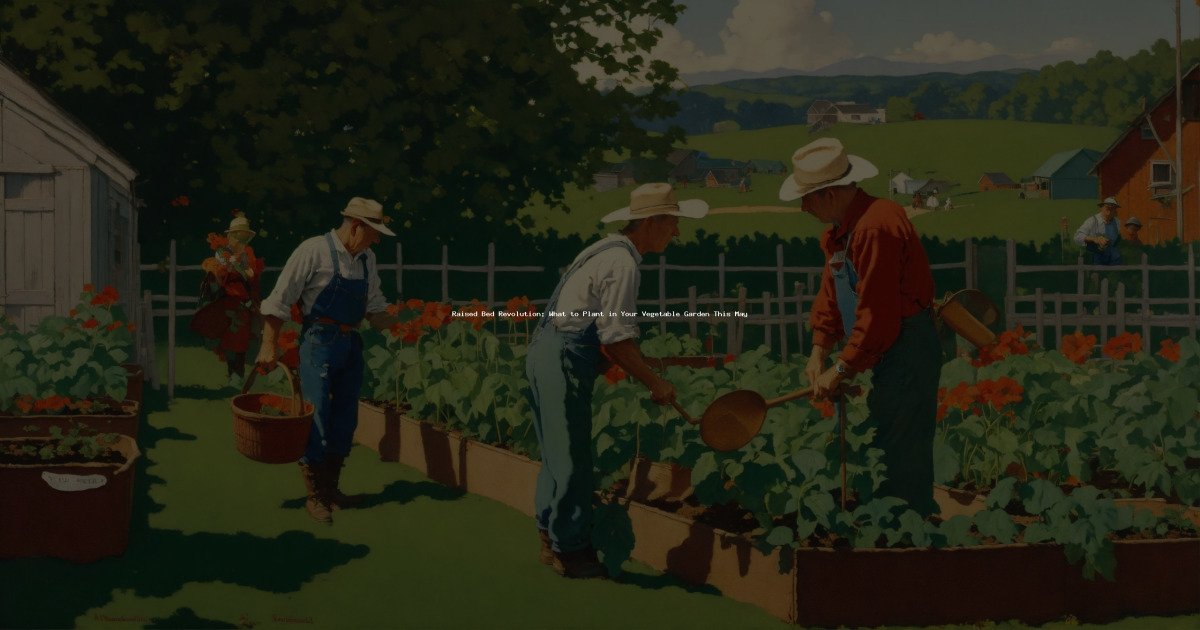
Raised Bed Revolution: What to Plant in Your Vegetable Garden This May
Ah, May! The birds are singing, the days are getting longer, and that wonderful scent of damp earth fills the air. For American home gardeners, May isn’t just another month; it’s a vibrant symphony of growth and the true kick-off to the summer gardening season. If you’ve been dreaming of a bountiful harvest, overflowing with fresh, homegrown vegetables, then your raised beds are calling your name. This is the month when the last whispers of frost fade for many across the continental USA, making way for an explosion of warm-season crops that will transform your backyard into a productive paradise. Whether you’re in the balmy South, the breezy Midwest, the verdant Pacific Northwest, the sun-drenched Southwest, or the awakening Northeast, May is prime time to get your hands dirty and plant the seeds of your summer feast.
Raised beds offer a distinct advantage: better drainage, warmer soil earlier in the season, and easier access, making them perfect for maximizing your yield in a smaller footprint. No more battling compacted clay soil or bending over endlessly! This month, we’re going to dive deep into what truly thrives in these elevated havens. From the crisp greens that still enjoy the lingering cool nights to the heat-loving stars like tomatoes and peppers that are just begging to stretch their roots, we’ll cover it all. Understanding your specific USDA Hardiness Zone is crucial, as May’s weather can vary wildly from Zone 4 to Zone 10. For instance, gardeners in sunny Florida or southern California might be well into their summer crops, while those in Minnesota or Maine are just cautiously putting out their first tender transplants after the Memorial Day weekend.
Imagine stepping out your back door to pluck a ripe, juicy tomato, still warm from the sun, or gathering a basket full of crisp green beans for dinner. This isn’t just a dream; it’s an achievable reality with the right planning and plant choices this May. We’ll equip you with the knowledge to select the perfect vegetables, understand regional nuances, and even recommend some fantastic American-made products to help you along the way. Get ready to unlock the full potential of your raised beds and embark on a journey to a truly homegrown summer. Let’s make this May the most productive and rewarding gardening month yet!
Key Takeaways for Your May Raised Bed Garden:
- Timing is Everything: May signals the shift from cool to warm-season crops for most of the USA.
- Know Your Zone: USDA Hardiness Zones dictate specific planting schedules; check your local frost dates.
- Regional Nuances: What thrives in the South might struggle in the Northeast in early May, and vice-versa.
- Soil Health is Paramount: Amend your raised bed soil for optimal growth before planting.
- Embrace Warm-Season Stars: Tomatoes, peppers, squash, and beans are prime for May planting.
- Don’t Forget Succession: Plan for continuous harvests of quick-growing crops.
- Protect & Nurture: Keep an eye on pests and provide consistent watering.
The Ultimate Guide to May Planting in Your Raised Beds: Warm Season Wonders Await
May is often considered the golden ticket month for many American gardeners, especially those working with the advantages of raised beds. The soil in raised beds warms up faster than in traditional in-ground gardens, giving your plants a head start. For much of the continental USA, especially USDA Zones 6-8, the danger of a hard frost has typically passed by mid-May, opening the door wide for a spectacular array of warm-season vegetables. However, always double-check your local average last frost date – a quick search for “[Your City/State] average last frost date” will give you crucial information. For instance, while gardeners in Atlanta, Georgia, might have been planting tomatoes since late April, those in Minneapolis, Minnesota, are often waiting until after Memorial Day weekend to safely put out their tender plants.
The sheer excitement of May planting comes from the diversity of crops you can introduce. This is the month to focus on plants that truly love the heat and sunshine, requiring soil temperatures consistently above 60 degrees Fahrenheit to germinate and thrive. Think about the classic summer bounty: plump tomatoes, sweet bell peppers, fiery jalapeños, sprawling squash, crunchy cucumbers, and robust corn. These are the vegetables that will form the backbone of your summer culinary adventures, and getting them in the ground (or rather, into your raised beds) now sets the stage for a spectacular harvest come July and August.
Beyond the beloved nightshades, May is also ideal for planting a variety of legumes like bush beans and pole beans, which are incredibly productive and relatively easy to grow. Sweet potatoes, a Southern favorite, can also be planted from slips once the soil is reliably warm. Don’t forget herbs like basil, rosemary, and thyme, which flourish in the warmer conditions and can be tucked into any corner of your raised bed. Even heat-tolerant leafy greens like Swiss chard or specific varieties of lettuce can still be sown for a quick early summer crop, especially if you provide them with a little afternoon shade. The key is to think about succession planting for these faster-growing greens – plant a small batch every two weeks to ensure a continuous supply rather than one massive harvest.
Preparing Your Raised Beds for May’s Bounty
Before you even think about putting plants in, a little preparation goes a long way. If your raised beds have been sitting empty or only had cool-season crops, it’s time for a soil refresh. Add a few inches of good quality compost – a rich, organic blend from your local garden center or your own compost pile is perfect. This replenishes nutrients, improves soil structure, and helps retain moisture, which is vital as the summer heat intensifies. Many American gardeners swear by adding a balanced organic fertilizer at this stage, too. Look for products with an N-P-K ratio around 5-5-5 or 4-6-4, which provides a good mix of nitrogen for leafy growth, phosphorus for root development, and potassium for overall plant health. Gently mix this into the top 6-8 inches of your existing soil. This small investment in soil health will pay dividends in stronger plants and bigger yields.
Once your soil is prepped, consider your planting layout. Raised beds are excellent for intensive planting, meaning you can grow more in a smaller space. Think about companion planting – for example, planting basil near tomatoes is believed to improve their flavor and deter pests. Taller plants like corn or pole beans can be positioned to the north side of the bed to avoid shading out shorter, sun-loving plants like peppers or bush beans. Remember to leave adequate spacing for air circulation, which helps prevent fungal diseases. And don’t forget watering! A drip irrigation system or soaker hose is a raised bed gardener’s best friend, delivering water directly to the roots and minimizing waste. You can find excellent, affordable kits at your local Lowe’s or Home Depot, or even on Amazon US.
Regional Rhythms: What to Plant Across the American Landscape
America is a vast country, and May weather can be dramatically different from one region to another. Understanding these regional nuances is crucial for successful gardening. What’s perfect for planting in the Southwest might be a premature gamble in the Northeast. Let’s break down May planting strategies across different parts of the continental USA, keeping in mind the invaluable USDA Hardiness Zones.
Northeast (USDA Zones 4-6) – New England, Mid-Atlantic
For gardeners in states like New York, Pennsylvania, Massachusetts, and Maine, May is a month of cautious optimism and rapid transition. Early May might still see nighttime temperatures dip into the low 40s Fahrenheit, making it too risky for tender transplants. However, by mid-to-late May, especially after Memorial Day, the soil has usually warmed sufficiently. This is prime time for direct-sowing seeds of bush beans, pole beans, corn, and summer squash (zucchini, yellow squash). Transplants of tomatoes, peppers, and eggplants can go in after the last frost date has safely passed, usually around Memorial Day. Don’t forget to harden off your transplants for a week or two before planting them out to help them adjust to outdoor conditions. You can still plant successive crops of cool-season greens like lettuce, spinach, and radishes early in the month, especially if you provide some afternoon shade as temperatures rise. Herbs like basil, cilantro, and parsley also thrive when planted now.
South (USDA Zones 7-10) – Southeast, Gulf Coast, Southern Plains
The South, encompassing states like Georgia, Alabama, Louisiana, and Texas, is often well into its warm-season gardening by May. Many gardeners here will have already planted their tomatoes and peppers in April. May is an excellent time for a second wave of planting, ensuring continuous harvests. Direct sow heat-loving crops like okra, Southern peas (cowpeas), sweet potatoes (from slips), and long-season cucumbers and melons. If you haven’t planted corn yet, now is the time. While some greens might struggle with the intense heat, heat-tolerant varieties of Swiss chard, Malabar spinach, and specific types of loose-leaf lettuce can still be productive. Ensure consistent watering, as temperatures can soar into the 80s and 90s Fahrenheit. Consider using mulch to conserve moisture and keep soil temperatures stable. This is also a good month to plant herbs like rosemary, thyme, and oregano, which love the sun and heat.
Midwest (USDA Zones 3-6) – Ohio Valley, Great Plains
The vast Midwest, from Ohio to Nebraska, experiences a similar May rhythm to the Northeast, with a strong emphasis on waiting for the last frost. Gardeners in states like Illinois, Iowa, and Michigan often mark Memorial Day as their unofficial “safe planting” date for tender plants. Early May allows for planting cool-season crops like radishes, peas, and some greens. But as the month progresses, the focus shifts dramatically. Direct sow bush beans, pole beans, corn, and all varieties of squash and cucumbers. Transplants of tomatoes, peppers, eggplant, and melons should go in after the danger of frost has passed. The Midwest’s rich, fertile soil combined with warm summer days makes it ideal for a wide range of vegetables. Consider planting sunflowers or other tall plants on the north side of your raised beds to provide some windbreak and partial shade for sensitive plants during peak summer heat. https://ecorganicas.com/10-aesthetic-plants-for-a-quiet-luxury-garden-look/Learn more about extending your gardening season with smart planting strategies.%%/INTERNAL_LINK1%%
Pacific Northwest (USDA Zones 6-9) – Washington, Oregon
The Pacific Northwest, with its unique climate, often has a later start to consistently warm weather compared to other regions at similar latitudes. May is a fantastic month for planting in states like Washington and Oregon, as the persistent spring rains usually subside and temperatures begin to climb. Direct sow bush beans, pole beans, corn, and all types of squash and cucumbers. Transplants of tomatoes, peppers, and eggplants can generally go in by mid-May, though coastal areas might wait a bit longer for consistent warmth. This region excels at growing a wide variety of greens, and you can continue to plant lettuce, spinach, and Swiss chard for continuous harvests, especially in raised beds where drainage is excellent. Don’t forget root vegetables like carrots and beets, which can be sown throughout May for early summer harvests. The mild climate is also perfect for a diverse herb garden.
Southwest (USDA Zones 7-10) – Arizona, New Mexico, Southern California, Nevada
Gardening in the Southwest in May means embracing the heat and planning for intense sun. For many in Arizona, Nevada, and parts of California, May is already very warm, and the focus shifts to heat-tolerant crops or preparing for the scorching summer. If you haven’t planted your tomatoes and peppers, do so immediately, or consider heat-tolerant varieties. Direct sow okra, sweet potatoes, and heat-loving beans. Melons and squash will thrive. For greens, focus on heat-tolerant varieties like Malabar spinach, New Zealand spinach, or providing significant afternoon shade for quick harvests of traditional greens. Watering is paramount here; consider drip irrigation with a timer to ensure consistent moisture. Mulch is essential to keep soil temperatures down and conserve precious water. This is also a great time to establish drought-tolerant herbs like lavender and rosemary. https://ecorganicas.org/when-to-plant-garlic/For specific regional advice, check out the USDA’s regional gardening guides.%%/EXTERNAL_LINK1%%
Essential Gear & Soil Secrets for Raised Bed Success: American Product Picks
Transforming your raised beds into a thriving vegetable haven requires more than just good intentions; it demands the right tools and, most importantly, healthy soil. Fortunately, American gardeners have access to a fantastic array of products available at local hardware stores, garden centers, and online retailers. Investing in quality gear and understanding your soil’s needs will significantly boost your chances of a bumper crop.
Soil: The Foundation of Your Garden
The beauty of raised beds is that you control the soil. For May planting, especially with warm-season crops, a rich, well-draining, and nutrient-dense soil mix is non-negotiable.
- Organic Compost: This is your raised bed’s best friend. Incorporate 2-4 inches of high-quality organic compost into the top 8-12 inches of your raised bed soil annually. Brands like Miracle-Gro Organic Choice Garden Soil (available at Home Depot/Lowe’s) or FoxFarm Ocean Forest Potting Soil (often found at independent garden centers and Amazon US) are excellent choices. Compost improves drainage, adds nutrients, and enhances microbial life.
- Balanced Organic Fertilizer: Before planting, gently mix in a granular organic fertilizer. Look for an N-P-K ratio around 5-5-5 or 4-6-4. Espoma Garden-tone Organic Plant Food (available at most garden centers, Amazon US) is a popular, trusted American brand. It slowly releases nutrients, feeding your plants throughout the season.
- Soil pH Testing Kit: Most vegetables prefer a slightly acidic to neutral pH (6.0-7.0). If you suspect issues, a simple soil test kit (like the Luster Leaf Rapitest Soil Test Kit from Amazon US or Lowe’s) can help you determine if amendments like lime (to raise pH) or elemental sulfur (to lower pH) are needed.
Tools & Accessories: Making Gardening Easier
Having the right tools at hand makes all the difference, especially when you’re working efficiently in a raised bed.
- Hand Trowel and Cultivator: For precise planting and weeding in raised beds, a good quality hand trowel and a sturdy cultivator are essential. Look for ergonomic designs. Fiskars Ergo Trowel and Cultivator (Home Depot, Lowe’s, Amazon US) are durable and comfortable.
- Watering System: Consistent watering is crucial. A soaker hose or drip irrigation kit is highly recommended for raised beds to deliver water directly to the roots and conserve water. Orbit Drip Master Raised Bed Kit (available at Home Depot/Lowe’s) is an excellent starter option, and you can expand it as needed. For manual watering, a lightweight, flexible hose and a watering wand with a gentle shower setting (like the Gilmour Watering Wand from Amazon US) are invaluable.
- Garden Gloves: Protect your hands! Invest in comfortable, durable, and waterproof gloves. Wells Lamont Leather Palm Work Gloves (available at Home Depot) or Pine Tree Tools Bamboo Working Gloves (Amazon US) offer great protection and dexterity.
- Trellises and Supports: Many popular May-planted crops like tomatoes, cucumbers, pole beans, and peas will need support. A sturdy tomato cage (e.g., Gardener’s Blue Ribbon Heavy Duty Tomato Cage from Lowe’s) or a basic trellis kit (various brands on Amazon US) will keep plants upright, improve air circulation, and maximize yield in your raised bed.
- Mulch: An often-overlooked hero! Apply a 2-4 inch layer of organic mulch (shredded leaves, straw, or wood chips) around your plants after they’ve established. This suppresses weeds, conserves soil moisture, and helps regulate soil temperature. You can find bagged straw or cedar mulch at Home Depot or Lowe’s. https://ecorganicas.org/how-deep-to-plant-potatoes/Explore more about the benefits of mulching from the National Gardening Association.%%/EXTERNAL_LINK2%%
By focusing on excellent soil and equipping yourself with these American-friendly gardening essentials, your raised beds will be perfectly poised for a flourishing May and a productive summer harvest. Remember, happy soil equals happy plants!
Beyond the Basics: Exciting & Easy Crops for Your May Garden
While tomatoes, peppers, and beans are fantastic mainstays, May is also an opportune time to experiment with some less common or unique vegetables that can add incredible diversity and flavor to your homegrown meals. Raised beds are perfect for these experiments, as their contained environment makes it easier to manage specific plant needs. Let’s explore some exciting additions that are relatively easy to grow and will thrive in the warming May temperatures.
Unique and Productive Additions
- Swiss Chard: Often overlooked for spinach, Swiss chard is a powerhouse. It’s more heat-tolerant than most lettuces and spinach, making it a great May planting for continuous harvests throughout the summer, even in warmer zones. Varieties like ‘Bright Lights’ offer stunning colorful stems, adding visual appeal to your raised bed. It can be harvested leaf by leaf, providing fresh greens for salads, stir-fries, or sautéing.
- Kohlrabi: This intriguing vegetable, with its alien-like bulb, is a quick grower and surprisingly versatile. It can be direct sown in May in most zones and matures in about 50-60 days. Both the bulb (which tastes like a milder broccoli stem) and the leaves are edible. It’s excellent raw in salads or slaws, or cooked like turnips.
- Malabar Spinach: For gardeners in warmer regions (Zone 7+), traditional spinach bolts quickly in the heat. Malabar spinach is a vine-like, heat-loving alternative that thrives in summer. Plant it from seed or transplant in May and let it climb a small trellis in your raised bed. Its thick, succulent leaves are perfect for stir-fries and soups.
- Okra: A true Southern star, okra loves the heat that May brings. Direct sow seeds in your raised bed once the soil is consistently warm (above 65°F). It’s a prolific producer, offering continuous harvests of pods for frying, gumbo, or grilling. Varieties like ‘Clemson Spineless’ are widely available from American seed companies like Burpee or Park Seed.
- Ground Cherries: If you’re looking for a sweet, unique treat, ground cherries are a must-try. Related to tomatillos, these small, sweet berries grow inside a papery husk and drop to the ground when ripe. Plant transplants in May, much like you would tomatoes. They’re wonderful fresh, in pies, or jams.
Embracing Companion Planting and Succession
May is also a great time to implement advanced gardening techniques in your raised beds. Companion planting involves placing different plants together that benefit each other. For example:
- Tomatoes and Basil: A classic pairing, basil is believed to improve tomato flavor and deter tomato hornworms.
- Corn, Beans, and Squash (The Three Sisters): A traditional Native American planting method. Corn provides a stalk for beans to climb, beans fix nitrogen in the soil for the corn and squash, and squash leaves shade the soil, suppressing weeds and retaining moisture. While this takes up more space, it’s highly productive in a larger raised bed.
- Marigolds: Planting French marigolds (Tagetes patula) around your raised beds or interspersed with vegetables can help deter nematodes and other pests.
Succession planting is another strategy to maximize your harvest. Instead of planting all your lettuce or radishes at once, plant a small batch every 2-3 weeks. This ensures a continuous supply of fresh produce rather than a massive harvest all at once, followed by nothing. In May, you can succession plant fast-growing crops like bush beans, radishes, carrots, and various leafy greens. As one crop finishes, you immediately plant another in its place. This keeps your raised beds constantly productive. Consider American seed companies like Baker Creek Heirloom Seeds for unique varieties or Burpee for reliable, classic options. https://ecorganicas.com/container-gardening-styling-make-pots-the-star-of-your-patio/Discover more companion planting ideas for your raised garden.%%/INTERNAL_LINK2%%
Protecting Your Investment: Pest Control & Plant Health in Spring
As your raised beds burst with life in May, so too do the potential challenges from pests and diseases. A proactive approach to plant health and integrated pest management (IPM) is crucial for a successful growing season. Raised beds, while offering many advantages, are not immune to these issues, but their contained nature can make management easier. The goal is to create a healthy ecosystem where plants can thrive naturally, minimizing the need for harsh chemicals.
Common May Pests and Organic Solutions
- Aphids: These tiny, soft-bodied insects cluster on new growth and suck plant sap, leading to distorted leaves. In May, they can quickly multiply.
Solution: A strong spray of water from your hose can dislodge them. For heavier infestations, mix a few drops of dish soap with water in a spray bottle and apply to affected plants (test on a small area first). Beneficial insects like ladybugs (which you can often buy from garden centers or Amazon US) are natural predators.
- Slugs and Snails: Especially prevalent in moist climates (like the Pacific Northwest or after spring rains), these slimy critters can decimate young seedlings overnight.
Solution: Hand-picking at dusk is effective. Create beer traps (shallow dishes filled with beer) or use organic slug baits (e.g., Sluggo Plus, available at Home Depot/Lowe’s, which is safe for pets and wildlife). Diatomaceous earth sprinkled around plants can also deter them.
- Squash Bugs and Cucumber Beetles: These pests emerge in May and can severely damage squash, cucumber, and melon plants. Squash bugs suck sap, while cucumber beetles can spread bacterial wilt.
Solution: Inspect plants daily, especially the undersides of leaves, and hand-pick adults and eggs. Use floating row covers early in the season to protect young plants, removing them when plants flower to allow for pollination. Neem oil (e.g., Bonide Neem Oil, available at Lowe’s/Amazon US) is an organic broad-spectrum insecticide that can help.
- Cutworms: These sneaky caterpillars sever young seedlings at the soil line, often overnight.
Solution: Create “collars” around the base of new transplants using toilet paper rolls, plastic cups with the bottom cut out, or aluminum foil. Push them an inch or two into the soil.
Preventing Disease and Promoting Plant Health
Prevention is always easier than cure when it comes to plant diseases. May is a critical time to establish healthy habits.
- Proper Spacing: Good air circulation is vital, especially in raised beds where plants can get cozy. Follow spacing guidelines on seed packets or plant tags to allow for airflow, which helps prevent fungal diseases like powdery mildew.
- Consistent Watering: Avoid overhead watering, especially late in the day. Water deeply at the base of the plant, preferably in the morning, to allow foliage to dry before nightfall. Drip irrigation or soaker hoses are perfect for this. Erratic watering can stress plants and make them more susceptible to disease.
- Sanitation: Remove any diseased leaves or plants immediately to prevent the spread of pathogens. Clean your tools regularly, especially if you’ve been working with diseased plants.
- Crop Rotation: While challenging in smaller raised beds, try to avoid planting the same family of vegetables in the exact same spot year after year. This helps break pest and disease cycles that can build up in the soil.
- Healthy Soil: As discussed, nutrient-rich, well-draining soil is the first line of defense. Strong, healthy plants are naturally more resistant to pests and diseases. Regular additions of compost will keep your soil biology thriving.
By staying vigilant and employing these organic, preventative measures, you can ensure your May-planted raised bed garden remains vibrant and productive throughout the growing season. Remember, a thriving garden is often a balanced ecosystem. https://ecorganicas.org/how-deep-to-plant-potatoes/For more comprehensive pest management resources, consult university extension offices.%%/EXTERNAL_LINK3%%
Maximizing Yields: Proven Techniques for a Bountiful Harvest
Getting your plants in the ground in May is just the beginning. To truly achieve that dream of an overflowing harvest from your raised beds, you need to employ some smart strategies for nurturing your plants throughout their growth cycle. Maximizing yields isn’t about magic; it’s about providing optimal conditions and timely interventions. Raised beds, with their excellent drainage and soil control, are perfectly suited for these high-yield techniques.
Fertilization Strategies for Peak Performance
Even with good initial soil amendments, your hungry vegetables will need supplemental feeding as they grow, especially in the confined space of a raised bed.
- Side Dressing: About 4-6 weeks after planting, many crops benefit from a “side dressing” of compost or granular organic fertilizer. This involves scattering fertilizer around the base of the plant, about 6 inches away from the stem, and gently working it into the top inch of soil. For fruiting plants like tomatoes and peppers, look for a fertilizer with a slightly higher phosphorus and potassium content (the middle and last numbers in the N-P-K ratio), which promotes fruit development.
- Liquid Feeds: For a quick nutrient boost, especially during flowering and fruiting, a liquid organic fertilizer can be applied every 2-4 weeks. Products like Alaska Fish Emulsion or Jobes Organics All-Purpose Fertilizer (both widely available at American garden centers and Amazon US) are excellent. Mix according to package directions and apply when watering.
- Calcium for Tomatoes/Peppers: Blossom end rot, a common issue with tomatoes and peppers (manifesting as a black, sunken spot on the bottom of the fruit), is often due to inconsistent watering or a calcium deficiency. While calcium is usually abundant in soil, its uptake can be hindered. Ensure consistent moisture and, if problems persist, consider adding bone meal or a calcium supplement to the soil around affected plants.
Trellising, Pruning, and Support Systems
Many popular May-planted crops are vining or tall growers, and supporting them is crucial for maximizing space, air circulation, and ease of harvest in a raised bed.
- Tomatoes: Indeterminate (vining) tomatoes will grow endlessly and need strong support. Caging them (using those sturdy American-made tomato cages from Home Depot or Lowe’s) or staking them with sturdy wooden stakes or rebar are common methods. Pruning suckers (the small shoots that emerge between the main stem and a leaf branch) can redirect energy into fruit production, though some gardeners prefer a more natural, less pruned plant.
- Cucumbers and Melons: These vining plants take up a lot of raised bed real estate if left to sprawl. Trellising them vertically not only saves space but keeps fruit off the ground, reducing rot and pest issues. Sturdy netting or an A-frame trellis works wonderfully.
- Pole Beans and Peas: As their name suggests, pole beans and peas love to climb! Provide them with a trellis, teepee, or even a few sturdy stakes with string wound between them. This makes harvesting much easier and keeps the pods clean.
- Peppers and Eggplants: While not as vining as tomatoes, larger pepper and eggplant varieties can become top-heavy when laden with fruit. A simple stake or small cage can prevent branches from breaking, especially during windy conditions.
Harvesting at the Right Time
Knowing when and how to harvest your crops is key to encouraging continuous production. Many vegetables, like bush beans, zucchini, and cucumbers, will produce more if harvested frequently.
- Bush Beans: Pick pods when they are young and tender, usually 4-6 inches long. The more you pick, the more the plant will produce.
- Squash and Cucumbers: Harvest these frequently and while they are still relatively small. Zucchini can go from perfect to giant in a day! Smaller fruits are generally more tender and flavorful.
- Greens: For lettuce, spinach, and chard, practice “cut and come again” harvesting. Pick the outer leaves, leaving the inner leaves to continue growing.
- Tomatoes and Peppers: Harvest when fruits are fully colored and firm. A gentle twist or snip with pruning shears is best to avoid damaging the plant.
By implementing these proven techniques, you’ll be well on your way to a raised bed garden that not only survives but truly thrives, providing you with a delicious and abundant harvest all summer long. https://ecorganicas.com/container-gardening-styling-make-pots-the-star-of-your-patio/Explore advanced soil management for perennial raised beds.%%/INTERNAL_LINK3%%
Product Spotlight: Essential Raised Bed Gardening Tools
Here’s a quick comparison of some must-have tools and amendments for your May raised bed planting, easily found at major American retailers.
| Product | Best For | Price Range | Where to Buy | Rating |
|---|---|---|---|---|
| Espoma Garden-tone Organic Plant Food (4-6-4) | All-purpose organic fertilization for vegetables | $15 – $30 (8lb bag) | Lowe’s, Home Depot, Amazon US,You Might Also Like Raised Bed Secrets: Max Raised Bed Vegetable Garden Success: What to Plant Right Now for Peak Summer Harvest Grow an Endless Salad on Your Kitchen Counter With Zero Soil (Miracle Method) How to Stew Tomatoes: A Step-by-Step Guide Backyard Camping Ideas Best Companion Planting Guide for Vegetables 2024 |