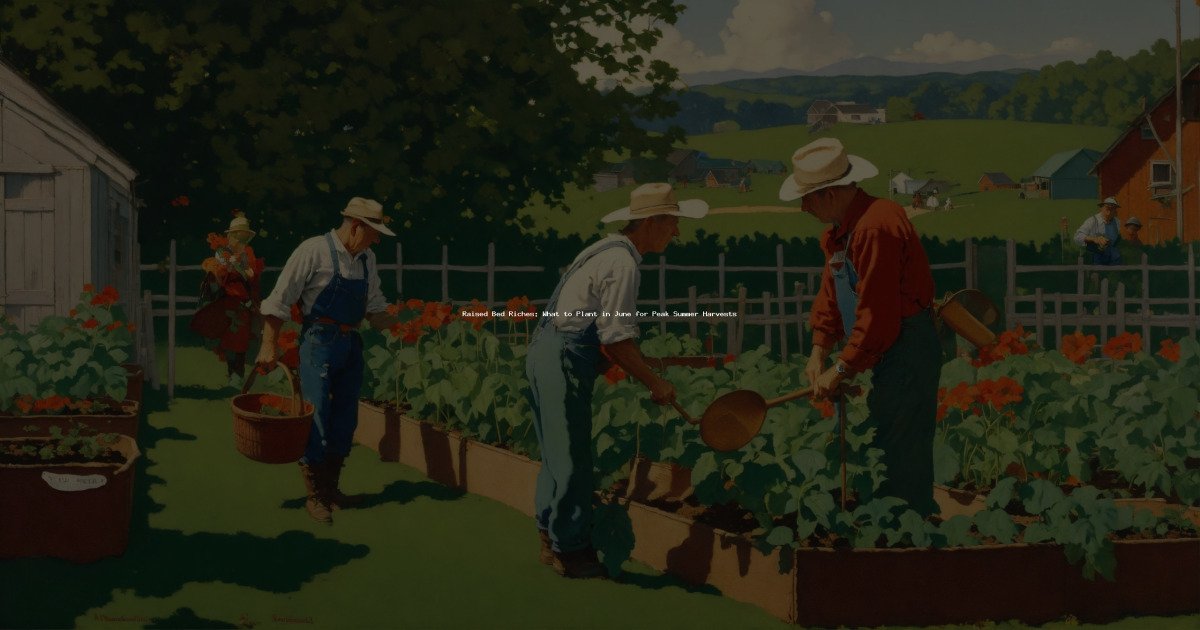
June is here, and with it, the vibrant hum of summer has truly kicked into high gear across the continental USA! The scent of freshly cut grass, the sizzle of backyard grills, and the promise of long, sun-drenched days fill the air. For American home gardeners, this isn’t just a time for relaxation; it’s a golden opportunity to cultivate incredible bounty in our raised beds. If you spent Memorial Day weekend getting your garden beds ready, now’s the time to maximize their potential and ensure a steady stream of delicious, homegrown produce right through to Labor Day.
There’s nothing quite like stepping out into your own backyard, basket in hand, to gather sun-ripened tomatoes, crisp cucumbers, or vibrant peppers. Raised beds make this dream even more accessible, offering improved drainage, warmer soil, and easier access for planting and harvesting. But with June’s arrival, many gardeners find themselves asking: “What exactly should I be planting NOW to get the most out of my summer?” The answer, as always in our wonderfully diverse nation, depends a little on where you call home, from the humid South to the cool Pacific Northwest, or the scorching Southwest to the temperate Northeast.
This comprehensive guide is your essential roadmap to navigating June planting for peak summer harvests. We’ll dive deep into region-specific advice, highlight heat-loving heroes that thrive in the summer sun, recommend top American products to support your efforts, and share expert tips to ensure your raised beds are overflowing with riches. Whether you’re an experienced green thumb or just starting your raised bed adventure, get ready to transform your backyard into a thriving oasis of flavor and freshness. Let’s get digging and make this your most productive summer garden yet!
Key Takeaways for Your June Raised Bed Garden:
- Plant Heat-Loving Crops: June is prime time for tomatoes, peppers, squash, and beans across most of the US.
- Regional Adaptations are Crucial: Tailor your plant choices and care to your specific USDA zone and local climate.
- Focus on Soil Health: Good soil mix, compost, and organic fertilizers are the foundation of success.
- Water Smart: Deep, consistent watering, especially in raised beds, is vital during summer heat.
- Succession Plant: For continuous harvests of quick-growing crops like lettuce (heat-tolerant varieties) and bush beans.
- Protect Your Investment: Implement pest control and disease prevention strategies early.
The Ultimate June Planting Guide for Your Raised Beds: Cultivating Peak Summer Harvests
June is the sweet spot for planting many of our favorite summer vegetables, especially for those in USDA Zones 5-9. The soil has warmed up considerably, night temperatures are consistently above 50°F, and the days are long, providing ample sunlight for vigorous growth. Your raised beds, with their excellent drainage and faster-warming soil, are perfectly poised to welcome a new wave of crops that will mature just in time for your Fourth of July barbecues and beyond.
When planning your June planting, think about what you want to be harvesting in July, August, and even early September. This is the time to get those long-season, heat-loving plants established, but also to sneak in some quick-maturing crops for immediate gratification. Remember, raised beds can heat up faster and dry out quicker than in-ground gardens, so choosing the right plants and maintaining consistent moisture is key.
Fast-Growing Favorites for Quick Rewards
Even though summer is in full swing, you can still plant crops that offer a quick turnaround. These are perfect for filling any gaps in your raised beds or for succession planting:
- Bush Beans: Varieties like ‘Provider’ or ‘Contender’ mature in about 50-60 days. Plant a row every two weeks for a continuous supply. They love warm soil and are relatively low-maintenance.
- Radishes: Some varieties, like ‘Cherry Belle,’ are ready in just 3-4 weeks. Choose heat-tolerant types if you’re in a very warm region to prevent bolting.
- Leafy Greens (Heat-Tolerant): While many lettuces bolt in summer, varieties like ‘Black Seeded Simpson’ or ‘Buttercrunch’ can tolerate more heat, especially if given some afternoon shade. Malabar spinach and New Zealand spinach are excellent heat-loving alternatives that thrive in summer.
- Summer Squash & Zucchini (Bush Varieties): Many bush varieties will produce in 45-60 days. Plant directly from seed for vigorous growth.
Heat-Loving Heroes for Mid-Summer Abundance
This is where June truly shines. These plants thrive in the long, hot days and will be the stars of your late summer harvest:
- Tomatoes: If you haven’t planted them yet, June is still a good time for starter plants, especially determinate varieties that produce a main crop all at once. For indeterminate types, ensure you have robust staking or caging ready. Look for disease-resistant varieties suited for your region.
- Peppers: Bell peppers, jalapeños, poblanos – all love the heat. Plant robust starts now and watch them flourish. They appreciate consistent moisture and full sun.
- Eggplant: Another heat-seeker, eggplant thrives in conditions similar to tomatoes and peppers. Varieties like ‘Black Beauty’ are classic choices.
- Cucumbers: Vining or bush varieties, cucumbers are prolific producers. Provide a trellis for vining types to save space and promote air circulation in your raised bed.
- Sweet Potatoes: Plant slips (sprouted sweet potato shoots) in June. These vining plants need plenty of space or can trail over the edges of your raised bed. They thrive in heat and are relatively drought-tolerant once established.
- Okra: A staple in Southern gardens, okra absolutely adores the heat. Plant seeds directly in your raised bed. ‘Clemson Spineless’ is a popular, productive variety.
- Melons (Bush Varieties): Small bush varieties of watermelon or cantaloupe can do well in larger raised beds, especially if allowed to sprawl or climb a sturdy trellis.
Remember to consider the mature size of your plants. Raised beds can quickly become overcrowded, leading to reduced air circulation and potential disease issues. Spacing plants appropriately and providing adequate support for vining crops will ensure a healthier, more productive garden. For a deeper dive into companion planting strategies that can boost your June harvest, check out our guide on https://ecorganicas.com/container-gardening-styling-make-pots-the-star-of-your-patio/.
No matter what you choose to plant, ensuring your raised bed soil is rich in organic matter and nutrients is paramount. A good start in June will set the stage for an incredible summer harvest that will keep your kitchen full of fresh, homegrown goodness.
Regional Riches: Tailoring Your June Garden Across the USA
The beauty and challenge of gardening in the United States lie in its incredible diversity of climates. What thrives in a June garden in Florida might struggle in Montana, and vice-versa. Understanding your specific USDA Hardiness Zone and local microclimate is crucial for successful June planting. Let’s break down some region-specific advice to help you maximize your raised bed potential.
Northeast & Upper Midwest (Zones 3-6)
For gardeners in states like New York, Pennsylvania, Michigan, or Wisconsin, June is your prime planting window. While your season might be shorter than those further south, you still have plenty of time for summer harvests. Focus on establishing heat-loving plants quickly and consider some succession planting for continuous yields.
- Plant Now: Tomatoes, peppers, eggplant, bush beans, cucumbers, summer squash, zucchini, corn (quick-maturing varieties), basil.
- Tips: Use row covers early in June if night temperatures are still dipping below 50°F. Opt for varieties with shorter “days to maturity.” Consider planting cool-season crops like kale or Swiss chard in afternoon shade for a longer harvest.
- Challenge: Shorter growing season, potential for late frosts (though rare in June).
The Sunny South & Gulf Coast (Zones 7-10)
From Texas to Florida, and up the Carolinas, June brings intense heat and humidity. Your planting strategy should focus on heat-tolerant varieties and ensuring adequate moisture and some afternoon shade for sensitive crops. Many traditional “summer” crops here are planted earlier in spring, but June still offers opportunities.
- Plant Now: Okra, sweet potatoes, southern peas (cowpeas), heat-tolerant varieties of beans, cherry tomatoes (often more heat-tolerant), eggplant, melons, gourds, peanuts.
- Tips: Provide afternoon shade with shade cloths for plants like tomatoes and peppers to prevent sunscald and encourage fruit set. Water deeply and consistently, preferably in the early morning. Mulch heavily to conserve soil moisture and keep soil temperatures stable.
- Challenge: Extreme heat, high humidity, intense sun, tropical storms.
Heartland & Central Plains (Zones 4-7)
States like Kansas, Nebraska, Iowa, and Missouri experience hot summers, often with strong winds and occasional thunderstorms. Your raised beds can be an advantage here, offering better drainage during heavy rains.
- Plant Now: Tomatoes, peppers, corn, bush beans, cucumbers, squash, melons, okra, sweet potatoes.
- Tips: Ensure good support for tall plants like corn and staked tomatoes to prevent wind damage. Deep watering is crucial to encourage strong root systems that can withstand dry spells. Consider drought-tolerant varieties where appropriate.
- Challenge: High summer temperatures, strong winds, intermittent drought or heavy rains.
Pacific Northwest (Zones 6-9)
Gardening in Oregon, Washington, and parts of Northern California often means cooler, wetter springs and mild summers. June is a fantastic time for a wide range of crops, but you might still need to protect heat-lovers.
- Plant Now: Bush beans, cucumbers, zucchini, summer squash, leafy greens (many varieties will still thrive), root vegetables (carrots, beets), peas (late crop), broccoli, cabbage, and heat-loving herbs like basil and cilantro. Tomatoes and peppers should be well-established, and you can plant more starts.
- Tips: Utilize cloches or row covers for heat-loving plants if summer temperatures are slow to arrive. Ensure good air circulation to prevent fungal diseases in the often-humid conditions.
- Challenge: Cooler summers, potential for late blight in tomatoes/potatoes due to humidity.
Arid Southwest (Zones 7-10)
For gardeners in Arizona, Nevada, Utah, and New Mexico, June brings intense dry heat. Raised beds are excellent here for managing soil and moisture. Your focus should be on heat and drought-tolerant plants, and providing protection from the relentless sun.
- Plant Now: Chiles (many varieties thrive in heat), melons, gourds, sweet potatoes, okra, Armenian cucumbers, some varieties of corn, tepary beans.
- Tips: Shade cloths are almost mandatory for most plants during the hottest part of the day (11 AM to 4 PM). Drip irrigation is highly recommended for efficient water delivery, minimizing evaporation. Plant in the early morning or evening to reduce transplant shock.
- Challenge: Extreme heat, low humidity, intense sun, limited water resources.
No matter your region, consulting your local extension office for specific recommendations tailored to your county can provide invaluable insights. They often have lists of recommended varieties and planting calendars for your exact location. For more detailed regional planting guides, https://ecorganicas.org/when-to-plant-garlic/ is a fantastic resource.
Essential Tools & Supplies for Your June Raised Bed Success: American Gardener’s Picks
Having the right tools and supplies can make all the difference in achieving a bountiful June harvest from your raised beds. We’re talking about products readily available at your favorite American home improvement stores like Home Depot and Lowe’s, or with a quick click on Amazon US. Investing in quality items now will save you time and effort throughout the summer.
Quality Soil & Amendments: The Foundation of Life
Your raised bed’s success starts with its soil. Unlike in-ground gardens, you have complete control over your raised bed’s growing medium. For June planting, ensure your soil is rich, well-draining, and teeming with life.
- Raised Bed Soil Mix: Look for bags specifically labeled “Raised Bed Mix.” Brands like Miracle-Gro Raised Bed Soil or Kellogg Garden Organics Raised Bed & Potting Mix (often found at Home Depot or Lowe’s) are formulated for excellent drainage and aeration. A 1.5 cubic foot bag typically costs around $10-$15.
- Organic Compost: Incorporating 1-2 inches of high-quality organic compost (e.g., Coast of Maine Organic & Natural Compost or local nursery brands) into your raised bed before planting provides essential nutrients and improves soil structure. A 1 cubic foot bag might be $8-$12.
- Worm Castings: For a nutrient boost, especially around new transplants, a handful of worm castings (e.g., Worm Castings Organic Fertilizer by Unco Industries on Amazon) can do wonders. A 15-pound bag runs about $25-$35.
Smart Watering Solutions: Keeping Your Crops Hydrated
June’s heat means consistent watering. Raised beds dry out faster, so efficient watering is key.
- Drip Irrigation Kit: A game-changer for raised beds. Kits like the Rain Bird Drip Irrigation Starter Kit or Orbit Drip Master Kit (available at Home Depot/Lowe’s, around $30-$50) deliver water directly to the plant roots, minimizing waste and evaporation. This is especially helpful in dry regions like the Southwest.
- Soaker Hoses: An affordable alternative to drip systems. A 50-foot Gilmour Flat Soaker Hose (around $20 on Amazon) can be snaked through your raised bed, providing slow, deep watering.
- Watering Can with Sprinkler Head: For small beds or new seedlings, a good 2-gallon watering can (e.g., Union 2 Gallon Watering Can, $10-$15) is essential.
Support Systems: Giving Your Plants a Lift
Many summer crops are vining or tall. Proper support prevents plants from sprawling, improves air circulation, and keeps fruit off the ground.
- Tomato Cages: Heavy-duty cages are a must for tomatoes, peppers, and even some compact squash. Look for sturdy, galvanized steel cages (e.g., Gardener’s Blue Ribbon Sturdy Tomato Cages at Lowe’s, $5-$10 each).
- Garden Trellises: For cucumbers, pole beans, and small melons, trellises save space. Expandable wooden trellises (e.g., Garden Treasures Expandable Trellis at Lowe’s, $15-$25) or mesh netting options are great.
- Plant Stakes: Bamboo stakes (bundles of 10 for $10-$15 on Amazon) or sturdy wooden stakes are versatile for individual plants.
Pest & Disease Prevention Essentials: Protecting Your Bounty
Summer brings pests and diseases. Being prepared can save your harvest.
- Neem Oil Spray: An organic, broad-spectrum pest control. Bonide Neem Oil (about $15-$20 for a concentrate on Amazon) is effective against aphids, spider mites, and powdery mildew.
- Insecticidal Soap: Another organic option for soft-bodied pests. Safer Brand Insecticidal Soap & Mite Killer (around $10-$15) is a good choice.
- Floating Row Covers: Lightweight covers (e.g., Agfabric Row Cover on Amazon, about $20-$30 for a large roll) can protect young plants from squash bugs, cucumber beetles, and other early summer pests, while still allowing light and water through.
Equipping yourself with these American-friendly gardening essentials from trusted retailers will set you up for a summer filled with successful harvests. Remember, proper care and the right tools go hand-in-hand with good planting practices!
Mastering Your Raised Bed Soil: The Secret to Abundant Harvests
The foundation of any successful garden, especially a raised bed garden, lies beneath the surface: in the soil. Unlike traditional in-ground gardening where you might inherit compacted or nutrient-depleted earth, raised beds give you the power to create the ideal growing environment from scratch. For June planting, optimizing your soil is paramount to ensuring your heat-loving crops thrive through the summer and deliver those peak harvests we’re all dreaming about.
The Perfect Mix: Crafting Your Nutrient-Rich Foundation
A good raised bed soil mix isn’t just dirt; it’s a carefully balanced blend designed for optimal plant health. You want a mix that retains moisture but drains well, preventing waterlogging while keeping roots hydrated. It should also be rich in organic matter to provide sustained nutrition.
- Base Layer (if starting new): Some gardeners opt for a base of wood chips, logs, or straw at the very bottom of a deep raised bed to reduce the amount of purchased soil needed and provide slow-release organic matter as it breaks down. This is known as Hugelkultur.
- The Core Blend: A common and highly effective mix is 60% topsoil, 30% high-quality compost, and 10% perlite or vermiculite.
- Topsoil: Provides structure and bulk. Purchase screened topsoil from a local landscape supplier or in bags from Home Depot or Lowe’s.
- Compost: This is your black gold. It adds a wealth of nutrients, improves soil structure, and introduces beneficial microorganisms. Use aged compost from your own compost pile or buy it bagged.
- Perlite or Vermiculite: These lightweight minerals improve drainage and aeration, crucial for preventing root rot and ensuring oxygen reaches the roots. Perlite is better for drainage, vermiculite for moisture retention.
- Adjusting pH: Most vegetables prefer a slightly acidic to neutral pH (6.0-7.0). If you’re unsure, a simple soil test kit (available at most garden centers for about $10-$20) can tell you. Adjust with garden lime to raise pH or elemental sulfur to lower it.
Feeding Your Plants: Sustained Nutrition Through Summer
As your plants grow vigorously in June’s warmth, they’ll be hungry! While your initial soil mix provides a good start, supplemental feeding is often necessary, especially for heavy feeders like tomatoes, corn, and squash.
- Organic Granular Fertilizers: Before planting, work in a slow-release organic granular fertilizer into the top few inches of your raised bed. Brands like Espoma Garden-tone or Jobe’s Organics Vegetable & Tomato Fertilizer (available at most garden centers and Amazon) provide a balanced blend of nitrogen, phosphorus, and potassium, plus micronutrients. Follow package directions for application rates, usually a few pounds per 100 square feet.
- Liquid Feeds: For a quick boost, especially when plants start flowering and fruiting, a liquid feed like fish emulsion (e.g., Alaska Fish Emulsion) or a balanced organic liquid fertilizer (e.g., FoxFarm Grow Big Liquid Plant Food) can be applied every 2-4 weeks. Dilute according to instructions and water your plants with it.
- Compost Tea: A homemade, nutrient-rich liquid that feeds both your plants and the soil microbes. Brew your own by steeping compost in water for a day or two.
Watering Wisdom: Deep Hydration for Hot Days
June’s rising temperatures mean increased water demands. Raised beds, while draining well, can also dry out faster than in-ground gardens. Smart watering is essential to prevent stress and encourage deep root growth.
- Water Deeply, Less Frequently: Aim to water deeply enough for moisture to reach the bottom of your raised bed. This encourages roots to grow down, making plants more resilient to dry spells. Instead of a light sprinkle every day, try a thorough soaking every 2-3 days, depending on heat and plant needs.
- Morning is Best: Water in the early morning. This allows the foliage to dry before nightfall, reducing the risk of fungal diseases, and minimizes water loss to evaporation during the hottest part of the day.
- Check Soil Moisture: Don’t just water on a schedule. Stick your finger 2-3 inches into the soil. If it feels dry, it’s time to water.
- Drip Irrigation/Soaker Hoses: As mentioned earlier, these are incredibly efficient for delivering water directly to the root zone, reducing waste and keeping foliage dry.
Mulch Magic: Conserving Moisture and Suppressing Weeds
Applying a layer of mulch is one of the easiest and most effective ways to support your raised bed in June.
- Benefits: Mulch helps retain soil moisture, keeping your plants hydrated for longer and reducing your watering frequency. It also suppresses weeds, which compete for nutrients and water, and helps regulate soil temperature, keeping roots cooler on scorching days.
- Types of Mulch: Straw (avoid hay as it contains weed seeds), shredded leaves, or untreated wood chips are excellent organic options. Apply a 2-4 inch layer around your plants, keeping it a few inches away from stems to prevent rot.
By focusing on these soil management practices, your raised beds will become powerhouses of production, giving you a continuous supply of fresh, delicious produce throughout the summer. Remember, healthy soil equals healthy plants, and healthy plants mean abundant harvests! https://ecorganicas.org/how-deep-to-plant-potatoes/ is a great resource for understanding soil health more deeply.
Pest & Disease Patrol: Protecting Your Summer Bounty from June Onward
As your raised beds burst with life in June, unfortunately, so do the populations of various garden pests and disease pathogens. The warm, often humid conditions of summer can create a perfect breeding ground for both. A proactive approach to pest and disease management is crucial to ensure your peak summer harvests aren’t decimated. Remember, a healthy plant is more resistant to problems, so continue with good soil, water, and nutrient practices.
Common June Pests & How to Tackle Them
Keep a watchful eye on your plants daily. Early detection is your best defense!
- Aphids: These tiny, soft-bodied insects cluster on new growth, sucking sap and leaving behind sticky honeydew.
- Solution: Blast them off with a strong spray of water from your hose. For heavier infestations, use insecticidal soap or neem oil spray. Encourage beneficial insects like ladybugs and lacewings, which are natural predators.
- Squash Bugs & Squash Vine Borers: These are notorious for attacking squash, zucchini, and pumpkins. Squash bugs suck sap, causing leaves to wilt and turn yellow. Borers tunnel into the vines, causing sudden wilting.
- Solution: For squash bugs, hand-pick adults and nymphs, and scrape off egg clusters (often found on the underside of leaves). For borers, inspect vines for entry holes and try to physically remove them with a wire. Floating row covers can protect young plants until flowering.
- Tomato Hornworms: Large, green caterpillars that can defoliate a tomato plant overnight.
- Solution: Hand-pick them off your plants (they’re camouflaged but distinctive). Look for their droppings on leaves. Beneficial wasps can parasitize them.
- Cucumber Beetles: Small, yellow-and-black striped or spotted beetles that chew on leaves and can transmit bacterial wilt.
- Solution: Use floating row covers early in the season. Hand-pick if numbers are low. Neem oil can deter them.
Fungal Foes: Battling Summer Diseases
High humidity and warm temperatures are a recipe for fungal