
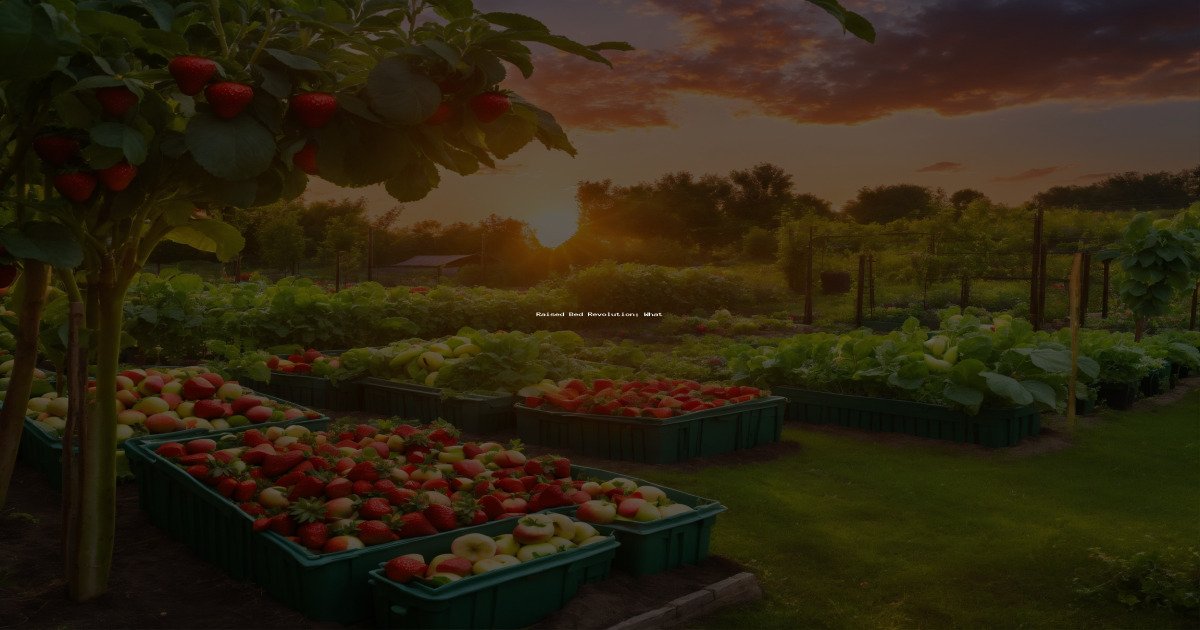
The Raised Bed Revolution: What Every American Home Gardener Needs to Know This Summer
Ah, June! The sun is high, the days are long, and the vibrant energy of summer gardening is calling to every American homeowner. Perhaps you’re dreaming of juicy, vine-ripened tomatoes, crisp bell peppers, or fragrant basil to elevate your summer cooking. You envision a lush, productive garden, a true oasis right in your backyard. But then reality sets in: the back-breaking work of tilling, the endless battle with stubborn weeds, the disappointment of compacted, nutrient-poor soil, or the sheer frustration of pests decimating your precious plants. Maybe you’ve tried traditional in-ground gardening in your USDA Zone 6 backyard in Ohio, only to find the clay soil unforgiving, or perhaps your Zone 9 Florida yard struggles with nematodes and relentless humidity. Even in the sun-drenched landscapes of California (Zone 10) or the expansive plains of Texas (Zone 8), gardeners face unique challenges, from water conservation to extreme heat.
What if there was a simpler, more effective way to cultivate that dream garden? A method that promises better soil, fewer weeds, easier access, and a more abundant harvest, all while being kinder to your back and your schedule? Enter the raised bed revolution! This isn’t just a fleeting trend; it’s a transformative approach to home gardening that’s sweeping across the continental USA, from the urban rooftops of the Northeast to the sprawling ranches of the Southwest. Raised beds offer a controlled environment where you dictate the terms – the soil, the nutrients, the drainage – creating an ideal sanctuary for your plants to thrive, especially during the peak growing months of summer.
Whether you’re a seasoned green thumb looking to optimize your yield or a complete beginner eager to start your first successful garden, raised beds are your secret weapon. They solve so many common gardening woes that plague American gardeners, from the heavy, rocky soils of New England to the sandy, fast-draining earth of the Carolinas. Imagine reaching your plants without bending over, watering precisely without waste, and enjoying a nearly weed-free haven. This June, as you plan your summer bounty, join us in exploring the “what” of raised beds – what they are, why they work so incredibly well, and how you can harness their power to create the garden of your dreams. Get ready to revolutionize your gardening experience and enjoy the most rewarding summer harvest yet!
Key Takeaways: Your Raised Bed Revolution Checklist
- What They Are: Elevated garden plots filled with custom soil, offering superior control and numerous benefits over traditional in-ground gardening.
- Why They’re Essential: Solves common US gardening problems like poor soil, weeds, drainage, and accessibility, leading to healthier plants and bigger harvests.
- Summer Advantage: Perfect for June planting, providing ideal conditions for heat-loving crops and easier summer maintenance.
- Getting Started: Choose between DIY or pre-made kits, focusing on durable materials like cedar, galvanized steel, or composite.
- Soil is Key: Invest in a high-quality soil blend (topsoil, compost, amendments) for optimal plant nutrition.
- Plant Smart: Select summer stars like tomatoes, peppers, squash, and herbs, considering your specific USDA zone.
- Maintain for Success: Master summer watering, organic pest control, and regular feeding for a thriving garden.
The “What” of Raised Beds: Your Ultimate Garden Game-Changer
Defining the Raised Bed Advantage: More Than Just a Box
At its core, a raised garden bed is simply an elevated gardening space, typically enclosed by a frame of wood, metal, stone, or composite material. But don’t let its simplicity fool you; it’s a powerhouse for transforming your gardening experience. Unlike traditional in-ground gardens where you’re at the mercy of your native soil, a raised bed allows you to create the perfect growing medium from scratch. Imagine a contained world where your plants have exactly what they need: rich, loose soil, excellent drainage, and optimal aeration. This is particularly crucial for American homeowners battling dense clay soils in the Midwest or rocky terrain in the Northeast, or conversely, sandy, nutrient-leaching soils common in parts of the South and Southwest.
These elevated plots vary in size and depth, but a common dimension for home gardeners is 4 feet wide by 8 feet long, allowing easy reach from either side without stepping on the soil. Depths typically range from 6 inches for shallow-rooted plants to 24 inches or more for deep-rooted vegetables and enhanced accessibility. In June, as the summer sun intensifies, the benefits of this controlled environment become even more apparent. The soil in raised beds warms up faster in spring, extending your growing season, and in summer, it provides consistent drainage, preventing waterlogging during heavy thunderstorms common in many US regions. This precision control is what makes raised beds a true revolution for gardeners across diverse climates and conditions.
Unlocking the Benefits: Why Every US Gardener Needs One
The advantages of raised beds are numerous and compelling, addressing many pain points for American gardeners:
- Superior Soil Control: This is arguably the biggest benefit. You fill your bed with a custom blend of topsoil, compost, and amendments, ensuring perfect drainage, aeration, and nutrient availability. No more fighting compacted clay or nutrient-starved sand!
- Fewer Weeds: Because you’re starting with fresh, weed-free soil, and the bed is elevated, you’ll experience significantly less weed pressure. Any weeds that do appear are usually easy to spot and pull, saving your back and your sanity during busy summer months.
- Improved Drainage: Raised beds naturally drain better than in-ground gardens, preventing root rot and creating a healthier environment for your plants, especially vital in rainy regions like the Pacific Northwest or during monsoon season in the Southwest.
- Extended Growing Season: The soil in raised beds warms up faster in the spring, allowing you to plant earlier. In some northern states (USDA Zones 4-6), this can mean an extra few weeks of harvest.
- Enhanced Accessibility: For gardeners with mobility issues or those who simply prefer not to kneel or bend excessively, taller raised beds offer a comfortable gardening experience. This makes gardening enjoyable for everyone, including seniors or those with physical limitations.
- Pest and Critter Deterrence: The elevated nature of the beds can deter some ground-dwelling pests like slugs and snails. You can also easily add netting or fencing around raised beds to protect against larger critters like rabbits and squirrels, a common nuisance for gardeners from New York to California.
- Neat & Tidy Appearance: Raised beds create a defined, organized look in your yard, turning your garden into a beautiful landscape feature rather than just a patch of dirt.
Why Now? Summer’s Perfect Opportunity
June is an ideal time to either establish new raised beds or maximize the potential of existing ones. For those just starting, the warm soil temperatures mean quick germination and rapid plant growth, allowing you to catch up on the summer planting season. Many heat-loving vegetables thrive when planted in early to mid-June across most of the continental USA, especially after the last frost date has safely passed, which is typically Memorial Day weekend for many northern states. For established raised beds, June is all about maintenance and maximizing yield. With the long days and abundant sunlight, your plants are in their peak growth phase, demanding consistent care, watering, and feeding. The controlled environment of a raised bed makes these tasks much more manageable, ensuring your summer garden flourishes.
Designing Your Dream Raised Bed Oasis: Summer Planning Secrets
Sizing Up Your Space: Practical Dimensions for American Yards
Before you even think about materials, consider your space. Most American yards, whether a compact urban plot or a sprawling suburban landscape, can accommodate at least one raised bed. The most popular dimensions are 4 feet wide, allowing you to reach the center from either side without stepping into the bed and compacting the soil. Lengths can vary greatly, but 8 feet is a common and manageable size. For those with limited space, smaller 2×4 foot or 2×6 foot beds are perfect for herbs or a few select vegetables. When planning, think about pathways between beds – ideally, at least 2 to 3 feet wide – to allow for comfortable movement, wheelbarrow access, and good air circulation around your plants, which is vital in humid summer conditions. For gardeners seeking ultimate accessibility, consider beds that are 24-36 inches tall, allowing you to garden from a standing position or even a wheelchair. Remember, raised beds conserve space and often yield more per square foot than traditional gardens, making them a smart choice for any size yard.
Location, Location, Location: Harnessing the Summer Sun
Just like real estate, the success of your garden hinges on its location. Most vegetables and fruits require at least 6-8 hours of direct sunlight per day, especially during the intense growing period of summer. Scout your yard throughout the day to identify the sunniest spots. Avoid areas heavily shaded by trees, fences, or your house. If you live in a region with extremely intense summer sun, like Arizona or Southern California (USDA Zone 9-10), consider a location that gets some afternoon shade, or plan to install shade cloth during the hottest months to prevent scorching your plants. Also, think about proximity to a water source. Dragging a 50-foot hose across your yard multiple times a week can quickly become a chore. Positioning your raised beds near a spigot or planning for a drip irrigation system will save you time and effort. Finally, ensure the ground beneath your raised bed is relatively level to prevent uneven settling and drainage issues. A slight slope is manageable, but significant inclines will require more site preparation.
Essential Materials: What You’ll Need to Get Started
The choice of material for your raised bed frame is crucial for its longevity and aesthetic appeal. Here are some popular options available at American retailers like Home Depot, Lowe’s, and Amazon US:
- Wood: Naturally rot-resistant woods like cedar, redwood, or juniper are excellent choices. They are beautiful, natural, and generally safe for organic gardening. Avoid pressure-treated lumber made before 2003, as it might contain chemicals. Look for untreated cedar planks, often available in 2×6 or 2×8 inch dimensions. Expect to pay $30-$70 per 8-foot plank depending on wood type and dimension.
- Galvanized Steel: Increasingly popular, galvanized steel raised beds offer a modern, sleek look and incredible durability. They resist rust and pests, and their reflective surface can even help regulate soil temperature. They come in various colors and sizes, often as modular kits. Price ranges from $80-$300 for a standard 4×8 ft bed.
- Composite Lumber: Made from recycled plastics and wood fibers, composite lumber is incredibly low-maintenance, rot-proof, and splinter-free. It’s often more expensive upfront than wood but lasts much longer. Ideal for those who want a “set it and forget it” solution. Available at Home Depot and Lowe’s, similar to deck boards, with prices comparable to higher-end wood.
- Stone/Brick: For a permanent and highly attractive option, stone or brick can be used. This is a more labor-intensive and costly choice but offers unparalleled durability and aesthetic appeal. You’d typically source these from local landscape suppliers or large hardware stores.
- Fabric Grow Bags: While not a traditional “raised bed” in the framed sense, large fabric grow bags (like 100-gallon or 150-gallon sizes) act as individual raised beds. They are inexpensive, portable, offer excellent aeration, and are perfect for renters or those wanting flexibility. A 100-gallon grow bag might cost $15-$30 on Amazon US.
No matter your material choice, ensure it’s sturdy enough to hold the significant weight of wet soil. You’ll also need basic tools like a drill, screws, a level, and a tape measure for most constructions.
Building Your Raised Bed: Easy DIY Projects & Top-Tier Kits
The DIY Adventure: Crafting Your Own from Scratch
Building your own raised bed can be a satisfying and cost-effective project, especially if you’re handy with tools. For a classic wooden raised bed, you’ll typically need 2×6 or 2×8 inch cedar or redwood planks. For a 4×8 foot bed, you’ll need two 8-foot planks and two 4-foot planks for each layer of height you desire. Secure the corners with sturdy deck screws (3-inch minimum) or metal corner brackets for added strength. Many American DIYers opt for a simple butt joint construction, reinforcing with additional corner bracing. If you’re stacking multiple layers, use rebar stakes driven through pre-drilled holes in the wood to prevent bowing and provide stability. Consider lining the bottom with hardware cloth (1/4 inch mesh) if you have issues with gophers or voles, common in many parts of the US, particularly agricultural or rural areas. This step is critical for protecting your roots from underground pests. Always use a level to ensure your frame is square and plumb; a well-built bed will last for years, providing a beautiful foundation for your summer harvests.
Pre-Made Perfection: Convenience from Home Depot & Lowe’s
If DIY isn’t your forte or you’re short on time, pre-made raised bed kits are an excellent solution. Retailers like Home Depot, Lowe’s, and Amazon US offer a vast array of options that are often easy to assemble with minimal tools. You can find kits made from:
- Cedar or Fir Wood Kits: These often feature dovetail joints or pre-drilled holes for easy screw assembly. Brands like Greenes Fence are popular for their interlocking designs, making setup a breeze. A 4×8 ft cedar kit might range from $150-$400.
- Galvanized Steel Kits: These typically arrive as corrugated metal panels that bolt together. Brands like Vego Garden (also available on Amazon) offer robust, long-lasting options with a modern aesthetic, often costing $200-$500 for a substantial bed.
- Composite Kits: These are usually modular systems that snap or screw together, offering the benefits of composite lumber without the need for cutting. They are virtually maintenance-free once assembled.
When purchasing a kit, check the dimensions, material thickness, and assembly instructions. Read reviews to ensure the product is sturdy and lives up to its claims. For summer, quick assembly means you can get your plants in the ground faster and start enjoying your harvest sooner!
Tools & Techniques for a Rock-Solid Foundation
Regardless of whether you build from scratch or assemble a kit, having the right tools makes the job much easier. You’ll definitely need:
- Tape Measure: For accurate sizing and marking.
- Drill/Driver: Essential for screws and pre-drilling holes (if using wood).
- Level: To ensure your bed is perfectly level, preventing uneven soil settling and water distribution.
- Square: To ensure corners are at a perfect 90-degree angle.
- Shovel and Rake: For clearing the area and leveling the ground.
- Gloves: To protect your hands.
A crucial technique for any raised bed, especially in regions with invasive weeds or tenacious grass like Bermuda grass (a common foe for gardeners in the Southern US), is to line the bottom. Lay down a thick layer of cardboard (remove all tape and labels) directly on the leveled ground. This acts as a weed barrier, slowly breaks down, and adds organic matter. You can also add a layer of landscape fabric over the cardboard for extra protection, but ensure it’s permeable to allow drainage. This simple step can save you countless hours of weeding during the hot summer months, allowing your plants to thrive without competition.
The Ultimate Soil Recipe: Filling Your Raised Bed for Bumper Harvests
Crafting the Perfect Blend: Beyond Just Dirt
This is where the raised bed truly shines – you get to create the ideal growing environment from scratch! Don’t make the mistake of just filling your beds with random garden soil or cheap topsoil; your plants deserve better. A high-quality soil mix is the foundation of a successful raised bed garden. For most vegetables, you’re aiming for a blend that is rich in organic matter, well-draining, and retains moisture. A popular and effective “recipe” for American gardeners is often referred to as Mel’s Mix or a variation thereof:
- 60% High-Quality Topsoil or Loam: This provides the bulk of your growing medium. Look for products labeled “screened topsoil” or “garden soil” from reputable nurseries or landscape suppliers, often sold by the cubic yard (which is about 27 cubic feet). Avoid soil that feels heavy, sticky, or smells sour.
- 30% Organic Compost: This is the “gold” of your soil mix, providing essential nutrients, improving soil structure, and enhancing water retention. Use a variety of composts if possible – mushroom compost, worm castings, leaf mold, or well-rotted animal manure (cow, chicken, horse). You can buy bagged compost from Home Depot or Lowe’s, often in 1-2 cubic foot bags, or source it locally.
- 10% Vermiculite or Perlite: These lightweight minerals improve aeration and drainage, while also helping the soil retain moisture and nutrients. Vermiculite tends to hold more water, while perlite provides more air space. Many gardeners use a 50/50 mix of both. These are typically sold in large bags at garden centers.
Thoroughly mix these components before adding them to your raised bed. This ensures an even distribution of nutrients and texture, creating a loose, fluffy medium that roots will love. For a 4×8 foot bed that’s 12 inches deep, you’ll need approximately 32 cubic feet (a little over 1 cubic yard) of soil mix. Investing in good soil now will pay dividends in healthier plants and more abundant harvests all summer long.
The “Lasagna” Layering Method: Building Fertility from Below
An alternative or complementary approach to filling your raised bed, especially for deeper beds or if you want to reduce the amount of purchased soil, is the “lasagna” layering method. This technique involves building layers of organic materials that will decompose over time, enriching your soil and providing a slow-release nutrient source. It’s particularly effective when setting up new beds in spring or early summer, allowing the materials to begin breaking down. Here’s a common layering approach:
- Bottom Layer (Weed Barrier): Start with a layer of flattened cardboard (no tape or labels), directly on the ground. This smothers existing weeds and eventually decomposes.
- “Brown” Layers: Add 6-8 inches of carbon-rich materials like dried leaves, straw, wood chips (untreated), or aged newspaper. These break down slowly.
- “Green” Layers: Follow with 4-6 inches of nitrogen-rich materials such as grass clippings (untreated, no herbicides), kitchen scraps (no meat/dairy), or fresh compost.
- Thin Soil/Compost Layer: Sprinkle a few inches of your prepared soil mix or compost to introduce microbes and speed decomposition.
- Repeat: Continue alternating “brown” and “green” layers, moistening each layer as you go, until you’re about 12-18 inches from the top.
- Top Layer: Finish with at least 6-12 inches of your premium soil mix, which is where you’ll plant your seeds and seedlings.
The lasagna method is a fantastic way to utilize yard waste and build incredibly fertile soil over time. It’s an environmentally friendly approach that gardeners across the US are embracing to create sustainable, productive gardens. https://ecorganicas.com/10-aesthetic-plants-for-a-quiet-luxury-garden-look/Learn more about composting for your raised beds here.https://ecorganicas.com/10-aesthetic-plants-for-a-quiet-luxury-garden-look/
Essential Amendments for Thirsty Summer Crops
Even with a great soil mix, your raised bed plants, especially heavy feeders like tomatoes and squash, will appreciate additional nutrients throughout the summer. Before planting, consider incorporating:
- Bone Meal: Excellent for phosphorus, promoting strong root development and flowering.
- Blood Meal: Provides a quick boost of nitrogen for leafy green growth.
- Kelp Meal: A fantastic all-around organic fertilizer, rich in micronutrients and growth hormones.
- Balanced Organic Granular Fertilizer: A slow-release option (e.g., 5-5-5 or 4-4-4 NPK) specifically formulated for vegetables. Brands like Espoma or Dr. Earth are widely available at US garden centers.
Mix these amendments into the top 6-8 inches of your soil before planting. As the summer progresses and your plants begin to fruit, you’ll likely need to side-dress or use liquid feeds, which we’ll cover in the maintenance section. Remember, healthy soil leads to healthy plants, which means a healthier you and delicious food for your table!
What to Plant in June: Summer Stars for Your Raised Bed Revolution
Heat-Loving Vegetables: Your Raised Bed’s Summer Bounty
June is prime planting time for a vast array of heat-loving vegetables across most of the continental USA, especially after any lingering cool spells have passed. Raised beds provide the perfect environment for these sun-worshippers, as the soil warms up quickly and offers excellent drainage. Here are some top picks for your June planting list, available from beloved American seed companies like Burpee, Baker Creek Heirloom Seeds, and Park Seed:
- Tomatoes: The undisputed king of the summer garden! From cherry varieties like ‘Sungold’ to beefsteaks like ‘Brandywine’ or ‘Celebrity’, tomatoes thrive in raised beds. Plant seedlings deeply, burying part of the stem to encourage more root growth. Provide sturdy stakes or cages.
- Peppers: Bell peppers, jalapeños, poblanos, and serranos all love the heat. Plant robust seedlings and give them plenty of sun.
- Squash & Zucchini: Bush varieties are ideal for raised beds, saving space. ‘Black Beauty’ zucchini or ‘Pattypan’ squash are prolific producers. Give them ample room and consistent water.
- Cucumbers: Vining cucumbers can be trained up a trellis or cage within your raised bed, maximizing vertical space. ‘Marketmore 76’ is a dependable slicer.
- Beans: Bush beans (e.g., ‘Contender’, ‘Provider’) are perfect for raised beds. Plant seeds directly into the warm soil every 2-3 weeks for a continuous harvest. Pole beans can also be grown on trellises.
- Eggplant: Varieties like ‘Black Beauty’ or ‘Nadia’ do wonderfully in raised beds, especially in warmer climates.
- Okra: A Southern favorite, okra thrives in intense summer heat and is a great choice for Zone 7-10 gardeners.
- Sweet Potatoes: If your raised bed is deep enough (12-18 inches), sweet potatoes can be a fun and rewarding crop, especially in the South.
- Corn: Dwarf or ‘baby’ corn varieties can be grown in larger raised beds, planted in blocks for good pollination.
Remember to check the “days to maturity” on your seed packets or plant tags to ensure you have enough time for a harvest before your region’s first frost in fall.
Fragrant Herbs & Sweet Fruits: Complementing Your Harvest
Don’t forget the power of herbs and a few select fruits to round out your raised bed garden:
- Herbs: Basil (sweet basil, Genovese), rosemary, thyme, oregano, mint (plant in a separate container within the raised bed to prevent spreading!), cilantro (may bolt in extreme heat, but can be succession planted), and dill are all fantastic for raised beds. They add flavor to your cooking and can even deter some pests.
- Strawberries: Everbearing or day-neutral varieties can be grown as a groundcover around taller plants or in dedicated sections of your raised bed. They produce sweet berries throughout the summer.
- Blueberries: Dwarf blueberry bushes can thrive in larger, deeper raised beds, provided you amend the soil to be