Are you dreaming of a garden overflowing with vibrant tomatoes, crisp lettuce, and fragrant herbs this summer? Imagine stepping out your back door in June to harvest a bounty that makes your neighbors green with envy. For many American home gardeners, that dream can sometimes feel out of reach, especially when battling rocky soil, persistent weeds, or even just the sheer physical toll of traditional in-ground gardening.
Perhaps you’ve experienced the frustration of compacted soil in your backyard in Kansas, leading to stunted carrots, or the relentless battle against nematodes in the humid South. Maybe your precious plants in the Pacific Northwest struggled with drainage, or your desert garden in Arizona faced extreme heat stress, making consistent watering a never-ending chore. We’ve all been there, staring at a less-than-stellar harvest, wondering if our green thumb was actually a shade of brown.
But what if there was a way to bypass these common challenges, to create an almost perfect growing environment tailored precisely to your plants’ needs? Enter the raised garden bed – not just a trend, but a transformative gardening method that has revolutionized the way millions of Americans grow food and flowers. From the bustling suburbs of New Jersey to the sprawling ranches of Texas, raised beds are proving to be the secret weapon for gardeners seeking healthier plants, bigger yields, and a more enjoyable gardening experience.
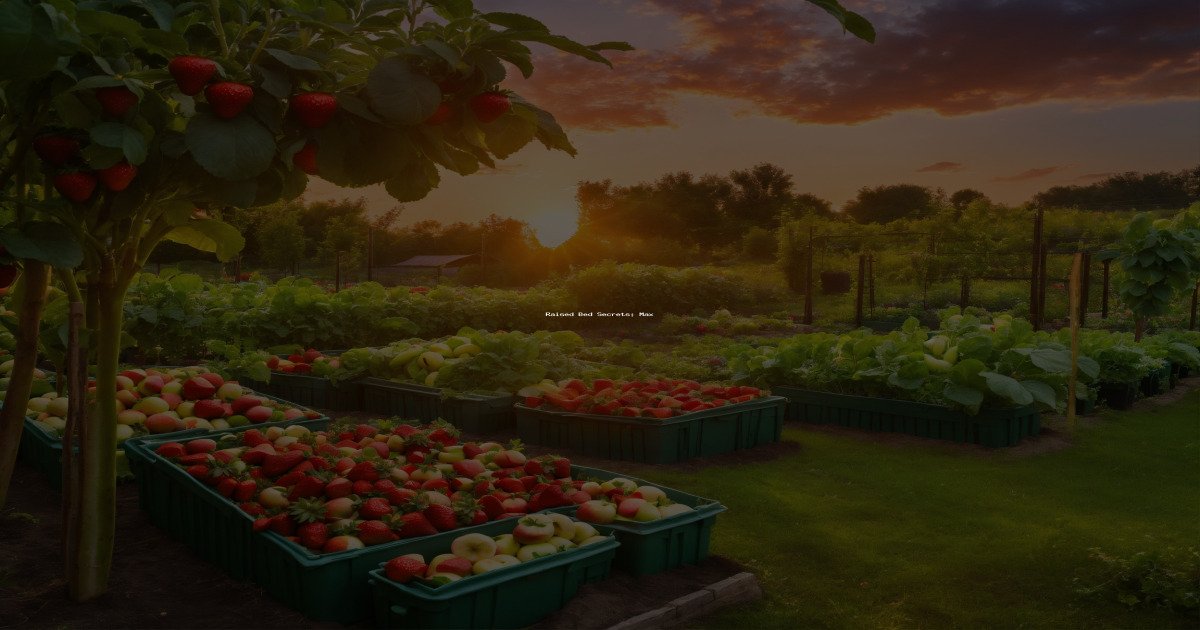
June is upon us, the heart of summer for most of the continental USA, and the perfect time to optimize your raised beds for peak performance. Whether you’re in USDA Zone 3 in Minnesota or Zone 10 in Florida, understanding the nuances of raised bed gardening can make all the difference between a mediocre season and a truly abundant one. This isn’t just about building a box; it’s about crafting a customized ecosystem. We’re going to dive deep into the ‘Raised Bed Secrets: Max’ – maximizing your space, maximizing your soil health, maximizing your yields, and maximizing your joy.
Forget the backaches and endless weeding. Get ready to discover proven strategies, region-specific advice, and the best American products that will turn your raised beds into powerhouses of production. From ensuring optimal drainage in the rainy Northeast to battling the intense sun of the Southwest, we’ve got you covered. It’s time to elevate your gardening game and experience the sheer delight of pulling a perfect ripe tomato from your own elevated patch of paradise. Let’s dig in and unleash the full potential of your raised beds this summer!
Key Takeaways for Maximizing Your Raised Beds:
- Strategic Soil Building: The foundation of success lies in a custom-blended, nutrient-rich soil mix tailored for raised beds.
- Efficient Watering: Implement smart irrigation solutions like drip systems to conserve water and deliver it directly to plant roots, especially crucial in hot June weather.
- Regional Adaptation: Understand and address the unique challenges and opportunities your specific US climate (Northeast, South, Midwest, PNW, Southwest) presents.
- Smart Planting Techniques: Utilize companion planting, succession planting, and vertical gardening to boost yields and manage pests naturally.
- Timely Feeding: Provide consistent, balanced nutrition through organic amendments or targeted fertilizers to support vigorous growth throughout the summer.
- Quality American Products: Invest in durable, effective tools and materials from trusted US retailers like Home Depot, Lowe’s, and Amazon to ensure longevity and performance.
Unlocking Summer’s Bounty: June Raised Bed Strategies for Peak Performance
June marks the true arrival of summer across much of the United States, bringing longer days, warmer temperatures, and vigorous plant growth. For your raised beds, this means a shift in focus from planting to intensive care and maximizing the potential of what you’ve sown. The strategies you implement now will directly impact the abundance of your mid-to-late summer harvest. Whether you’re growing tomatoes, peppers, squash, or a medley of herbs, these June-specific tips are crucial for a thriving raised bed.
Mastering Moisture: Watering Wisdom for Hotter Days
As temperatures climb into the 80s and 90s Fahrenheit, consistent moisture becomes paramount. Raised beds, by their nature, drain more efficiently and can dry out faster than in-ground gardens. This is a double-edged sword: excellent drainage prevents root rot, but it also demands more vigilant watering. Aim for deep, infrequent watering rather than shallow, daily sprinkles. This encourages roots to grow deeper, making plants more resilient to heat stress. A good rule of thumb is to provide 1 to 2 inches of water per week, either from rainfall or irrigation. Check the soil moisture by sticking your finger about 2 inches deep; if it feels dry, it’s time to water. Consider installing a drip irrigation system or soaker hoses, which deliver water directly to the root zone, minimizing evaporation and saving you time. Mulching with a 2-3 inch layer of straw, shredded leaves, or wood chips is an absolute game-changer in June. Mulch conserves soil moisture, suppresses weeds, and helps regulate soil temperature, keeping roots cooler on scorching days. This is especially vital for plants in sunny spots across all USDA zones.
Feeding Frenzy: Nutrient Needs for Rapid Growth
Your plants are actively growing, flowering, and setting fruit in June, which means they are hungry! The initial nutrients in your raised bed soil may be depleting. It’s time for a mid-season boost. For most fruiting vegetables like tomatoes, peppers, and cucumbers, a balanced organic fertilizer or a liquid feed rich in phosphorus and potassium will encourage flower and fruit development. Look for formulations like a 2-5-3 or 3-4-4 NPK ratio. For leafy greens that you might be succession planting (more on that later), a nitrogen-rich boost can be beneficial. Consider compost tea, fish emulsion, or a granular organic fertilizer. Always follow package directions for application rates to avoid over-fertilizing, which can burn plants. A light side-dressing of compost around the base of plants can also provide a slow-release nutrient boost and improve soil structure. Remember, healthy soil leads to healthy plants, and June is the time to replenish those vital nutrients. Learn more about soil amendments at https://ecorganicas.com/how-to-grow-a-tea-garden-from-leaf-to-mug/.
Pest Patrol and Disease Defense
Warmer weather also brings out the bugs and can encourage fungal diseases. Regular scouting is your best defense. Walk through your raised beds daily, inspecting the tops and undersides of leaves. Look for common summer pests like aphids, spider mites, squash bugs, and tomato hornworms. Early detection means easier management. Handpick larger pests, use a strong jet of water to dislodge aphids, or apply insecticidal soap for more widespread infestations. For fungal issues like powdery mildew (common on squash and cucumbers in humid climates), ensure good air circulation by proper spacing and pruning. Remove affected leaves immediately. Consider planting basil near tomatoes to deter hornworms, or marigolds to repel nematodes. Neem oil can be a valuable organic tool for both pest and disease prevention. Staying proactive in June will prevent minor issues from becoming major problems that devastate your harvest.
Regional Riches: Tailoring Your Raised Bed to America’s Diverse Climates
The vastness of the continental United States means that “gardening advice” is rarely one-size-fits-all. What works perfectly in a raised bed in sunny California might lead to frustration in humid Florida. Understanding your specific regional climate – from USDA zones to local weather patterns – is paramount to maximizing your raised bed’s potential. Let’s explore how to fine-tune your approach based on where you call home.
Northeast & Mid-Atlantic: Battling Humidity and Late Frosts
From Maine to Virginia, gardeners in the Northeast and Mid-Atlantic face a unique blend of challenges. Summers can be hot and humid, leading to increased risk of fungal diseases like powdery mildew and blight, especially in June. Raised beds offer superior drainage, which is a huge advantage here. Ensure excellent air circulation by proper plant spacing and pruning. Consider disease-resistant varieties of tomatoes and squash. Early spring and late fall frosts are always a concern, so your raised beds might benefit from low tunnels or row covers extending into early June for tender plants, providing protection from unexpected cold snaps. Mulching is crucial here to suppress weeds and retain consistent moisture during dry spells between summer rains. Focus on crops that thrive in moderate summers, like leafy greens, peas (early summer), beans, root vegetables, and a wide array of herbs. Good soil aeration is key to prevent compaction from heavy rains. Find out more about regional planting calendars at https://ecorganicas.org/do-plant-cells-have-mitochondria/.
The South (Southeast & Gulf Coast): Heat, Humidity, and Pests Galore
Gardening in the Deep South (think Florida, Georgia, Louisiana, Texas Gulf Coast) means contending with intense heat, oppressive humidity, and a year-round parade of pests. June is peak summer here, often too hot for many cool-season crops. Your raised beds need excellent drainage and heat-tolerant soil mixes. Incorporate plenty of organic matter to improve water retention without sacrificing drainage. Watering deeply and frequently is essential, often twice a day during peak heat. Afternoon shade cloth can be a lifesaver for heat-sensitive plants like lettuce or spinach, extending their season. Focus on heat-loving crops such as sweet potatoes, okra, Southern peas, and specific varieties of tomatoes (e.g., ‘Florida 91’, ‘Heatwave II’). Nematodes are a common issue; raised beds allow you to control your soil composition, so consider nematode-resistant varieties or soil amendments like marigolds. Succession planting is vital, as some crops will “burn out” by mid-summer. Consider a fall planting of many vegetables after the worst of the summer heat has passed.
Midwest: Extremes of Heat and Cold
The Midwest experiences dramatic temperature swings, from frigid winters to scorching, often humid, summers. Raised beds are fantastic for extending the growing season here, as the soil warms up faster in spring. In June, you’ll be dealing with significant heat. Soil health is paramount: a rich, organic-matter-filled raised bed mix will buffer against temperature extremes and retain moisture during dry periods. Mulching is non-negotiable. Plan for crops that can handle heat, but also watch for early season hail or late spring frosts that can still sneak in. Common crops include corn, beans, squash, potatoes, and a wide variety of tomatoes and peppers. Be vigilant with watering during dry spells and consider windbreaks if your garden is exposed. Raised beds also make it easier to add protection like row covers for unexpected weather events. Learn more about Midwestern gardening from your local extension office at https://ecorganicas.org/how-deep-to-plant-potatoes/.
Pacific Northwest: Mild Summers and Abundant Moisture
Gardening in the PNW (Oregon, Washington, parts of Northern California) often means milder summers, though heatwaves are becoming more common. The primary challenge can be consistent moisture and sometimes cooler temperatures that delay ripening for heat-loving plants. Raised beds shine here by providing excellent drainage, preventing waterlogging during rainy periods. In June, ensure your soil is well-drained but also has good water retention for the drier summer months. Mulching is still important to conserve moisture. Focus on cool-season crops that thrive in milder weather, like lettuce, spinach, kale, root vegetables, and brassicas. For heat-lovers like tomatoes and peppers, choose early-maturing varieties and consider placing them in the sunniest, most protected spots in your raised beds. Cloches or cold frames might be useful for getting an early start or extending the season for sensitive plants. The PNW’s long, mild growing season is fantastic for a continuous harvest of many popular vegetables.
Southwest: Intense Sun, Heat, and Water Scarcity
The Southwest (Arizona, Nevada, Southern California, New Mexico, Utah) presents the most extreme challenges: relentless sun, intense heat, and limited water resources. Raised beds are incredibly advantageous here because they allow for precise control over soil composition and irrigation. Your raised bed soil mix should be heavy on organic matter to improve water retention and buffer against heat. Drip irrigation is not just recommended; it’s practically mandatory to conserve every precious drop of water. Shade cloth is essential for most plants during the peak summer months (June-August) to prevent sunscald and heat stress. Focus on desert-adapted crops or specific heat-tolerant varieties of popular vegetables. Think tepary beans, specific types of corn, melons, and certain peppers. Consider “winter gardening” as your primary growing season, planting in fall for spring harvests, and using June to grow only the most heat-tolerant plants with ample shade. Raised beds allow you to build microclimates that can make gardening possible in this challenging region. Explore water-wise gardening techniques at https://ecorganicas.com/container-gardening-styling-make-pots-the-star-of-your-patio/.
The Ultimate Toolkit: Top American Products for Raised Bed Success
Building and maintaining a successful raised bed garden isn’t just about knowing what to do; it’s also about having the right tools and materials. Thankfully, American retailers like Home Depot, Lowe’s, and Amazon US offer a fantastic array of products designed to make your raised bed dreams a reality. Investing in quality items now will save you time, effort, and money in the long run. Here are some top recommendations, keeping American units and accessibility in mind.
Raised Bed Kits & Materials
Starting with the bed itself, you have choices. For easy assembly and durability, many gardeners opt for cedar or redwood kits. These naturally rot-resistant woods can last 10-15 years or more. Home Depot and Lowe’s offer various sizes, from 4×4 feet to 4×8 feet, typically 10-12 inches deep. A popular choice is the Greenes Fence brand, widely available at both stores, known for its interlocking joint design that requires no tools for assembly. Expect to pay $50-$200 for a standard kit. For a more permanent solution, consider corrugated metal raised beds (like those from Vego Garden or Birdies, often available on Amazon or specialty garden sites). These are sleek, incredibly durable, and excellent for temperature regulation, though they tend to be pricier ($100-$400+). Concrete blocks or stone are also options for DIYers, offering extreme longevity.
Premium Soil & Amendments
The heart of your raised bed is its soil. Don’t skimp here! A good starting point is a blend of topsoil, compost, and a coarse amendment like perlite or vermiculite. Look for bags specifically labeled “raised bed mix.” Miracle-Gro Raised Bed Soil (available at Home Depot, Lowe’s, Amazon) is a popular choice, providing a light, airy mix with some initial nutrients. For organic gardeners, brands like Espoma Organic Raised Bed Mix or Black Gold Organic Raised Bed & Potting Mix (often on Amazon or independent garden centers) are excellent, though often pricier. Expect to pay $10-$20 per 1.5-2 cubic foot bag. You’ll need a lot, so calculate your volume: a 4×8 foot bed that’s 12 inches deep needs 32 cubic feet of soil. Don’t forget high-quality compost. Compost from local nurseries or bagged options like Kellogg Garden Organics Amend (Home Depot, Lowe’s) are fantastic for boosting fertility and soil structure.
Efficient Irrigation Systems
Especially in June’s heat, smart watering is key. Drip irrigation systems are highly efficient, delivering water directly to the plant roots. Rain Bird Drip Irrigation Kits (Home Depot, Lowe’s, Amazon) are user-friendly for beginners, offering all the necessary tubing, emitters, and connectors. Prices range from $30-$100 for a starter kit that can cover a few raised beds. Soaker hoses, like those from Gilmour or Flexon (Amazon, Home Depot), are another excellent option, slowly weeping water along their length. These are often more affordable ($20-$50) and easy to deploy. For automatic watering, consider a simple battery-operated timer, such as the Orbit 1-Outlet Digital Timer (available everywhere), costing around $25-$40. This allows you to set precise watering schedules, ensuring your plants never go thirsty.
Essential Tools & Accessories
Every raised bed gardener needs a few key tools. A good quality hand trowel and cultivator set (e.g., Fiskars or DeWit, available on Amazon, Home Depot) are indispensable for planting and weeding. A sturdy garden fork and spade are also helpful for turning soil and adding amendments. For mulching, a large bag of straw (often found at Lowe’s or local feed stores for $10-$15) or shredded leaves from your own yard are economical and effective. Don’t forget a reliable pair of pruning shears (Felco or Corona are top-tier, available on Amazon or garden centers) for harvesting and plant maintenance. For vertical gardening, which maximizes space in raised beds, consider trellises or cages. Heavy-duty tomato cages (Home Depot, Lowe’s) are crucial for supporting fruiting plants, while expandable trellises can be found on Amazon for cucumbers, beans, or peas. These accessories, while seemingly small, make a huge difference in the efficiency and productivity of your raised beds.
Secrets to Soil Success: Crafting the Perfect Foundation for Your Raised Beds
The old gardening adage, “Feed the soil, not the plant,” holds especially true for raised beds. Unlike in-ground gardens where plants can eventually tap into the native soil, your raised bed is a contained ecosystem entirely dependent on what you put into it. Crafting the right soil mix is the single most important secret to maximizing your yields and ensuring long-term health. It’s not just “dirt”; it’s a living medium designed to provide optimal drainage, aeration, and nutrient retention.
The Perfect Raised Bed Soil Recipe
Forget filling your raised beds with plain topsoil; it will compact over time and lead to poor drainage. A general rule of thumb for an excellent raised bed mix is a blend of:
- 60% High-Quality Topsoil or Garden Soil: This provides the bulk and essential minerals. Look for screened, weed-free options.
- 30% Organic Compost: This is the powerhouse! Compost improves soil structure, adds a slow-release of nutrients, and introduces beneficial microorganisms. Use well-rotted compost from your own pile or bagged organic compost.
- 10% Coarse Amendment: This ensures excellent drainage and aeration. Options include coarse sand (not play sand), perlite, vermiculite, or aged pine bark fines. Perlite is great for lighter mixes and moisture retention; vermiculite is even better for moisture and nutrient retention.
For example, for a 4×8 foot raised bed that’s 12 inches deep (32 cubic feet), you’d aim for about 19 cubic feet of topsoil, 9.5 cubic feet of compost, and 3.5 cubic feet of perlite/vermiculite. Mix these thoroughly before planting. This blend creates a loamy, well-draining yet moisture-retentive environment that roots will absolutely love. Explore more soil recipes at https://ecorganicas.com/how-to-grow-a-tea-garden-from-leaf-to-mug/.
Building Soil Health with Organic Amendments
Beyond the initial fill, ongoing soil health is critical. Regularly incorporating organic amendments will keep your raised beds thriving year after year.
- Compost: A top-dressing of 1-2 inches of compost every spring and fall replenishes nutrients and improves soil structure.
- Worm Castings: These are nature’s super-fertilizer, packed with microbes and nutrients. A handful worked into the soil around plants or added to your compost tea can do wonders.
- Cover Crops: If you have a bed that will be empty for a season (e.g., after a spring harvest), planting a cover crop like clover, vetch, or oats can add organic matter, fix nitrogen, and suppress weeds. Just chop them down and let them decompose into the soil before your next planting.
- Aged Manure: If available, well-rotted cow, horse, or chicken manure can be an excellent nutrient booster. Ensure it’s truly aged (at least 6 months to a year) to avoid burning plants with excessive nitrogen.
These amendments not only feed your plants but also foster a vibrant soil food web, leading to healthier, more resilient plants.
The No-Dig Revolution: Less Work, More Life
Many raised bed enthusiasts embrace a “no-dig” or “no-till” approach. This method involves layering organic materials directly onto your soil without turning it. The idea is to disturb the soil as little as possible, preserving its structure and the complex network of fungi and microorganisms. A typical no-dig setup might involve a layer of cardboard (to suppress weeds), followed by layers of compost, leaves, straw, and other organic matter. Over time, this breaks down, creating incredibly fertile soil. While your initial raised bed fill might involve some mixing, adopting no-dig principles for ongoing maintenance can significantly reduce your workload and improve soil health, leading to exceptional yields. It’s a game-changer for long-term raised bed productivity.
Mastering Water & Nutrients: Keeping Your Raised Beds Thriving Through Summer
In the peak of summer, especially in June, the twin pillars of successful raised bed gardening are precise watering and consistent nutrient delivery. Getting these right means the difference between struggling plants and a prolific harvest. Raised beds require a slightly different approach than in-ground gardens due to their excellent drainage and faster soil warming. Let’s dive into how to keep your plants quenched and well-fed throughout the hottest months.
The Art of Watering: Deep, Consistent, and Smart
As mentioned, raised beds dry out faster, but this also means less risk of waterlogging. The goal is to water deeply and consistently, encouraging roots to grow down rather than staying shallow.
- Frequency vs. Depth: Instead of daily light sprinkles, aim for 2-3 deep waterings per week, delivering about 1-2 inches of water each time. This can vary based on your climate, plant needs, and soil type. In hot, dry regions like the Southwest, you might need more frequent, deep waterings.
- Morning Glory: Water in the early morning. This allows the water to penetrate before the midday sun causes excessive evaporation and gives foliage time to dry, reducing the risk of fungal diseases.
- Drip Systems & Soaker Hoses: These are your best friends in a raised bed. They deliver water directly to the root zone, minimizing waste from evaporation and runoff. They also keep foliage dry, a crucial factor in humid regions like the South. An automated timer attached to a drip system can be a lifesaver, especially if you’re away for a few days.
- Mulch, Mulch, Mulch: A 2-3 inch layer of organic mulch (straw, shredded leaves, wood chips) is indispensable. It dramatically reduces water evaporation, keeps soil temperatures more stable, and suppresses weeds, meaning less competition for water.
- The Finger Test: Always check soil moisture before watering. Stick your finger 2-3 inches deep into the soil. If it feels dry, it’s time to water.
Feeding Your Feast: Essential Nutrient Management
As your plants grow rapidly and produce fruit, their nutrient demands skyrocket. Raised beds, being a contained environment, rely entirely on the nutrients you provide.
- Initial Boost: If you built your raised bed with a rich compost and balanced soil mix, your plants should have a good start. However, heavy feeders like tomatoes, corn, and squash will quickly deplete available nutrients.
- Mid-Season Fertilization: Around 4-6 weeks after planting, or when plants start flowering and setting fruit, it’s time for a boost.
- Organic Options: Liquid feeds like fish emulsion, seaweed extract, or compost tea provide a quick, gentle boost. Granular organic fertilizers (e.g., Espoma, Jobe’s Organics) can be scratched into the soil surface for a slower release.
- Synthetic Options: Water-soluble fertilizers (e.g., Miracle-Gro, Jack’s Classic) offer precise nutrient delivery and are rapidly absorbed. Follow package directions carefully to avoid over-fertilization.
- Targeted Nutrients:
- Nitrogen (N): Promotes leafy green growth. Useful for lettuce, spinach, kale, and boosting young plants.
- Phosphorus (P): Essential for flowering, fruiting, and root development. Crucial for tomatoes, peppers, beans.
- Potassium (K): Important for overall plant vigor, disease resistance, and fruit quality.
- Micronutrients: Don’t forget these! Compost and seaweed extracts naturally provide a wide array.
- Calcium Deficiency: Blossom end rot on tomatoes and squash is a common issue, often due to inconsistent watering or calcium deficiency (not lack of calcium in soil, but inability of plant to uptake it). Ensure consistent moisture and consider a calcium-rich supplement if problems persist.
By combining smart watering practices with a thoughtful nutrient program, your raised beds will be well-equipped to produce a spectacular summer harvest.
Smart Planting & Pest Prevention: Maximize Your Yields in Raised Beds
Maximizing yields in your raised beds goes beyond just good soil and watering; it involves strategic planting and proactive pest management. With a contained space, every inch counts, and preventing pest outbreaks is easier when you have a defined growing area. These techniques leverage the advantages of raised beds to create a highly productive and resilient garden ecosystem.
Strategic Planting: Companion, Succession, and Vertical
Raised beds are perfect for implementing smart planting strategies that boost productivity and plant health.
- Companion Planting: This ancient practice involves growing specific plants together that benefit each other.
- Tomatoes & Basil: Basil is said to improve tomato flavor and deter tomato hornworms.
- Carrots & Rosemary: Rosemary can deter carrot rust fly.
- Marigolds & Most Veggies: Marigolds (especially French marigolds) are known to repel nematodes and other pests. Plant them at the edges of your raised beds.
- Corn, Beans, & Squash (The Three Sisters): A classic Native American method. Corn provides a trellis for beans, beans fix nitrogen for the corn and squash, and squash leaves shade the soil, suppressing weeds and conserving moisture.
These synergistic relationships can reduce pest pressure, improve growth, and even enhance flavor.
- Succession Planting: Don’t let bare soil sit idle! As soon as one crop finishes (e.g., early summer lettuce in June), plant something else in its place. This ensures a continuous harvest throughout the growing season. For example, after harvesting spring radishes, plant bush beans. Once those are done, you might plant another round of lettuce for a fall harvest, or even a cover crop. This is especially effective in raised beds where you have precise control over soil fertility.
- Vertical Gardening: Maximize your limited footprint by growing upwards. Raised beds are ideal for integrating trellises, cages, and stakes.
- Vining Plants: Cucumbers, pole beans, peas, small squash varieties, and even some melons can be trained to grow vertically, saving precious ground space.
- Trellises & Cages: Invest in sturdy tomato cages for determinate and indeterminate varieties. Use expandable trellises for cucumbers and beans.
- Tiered Raised Beds: Some raised bed designs offer multiple levels, allowing you to grow different plants at varying heights.
Vertical growth also improves air circulation, reducing disease risk, and makes harvesting easier.
Proactive Pest Prevention & Management
Raised beds, being contained, offer an advantage in pest control as you can create a more controlled environment.
- Regular Scouting: The most important step! Daily walks through your garden allow you to catch pests and diseases early. Look under leaves, check stems, and notice any discoloration or holes.
- Good Housekeeping: Remove any diseased or dying plant material promptly. Weeds compete for nutrients and can harbor pests; keep your beds weed-free.
- Beneficial Insects: Encourage natural predators like ladybugs, lacewings, and parasitic wasps. Plant flowers like dill, cilantro, cosmos, and sweet alyssum that attract them. Avoid broad-spectrum pesticides that kill both good and bad bugs.
- Physical Barriers:
- Row Covers: Lightweight row covers can protect young plants from insect pests (like cabbage worms or squash bugs) and even provide some sun protection in hot climates. Just ensure they are removed for pollination if growing fruiting plants.
- Handpicking: For larger pests like tomato hornworms or squash bugs, handpicking is highly effective. Drop them into a bucket of soapy water.
- Organic Sprays: For tougher infestations, consider organic options like:
- Insecticidal Soap: Effective against soft-bodied insects like aphids, spider mites, and whiteflies.
- Neem Oil: A broader-spectrum organic pesticide that also has some fungicidal properties. It disrupts insect feeding and reproduction.
- Bacillus thuringiensis (Bt): A natural bacterium that specifically targets caterpillar pests (like hornworms) without harming beneficial insects.