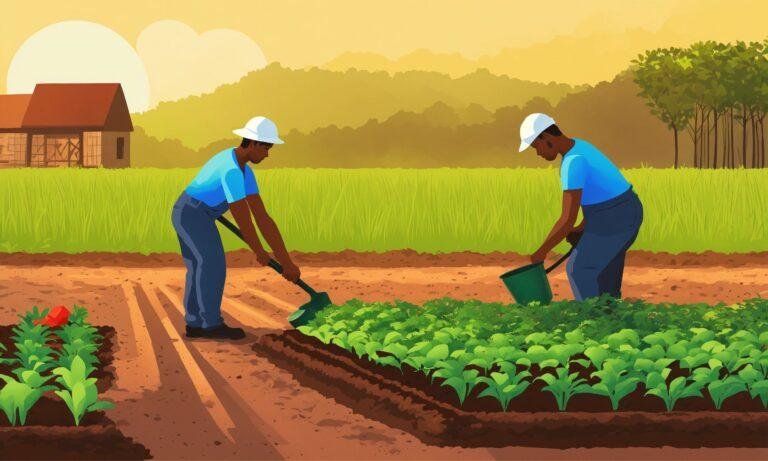

Key Takeaways for Your Raised Bed Revolution
- Master Your Soil: Raised beds give you total control over soil quality, drainage, and nutrients, crucial for summer growth.
- Regionalize Your Approach: Whether you’re in the humid South or the dry Southwest, adapt your watering and plant choices for June’s unique challenges.
- Smart Shopping: Discover the best raised bed kits and gardening tools from Home Depot, Lowe’s, and Amazon tailored for American yards.
- Water Wisely: Implement efficient irrigation like drip systems to conserve water and keep plants hydrated during hot US summers.
- Plant for Profit: Learn what thrives in raised beds during June, from tomatoes to peppers, and how to maximize your harvest.
- Extend Your Season: Use simple techniques like shade cloth to protect your plants from intense summer sun and keep them producing longer.
Raised Bed Revolution: 7 Steps to Your Best American Garden Yet
Ah, June! The sun is high, the days are long, and for many of us across the continental USA, the promise of a vibrant summer garden is palpable. Whether you’re dreaming of plump, juicy tomatoes ripening on the vine, crisp lettuce for your Memorial Day cookouts, or a fragrant herb patch just steps from your kitchen door, there’s a unique joy that comes with growing your own food. But let’s be honest, traditional in-ground gardening can sometimes feel like an uphill battle. Maybe you’re battling stubborn clay soil in Georgia, dealing with rocky terrain in New England, or constantly amending sandy soil in Florida. Perhaps your back isn’t quite what it used to be, or you’re tired of weeds staging a relentless takeover.
Sound familiar? You’re not alone. From the humid Southeast to the arid Southwest, and the fertile Midwest to the misty Pacific Northwest, American gardeners face diverse challenges. But what if there was a way to bypass many of these common frustrations? A method that offers unparalleled control, less back strain, fewer weeds, and often, earlier and more bountiful harvests? Enter the raised bed revolution! This isn’t just a trend; it’s a transformative approach to gardening that empowers you to create ideal growing conditions, no matter what Mother Nature throws your way. Imagine planting your favorite vegetables, flowers, and herbs in perfectly tailored soil, elevated above the ground, making planting, tending, and harvesting a breeze. It’s a game-changer for seasoned green thumbs and aspiring gardeners alike.
This June, as summer officially kicks into high gear, is the perfect time to embrace raised beds. You can still get a fantastic jump on warm-season crops, set up efficient watering systems to beat the heat, and start planning for a harvest that will make your neighbors envious. We’re going to dive deep into everything you need to know to build, fill, plant, and maintain thriving raised beds, tailored specifically for the American gardener. We’ll cover regional differences, recommended products you can find at your local Home Depot or Lowe’s, and expert tips to ensure your raised bed garden is the envy of the block. Get ready to reclaim your yard, nourish your family, and experience the pure satisfaction of growing your own produce, one raised bed at a time.
The Ultimate Freedom: Why Raised Beds Are a Game Changer for Your Yard
For American gardeners, raised beds offer a level of control and convenience that traditional in-ground gardening simply can’t match. Imagine no more back-breaking tilling of compacted soil, no more struggling with poor drainage after a heavy summer thunderstorm, and a significantly reduced battle with persistent weeds. This isn’t just about aesthetics; it’s about creating an optimal environment for your plants to thrive, leading to healthier growth and more abundant harvests. In June, as temperatures rise across the nation, the advantages of raised beds become even more pronounced, especially in managing soil moisture and temperature.
Soil Superiority: Crafting the Perfect Foundation
The single biggest advantage of a raised bed is complete control over your soil. If you’re in an area with heavy clay, sandy soil, or even contaminated soil, a raised bed allows you to completely bypass those issues. You get to custom-blend the perfect soil mix – rich in organic matter, well-draining, and teeming with nutrients. This means faster growth, stronger plants, and better yields. For example, a typical raised bed mix might include a combination of good quality topsoil, compost, and perhaps some perlite or vermiculite for aeration. This ideal environment encourages robust root development, which is critical for plants like tomatoes, peppers, and squash that demand a lot of nutrients and consistent moisture during their peak growing season in June and July.
Drainage Done Right: No More Soggy Roots
Poor drainage is a common garden killer, especially during periods of heavy summer rain. Raised beds inherently provide superior drainage because they are elevated above the existing ground. This elevation prevents waterlogging, ensuring that plant roots get the oxygen they need to flourish. In many parts of the US, from the humid Southeast to the storm-prone Midwest, summer can bring torrential downpours. With a raised bed, you won’t have to worry about your precious vegetables sitting in standing water, leading to root rot and disease. The elevated structure allows excess water to drain away freely, keeping your plants happy and healthy, even through those intense June thunderstorms. This also means you can often get back to gardening sooner after a rain event, as the surface soil dries out quicker.
Back-Friendly Benefits: Gardening Without the Strain
Let’s face it, gardening can be tough on the body. Bending, kneeling, and reaching can take a toll on your back and knees. Raised beds bring the garden up to you! Depending on the height of your beds, you can significantly reduce the amount of bending and stooping required. Beds typically range from 12 inches to 24 inches high, with some even taller, allowing for comfortable standing or seated gardening. This makes gardening accessible to more people, including those with mobility challenges or older gardeners who want to continue enjoying their passion without pain. Imagine easily weeding, planting, and harvesting your bounty without needing a chiropractor afterwards. It’s a game-changer for comfort and sustainability, ensuring you can enjoy your garden all summer long. https://ecorganicas.com/container-gardening-styling-make-pots-the-star-of-your-patio/
Summer Success: Cultivating Your Raised Bed Garden in June
June is a pivotal month for gardeners across the United States. The threat of frost has typically passed for most regions, and warm-season crops are either being planted or are already in full swing. In your raised beds, this means focusing on optimal watering, strategic feeding, and vigilant pest management to ensure a bountiful harvest as summer progresses. The controlled environment of a raised bed makes these tasks more efficient and effective, giving your plants the best chance to thrive through the long, sunny days.
Watering Wisdom: Keeping Your Plants Hydrated in the Heat
Summer heat, especially across the southern and central states where temperatures can soar into the 90s and even 100s Fahrenheit, means consistent watering is paramount. Raised beds, while draining well, can also dry out faster than in-ground gardens due to increased air circulation around the sides. Aim for deep, infrequent watering rather than shallow, frequent sprinkles. This encourages roots to grow deeper, making plants more resilient to dry spells. Check the soil moisture daily by sticking your finger about an inch or two into the soil. If it feels dry, it’s time to water. Drip irrigation systems or soaker hoses are ideal for raised beds as they deliver water directly to the root zone, minimizing evaporation and conserving precious gallons. Watering in the early morning is best, allowing foliage to dry before nightfall, which helps prevent fungal diseases. For example, a 4-foot by 8-foot raised bed might need 10-15 gallons of water every few days, depending on the plants and the weather.
Feeding Your Fighters: Nutrients for Vigorous Growth
As your plants grow vigorously in June, they’ll be hungry! Raised beds, with their excellent drainage, can sometimes leach nutrients faster than traditional beds. This means regular feeding is essential. Incorporate a balanced organic fertilizer into your watering routine every 2-4 weeks. Options like fish emulsion, liquid seaweed, or a granular organic vegetable fertilizer work wonderfully. For heavy feeders like tomatoes, peppers, corn, and squash, consider a boost of compost tea or a side dressing of aged compost around the base of the plants. Always follow product instructions carefully to avoid over-fertilizing, which can burn plant roots. A nutrient-rich soil mix from the start, topped up with compost, will give your plants a strong foundation for summer productivity.
Pest Patrol: Protecting Your Produce
Warm summer weather inevitably brings out garden pests. The good news is that raised beds, being somewhat isolated from the surrounding yard, can sometimes experience fewer soil-borne pests. However, airborne insects like aphids, squash bugs, and tomato hornworms will still find their way. Regular inspection is your best defense. Walk through your garden daily, especially checking the undersides of leaves. Hand-picking larger pests like hornworms is effective. For smaller insects, a strong spray of water can dislodge them, or an organic insecticidal soap can be applied. Companion planting, such as marigolds to deter nematodes or nasturtiums to trap aphids, can also be a helpful strategy. Be vigilant, but don’t panic – a healthy ecosystem in your raised bed will often keep pests in check. https://ecorganicas.org/how-deep-to-plant-potatoes/
Regional Raised Bed Rhythms: Tailoring Your Approach Across the USA
The beauty of the American landscape lies in its diversity, and so does its gardening. What works in a raised bed in sunny Southern California might not be ideal for a humid summer in North Carolina. Understanding your specific USDA hardiness zone and regional climate is key to maximizing your raised bed’s potential in June and throughout the summer. Let’s break down some regional considerations for your raised bed revolution.
Northeast Nuances: Managing Moisture and Moderate Summers
In states like New York, Massachusetts, and Pennsylvania (USDA Zones 5-7), June typically ushers in warm, but often not scorching, temperatures. While you’ll still experience hot days, humidity can be a factor, leading to fungal issues if not managed. Focus on good air circulation around your plants – space them adequately in your raised beds. Water deeply but allow the top inch or two of soil to dry out between waterings. Consider planting cool-season crops like lettuce and spinach in the shade of taller plants for a longer harvest, alongside your main warm-season crops like beans, cucumbers, and corn. Early blight on tomatoes can be a concern, so choose resistant varieties and practice good hygiene.
Southern Strategies: Battling the Heat and Humidity
From Florida to Texas and the Carolinas (USDA Zones 7-10), June means intense heat and high humidity. Your raised beds will need extra attention to watering and heat stress. Consider installing shade cloth over your beds during the hottest parts of the day (11 AM to 4 PM) to prevent sunscald on tomatoes and peppers, and to extend the life of heat-sensitive plants. Mulch heavily with straw or wood chips (2-4 inches deep) to conserve moisture and keep soil temperatures down. Focus on heat-tolerant varieties of vegetables. Okra, sweet potatoes, southern peas, and specific heat-set tomato varieties will thrive. Water early in the morning, and ensure excellent drainage to prevent root rot in the high humidity. https://ecorganicas.com/10-aesthetic-plants-for-a-quiet-luxury-garden-look/
Midwestern Mastery: Adapting to Swings and Storms
States like Illinois, Iowa, and Missouri (USDA Zones 4-6) can experience significant weather swings in June, from cool nights to hot days, and often severe thunderstorms. Raised beds are excellent here for providing good drainage during heavy rains. Be prepared for rapid temperature changes; some nights might still dip, so have row covers ready for tender seedlings if a cold snap is predicted. Mulching is crucial here too, to stabilize soil temperatures and moisture. Plant a diverse range of warm-season crops – corn, squash, pumpkins, and a wide array of beans and peppers will thrive. Watch out for pest outbreaks that often follow periods of intense weather.
Pacific Northwest Perfection: Embracing Mildness and Moisture
In regions like Oregon and Washington (USDA Zones 6-9), June often brings a mix of mild, sunny days and occasional drizzle, especially closer to the coast. Raised beds are fantastic for warming up the soil faster in the spring and providing excellent drainage during the wetter months. While you might not face the intense heat stress of other regions, consistent moisture is still important. Focus on a wide variety of cool- and warm-season crops. Lettuce, kale, and spinach can often grow well into summer, alongside tomatoes, beans, and zucchini. Ensure good air circulation to prevent powdery mildew, which can be an issue in humid conditions.
Southwestern Solutions: Conquering Aridity and Intense Sun
For gardeners in Arizona, New Mexico, and parts of California (USDA Zones 7-10), June is characterized by extreme heat, low humidity, and intense sun. Raised beds are invaluable for conserving water and protecting plants. Install drip irrigation from the start – it’s almost non-negotiable here. Shade cloth is absolutely essential for most plants during the peak summer hours. Mulch heavily with light-colored materials to reflect heat. Consider planting drought-tolerant herbs and vegetables like basil, rosemary, peppers, and certain varieties of tomatoes that perform well in heat. Water deeply in the early morning before the sun gets too intense. Raised beds allow you to create a richer, more moisture-retentive soil than the native desert soil.
Building Your Dream Bed: Top American Products & Materials
Choosing the right materials and products for your raised beds is a crucial step in setting yourself up for long-term gardening success. Fortunately, American homeowners have access to a fantastic array of options, readily available at popular retailers like Home Depot, Lowe’s, and Amazon US. When selecting materials, consider durability, aesthetics, cost, and safety (especially if you’re growing edibles). Let’s explore some of the best choices for your raised bed revolution.
Wood Wonders: Classic Charm and Natural Appeal
Wood is a classic choice for raised beds, offering a natural look that blends beautifully into any yard. The best woods for raised beds are naturally rot-resistant. Cedar and redwood are top-tier options, lasting 10-20 years or more without treatment. Pine or fir can be used, but they will degrade faster unless treated with a food-safe preservative or lined with a barrier like pond liner.
- Cedar Raised Bed Kits: You can find pre-cut cedar raised bed kits at Home Depot or Lowe’s, often ranging from 2×4 feet to 4×8 feet, with heights typically 11-16 inches. These are easy to assemble with basic tools. A 4×8 foot cedar kit might cost anywhere from $150-$300.
- Lumber from Lowe’s or Home Depot: If you’re handy, buying individual cedar or redwood boards (e.g., 2×6 or 2×10 inches) and building your own offers more customization in size and shape. This can be more cost-effective for larger projects. Expect to pay $5-$10 per linear foot for quality cedar lumber.
- Tools: For wooden beds, you’ll need a drill, screws (galvanized or stainless steel to prevent rust), a measuring tape, and a level.
Metal Marvels: Modern, Durable, and Long-Lasting
Galvanized steel or corrugated metal raised beds have surged in popularity for their modern aesthetic, incredible durability (often lasting 20+ years), and resistance to rot and pests. They also warm up faster in spring and retain heat well into fall, which can be a huge advantage in cooler climates.
- Vego Garden Beds (via Amazon US): These modular galvanized steel beds are very popular. They come in various shapes and sizes, often 17-32 inches tall, and are easy to assemble. A typical 4×8 foot Vego-style bed might cost $200-$400.
- Corrugated Metal Sheets: For DIYers, you can purchase corrugated metal sheets from metal supply stores or sometimes at Home Depot/Lowe’s and combine them with wooden posts for a custom look. This option requires more construction skill.
- Benefits: Metal beds are generally lighter than wood or concrete, making them easier to move if needed. They are also less prone to pest damage than wood.
Composite Convenience: Eco-Friendly and Maintenance-Free
Composite lumber, made from recycled plastics and wood fibers, offers a maintenance-free alternative that won’t rot, splinter, or require sealing. It’s an excellent choice for those seeking a long-lasting and environmentally conscious option.
- Trex or Other Composite Decking Boards: While designed for decks, composite boards can be used to construct raised beds. They are typically available at Home Depot and Lowe’s. They come in various colors and can mimic the look of wood.
- Pre-made Composite Raised Bed Kits: Companies like Frame It All offer modular composite raised bed systems that are easy to assemble and reconfigure. A typical 4×8 foot kit could range from $180-$400.
- Longevity: Composite beds boast an impressive lifespan, often exceeding 25 years, making them a great long-term investment.
No matter which material you choose, remember to line the bottom of your raised bed with hardware cloth if gophers or voles are an issue in your area. This small step can save your harvest!
The Secret to Bountiful Harvests: Soil & Irrigation Mastery
You’ve built your beautiful raised beds, but what goes inside is just as important as the structure itself. The soil is the heart of your garden, providing the nutrients and support your plants need to flourish. Coupled with an efficient irrigation system, you’ll unlock the true potential of your raised beds, ensuring robust growth and abundant harvests, especially during the demanding summer months in the US. This section will guide you through crafting the perfect soil mix and setting up smart watering solutions.
Crafting the Perfect Mix: Building a Living Soil Ecosystem
One of the biggest advantages of raised beds is the ability to create ideal soil from scratch, free from the compaction, poor drainage, or nutrient deficiencies of your native yard soil. A great raised bed mix isn’t just dirt; it’s a carefully balanced blend designed for optimal plant health.
- The Foundation: Start with a high-quality organic raised bed mix or a blend of good topsoil and aged compost. Aim for about 40% topsoil, 40% compost, and 20% aeration materials.
- Aeration & Drainage: Incorporate materials like perlite, vermiculite, or coarse sand. These prevent compaction, improve drainage, and allow roots to breathe. Vermiculite also helps retain moisture, which is invaluable during hot June and July days.
- Nutrient Boosters: Mix in organic amendments like worm castings, bone meal (for phosphorus), blood meal (for nitrogen), or a balanced organic granular fertilizer. This gives your plants a slow-release food source. For a 4×8 foot raised bed that’s 12 inches deep, you might need about 32 cubic feet (or roughly 0.8 cubic yards) of soil mix. That’s a lot of goodness!
- Layering for Success: Some gardeners advocate for a “hugelkultur” approach in the bottom of very deep raised beds, using logs, branches, and leaves. This slowly breaks down, providing long-term nutrients and improving water retention. For shallower beds (12-18 inches), focus on a uniform, rich mix.
Remember, healthy soil is a living ecosystem. Avoid synthetic pesticides and fertilizers that can harm beneficial microbes. Top-dress with an inch or two of fresh compost every spring and fall to continually replenish nutrients.
Smart Watering Systems: Efficiency in Every Drop
During the hot American summer, efficient watering is not just about plant health; it’s about water conservation. Raised beds can dry out faster, making a smart irrigation system a wise investment.
- Drip Irrigation: This is the gold standard for raised beds. Drip lines deliver water slowly and directly to the plant roots, minimizing evaporation and runoff. You can find affordable drip irrigation kits at Home Depot or Lowe’s that are easy to install. They typically use about 0.5-1 gallon per emitter per hour.
- Soaker Hoses: Another excellent option, soaker hoses weep water along their entire length, ensuring even saturation. They are less precise than drip systems but are very effective and easy to lay out in a raised bed. Connect them to a timer for automated watering.
- Timers: Invest in an automatic timer for your hose or irrigation system. This ensures consistent watering, even when you’re busy or away. It also encourages deep watering at optimal times (early morning), preventing surface evaporation.
- Rain Barrels: Consider collecting rainwater in rain barrels. This not only conserves municipal water but also provides plants with naturally soft, chlorine-free water. A typical 55-gallon rain barrel can collect a significant amount of water during a summer downpour.
By combining nutrient-rich soil with an efficient watering system, your raised beds will be primed for spectacular growth all summer long. https://ecorganicas.org/do-plant-cells-have-mitochondria/
Beyond the Basics: Advanced Tips for a Thriving Raised Bed
Once you’ve mastered the fundamentals of building and filling your raised beds, you can elevate your gardening game with some advanced techniques. These strategies will help you maximize your yield, extend your harvest season, and create a more resilient and productive garden ecosystem. Get ready to transform your raised beds into true powerhouses of homegrown goodness!
Strategic Planting: Companion, Succession, and Rotation
Don’t just randomly plop plants into your raised beds. Think strategically!
- Companion Planting: This ancient practice involves growing certain plants together to mutually benefit each other. For instance, planting marigolds near tomatoes can deter nematodes, while basil planted with tomatoes is said to improve flavor and repel flies. Corn, beans, and squash (the “Three Sisters”) are a classic American companion planting strategy where corn provides a stalk for beans to climb, beans fix nitrogen in the soil, and squash shades the ground to retain moisture and suppress weeds.
- Succession Planting: Maximize your small raised bed space by planting crops in stages. As one crop (like lettuce or radishes) finishes in June, immediately plant another warm-season crop (like bush beans or cilantro) in its place. This ensures a continuous harvest throughout the summer and into fall.
- Crop Rotation: Even in raised beds, rotating your crops annually helps prevent the buildup of soil-borne diseases and pest issues specific to certain plant families. Don’t plant tomatoes in the exact same spot year after year. Move them to a different bed or a different section of a large bed.
Season Extension: Making the Most of Every Day
Raised beds offer unique opportunities to extend your growing season, both in spring and deep into fall. For June and the height of summer, the focus shifts to protecting plants from intense heat.
- Shade Cloth: Essential in Southern and Southwestern states, a shade cloth draped over hoops above your raised beds can reduce sun intensity by 30-50%, preventing sunscald on tomatoes, peppers, and leafy greens. This allows you to grow heat-sensitive crops longer into the summer.
- Watering & Mulching: As discussed, deep watering and a thick layer of mulch (2-4 inches) are vital for keeping soil temperatures stable and retaining moisture, helping plants withstand heat waves.
- Hoop Houses/Low Tunnels: While often associated with spring and fall, a simple hoop house structure can also support shade cloth in summer, then be repurposed for row covers in cooler months.
Seed Sourcing: American Quality You Can Trust
Choosing high-quality seeds from reputable American companies is the first step to a successful garden.
- Burpee: A household name, Burpee offers a vast selection of vegetable, flower, and herb seeds, including many popular hybrids and heirlooms. You can find their seeds in almost every garden center across the US.
- Baker Creek Heirloom Seeds: Specializing in rare and heirloom varieties, Baker Creek is a fantastic source for unique and open-pollinated seeds, perfect for those who want to save their own seeds.
- Park Seed: Another long-standing American company, Park Seed provides a wide range of vegetable and flower seeds, including many exclusive varieties.
- Local Seed Companies: Don’t forget smaller, regional seed companies that often offer varieties specifically adapted to your local climate. Support your local economy and find seeds that are proven to thrive in your area.
By incorporating these advanced strategies, your raised beds will not only produce more but will also become more resilient, sustainable, and a true source of pride. https://ecorganicas.com/10-aesthetic-plants-for-a-quiet-luxury-garden-look/
Raised Bed Essentials Comparison Table
| Product/Technique | Best For | Price Range | Where to Buy | Rating (1-5 Stars) |
|---|---|---|---|---|
| Cedar Raised Bed Kit (4×8 ft) | Aesthetic appeal, natural rot resistance, easy assembly. | $150 – $300 | Home Depot, Lowe’s, Amazon US | 4.5 |
| Galvanized Steel Raised Bed (e.g., Vego style) | Modern look, extreme durability, long lifespan, thermal benefits. | $200 – $400 | Amazon US, Specialty Garden Retailers | 4.8 |
| DIY Composite Lumber Raised Bed | Maintenance-free, eco-friendly (recycled), very long-lasting. | $180 – $400 (for 4×8 ft equivalent) | Home Depot, Lowe’s | 4.7 |
| Drip Irrigation System Kit | Water conservation, precise watering, hands-free operation. | $40 – $100 (for basic kit) | Home Depot, Lowe’s, Amazon US | 4.6 |
| Organic Raised Bed Soil Mix (1.5 cu ft bag) | Optimal plant growth, nutrient-rich foundation, improved drainage. | $12 – $20 per bag | Local Garden Centers, Home Depot, Lowe’s | 4.9 |
10+ Expert Tips for US Gardeners Mastering Raised Beds
- Start with a Plan: Before buying anything, sketch out your garden layout. Consider sun exposure (at least 6-8 hours for most veggies), water access, and path placement.
- Build to Last: Invest in quality materials. Cedar, redwood, or galvanized steel will serve you for decades, saving you time and money in the long run.
- Fill Smart: Don’t just use garden soil. Create a custom blend of compost, topsoil, and aeration materials for superior plant health.
- Mulch, Mulch, Mulch: A 2-4 inch layer of organic mulch (straw, shredded leaves, wood chips) will conserve water, suppress weeds, and regulate soil temperature – crucial for summer.
- Water Wisely with Drip: Install a drip irrigation system or soaker hoses. It’s the most efficient way to deliver water directly to roots and save gallons, especially in June heat.
- Feed Regularly: Raised beds drain well, which means nutrients can leach faster. Supplement with organic liquid fertilizers or compost tea every 2-4 weeks.
- Consider Shade Cloth for Summer: In hot climates (USDA Zones 7+), a 30-50% shade cloth can protect sensitive plants like lettuce, peppers, and tomatoes from intense afternoon sun.
- Plant Intensively: With ideal soil, you can plant closer together in raised beds than in traditional gardens. Use square foot gardening techniques to maximize space.
- Rotate Your Crops: Even in raised beds, rotate plant families annually to prevent disease buildup and nutrient depletion in specific areas.
- Monitor for Pests Daily: Raised beds are easier to inspect. Catch pests early by checking plants every morning. Hand-picking is often the best first defense.
- Extend Your Season: Use row covers in early spring and late fall for a longer harvest. In summer, shade cloth helps prolong the life of cool-season crops.
- Compost On-Site: Consider a small composting bin near your raised beds. Fresh compost is gold for your soil and reduces waste.
Frequently Asked Questions About Raised Bed Gardening
What are the best dimensions for a raised garden bed?
The ideal width for a raised bed is typically 3 to 4 feet, allowing you to easily reach the center from either side without stepping on the soil. Length can vary based on your space, from 4 feet to 12 feet or more. For height, 11 to 24 inches is common; 11-12 inches is good for most vegetables, while 18-24 inches is excellent for root crops and offers more ergonomic benefits, reducing bending.
How much soil do I need for a 4×8 raised bed that’s 12 inches deep?
A 4-foot by 8-foot raised bed that is 1 foot (12 inches) deep will require approximately 32 cubic feet of soil