Key Takeaways for Your June Raised Bed Success:
- Water Wisely: Deep, consistent watering is crucial in summer heat, especially for thirsty raised beds.
- Feed Your Soil: June is prime time for a mid-season boost with organic fertilizers to support heavy fruiting.
- Succession Plant: Don’t stop planting! Keep rotating quick-growing crops for continuous harvests.
- Protect & Prevent: Implement proactive pest and disease management to safeguard your summer bounty.
- Regional Adaptations: Tailor watering, shading, and crop choices to your specific US climate (Northeast, South, Midwest, PNW, Southwest).
- Harvest Regularly: Frequent picking encourages more production and prevents plants from “bolting” or stopping.
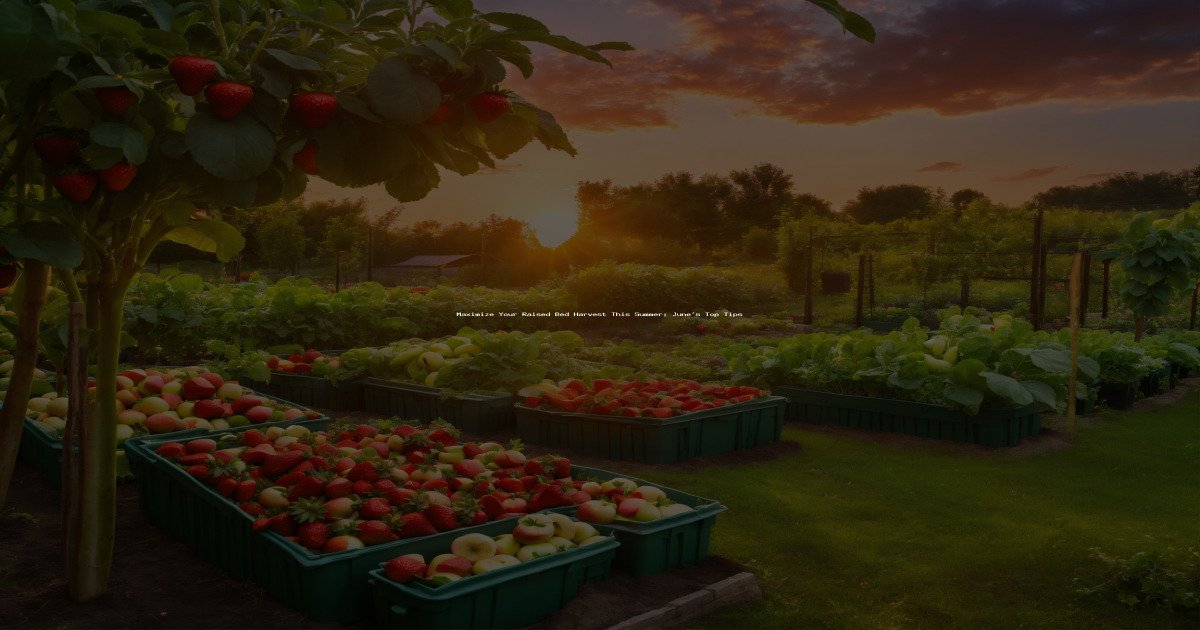
Maximize Your Raised Bed Harvest This Summer: June’s Top Tips
Ah, June! The official kickoff to summer, a time when the sun blazes brighter, the days stretch longer, and our gardens truly come alive. If you’re like me, you probably spent Memorial Day weekend getting those tomatoes, peppers, and squash into your raised beds, dreaming of the vibrant, homegrown bounty to come. Now, as we swing into June, those dreams are starting to take shape, but this isn’t the time to sit back and relax. June is a critical month for establishing strong plants, managing the burgeoning summer heat, and setting the stage for an epic harvest that will have your kitchen overflowing with fresh produce.
For American home gardeners across the continental USA, June brings a unique set of challenges and opportunities. Whether you’re battling the humid heat of the Southeast, the intense sun of the Southwest, the unpredictable storms of the Midwest, the mild, extended growing season of the Pacific Northwest, or the sudden summer surge in the Northeast, your raised beds demand attention. Raised beds, with their excellent drainage and warmer soil temperatures, are fantastic for getting an early start, but they also require a keen eye as the mercury climbs. Their elevated nature means they can dry out faster, and their contained environment needs careful nutrient management to sustain hungry summer crops.
This isn’t just about keeping plants alive; it’s about making them thrive, ensuring every square inch of your raised bed is working overtime to deliver the freshest, most delicious vegetables, herbs, and fruits you’ve ever tasted. We’re talking about sweet, juicy tomatoes, crisp cucumbers, vibrant bell peppers, and an endless supply of leafy greens. From USDA Zones 3 all the way to 10, June is the month where diligence truly pays off. We’ll dive into everything from smart watering techniques that conserve precious H2O, to clever ways to outsmart pests, to how to keep those harvests rolling in well past the Fourth of July. Get ready to turn your raised beds into a summer production powerhouse!
The Ultimate June Checklist for Thriving Raised Beds
June marks the true beginning of the summer growing season for most of the United States. Your raised beds, likely bursting with newly established plants, are now entering their most active growth phase. This means they’re hungry, thirsty, and potentially vulnerable. Nailing down your June routine is paramount to a successful summer harvest. Let’s break down the essentials:
Mastering Your Watering Schedule
Raised beds, while offering superior drainage, tend to dry out faster than in-ground gardens, especially as summer temperatures climb. In June, consistent, deep watering is non-negotiable. Aim for 1-2 inches of water per week, adjusting for rainfall and plant needs. Instead of frequent, shallow sprinkles, which encourage surface roots, water deeply and less often. This encourages roots to grow deeper, making plants more resilient to heat stress. Check the soil moisture by sticking your finger about 3-4 inches deep. If it feels dry, it’s time to water. Consider a drip irrigation system or soaker hoses (available at Home Depot or Lowe’s) to deliver water directly to the root zone, minimizing evaporation and saving you time. Watering in the early morning is best, allowing foliage to dry before nightfall, which helps prevent fungal diseases.
Mid-Season Fertilization: Fueling the Growth Spurt
Your plants are no longer just establishing; they’re actively growing, flowering, and setting fruit. This takes a lot of energy! A mid-season nutritional boost in June is often critical, especially for heavy feeders like tomatoes, corn, squash, and peppers. If you incorporated compost at the beginning of the season, that’s a great start, but June’s vigorous growth often depletes those initial reserves. Look for organic granular fertilizers like Espoma Garden-tone or a liquid fish emulsion, which provides a balanced release of nutrients. Follow package directions carefully; too much can burn plants. For a quick boost, a diluted liquid feed (like a compost tea or organic all-purpose liquid fertilizer) can be applied every couple of weeks. Remember, healthy soil means healthy plants, so don’t forget to replenish those nutrients.
Smart Pest and Disease Vigilance
As the weather warms, pests and diseases become more active. June is the time to be proactive, not reactive. Regularly inspect your plants for early signs of trouble: tiny holes, discoloration, wilting, or the presence of unwelcome critters. Common June culprits include aphids, squash bugs, cucumber beetles, and early blight on tomatoes. Hand-picking larger pests, using insecticidal soap for aphids, or deploying neem oil for broader control are excellent organic strategies. Good air circulation, proper spacing, and watering at the base of plants can significantly reduce disease pressure. Keep an eye out for powdery mildew, especially on squash and cucumbers, which thrives in humid summer conditions.
Weed Control and Mulching Magic
Weeds compete for water, nutrients, and sunlight, stealing vital resources from your prized plants. Stay on top of weeding in June, especially before weeds go to seed. A thick layer of organic mulch (2-4 inches) like straw, shredded leaves, or wood chips can be a game-changer. Mulch suppresses weeds, conserves soil moisture by reducing evaporation, and helps regulate soil temperature, keeping roots cooler on scorching days. It also slowly breaks down, adding organic matter to your soil over time. This is one of the easiest ways to reduce your workload and boost your harvest!
By diligently following this June checklist, you’re not just maintaining your raised beds; you’re actively nurturing them into productive powerhouses, setting the stage for a truly bountiful summer harvest.
Regional Raised Bed Strategies: Tailoring Your June Approach
The vast landscape of the United States means “summer gardening” is far from a one-size-fits-all endeavor. What works in sunny California might be disastrous in humid Florida. Understanding your specific regional climate in June is key to optimizing your raised bed’s performance. Here’s how to adapt your strategy:
Northeast (USDA Zones 3-7): Battling Humidity and Pests
June in the Northeast typically brings warm days, sometimes high humidity, and lengthening daylight hours. Your plants are taking off after a cooler spring. Focus on consistent watering, as raised beds can dry out quickly between rains. Pest pressure, especially from aphids, cabbage worms, and early slugs, can be high. Regular scouting is crucial. Provide strong stakes or cages for indeterminate tomatoes and other vining crops before they get too large. Consider planting a second round of quick-growing cool-season crops like radishes or lettuce in shadier spots, or switch to heat-tolerant varieties. Keep an eye on powdery mildew as humidity rises.
The South (USDA Zones 7-10): Thriving in the Heat
June in the Southern US means intense heat and often high humidity. Plants here are resilient, but they need help coping. Afternoon shade cloth (find more about shade cloth here) is a lifesaver for heat-sensitive plants like lettuce, spinach, and even some tomatoes, preventing sunscald and bolting. Water deeply and frequently, as raised beds will dry out very fast; consider an automated drip system. Focus on heat-tolerant varieties of vegetables like okra, sweet potatoes, southern peas, and many types of peppers. Keep a close watch for squash vine borers and cucumber beetles. Ensure good air circulation around plants to combat fungal diseases like blight and powdery mildew, which thrive in humidity.
Midwest (USDA Zones 3-6): Storms, Humidity, and Surging Growth
June in the Midwest often means rapid plant growth, but also potential for severe thunderstorms and fluctuating humidity. Ensure your raised beds have excellent drainage to handle heavy downpours. Sturdy staking and caging are essential for tall plants like tomatoes to prevent wind damage. After heavy rains, check soil moisture before watering again. Be vigilant for common pests like Japanese beetles, squash bugs, and corn earworms. The humidity can also be a breeding ground for fungal issues, so ensure good plant spacing and consider preventative organic fungicides if issues arise. This is prime time for corn, beans, and squash to really take off.
Pacific Northwest (USDA Zones 4-9): Mild Summers and Extended Harvests
The PNW often enjoys a milder June, with less extreme heat than other regions, allowing for a longer, more temperate growing season. This is fantastic for cool-season crops that might bolt elsewhere, but also perfect for summer staples. Consistent watering is still key, as dry spells can occur. Slug and snail control remains a top priority, especially after rain or morning dew; beer traps or organic slug baits can be effective. Take advantage of the mild conditions for succession planting, ensuring continuous harvests of salad greens, peas, and root vegetables. Early blight can still be an issue for tomatoes, so ensure good air circulation and prune lower leaves.
Southwest (USDA Zones 7-10): Extreme Heat and Water Conservation
Gardening in the Southwest in June is all about managing extreme heat and conserving water. Shade cloth is absolutely essential for most crops during the hottest parts of the day. Focus on drought-tolerant and heat-loving plants like specific varieties of peppers, chiles, melons, and native desert herbs. Deep, infrequent watering is critical, often best achieved with drip irrigation. Mulch heavily to retain soil moisture and keep soil temperatures down. Consider “ollas” (clay pots buried in the soil that slowly release water) for ultra-efficient irrigation. Plant in the early morning or late evening to avoid the midday sun, and protect young seedlings fiercely. Water conservation isn’t just a good idea; it’s a necessity.
No matter where you are in the US, paying attention to your local climate and adapting your raised bed care accordingly will lead to healthier plants and a more abundant harvest this June.
Essential Tools & American Product Picks for Your June Garden
To truly maximize your raised bed’s potential this June, having the right tools and products at your disposal can make all the difference. From efficient watering to pest management, here are some American favorites and widely available options that will simplify your gardening tasks and boost your success.
Smart Watering Solutions
- Drip Irrigation Kits: For raised beds, a drip system is invaluable for consistent, targeted watering, especially as summer heat sets in. Look for easy-to-install kits from brands like Rain Bird or Orbit, widely available at Lowe’s, Home Depot, or Amazon US. A basic kit can cover a 4×8 foot raised bed for around $30-$70.
- Soaker Hoses: A more budget-friendly alternative to drip systems, soaker hoses allow water to slowly seep out along their length. Brands like Gilmour offer durable options. They’re great for long, narrow beds.
- Watering Wands: For hand-watering, a watering wand with a gentle shower setting allows you to water at the base of plants without disturbing soil or splashing foliage. Dramm offers high-quality, long-lasting aluminum wands, found at garden centers or Amazon.
Nutrient Boosters for Hungry Plants
- Organic Granular Fertilizers: As plants start fruiting, they need nutrients. Espoma Garden-tone or Tomato-tone are excellent organic choices, providing a slow-release feed for heavy feeders. You can find these at most local garden centers and hardware stores like Home Depot.
- Liquid Organic Fertilizers: For a quick boost, a liquid feed like Alaska Fish Emulsion or FoxFarm Grow Big Liquid Plant Food can be diluted and applied every few weeks. Great for foliar feeding or direct soil application. Available on Amazon US or specialized garden stores.
- Compost: If you didn’t add enough at the start, a top-dressing of quality compost (like Miracle-Gro Organic Choice Garden Soil, though often best mixed with existing soil) around your plants in June will provide slow-release nutrients and improve soil structure. Many local nurseries sell bulk compost too.
Pest and Disease Management
- Neem Oil Spray: A versatile organic pesticide and fungicide, Garden Safe Neem Oil Extract (available at most big box stores) is effective against a wide range of pests like aphids, spider mites, and powdery mildew. Always follow label directions.
- Insecticidal Soap: For soft-bodied pests like aphids and whiteflies, Safer Brand Insecticidal Soap is a safe and effective option. It works by smothering insects on contact.
- Row Covers: Lightweight row covers, like those from Gardeners Supply Company, can physically protect plants from insect pests (squash bugs, cabbage worms) and even provide a little shade from intense sun.
Essential Hand Tools
- Hand Trowel & Cultivator: For weeding, planting small successions, and working amendments into the soil. Look for sturdy options from brands like Fiskars or Bond Manufacturing.
- Pruners: A good pair of bypass pruners (like Felco F-2 or Fiskars PowerGear) is essential for harvesting, deadheading, and light pruning to improve air circulation.
Sun & Heat Protection
- Shade Cloth: For southern and southwestern gardeners, a roll of 30-50% shade cloth is a must-have to protect sensitive plants from scorching afternoon sun. You can find rolls and clips at Home Depot, Lowe’s, or online retailers like Amazon.
Investing in these quality tools and products will not only make your June gardening tasks easier but also significantly improve the health and productivity of your raised beds. Remember, a well-equipped gardener is a successful gardener!
Secret Strategies for Maximizing Yields: Succession & Interplanting
When you’re gardening in a raised bed, every square foot counts. To truly maximize your harvest and keep fresh produce coming all summer long, you need to employ smart planting strategies. Succession planting and interplanting are two powerful techniques that turn your raised beds into continuous production lines.
The Power of Succession Planting
Succession planting is the art of planting crops in stages rather than all at once, ensuring a continuous harvest rather than one massive glut. In June, this strategy is particularly important for cool-season crops that might bolt (go to seed) in the heat, and for extending the harvest of summer favorites. For example:
- Leafy Greens: Instead of planting a whole bed of lettuce or spinach in early spring, plant a small row every 2-3 weeks. In June, focus on heat-tolerant varieties like ‘Black Seeded Simpson’ lettuce or ‘Red Malabar’ spinach. As one crop finishes, the next is ready to take its place.
- Bush Beans: Plant a small patch of bush beans (e.g., ‘Provider’ or ‘Contender’) every two weeks from late May through mid-July. You’ll have a steady supply of fresh beans rather than a huge harvest all at once that you can’t eat.
- Radishes & Carrots: These quick-growing root vegetables can be sown every couple of weeks. In June, choose fast-maturing radish varieties and consider planting carrots in spots that will receive some afternoon shade to prevent them from bolting prematurely.
- Cilantro & Dill: These herbs are notorious for bolting in summer heat. Plant small batches every 10-14 days to keep fresh leaves coming.
By staggering your plantings, you ensure a steady stream of fresh vegetables and make the most of your raised bed space. When one crop is harvested, amend the soil with a little compost and replant immediately!
Interplanting: The Art of Companion Planting in Close Quarters
Interplanting (also known as companion planting or intensive planting) involves growing different crops together in the same space, often taking advantage of different growth habits or beneficial interactions. This maximizes space and can even deter pests. Here are some June-ready ideas:
- Tall with Short: Plant fast-growing, shallow-rooted crops in the space between slower-growing, taller plants. For instance, sow radishes or lettuce between your young tomato plants. By the time the tomatoes need the full space, the radishes or lettuce will have been harvested.
- Deep with Shallow Roots: Combine plants with different root depths. Carrots (deep taproot) can be planted near lettuce (shallow roots), utilizing different layers of the soil profile without competing directly.
- Pest Deterrents: Marigolds (specifically French marigolds like ‘Tagetes patula’) are known to deter nematodes and other pests when planted near vegetables. Basil planted near tomatoes is said to improve tomato flavor and deter hornworms. Nasturtiums can act as a trap crop for aphids, drawing them away from your main vegetables.
- Nitrogen Fixers: Bush beans and peas are legumes that fix nitrogen in the soil. Plant them near heavy feeders like corn or squash to naturally enrich the soil.
When interplanting, consider light requirements (tall plants might shade shorter ones), water needs, and potential competition. The goal is synergy, not competition. By combining succession planting with clever interplanting, your raised beds will be a vibrant, productive ecosystem all summer long, yielding far more than you thought possible!
Protecting Your Harvest: Proven Pest & Disease Prevention in Summer
As your raised beds flourish in the summer sun, they also become a tempting target for a host of pests and diseases. June is a pivotal month for proactive management, preventing small issues from becoming devastating problems that can decimate your harvest. A healthy raised bed ecosystem is your best defense.
Common June Pests and How to Combat Them
- Aphids: These tiny, soft-bodied insects cluster on new growth, sucking sap and causing distorted leaves. Blast them off with a strong stream of water from your hose (do this in the morning so plants dry quickly). For heavier infestations, apply insecticidal soap or neem oil (like Bonide Neem Oil, available on Amazon or garden stores). Encourage ladybugs, their natural predators.
- Squash Bugs & Cucumber Beetles: These shield-shaped bugs and striped/spotted beetles can quickly defoliate squash, cucumbers, and melons. Hand-picking adults and crushing their copper-colored eggs (found on the undersides of leaves) is effective. Use row covers early in the season to prevent them from laying eggs, removing covers when plants flower to allow pollination.
- Tomato Hornworms: Large, green caterpillars that can strip a tomato plant of its leaves overnight. They blend in perfectly! Look for their tell-tale droppings (black pellets) on leaves. Hand-pick them off and drop them into a bucket of soapy water. Bacillus thuringiensis (Bt) is an organic spray that targets caterpillars.
- Slugs & Snails: Particularly in humid regions or after rain, these slimy creatures can munch on tender seedlings and leaves. Beer traps, diatomaceous earth sprinkled around plants, or organic slug baits like Sluggo can help.
Summer Disease Prevention
- Powdery Mildew: A white, powdery coating on leaves, common on squash, cucumbers, and peas in humid conditions. Improve air circulation by proper spacing and pruning. Neem oil can help. A homemade spray of 1 part milk to 9 parts water can also be effective.
- Early Blight & Septoria Leaf Spot: Fungal diseases affecting tomatoes and potatoes, causing dark spots on lower leaves. Remove infected leaves immediately. Water at the base of plants, not overhead, to keep foliage dry. Ensure good air circulation. Some organic fungicides can offer protection.
- Blossom End Rot: Not a disease but a physiological disorder (often seen on tomatoes and peppers) where the bottom of the fruit turns black and leathery. It’s usually caused by inconsistent watering or a calcium deficiency in the plant (not necessarily the soil). Ensure consistent deep watering, especially during dry spells.
General Prevention Strategies
- Regular Scouting: The single most important prevention tool. Spend 10-15 minutes daily walking through your raised beds, inspecting the tops and undersides of leaves. Early detection makes control much easier.
- Good Air Circulation: Proper plant spacing and judicious pruning (especially on tomatoes and squash) allows air to move freely, reducing humidity around foliage and making it harder for fungal diseases to take hold.
- Healthy Soil, Healthy Plants: Plants growing in nutrient-rich, well-draining soil with consistent moisture are naturally more resilient to pests and diseases.
- Companion Planting: As mentioned before, certain plants can deter pests. Marigolds, nasturtiums, and basil are good choices.
- Cleanliness: Remove any diseased plant material immediately and dispose of it away from the garden (don’t compost diseased material). Keep your raised beds free of weeds and debris where pests can hide.
By being proactive and vigilant in June, you can keep your raised beds healthy, your plants productive, and ensure a generous, pest-free harvest all summer long.
Harvesting Smart: When & How to Pick Your June Bounty
June is often when the first true fruits of your labor begin to appear, and knowing precisely when and how to harvest can significantly impact both the taste of your produce and the overall yield of your raised beds. Picking at the right time encourages plants to produce even more, keeping your summer kitchen stocked!
Optimal Harvest Times for June Crops
- Strawberries: If you have June-bearing varieties, they’ll be ripening now! Pick when the entire berry is red and glossy, usually in the morning when they’re cool and plump. Gently twist or snip the stem, leaving the green cap attached.
- Peas (Snap, Snow, Shelling): Harvest snap and snow peas when the pods are plump but still tender and sweet. Shelling peas are ready when the pods are full and rounded. Pick every 1-2 days to encourage continuous production.
- Leafy Greens (Lettuce, Spinach, Arugula): Harvest outer leaves as needed using the “cut-and-come-again” method, leaving the central growing point intact. For spinach and arugula, pick before they bolt in intense heat. In June, consider harvesting in the cooler morning or evening hours for the best flavor and crispness.
- Radishes & Turnips: Harvest radishes when they reach their mature size, usually 1 inch in diameter, before they get woody or spicy. Turnips can be harvested when small and tender for a milder flavor.
- Scallions/Green Onions: Pull them when they’re about pencil-thick, or snip off leaves from the base for a continuous supply.
- Bush Beans: Pick when the pods are firm, crisp, and snap easily, before the beans inside become too large and tough. Frequent picking (every 2-3 days) is crucial to keep plants producing.
- Cucumbers: Harvest when they reach their desired size, typically 6-8 inches for slicing varieties, but before they turn yellow or seedy. The more you pick, the more the plant will produce!
- Zucchini & Summer Squash: This is where restraint is key! Harvest young and often, when they are 6-8 inches long. If you let them get too big, the plant will slow production, and the squash will be watery. Check plants daily.
- Early Tomatoes: Some early varieties might start ripening in late June, especially in warmer zones. Pick when they are fully colored and firm but slightly soft to the touch.
- Herbs (Basil, Cilantro, Dill, Mint): Pinch off leaves or sprigs as needed. Regular harvesting encourages bushier growth and delays bolting. For basil, pinch off flower buds as soon as they appear to extend leaf production.
Techniques to Encourage More Production
- Frequent Picking: This is the golden rule for most fruiting vegetables. When a plant holds mature fruit, it often signals the plant to slow down or stop producing new flowers. By picking regularly, you trick the plant into thinking it needs to produce more to fulfill its reproductive duty.
- Pruning: For indeterminate tomatoes, judicious pruning of suckers (shoots that emerge between the main stem and a leaf branch) can redirect energy into fruit production. For leafy greens, the “cut-and-come-again” method ensures repeated harvests.
- Deadheading: While not for edible parts, deadheading flowering herbs or flowers planted in your raised bed can encourage more blooms and extend their season.
Post-Harvest Care
- Cool Immediately: Most vegetables will retain their crispness and flavor better if cooled quickly after harvesting. A quick rinse under cool water can help.
- Proper Storage: Store most leafy greens, beans, and peas in the crisper drawer of your refrigerator. Tomatoes prefer to be stored at room temperature, out of direct sunlight, for best flavor.
Enjoying the fruits (and vegetables!) of your labor in June is incredibly rewarding. By harvesting smartly, you’ll not only get the best-tasting produce but also ensure your raised beds continue to deliver a bountiful supply throughout the summer.
For more detailed guides on specific crop harvesting, check out our Summer Crop Care Guide!
Comparison Table: Top Raised Bed Solutions for June Success
Equipping your raised beds with the right tools and techniques can make a significant difference in your June harvest. Here’s a comparison of some essential solutions:
| Product/Technique | Best For | Price Range | Where to Buy | Rating (1-5 Stars) |
|---|---|---|---|---|
| Drip Irrigation System | Efficient, consistent watering; water conservation; busy gardeners. | $30 – $150+ | Home Depot, Lowe’s, Amazon US | ★★★★★ |
| Organic Granular Fertilizer (e.g., Espoma Tomato-tone) | Mid-season nutrient boost for heavy feeders (tomatoes, peppers, squash). | $15 – $30 (5-8 lb bag) | Local Garden Centers, Home Depot, Amazon US | ★★★★★ |
| 30-50% Shade Cloth | Protecting heat-sensitive crops from sunscald; extending cool-season harvests. | $20 – $70 (various sizes) | Amazon US, Home Depot, Specialty Farm Supply Stores | ★★★★☆ |
| Neem Oil Spray (e.g., Garden Safe) | Organic pest control (aphids, mites) & fungal prevention (powdery mildew). | $10 – $25 (ready-to-use or concentrate) | Lowe’s, Home Depot, Amazon US | ★★★★☆ |
| Straw Mulch (Bales) | Weed suppression, moisture retention, soil temperature regulation. | $5 – $15 (per bale) | Local Feed Stores, Garden Centers, Home Depot | ★★★★★ |
10+ Expert Tips for US Gardeners This June
- Check Soil Moisture Daily: Raised beds dry out faster! Stick your finger 3-4 inches deep. If it’s dry, water deeply.
- Water in the Morning: This allows foliage to dry before nightfall, reducing fungal disease risk, and minimizes water loss to evaporation.
- Mulch, Mulch, Mulch: A 2-4 inch layer of straw, shredded leaves, or wood chips will suppress weeds, conserve moisture, and regulate soil temperature.
- Fertilize Mid-Season: Heavy feeders like tomatoes, peppers, and squash need a boost in June. Use an organic granular or liquid fertilizer.
- Succession Plant Fast Growers: Keep planting small batches of lettuce, radishes, bush beans, or cilantro every 2-3 weeks for continuous harvests.
- Scout for Pests Regularly: Daily checks (top and bottom of leaves) allow you to catch pests like aphids or squash bugs before they become an infestation.
- Support Vining Plants: Get cages, stakes, or trellises in place for tomatoes, cucumbers, and pole beans before they get too large and unwieldy.
- Prune for Airflow: Remove lower leaves from tomato plants or thin out crowded squash foliage to improve air circulation and reduce disease.