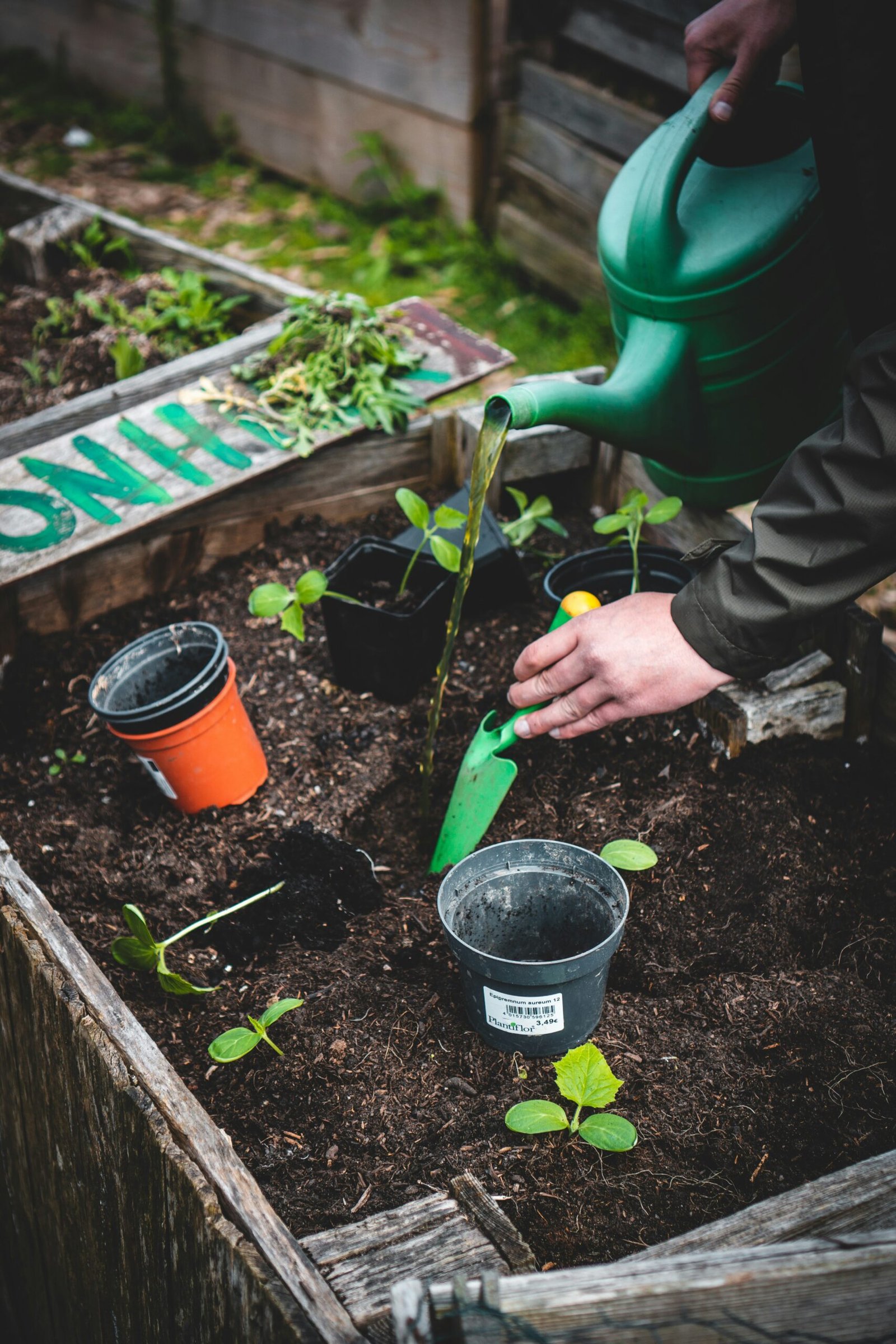

Ah, June! The official start of summer, a time when the sun hangs high in the sky, the air buzzes with pollinator activity, and the promise of a bountiful harvest feels closer than ever. For American home gardeners, especially those of us who’ve embraced the magic of raised beds, June is a pivotal month. It’s when our early efforts really start to pay off, and we get a second wind of planting opportunities to keep those fresh veggies coming all season long, right up to Labor Day and beyond.
Remember those chilly spring mornings, maybe even a late Memorial Day frost scare, when you were bundled up, carefully placing those first seedlings into your raised beds? Well, now’s the time to feel the warmth on your face, smell the rich, earthy scent of thriving soil, and watch your garden explode with life. From the humid embrace of the Southeast to the long, sun-drenched days of the Pacific Northwest, June gardening in raised beds offers unique advantages – better drainage, warmer soil, and easier access – that make it an absolute game-changer for summer success.
But June isn’t just about admiring your handiwork; it’s a month of strategic action. Whether you’re in USDA Zone 4, enjoying a rapid growth spurt after a cold spring, or in Zone 9 or 10, battling the intensifying heat, knowing exactly what to plant and, just as importantly, what to harvest, is key. We’ll dive into regional nuances, ensuring your raised beds in Florida thrive just as much as those in Michigan or California. We’ll talk about extending your harvest, protecting your plants from summer stresses, and making the most of every square foot of your elevated garden space. Get ready to transform your raised beds into a summer production powerhouse!
This comprehensive guide is designed for every American home gardener, from the newbie with their first raised bed kit from Lowe’s to the seasoned veteran with custom-built cedar beds. We’ll explore the best crops for June planting, the delicious rewards awaiting harvest, essential care tips, and even some top-notch product recommendations you can find at your local Home Depot or on Amazon. Let’s make this June the most productive and rewarding gardening month yet!
Key Takeaways for Your June Raised Bed Success:
- Plant Smart: Focus on heat-loving crops like beans, squash, peppers, and corn for a mid-to-late summer harvest.
- Harvest Early & Often: Keep an eye on cool-season crops like lettuce and radishes before they bolt, and enjoy early fruits like strawberries.
- Master Watering: Raised beds dry out faster; consistent, deep watering is crucial, especially in summer heat.
- Nourish Your Soil: June is a great time for a mid-season compost boost or a balanced liquid fertilizer application.
- Protect from Heat: Consider shade cloth for delicate plants in hotter zones.
- Embrace Succession: Plant small batches of quick-growing crops every few weeks for continuous harvests.
The Ultimate Guide to June Raised Bed Gardening: Embracing Summer’s Bounty
June is often considered the sweet spot for many American gardeners. The danger of frost has typically passed for most regions, and the soil has warmed up nicely, creating ideal conditions for a wide array of plants to thrive. For those utilizing raised beds, these advantages are amplified. Raised beds inherently warm up faster in the spring, extending your growing season, and provide superior drainage, which is crucial for preventing waterlogging during summer downpours or heavy irrigation. This means you can get a jump start on your planting and maintain healthier root systems throughout the season.
One of the significant benefits of raised beds in June is the control they offer over your soil. By this point, your soil should be rich, well-aerated, and full of organic matter from your initial fill and any spring amendments. As summer temperatures climb, this high-quality soil acts as a buffer, retaining moisture better than compacted garden soil and providing a stable environment for roots. This control is especially valuable when temperatures consistently hit the 80s and 90s Fahrenheit, which is common across much of the continental USA in June. Monitoring soil moisture becomes easier, and targeted fertilization is more effective, ensuring your plants receive exactly what they need to produce a spectacular harvest.
Furthermore, raised beds elevate your gardening, literally. This not only saves your back but also makes weeding, pest inspection, and harvesting much more accessible. In June, as plants grow larger and more vigorous, this accessibility is a huge plus. You can easily spot and address issues like squash bugs or powdery mildew before they become major problems. The defined boundaries of a raised bed also make it simpler to implement strategies like companion planting or intensive planting, maximizing your yield from a relatively small footprint. This month, let’s leverage these inherent advantages of raised beds to cultivate a truly abundant and resilient summer garden.
Understanding Your Zone in June: A Crucial Compass
While June signals summer’s arrival across the US, what that means for your garden depends heavily on your specific USDA Hardiness Zone. In colder zones (like Zone 4 or 5 in the upper Midwest or Northeast), June is prime time for planting almost everything, as the soil is finally consistently warm. You’re likely just getting your tomatoes and peppers settled in, and direct-sowing beans and corn is perfectly timed. For these zones, June is a period of rapid growth and establishment before the peak summer heat.
In contrast, gardeners in warmer zones (Zone 8, 9, 10, and 11, common in the South, Southwest, and coastal California) might already be experiencing intense heat. For you, June might be a transitional month where you’re harvesting early summer crops and preparing for a “summer slump” for some vegetables, or even planning for a fall garden. Heat-tolerant varieties become paramount, and strategic use of shade cloth might be necessary to protect tender seedlings from scorching sun. Understanding your zone’s typical June weather patterns—average high temperatures, humidity, and rainfall—is the first step to making smart planting and care decisions for your raised beds. https://ecorganicas.com/10-aesthetic-plants-for-a-quiet-luxury-garden-look/
The Power of Raised Beds for Summer Success
Raised beds truly shine during the summer months. Their elevated nature means the soil warms up faster in the spring, allowing for earlier planting, and they generally offer superior drainage. This drainage is a lifesaver during heavy summer rains, preventing your plants from sitting in soggy soil and succumbing to root rot. Conversely, the contained soil in a raised bed can also be managed more effectively for moisture retention during dry spells. You can amend it with compost and other organic matter to create a sponge-like effect that holds water without becoming waterlogged.
Another significant advantage in June is the ease of access. As your garden explodes with growth, navigating traditional in-ground rows can become a challenge. Raised beds, with their defined edges and often narrower widths, allow you to tend to your plants from all sides without compacting the soil. This means less bending, kneeling, and strain, making gardening more enjoyable and sustainable throughout the long summer days. Plus, the raised height often deters some ground-dwelling pests, giving your precious plants a slight edge in the battle against garden invaders. Ultimately, raised beds offer a controlled environment that allows you to optimize every aspect of your summer growing conditions.
Regional Raised Bed Strategies: Tailoring June Planting Across the USA
The vast expanse of the United States means that “June gardening” is far from a one-size-fits-all endeavor. What thrives in a raised bed in Seattle might struggle in Phoenix, and vice-versa. Understanding your specific regional climate is paramount to success. This month, we’ll break down June strategies for some major US regions, helping you make the smartest choices for your raised beds.
Northeast & Midwest: The Race to Harvest
For gardeners in states like New York, Pennsylvania, Ohio, Michigan, Illinois, and Wisconsin, June is the heart of the planting season. After a sometimes-fickle spring, the soil has finally warmed consistently, and the danger of frost is typically gone. This is your prime window for direct-sowing warm-season crops like bush beans, pole beans, corn, cucumbers, and summer squash. Your transplanted tomatoes, peppers, and eggplants, which you likely put in after Memorial Day, should be settling in and starting to grow vigorously. You can also plant succession crops of quick-growing items like radishes or leaf lettuce in any available space, knowing you’ll need to harvest them before the peak July heat causes them to bolt. Focus on consistent watering as plants establish and consider a mid-month side-dressing of compost or a balanced organic fertilizer to fuel their rapid growth. The goal here is to establish strong, healthy plants that will produce abundantly through July and August before the cooler evenings of September begin to set in. https://ecorganicas.org/do-plant-cells-have-mitochondria/
The Sunny South & Southwest: Heat-Loving Heroes
If you’re gardening in states like Florida, Georgia, Texas, Arizona, or Southern California, June brings intense heat and often high humidity. For many, this means a shift from cool-season crops to truly heat-tolerant varieties. You might be finishing up harvests of spring greens and early peas. Now is the time to focus on plants that can withstand temperatures consistently in the 90s Fahrenheit. Think about planting okra, sweet potatoes, southern peas (cowpeas), and specific heat-set varieties of tomatoes and peppers. Melons and watermelons absolutely love this weather. Consistent, deep watering is non-negotiable, and you’ll want to water early in the morning to minimize evaporation. Consider using shade cloth over your raised beds during the hottest part of the day, especially for younger plants or those prone to sunscald. Mulching heavily with straw or shredded leaves is also crucial to keep soil temperatures down and conserve moisture. For some regions in the deep South, June marks a transition towards planning for a fall garden, as the summer heat can be too intense for even some “warm-season” crops. Embrace your region’s unique climate by selecting the right plants and providing ample protection from the sun’s powerful rays.
Pacific Northwest: Mild Summer Magic
Gardeners in Washington, Oregon, and parts of Northern California often experience a more temperate June. While the rest of the country might be sweltering, the PNW typically enjoys mild, sunny days and cool nights, creating fantastic growing conditions for a wider range of crops. This is a perfect time for planting direct-sow crops like carrots, beets, Swiss chard, and a continuous supply of lettuce and spinach. Your tomatoes, peppers, and squash will be thriving. You can also get a second planting of bush beans and peas in. The extended daylight hours contribute to vigorous growth. While the heat isn’t as extreme, consistent watering is still important, especially for raised beds which can dry out faster. Pay attention to pest pressure, particularly slugs and snails, which thrive in moist conditions. The PNW’s mild summers make it possible to grow a diverse array of vegetables well into the fall, so June is about maximizing your planting window and enjoying the steady, reliable growth that this beautiful region offers. Keep an eye on local forecasts; while generally mild, heat waves can occur, so be prepared to provide extra water if temperatures spike. https://ecorganicas.com/how-to-grow-a-tea-garden-from-leaf-to-mug/
What to Plant in June: Sowing Seeds for a Mid-Summer Feast
June is a fantastic month for planting in most parts of the US, especially if you’re aiming for a continuous harvest throughout the summer and into early fall. The soil is warm, the days are long, and plants are eager to grow. For raised beds, this means you can be very strategic about what goes in the ground, maximizing your space and ensuring a steady supply of fresh produce. Don’t think that because spring planting is over, your planting opportunities are done – June opens up a whole new chapter!
Warm-Season Vegetables Thriving in Raised Beds
This is the prime time for heat-loving crops that will mature in July, August, and even September.
- Bush Beans & Pole Beans: Quick-growing and highly productive. Direct-sow seeds every 2-3 weeks for a continuous harvest. Varieties like ‘Contender’ bush beans or ‘Kentucky Wonder’ pole beans are excellent choices. They love warm soil and will germinate quickly.
- Cucumbers: Direct-sow seeds or transplant starts. Bush varieties are great for smaller raised beds, while vining types can be trellised vertically to save space. Look for ‘Marketmore 76’ or ‘Burpee’s Sweet Success’ for reliable harvests.
- Summer Squash & Zucchini: These grow incredibly fast in warm June soil. Plant seeds directly. Remember, one or two plants are often enough for a family! ‘Black Beauty’ zucchini and ‘Early Prolific Straightneck’ yellow squash are popular and productive.
- Peppers: If you haven’t already, plant bell peppers, jalapeños, and other chili peppers. They need consistent warmth to thrive and produce. Consider varieties like ‘California Wonder’ for bells or ‘Early Jalapeño’ for a quick spicy kick.
- Eggplant: Similar to peppers, eggplants love the heat. ‘Black Beauty’ or ‘Ichiban’ are great choices.
- Sweet Corn: If you have enough space (it needs to be planted in blocks for good pollination), direct-sow sweet corn. It grows rapidly in June. ‘Mirai’ or ‘Bodacious’ are excellent sweet varieties.
- Okra: A Southern favorite that absolutely thrives in the heat and humidity of June. Direct-sow seeds. ‘Clemson Spineless’ is a classic.
- Sweet Potatoes: Plant slips (sprouted tubers) in June. These vining plants will spread, but the tubers will grow wonderfully underground in your raised bed.
Herbs and Flowers for Pollinators and Patios
Don’t forget the supporting cast! Herbs and flowers are vital for attracting beneficial insects and adding beauty.
- Basil: Plant more basil for pesto and summer salads. It loves warm weather. ‘Genovese’ or ‘Sweet Basil’ are perfect.
- Cilantro: While it can bolt in intense heat, planting a fast-growing variety in June, especially with some afternoon shade, can yield a quick harvest.
- Dill: Great for pickling cucumbers you’ll harvest later in summer.
- Marigolds & Nasturtiums: Plant these around your vegetables. Marigolds are known to deter some pests, while nasturtiums are edible and beautiful.
- Zinnias & Sunflowers: Direct-sow these for vibrant color and to attract pollinators like bees and butterflies, essential for fruit set on your squash and cucumbers.
Successional Planting: Extending Your Harvest
June is an ideal month for succession planting, especially in raised beds where you can easily manage small blocks of crops. As you harvest early spring greens or radishes, immediately replant those spots with more heat-tolerant options or another round of quick-growing crops. For example, plant a small patch of bush beans every two weeks. This strategy ensures you’re never overwhelmed with a single crop all at once and have fresh produce continuously available right up to the cooler days of late summer and early fall. Think about replanting harvested areas with more lettuce (heat-tolerant varieties), radishes, or even quick-maturing carrots like ‘Danvers Half Long’ or ‘Paris Market’. Seed companies like Burpee, Baker Creek Seeds, and Park Seed offer a wide range of varieties suitable for successive plantings. https://ecorganicas.org/how-deep-to-plant-potatoes/
What to Harvest in June: Reaping the Rewards of Early Summer
While June is a busy planting month, it’s also incredibly rewarding as the first major wave of harvests begins! The joy of plucking fresh produce from your raised beds, knowing it traveled mere feet from soil to plate, is unparalleled. Keep a close eye on your plants, as many vegetables mature quickly in the warm June sunshine.
Early Birds: Greens, Radishes, and Peas
Many of the cool-season crops you planted in early spring will be ready for their final harvests in June before the heat becomes too intense.
- Lettuce & Spinach: Harvest outer leaves regularly or cut entire heads. As temperatures rise into the 80s Fahrenheit, these will start to “bolt” (send up a flower stalk and become bitter). Enjoy them while you can!
- Radishes: These quick-growing root vegetables are usually ready in 3-4 weeks. Pull them when they’re about an inch in diameter. If left too long in the heat, they can become woody and overly spicy.
- Peas (Snap, Snow, Shelling): Your pea vines should be laden with pods. Harvest snap and snow peas when the pods are plump and crisp. Shelling peas are ready when the pods are full and swollen. Pick regularly to encourage more production.
- Swiss Chard & Kale: Continue to harvest outer leaves. These are more heat-tolerant than lettuce and spinach and will often produce well through early summer.
- Broccoli & Cabbage: If you planted these early, your broccoli heads and cabbage will likely be ready for harvest this month. Cut the main broccoli head when it’s tight, and you might get side shoots. Harvest cabbage heads when they are firm.
The First Fruits: Strawberries and More
June is synonymous with strawberries across much of the US!
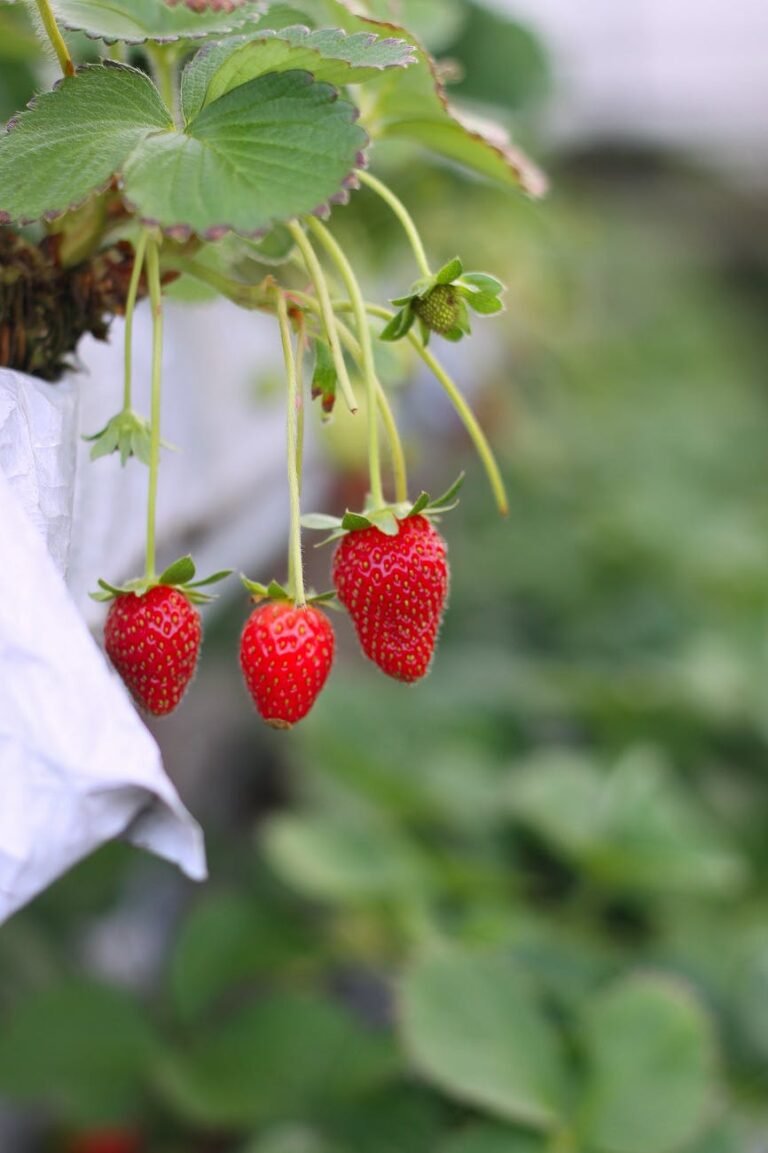
- Strawberries: If you have ever-bearing or June-bearing varieties in your raised beds, this is prime picking time! Harvest ripe, red berries gently to avoid bruising. Enjoy them fresh, in pies, or make preserves.
- Fava Beans: If you grew these, they’re likely ready for harvest in early June. Shell the beans from their large pods.
- Garlic Scapes: If you planted hardneck garlic, the curly flower stalks (scapes) will emerge in June. Cut them off to encourage larger bulb growth. They are delicious sautéed or in pesto!
- Herbs: Continue to harvest culinary herbs like cilantro, parsley, chives, and mint regularly. Pinching back basil will encourage bushier growth.
Smart Harvesting Techniques for Raised Beds
Regular and proper harvesting is crucial for maximizing yield in your raised beds. For leafy greens, practice “cut-and-come-again” by harvesting outer leaves, allowing the plant to continue producing from its center. For fruiting plants like beans and peas, pick frequently; this signals the plant to produce more flowers and, therefore, more fruit. For root crops like radishes, do a “pull test” – gently loosen the soil around one to check its size. Always harvest in the morning after the dew has dried but before the heat of the day sets in; this helps maintain freshness and minimizes stress on the plants. Remember, the more you harvest, the more your plants will produce, keeping your kitchen stocked with fresh, homegrown goodness all summer long! https://ecorganicas.com/how-to-grow-a-tea-garden-from-leaf-to-mug/
Essential Raised Bed Care in June: Nurturing Your Garden Through the Heat
As temperatures climb and your plants grow larger and more productive, the demands on your raised bed garden increase. June is a critical month for consistent care to ensure your plants remain healthy, hydrated, and pest-free, ultimately leading to a more abundant harvest. Neglecting these essential tasks can quickly lead to stressed plants, reduced yields, or even plant loss, especially in the intense summer heat.
Mastering Your Watering Schedule
Raised beds, by their very nature, tend to dry out faster than in-ground gardens. This is due to increased air circulation around the sides and the excellent drainage they provide. In June, with longer, hotter days, consistent watering is paramount. Aim for deep, infrequent watering rather than shallow, frequent sprinkles. This encourages roots to grow deeper, making plants more resilient to dry spells. Check the soil moisture daily by sticking your finger about 2-3 inches deep. If it feels dry, it’s time to water. Early morning watering (before 8 AM) is ideal as it minimizes evaporation and allows foliage to dry before nightfall, reducing the risk of fungal diseases. Consider installing a drip irrigation system or soaker hoses in your raised beds. These systems deliver water directly to the root zone, are highly efficient, and save you time and effort. A timer can automate the process, ensuring your plants never go thirsty, even if you’re away for a weekend. For larger raised beds, 10-20 gallons of water might be needed per watering to ensure deep saturation.
Fertilization & Soil Health: Fueling Growth
By June, many of your plants will be in their rapid growth or fruiting stages, which are nutrient-intensive. Your raised bed soil, while initially rich, might need a boost. A mid-season feeding can make a huge difference. Consider top-dressing with a 1-2 inch layer of good quality compost. This slowly releases nutrients, improves soil structure, and helps retain moisture. Alternatively, a balanced organic liquid fertilizer (like a fish emulsion or seaweed extract) applied every 2-4 weeks can provide a quick nutrient boost. For heavy feeders like tomatoes, peppers, and squash, you might opt for a fertilizer higher in phosphorus and potassium to support fruit development. Always follow package directions for application rates. Remember, healthy soil is the foundation of a healthy garden, so continue to nurture your raised bed’s ecosystem. https://ecorganicas.org/how-deep-to-plant-potatoes/
Pest Patrol and Disease Defense
Warm, humid June weather is also prime time for pests and diseases. Regular scouting is your best defense. Spend a few minutes each day inspecting your plants – look under leaves, check stems, and observe any discoloration or wilting.
- Common Pests: Watch out for aphids, spider mites (especially in hot, dry conditions), squash bugs, cucumber beetles, and hornworms. Hand-picking larger pests is often effective. For smaller infestations, a strong spray of water or an insecticidal soap can work wonders.
- Disease Prevention: Good air circulation is key. Ensure plants aren’t overcrowded. Prune lower leaves on tomatoes and squash to improve airflow and prevent soil-borne diseases from splashing up. Watch for signs of powdery mildew (white powdery spots on leaves) – neem oil or organic fungicides can help.
- Weed Management: Weeds compete for water and nutrients. Keep your raised beds as weed-free as possible. A layer of organic mulch (straw, shredded leaves, or wood chips) around your plants can suppress weeds, conserve moisture, and regulate soil temperature.
By staying proactive with watering, feeding, and pest management, you can ensure your raised beds continue to thrive and produce abundantly throughout the summer months.
Top American Product Recommendations for Your June Raised Bed
Equipping your raised bed garden with the right tools and supplies can make all the difference in June. From efficient watering systems to quality soil amendments, American retailers like Home Depot, Lowe’s, and Amazon US offer a vast array of products to help your garden flourish. Here are some recommendations to consider as you navigate the summer gardening season.
Smart Watering Solutions
Consistent watering is non-negotiable in June. Investing in smart solutions will save you time and ensure your plants get the hydration they need.
- Drip Irrigation Kits: Many brands like Rain Bird or Orbit offer starter kits perfect for raised beds. You can find these at Home Depot or Lowe’s for $30-$80. They deliver water directly to the root zone, reducing waste and disease risk.
- Soaker Hoses: A more budget-friendly option, soaker hoses slowly weep water along their entire length. A 50-foot soaker hose costs around $15-$25 on Amazon or at your local hardware store.
- Programmable Water Timers: Connect these to your spigot and drip system for automated watering. Brands like Orbit or Gilmour offer reliable timers for $25-$50 at Lowe’s or Home Depot.
- Moisture Meters: Take the guesswork out of watering. A simple soil moisture meter (around $10-$20 on Amazon) tells you exactly when your plants need a drink.
Quality Soil & Amendments
Your soil is the foundation of your raised bed’s success. June is a great time for a mid-season boost.
- Organic Raised Bed Soil Mix: If you’re topping up or starting new beds, look for reputable brands like Kellogg Garden Organics or Espoma Organic. A 1.5 cubic foot bag typically runs $10-$15 at Home Depot or Lowe’s. These are formulated for excellent drainage and nutrient retention.
- Compost: Bagged organic compost (e.g., Black Kow, Mushroom Compost) is excellent for top-dressing. A 1 cubic foot bag is usually $5-$10.
- Organic All-Purpose Fertilizer: Brands like Espoma Garden-tone or Dr. Earth offer granular or liquid options. A 4 lb bag for granular is around $15-$20 on Amazon or at garden centers.
- Worm Castings: A fantastic soil amendment for a gentle, continuous nutrient release. A 15-pound bag is often $20-$30 on Amazon.
Essential Tools & Accessories
A few key tools can make your June gardening much easier.
- Hand Trowel & Cultivator Set: A sturdy set from Fiskars or Corona is invaluable for planting, weeding, and loosening soil. Available at most hardware stores for $20-$40.
- Garden Gloves: Protect your hands from thorns, dirt, and pests. Look for comfortable, durable options from brands like Atlas or Bionic. Price range: $10-$25.
- Shade Cloth: Crucial for protecting heat-sensitive plants in hotter zones. You can find rolls of 30-50% shade cloth on Amazon or at garden supply stores for $20-$50, depending on size.
- Garden Sprayer: For applying organic pest control like neem oil or foliar fertilizers. A 1-gallon pump sprayer is typically $15-$25 at Home Depot.
By investing in these quality American products, you’ll be well-equipped to handle the demands of June gardening in your raised beds and ensure a thriving, productive summer harvest.
| Product/Technique | Best For | Price Range | Where to Buy | Rating (Out of 5) |
|---|---|---|---|---|
| Drip Irrigation Kit | Efficient, targeted watering for raised beds, saving water and time. | $30 – $80 | Home Depot, Lowe’s, Amazon US | 4.5 |
| Organic Raised Bed Soil Mix | Optimal drainage and nutrient retention for healthy root growth. | $10 – $15 per 1.5 cu ft bag | Home Depot, Lowe’s, Local Garden Centers | 4.7 |
| Shade Cloth (30-50%) | Protecting heat-sensitive plants from scorching sun in hotter climates. | $20 – $50 (depending on size) | Amazon US, Garden Supply Stores | 4.4 |
| Neem Oil Spray (Organic) | Natural pest control and mild fungicide for common garden issues. | $15 – $25 per concentrate bottle | Amazon US, Home Depot, Lowe’s | 4.3 |
| Programmable Water Timer | Automating watering schedules for consistency and convenience. | $25 – $50 | Lowe’s, Home Depot, Amazon US | 4.2 |
10+ Expert Tips for US Gardeners: Elevating Your June Raised Bed Game
Ready to take your raised bed gardening to the next level this June? These expert tips are tailored for American home gardeners facing the unique challenges and opportunities of early summer. Implement these strategies, and watch your garden flourish!
- Mulch Heavily: Apply a 2-4 inch layer of organic mulch (straw, shredded leaves, or wood chips) to your raised beds. This conserves soil moisture, suppresses weeds, and helps regulate soil temperature, keeping roots cooler in the scorching summer sun.
- Water Deeply, Less Often: Instead of light, daily sprinkles, aim for thorough waterings that soak down 6-8 inches. This encourages deeper root growth, making your plants more resilient to dry spells. Check soil moisture with your finger before watering.
- Fertilize Mid-Season: Many plants are heavy feeders, especially when fruiting. Give your raised beds a boost with a balanced organic liquid fertilizer or a top-dressing of compost or worm castings to replenish nutrients.
- Prune for Production & Airflow: For tomatoes, prune suckers (shoots growing between the main stem and a leaf branch) to direct energy into fruit production. For squash and cucumbers, remove old or yellowing leaves to improve airflow and reduce disease risk.
- Succession Plant Quick Crops: Don’t let bare spots sit idle! As you harvest early crops like radishes or lettuce, immediately replant with more heat-tolerant varieties or another batch of quick-growing beans or carrots.
- Attract Pollinators: Plant pollinator-friendly flowers like marigolds, zinnias, or sunflowers around your raised beds. Bees and other beneficial insects are crucial for fruit set on squash, cucumbers, and melons.
- Provide Support Early: Stake or cage tomatoes, peppers, and eggplants while they are