
body { font-family: ‘Arial’, sans-serif; line-height: 1.6; color: #333; margin: 0; padding: 0; background-color: #f9f9f9; }
.container { max-width: 960px; margin: 20px auto; padding: 20px; background: #fff; border-radius: 8px; box-shadow: 0 0 10px rgba(0,0,0,0.1); }
h1, h2, h3 { color: #2E8B57; }
h1 { text-align: center; margin-bottom: 30px; }
h2 { border-bottom: 2px solid #EEE; padding-bottom: 10px; margin-top: 40px; }
h3 { margin-top: 25px; color: #4682B4; }
p { margin-bottom: 1em; }
ul, ol { margin-bottom: 1em; margin-left: 20px; }
li { margin-bottom: 0.5em; }
table { width: 100%; border-collapse: collapse; margin-top: 20px; margin-bottom: 20px; }
th, td { border: 1px solid #ddd; padding: 8px; text-align: left; }
th { background-color: #f2f2f2; }
.key-takeaways { background-color: #e6ffe6; border-left: 5px solid #4CAF50; padding: 15px; margin: 25px 0; border-radius: 5px; }
.key-takeaways h3 { color: #4CAF50; margin-top: 0; }
.button-container { text-align: center; margin: 30px 0; }
.button { background-color: #4CAF50; color: white; padding: 15px 25px; text-align: center; text-decoration: none; display: inline-block; font-size: 16px; margin: 4px 2px; cursor: pointer; border-radius: 8px; transition: background-color 0.3s ease; }
.button:hover { background-color: #45a049; }
.cta { background-color: #f0f8ff; border: 1px solid #add8e6; padding: 25px; margin-top: 40px; text-align: center; border-radius: 8px; }
.cta h3 { color: #4682B4; margin-top: 0; }
footer { text-align: center; padding: 20px; margin-top: 40px; background-color: #f2f2f2; color: #666; font-size: 0.9em; }
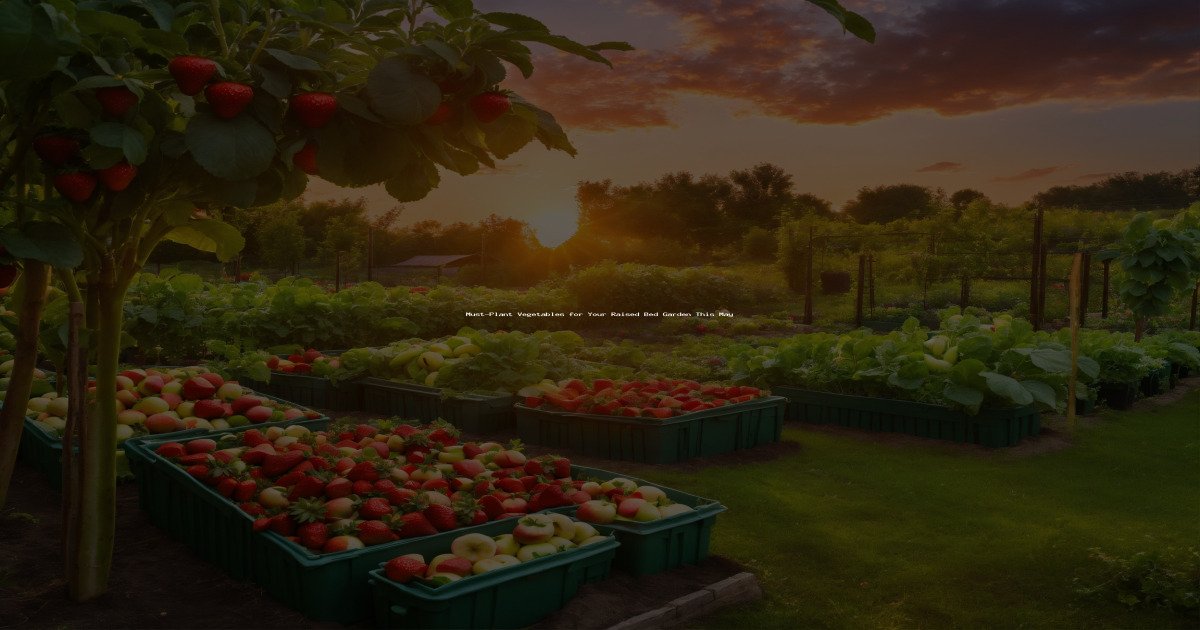
Must-Plant Vegetables for Your Raised Bed Garden This May
Ah, May! The birds are singing, the sun is shining a little brighter, and the air is filled with that unmistakable scent of fresh earth. For American home gardeners, May isn’t just another month; it’s a vibrant symphony of growth, a promise of bountiful harvests, and arguably the most exciting time to get your hands dirty. If you’ve been dreaming of homegrown tomatoes, crisp lettuce, or sweet peppers, now is your moment. Especially if you’re working with a raised bed garden, May offers a unique window of opportunity to plant a wide array of vegetables that will thrive through the summer and into fall.
Across our vast continental USA, from the sun-drenched plains of Kansas to the misty mornings of the Pacific Northwest, and from the humid warmth of Florida to the cooler breezes of New England, gardeners are eagerly awaiting this time. You’ve likely spent the cooler months poring over seed catalogs, sketching out your garden layout, and maybe even building or refreshing your raised beds. Now, with the threat of frost largely diminished for many (though always check your local forecast and USDA hardiness zone!), it’s time to transform those dreams into delicious reality.
Raised beds are truly a game-changer for many home gardeners. They offer superior drainage, warmer soil temperatures earlier in the season, and better control over soil quality. This means you can often get a head start and enjoy a more productive growing season. Whether you’re in USDA Zone 5, just seeing your last frost pass, or in Zone 9, where summer heat is already knocking, there are specific vegetables perfectly suited for planting this month. We’ll delve into the best choices, regional considerations, essential tools, and expert tips to ensure your raised bed garden flourishes.
Get ready to embrace the joy of growing your own food. This guide is your ultimate companion for planting success this May, helping you turn your raised bed into a powerhouse of fresh, organic produce. Let’s dig in and make this your most productive gardening season yet!
Key Takeaways for Your May Raised Bed Garden
- Timing is Everything: May is prime planting time across most of the US for warm-season crops.
- Know Your Zone: USDA hardiness zones and local frost dates dictate what and when to plant.
- Raised Bed Advantages: Enjoy warmer soil, better drainage, and improved soil quality.
- Top Picks: Tomatoes, peppers, beans, squash, and corn are excellent May plantings.
- Regional Wisdom: Adapt your plant choices to your specific climate in the Northeast, South, Midwest, Pacific Northwest, or Southwest.
- Essential Tools: Invest in quality soil, hand tools, and proper watering systems.
The Magic of May Planting: Unleash Your Raised Bed’s Potential
May truly is a magical month for American gardeners, especially those embracing the efficiency and charm of raised beds. As the days lengthen and the sun climbs higher, soil temperatures begin to consistently reach the sweet spot for a vast array of popular vegetables. For many across the continental USA, the last average frost date has passed or is just about to, signaling the green light for planting heat-loving crops that will mature throughout the summer.
Raised beds offer significant advantages that amplify this May magic. Their elevated structure means the soil warms up faster in the spring compared to in-ground gardens. This gives your seedlings a head start, promoting quicker germination and robust early growth. Furthermore, raised beds provide superior drainage, preventing waterlogging which can be detrimental to young plants, especially during periods of heavy spring rains. You also have complete control over your soil mix, allowing you to create the perfect nutrient-rich environment for your chosen crops right from the get-go.
Consider the difference between a traditional garden and a raised bed in a state like Ohio or Illinois. While the ground might still be chilly and compacted from winter, the soil in a raised bed, especially one filled with a high-quality mix of compost and topsoil, will be several degrees warmer, welcoming those tender roots with open arms. This early warmth is crucial for crops like tomatoes, peppers, and squash, which absolutely detest cold feet.
This section will guide you through understanding the optimal conditions for May planting, highlighting why raised beds are your best ally, and how to prepare them for a season of abundance.
Understanding Soil Temperature: Your Plants’ Thermometer
While air temperature is important, soil temperature is the true indicator for planting success. Most warm-season vegetables, like corn and beans, prefer soil temperatures consistently above 60°F (15°C) for optimal germination and growth. For heat-lovers like tomatoes, peppers, and eggplant, 65-70°F (18-21°C) is ideal. You can purchase a soil thermometer at any garden center like Lowe’s or Home Depot, or even on Amazon, for about $10-$20. Stick it about 4-6 inches deep into your raised bed in the morning to get an accurate reading. Planting too early into cold soil can stunt growth, lead to disease, or even cause seeds to rot.
Benefits of Raised Beds: A Gardener’s Dream
Raised beds aren’t just pretty; they’re incredibly practical. Beyond the warmer soil and better drainage, they offer:
- Improved Soil Quality: You build your own soil mix, free from compaction and poor native soil. A good mix might include 50% topsoil, 30% compost, and 20% vermiculite or perlite.
- Easier Access: No more back-breaking bending! Raised beds are at a comfortable height for planting, weeding, and harvesting.
- Pest Control: While not foolproof, raised beds can offer a slight barrier against some ground-dwelling pests.
- Extended Season: Warmer spring soil means earlier planting, and better drainage helps prevent rot if you get a surprise late-season cold snap.
- Defined Space: Keeps your garden tidy and organized, making crop rotation and planning simpler.
Early Season Success: Preparing Your Bed for Bountiful Harvests
Before you even think about planting, ensure your raised bed is ready. If you established it last year, top it off with a few inches of fresh compost. If it’s a new bed, fill it with a high-quality raised bed mix. Break up any large clumps of soil, level the surface, and ensure it’s moist but not waterlogged. Consider adding an organic granular fertilizer, like Espoma Garden-tone, to enrich the soil before planting. This initial preparation sets the stage for a thriving garden from your first seed to your last harvest. You can learn more about soil preparation for raised beds at https://ecorganicas.org/do-plant-cells-have-mitochondria/.
Regional Rhythms: What to Plant Where This May
The beauty and challenge of gardening in the USA lie in its incredible climatic diversity. What thrives in a raised bed in coastal California in May might struggle in the high desert of Arizona or the humid South. Understanding your specific region’s climate patterns, including typical last frost dates and impending summer heat, is crucial for choosing the right vegetables for your raised bed this month. We’ll break down planting recommendations by major US regions, helping you tailor your garden plan for optimal success.
Remember, these are general guidelines. Always cross-reference with your specific USDA Hardiness Zone and local Cooperative Extension office for the most accurate information. A quick search for “average last frost date [your city, state]” can be invaluable. For instance, while most of the South is well past frost by May, parts of the Mountain West might still be dealing with chilly nights.
Northeast & Upper Midwest (USDA Zones 3-6)
For gardeners in states like New York, Pennsylvania, Michigan, Wisconsin, and Minnesota, May is a bustling month. The last frost date typically falls in late April to mid-May. Once consistent nighttime temperatures stay above 50°F (10°C), you can safely plant:
- Warm-Season Staples: Tomatoes (start with strong transplants), peppers, eggplant, bush beans, pole beans, squash (zucchini, yellow squash), cucumbers.
- Corn: If you have a large enough raised bed, plant corn in blocks for good pollination.
- Root Vegetables: Carrots, radishes, beets (for continued harvests).
- Leafy Greens: Swiss chard, kale, and heat-tolerant lettuce varieties can still be planted, especially if you provide some afternoon shade as summer approaches.
Look for short-season varieties of corn and squash to ensure they mature before fall frosts.
The Sunny South (USDA Zones 7-10)
From the Carolinas to Georgia, Florida, and parts of Texas, May means embracing the heat. Many warm-season crops are in their prime planting window, or already well established. You’ll want to focus on heat-tolerant varieties.
- Heat-Lovers: Tomatoes, peppers, okra, sweet potatoes (slips), southern peas (cowpeas), eggplant.
- Vining Crops: Watermelons, cantaloupes, cucumbers, and summer squash will thrive.
- Beans: Bush and pole beans will do well.
- Herbs: Basil, rosemary, thyme, and oregano can be planted now.
Consider afternoon shade for some crops as temperatures climb towards 90°F (32°C) and above. Mulching heavily is essential to retain moisture and keep soil temperatures stable.
Plains & Mountain West (USDA Zones 4-7)
States like Nebraska, Colorado, Montana, and Idaho experience significant temperature swings and often later frost dates than other regions. May is the sweet spot for many, but pay close attention to nighttime lows.
- Hardy Warm-Season Crops: Bush beans, pole beans, zucchini, yellow squash, cucumbers, corn.
- Transplants: Tomatoes, peppers, and eggplant should be planted as strong transplants after the last frost.
- Root Vegetables: Carrots, beets, and radishes can be planted throughout May for succession.
- Cole Crops (late season): Broccoli and cabbage can often be planted now for a fall harvest, especially at higher elevations.
Utilize row covers for unexpected cold snaps and consider windbreaks for exposed raised beds.
Pacific Northwest (USDA Zones 6-9)
The PNW (Washington, Oregon) enjoys a longer, milder growing season, but spring can be cool and wet. May is when things really start to warm up.
- Warm-Season Favorites: Tomatoes (choose early-ripening varieties for cooler summers), peppers, bush beans, pole beans, cucumbers, summer squash.
- Leafy Greens: Lettuce, spinach, Swiss chard, and kale can still be planted, especially in shadier spots.
- Root Vegetables: Carrots, beets, and radishes.
- Brassicas: Broccoli and cabbage can be planted now for summer harvest.
Ensure good drainage in your raised beds, especially if you have a lot of spring rain. Raised beds are particularly beneficial here for warming up the soil faster.
Southwest Deserts (USDA Zones 8-10)
Arizona, New Mexico, and parts of California’s interior face intense heat. May is a transitional month; some crops are finishing up, while others need to be planted quickly before peak summer.
- Fast-Maturing Warm Season: Bush beans, specific heat-tolerant tomato varieties (e.g., ‘Heatwave’), peppers, okra.
- Melons & Squash: Watermelons, cantaloupes, and certain squash varieties can still be planted for late summer harvest.
- Cover Crops: Consider planting a summer cover crop in beds that will sit empty to improve soil health and suppress weeds.
Focus on early morning watering, heavy mulching, and providing shade cloth as temperatures soar above 100°F (38°C) to prevent sunscald on fruits. For more detailed regional planting guides, check out resources like https://ecorganicas.org/how-deep-to-plant-potatoes/.
Top Tier Picks: Must-Plant Vegetables for May
With your raised beds prepped and your regional climate understood, it’s time for the fun part: choosing what to plant! May is an incredibly versatile month, allowing for both the last of the cool-season crops in some areas and the full swing of warm-season favorites in most. We’ll focus on the star performers that absolutely thrive when planted in your raised bed garden this month, ensuring a productive and delicious harvest.
When selecting varieties, consider disease resistance, days to maturity, and suitability for your specific climate. Many American seed companies like Burpee, Baker Creek Heirloom Seeds, and Park Seed offer excellent selections tailored for home gardeners. Don’t be afraid to try a few different varieties to see what performs best in your unique microclimate!
Tomatoes & Peppers: The Summer Stars
No American garden feels complete without tomatoes and peppers, and May is prime planting time for these sun-loving beauties across much of the country. Start with strong, healthy transplants rather than seeds directly in the ground, especially if your growing season is shorter.
- Tomatoes: Choose indeterminate varieties for continuous harvests or determinate for a quicker, concentrated yield. Plant them deep, burying part of the stem to encourage more root growth. Space them about 24-36 inches apart. Provide sturdy stakes or cages at planting time. Good varieties include ‘Celebrity’, ‘Better Bush’, and ‘Cherokee Purple’.
- Peppers: Both sweet and hot peppers thrive in warm soil. Plant transplants 18-24 inches apart. They appreciate consistent moisture and a good dose of phosphorus for fruit development. Varieties like ‘California Wonder’ bell peppers or ‘Jalapeno M’ are popular choices.
Remember, these plants are heavy feeders, so ensure your raised bed soil is rich in organic matter.
Beans & Peas: Nitrogen Fixers and Quick Rewards
Beans are incredibly easy to grow and are a fantastic choice for raised beds. They also fix nitrogen in the soil, benefiting neighboring plants.
- Bush Beans: These are compact and don’t require support. Plant seeds 1 inch deep and 3-4 inches apart. ‘Provider’ and ‘Blue Lake’ are reliable choices. You can succession plant every 2-3 weeks for a continuous harvest.
- Pole Beans: These vining beans need a trellis or pole to climb. Plant seeds 1 inch deep at the base of your support. ‘Kentucky Wonder’ is a classic.
- Southern Peas (Cowpeas): For warmer regions, these are a heat-tolerant alternative to traditional beans. Varieties like ‘Black-Eyed Peas’ are excellent.
While most peas are cool-season crops, you might still get a late planting of snow or snap peas in cooler northern climates, but generally, beans are the better May choice for many.
Squash & Cucumbers: Vining Delights
These prolific producers love warm soil and sunshine. Be mindful of their sprawling nature; choose bush varieties for smaller raised beds or provide strong trellises for vining types.
- Summer Squash: Zucchini and yellow squash grow quickly. Plant seeds 1 inch deep, 24-36 inches apart, or start with transplants. ‘Black Beauty’ zucchini and ‘Early Prolific Straightneck’ yellow squash are common.
- Cucumbers: Vining cucumbers need support, while bush varieties are more compact. Plant seeds 1 inch deep, 12-18 inches apart, or use transplants. ‘Marketmore 76’ is a popular slicer.
These plants are heavy water users, so consistent moisture is key, especially as fruits develop.
Corn: The All-American Staple
If your raised bed is large enough (at least 4×4 feet) and you have multiple beds, corn can be a rewarding crop. Plant in blocks (at least 4×4 rows) rather than a single long row to ensure good pollination.
- Sweet Corn: Plant seeds 1 inch deep, 6-12 inches apart, thinning to 12 inches. Consider varieties like ‘Bodacious’ or ‘Peaches and Cream’.
Corn is a heavy feeder and drinker, so enrich your soil and water regularly. For smaller spaces, consider dwarf varieties or focus on other crops.
Leafy Greens & Root Crops: Extending the Harvest
While many leafy greens prefer cooler weather, some varieties can still be planted in May, especially with some afternoon shade.
- Swiss Chard & Kale: These are more heat-tolerant than lettuce. Plant seeds 1/2 inch deep, 6-12 inches apart. ‘Bright Lights’ chard and ‘Lacinato’ kale are excellent.
- Carrots & Beets: Direct sow seeds 1/2 inch deep. Thin carrots to 2-3 inches apart and beets to 3-4 inches. ‘Danvers 126’ carrots and ‘Detroit Dark Red’ beets are reliable. Ensure your raised bed soil is loose and free of rocks for straight roots.
For more detailed planting guides on specific vegetables, check out https://ecorganicas.com/10-aesthetic-plants-for-a-quiet-luxury-garden-look/ for deep dives into individual crop needs.
Essential Gear & American Product Recommendations
A successful raised bed garden isn’t just about what you plant; it’s also about having the right tools and supplies. Investing in quality products, many readily available at your local Home Depot, Lowe’s, or via Amazon US, will make your gardening experience more enjoyable and productive. This section will highlight some must-have items and trusted American brands to help you equip your gardening arsenal.
Think of your tools as an extension of your hands. Good tools are durable, comfortable to use, and perform their specific tasks efficiently. They can turn a chore into a pleasure and significantly impact your garden’s health and your own enthusiasm.
Raised Bed Kits & Soil Mixes: The Foundation of Success
- Raised Bed Kits: If you’re building a new bed, consider sturdy kits from companies like Gardener’s Supply Company or brands found at Home Depot and Lowe’s. Options range from cedar to galvanized steel. A popular size is 4×8 feet or 4×4 feet.
- Raised Bed Soil Mix: Don’t just fill your bed with garden soil. Look for specific “Raised Bed Mix” products from brands like Miracle-Gro or Espoma. These are formulated for optimal drainage and nutrient retention. A typical 4x8x1 foot bed might need 15-20 cubic feet of soil.
- Compost: Essential for fertility. Bagged compost from local nurseries or brands like Black Kow (available at many hardware stores) is excellent.
Gardening Tools You’ll Love: Made for American Hands
- Hand Trowel: A sturdy stainless steel trowel with a comfortable grip is invaluable for planting seedlings. Look for brands like Fiskars or AMES.
- Hand Cultivator/Weeder: For breaking up small clumps of soil and removing weeds. A three-pronged cultivator is very effective.
- Garden Fork: Great for aerating soil and mixing in amendments.
- Pruners: A good pair of bypass pruners (like Felco or Fiskars) is crucial for harvesting, deadheading, and light pruning.
- Watering Can or Hose with Sprayer: For precise watering. A 2-gallon watering can is a good size for raised beds. Consider a soaker hose or drip irrigation system for efficiency, especially for larger beds.
- Gardening Gloves: Protect your hands! Look for breathable, durable gloves from brands like Wells Lamont.
You can find many of these items conveniently on Amazon US, often with fast shipping directly to your door.
Fertilizers & Pest Control: Nurturing and Protecting
- Organic Fertilizer: For feeding your plants throughout the season. Espoma Garden-tone or Jobe’s Organics offer excellent granular options. Follow package directions, typically applying every 4-6 weeks.
- Compost Tea: A natural liquid fertilizer you can make yourself or buy pre-made.
- Insecticidal Soap: A gentle, organic option for controlling common soft-bodied pests like aphids and spider mites. Brands like Safer Brand are widely available.
- Neem Oil: Another organic pesticide and fungicide that can help with a range of garden issues.
- Row Covers: Lightweight fabric covers can protect young plants from pests and provide a few degrees of frost protection if a surprise cold snap hits.
Always read product labels carefully and follow application instructions to ensure safe and effective use in your raised bed garden. For more advice on organic pest control, check out https://ecorganicas.com/container-gardening-styling-make-pots-the-star-of-your-patio/.
Cultivating Success: Proven Techniques for Raised Beds
Planting is just the beginning! To truly unlock the potential of your raised bed garden, you need to employ sound cultivation techniques. From smart watering to effective pest management, these practices will ensure your vegetables grow strong, healthy, and productive throughout the season. Raised beds, with their unique soil dynamics, often benefit from slightly different approaches than traditional in-ground gardens.
Consistency and observation are your best friends in the garden. Regularly check your plants for signs of stress, pests, or disease. The earlier you catch an issue, the easier it is to remedy. Remember, gardening is a continuous learning process, and every season brings new insights.
Smart Watering Strategies: Keep Your Plants Hydrated
Raised beds, while offering excellent drainage, can also dry out faster than in-ground gardens, especially during hot May days. Consistent moisture is critical for fruit and root development.
- Deep & Infrequent: Aim for deep watering sessions (until water starts to drain from the bottom of the bed) rather than frequent, shallow sprinkles. This encourages roots to grow deeper, making plants more resilient.
- Morning is Best: Water in the early morning. This allows the foliage to dry before nightfall, reducing the risk of fungal diseases, and minimizes water loss to evaporation in the heat of the day.
- Check Soil Moisture: Don’t just water on a schedule. Stick your finger 2-3 inches into the soil. If it feels dry, it’s time to water.
- Drip Systems/Soaker Hoses: Consider installing a simple drip irrigation system or soaker hoses. They deliver water directly to the root zone, minimizing waste and keeping foliage dry. You can find affordable kits at Home Depot or Lowe’s.
- Mulching: Apply a 2-4 inch layer of organic mulch (straw, shredded leaves, wood chips) around your plants. This significantly reduces water evaporation, suppresses weeds, and moderates soil temperature.
A typical raised bed might need 1-2 gallons of water per square foot per week, depending on the weather and plant type.
Nutrient Nurturing: Feeding Your Hungry Plants
Since raised beds have contained soil, nutrients can be depleted over time. Regular feeding is essential.
- Compost Top-Dressing: Every few weeks, spread a thin layer (1/2 to 1 inch) of fresh compost over the soil surface. As you water, nutrients will leach down to the roots.
- Balanced Fertilizers: Use a balanced organic granular fertilizer (e.g., 5-5-5 or 4-4-4 NPK) at planting time and then every 4-6 weeks as a side dressing. Follow package instructions carefully.
- Liquid Feeds: For a quick boost, especially for heavy feeders like tomatoes and peppers, use a liquid feed like fish emulsion or a balanced organic liquid fertilizer every 2-3 weeks.
- Micronutrients: Raised beds can sometimes lack micronutrients. A good organic compost usually provides these, but if you notice deficiencies (e.g., yellowing leaves), consider a kelp meal or a specific micronutrient blend.
Pest Patrol & Disease Prevention: Keeping Your Garden Healthy
Vigilance is key to managing pests and diseases in your raised bed.
- Regular Inspection: Spend a few minutes each day inspecting your plants, especially the undersides of leaves, for any signs of trouble.
- Hand-Picking: For larger pests like tomato hornworms or slugs, hand-picking them off and dropping them into a bucket of soapy water is highly effective.
- Organic Sprays: For smaller pests like aphids or spider mites, an insecticidal soap or neem oil spray can be very effective. Apply in the early morning or late evening to avoid harming beneficial insects.
- Companion Planting: Strategically plant certain herbs and flowers that deter pests. Marigolds are known to repel nematodes, and basil can help deter tomato hornworms.
- Good Air Circulation: Space your plants adequately according to package directions to ensure good airflow, which helps prevent fungal diseases. Prune lower leaves on tomatoes as they grow.
- Crop Rotation: Even in a raised bed, try to rotate where you plant specific families of vegetables each year to break pest and disease cycles.
For persistent issues, your local Cooperative Extension office is an invaluable resource for region-specific advice. You can also find great tips on pest management from university extension programs like https://ecorganicas.org/do-plant-cells-have-mitochondria/.
Harvesting Happiness & Planning Ahead
The true reward of gardening in May is the anticipation of the harvest. But the work doesn’t stop once the first ripe tomato appears! Knowing when and how to harvest, along with planning for succession plantings, will maximize your raised bed’s productivity and keep you enjoying fresh produce well beyond summer. This section will guide you through the joyful process of harvesting and strategizing for continuous yields.
Imagine picking your own crisp cucumbers for a Memorial Day picnic or pulling sweet carrots straight from the earth for a Fourth of July celebration. These moments are what make all the hard work worthwhile. Let’s ensure you get the most out of every plant you lovingly placed in your raised bed.
The Joy of Harvest: When to Pick Your Bounty
Each vegetable has its optimal harvest time:
- Tomatoes: Pick when fully colored and slightly soft to the touch.
- Peppers: Can be picked green for a milder flavor or allowed to
You Might Also Like

Landscaping near me 2025

May’s Must-Plant Veggies for Your Raised Bed Garden Right Now

what do sea grapes taste like

Catalpa Care and Growing Guide 24/7
The Vibrant Beauty of Crocosmia Lucifer: A Guide to Cultivation and Care
Maximize Your June Harvest: Top 5 Vegetable Garden Tasks You Can’t Skip This Month
