body { font-family: ‘Arial’, sans-serif; line-height: 1.6; color: #333; margin: 0; padding: 20px; background-color: #f9f9f9; }
.container { max-width: 900px; margin: auto; background: #fff; padding: 30px; border-radius: 8px; box-shadow: 0 0 15px rgba(0,0,0,0.1); }
h1, h2, h3 { color: #2c5f2d; margin-top: 1.5em; margin-bottom: 0.5em; }
h1 { font-size: 2.5em; text-align: center; }
h2 { font-size: 1.8em; border-bottom: 2px solid #e0e0e0; padding-bottom: 0.3em; }
h3 { font-size: 1.3em; color: #5a8d5b; }
p { margin-bottom: 1em; }
ul, ol { margin-bottom: 1em; padding-left: 20px; }
li { margin-bottom: 0.5em; }
table { width: 100%; border-collapse: collapse; margin-bottom: 1.5em; }
th, td { border: 1px solid #ddd; padding: 10px; text-align: left; }
th { background-color: #e6f2e6; color: #2c5f2d; font-weight: bold; }
.key-takeaways { background-color: #f0f7f0; border-left: 5px solid #5a8d5b; padding: 20px; margin: 2em 0; border-radius: 5px; }
.key-takeaways h2 { color: #2c5f2d; border-bottom: none; }
.button-container { text-align: center; margin: 2em 0; }
.button { display: inline-block; background-color: #5a8d5b; color: white; padding: 12px 25px; text-decoration: none; border-radius: 5px; font-size: 1.1em; margin: 0 10px; transition: background-color 0.3s ease; }
.button:hover { background-color: #4a7a4b; }
a { color: #5a8d5b; text-decoration: none; }
a:hover { text-decoration: underline; }
.cta-box { background-color: #e6f2e6; padding: 30px; margin-top: 2em; border-radius: 8px; text-align: center; }
.cta-box h2 { color: #2c5f2d; margin-top: 0; }
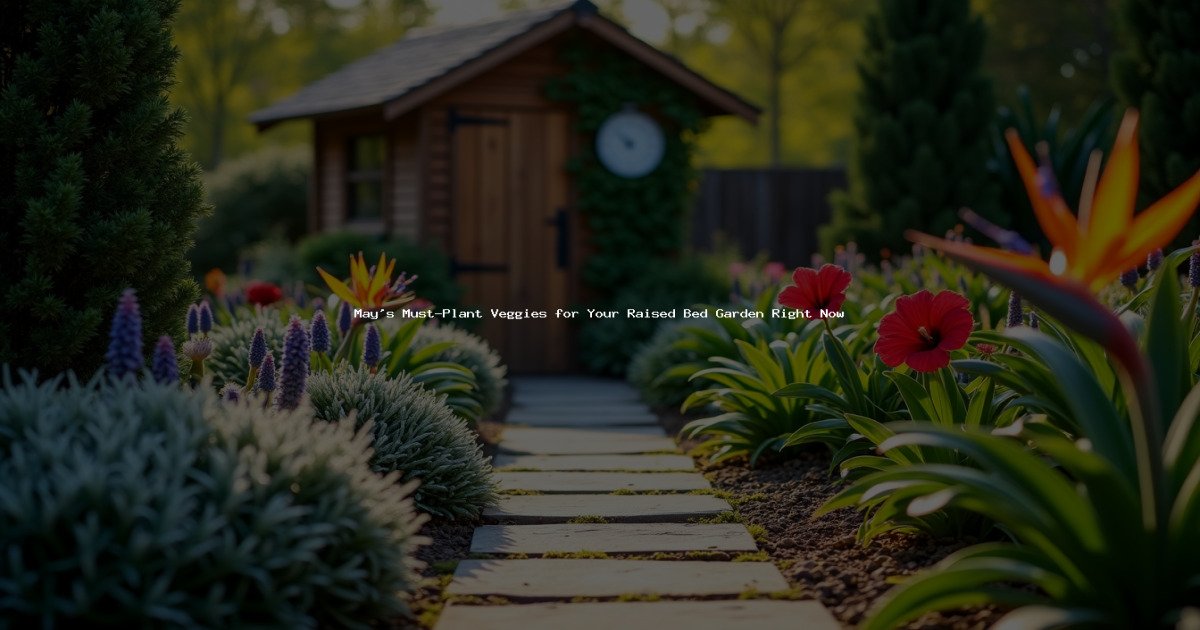
May’s Must-Plant Veggies for Your Raised Bed Garden Right Now
Ah, May! Can you feel it? That sweet, warm breeze carrying the scent of fresh earth and blooming flowers? For American home gardeners across the continental USA, May isn’t just a month on the calendar; it’s a vibrant call to action, the crescendo of spring, and the absolute prime time to get your hands dirty in the garden. After months of planning, dreaming, and perhaps even starting seeds indoors, the moment has finally arrived to transform your raised beds into a lush, productive oasis.
If you’re anything like me, the anticipation of biting into a sun-ripened tomato or a crisp head of lettuce from your own backyard is what fuels those early morning garden sessions. And with raised beds, you’re already ahead of the game! They offer superior drainage, warmer soil temperatures, and less back strain – a gardener’s trifecta. But knowing *what* to plant and *when* can feel a little like deciphering a secret code, especially with the vast climate differences spanning our incredible nation.
From the frosty edges of USDA Zone 4 in the northern Midwest and Northeast, where late spring might still bring a surprise chill, to the sun-drenched Zone 9 and 10 stretches of the South and Southwest, May presents a unique window of opportunity. This isn’t just about throwing seeds in the ground; it’s about smart planting, understanding your local microclimate, and setting your garden up for a summer (and even fall!) of abundance. Whether you’re in the humid South, the temperate Pacific Northwest, the sun-baked Southwest, or the changing seasons of the Midwest and Northeast, May offers a chance to plant a diverse array of vegetables that thrive in the warming soil and longer days.
We’re talking about capitalizing on the ideal soil temperatures that are finally consistently above 60°F in many regions, signaling the all-clear for heat-loving plants. We’re going to dive deep into specific veggie recommendations, regional planting calendars, essential tools you can grab at your local Home Depot or Lowe’s, and expert tips to ensure your raised beds are bursting with life. Get ready to make this May your most productive gardening month yet!
Key Takeaways for Your May Garden:
- Timing is Everything: May is prime for planting warm-season crops like tomatoes, peppers, and squash across most of the US, but always check your local last frost date.
- Regional Savvy: Tailor your planting schedule to your specific USDA zone and region (Northeast, South, Midwest, Pacific Northwest, Southwest) for optimal success.
- Raised Bed Benefits: Leverage the advantages of raised beds – better drainage, warmer soil, and easier access – for a thriving garden.
- Smart Product Choices: Utilize readily available American products from stores like Home Depot, Lowe’s, and Amazon to equip your garden.
- Succession Planting: Maximize your harvest by planning multiple plantings of quick-growing crops.
- Pest & Disease Watch: Stay vigilant and proactive to protect your young plants from common spring issues.
May’s Ultimate Planting Power-Up: Why Now is Prime Time for Your Raised Beds
May is truly the sweet spot for gardening across much of the United States. The threat of late spring frosts begins to recede in many areas, and the soil, after months of winter’s chill, is finally warming up to ideal temperatures for a vast array of vegetables. For your raised beds, this warming trend is particularly beneficial. Raised beds typically warm up faster in the spring than traditional in-ground gardens, giving you a head start on the growing season. This means you can often plant tender, heat-loving crops a week or two earlier than your neighbors with conventional plots.
The longer daylight hours of May also play a crucial role. More sunshine means more energy for photosynthesis, leading to stronger, healthier plant growth. This is especially important for fruiting vegetables like tomatoes, peppers, and eggplant, which need ample light to produce bountiful harvests. As we move closer to Memorial Day, even gardeners in cooler zones like USDA 5 and 6 can confidently put out their warm-season transplants, knowing that the risk of a killing frost has significantly diminished. For those in warmer zones like 7, 8, and 9, May is about solidifying your summer garden plan, perhaps even getting in a second round of planting for crops that thrive in intense heat.
However, “prime time” isn’t a blanket statement for every single region. It’s about understanding your specific local conditions. Always keep an eye on your local weather forecast for any unexpected cold snaps, especially if you’re planting tender seedlings. A good rule of thumb is to ensure nighttime temperatures are consistently above 50°F before planting most warm-season crops. Soil thermometers, easily found at Home Depot or Lowe’s for around $10-$15, are invaluable tools for confirming your soil is ready. Aim for soil temperatures above 60°F for optimal germination and root development for most summer veggies. Don’t rush it; a little patience now will pay off with robust plants later!
Embracing the May Warmth for Peak Performance
As the days lengthen, the sun’s intensity increases, providing the perfect conditions for established plants to really take off. This means feeding your soil is more important than ever. Incorporating a good quality organic compost or a balanced granular fertilizer (like a 5-10-5 or 10-10-10) into your raised beds now will give your plants the nutrients they need for rapid growth. Remember, raised beds can sometimes dry out faster than in-ground gardens, so consistent watering is key, especially for newly planted seedlings. Aim for about 1 inch of water per week, either from rain or irrigation, checking the soil moisture regularly by sticking your finger down about 2 inches. If it feels dry, it’s time to water.
For those quick-growing spring crops like lettuce, radishes, and spinach that you might have planted in April, May is harvest time! As you pick these, consider succession planting – immediately replanting the empty spots with new seeds or starts. This strategy ensures a continuous harvest throughout the summer. For instance, after harvesting your early spring greens, you could plant bush beans or cucumbers in their place, taking advantage of the now-warmer soil. May is a month of transition, from the cool-season crops of early spring to the heat-loving stars of summer, and your raised beds are the perfect stage for this exciting shift. Make sure your raised beds are topped up with a rich soil mix; a good blend from your local garden center typically costs around $8-$12 for a 1.5 cubic foot bag, and most 4×8 foot raised beds will need several bags to fill or top off. For more on soil health, check out https://ecorganicas.com/10-aesthetic-plants-for-a-quiet-luxury-garden-look/.
Regional Raised Bed Road Map: Tailoring Your May Planting Across the US
The beauty of American gardening lies in its incredible diversity, but this also means a one-size-fits-all planting guide for May just won’t cut it. What thrives in the sweltering South might struggle in the cool Pacific Northwest, and vice-versa. Understanding your specific region and USDA Hardiness Zone is paramount to a successful May planting strategy. Let’s break down what May looks like for different parts of the continental USA, ensuring your raised beds are optimized for local conditions.
Northeast (USDA Zones 4-7)
In states like Maine, New York, Pennsylvania, and Massachusetts, May often signals the true start of warm-season planting. While early May might still see a lingering chill, especially in higher elevations or northern reaches, by mid-to-late May, the danger of frost is typically past. This is prime time for planting transplants of tomatoes, peppers, eggplant, and squash. Direct sow beans, corn, and cucumbers. You can also plant a second round of quick-growing greens like lettuce and spinach early in the month before the heat becomes too intense, perhaps choosing heat-tolerant varieties. Keep an eye on night temperatures; if they dip below 45°F, consider covering tender plants with row covers or blankets overnight.
The South (USDA Zones 7-10)
From Florida to Texas, Georgia to the Carolinas, May in the South is often a transition into serious heat. Many gardeners here have already planted their warm-season crops in April. In May, you might be looking at a second planting of heat-loving crops like okra, sweet potatoes, and Southern peas. Tomatoes, peppers, and eggplant should be well-established, and you might even be harvesting early fruits. Be vigilant about watering; the intense sun and humidity mean your raised beds will dry out quickly. Consider adding a thick layer of mulch (2-3 inches) to conserve moisture and regulate soil temperature. This is also a good time to plant heat-tolerant herbs like basil and rosemary. For gardening specific to the humid South, see https://ecorganicas.org/how-deep-to-plant-potatoes/.
Midwest (USDA Zones 3-6)
Ohio, Illinois, Iowa, and the Dakotas experience a variable May. Early May can still be dicey with frost, especially in the northern plains. By Memorial Day, however, most of the Midwest is ready for full-on warm-season planting. This is your window for corn, beans, squash, melons, and pumpkins. Transplants of tomatoes, peppers, and eggplants can go into the raised beds. Don’t forget to harden off your seedlings before planting them out to minimize transplant shock. The Midwest also has a great tradition of community gardens and local seed swaps, making it a vibrant place for gardeners. For tips on hardening off plants, visit https://ecorganicas.com/how-to-grow-a-tea-garden-from-leaf-to-mug/.
Pacific Northwest (USDA Zones 6-9)
Oregon, Washington, and parts of Northern California often have a cooler, wetter spring. While frost danger is usually gone by May, soil temperatures might take longer to warm up compared to other regions. This means you might still be planting cool-season crops like kale, Swiss chard, and lettuce early in May, alongside your warm-season staples. Focus on starting your heat-lovers from transplants to give them a head start. Varieties tolerant of cooler nights and fluctuating temperatures will do best. Direct sow beans, peas, and root vegetables like carrots and beets. Raised beds are particularly beneficial here for their excellent drainage, preventing waterlogged roots from the frequent spring rains.
Southwest (USDA Zones 7-10)
Arizona, New Mexico, Nevada, and Southern California face intense sun and often arid conditions. May is a crucial month for getting heat-tolerant crops established before the true summer inferno arrives. Think desert-adapted varieties of tomatoes, peppers, and squash. Okra, sweet potatoes, and various melons will thrive. Consistent watering is non-negotiable, and drip irrigation in your raised beds can be a game-changer. Mulching heavily is essential to retain soil moisture and keep soil temperatures from skyrocketing. Consider providing some afternoon shade for tender plants as the sun becomes more intense. Native American gardening techniques, often focusing on water conservation, can offer valuable insights here. Learn more about regional gardening at https://ecorganicas.org/do-plant-cells-have-mitochondria/.
Essential Gear for May’s Garden: Top American Product Picks
Equipping your raised bed garden for May’s planting frenzy doesn’t have to break the bank, and you can find everything you need right at your local American retailers like Home Depot, Lowe’s, or with a few clicks on Amazon US. Having the right tools and supplies makes all the difference in turning a good garden into a great one. Here are some must-have items to consider adding to your arsenal this month.
Raised Bed Soil Mixes & Amendments
A successful raised bed starts with excellent soil. Don’t just fill your beds with regular garden soil; raised beds need a specialized blend that offers superior drainage and aeration. Look for “Raised Bed Mix” at Home Depot or Lowe’s. A common blend includes compost, peat moss (or coco coir), and perlite or vermiculite. A 1.5 cubic foot bag typically costs $8-$15. For a standard 4×8 foot raised bed that’s 10-12 inches deep, you might need 10-15 bags. Brands like Miracle-Gro, Kellogg Garden Organics, or Black Gold offer reliable options. Supplementing with a bag of organic compost (around $5-$10 per bag) will boost fertility and microbial life. For heavy feeders like tomatoes, consider a slow-release granular fertilizer, perhaps a 5-10-5 or 10-10-10 blend, available in 4-pound bags for $10-$20. Espoma, Jobe’s Organics, and Dr. Earth are popular American brands.
Quality Seeds and Transplants
May is prime time for planting both seeds and transplants. For seeds, look to trusted American companies like Burpee, Baker Creek Heirloom Seeds, Park Seed, or Johnny’s Selected Seeds. These companies offer a vast selection of vegetable varieties, often with specific information about their performance in various US climates. Seed packets typically range from $2.50 to $5.00. When buying transplants, choose healthy, stocky plants from your local nursery or garden center at Home Depot or Lowe’s. Avoid leggy, yellowing, or root-bound plants. A 6-pack of vegetable starts (like tomatoes or peppers) usually costs $4-$8, while individual larger plants might be $3-$6 each.
Essential Tools for Raised Beds
While a full shed isn’t necessary, a few key tools will make your May planting much easier. A good hand trowel (Fiskars or Corona are reliable brands, $10-$20 on Amazon) is indispensable for digging planting holes. A sturdy garden fork or broadfork (around $50-$100) is excellent for aerating raised bed soil without compaction. A watering can with a gentle shower head (around $15-$30) is perfect for delicate seedlings, or consider a drip irrigation kit (starting around $50 on Amazon or at Lowe’s) for efficient, consistent watering. Don’t forget gardening gloves (around $5-$15) to protect your hands from blisters and dirt. For larger raised beds, a small, lightweight cultivator or tiller can help mix amendments into the top few inches of soil, though a sturdy rake can also do the job.
Pest and Disease Management
As your garden flourishes, so too might unwelcome guests. Having a few organic pest and disease controls on hand can save your plants. Neem oil (around $15-$25 for a concentrate) is a versatile organic option for many pests and some fungal issues. Bacillus thuringiensis (BT) is excellent for caterpillar control (around $10-$18). For slugs and snails, organic slug pellets (around $10-$15) are effective. Always read labels and follow instructions carefully. Keeping your garden healthy starts with prevention, but having these tools ready means you can act fast if a problem arises. For more on organic pest control, read https://ecorganicas.com/container-gardening-styling-make-pots-the-star-of-your-patio/.
Unlocking Success: Proven Planting Techniques for Your May Garden
Planting in May, especially in raised beds, offers a fantastic opportunity for success, but it’s not just about what you plant, but how you plant it. Implementing proven techniques can significantly boost your yields, reduce plant stress, and make your gardening experience more enjoyable. Let’s delve into some key strategies that will help your May garden thrive from seed to harvest.
Optimal Spacing and Companion Planting
Raised beds, with their rich, well-draining soil, often allow for slightly closer spacing than traditional in-ground gardens. This technique, sometimes called “intensive planting,” maximizes your yield per square foot. However, don’t overcrowd your plants to the point where air circulation is poor, which can lead to disease. Always check seed packets for recommended spacing, and aim for the lower end of the range in a raised bed. For example, tomatoes might be spaced 24 inches apart instead of 36 inches. Companion planting is another powerful technique. Planting basil near tomatoes is believed to improve flavor and deter pests. Marigolds can deter nematodes and other harmful insects. Research good companions for your chosen veggies and incorporate them strategically around your raised beds. This natural synergy can lead to healthier plants and fewer pest problems without chemicals.
Hardening Off and Transplanting Smart
If you’re planting transplants (seedlings started indoors or purchased from a nursery), “hardening off” is a non-negotiable step. This process gradually acclimates your tender plants to outdoor conditions – direct sun, wind, and fluctuating temperatures – over 7-10 days. Start by placing them in a sheltered, shady spot for a few hours, gradually increasing their exposure to sun and wind each day. Bring them in if night temperatures drop too low. When it’s time to plant, do so on an overcast day or in the late afternoon to minimize transplant shock. Dig a hole slightly larger than the root ball, carefully remove the plant from its container, and loosen any circling roots. Plant at the same depth it was in the pot, except for tomatoes, which can be planted deeper to encourage more root development. Water thoroughly immediately after planting to settle the soil around the roots.
Watering Wisdom and Mulching Mastery
Consistent and appropriate watering is critical, especially for young plants in raised beds, which can dry out faster. Aim for deep, infrequent watering rather than shallow, frequent sprinkles. This encourages roots to grow deeper, making plants more resilient. Check soil moisture daily by sticking your finger about 2 inches deep; if it feels dry, it’s time to water. Drip irrigation or soaker hoses are excellent for raised beds as they deliver water directly to the root zone, minimizing evaporation and fungal diseases. Once plants are established, apply a 2-4 inch layer of organic mulch (straw, shredded leaves, or wood chips) around them. Mulch conserves soil moisture, suppresses weeds, and regulates soil temperature, keeping roots cool in the summer and warm in cooler snaps. This can reduce your watering needs by up to 50% and save you hours of weeding.
Succession Planting for Continuous Harvests
Don’t just plant once in May and call it a season! Succession planting is the secret to a continuous harvest. For quick-growing crops like lettuce, radishes, spinach, and bush beans, plant a small batch every 2-3 weeks. As one crop finishes, the next is ready to take its place. This is particularly effective in raised beds where you can easily manage small, rotating sections. Even for longer-season crops, you might plant two rounds of corn or squash a few weeks apart to extend your harvest window. Planning ahead with a simple garden map can help you visualize and execute your succession planting strategy, ensuring you have fresh produce from spring through fall, even up to Labor Day!
Bountiful Harvests Ahead: Must-Plant Veggies for Every US Zone in May
May is the month where the garden truly comes alive, offering a vast palette of vegetables to plant for delicious summer and fall harvests. While specific timing depends on your exact USDA zone and local climate, here’s a rundown of the must-plant veggies for raised beds across the US, tailored for May’s unique conditions. These are the crops that will give you the most bang for your buck and the most satisfaction from your efforts.
The Heat-Loving Stars (Zones 5-10, Late May for Colder Zones)
- Tomatoes: The quintessential summer crop! Plant sturdy transplants of your favorite determinate (bush) or indeterminate (vining) varieties. Consider early-maturing types for cooler zones (e.g., ‘Celebrity’, ‘Early Girl’) and heat-set varieties for the South and Southwest (e.g., ‘Florida 91’, ‘Homestead’). Provide strong support like cages or stakes from day one.
- Peppers (Sweet and Hot): May is ideal for planting pepper transplants. Bell peppers, jalapeños, poblanos, and habaneros all thrive in warm soil and full sun. They love consistent moisture and good fertility.
- Eggplant: Another heat-seeker, eggplant transplants are perfect for May. Varieties like ‘Black Beauty’ or ‘Ichiban’ (Japanese eggplant) are popular.
- Squash (Summer & Winter): Direct sow seeds for zucchini, yellow squash, pattypan squash (summer), and butternut, acorn, or pumpkin (winter squash). Bush varieties are excellent for raised beds, saving space. Plant seeds 1 inch deep and 24-36 inches apart, or 2-3 seeds per mound.
- Cucumbers: Direct sow seeds or plant transplants. Vining cucumbers need trellising to save space and keep fruit clean. Bush varieties are great for smaller raised beds.
- Melons: Watermelons and cantaloupes can be direct sown in May, especially in zones 6-10. Choose smaller, earlier varieties for cooler zones. They need plenty of space and sun.
- Beans (Bush & Pole): Direct sow bush beans every 2-3 weeks for a continuous harvest. Pole beans require a trellis or support and are very productive.
- Corn: Direct sow corn in blocks (not single rows) for good pollination. Choose smaller, earlier varieties for raised beds.
Still Time for Some Spring Favorites (Zones 4-7, Early May)
- Lettuce & Salad Greens: In cooler regions, or if planting heat-tolerant varieties, you can still direct sow lettuce, arugula, and other salad greens early in May for a quick harvest before summer’s peak heat.
- Radishes: Quick-growing and satisfying, direct sow radishes for a harvest in just 3-4 weeks. Plant small batches throughout May.
- Swiss Chard & Kale: These hardy greens can tolerate warmer temperatures than lettuce and can be planted from seed or transplant in May for a harvest that often lasts into fall.
Southern Staples (Zones 8-10, Throughout May)
- Okra: Direct sow okra seeds in warm soil. It loves the heat and humidity of the South.
- Sweet Potatoes: Plant sweet potato slips (rooted cuttings) in May. They’re excellent for sprawling over the edges of raised beds or for filling larger spaces.
- Southern Peas (Cowpeas): Direct sow for a heat-loving, nitrogen-fixing crop.
Remember to check your local university extension office for specific variety recommendations that thrive in your area. They often have excellent regional guides. For example, the Cornell Cooperative Extension for the Northeast or the Texas A&M AgriLife Extension for the South. These resources are invaluable for fine-tuning your May planting plan.
Protecting Your Investment: Battling Pests and Diseases This Spring
As your raised beds burst with new life in May, so too might the challenges of garden pests and diseases. A proactive approach is your best defense, ensuring your precious plants grow strong and produce abundantly. Early detection and swift, organic intervention are key to keeping your garden healthy and productive without resorting to harsh chemicals.
Common May Pests and How to Combat Them
- Aphids: These tiny, soft-bodied insects cluster on new growth, sucking plant sap. Inspect the undersides of leaves regularly. Combat them with a strong spray of water (they often can’t climb back up), or use insecticidal soap (available at Home Depot or Lowe’s for $8-$15). Introducing ladybugs (you can buy them online or at some garden centers) is a natural and effective solution.
- Slugs and Snails: Especially prevalent in moist climates like the Pacific Northwest or after spring rains. They munch on young seedlings, leaving tell-tale slime trails. Handpick them in the evening, set beer traps (a shallow dish of beer), or use organic slug bait containing iron phosphate.
- Cucumber Beetles: These yellow and black striped or spotted beetles can damage cucumber, squash, and melon plants, and they can also spread bacterial wilt. Cover young plants with row covers (available at garden centers, $20-$40 for a large roll) until flowering begins, or handpick them.
- Cutworms: These sneaky caterpillars can sever young seedlings at the soil line overnight. Protect vulnerable plants with “collars” made from toilet paper rolls, plastic cups with the bottoms cut out, or aluminum foil placed around the stem and pushed an inch or two into the soil.
- Flea Beetles: Tiny, jumping beetles that chew small “shot holes” in leaves, especially on brassicas (kale, cabbage, broccoli). Use row covers or neem oil spray.
Preventing and Managing Diseases
- Fungal Diseases (Powdery Mildew, Blight): Often exacerbated by humidity and poor air circulation. Plant resistant varieties where possible. Ensure good spacing between plants. Water at the base of plants, avoiding wetting the foliage, especially in the evening. Remove and dispose of infected leaves immediately. Organic fungicides like neem oil or copper-based sprays can help, but prevention is always best.
- Bacterial Wilt: Often spread by cucumber beetles. Symptoms include sudden wilting of leaves and stems. There’s no cure; remove infected plants to prevent spread. Focus on controlling the cucumber beetle vectors.
- Blossom End Rot: Not a disease, but a calcium deficiency common in tomatoes and squash, causing the bottom of the fruit to rot. It’s often caused by inconsistent watering, which prevents plants from taking up available calcium. Ensure consistent moisture, especially during fruiting, and supplement with calcium
You Might Also Like

Can a cannabis plant grow for more than a year?
Raised Bed Riches: What to Plant in June for Peak Summer Harvests

What are some essential yard-care tips?

Best Backyard Vegetable Gardening 2024-A Guide to Backyard Gardening

organic way of vegetable gardening
Raised Bed Vegetable Garden: Your June Planting Guide for a Bountiful Summer Harvest
