Gardening for Anxiety: How Dirt Heals the Mind
Gardening for Anxiety: How Dirt Heals the Mind
In the relentless hustle and bustle of modern life, particularly in a vibrant yet demanding city like Bengaluru, it’s increasingly common for individuals to grapple with the pervasive grip of anxiety. The constant demands of work, the ceaseless chatter of social media, the relentless traffic, and the sheer pace of urban living can leave our minds feeling perpetually overwhelmed and on edge. Many seek solace in various forms, from meditation apps to high-intensity workouts, yet often overlook one of the most ancient, accessible, and profoundly effective antidotes: gardening. It might seem too simple, too humble, but the act of tending to plants, of getting your hands dirty, offers a remarkable pathway to mental tranquility and emotional balance. This isn’t merely a hobby; it’s a therapeutic practice deeply rooted in our primal connection to nature, offering a sanctuary for the mind amidst the chaos. The gentle rhythm of sowing seeds, nurturing growth, and harvesting the fruits of your labour provides a powerful counter-narrative to the fast-paced, often impersonal world outside. It encourages mindfulness, demanding your full presence as you observe the delicate dance of life in your own little patch of green. The vibrant colours of blooming flowers, the earthy scent of moist soil, the varied textures of leaves, and the quiet hum of busy insects all conspire to create a sensory symphony that can calm a racing mind and anchor you firmly in the present moment. Beyond the anecdotal evidence, a growing body of scientific research supports the profound psychological benefits of horticultural therapy, highlighting its capacity to reduce stress hormones, alleviate symptoms of depression and anxiety, and foster a deep sense of purpose and accomplishment. Whether you have a sprawling backyard, a compact balcony, or even just a windowsill, the opportunity to cultivate life is an invitation to cultivate inner peace. In the following sections, we will delve into the scientific underpinnings, practical applications, and profound mental health benefits that make gardening an unparalleled tool for healing the anxious mind, transforming dirt into a powerful balm for the soul right here in Bengaluru’s urban landscape.
The Science Behind Soil and Serenity
The notion that getting your hands dirty can be good for your mental health isn’t just a poetic sentiment; it’s increasingly backed by compelling scientific research. Our connection to the earth is more profound than many realise, extending beyond the aesthetic pleasure of greenery. The very soil beneath our feet, the medium we interact with in gardening, harbours microscopic allies that play a significant role in our well-being. Understanding this biological interplay can deepen our appreciation for gardening as a therapeutic practice.
Mycobacterium vaccae and the “Dirt Hypothesis”
One of the most fascinating discoveries in this realm is the role of Mycobacterium vaccae, a non-pathogenic bacterium naturally found in soil. Research suggests that exposure to this particular microbe can have antidepressant-like effects and improve cognitive function. When we inhale it, or when it enters our bloodstream through minor cuts or abrasions while gardening, it appears to stimulate the release of serotonin in the brain – a key neurotransmitter responsible for mood regulation. Serotonin is often targeted by antidepressant medications, highlighting the potential of this natural “dirt drug.” Think of it as nature’s own mood booster, offering a subtle yet significant lift to your spirits simply by engaging with the earth. This “dirt hypothesis” posits that our increasingly sterile, urban environments, disconnected from natural soil, might contribute to rising rates of anxiety and depression. Reconnecting through gardening can thus be seen as a crucial step towards restoring a natural balance within our physiology, reducing inflammation, and fostering a sense of calm and contentment. It’s a compelling argument for why a simple act like digging in the soil can feel so inherently good.
Hormonal Harmony: Cortisol and Endorphins
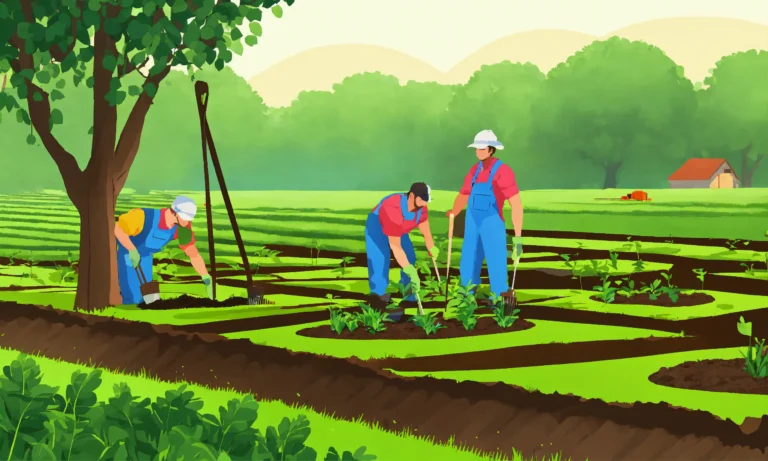
Beyond the microscopic marvels, the physical act of gardening itself orchestrates a symphony of hormonal changes that are profoundly beneficial for an anxious mind. Engaging in tasks like digging, planting, weeding, and watering constitutes a form of moderate physical exercise. This activity is known to significantly reduce levels of cortisol, often dubbed the “stress hormone,” which, when chronically elevated, can contribute to anxiety, sleep disturbances, and a host of other health issues. As cortisol levels drop, a sense of calm begins to settle in. Simultaneously, physical exertion in the garden triggers the release of endorphins – the body’s natural painkillers and mood elevators. These neurochemicals produce a sense of euphoria, often referred to as a “gardener’s high,” which can effectively combat feelings of anxiety and sadness. The rhythmic, repetitive nature of many gardening tasks, such as raking or watering, also acts as a meditative practice, allowing the mind to quiet down and focus on the present moment rather than dwelling on worries. This combination of reduced stress hormones and increased feel-good chemicals creates a powerful physiological foundation for mental well-being, making gardening a holistic approach to managing anxiety. https://ecorganicas.org/the-ultimate-guide-to-gardening-raised-beds-vegetable-growth/
Practical Gardening Activities for Stress Relief
Gardening isn’t just about the end result; it’s about the journey, the process, and the myriad small actions that contribute to growth. Each task, from the simplest to the most complex, offers a unique opportunity for mindfulness and stress reduction. By engaging with these activities deliberately, we can transform routine chores into therapeutic practices.
Mindful Potting and Planting
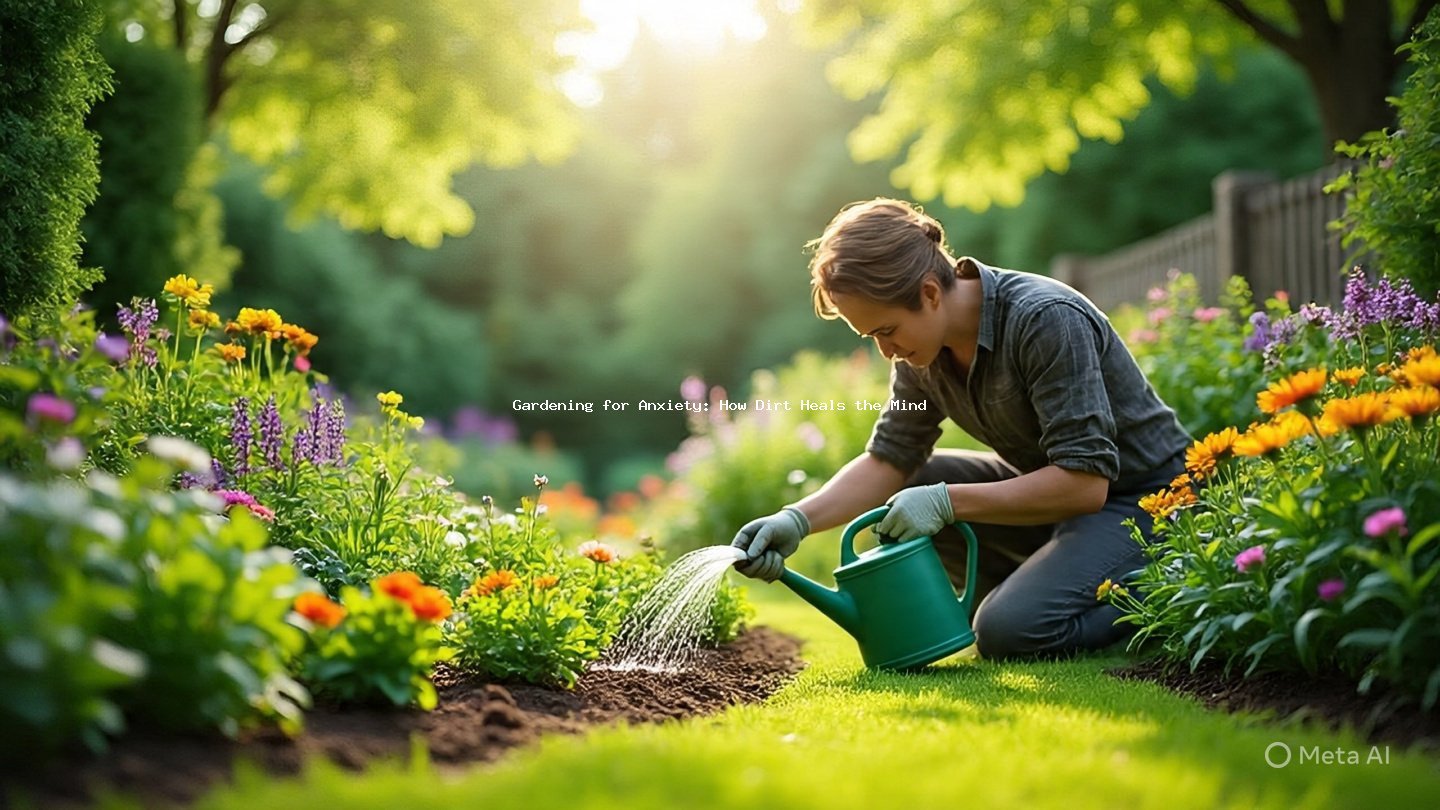
The act of potting a plant or sowing a seed is perhaps one of the most grounding experiences in gardening. Begin by consciously acknowledging the materials: the rich, earthy scent of the soil, the varied textures as it sifts through your fingers, the smooth coolness of a ceramic pot, or the fibrous feel of a coco coir pot. As you gently transfer a seedling or place a tiny seed into its new home, focus intently on the delicate nature of life you hold. Pay attention to the subtle sensations – the gentle pressure as you firm the soil around the roots, the way the water soaks in, nurturing the plant. This focused attention on a singular, life-affirming task pulls your mind away from anxious thoughts and anchors you firmly in the present moment. It’s a form of active meditation, where the simple, repetitive motions allow your mind to quieten, fostering a sense of calm and connection to the cycle of life. Choosing the right pot, preparing the soil mixture, and carefully placing the plant become rituals that slow down your pace and encourage a deeper engagement with the natural world. Consider a small ritual each time you pot, perhaps setting an intention for growth and well-being, both for the plant and for yourself.
Therapeutic Weeding and Pruning
While often seen as chores, weeding and pruning can be incredibly therapeutic. Think of weeds as unwanted thoughts or anxieties that are choking the life out of your precious plants – and your mind. The methodical act of identifying, grasping, and pulling out these intruders can be incredibly satisfying. It provides a tangible representation of clearing clutter, both in your garden and metaphorically in your head. The repetitive motion of weeding can be meditative, allowing your mind to enter a state of flow, where worries temporarily fade into the background. Similarly, pruning, the art of selectively removing branches for better health and growth, offers a powerful metaphor for self-care. It requires careful observation, decision-making, and a willingness to let go of what no longer serves the plant’s best interest. As you snip away dead or unproductive growth, you’re not just shaping a plant; you’re engaging in a symbolic act of renewal and self-improvement. The focus required for precise pruning can be incredibly calming, diverting attention from internal anxieties to the immediate, tangible task at hand. It’s an exercise in control and nurture, providing a sense of accomplishment with each careful cut. https://ecorganicas.com/do-it-yourself-backyard-wedding-ideas/
Harvesting Joy: The Fruits of Your Labour
There’s a unique and profound joy that comes from harvesting something you’ve grown with your own hands. Whether it’s a ripe tomato, a fragrant bunch of basil, or a vibrant marigold, the act of gathering the fruits (or flowers) of your labour provides an immediate, tangible reward. This moment of harvest is a powerful antidote to anxiety, which often thrives on feelings of helplessness and a lack of control. Seeing your efforts culminate in something beautiful and useful instills a deep sense of accomplishment, self-sufficiency, and pride. It reinforces the idea that consistent effort leads to positive outcomes, a vital lesson for anyone struggling with feelings of inadequacy. The sensory experience of harvesting – the vibrant colours, the fresh aromas, the satisfying snap of a bean pod – further enhances this feeling of well-being. You’re connecting directly with your food, your environment, and your own capabilities. This positive reinforcement loop strengthens your resolve, boosts self-esteem, and provides a clear, undeniable demonstration of your ability to nurture life and create something meaningful. It’s a moment of pure, unadulterated joy that can significantly uplift your mood and reduce the weight of anxious thoughts.
Creating Your Personal Green Sanctuary in Bengaluru
Bengaluru, with its bustling urban landscape and often limited green spaces, might seem an unlikely place to cultivate a garden. However, the city’s temperate climate and the ingenuity of its residents mean that creating a personal green sanctuary is not just possible, but highly rewarding. Adapting gardening practices to urban constraints is key to unlocking its therapeutic potential.
Balcony and Terrace Gardens: Maximizing Small Spaces
For many Bengaluru residents, balconies and terraces are the primary outdoor spaces available. These areas, however small, can be transformed into thriving green havens. The trick lies in smart planning and choosing the right techniques. Container gardening is your best friend here: use pots, planters, and grow bags of various sizes to accommodate different plants. Vertical gardening solutions, such as wall-mounted planters or tiered shelves, are excellent for maximising space, allowing you to grow a surprising variety of herbs, leafy greens like spinach and lettuce, and even small flowering plants such as petunias or vinca. Consider hanging baskets for cascading plants like money plants or ferns, adding lushness without taking up floor space. For the Bengaluru climate, heat-tolerant and relatively low-maintenance plants are ideal. Think about growing your own organic herbs like mint, basil, and coriander, or small vegetables like cherry tomatoes and chillies. These not only provide fresh produce but also offer delightful aromas and continuous engagement. The process of planning, setting up, and maintaining a balcony garden can be a focused, calming activity, turning a small corner of your home into a verdant escape from city life.
Community Gardens and Shared Spaces
While personal spaces are invaluable, the benefits of gardening can be amplified through community engagement. Bengaluru has seen a rise in community gardening initiatives, where residents come together to cultivate shared plots of land. Joining such a group offers the dual advantage of horticultural therapy and social connection, addressing feelings of isolation that often accompany anxiety. Working alongside others, sharing knowledge, and collaborating on a common goal fosters a sense of belonging and community. The shared responsibility and mutual support can be incredibly uplifting. If there isn’t an existing community garden nearby, consider exploring the possibility of starting one with your neighbours or within your apartment complex. Even a small patch of unused land can be transformed into a productive and beautiful space. The camaraderie, shared laughter, and collective effort involved in community gardening add another layer of therapeutic benefit, turning gardening into a powerful social prescription for mental well-being. It’s a wonderful way to foster connections and contribute positively to your local environment. https://ecorganicas.com/do-it-yourself-backyard-wedding-ideas/
Indoor Greenery: Bringing Nature Indoors
For those with minimal or no outdoor space, or even as an extension of outdoor gardening, bringing plants indoors offers significant mental health benefits. Houseplants are more than just decorative elements; they actively contribute to a healthier, calmer indoor environment. They can improve air quality by filtering toxins and increasing humidity, which in itself can reduce physical discomfort that exacerbates anxiety. Visually, the presence of greenery has a soothing effect, reducing eye strain and providing a natural focal point for relaxation. Caring for indoor plants, even just watering them regularly, provides a gentle routine and a sense of responsibility. Low-maintenance options like snake plants (Sansevieria), ZZ plants (Zamioculcas zamiifolia), pothos (Epipremnum aureum), or peace lilies (Spathiphyllum) are excellent choices for beginners or busy individuals. These plants thrive with minimal attention and still offer substantial visual and atmospheric benefits. Observing their growth, even if it’s slow, can instill patience and a connection to nature’s rhythms right within your living space. An indoor plant can be a silent, steadfast companion, offering a continuous source of calm and a subtle reminder of life’s enduring beauty.
Beyond the Bloom: Mental Health Benefits Unveiled
Gardening offers a rich tapestry of psychological benefits that extend far beyond the immediate joy of seeing a flower bloom or harvesting a vegetable. It’s a profound teacher, offering lessons in resilience, mindfulness, and self-acceptance that are invaluable for managing anxiety.
Fostering Mindfulness and Presence
In a world where our minds are constantly racing, pulled between past regrets and future worries, gardening stands out as a powerful practice for cultivating mindfulness. When you’re in the garden, your senses are fully engaged: the feel of the soil, the scent of the earth and plants, the sight of intricate leaf patterns, the sound of buzzing bees. This sensory immersion naturally draws your attention to the present moment. Tasks like watering, pruning, or inspecting plants for pests require focused attention, leaving little room for anxious thoughts to take hold. It’s an active form of meditation, where your hands are busy, but your mind is calm and observant. You’re not just going through the motions; you’re actively participating in the life cycle of plants. This sustained focus on the ‘now’ helps to break the cycle of rumination and catastrophising that often accompanies anxiety. As you become more present in your garden, you train your mind to be more present in other areas of your life, gradually reducing the power of intrusive thoughts and cultivating a deeper sense of inner peace. It’s about being fully alive and aware in the moment, a skill that gardening masterfully nurtures.
Cultivating Patience and Acceptance
Gardening operates on nature’s timeline, not ours. Seeds don’t sprout overnight, and plants don’t bloom on demand. This inherent slowness is a powerful antidote to the instant gratification culture that often fuels anxiety. Gardening teaches us patience, forcing us to wait, observe, and trust the natural processes. It also teaches acceptance. Not every seed will germinate, not every plant will thrive, and pests or diseases are an inevitable part of the journey. These “failures” in the garden are not setbacks but opportunities to learn, adapt, and accept that some things are beyond our control. This lesson in acceptance is profoundly therapeutic for anxiety, which often stems from a desire to control every outcome. Learning to gracefully accept the imperfections and unpredictability of the garden translates directly into a greater capacity for accepting life’s challenges. It teaches us resilience – how to cope with disappointment and move forward, how to nurture what’s thriving, and how to gently let go of what isn’t. The garden becomes a living metaphor for life itself, reminding us that growth often requires time, care, and a generous dose of patience and acceptance. https://ecorganicas.org/the-ultimate-guide-to-gardening-radishes-tips-and-tricks-for-a-thriving-garden/
Boosting Self-Esteem and Sense of Purpose
Nurturing a plant from a tiny seed to a vibrant bloom or a bountiful harvest offers an unparalleled sense of accomplishment. This tangible evidence of your care and effort can significantly boost self-esteem and provide a profound sense of purpose. For individuals struggling with anxiety, feelings of inadequacy or a lack of direction are common. Gardening provides a clear, meaningful project with visible results. The responsibility of caring for living beings, even plants, instills a sense of importance and capability. Seeing your plants thrive under your care validates your efforts and demonstrates your ability to create and sustain life. This sense of efficacy can be incredibly empowering, counteracting feelings of helplessness. Furthermore, sharing your harvest with family or friends, or simply admiring your blooming efforts, reinforces these positive feelings. It’s a quiet, powerful affirmation of your worth and your capacity to contribute something beautiful and valuable to the world. The garden becomes a testament to your nurturing spirit and your ability to bring life and beauty into existence, providing a continuous source of pride and purpose.
Nurturing Your Garden, Nurturing Yourself
The synergy between tending to a garden and tending to one’s mental health is undeniable. The consistent engagement with nature through gardening offers a structured yet flexible framework for self-care, tapping into fundamental human needs for connection, routine, and sensory engagement.
The Importance of Routine and Structure
Anxiety often thrives in environments of unpredictability and chaos. Gardening, by its very nature, introduces a gentle yet consistent routine into your life. The daily or weekly tasks of watering, checking for pests, fertilising, or simply observing growth provide a predictable structure that can be incredibly comforting. This routine doesn’t feel like a chore; it’s a mindful engagement with living organisms that depend on your care. Having a clear set of tasks, even simple ones, to look forward to each day or week can provide a sense of stability and control, which is profoundly beneficial for an anxious mind. It offers a healthy distraction from internal worries and redirects your energy towards a productive, life-affirming activity. This structure is flexible enough to adapt to your energy levels but consistent enough to provide a grounding anchor in your day. It’s about building a positive habit that nurtures both your plants and your peace of mind, demonstrating that small, consistent efforts can yield beautiful and calming results over time. https://ecorganicas.com/do-it-yourself-backyard-wedding-ideas/
Sensory Engagement for Calming the Nervous System
Our senses are powerful gateways to our emotional state. In a world saturated with digital stimuli, gardening offers a deeply grounding and naturally soothing sensory experience. The vibrant array of colours – the lush greens, the fiery reds, the calming blues – can evoke feelings of joy and tranquility. The intricate textures of leaves, petals, and bark provide tactile engagement, while the earthy aroma of damp soil, the sweet fragrance of jasmine or roses, or the pungent scent of mint and basil, all work to calm the nervous system and trigger pleasant memories. The gentle sounds of rustling leaves, chirping birds, or buzzing bees create a natural soundscape that is inherently peaceful. And, of course, the taste of freshly picked herbs or home-grown vegetables offers a direct connection to nature’s bounty and the satisfaction of self-sustenance. By engaging all five senses in the garden, you’re not just observing; you’re immersing yourself in an environment that is designed by nature to soothe and heal. This rich sensory input distracts from anxious thoughts and promotes a state of deep relaxation, making the garden a powerful sanctuary for overloaded minds. https://ecorganicas.org/the-ultimate-guide-to-gardening-raised-beds-vegetable-growth/
Connecting with Nature’s Rhythms
In our modern lives, we often feel disconnected from the natural world and its inherent rhythms. Gardening re-establishes this vital connection, reminding us that we are part of a larger, cyclical process of growth, decay, and renewal. Observing the changing seasons in your garden, from the first sprouts of spring to the dormancy of winter, helps to put our own anxieties and struggles into perspective. It teaches us that everything has its season, its time for flourishing and its time for rest. This understanding can be incredibly grounding, especially for those feeling overwhelmed by the fast pace of urban life. It fosters a sense of being part of something larger and more enduring than individual worries. The cyclical nature of gardening reinforces the idea of resilience and renewal, providing hope and a gentle reminder that after every winter, spring always returns. This deep connection to nature’s rhythms can be profoundly comforting, offering a sense of stability and belonging that is often missing in an increasingly disconnected world, helping to alleviate the existential anxieties that sometimes plague us.
Recommended Tools & Techniques for Anxiety-Reducing Gardening
To enhance your gardening experience and maximise its therapeutic benefits, consider incorporating these tools and techniques:
| Product/Technique | Benefit for Anxiety | Ideal for | Notes |
|---|---|---|---|
| Ergonomic Hand Trowel | Reduces physical strain, allowing longer, more comfortable gardening sessions without discomfort. | Anyone, especially those with joint issues or chronic pain. | Focus on the task, not physical discomfort. Look for a comfortable grip. |
| Container Gardening Kits | Provides an easy, manageable start; offers instant gratification with pre-selected seeds/plants. | Urban dwellers, beginners, or those with limited space (e.g., Bengaluru balconies). | Less overwhelming, quick setup, high success rate. |
| Aromatherapy Herbs (Lavender, Mint, Rosemary) | Scent promotes relaxation, hands-on care for these plants engages multiple senses. | Balcony gardens, indoor pots, kitchen gardens. | Double benefit: visual appeal and calming olfactory experience. |
| Gardening Journal & Planner | Encourages reflective practice, tracking progress, and mindful observation of plant growth. | Everyone, especially those who enjoy journaling or need structure. | Document growth, express feelings, plan future garden activities, build routine. |
| Raised Garden Beds | Easier access, less bending and kneeling, creates a defined, manageable gardening space. | Seniors, individuals with mobility concerns, or those with back issues. | Reduces physical barriers to entry, making gardening more accessible and enjoyable. |
8 Expert Tips for Gardening for Anxiety
- Start Small, Grow Big: Don’t overwhelm yourself. Begin with a few easy-to-grow plants like basil, mint, or marigolds in pots. Success in small ventures builds confidence and reduces initial anxiety.
- Embrace Sensory Plants: Actively choose plants that engage your senses. Fragrant herbs (lavender, rosemary), colourful flowers (hibiscus, bougainvillea), and plants with interesting textures (succulents, ferns) enhance the therapeutic experience.
- Garden Regularly, Even Briefly: Consistency is key. Dedicate even 15-30 minutes a few times a week. Regular engagement helps establish a calming routine and reinforces the mental health benefits.
- Practice Mindful Gardening: Focus entirely on the task at hand. Feel the soil, observe the leaves, listen to the sounds. Let go of distractions and allow your mind to be fully present in the garden.
- Don’t Fear Failure: Not every plant will thrive, and that’s okay. Gardening teaches acceptance of imperfections and the natural cycle of life and death. Learn from “failures” rather than letting them fuel anxiety.
- Connect with Fellow Gardeners: Join local gardening clubs or online communities (especially relevant in Bengaluru). Sharing experiences, asking for advice, and celebrating successes fosters social connection, which is a powerful anxiety reducer.
- Keep a Gardening Journal: Document your plants’ growth, your gardening activities, and most importantly, your feelings. This reflective practice can help you track your progress and understand how gardening impacts your mood.
- Prioritize Comfort and Safety: Always wear gloves, a hat, and sunscreen, especially in Bengaluru’s climate. Stay hydrated. Ensure your tools are ergonomic to prevent physical discomfort, allowing you to relax and enjoy the process.
Frequently Asked Questions (FAQ)
Can gardening really help severe anxiety, or is it just for mild stress?
While gardening is an excellent tool for managing mild to moderate stress and anxiety, its benefits can extend to individuals with more severe anxiety as part of a holistic treatment plan. It offers a complementary therapy that provides structure, purpose, mindfulness, and a connection to nature. However, it is not a substitute for professional medical or psychological help. If you are experiencing severe anxiety, please consult with a mental health professional.
What if I don’t have a garden space in Bengaluru, or live in an apartment?
Lack of a traditional garden is no barrier! Bengaluru apartments are perfect for container gardening on balconies, terraces, or even windowsills. Consider vertical gardens, hanging baskets, or indoor plants. Community gardens are also a fantastic option for shared green space and social interaction. Many plants thrive in pots, from herbs and leafy greens to small flowering plants.
Are there specific plants that are better for anxiety reduction?
Plants that engage multiple senses are particularly effective. Fragrant herbs like lavender, mint, chamomile, and rosemary are known for their calming aromas. Plants with vibrant colours (e.g., marigolds, vinca, hibiscus) or interesting textures (e.g., succulents, ferns) can also be visually soothing. Ultimately, any plant that brings you joy and encourages mindful interaction will be beneficial.
How long does it take to feel the mental health benefits of gardening?
The benefits can be felt almost immediately, with many reporting a sense of calm and focus during their first gardening session. Long-term benefits, such as reduced chronic anxiety, improved mood, and increased self-esteem, typically develop with consistent engagement over weeks and months. Like any therapeutic practice, consistency is key.
Is gardening a substitute for professional mental health support?
No, gardening is a wonderful complementary therapy and a powerful self-care tool, but it is not a substitute for professional mental health support. If you are struggling with persistent or severe anxiety, please seek guidance from a qualified therapist, counsellor, or medical doctor. Gardening can work beautifully in conjunction with professional treatment.
What if I have a “black thumb” and struggle to keep plants alive?
Don’t worry, everyone starts somewhere! Begin with easy-to-grow, resilient plants that are forgiving of beginners’ mistakes. Succulents, snake plants, pothos, and many common herbs are very tolerant. Focus on learning and enjoying the process rather than striving for perfection. Every plant loss is a learning opportunity, not a failure. Success will come with practice, and the journey itself is the therapy.
Embracing gardening as a pathway to mental well-being is a powerful step towards a calmer, more centred life. The simple act of connecting with the earth, nurturing life, and observing nature’s rhythms offers a profound antidote to the anxieties of our fast-paced world. We hope this guide inspires you to dig in and discover the healing power of dirt for yourself. For more detailed insights and practical tips, don’t forget to download our comprehensive PDF guide on creating your anxiety-free garden. And for all your gardening needs, from ergonomic tools to resilient plant varieties perfect for Bengaluru, visit our shop today!