body { font-family: ‘Georgia’, serif; line-height: 1.6; color: #333; margin: 0 auto; max-width: 900px; padding: 20px; background-color: #f9f9f9; }
h1, h2, h3 { color: #2a6a2a; }
h1 { font-size: 2.5em; text-align: center; margin-bottom: 30px; }
h2 { font-size: 2em; margin-top: 40px; border-bottom: 2px solid #e0e0e0; padding-bottom: 10px; }
h3 { font-size: 1.5em; margin-top: 30px; color: #4a8a4a; }
p { margin-bottom: 1em; }
ul, ol { margin-bottom: 1em; padding-left: 20px; }
li { margin-bottom: 0.5em; }
strong { color: #1a4a1a; }
em { font-style: italic; }
table { width: 100%; border-collapse: collapse; margin: 30px 0; background-color: #fff; box-shadow: 0 0 10px rgba(0,0,0,0.1); }
th, td { border: 1px solid #ddd; padding: 12px; text-align: left; }
th { background-color: #e6f7e6; color: #2a6a2a; font-weight: bold; }
tr:nth-child(even) { background-color: #f2fcf2; }
.key-takeaways { background-color: #e6f7e6; border-left: 5px solid #4CAF50; padding: 20px; margin: 30px 0; border-radius: 8px; box-shadow: 0 2px 5px rgba(0,0,0,0.1); }
.key-takeaways h2 { color: #2a6a2a; margin-top: 0; border-bottom: none; padding-bottom: 0; }
.button-container { text-align: center; margin: 40px 0; }
.button { display: inline-block; background-color: #4CAF50; color: white; padding: 15px 30px; text-align: center; text-decoration: none; font-size: 1.1em; border-radius: 8px; margin: 10px; transition: background-color 0.3s ease; }
.button:hover { background-color: #45a049; }
.faq-section h3 { margin-top: 25px; color: #2a6a2a; }
.faq-section p { margin-bottom: 15px; }
a { color: #4CAF50; text-decoration: none; }
a:hover { text-decoration: underline; }
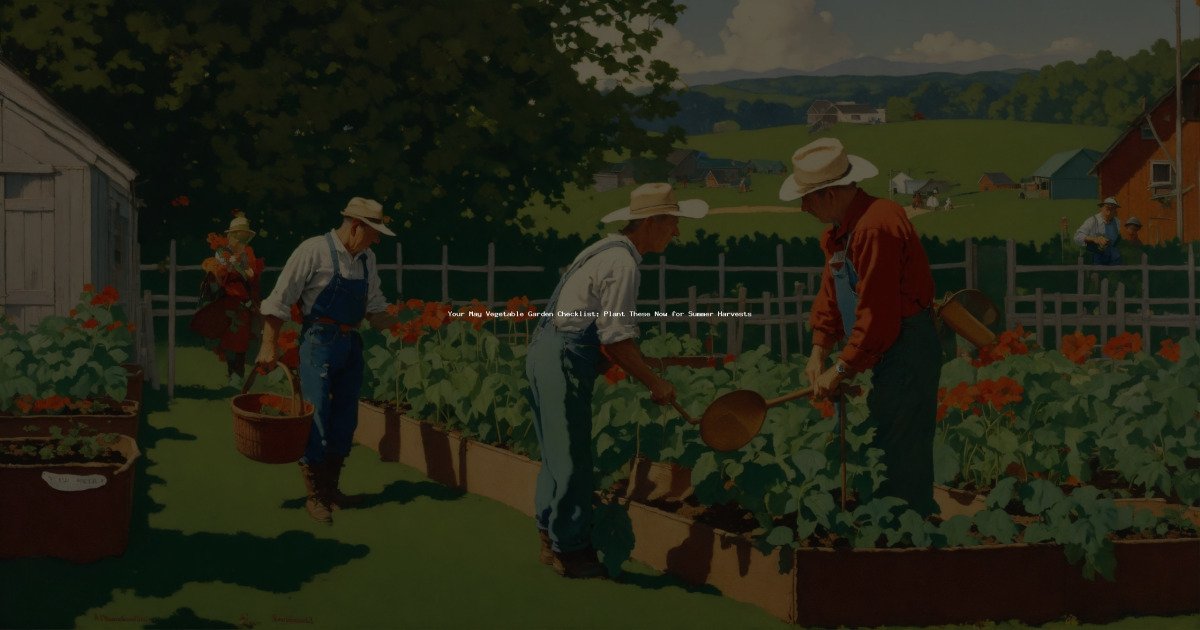
Your May Vegetable Garden Checklist: Plant These Now for Summer Harvests
Ah, May! The birds are singing, the sun feels warmer on your skin, and the scent of freshly tilled earth hangs in the air. For American home gardeners from the bustling suburbs of New Jersey to the sprawling ranches of Texas, and from the misty coasts of Oregon to the sunny groves of Florida, May isn’t just another month – it’s the heart of spring planting season. It’s a time of immense possibility, bursting with the promise of juicy tomatoes, crisp cucumbers, and vibrant peppers that will grace your summer dinner table.
If you’ve been itching to get your hands dirty, to feel the cool soil between your fingers, and to watch tiny seedlings transform into abundant harvests, you’ve picked the perfect time. May is when most of the continental USA sheds its last vestiges of winter chill, welcoming the warmer temperatures that our favorite heat-loving vegetables crave. Whether you’re in USDA Zone 4 in the northern Midwest, Zone 7 in the Mid-Atlantic, or a balmy Zone 9 in the Deep South or California, this month offers a unique window of opportunity to set your garden up for spectacular success.
But with so much to do, where do you even begin? The sheer excitement can be overwhelming! Do you direct sow seeds or transplant starts? What about those pesky late frosts? And which crops are truly ideal for a May planting that will pay off with a bountiful summer harvest? Don’t sweat it, fellow gardener! This comprehensive guide is your ultimate May vegetable garden checklist, tailored specifically for American home gardeners like you. We’ll navigate the nuances of regional climates, pinpoint the best vegetables to plant right now, equip you with expert tips, and even recommend some tried-and-true American products to make your gardening journey smoother and more successful.
From understanding your specific USDA Hardiness Zone and its implications for planting, to selecting the perfect varieties from beloved American seed companies like Burpee, Baker Creek Heirloom Seeds, and Park Seed, we’ve got you covered. We’ll talk about watering strategies for those increasingly warm days, fertilizing for robust growth, and keeping an eye out for early season pests. Get ready to transform your backyard into a vibrant, productive oasis. Let’s dig in and make this May your most successful gardening month yet!
Key Takeaways for Your May Garden Success:
- Know Your Zone: Confirm your USDA Hardiness Zone and average last frost date.
- Plant Warm-Season Crops: May is prime time for tomatoes, peppers, squash, and beans.
- Water Wisely: Establish consistent watering routines, especially for new plantings.
- Feed Your Soil: Use organic amendments and balanced fertilizers for robust growth.
- Monitor & Protect: Keep an eye out for pests, diseases, and unexpected weather shifts.
- Plan for Succession: Maximize harvests with staggered plantings of quick-growing crops.
Understanding Your May Climate & USDA Zone: The Foundation of Success
Before you even think about putting a shovel in the ground, truly understanding your local climate in May is paramount. The continental United States is vast and incredibly diverse, meaning “May planting” in Miami is vastly different from “May planting” in Minneapolis. Your success hinges on knowing your specific USDA Plant Hardiness Zone and, perhaps even more critically, your average last frost date. These two pieces of information are your garden’s compass.
Decoding Your Last Frost Date: The Green Light for Warm-Season Crops
For most American gardeners, May marks the glorious passage beyond the average last frost date. This is the magical threshold when it’s generally safe to plant out those tender, warm-season vegetables that shiver at the mere thought of chilly temperatures. Think about your prized tomato seedlings, the delicate pepper plants, and the heat-loving squash and beans. Planting them too early can lead to stunted growth, damage, or even death if a surprise cold snap hits. Websites like The Old Farmer’s Almanac provide excellent, localized frost date calculators based on your zip code, making it easy to pinpoint this crucial date. For many in the northern half of the country – from parts of New England across the Great Lakes region and into the Pacific Northwest – the last frost might fall in early to mid-May, sometimes even Memorial Day weekend. Further south, this date could have passed weeks ago, allowing for an earlier start.
The Power of Your USDA Hardiness Zone: Beyond Frost Dates
While the last frost date tells you when it’s safe to plant, your USDA Hardiness Zone (ranging from Zone 1 to Zone 13 in the US) primarily indicates which plants can survive winter in your area. For annual vegetables, it’s less about winter survival and more about understanding the general climate pattern and growing season length. Gardeners in lower zones (like Zone 4 or 5 in the upper Midwest or Mountain West) have shorter growing seasons and might need to start more seeds indoors or choose faster-maturing varieties. Those in higher zones (like Zone 8, 9, or 10 in the South, Southwest, or coastal California) often enjoy extended growing seasons, sometimes even year-round, and can plan for multiple successional plantings.
For example, a gardener in USDA Zone 6 in Ohio might be rushing to get their tomatoes in the ground by mid-May, while a gardener in Zone 9 in central Florida might be nearing the end of their prime tomato season due to intense summer heat and humidity, shifting focus to heat-tolerant crops. Knowing your zone helps you select appropriate varieties from American seed companies like Burpee or Baker Creek, often labeled with maturity dates, allowing you to match them to your specific season length. Don’t just guess; take a few minutes to confirm your zone and average last frost date. It’s the smartest first step you can take to ensure a thriving May garden.
Microclimates and Local Wisdom: Your Secret Weapon
Beyond broad zones, remember your yard has its own “microclimates.” A sunny, south-facing wall can be several degrees warmer than a shady, north-facing spot. A raised bed warms up faster in spring than in-ground plots. Pay attention to these subtle differences. Also, chat with your gardening neighbors or local extension office. They often have invaluable, hyper-local advice about specific quirks of your area – like sudden May hail storms in Colorado or persistent spring fogs in coastal California – that no general guide can fully cover. This blend of scientific data and local knowledge will empower you to make the best decisions for your May plantings, leading to a bountiful summer harvest.
May Planting Guide: What to Sow & Transplant Now for Bountiful Summer Harvests
May is truly the crescendo of spring planting for most American gardeners. The soil is warming up, the days are longer, and the threat of frost is diminishing. This is the month to get those coveted warm-season crops into the ground, ensuring a steady supply of fresh produce come July and August. From the classic backyard favorites to some more adventurous choices, here’s what you should be focusing on planting this month.
Warm-Season Favorites to Plant This Month: The Summer Stars
If you live in an area where your average last frost date has passed or is imminent (generally USDA Zones 5-10), now is the time to embrace the warmth-loving stars of the vegetable garden. These plants thrive in temperatures above 60°F, and many will produce right through the heat of summer:
- Tomatoes: The undisputed king of the summer garden! Whether you prefer slicing tomatoes, cherry tomatoes, or paste varieties, May is ideal for transplanting healthy starts. Look for disease-resistant varieties from Burpee or Park Seed. Plant them deep, burying a portion of the stem to encourage stronger root growth.
- Peppers: Bell peppers, jalapeños, poblanos – all varieties of peppers love the warmth. Transplant starts into well-drained soil. They appreciate consistent moisture and a good dose of phosphorus for fruit development.
- Eggplant: Another heat-seeker, eggplant thrives alongside tomatoes and peppers. Give them plenty of sun and consistent water.
- Squash (Summer & Winter): Direct sow seeds for zucchini, yellow squash, pattypan, and even winter squash like butternut and acorn. These are vigorous growers, so give them ample space – often 3-4 feet apart for bush varieties, and even more for vining types.
- Cucumbers: Direct sow cucumber seeds or transplant starts. Bush varieties are great for smaller spaces, while vining types will need a trellis or support. Consistent watering is key to prevent bitter fruit.
- Beans (Bush & Pole): Direct sow both bush and pole beans. Bush beans mature quickly, offering a fast harvest, while pole beans will climb and produce over a longer period. Choose varieties like ‘Blue Lake’ from Baker Creek for reliable yields.
- Corn: If you have the space, direct sow corn seeds in blocks (not single rows) for better pollination. It’s a fun crop to grow, but requires significant water and nutrients.
- Okra: Especially popular in the South, okra loves intense heat. Direct sow seeds once soil temperatures are consistently above 65°F.
- Sweet Potatoes: Plant “slips” (sprouted shoots) in May in warmer zones. These will spread and produce delicious tubers by fall.
- Melons (Watermelon, Cantaloupe): Direct sow seeds or transplant starts for these delicious fruits that need a long, warm growing season.
Successional Planting for Continuous Yields: The Smart Gardener’s Secret
Don’t just plant once and be done! May is also an excellent time to implement successional planting, especially for crops that mature quickly or have a defined harvest window. This strategy ensures you have a continuous supply of fresh vegetables throughout the summer, rather than a single massive harvest followed by nothing.
- Lettuce & Greens: Even though it’s warming up, many heat-tolerant lettuce varieties (like ‘Buttercrunch’ or ‘Romaine’) and greens (like Swiss chard or kale) can still be planted in shadier spots or harvested young. Plant a small batch every 2-3 weeks.
- Radishes: Quick to mature (often in 3-4 weeks), radishes are perfect for successional planting. Plant a small row every week or two.
- Bush Beans: As mentioned, bush beans mature relatively fast. Plant a new row every 2-3 weeks for a continuous supply of fresh snap beans.
- Carrots: Direct sow carrots every 3-4 weeks for a steady harvest of tender roots.
By staggering your plantings, you’ll avoid gluts and ensure your garden is always producing something delicious.
Starting Seeds Indoors vs. Direct Sowing: Making the Right Choice
For most warm-season crops in May, especially in Zones 6 and up, direct sowing seeds is often a viable and easy option once the soil has warmed sufficiently (usually above 60°F). Seeds for beans, corn, squash, cucumbers, and melons germinate well directly in the garden bed. However, for plants with longer growing seasons or those that benefit from a head start, like tomatoes, peppers, and eggplant, transplanting robust starts (either purchased from your local nursery or grown from seed indoors) is generally recommended. This gives them a significant advantage, allowing them to produce fruit earlier and more prolifically. When purchasing starts, look for healthy, stocky plants with good color at your local Lowe’s or Home Depot garden center.
Essential May Garden Tasks Beyond Planting: Nurturing Your Growing Crops
May isn’t just about getting plants in the ground; it’s also a critical month for nurturing and establishing your young garden. Proper care now sets the stage for healthy, productive plants throughout the summer. Overlooking these essential tasks can lead to stunted growth, pest issues, and ultimately, a disappointing harvest. Let’s dive into the crucial maintenance steps that will keep your May garden thriving.
Watering Wisely for Thriving Plants: More Than Just Drenching
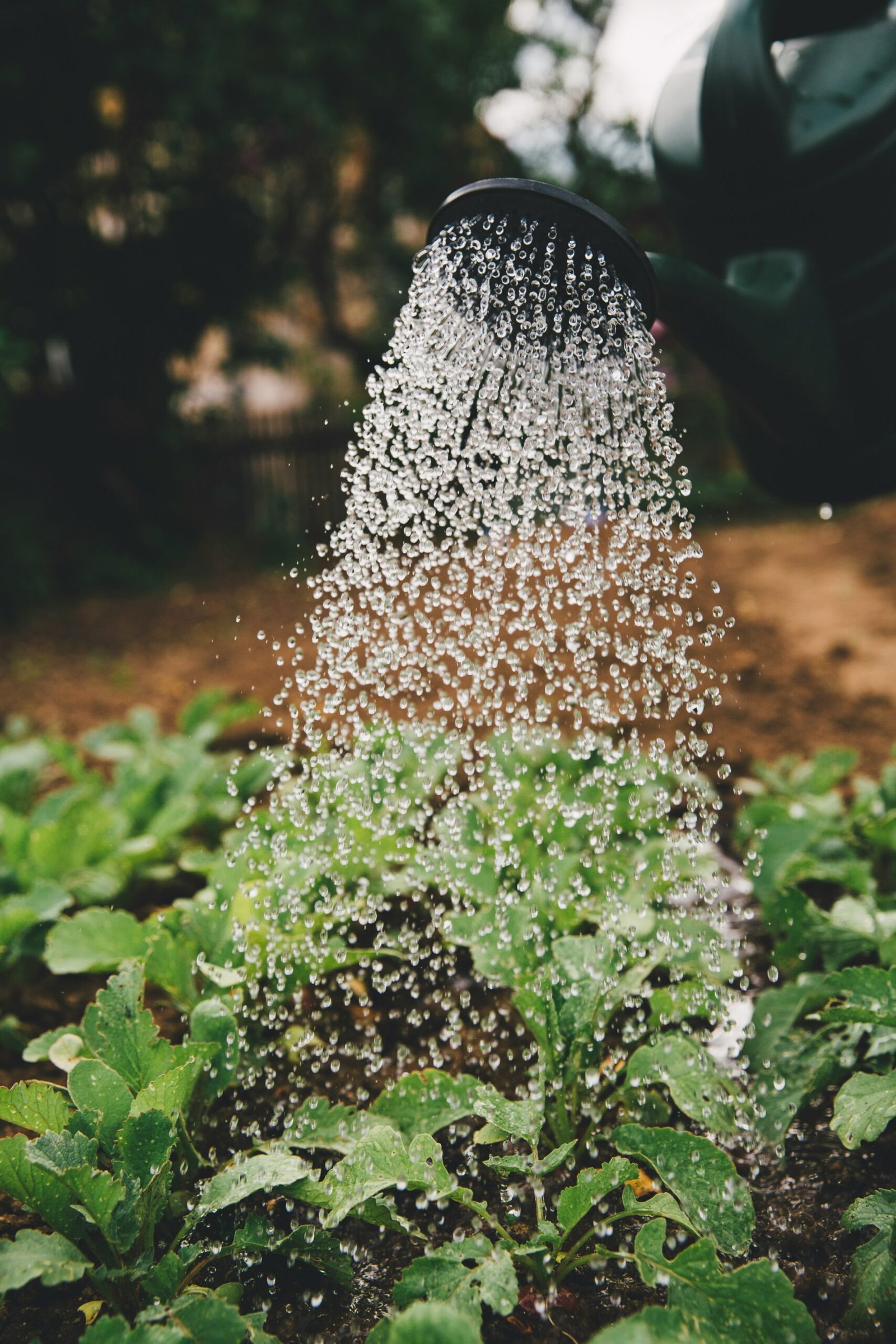
As temperatures rise and young plants establish their roots, consistent and deep watering becomes paramount. Newly transplanted seedlings and direct-sown seeds need particular attention. Aim for 1 to 1.5 inches of water per week, either from rainfall or irrigation. However, don’t just sprinkle lightly; deep watering encourages roots to grow further down into the soil, making plants more resilient to dry spells. Water early in the morning to allow foliage to dry before nightfall, reducing the risk of fungal diseases. Consider using a soaker hose or drip irrigation system (available at Home Depot or Amazon) for efficient, targeted watering that minimizes evaporation and keeps water off leaves. This is especially important for crops like tomatoes and squash prone to fungal issues. Always check the soil moisture before watering – stick your finger about 2 inches deep. If it feels dry, it’s time to water.
Fertilizing for Optimal Growth: Feeding Your Bountiful Future
Once your plants are established and actively growing, they’ll appreciate a nutrient boost. The best approach starts with healthy soil, so if you haven’t already, amend your beds with compost. For active feeding, a balanced, all-purpose organic granular fertilizer (like Espoma Garden-tone or Dr. Earth Organic All Purpose Fertilizer, found at Lowe’s or your local garden center) can be incorporated into the soil around new transplants or side-dressed next to rows of direct-sown crops. Follow package directions carefully. For a quick boost, especially for hungry plants like corn, squash, or tomatoes, a liquid feed (like fish emulsion or a diluted organic liquid fertilizer) applied every 2-3 weeks can work wonders. Remember, healthy soil leads to healthy plants, so don’t over-fertilize; too much can burn roots or lead to excessive leafy growth at the expense of fruit.
Pest and Disease Vigilance: Your Garden’s First Line of Defense
May brings not just warmth but also the emergence of early-season pests and the potential for disease. Be proactive and vigilant! Spend a few minutes each day inspecting your plants. Look under leaves for aphids, check stems for squash bugs, and keep an eye out for holes in foliage that might indicate cabbage worms or flea beetles. Early detection is key. Many common May pests can be managed with organic methods:
- Hand-picking: For larger pests like tomato hornworms or squash bugs.
- Strong Water Spray: Knocks aphids off plants.
- Insecticidal Soap: Effective against soft-bodied insects like aphids and spider mites. (Check options at Amazon US.)
- Row Covers: Physical barriers that prevent flying insects from landing on plants (e.g., lightweight row covers from Johnny’s Selected Seeds or Gardener’s Supply Company).
For diseases, prevention is always best. Ensure good air circulation, avoid overhead watering, and select disease-resistant varieties. If you spot fungal issues, an organic fungicide like copper or neem oil can help, but always identify the problem first. A healthy, well-fed plant is naturally more resistant to both pests and diseases. Don’t let a small problem become a big one – act quickly!
Regional Gardening Wisdom: May Across the Diverse USA
The beauty of gardening in the United States lies in its incredible regional diversity. What’s a perfect May planting strategy in Vermont might be entirely inappropriate in Arizona. Tailoring your approach to your specific region is crucial for maximizing your yields and enjoying a successful summer harvest. Let’s explore some key regional considerations for May.
Northeast & Midwest: Warming Up, Planting Big
For gardeners in states like New York, Pennsylvania, Ohio, Michigan, and throughout the New England states, May is the make-or-break month. The average last frost date typically falls between early and late May, often around Memorial Day weekend. This means the first half of the month might still see some cooler nights, suitable for planting cool-season crops like kale, Swiss chard, and heat-tolerant lettuce in protected spots. However, the latter half of May is prime time for transplanting all your warm-season favorites: tomatoes, peppers, eggplant, and tender herbs. Direct sow beans, corn, squash, and cucumbers once soil temperatures are consistently above 60°F. Pay close attention to overnight lows; have frost cloths or old sheets ready if a late cold snap is predicted. Remember, the goal is to get these plants well-established before the summer heat truly kicks in, allowing them to mature fully within your shorter growing season. Consider American seed companies like Johnny’s Selected Seeds or Fedco Seeds, popular in these regions for their reliable varieties.
The South: Heat is On, Adapt Your Strategy
From the Carolinas to Georgia, Alabama, Mississippi, Louisiana, and Florida, May means serious heat and humidity are just around the corner, if not already here. Your last frost likely passed weeks ago, meaning many gardeners in the Deep South might be wrapping up their spring cool-season crops and transitioning fully to heat-tolerant plants. This is the time for okra, southern peas, sweet potatoes, and heat-set tomatoes (like ‘Florida 91’ or ‘Celebrity’). Cucumbers and squash can still be planted, but choose varieties known for heat tolerance and disease resistance. Consistent watering is non-negotiable, and consider mulching heavily to conserve moisture and keep soil temperatures down. For those in more tropical parts of Florida, you might even be preparing for the rainy season, so ensure good drainage. Look for varieties from American companies like Park Seed that are bred for southern climates. https://ecorganicas.com/how-to-grow-a-tea-garden-from-leaf-to-mug/Read more about specific strategies for hot climates here.%%/INTERNAL_LINK1%%
Pacific Northwest: Mild & Moist Planting Delights
Gardeners in Oregon, Washington, and parts of northern California experience a different kind of May. While generally mild, cool, and often rainy, the last frost date can vary widely, especially inland. Coastal areas might have a very long, mild growing season. May is a fantastic time for planting a wide array of crops. You can still plant cool-season crops like lettuce, spinach, and radishes, especially if you choose quick-maturing varieties. At the same time, it’s safe to start transplanting tomatoes, peppers, and eggplants, and direct sow beans, corn, and squash. The key here is to ensure good drainage due to frequent rains and protect young plants from slugs and snails, which thrive in moist conditions. Raised beds are often a popular choice in this region. Look to local nurseries and American seed companies like Territorial Seed Company for varieties well-suited to the PNW’s unique climate.
Southwest: Desert Challenges & Opportunities
Arizona, New Mexico, Nevada, and inland California present unique May gardening challenges: intense sun, heat, and often arid conditions. For many, May is already very hot, and the window for planting heat-sensitive crops is closing or already closed. Focus on truly heat-tolerant vegetables like okra, sweet potatoes, melons, long beans, and specific varieties of squash and corn. Shade cloth (available at Amazon or Home Depot) becomes an essential tool to protect young plants from scorching sun. Deep, infrequent watering is more effective than shallow, frequent watering, encouraging deeper root growth. Amending your soil with plenty of organic matter will help retain precious moisture. For gardeners in higher elevations, May might be more akin to the Northeast’s planting window, so always check your local conditions. Native Seeds/SEARCH is an excellent American resource for drought-tolerant, regionally adapted seeds. https://ecorganicas.org/do-plant-cells-have-mitochondria/The University of Arizona Cooperative Extension offers fantastic localized advice for this region.%%/EXTERNAL_LINK1%%
Must-Have Tools, Soil Amendments & Products: American Favorites for a Successful May
A successful garden isn’t just about what you plant, but also what you plant it with and what tools you use. May is the perfect time to ensure your gardening arsenal is fully stocked and ready for action. From robust tools that make work easier to soil amendments that supercharge growth, here are some American favorites you’ll want to have on hand for a truly productive May.
Top Tools for May Gardeners: Your Essential Kit
Having the right tools can transform your gardening experience from a chore into a joy. For May, focus on tools that aid planting, weeding, and general garden maintenance:
- Hand Trowel: A sturdy, stainless steel hand trowel is indispensable for transplanting seedlings, digging small holes, and working with soil amendments. Look for brands like Fiskars or Ames, widely available at Lowe’s and Home Depot.
- Garden Fork: For turning over soil, incorporating compost, and breaking up clumps, a good garden fork (also known as a digging fork) is far superior to a shovel for many tasks.
- Hoe: A sharp hoe, whether a traditional garden hoe or a stirrup hoe, is excellent for weeding large areas efficiently.
- Watering Can/Hose with Sprayer: For delicate seedlings, a watering can with a fine rose is perfect. For established plants, a quality hose with an adjustable nozzle (like Gilmour or Dramm) ensures even watering.
- Garden Gloves: Protect your hands from thorns, blisters, and dirt. Look for durable, comfortable gloves that offer good dexterity.
- Wheelbarrow or Garden Cart: For moving bags of soil, compost, or harvested produce, a sturdy wheelbarrow or a garden cart from brands like Gorilla Carts (found on Amazon US) is a back-saver.
Soil Amendments for Superior Growth: Feeding Your Foundation
Healthy soil is the bedrock of a successful vegetable garden. May is an ideal time to incorporate amendments that will nourish your plants throughout the summer:
- Compost: The gold standard! Work 1-2 inches of well-rotted compost into your garden beds before planting. It improves soil structure, drainage, and fertility. You can find bagged compost at Home Depot or Lowe’s, or make your own.
- Organic All-Purpose Fertilizer: A granular, slow-release organic fertilizer provides a steady supply of nutrients. Brands like Espoma Garden-tone or Dr. Earth are popular choices, offering a balanced N-P-K ratio (e.g., 3-4-3 or 4-6-2). Apply according to package directions when planting and again mid-season.
- Bone Meal or Rock Phosphate: If your soil test indicates a phosphorus deficiency, these amendments can encourage strong root development and flowering/fruiting.
- Worm Castings: A super-rich, nutrient-dense amendment that can be sprinkled around transplants for an extra boost. Available in smaller bags on Amazon or at garden centers.
Smart Watering Solutions: Efficiency and Conservation
With warmer May temperatures, efficient watering is key to both plant health and water conservation:
- Soaker Hoses: These deliver water directly to the soil line, minimizing evaporation and keeping foliage dry. You can find 50-foot soaker hoses for around $20-$30 at Lowe’s or Home Depot.
- Drip Irrigation Kits: For more advanced setups, a drip irrigation system offers precise, automated watering, saving time and water. Starter kits are available at major home improvement stores.
- Mulch: A 2-4 inch layer of organic mulch (like straw, shredded leaves, or wood chips) around your plants will drastically reduce water evaporation, suppress weeds, and regulate soil temperature. This is one of the easiest and most effective ways to conserve water in your May garden. https://ecorganicas.org/when-to-plant-garlic/Learn more about the benefits of mulching from the National Gardening Association.%%/EXTERNAL_LINK2%%
Investing in these quality tools and amendments now will pay dividends in the form of healthier plants and a more abundant harvest later in the season. Don’t skimp on the essentials!
Troubleshooting & Protecting Your Young May Garden: Overcoming Common Challenges
Even the most meticulously planned May garden can encounter unexpected hurdles. From determined pests to sudden shifts in weather, being prepared to troubleshoot and protect your young plants is a mark of a seasoned gardener. This proactive approach ensures your hard work isn’t undone by common spring challenges.
Battling Pests Organically: Your Garden’s Guardians
May sees a surge in insect activity, and while many are beneficial, some can quickly decimate young plants. The key is constant vigilance and organic