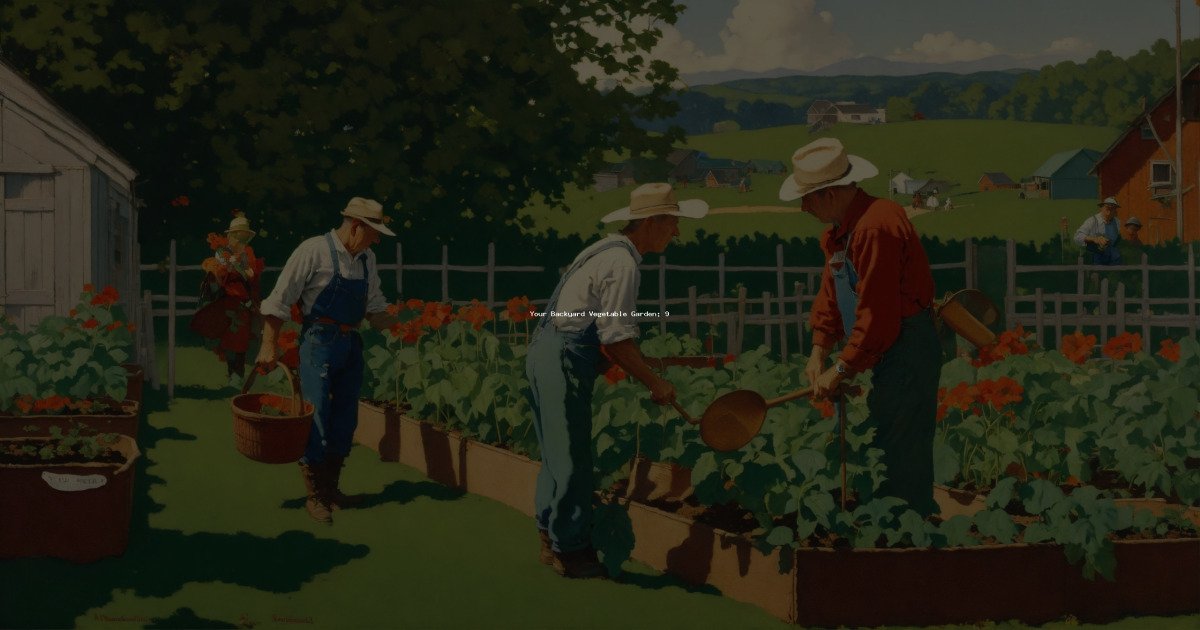
Ah, May! That magical month when the lingering chill of spring finally gives way to glorious warmth across much of the continental USA. For American home gardeners, it’s a time of boundless optimism, the scent of fresh earth, and the promise of a bountiful harvest just a few short months away. If you’ve been dreaming of homegrown tomatoes, crisp lettuce, or sweet bell peppers, now is the moment to transform those dreams into delicious reality. Whether you’re a seasoned green thumb in the Pacific Northwest or a budding enthusiast in the sunny South, May offers a crucial window for planting, nurturing, and setting the stage for your most successful vegetable garden yet.
There’s nothing quite like stepping into your own backyard, trowel in hand, ready to coax life from the soil. It’s a connection to nature, a lesson in patience, and a source of incredible pride. This isn’t just about growing food; it’s about creating a personal oasis, reducing your grocery bill, and savoring flavors that supermarket produce simply can’t match. From the cool nights of Zone 5 to the balmy evenings of Zone 9, May is prime time for action. We’ll delve into everything from hardening off tender seedlings to choosing the right American-made tools, ensuring your garden thrives from the first sprout to the final harvest. Get ready to roll up your sleeves – your backyard vegetable garden awaits!
- Soil is King: Invest in quality soil amendments now for long-term plant health.
- Regional Wisdom: Adapt your planting schedule and plant choices to your specific USDA zone and local climate.
- Harden Off Properly: Gradually acclimate seedlings to outdoor conditions to prevent transplant shock.
- Water Smart: Deep, infrequent watering is generally better than shallow, frequent sprinkles.
- Protect Your Investment: Stay vigilant against pests and weeds from the start.
- Plan for Success: Consider succession planting and companion planting for continuous harvests and healthier plants.
The May Mania: Sowing Seeds of Success in Spring
As the last threat of frost retreats across much of the United States, May bursts forth as the ultimate planting month. This is where the magic truly begins for your backyard vegetable garden. For many regions, especially those in USDA Zones 6-8, May signals the safe window to transplant warm-season crops outdoors and direct sow a plethora of seeds. But it’s not just about getting plants in the ground; it’s about setting them up for a season of robust growth and abundant yields. From preparing your garden beds to hardening off those precious seedlings you’ve nurtured indoors, every step you take now lays the foundation for your future harvests. Think of May as your garden’s launchpad – meticulous preparation now means a smoother flight ahead.
Soil Prep Perfection: Building a Foundation for Flavor
Before any plant touches the soil, it’s crucial to ensure that soil is ready to receive it. Healthy soil is the bedrock of a successful garden, teeming with microbial life and providing essential nutrients. Start by clearing any lingering weeds from last season. Then, it’s time to amend! For most American home gardens, incorporating a generous 2-4 inch layer of good quality compost is paramount. This organic matter improves soil structure, enhances drainage, and slowly releases nutrients. If your soil is particularly sandy, compost will help it retain moisture and nutrients. If it’s heavy clay, compost will lighten it, improving aeration. Consider a soil test if you haven’t done one in a few years – many university extension offices offer this service for a small fee, providing precise recommendations for pH adjustments and nutrient deficiencies. A pH range between 6.0 and 7.0 is ideal for most vegetables. You can find excellent compost and soil amendments at your local Home Depot or Lowe’s, often sold in large bags or by the cubic yard. https://ecorganicas.org/when-to-plant-garlic/
Hardening Off Hacks: Preparing Tender Plants for the Great Outdoors
Those lovely tomato, pepper, and squash seedlings you started indoors or bought from a nursery are accustomed to a pampered environment. Directly moving them outside can result in “transplant shock,” leaving them stunted or even killing them. This is where hardening off comes in – a gradual process of acclimating plants to outdoor conditions. Over 7-10 days, introduce them to increasing amounts of sunlight, wind, and cooler temperatures. Start with an hour or two in a shaded, protected spot on day one, slowly increasing exposure each day. Bring them in if temperatures drop below 50 degrees Fahrenheit at night. By the end of the process, they should be able to spend a full day and night outdoors. This step is non-negotiable for robust, healthy plants that will quickly establish themselves in your garden. Trust us, a little patience here pays off big time! https://ecorganicas.com/10-aesthetic-plants-for-a-quiet-luxury-garden-look/
Direct Sowing & Transplanting: Getting Your Crops in the Ground
With your soil prepped and seedlings hardened, it’s time for the main event! In May, many popular vegetables can be direct sown. Think beans, corn, cucumbers, melons, and squash. Check the seed packet for specific planting depths and spacing. For transplants like tomatoes, peppers, eggplant, and many herbs, dig a hole slightly larger than the root ball. For tomatoes, you can often plant them deeper, burying part of the stem to encourage more root growth. Gently remove the plant from its container, loosen any circling roots, and place it in the hole. Backfill with soil, gently firming it around the base, and water thoroughly. For best results, plant on a cloudy day or in the late afternoon to minimize initial stress. Remember to label everything! You think you’ll remember what’s what, but trust us, you won’t!
Regional Rhythms: Tailoring Your May Garden Across the USA
The beauty of gardening in the United States lies in its incredible diversity of climates, spanning a vast range of USDA Hardiness Zones from arctic-like Zone 1 to tropical Zone 13. What works for a gardener in Florida in May will be vastly different from what a gardener in Maine is doing. Understanding your specific region and its unique May characteristics is paramount to success. This section breaks down key considerations for different parts of the continental USA, ensuring your planting schedule and crop choices align perfectly with your local weather patterns and growing season. From the last frost dates in the Northeast to the impending summer heat of the Southwest, every region has its own rhythm.
Northeast (Zones 4-6): The Awakening
For gardeners in states like New York, Pennsylvania, Massachusetts, and Maine, May is a month of transition from cool spring to warmer days. While early May might still see some chilly nights, by Memorial Day, the risk of frost is generally past in most areas. This is prime time for planting warm-season crops like tomatoes, peppers, eggplants, and squash. Direct sow corn, beans, cucumbers, and melons. Continue planting cool-season crops such as lettuce, spinach, radishes, and peas for a final spring harvest before the summer heat. Be mindful of sudden cold snaps; keep frost cloths handy just in case. Consider starting your basil indoors now for transplanting later in the month. Utilize soil thermometers to ensure soil temperatures are consistently above 60°F for optimal warm-season seed germination. https://ecorganicas.org/do-plant-cells-have-mitochondria/
The South (Zones 7-10): Heat on the Horizon
From Virginia down to Florida and across to Texas, May in the South means temperatures are rising, and summer is knocking on the door. Many warm-season crops planted in April are already thriving. This month focuses on continued planting of heat-loving vegetables like okra, sweet potatoes, southern peas, and heat-tolerant tomato varieties. Succession plant quick-growing crops like bush beans and corn. For some parts of the Deep South, May can even be too hot for certain warm-season crops, necessitating careful watering and mulching to conserve moisture. Cool-season crops like lettuce and spinach will likely bolt (go to seed) quickly, so harvest them promptly. Consider shade cloth for afternoon sun protection for more tender plants as temperatures soar above 90 degrees Fahrenheit.
Midwest (Zones 4-7): Full Steam Ahead
Across the heartland – states like Ohio, Illinois, Iowa, and Nebraska – May is generally the busiest planting month. The last frost date typically passes by mid-May, opening the floodgates for all warm-season vegetables. Plant tomatoes, peppers, squash, cucumbers, corn, beans, and melons. Ensure your soil is well-amended and ready for heavy feeding crops. Pay close attention to local weather forecasts; spring storms can bring heavy rains or even late frosts. This is also a great time to succession plant cool-season crops like radishes and leafy greens for a final round before summer. Utilize raised beds for better drainage and earlier soil warming if your area experiences a lot of spring rain.
Pacific Northwest (Zones 6-9): Mild & Lush
Gardeners in Washington, Oregon, and parts of Northern California enjoy a mild, often wet spring in May. This climate is fantastic for a wide range of vegetables. While warm-season crops like tomatoes and peppers can be planted, choose varieties suited to cooler nights and shorter summers, or consider using cloches or row covers to boost warmth. Continuously plant cool-season crops like lettuce, spinach, kale, and peas. Root vegetables such as carrots and beets also thrive. Don’t forget brassicas like broccoli and cabbage. The consistent moisture means less frequent watering initially, but good drainage is key. Watch out for slugs and snails, which love the damp conditions! https://ecorganicas.com/container-gardening-styling-make-pots-the-star-of-your-patio/
Southwest (Zones 7-10): Embracing the Sun
In the arid regions of Arizona, Nevada, Utah, and Southern California, May means intense sun and rapidly rising temperatures. Many gardeners here focus on getting heat-tolerant crops established early. Think peppers, eggplant, sweet potatoes, and specific tomato varieties that perform well in high heat. Watering strategies are crucial – deep, infrequent watering is essential to encourage deep root growth. Mulching heavily is non-negotiable to conserve moisture and regulate soil temperature. Consider shade cloth for sensitive plants to protect them from the harsh afternoon sun. Early morning planting is best to avoid stressing plants. Focus on drought-tolerant herbs like rosemary and thyme.
Essential Gear: Top American Product Picks for Your May Garden
A successful gardener is well-equipped. While you don’t need every gadget under the sun, having the right tools and supplies can make all the difference in ease, efficiency, and ultimately, your garden’s health. For American home gardeners, access to quality products from trusted retailers like Home Depot, Lowe’s, and Amazon US is abundant. This section highlights some must-have items for May, focusing on practical solutions that will serve you well throughout the growing season. Investing in good quality now will save you headaches and replanting efforts later.
Soil Amendments & Fertilizers: Fueling Your Future Harvest
- Miracle-Gro Organic Choice Garden Soil: A fantastic all-purpose organic garden soil for raised beds or amending in-ground gardens. It’s readily available at Home Depot and Lowe’s. Priced around $10-$15 for a 1.5 cubic foot bag. Rating: 4.5/5 stars.
- Espoma Organic Garden-tone Plant Food: A popular organic granular fertilizer for vegetables, flowers, and herbs. Provides a slow-release of nutrients. Available at garden centers, Home Depot, Lowe’s, and Amazon. Priced around $15-$25 for an 8 lb bag. Rating: 4.7/5 stars.
- Black Kow Composted Cow Manure: An excellent, nutrient-rich soil amendment to boost organic matter and improve soil structure. Widely available at Home Depot and Lowe’s. Priced around $5-$8 for a 50 lb bag. Rating: 4.6/5 stars.
Pest Control & Protection: Keeping Critters at Bay
- Bonide Neem Oil Concentrate: An organic, broad-spectrum insecticide, fungicide, and miticide. Effective against many common garden pests. Available at garden centers and Amazon. Priced around $15-$25 for a 16 oz bottle. Rating: 4.4/5 stars.
- Garden Safe Slug & Snail Bait: A non-toxic bait safe for use around pets and wildlife. Essential for moist regions like the Pacific Northwest. Available at Home Depot, Lowe’s, and Amazon. Priced around $10-$15 for a 1 lb container. Rating: 4.3/5 stars.
- Floating Row Covers (e.g., Agribon AG-19): Lightweight fabric that protects plants from insects, light frost, and intense sun while allowing water and light through. Available at Amazon and specialized garden suppliers. Priced around $20-$40 for a 10’x20′ roll. Rating: 4.8/5 stars.
Watering Solutions: Hydration for Healthy Growth
- Dramm One Touch Rain Wand: A durable, high-quality watering wand that provides a gentle shower, perfect for delicate seedlings and established plants. Made in the USA. Available at garden centers and Amazon. Priced around $25-$40. Rating: 4.9/5 stars.
- Gilmour Flat Soaker Hose: Delivers water slowly and directly to the root zone, minimizing evaporation and runoff. Great for conserving water. Available at Home Depot, Lowe’s, and Amazon. Priced around $15-$30 for a 50-foot hose. Rating: 4.2/5 stars.
- Orbit B-hyve Smart Hose Faucet Timer: Automate your watering from your smartphone. Perfect for busy gardeners or when you’re away. Available at Home Depot, Lowe’s, and Amazon. Priced around $50-$70. Rating: 4.5/5 stars.
Watering Wisdom & Nutrient Nurturing: Keeping Your Garden Thriving
Once your plants are in the ground, their journey has just begun. The crucial next steps involve consistent, thoughtful watering and providing the right nutrients to support vigorous growth. May’s weather can be unpredictable across the US – from spring showers to sudden heatwaves – making smart watering practices essential. Similarly, while your initial soil amendments provide a good base, actively growing plants are hungry, and understanding how and when to feed them will significantly impact your harvest quality and quantity. This section will guide you through effective hydration techniques and simple fertilization strategies to ensure your vegetable garden doesn’t just survive, but truly thrives.
Smart Watering Strategies: Deep Roots, Happy Plants
The golden rule of watering is “deep and infrequent.” Instead of light sprinkles every day, aim to water deeply enough to penetrate 6-12 inches into the soil. This encourages plants to develop deep, strong root systems, making them more resilient to dry spells and heat stress. How often? It depends on your soil type, weather, and plant size, but typically 2-3 times a week might be sufficient. Check the soil moisture by sticking your finger about 2 inches deep – if it feels dry, it’s time to water. Early morning is the best time to water, as it minimizes evaporation and allows foliage to dry before nightfall, reducing the risk of fungal diseases. Consider drip irrigation or soaker hoses for efficiency and water conservation; they deliver water directly to the root zone with minimal waste. For containers, daily watering might be necessary, especially as temperatures rise. https://ecorganicas.com/container-gardening-styling-make-pots-the-star-of-your-patio/
Feeding Your Future Harvest: The Nutrient Nudge
While compost provides a slow, steady release of nutrients, actively growing vegetables, especially heavy feeders like tomatoes, corn, and squash, often benefit from additional feeding. About 3-4 weeks after planting, consider a balanced organic fertilizer. Look for formulations specifically designed for vegetables, like Espoma Garden-tone or Jobe’s Organics Vegetable & Tomato Food, readily available at most American garden centers. Follow the package directions carefully – too much fertilizer can burn plants. Liquid fertilizers, like fish emulsion or a diluted compost tea, can provide a quick boost, especially for plants showing signs of nutrient deficiency. Remember, healthy soil is the best defense against many problems, so continue to prioritize organic matter. A top-dressing of compost mid-season can also work wonders.
Mulch Magic: The Gardener’s Best Friend
Mulching is one of the easiest and most effective ways to support your garden’s health. A 2-4 inch layer of organic mulch – such as straw, shredded leaves, or wood chips – around your plants offers a multitude of benefits. It conserves soil moisture by reducing evaporation, meaning you’ll water less frequently. It suppresses weeds, saving you countless hours of back-breaking labor. Mulch also moderates soil temperature, keeping roots cooler in the summer heat and warmer during unexpected cool snaps. As organic mulches break down, they slowly add valuable organic matter to your soil, further improving its structure and fertility. Just be sure to keep the mulch a few inches away from plant stems to prevent rot and pest issues.
Pest Patrol & Weed Warfare: Protecting Your Precious Plants
As your garden flourishes in May, it also becomes an attractive buffet for various pests and a battleground for weeds. A proactive approach is key to keeping your plants healthy and productive. Ignoring early signs of trouble can quickly lead to widespread damage, diminished harvests, or even plant loss. This section focuses on identifying common May garden adversaries and implementing effective, often organic, strategies to manage them. Remember, a healthy garden environment, combined with diligent observation, is your best defense against these unwelcome guests.
Identifying Common May Pests: Know Your Enemy
In May, several common garden pests emerge across the US. Keep an eye out for:
Aphids: Small, soft-bodied insects often found on new growth, sucking plant sap. They can be green, black, pink, or white.
Slugs and Snails: Especially prevalent in moist climates (hello, Pacific Northwest!), they leave slimy trails and irregularly shaped holes in leaves, particularly on tender seedlings.
Cutworms: These sneaky caterpillars sever young plant stems at the soil line, often overnight.
Flea Beetles: Tiny, jumping beetles that chew small, round holes (like buckshot) in leaves, especially on brassicas and eggplants.
Squash Bugs: Flat, grayish-brown bugs that feed on squash and pumpkin plants, causing leaves to wilt and turn yellow.
Regular inspection of your plants – checking both the tops and undersides of leaves – is the most crucial step in early detection. The sooner you spot a problem, the easier it is to control. https://ecorganicas.org/do-plant-cells-have-mitochondria/
Organic Pest Control: Gentle Yet Effective Solutions
Before reaching for harsh chemicals, consider organic pest control methods:
Hand-picking: For larger pests like slugs, snails, and squash bugs, simply pick them off and drop them into a bucket of soapy water.
Strong Water Spray: A direct blast of water can dislodge aphids and spider mites from plants.
Insecticidal Soap: Effective against aphids, whiteflies, and spider mites. Make sure to cover the entire plant, especially the undersides of leaves.
Neem Oil: A natural plant-based insecticide and fungicide that disrupts pest feeding and reproduction.
Beneficial Insects: Encourage ladybugs, lacewings, and predatory wasps by planting flowers that attract them (e.g., dill, cilantro, marigolds). Many garden centers also sell beneficial insects.
Row Covers: Physically block pests from reaching your plants, especially useful for protecting brassicas from cabbage worms and flea beetles.
Companion Planting: Some plants deter pests (e.g., marigolds repel nematodes, nasturtiums attract aphids away from other plants). This is a fantastic strategy to explore!
Winning the Weed Battle: Staying Ahead of the Game
Weeds compete with your vegetables for water, nutrients, and sunlight, so keeping them in check is vital.
Mulch, Mulch, Mulch: As mentioned, a thick layer of organic mulch is your best defense against weeds. It smothers germinating weed seeds.
Early and Often: The easiest time to remove weeds is when they are small. A quick daily or every-other-day walk through your garden with a hoe or hand weeder can prevent weeds from getting established.
Don’t Let Them Seed: If a weed manages to grow large, pull it before it goes to seed, preventing thousands of new weeds next season.
Cultivation: Shallow cultivation with a hoe can slice off young weeds just below the soil surface. Be careful not to disturb the roots of your vegetable plants too much.
Weed Fabric/Barrier: For paths or areas where you don’t plan to plant, landscape fabric can be a good solution, though it’s less ideal directly in vegetable beds where soil health is paramount.
Beyond the Basics: Advanced May Gardening Secrets for Bountiful Harvests
Once you’ve mastered the fundamentals of planting, watering, and pest control, you might be ready to explore techniques that can elevate your garden from good to truly exceptional. These “secrets” aren’t really secrets at all, but rather time-tested strategies that savvy American gardeners employ to maximize space, enhance plant health, and ensure a continuous supply of fresh produce. May is the perfect time to integrate these advanced methods into your plan, as you’re establishing new plants and have the whole growing season ahead to experiment and reap the rewards. Get ready to unlock the full potential of your backyard vegetable patch!
Companion Planting Combos: Nature’s Perfect Partners
Companion planting is the art and science of placing specific plants near each other for mutual benefit. This can include deterring pests, attracting beneficial insects, improving soil health, or even enhancing flavor. For example:
- Tomatoes and Basil: A classic pairing, basil is said to improve the flavor of tomatoes and repel tomato hornworms.
- Corn, Beans, and Squash (The Three Sisters): An ancient Native American technique where corn provides a stalk for beans to climb, beans fix nitrogen in the soil, and squash provides ground cover, suppressing weeds and retaining moisture.
- Carrots and Rosemary: Rosemary can help deter carrot rust flies.
- Marigolds (French and African varieties): Planted throughout the garden, they are known to repel nematodes and other harmful insects.
- Lettuce and Tall Plants: Grow lettuce in the shade of taller plants like tomatoes or corn to extend its growing season into warmer weather.
Research specific pairings that work best for your chosen vegetables. It’s a fun way to create a more resilient and biodiverse garden ecosystem.
Succession Planting Savvy: The Continuous Harvest
Tired of having all your lettuce ready at once, then nothing? Succession planting is the strategy of making small, staggered plantings of the same crop over several weeks or months. This ensures a continuous harvest rather than a single overwhelming glut.
- For Quick-Growing Crops: Sow small batches of radishes, lettuce, spinach, and bush beans every 2-3 weeks in May and throughout early summer.
- For Longer-Season Crops: If you have space, plant two rounds of corn or squash a few weeks apart.
- Utilize Different Varieties: Plant early, mid-season, and late-maturing varieties of the same crop (e.g., different tomato types) simultaneously to extend your harvest window.
This technique is particularly effective for American gardeners across all zones, allowing you to maximize your garden’s output and enjoy fresh produce for longer. Just be sure to account for your specific growing season length.
Maximizing Space with Vertical Gardens: Grow Up, Not Out!
If you have a small backyard or limited growing space, vertical gardening is a game-changer. It allows you to grow more food in less square footage by utilizing vertical structures.
- Trellises & Cages: Essential for vining plants like tomatoes, cucumbers, pole beans, peas, and some varieties of squash. These keep fruit off the ground, improve air circulation, and make harvesting easier.
- Stackable Planters: Perfect for herbs, strawberries, and leafy greens. They allow you to grow multiple plants in a compact footprint.
- Pallet Gardens: Repurpose old pallets into vertical planters for shallow-rooted crops.
- Arbors & Pergolas: Create beautiful and productive structures for vining crops like gourds, climbing beans, or even small melons.
Vertical gardening not only increases your yield but also adds an attractive architectural element to your garden. Many American garden centers, like Lowe’s, offer a wide range of trellises, cages, and vertical planter systems suitable for any yard size.
Comparison Table: Essential May Garden Tools & Materials
| Product | Best For | Price Range | Where to Buy | Rating |
|---|---|---|---|---|
| Fiskars Ergo Trowel | Planting seedlings, weeding, small digging tasks | $10 – $15 | Home Depot, Lowe’s, Amazon US | 4.8/5 stars |
| Gardener’s Supply Company Raised Bed Soil Mix | Filling new raised beds, container gardening | $20 – $35 (1.5 cu ft bag) | Gardener’s Supply Co., Amazon US | 4.7/5 stars |
| Jobe’s Organics Vegetable & Tomato Food (Granular) | Slow-release feeding for all vegetables | $15 – $25 (4 lb bag) | Home Depot, Lowe’s, Amazon US | 4.5/5 stars |
| Greenes Fence Co. Cedar Raised Garden Bed | Creating dedicated growing space, easy assembly | $70 – $150 (4’x4′ size) | Lowe’s, Amazon US, Home Depot | 4.6/5 stars |
| Bonide Neem Oil Concentrate | Organic pest & disease control (aphids, powdery mildew) | $15 – $25 (16 oz bottle) | Amazon US, Local Garden Centers | 4.4/5 stars |
10+ Expert Tips for US Gardeners This May
- Know Your Last Frost Date: For most of the continental USA, May is past the average last frost, but always confirm for your specific USDA zone. A quick search for “last frost date [your city, state]” will give you peace of mind for planting warm-season crops.
- Plant with Memorial Day in Mind: For many northern and mid-latitude regions, Memorial Day weekend is the traditional kick-off for planting tender annuals and warm-season vegetables. Plan your shopping and planting around this holiday!
- Start Your Seeds Strategically: If you’re still direct sowing, consider American seed companies like Burpee, Baker Creek Heirloom Seeds, or Park Seed for reliable, high-quality seeds tailored to US growing conditions.
- Don’t Forget About Succession Planting: For continuous harvests of lettuce, radishes, bush beans, and spinach, plant small batches every 2-3 weeks throughout May and into early summer.
- Mulch, Mulch, Mulch: Apply a 2-4 inch layer of organic mulch (straw, shredded leaves, wood chips) around your plants to conserve moisture, suppress weeds, and regulate soil temperature.
- Water Deeply and Infrequently: Encourage strong root growth by watering less often but more thoroughly. Aim for 6-12 inches of soil penetration.
- Harden Off Your Transplants: Gradually acclimate indoor-started seedlings to outdoor conditions over 7-10 days before planting them in the garden to prevent transplant shock.
- Support Your Vining Plants: Install trellises, stakes, or cages for tomatoes, cucumbers, pole beans, and vining squash *at planting time* rather than waiting until they’re big and unwieldy.
- Feed Your Hungry Plants: About 3-4 weeks after planting, consider a balanced organic fertilizer for heavy feeders like tomatoes, corn, and squash.
- Practice Vigilant Pest Patrol: Inspect your plants daily for signs of pests or diseases. Early detection makes control much easier. Hand-pick larger pests or use organic sprays like neem oil or insecticidal soap.
- Thin Your Seedlings: If you direct sowed seeds and they came up too thickly, thin them to the recommended spacing. This improves air circulation and ensures each plant has enough room and nutrients to thrive. Don’t be afraid to pull out the weaker ones!
- Protect from Sunburn: If you’re in a hot, sunny region (like the Southwest) and planting tender starts, consider temporary shade cloth for the first few days to prevent scorching.
Frequently Asked Questions About May Vegetable Gardening
What vegetables can I plant in May across most of the US?
May is prime time for planting most warm-season vegetables across a large portion of the continental US, especially after the last frost date. This includes popular choices like tomatoes, peppers, eggplant, squash (zucchini, yellow squash, pumpkins), cucumbers
You Might Also Like

Benefits of having garden storage

The Essential Guide to Hot Caps for Gardening: hot caps for plants
Raised Bed Vegetable Garden: What to Plant in May for Peak Harvest

Best Medicinal Garden Kit-indoor herb garden 2024

10 Surprising Facts About Urban Gardens: Transforming City Spaces
June Garden Glow-Up: 7 Raised Bed Secrets for Your Best Harvest Yet
