Practical Raised Garden Bed Ideas for Any Yard
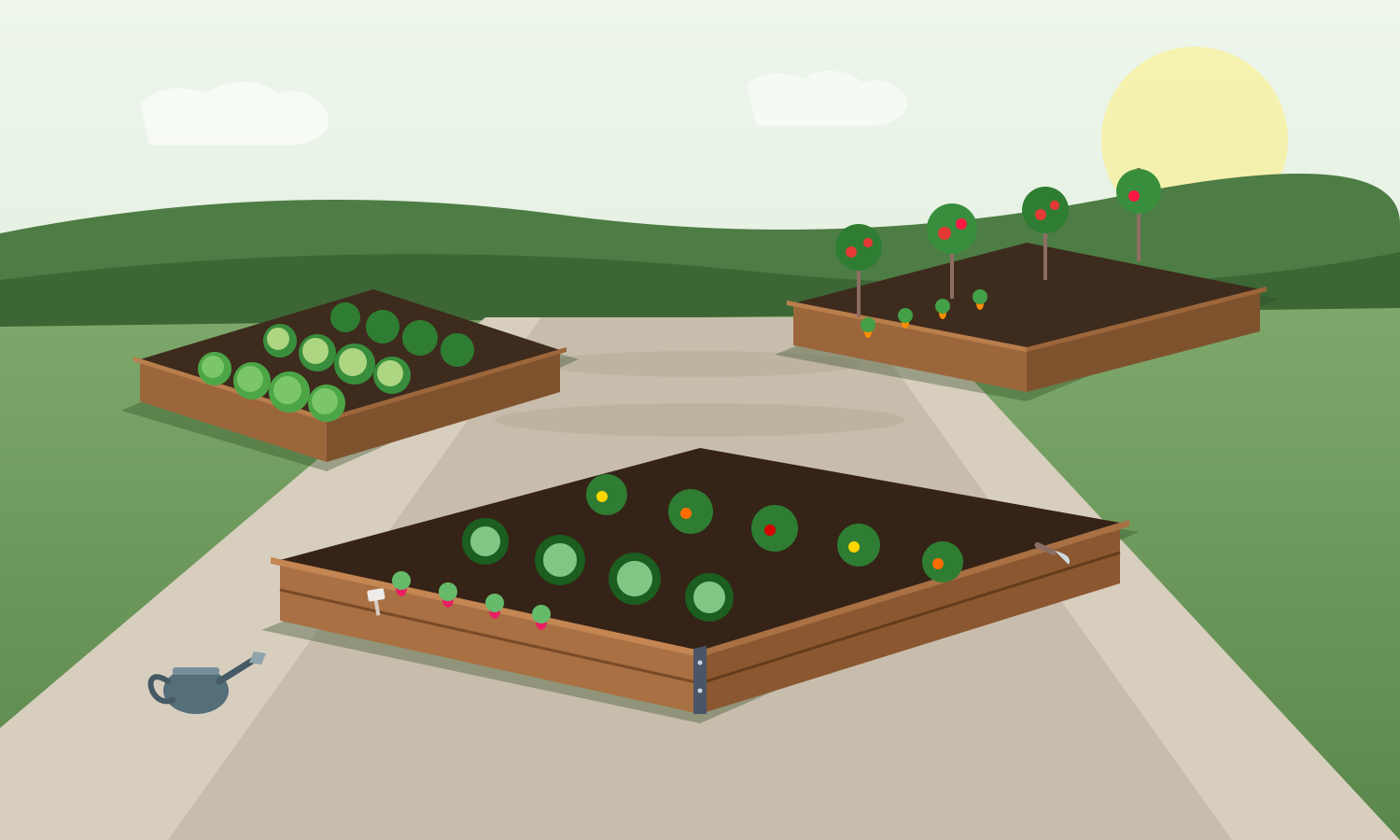
Building a productive backyard space starts with exploring functional raised garden bed ideas tailored to your available space and sun exposure. Whether you want to improve poor soil, increase yields, or reduce weeds, elevated planter boxes offer precise control over your growing conditions. Choosing the right materials and layout ensures your bed lasts for seasons to come.
Material Options for Raised Garden Bed Ideas
Selecting the best material sets the foundation for a durable garden build. Naturally rot-resistant timber such as cedar, redwood, or black locust offers an attractive aesthetic and long lifespan without leaching chemicals into the soil. Untreated softwoods like pine are cheaper upfront but may require replacement after three to five years.
For low-maintenance options, consider food-grade galvanized corrugated steel or high-density composite boards. Galvanized steel retains structural integrity for over twenty years and resists weather damage. When building diy raised garden beds, ensure untreated lumber is at least two inches thick to prevent warping over time under wet soil pressure.
Optimizing Your Raised Bed Layout
An efficient raised bed layout balances ease of harvesting with optimal plant density. Keep bed widths between three and four feet so you can comfortably reach the center from either side without stepping into the bed and compacting the soil. If placing beds against a wall or fence, restrict the depth to two feet maximum.
Pathways between beds should measure at least two to three feet wide for easy foot traffic, or up to four feet if you regularly use a wheelbarrow. Aligning beds north-to-south ensures even sunlight exposure for crops throughout the day. When learning how to start a vegetable garden from scratch, starting with a grid arrangement keeps walkways organized and weed management simple.
Soil Blend and Drainage Basics
The primary advantage of raised planter boxes is complete control over growing media. A standard high-yield mixture consists of 50 percent topsoil, 30 percent high-grade organic compost, and 20 percent coarse perlite or vermiculite to promote aeration and moisture retention. Avoid using plain topsoil or native clay alone, as it compacts quickly inside elevated borders.
Line the bottom of your bed with hardware cloth or gopher wire to deter burrowing pests. Applying a layer of cardboard over lawn areas smothers grass while decaying into organic matter. Top off your soil structure with the best mulch for vegetable garden beds to retain moisture and suppress weed germination during warm weather.
Keyhole and Vertical Bed Innovations
Small yards benefit from specialized raised frame designs that stretch vertical space and compost in place. Keyhole gardens feature a central composting basket surrounded by a circular growing bed, allowing nutrients from kitchen scraps to continuously feed surrounding plants with minimal watering needed.
- Keyhole beds: Ideal for arid climates and zero-waste composting.
- Tiered or step beds: Maximize sun exposure on narrow hillsides or patios.
- Integrated trellising: Supports climbing crops like tomatoes, cucumbers, and pole beans.
For more design inspiration, check out our collection of inspiring raised garden bed ideas to tailor your garden structure to your personal landscape.
Frequently Asked Questions
Most vegetables thrive in beds 12 to 18 inches deep. Deep-root crops like carrots and parsnips benefit from 18 to 24 inches, while shallow-rooted greens grow well in 8 to 10 inches of soil.
Cedar and redwood are top choices due to natural rot resistance and durability, lasting 10 to 15 years untreated. Douglas fir is a budget-friendly option lasting 5 to 7 years.
Avoid solid plastic liners as they block drainage. Instead, use permeable landscape fabric, untreated cardboard, or newspaper to smother weeds while allowing earthworms and moisture to pass through.