The Best Mulch for Vegetable Garden Beds and Healthy Soil
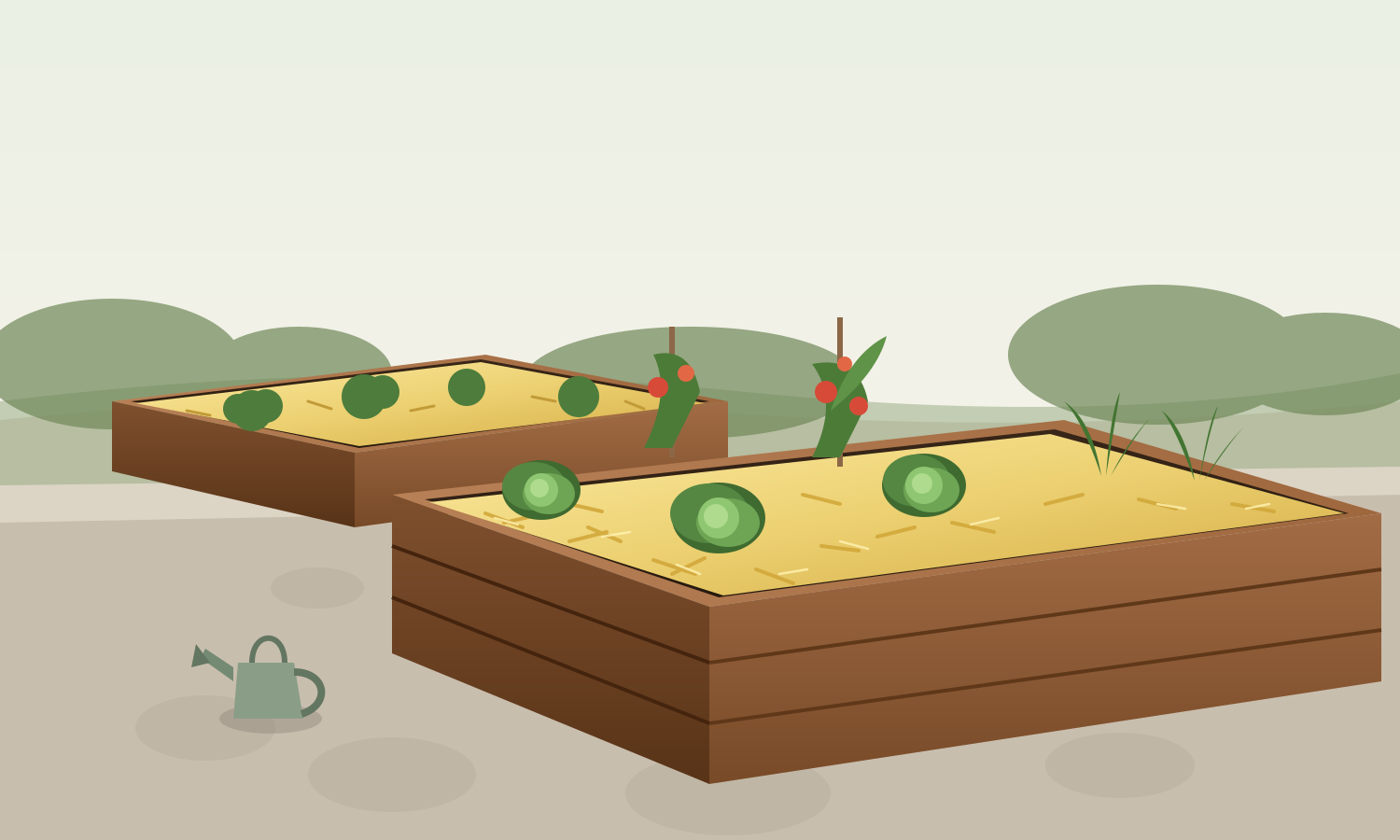
Selecting the best mulch for vegetable garden beds is essential for conserving soil moisture, regulating root temperatures, and preventing competitive weed growth. While ornamental landscapes often rely on heavy wood chips, annual food crops benefit most from fast-decomposing materials. Knowing how to choose and apply the right ground cover ensures robust plant growth and long-term soil vitality.
Why Choosing the Best Mulch for Vegetable Garden Beds Matters
Vegetable plants have shallow, tender root systems that suffer when exposed to fluctuating moisture levels and intense heat. Applying a protective layer protects the soil microbiome from drying winds and blazing sun. An effective ground cover also prevents soil compaction caused by heavy rain or overhead watering.
Furthermore, using an appropriate cover cuts down on weeding chores. Applying mulch for weeds blocks sunlight from reaching dormant seeds, stopping germination before weeds can rob crops of nutrients and water. When setting up crops, as detailed in our guide on how to start a vegetable garden from scratch, mulching immediately after transplanting helps young plants establish deep roots without weed competition.
Top Organic Mulch Types for Productive Crops
Vegetable crops thrive when covered with carbon-rich materials that break down into humus. Several organic mulch types offer distinct benefits for edible gardens:
- Clean Straw: Weed-free wheat, oat, or rice straw is lightweight, allows rain penetration, and reflects excessive summer heat away from tomatoes and peppers. Avoid hay, which contains persistent weed seeds.
- Shredded Leaves: Dry autumn leaves shredded with a mower provide trace minerals and earthworm habitat without matting or blocking airflow.
- Screened Compost: A 1- to 2-inch layer serves as both mulch and slow-release fertilizer, improving soil aggregation while nourishing earthworms.
- Untreated Grass Clippings: Applied in thin, dry layers of less than one inch, green clippings supply nitrogen and degrade rapidly.
Mulching Materials to Avoid Around Vegetables
Not all landscaping covers suit annual vegetable beds. Dense, slow-to-degrade materials can harm tender edible crops or create unwanted chemical barriers:
- Bark Nuggets and Hardwood Chips: While ideal for perennial shrubs and pathways, thick wood chips tie up available surface nitrogen as soil fungi work to break down the carbon.
- Synthetic Weed Fabrics: Plastic sheeting prevents organic matter from returning to the soil and can overheat tender plant roots during midsummer.
- Treated Grass Clippings: Lawn clippings treated with broadleaf herbicides can stunt or kill sensitive nightshades and legumes.
- Fresh Manure: Hot manure burns vegetable roots and introduces potential pathogens to crops eaten raw.
Adhering to clean practices aligns with the core importance of organic gardening by keeping synthetic residues out of food production.
Application Depth, Timing, and Bed Management
Timing and thickness dictate the success of any mulching strategy. In early spring, wait until the soil warms to at least 60 degrees Fahrenheit before mulching warm-season vegetables like eggplants and squash. Applying mulch too early traps cold winter moisture and delays seedling emergence.
Aim for a depth of 2 to 3 inches for loose straw or shredded leaves, but keep the material 1 to 2 inches away from plant stems to prevent fungal rot and pest harborage. In raised setups, such as those featured in our inspiring raised garden bed ideas, wind can dry outer edges faster, requiring an even, consistent spread across the entire soil surface. Replenish thin spots mid-season to maintain weed suppression.
Frequently Asked Questions
Fresh wood chips are generally not recommended directly around annual vegetables because decomposing fungi can temporarily deplete surface nitrogen. However, fully aged wood chips or wood chips used exclusively on garden pathways are safe and practical.
Straw consists of the hollow, dried stalks left after grain harvest and rarely contains seeds. Hay is dried pasture grass cut with seed heads intact, which frequently introduces persistent weed problems into garden beds.
Maintain a depth of 2 to 3 inches for loose materials like straw or shredded leaves. Denser mulches like compost or dried grass clippings should be kept at 1 to 2 inches to allow proper airflow and water penetration.