Functional and Creative Raised Garden Bed Ideas
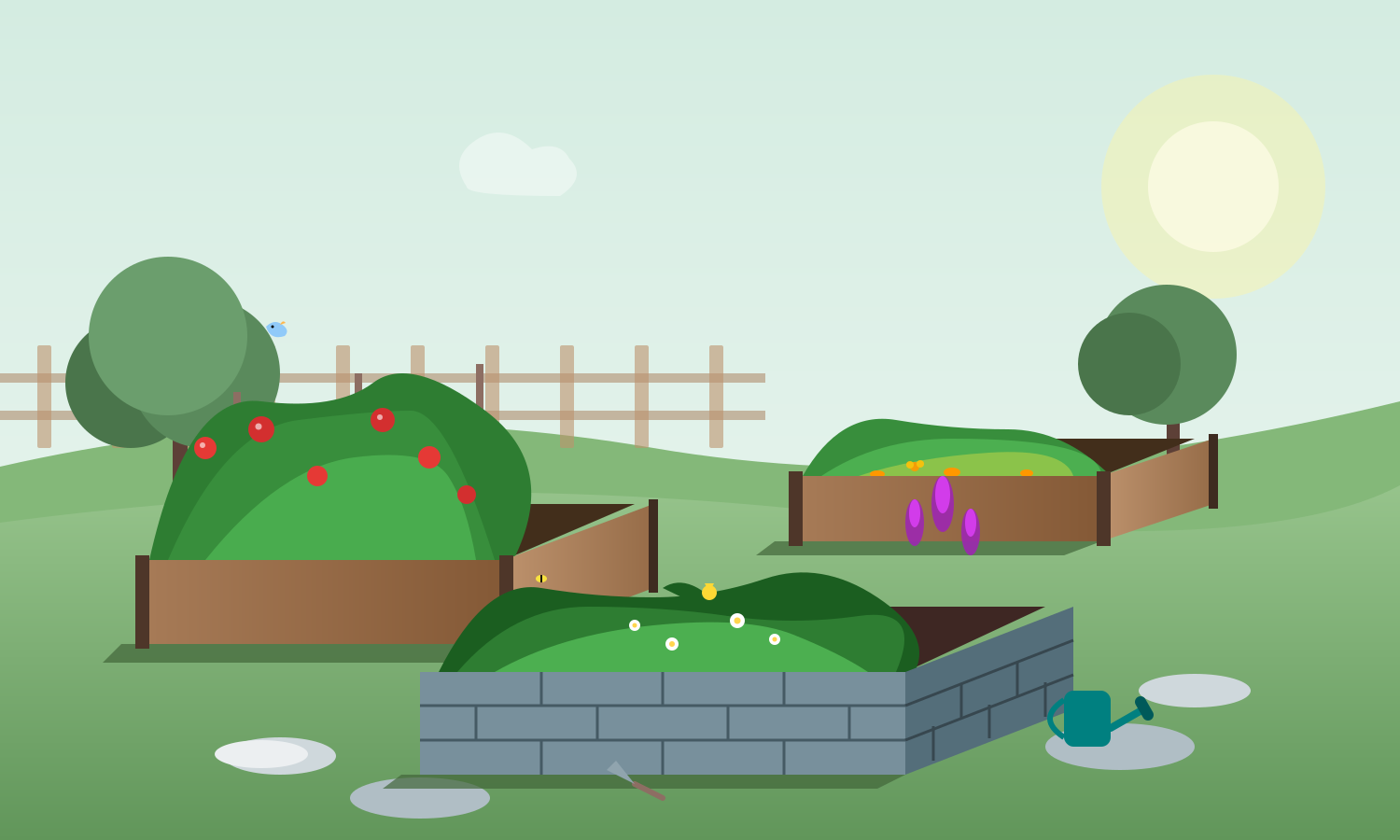
Transforming your growing space begins with choosing smart raised garden bed ideas tailored to your landscape. Raised beds offer superior drainage, better soil quality control, and easier access for weeding and harvesting. Whether you want to build diy raised garden beds or install modular kits, planning your setup properly ensures a healthy and bountiful harvest all season long.
Selecting Materials for DIY Raised Garden Beds
Choosing the right material for diy raised garden beds impacts both longevity and plant safety. Naturally rot-resistant timber like cedar or redwood remains the top choice for organic growers, lasting 10 to 15 years without chemical treatments. Untreated pine is budget-friendly but may only last 3 to 5 years in humid conditions.
Alternatively, corrugated galvanized metal provides a sleek modern look and excellent durability, lasting over 20 years. Masonry blocks and stacked stone offer permanent solutions that absorb heat during the day and warm the soil overnight, which benefits warm-season crops like tomatoes and peppers. Avoid pressure-treated lumber manufactured before 2004 due to toxic CCA preservatives.
Designing an Efficient Raised Bed Layout
A well-planned raised bed layout maximizes light exposure and simplifies daily garden tasks. Aligning beds north to south ensures even sunlight distribution throughout the day, preventing taller plants from shading shorter ones. Keep individual bed widths to a maximum of 4 feet so you can comfortably reach the center from either side without stepping on and compacting the soil.
- Pathway width: Main walkways should measure 3 to 4 feet wide to accommodate wheelbarrows, while secondary paths can be 2 feet wide.
- Bed height: A standard height of 10 to 12 inches works for most crops, while elevated 24 to 36-inch beds reduce back strain.
- Orientation: Place tall trellises on the north side of the layout.
Filling Beds for Optimal Root Health
To keep construction costs manageable, use the hugelkultur method for deeper beds over 18 inches high. Fill the bottom third with rotting logs, fallen branches, and leaf litter, which decompose over time while retaining moisture. Top this base with a balanced soil blend to provide immediate nutrients to your crops.
An ideal mix consists of 50% high-quality topsoil, 30% finished organic compost, and 20% coarse organic matter like coconut coir or perlite. This blend supports deep root growth and prevents soil compaction. If you are learning how to start a vegetable garden from scratch, investing in premium soil ingredients yields long-term success.
Incorporating Pest Defense into Raised Garden Bed Ideas
Integrated protection is key when planning your raised garden bed ideas. Stapling half-inch hardware cloth or gopher wire along the inner bottom of the frame before adding soil prevents burrowing pests like moles and voles from damaging roots. Adding removable PVC or wooden hoops allows you to easily attach floating row covers to shield brassicas from insects or frost cloth during unseasonal drops in temperature.
Suppressing weeds along pathways is equally crucial. Line walkways between beds with cardboard and layer 3 inches of wood chips or gravel on top. Understanding the importance of organic gardening principles helps you manage pests without relying on synthetic chemical sprays.
Integrating Trellises and Vertical Supports
Expanding vertically doubles your available planting space without expanding your footprint. Arch trellises spanning between two parallel beds create stunning garden entrances while supporting heavy vining crops like squash, cucumbers, and pole beans. Sturdy cattle panel trellises or wooden A-frames fixed to individual beds keep fruit elevated off the ground, improving air circulation and preventing fungal diseases.
Combining vertical structures with compact planting helps maximize yield in limited spaces. Pair deep-rooted climbing crops with shallow-rooted greens like lettuce or radishes tucked around the base of your frames. For step-by-step planting guidelines, review how do you start a garden successfully.
Frequently Asked Questions
A minimum depth of 8 to 12 inches is sufficient for most vegetables, including lettuce, beans, and peppers. Deep-rooted crops like carrots, tomatoes, and parsnips perform better in beds that are 18 to 24 inches deep.
Cedar is superior because it naturally resists rot, insects, and moisture without toxic chemicals. Modern pressure-treated wood uses copper-based preservatives, but many organic gardeners still prefer untreated cedar or redwood to avoid chemical leaching.
Space beds at least 2 to 3 feet apart for easy walking access and weeding. If you plan to roll a wheelbarrow or lawnmower between beds, leave paths that are 3 to 4 feet wide.