Black Brick Pavers: Pros, Cons, and Design Ideas
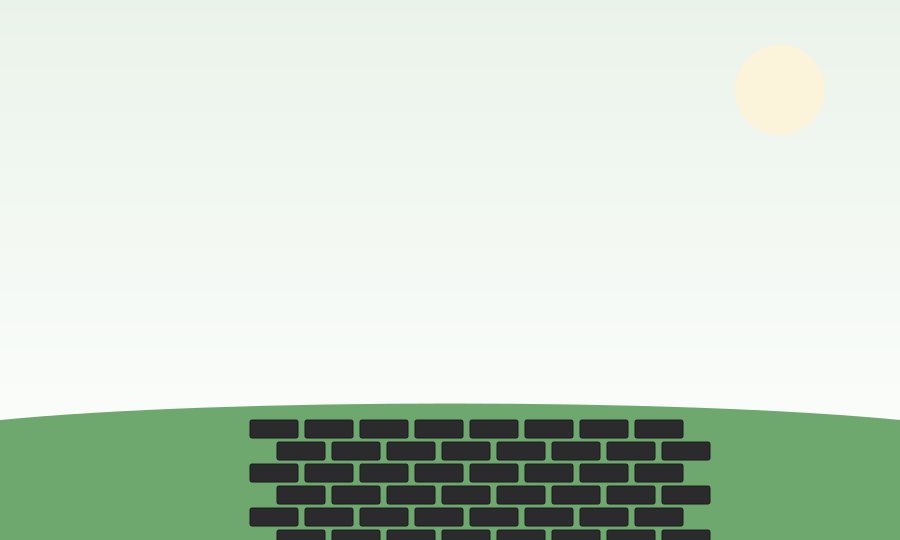
Black brick pavers offer a striking, modern alternative to traditional red or tan paving — but they come with a few practical trade-offs worth knowing before you commit a whole patio or driveway to them.
Pros of Black Brick Pavers
- Striking visual contrast against greenery and lighter architecture.
- Hides stains well compared to lighter pavers, which show oil spots and dirt more visibly.
- Pairs naturally with modern and minimalist design styles.
Cons to Consider
- Heat absorption: noticeably hotter underfoot in direct summer sun than lighter pavers.
- Shows dust and pollen more visibly than darker debris would suggest, ironically requiring more frequent sweeping in some climates.
- Limited supplier availability in some regions compared to standard colors, which can affect lead time.
Design Patterns That Work Well
- Herringbone: adds movement and reads as more custom/high-end.
- Running bond with light-colored grout lines: the contrast emphasizes the paver shape itself.
- Mixed black-and-gray paver fields: breaks up large areas so they don't feel like a single dark slab.
For accent applications rather than full paved areas, see our companion guide on black bricks for landscaping.
Cost Expectations
Black brick pavers typically cost slightly more than standard-color pavers due to lower production volume and sometimes limited regional suppliers. Installation labor cost is generally the same regardless of paver color, since the install process doesn't change.
Frequently Asked Questions
Yes, though it's worth factoring in higher heat absorption in hot climates and slightly higher material cost compared to standard paver colors.
Black pavers generally hide oil and dirt stains better than light pavers, though they can show dust and pollen more visibly depending on the finish.
Herringbone patterns tend to read as more custom and high-end, while mixing black with gray pavers helps break up large paved areas visually.